-
-
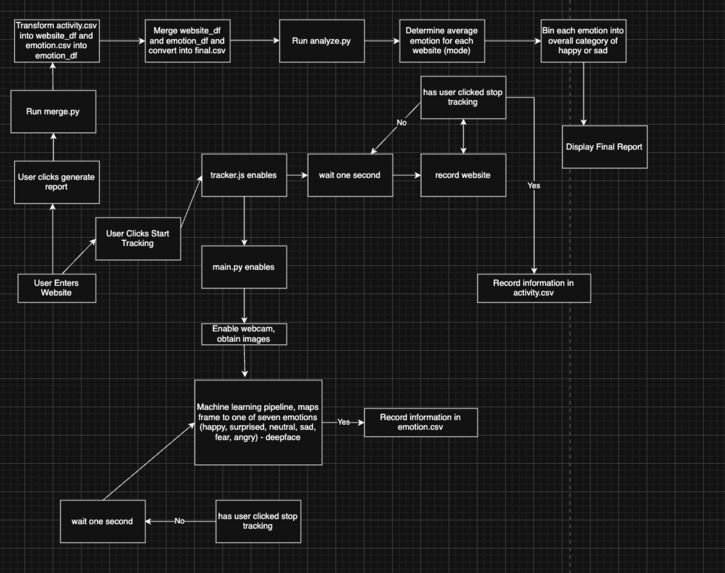
MoodSwing Pipeline
-
-
-
-
-
-
-
-
-
-
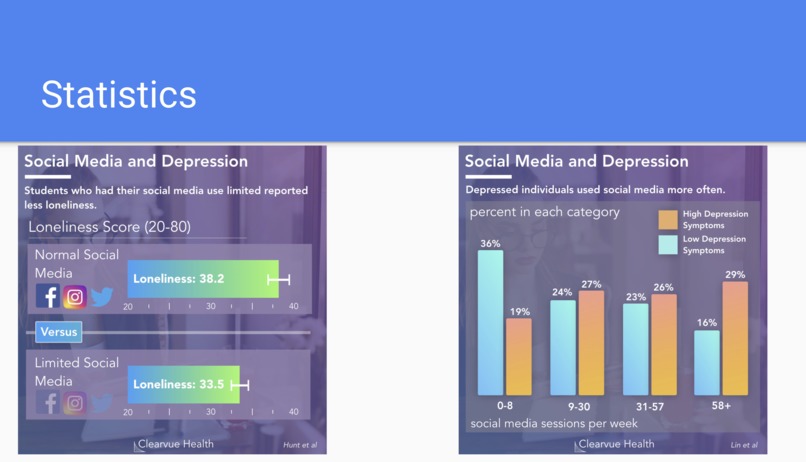
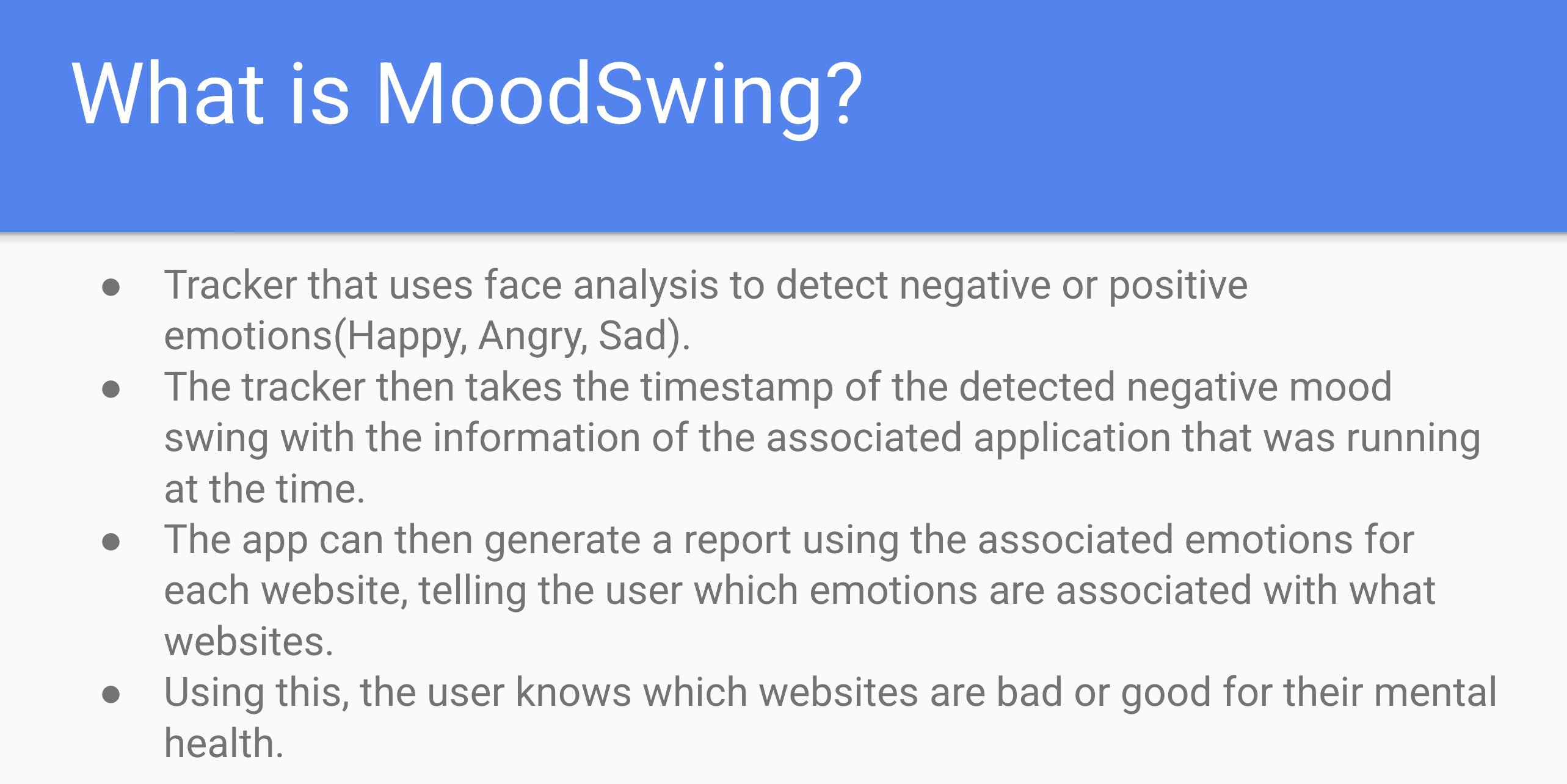
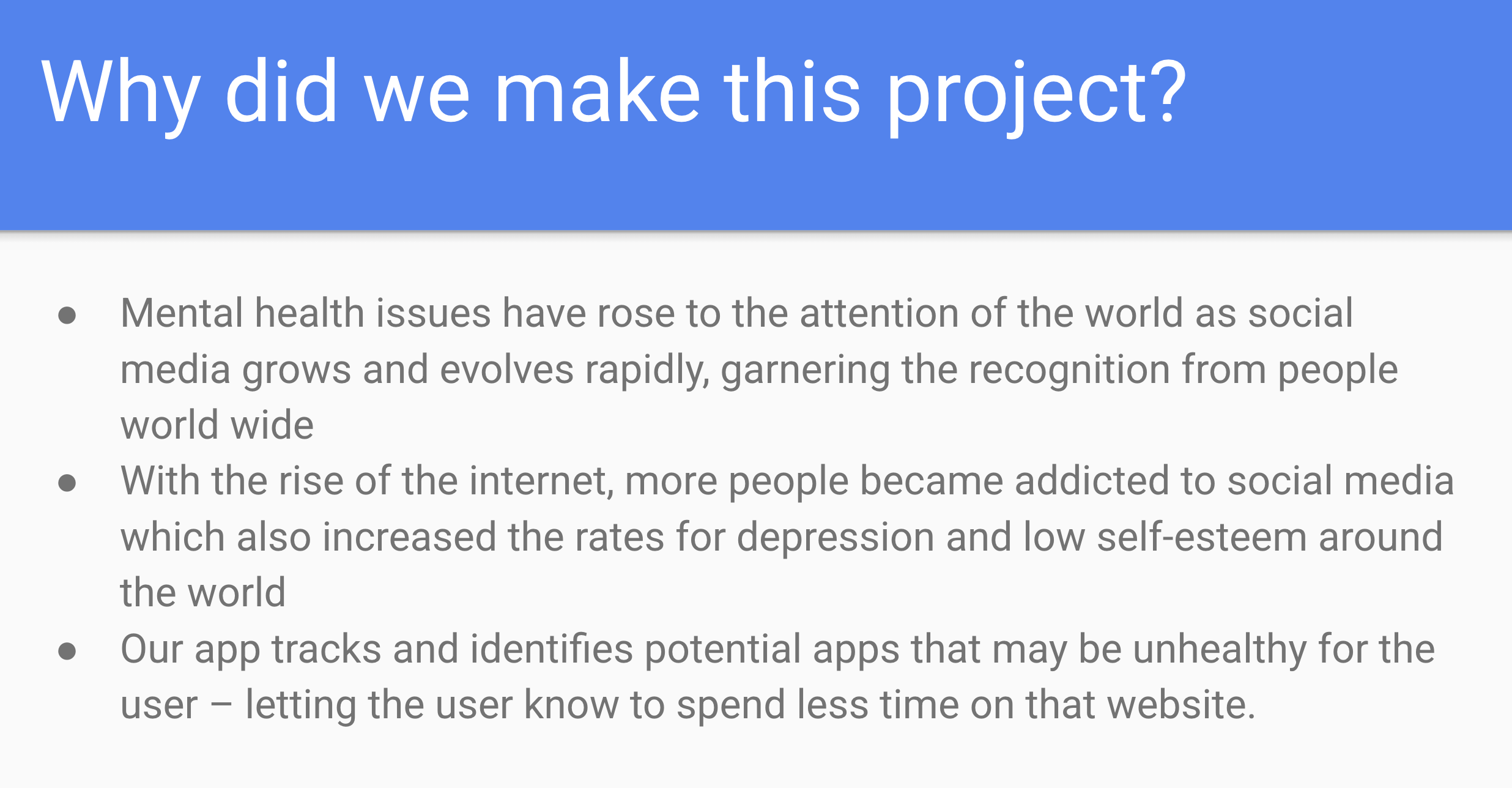
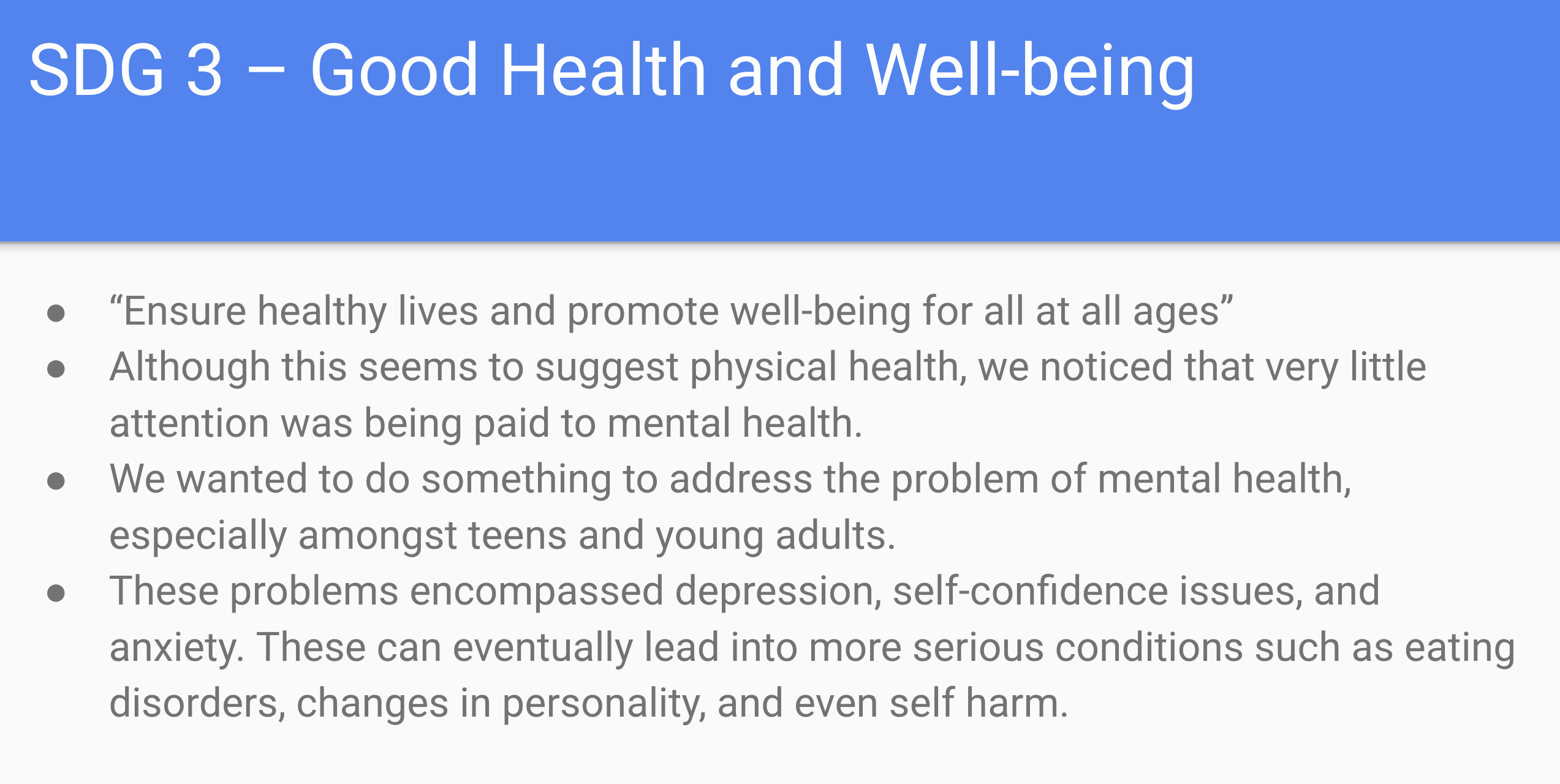
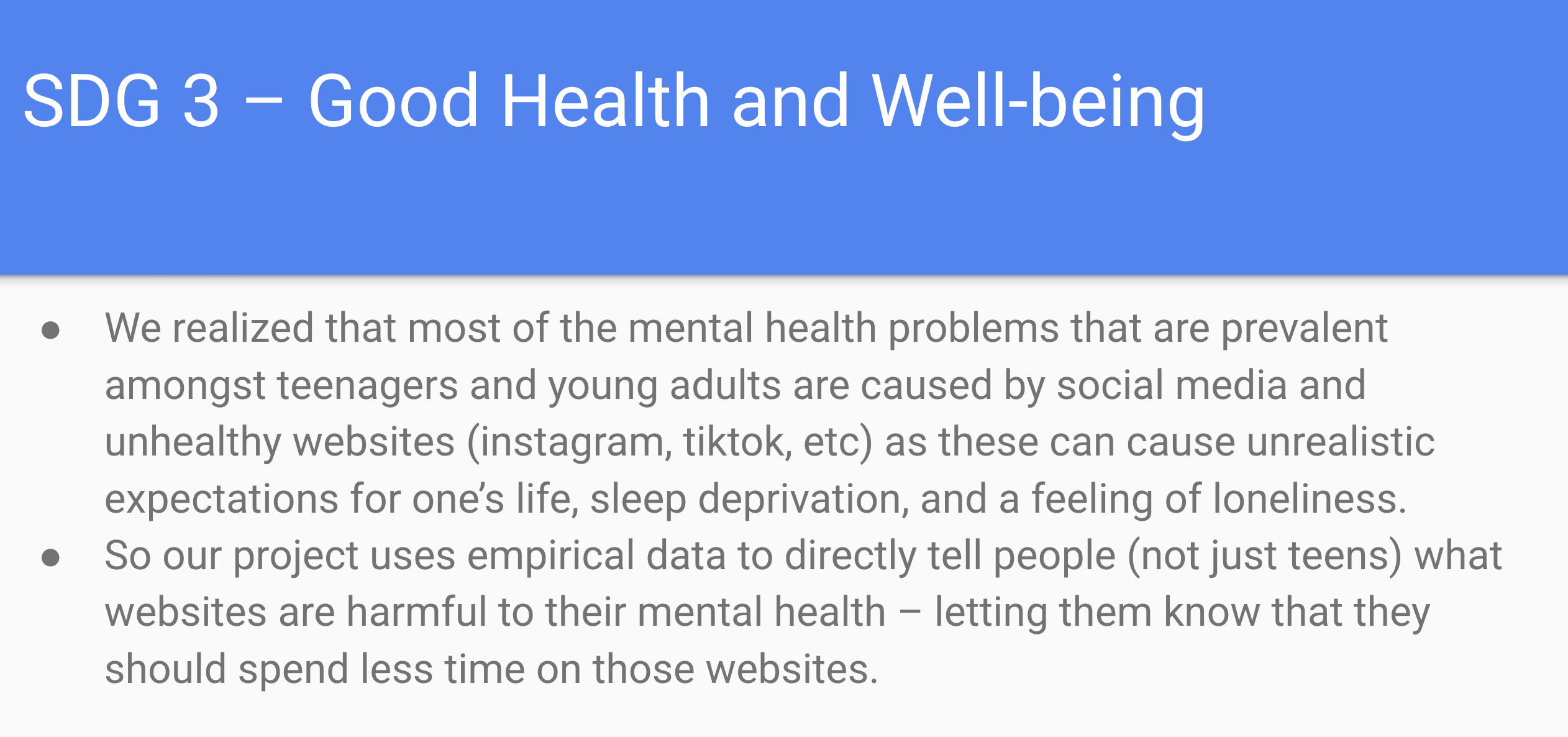
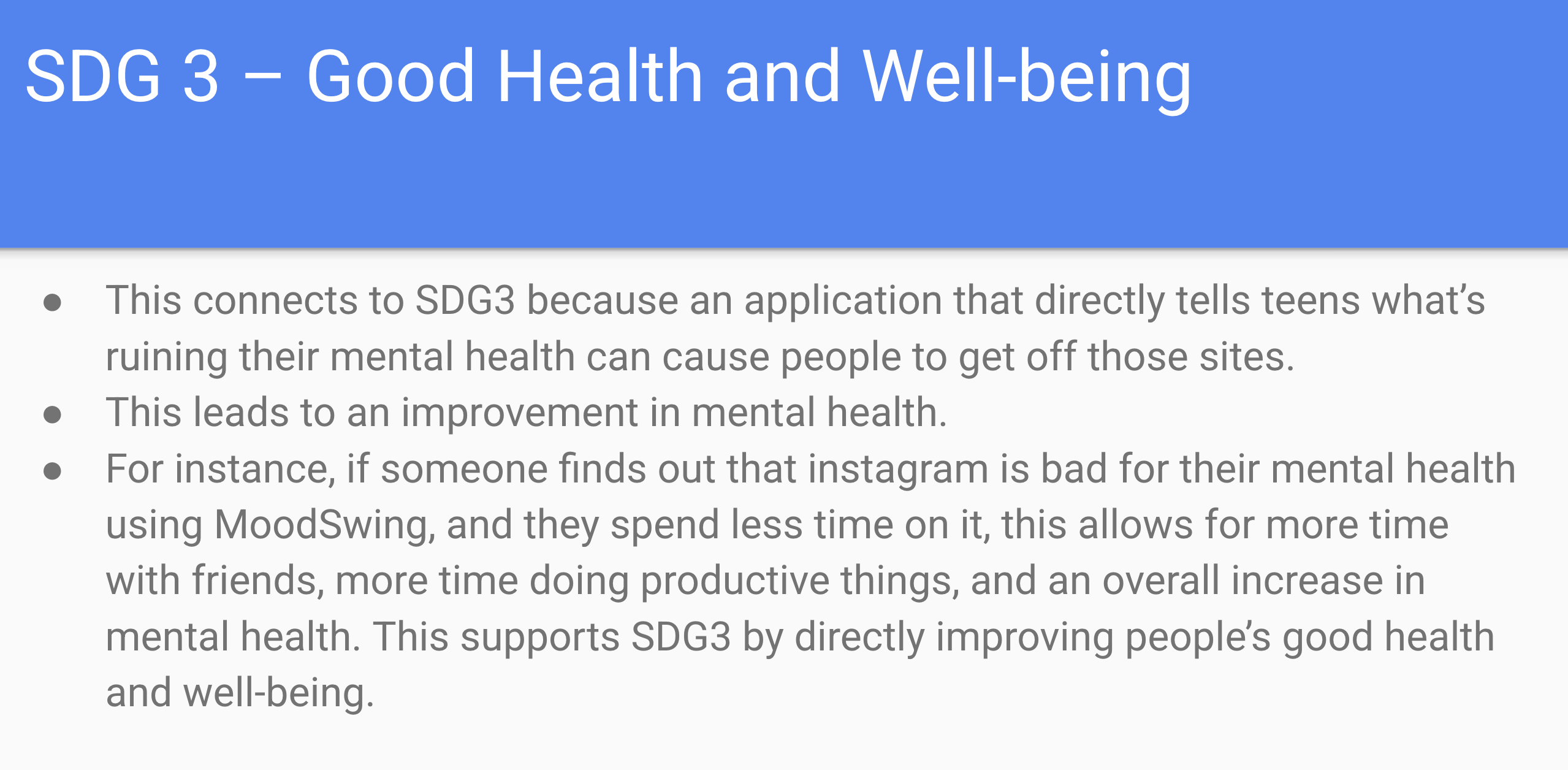
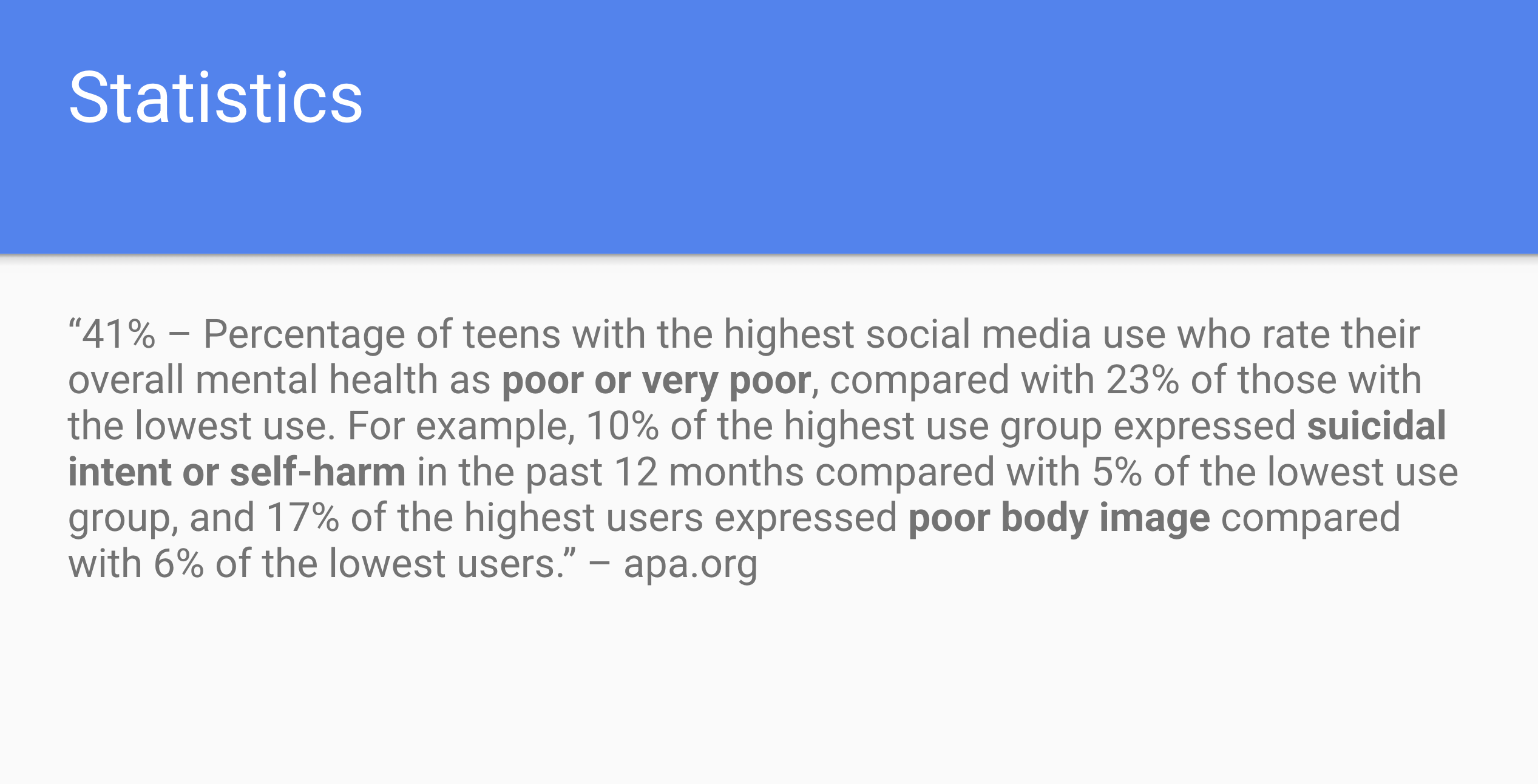
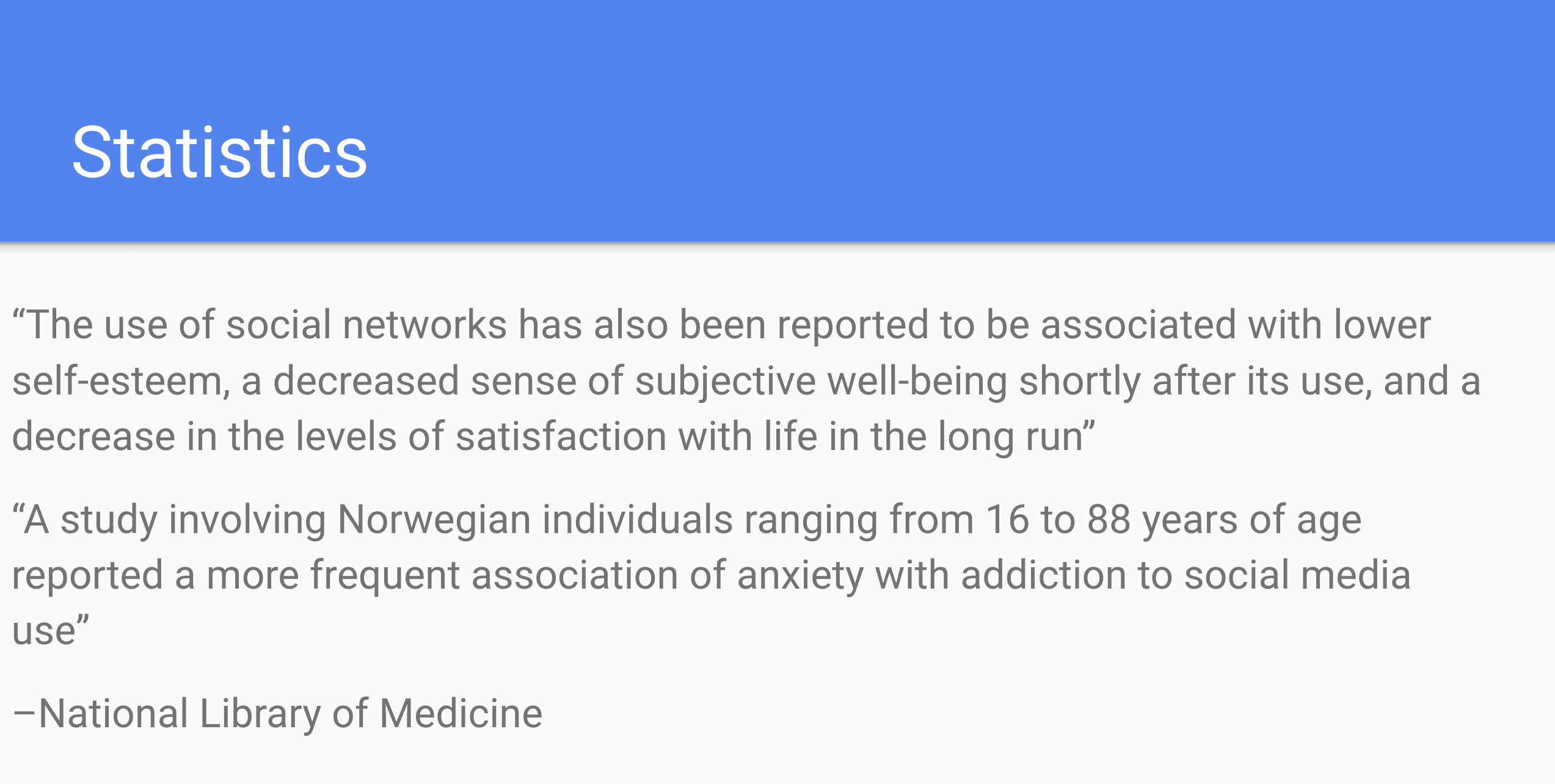
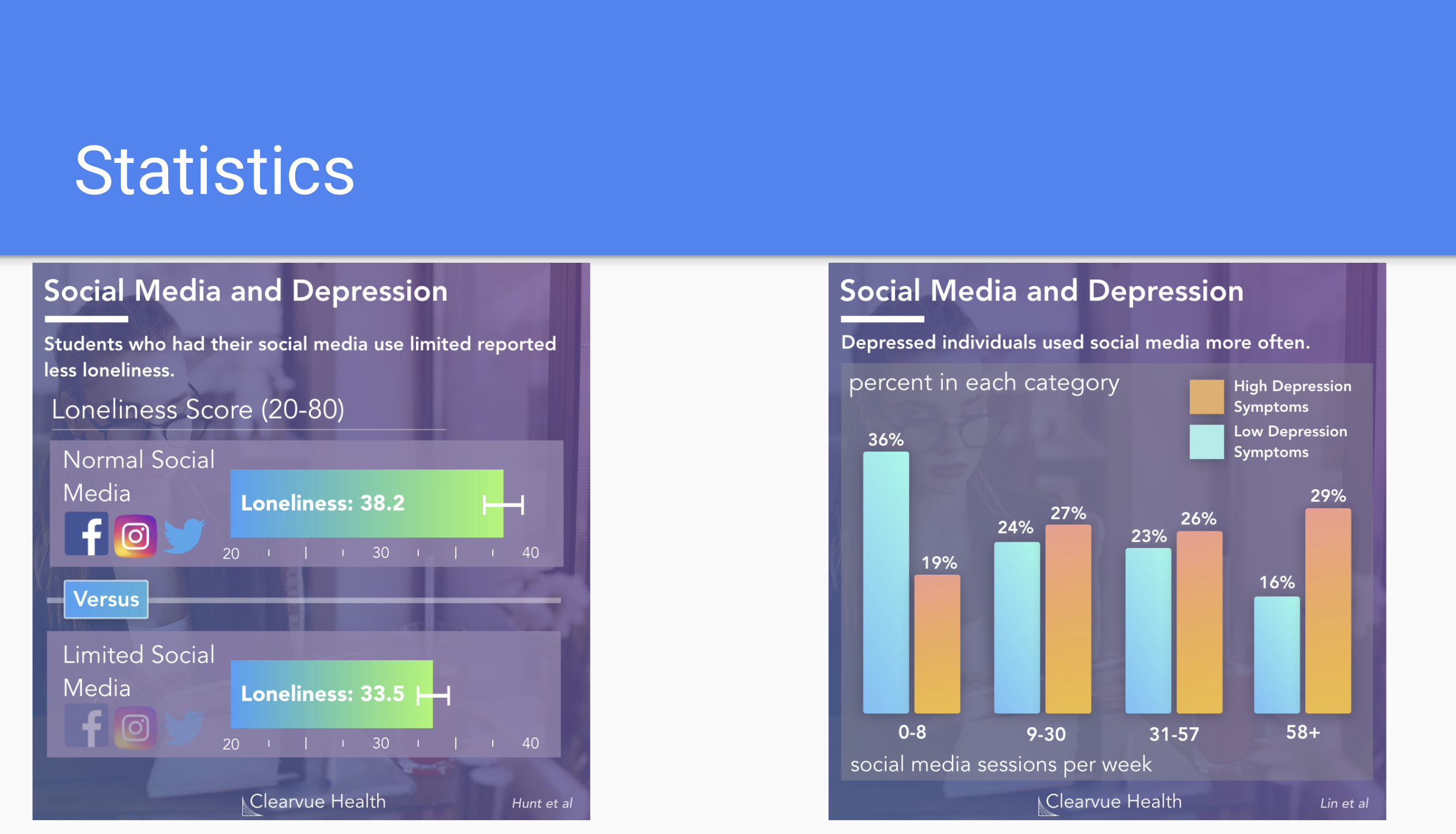
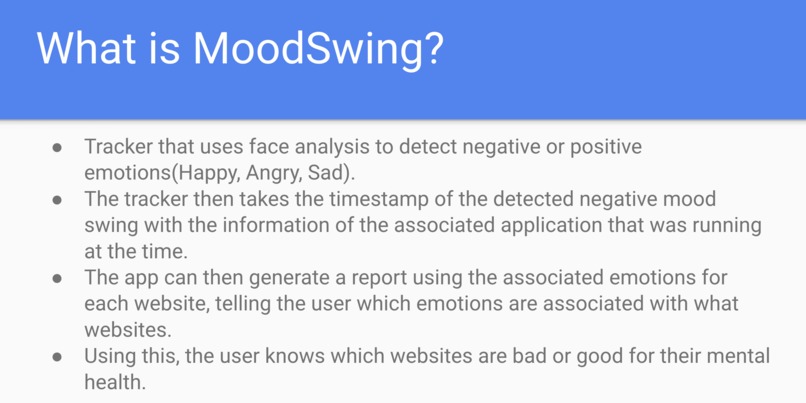
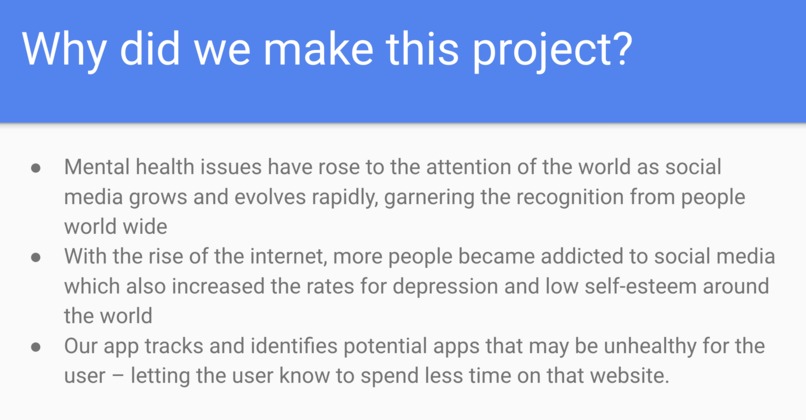
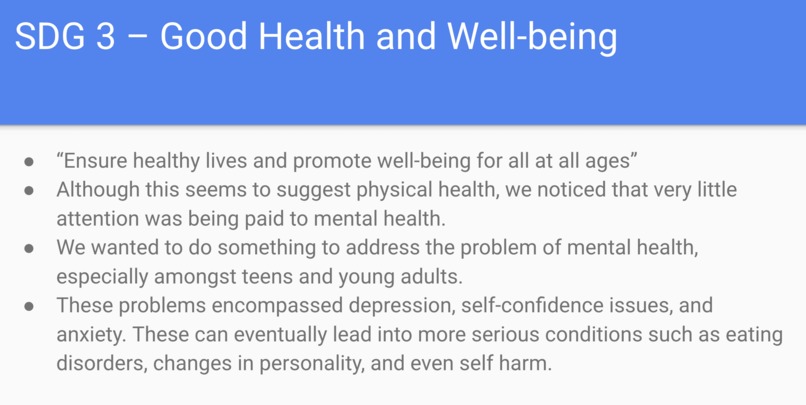
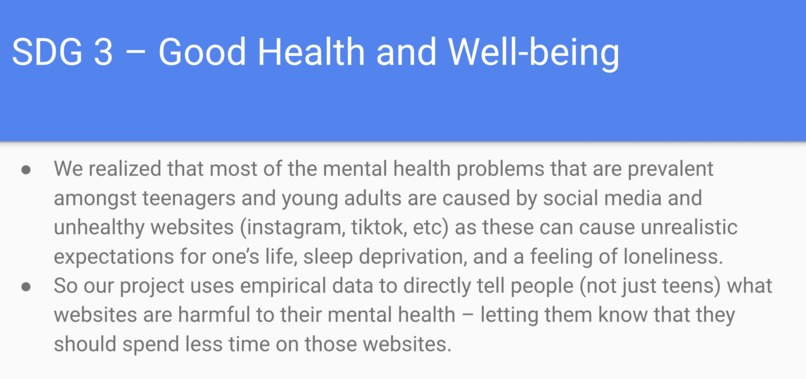
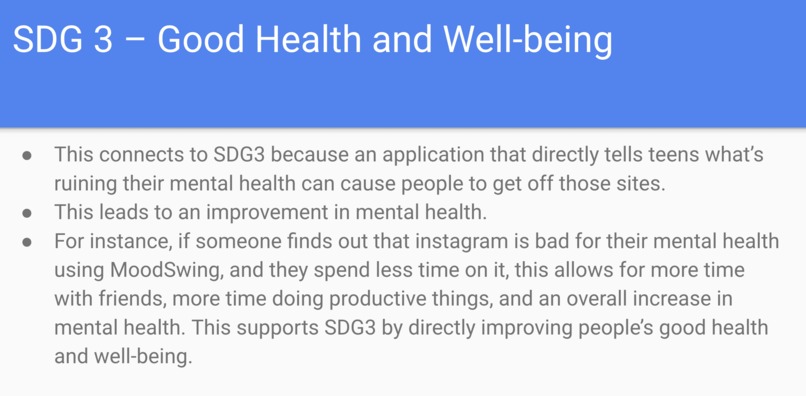
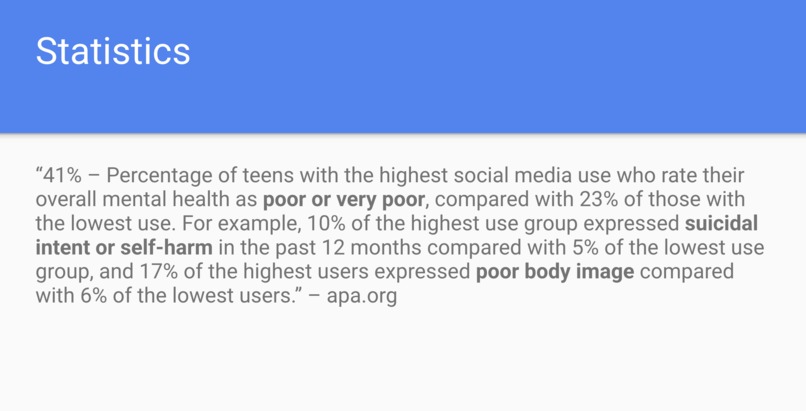
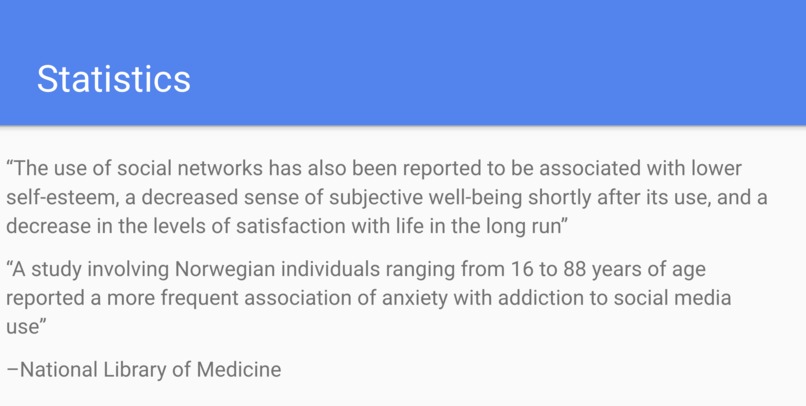
Inspiration: With the rise of the internet and social media, people have become increasingly addicted to online platforms, leading to higher rates of depression and low self-esteem worldwide. To address this issue, we developed an app that tracks users' activity and emotions to provide a suggestion to the user on its potential harm.
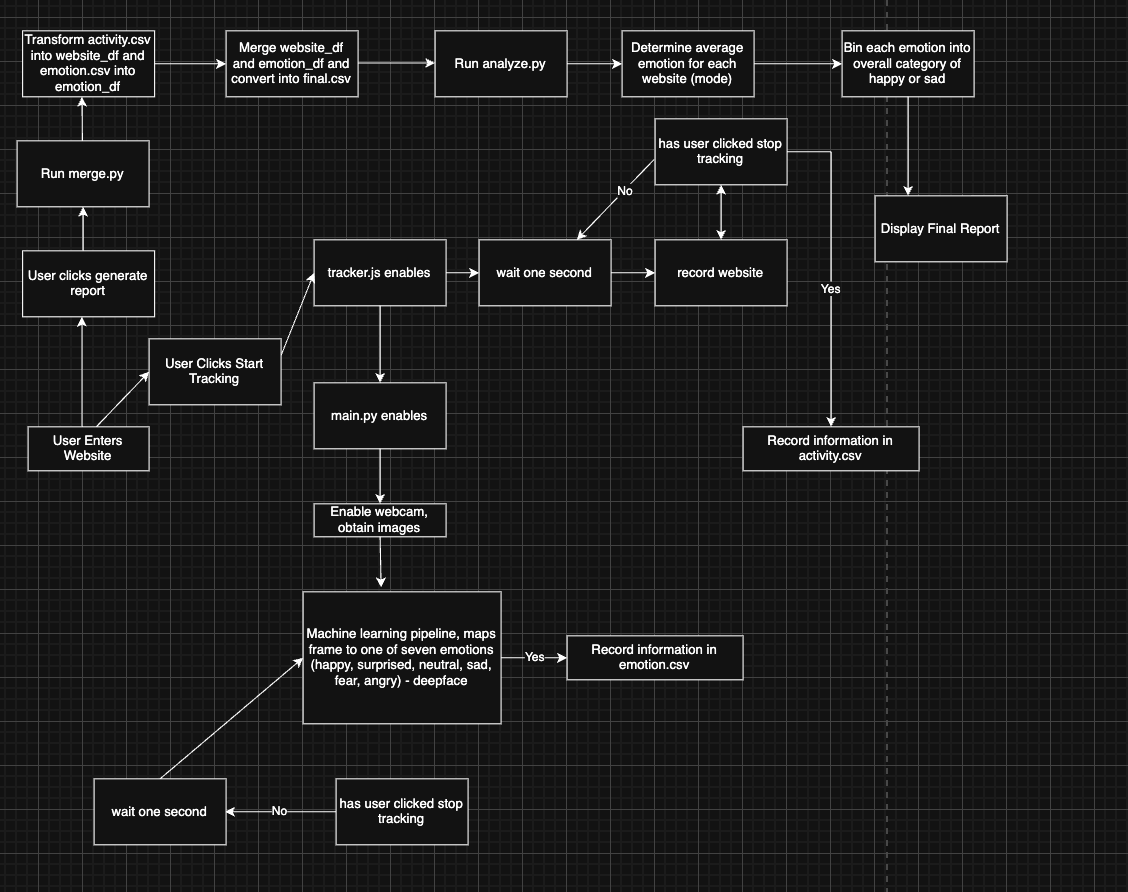
Description: The app is a tracker that is able to capture the users activity and emotion when the app is running to detect mood swings during the session. We organize the information for every website and application that the user opened and the average detected emotion on the respective website or application to make a analysis and provide suggestions to the user.
What we used: We used HTML and CSS to design the basic layout and styling of the web page, including features like buttons for starting tracking sessions and the modern scrolling background. The main functionality of the application is written in Python and is what manages the data, the machine-learning model, and the webcam. The server is ran using Express and is coded in JavaScript with the NodeJS framework, and it manages the running of different Python scripts.
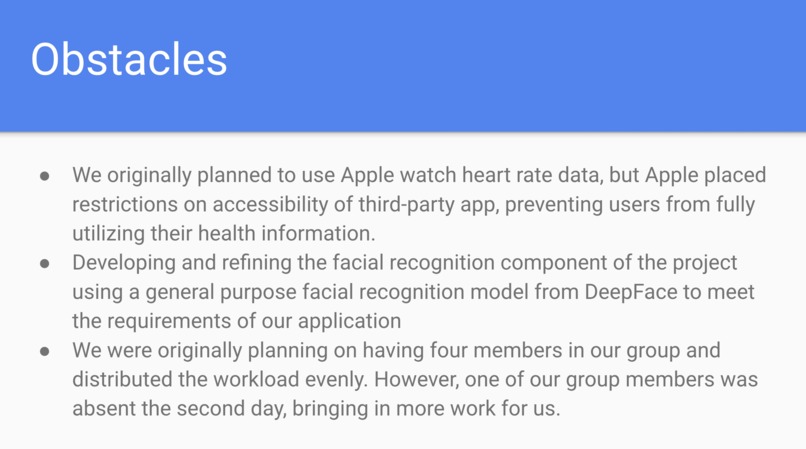
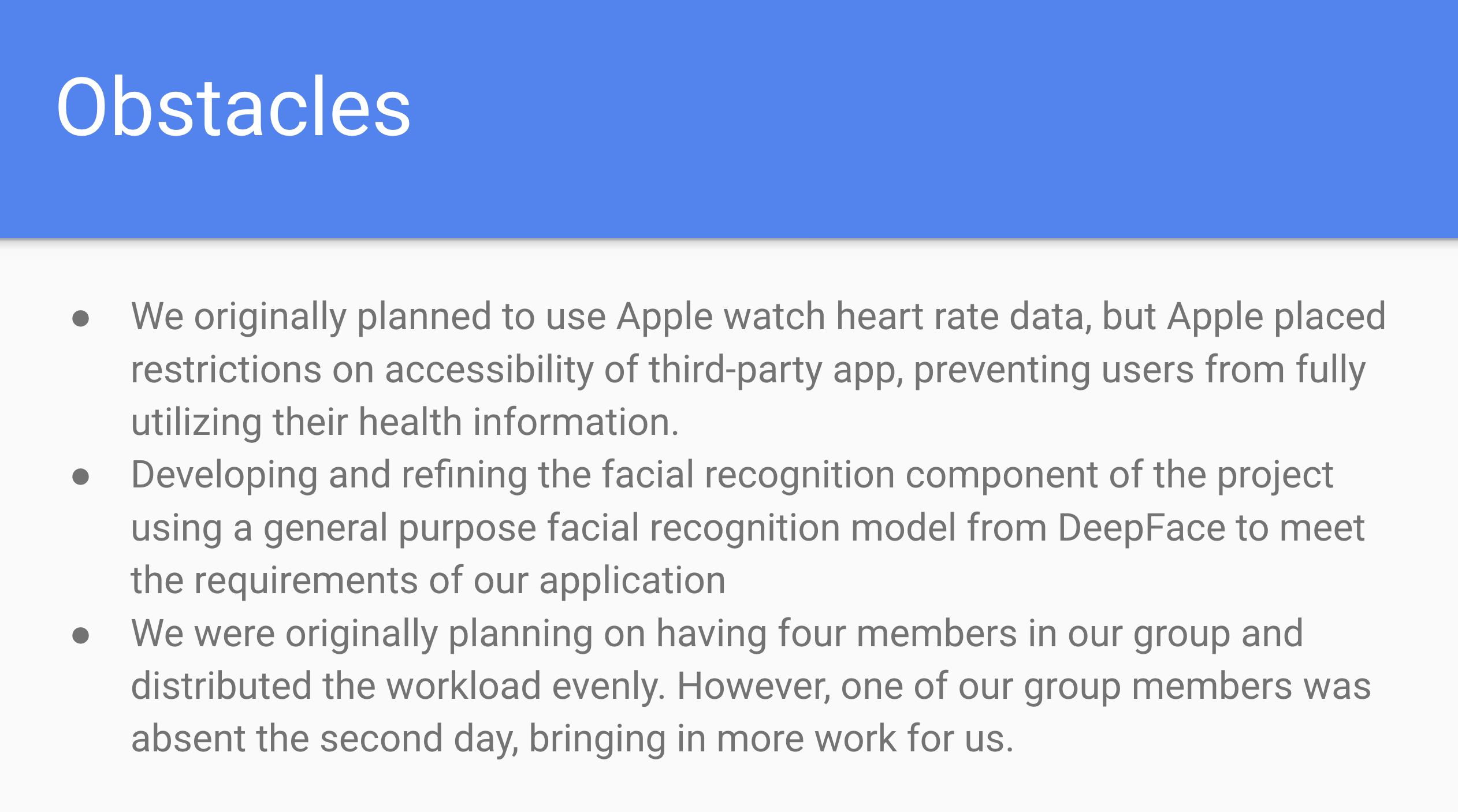
Obstacles: Some challenges that we encountered is that we originally intended on using Apple watch heart rate data as another component for our analysis of the app that the user is running, but Apple placed restrictions on accessibility of third-party app, preventing users from fully utilizing their health information. Secondly, developing and refining the facial recognition component of the project using a general purpose facial recognition model from DeepFace to meet the requirements of our application as well as debugging errors and making the facial capture more accurate took us some time.
Accomplishments: We were proud of the fact that we were able to get the activity tracker and facial recognition model to record the web activity and capture the emotion of the users, storing the data in a CSV file, and producing a simple analysis once the user ends their session.
What we learned: We learned many valuable lessons from coding the app and also lessons that we can apply to all areas of life. For coding, we gained experience creating a server, using machine-learning models, and integrating many parts of a project together. While we were able to each make our own parts of the project, integrating it together and creating a full, working, pipeline was the hardest part. Outside of coding, we came back from failure multiple times on this project, which allowed us to learn that when you fail, keep trying, eventually you'll come up with a great project.
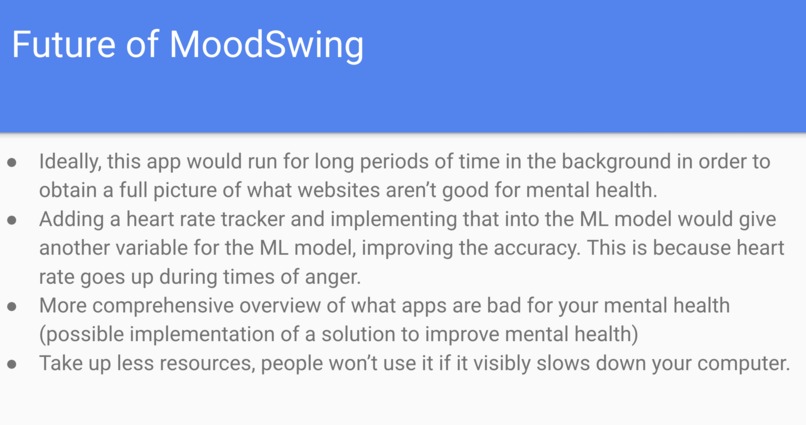
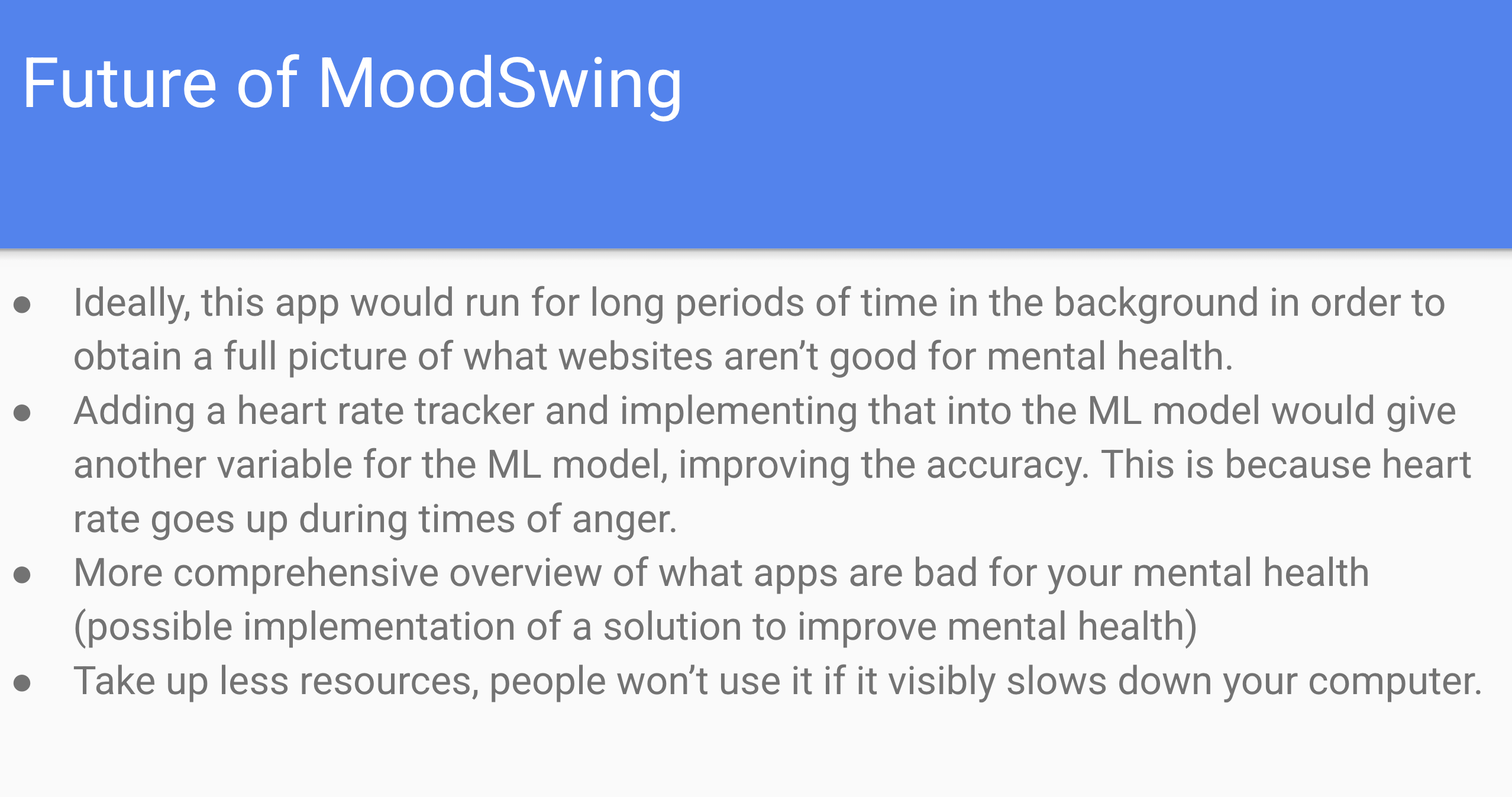
Future Plans: Ideally, this app would run for long periods of time in the background in order to obtain a full picture of what websites aren’t good for mental health. We also plan on adding a heart rate tracker and implementing that into the ML model would give another variable for the ML model, improving the accuracy. This is because heart rate goes up during times of anger and fear. Lastly, we want to implement a more comprehensive overview of what apps are bad for your mental health (possible implementation of a solution to improve mental health).
Built With
- css
- html
- javascript
- matplotlib
- pandas
- python
- tensorflow
- vscode


Log in or sign up for Devpost to join the conversation.