-
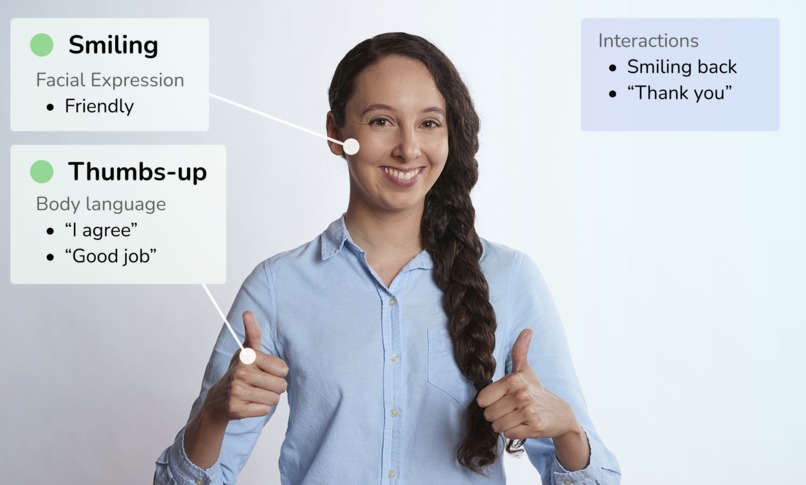
moodi AR glasses display
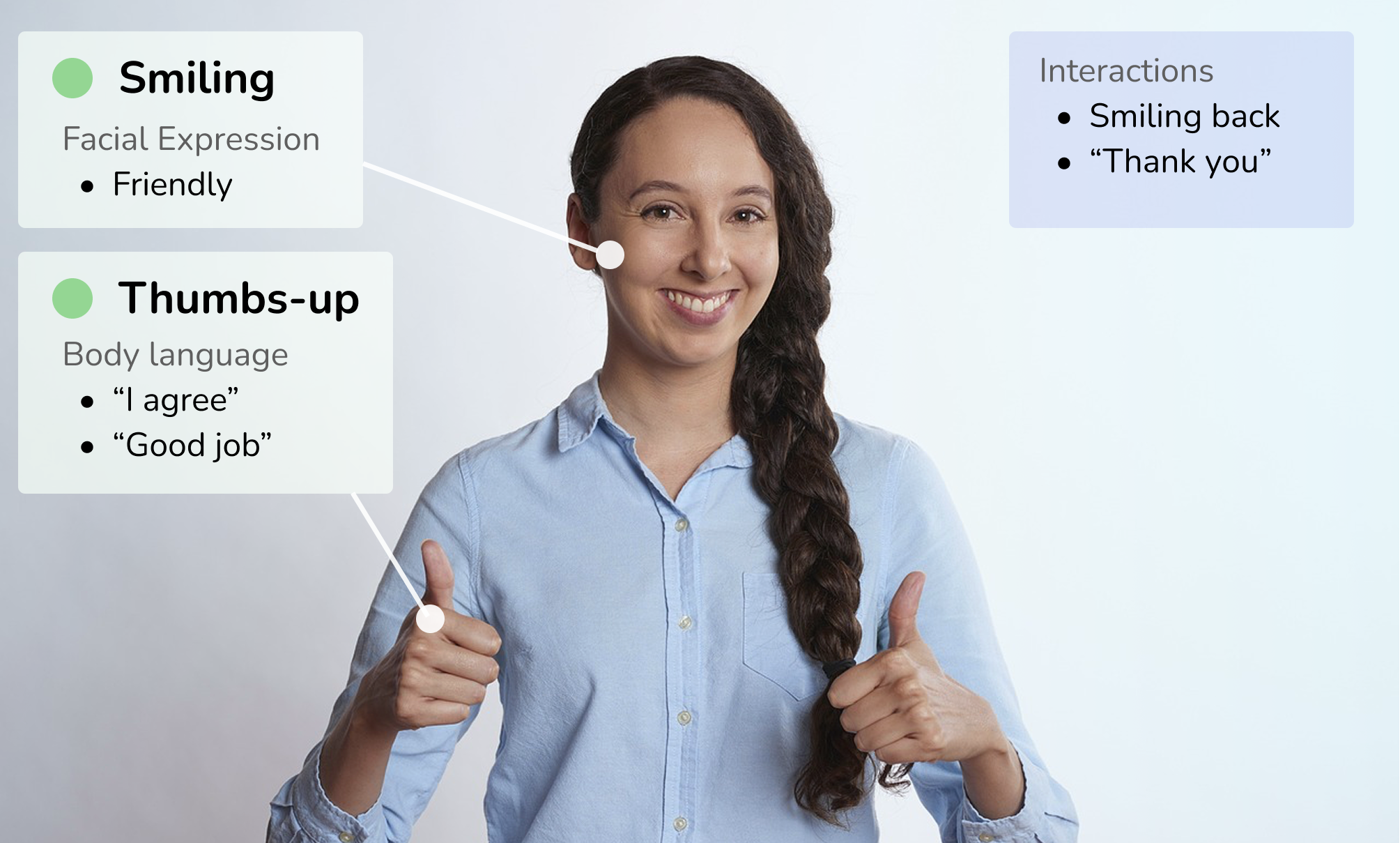
In person
Inspiration
Many neurodivergent children, especially those on the autism spectrum, face significant challenges in interpreting body language and nonverbal social cues. These difficulties can hinder their ability to connect with others, build friendships, and navigate everyday social situations. Traditional interventions, such as behavioral therapy, are often expensive, difficult to access, and may not be tailored to each child's unique learning style. Our team was inspired by the transformative potential of augmented reality (AR) and wearable technology to provide immediate, personalized support in real-world settings.
What it does
moodi is an app that offers integration with AR/VR glasses that gives neurodivergent children the ability to see advice for social interactions in real time. By analyzing the child's social partner's facial expression and body language, the glasses will offer prompts that remind them of social norms, scripted responses when the child is feeling too stressed or anxious to respond, and more. The mobile app further offers support by gamifying content by offering fun quiz questions with cartoons that children can use to better understand expressions and body language, as well as a "reference book" for kids where they can observe body language and facial expression without judgement.
How we built it
We went through several rounds of iteration to figure out the features and interfaces we wanted to use. Because our targeted users were not available to us, we conducted user research though an online literature review, looking at sources like the Natural Center for Biotechnology Information to build our understanding through scientific studies. We created low-fi, mid-fi, and high-fi prototypes in order to fully visualize our ideas. Many of our design choices, such as the color scheme, are built to be accessible and friendly to neurodivergent users.
Challenges we ran into
We had a lot of difficulty figuring out how to properly showcase the AR/VR features in Figma. Additionally, because this product could have a lot of supporting features for a variety of different ways to support neurodivergent users, we found it difficult to narrow down the exact niche and features we wanted to prioritize.
Accomplishments that we're proud of
We solidified our idea comparatively later in the day, but we are incredibly proud that we still managed to build a well-working high-fidelity prototype in less time. Additionally, we are all proud of the inclusivity in our purposeful design choices that will hopefully create a better user experience for our targeted users.
What we learned
We learned more about neurodivergent users and accessibility, as well as general Designathon experience like pacing yourself throughout the event! We also learned more about working together as a team and how to communicate in detail the more abstract levels of design.
What's next for moodi
Further iteration may be required on the smart glasses portion of the design and how they would function. Additional user research would be required to ensure that it aligns with what kids today really want and that it aligns with child protection and privacy laws.
Attributions
- Girl making expressions illustrations by Bagas Dwi Argo at https://www.vecteezy.com/members/bagasdwiargo
- Question mark support icon by Pavon at https://stock.adobe.com/contributor/208173300/parvin?load_type=author&prev_url=detail
Built With
- ar
- figma
- vr


Log in or sign up for Devpost to join the conversation.