-
-
MoodHaven
-
-
-
-
-
-
Brandmark
Inspiration
MoodHaven began with my 7-year-old son. For years, he has struggled with serious mental health challenges — yet he isn’t receiving the diagnosis or treatment he needs. The reason is painfully clear: the system is broken.
Children’s mental health is often misunderstood. Families are asked to explain years of lived experience in short appointments that barely scratch the surface. From those brief updates, medications are prescribed, adjusted, and replaced — with little continuity or deeper understanding.
My son has been misdiagnosed more times than I can count. I’ve watched him struggle, and I’ve seen other families face the same exhausting journey just to get their children the right care. Eventually, I realized I couldn’t sit by any longer.
At first, I built MoodHaven just for us. But very quickly, I realized how many families were fighting the same battle. That’s when MoodHaven became more than a personal project — it became a mission.
What it does
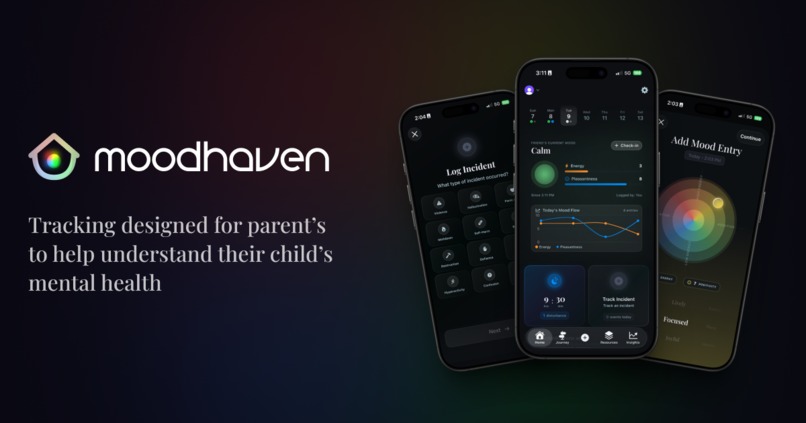
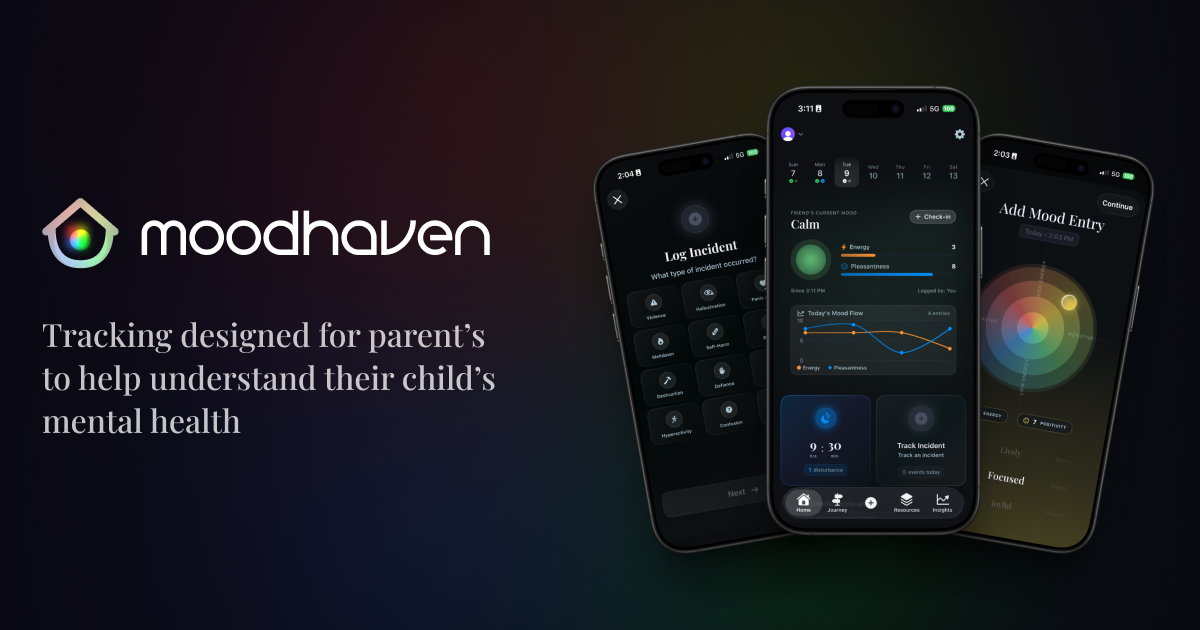
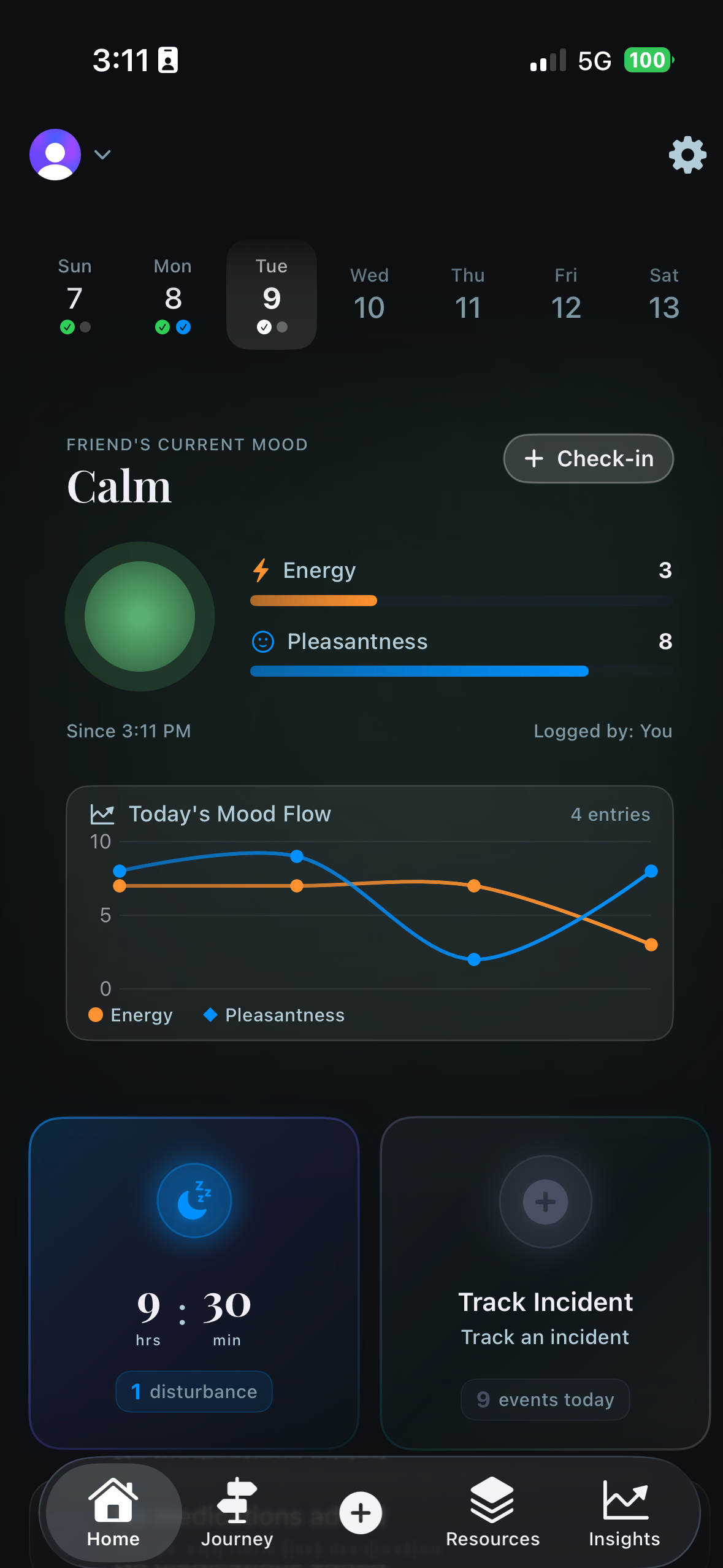
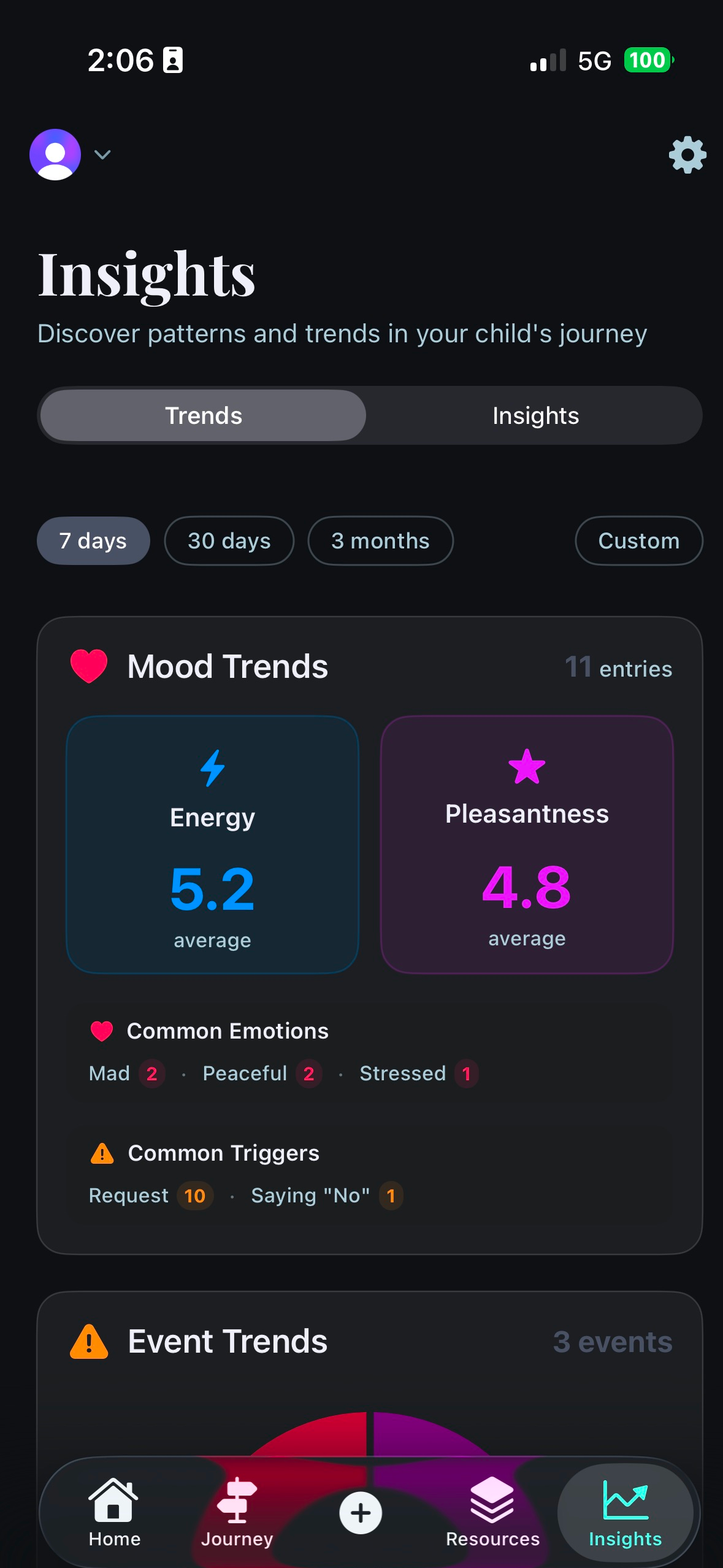
MoodHaven is a purpose-built mood tracker designed for parents and caregivers.
Accurate diagnosis depends on accurate data — yet there are almost no tools on the market designed to help parents capture what’s really happening in their child’s daily life.
MoodHaven changes that.
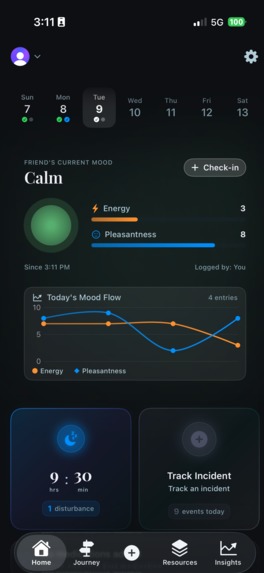
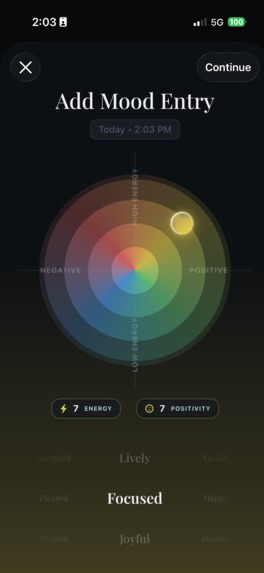
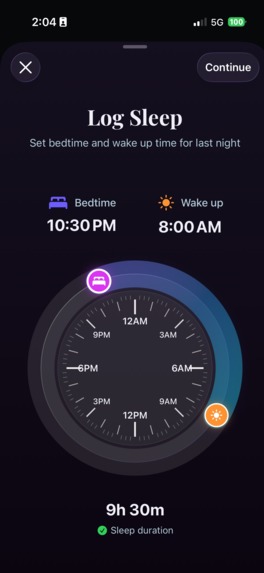
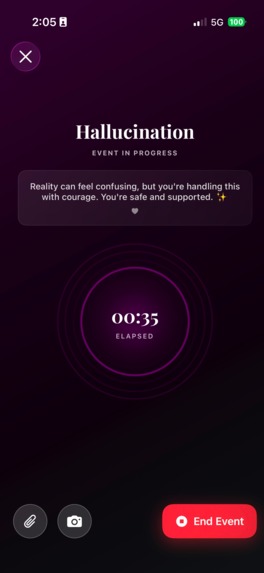
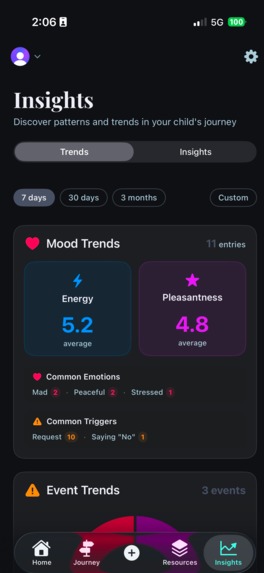
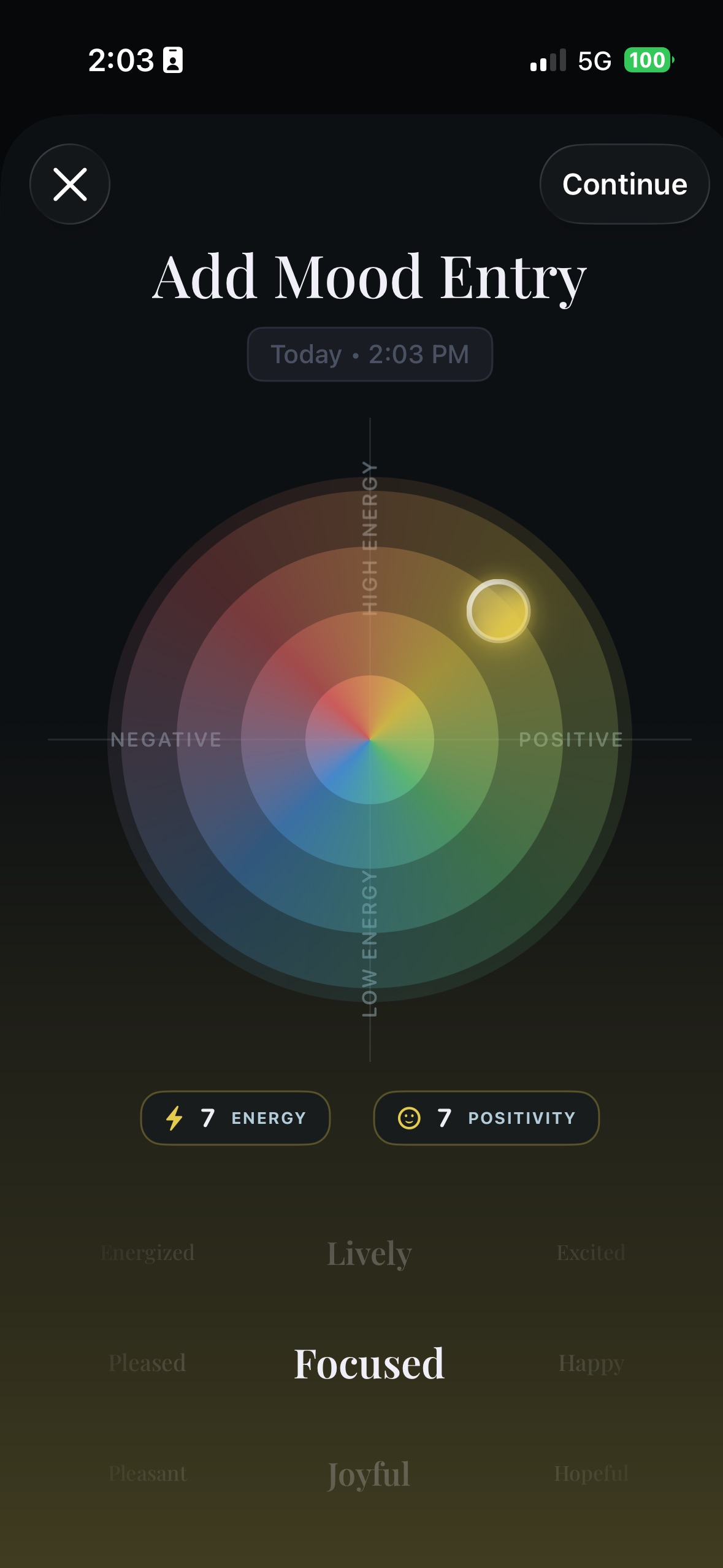
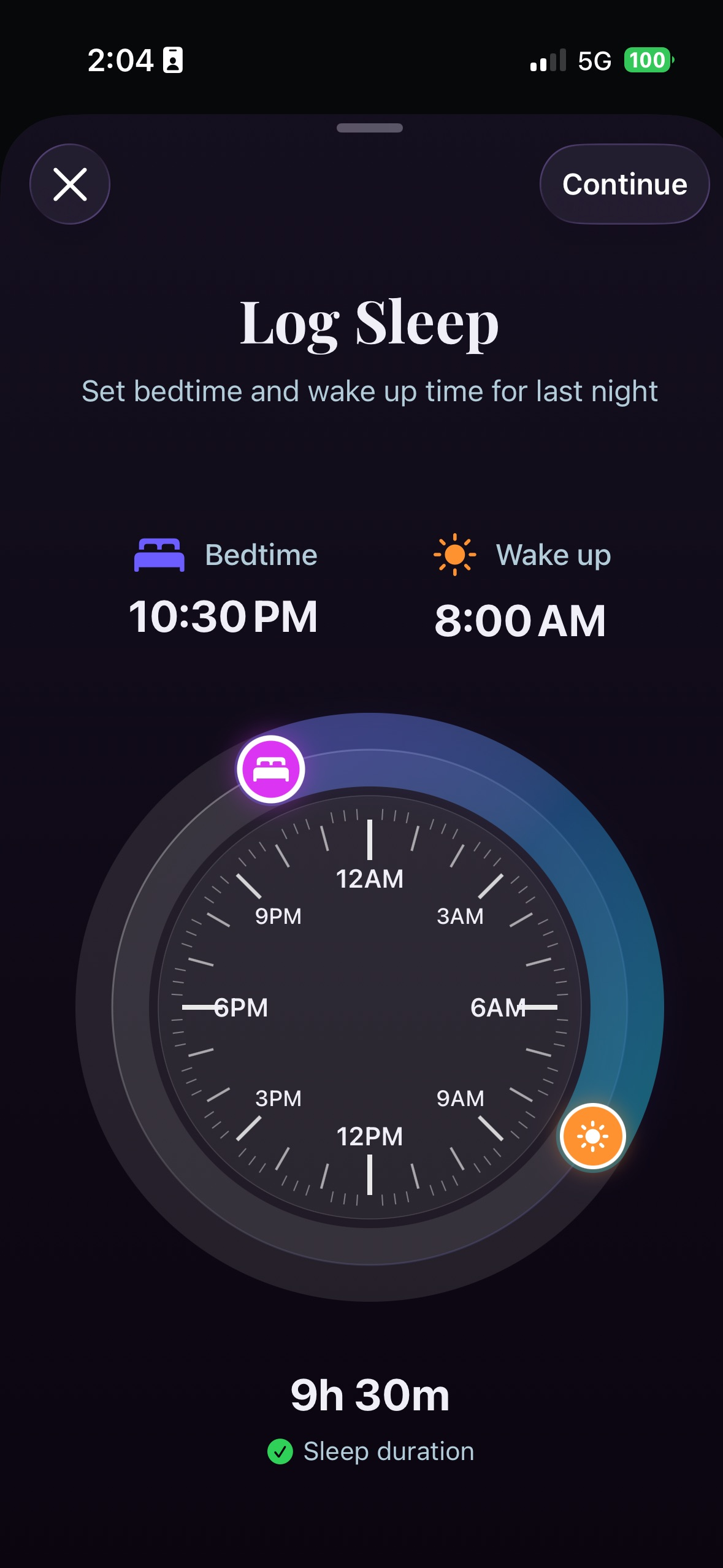
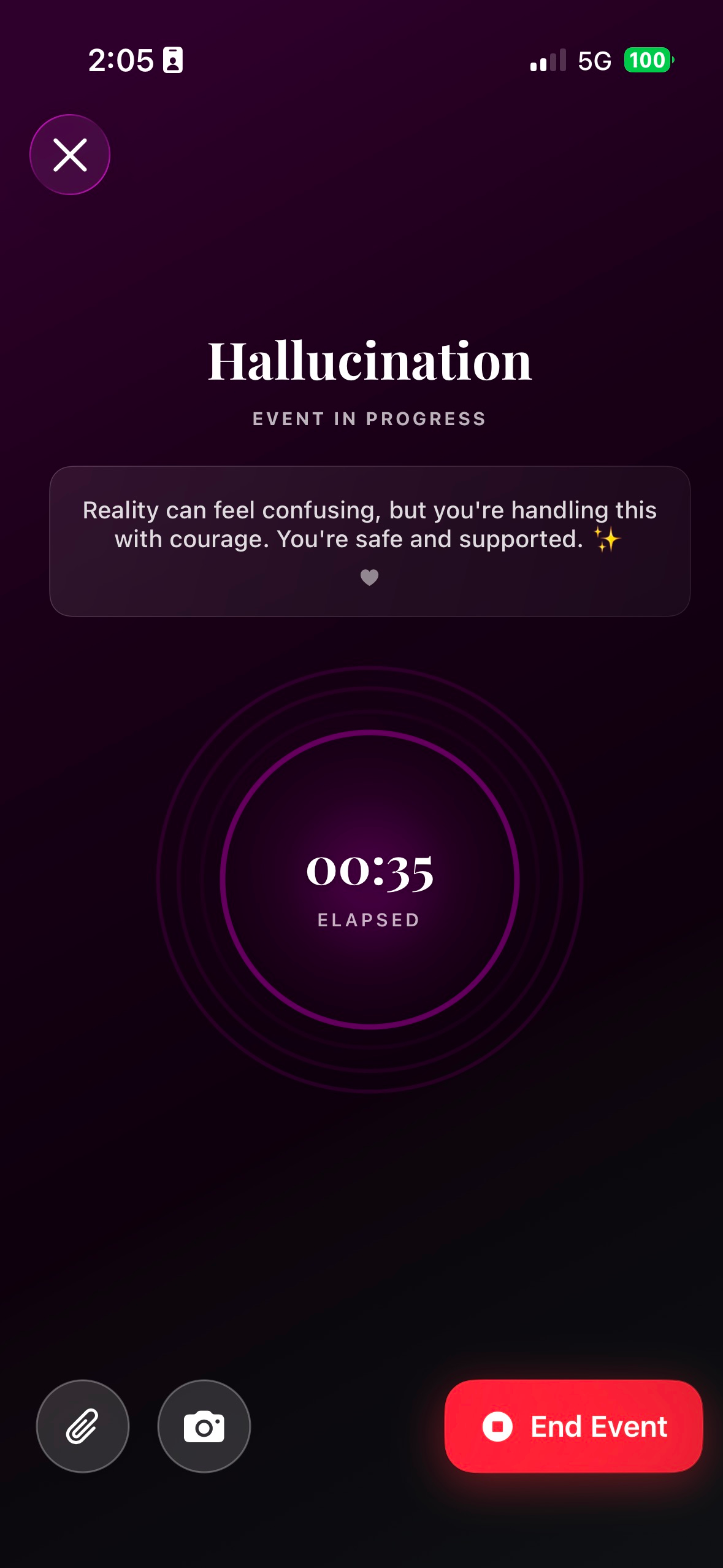
📝 Log moods, sleep, medications, and incidents (like violent episodes, hallucinations, or hyperactivity). 👨👩👦 Enable multiple caregivers to contribute, creating one cohesive record. 📊 Review a full timeline of entries to see not just what was logged, but also who logged it. 🔎 Gain insights over time to see patterns emerge that can guide professional conversations.
This isn’t just a diary. It’s a clear, organized paper trail — one that can finally give professionals the context they need.
How I built it
I come from a background in design and web development ecosystems, but building a native iOS app was new territory. I knew that MoodHaven needed to feel native, polished, and trustworthy on iPhone — even if I had never done it before.
With tools like Cursor and Codex, I navigated architecture, navigation, and layout. My design expertise guided the UI/UX patterns, branding, and animation, all of which I crafted by hand.
AI became my quiet co-pilot, helping me bring an entire app to life in just two months.
Challenges I ran into
The biggest hurdles weren’t about design, but about learning the world of iOS development — from build and review requirements to legal standards. Tools like Tuist helped ease that process.
But the truth? My biggest challenge was internal.
Like many builders, I wrestled with imposter syndrome. I wanted everything to be perfect before I dared to share it.
Accomplishments that I'm proud of
Today, I have an app that:
- Logs all the data I need to support my son’s diagnosis.
- Helps ensure he gets the right medication and support to thrive.
- Allows other caregivers to contribute, creating a complete and cohesive dataset.
Most importantly, I’ve been able to share this journey with other families, many of whom told me they needed this tool just as much as I did. Their encouragement keeps me going.
What I learned
I didn’t just learn how to build an iOS app.
I learned what it means to build with purpose.
Many of the best features in MoodHaven came from community feedback, and that has taught me a simple truth: when you solve a real problem, the good you can do for others is the greatest reward of all.
What's next for MoodHaven
The journey is only beginning. Next steps include:
📑 Exportable reports to PDF and shareable links.
🌐 A web portal for deeper analysis of mood data.
🫂 A supportive community space for parents, caregivers, and individuals facing mood and behavioral challenges.
Because no parent should have to face this journey alone.
MoodHaven will always be a place of clarity, compassion, and care.


Log in or sign up for Devpost to join the conversation.