-
-
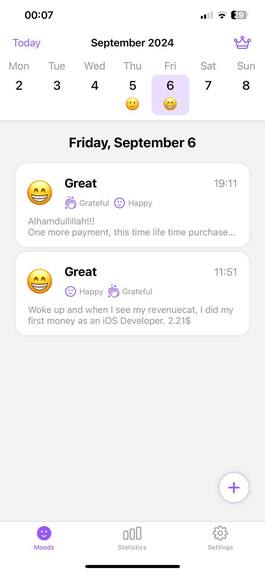
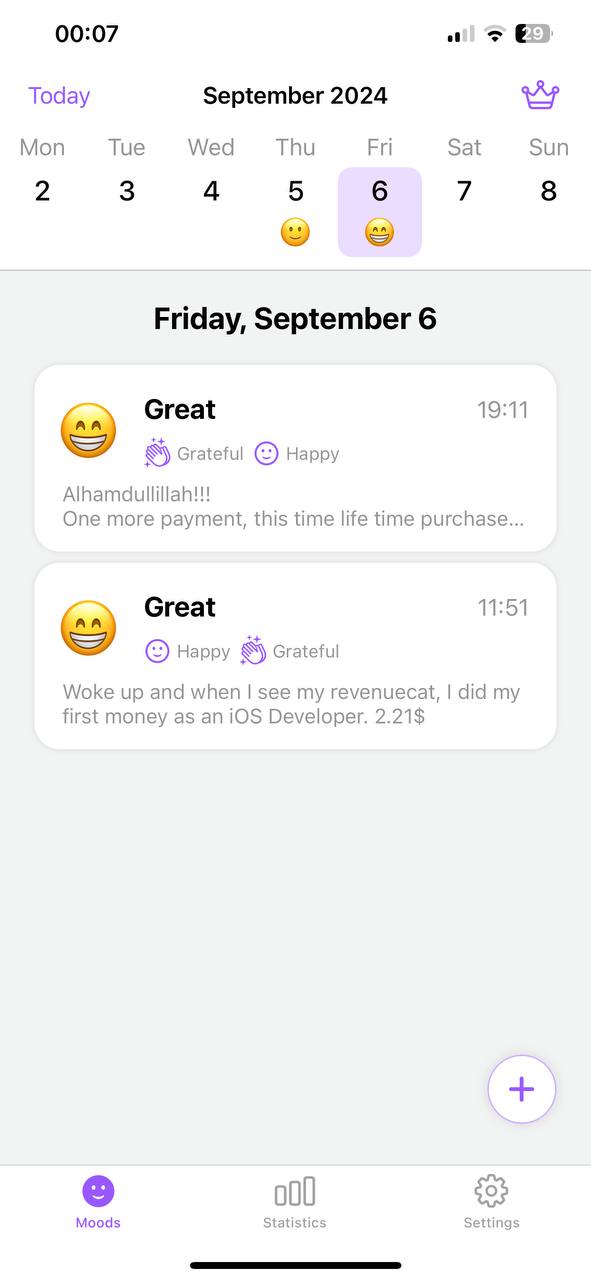
Moods
-
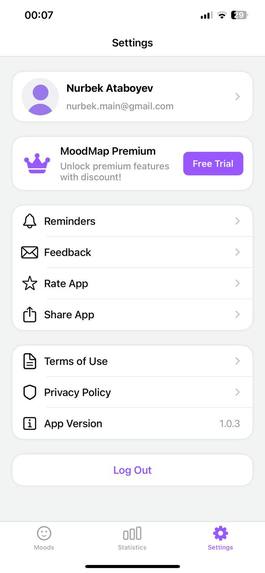
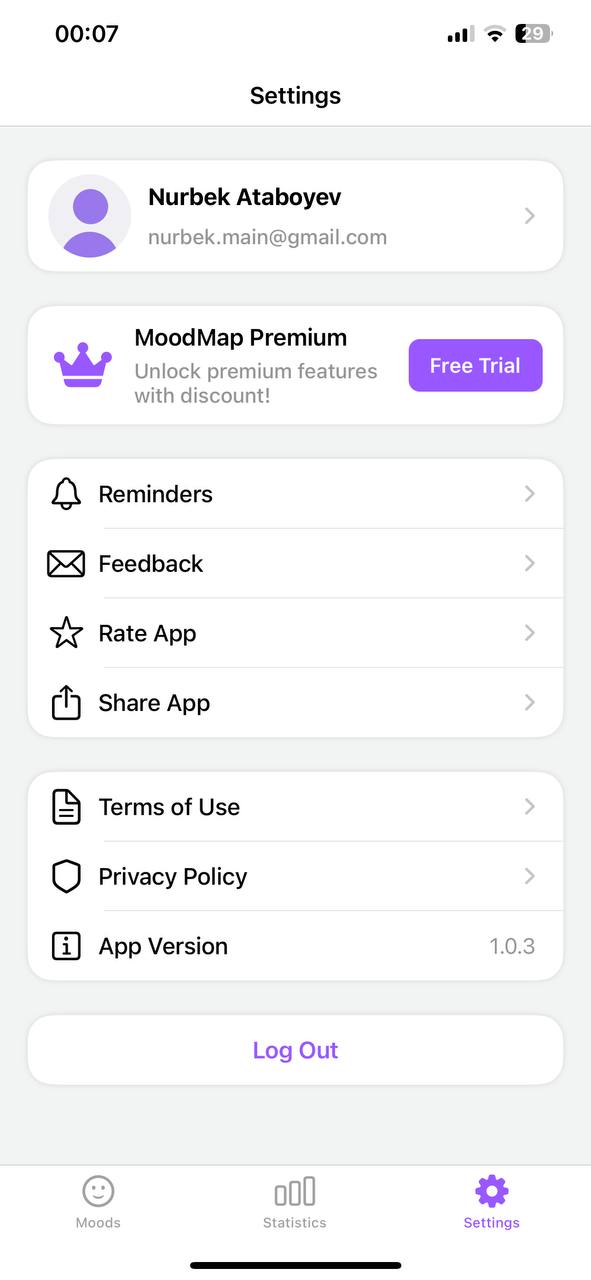
Settings
-
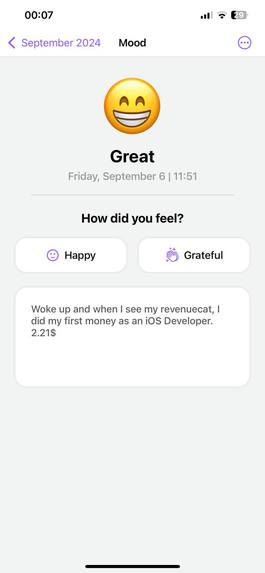
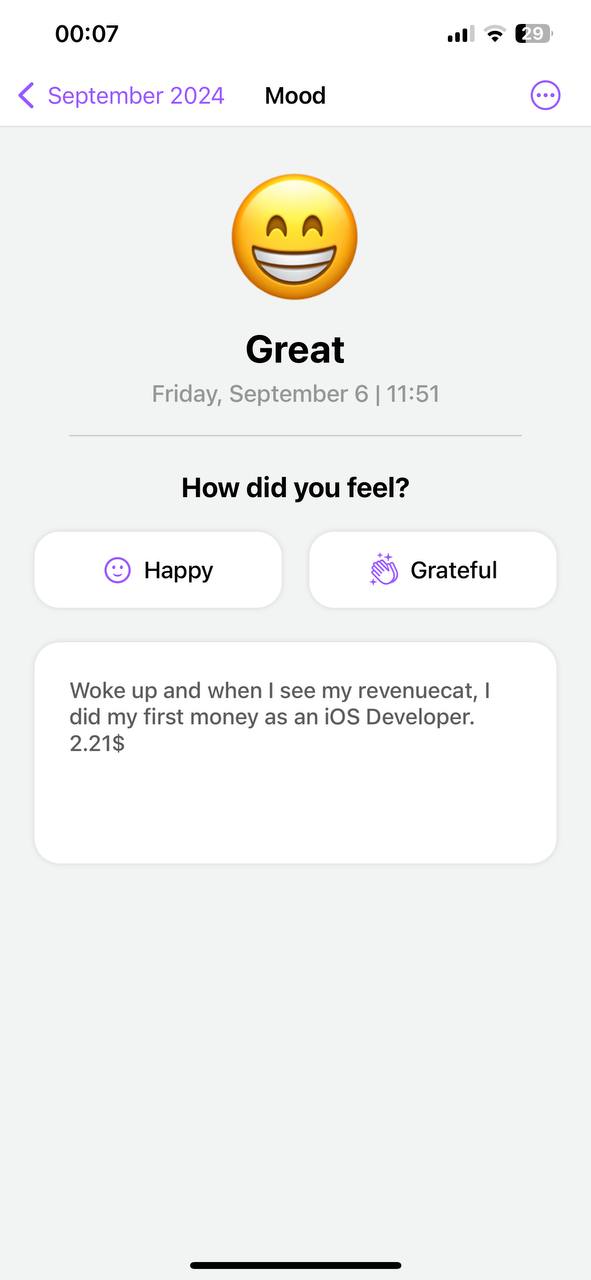
Mood Details
-
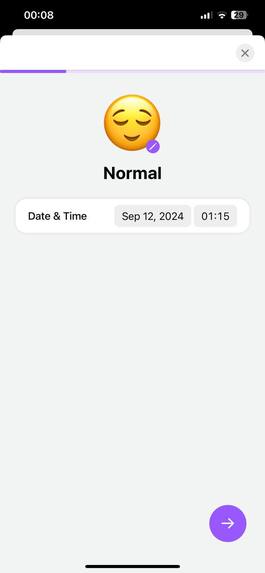
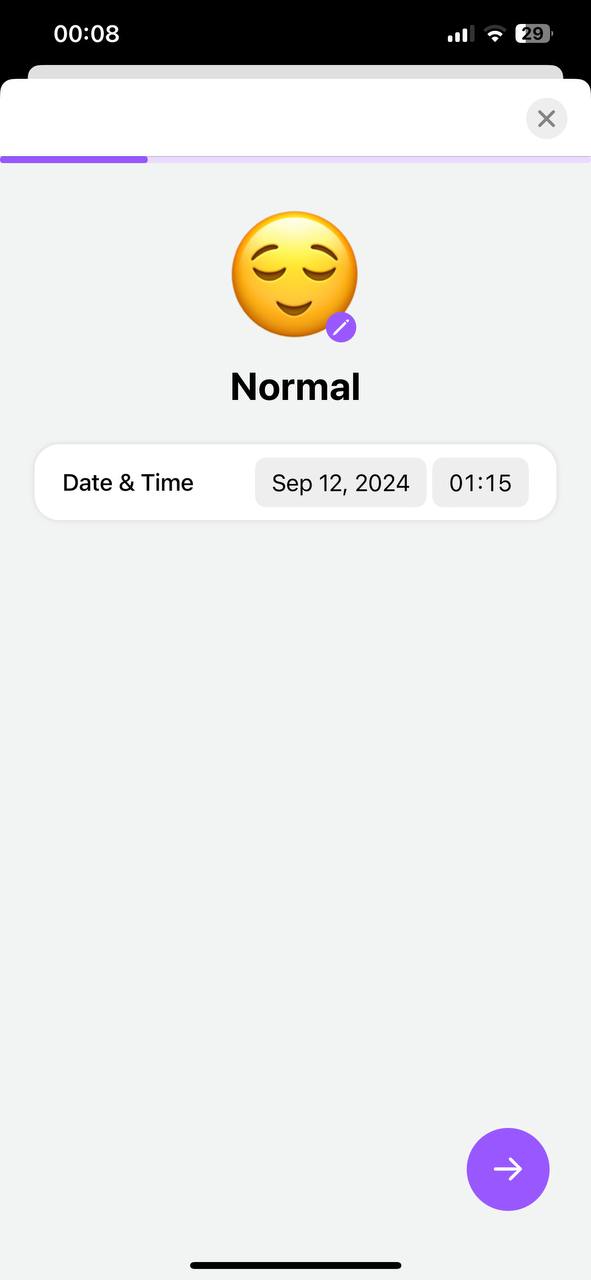
Edit Mood - 1
-
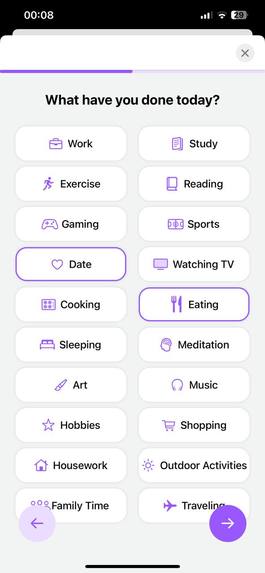
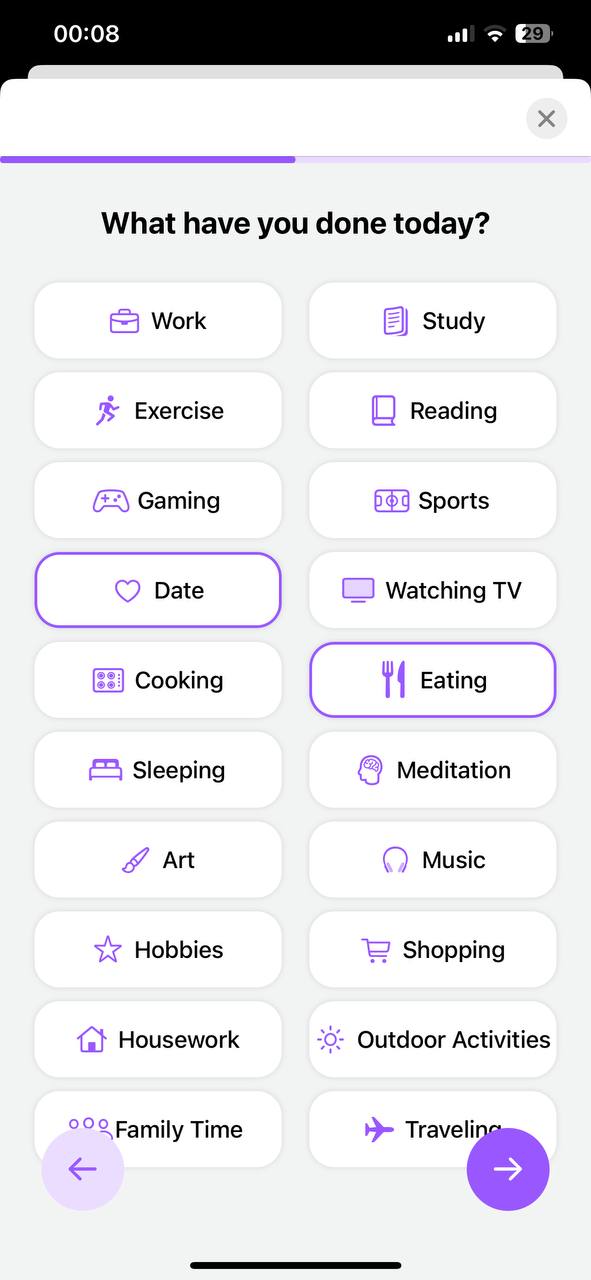
Edit Mood - 2
-
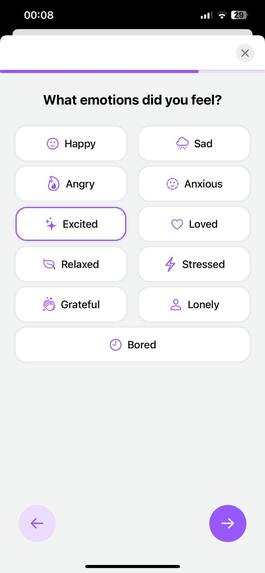
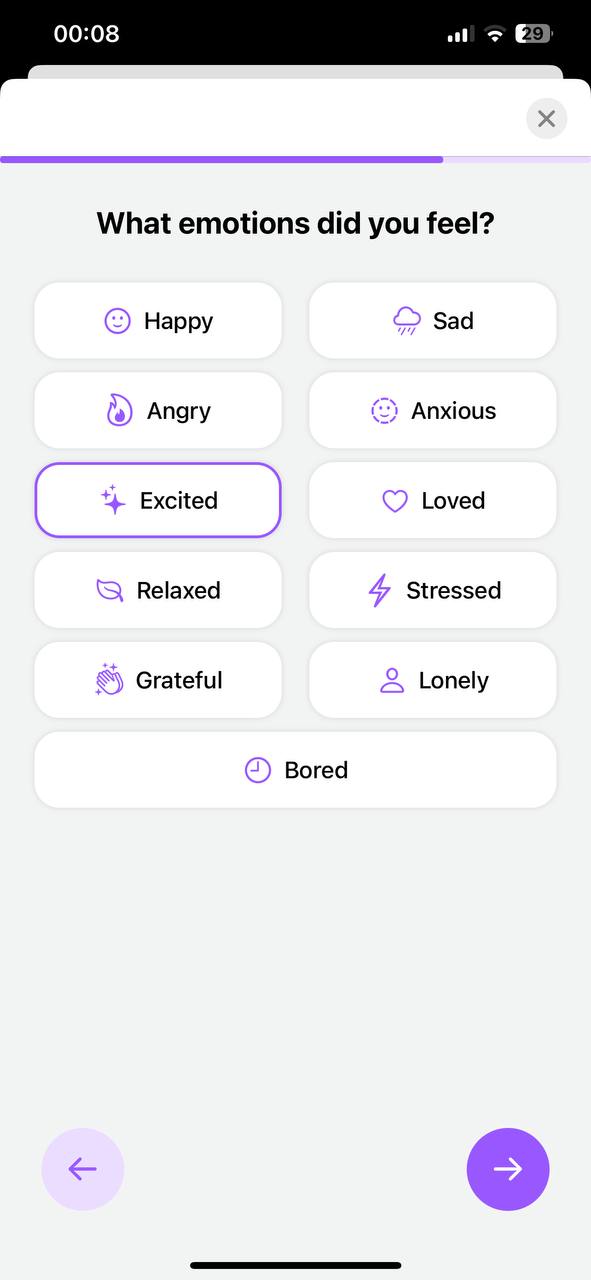
Edit Mood - 3
-
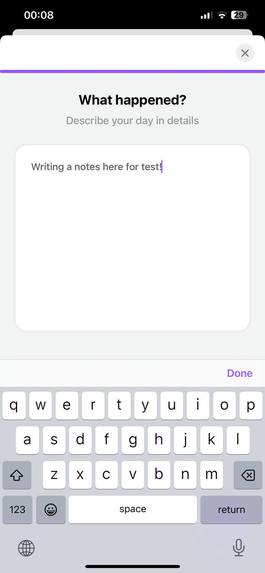
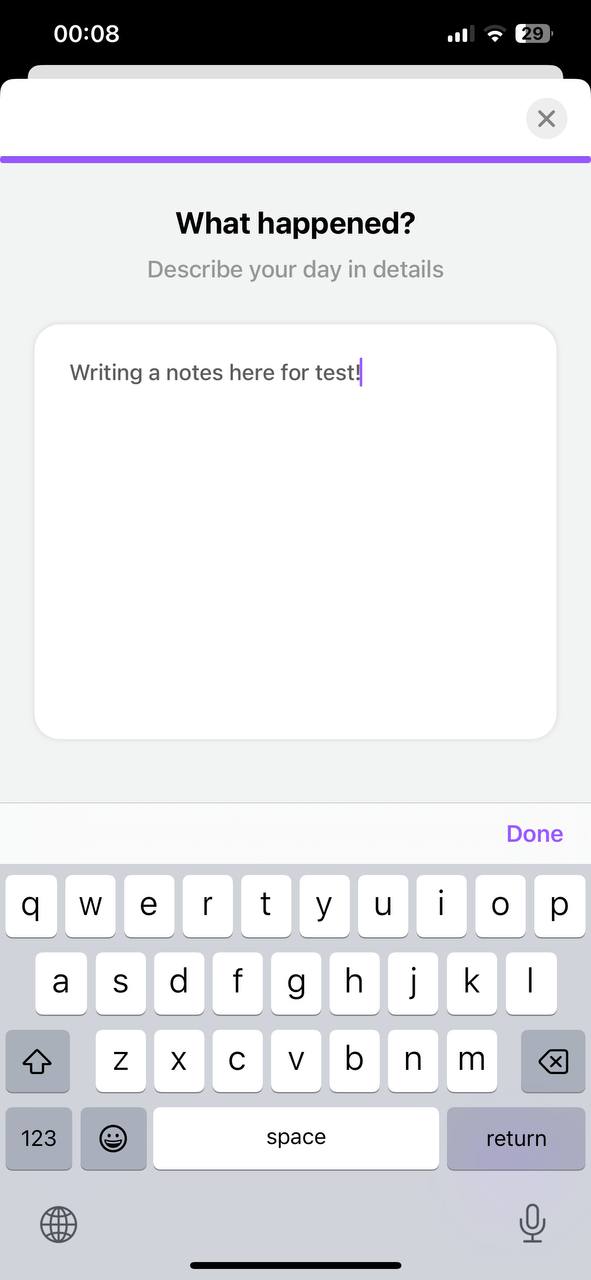
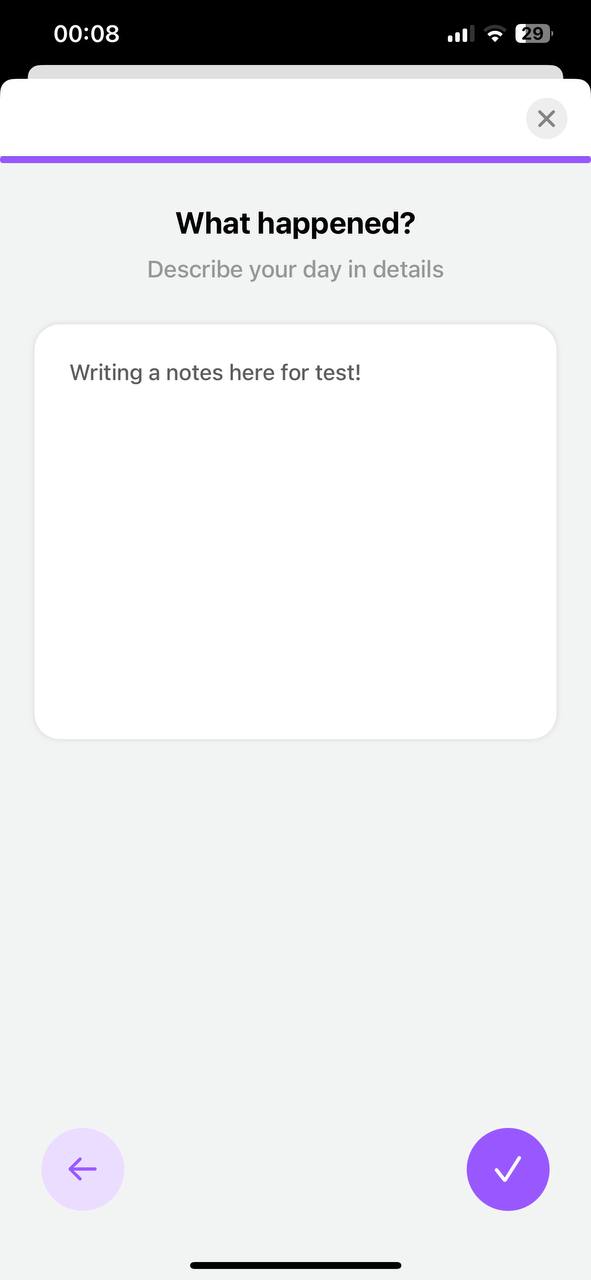
Edit Mood - 4
-
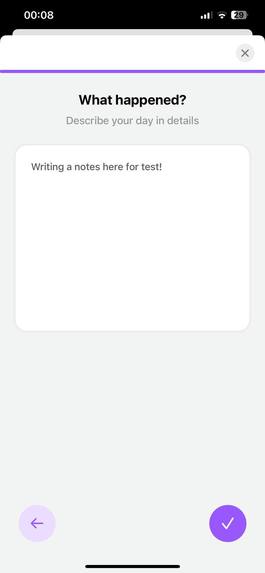
Edit Mood - Saving
-
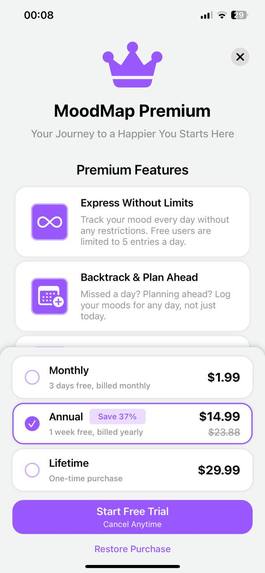
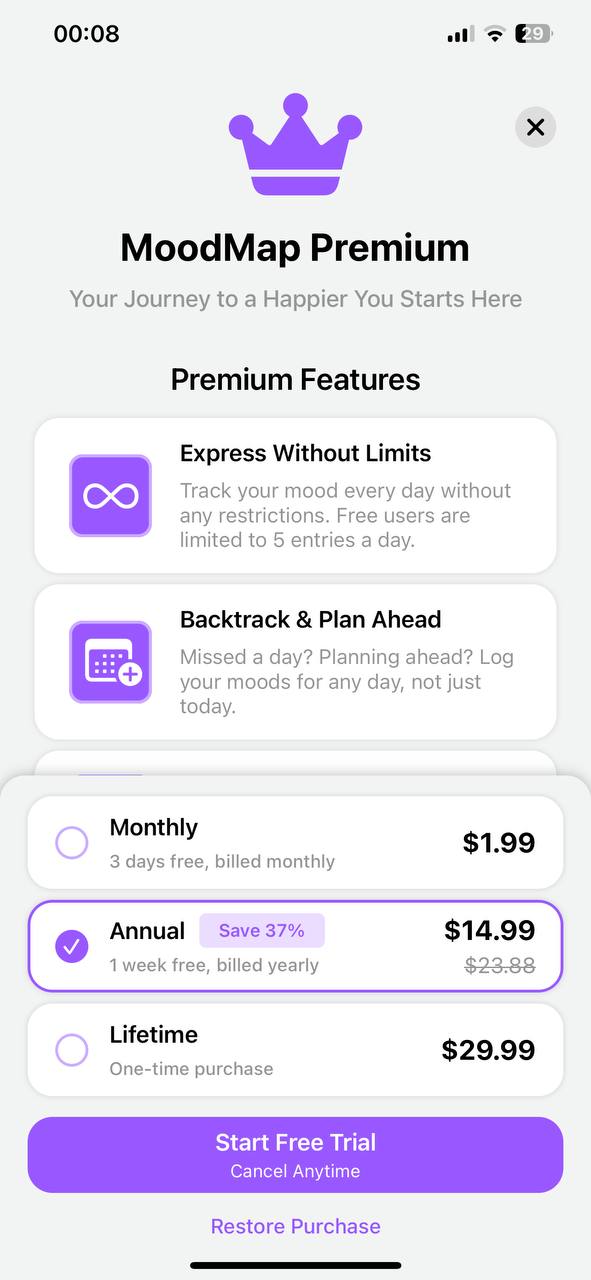
Premium
-
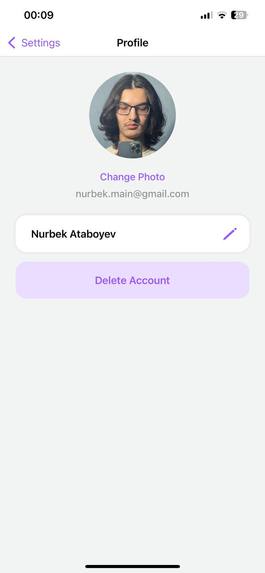
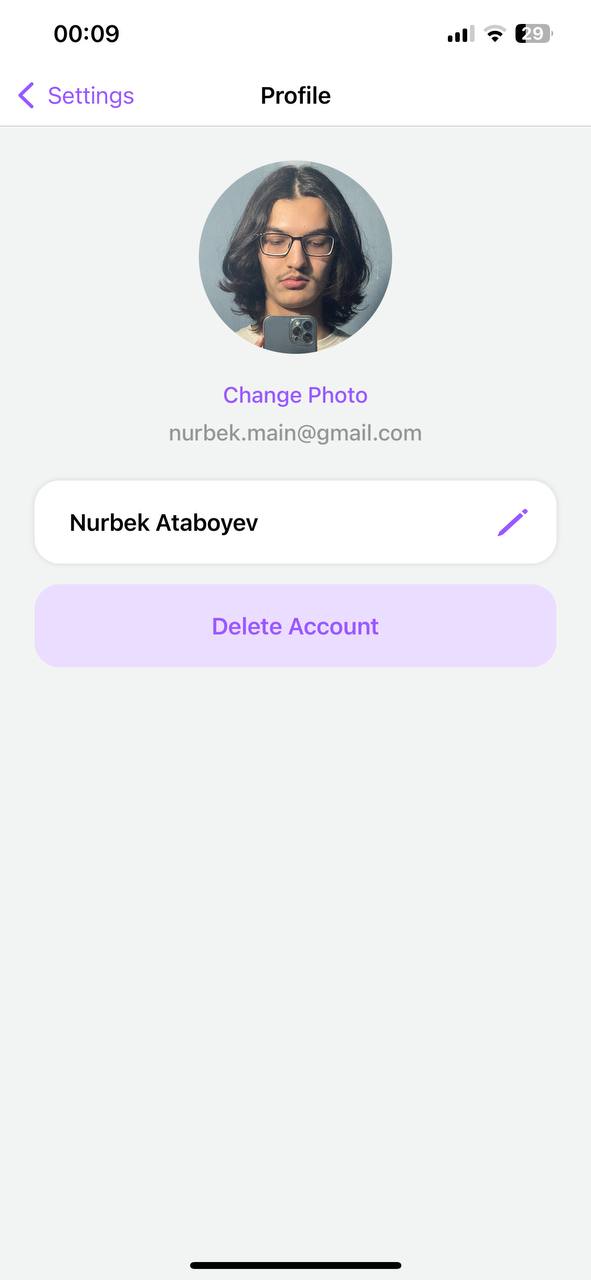
Profile
-
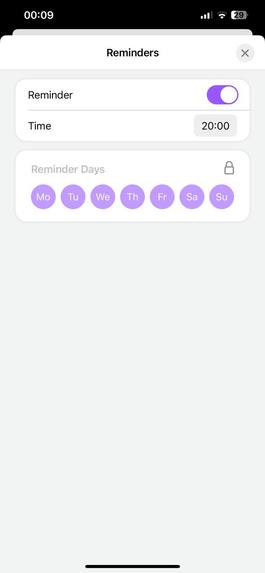
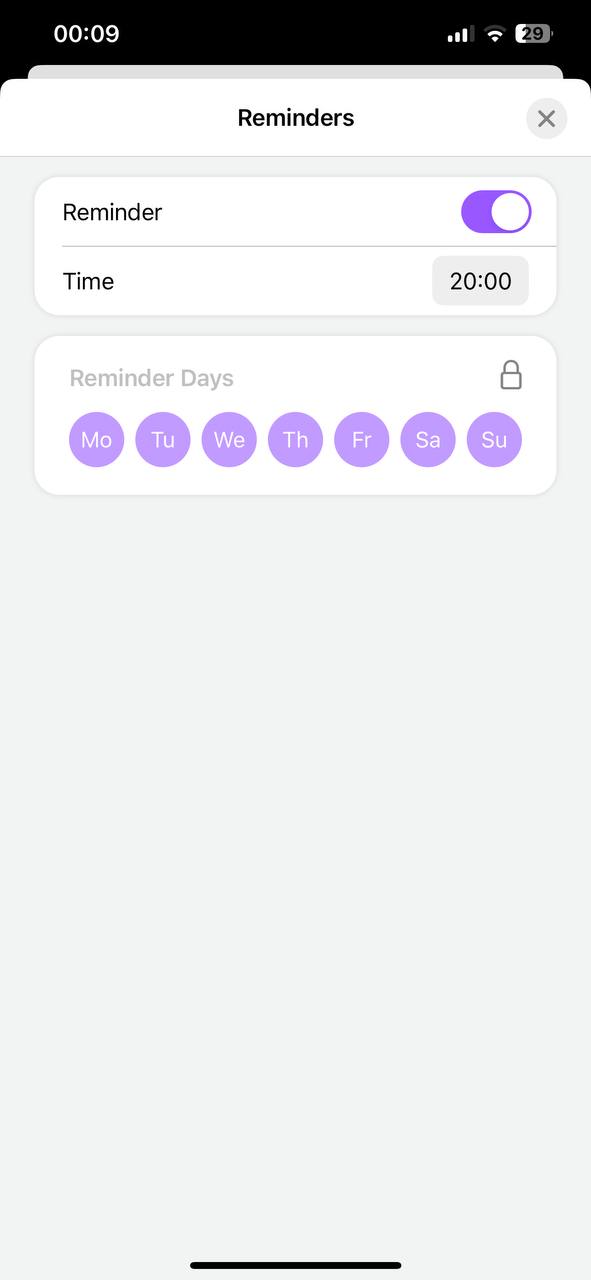
Reminders
-
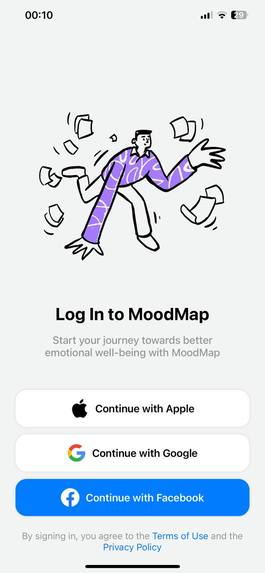
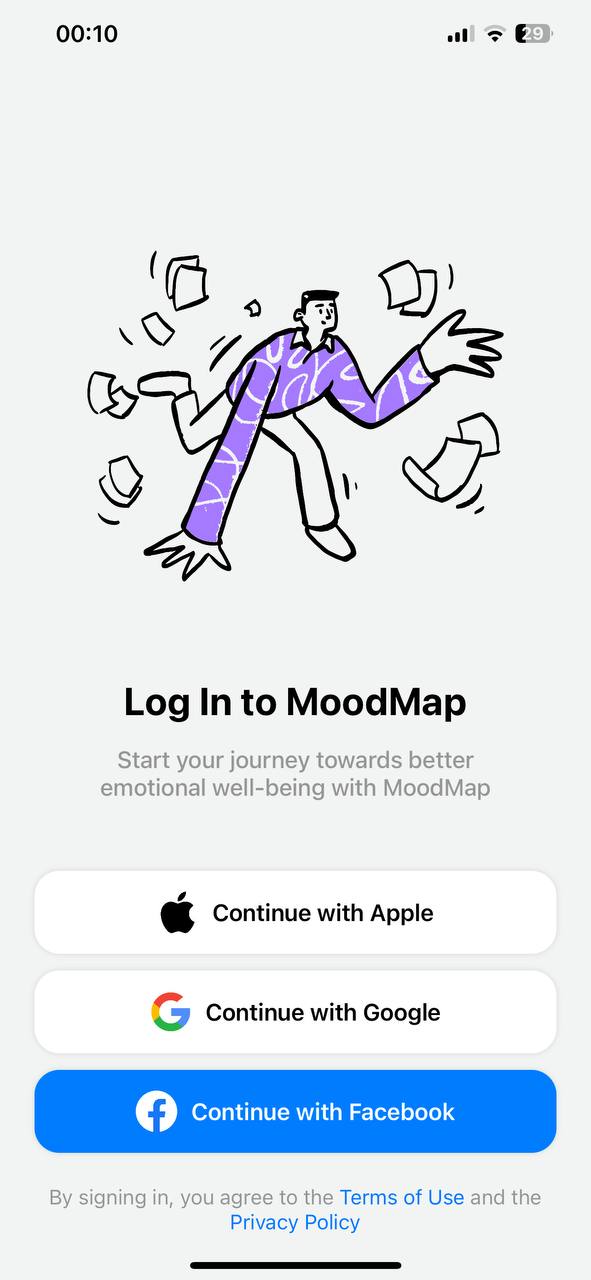
Login
-
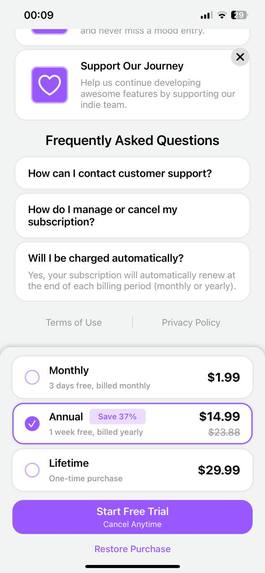
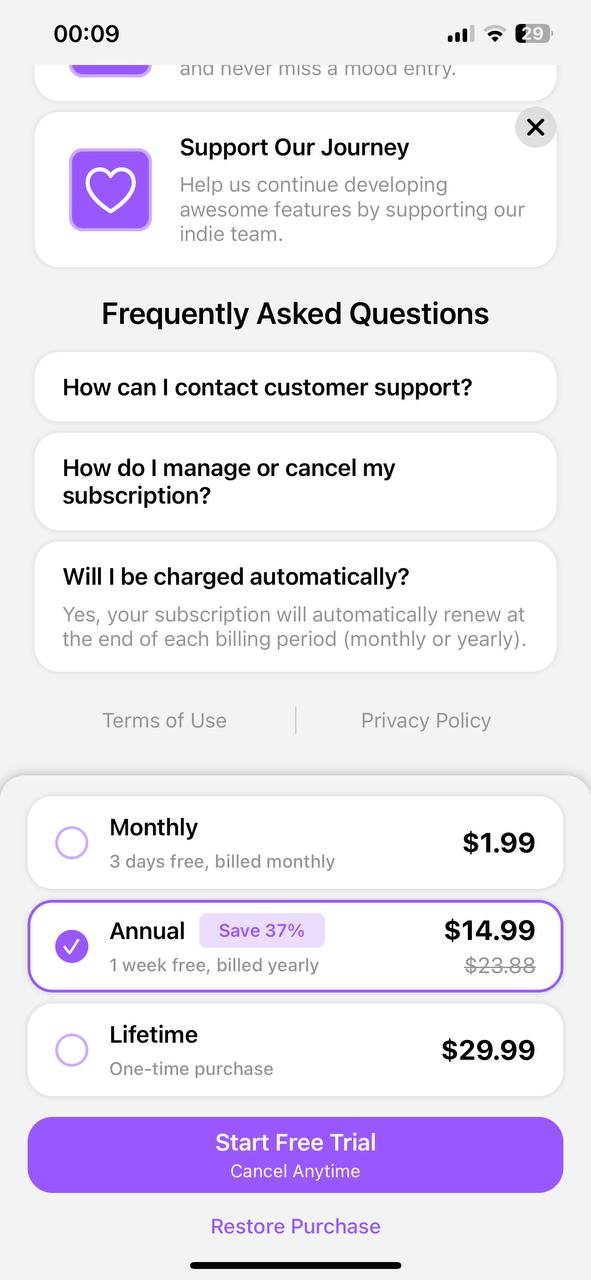
Premium
Inspiration
The inspiration behind MoodMap came from a mix of personal and professional motivations. As an indie developer, I wanted to build something that would not only enhance my portfolio and resume but also provide genuine value to users. There are many mood-tracking apps available, but a lot of them miss the mark in terms of user experience, especially on iPhone. The goal was to create a mood tracker that is not only simple and visually appealing but also truly helpful for users in tracking their moods, emotions, and activities effortlessly.
What it does
MoodMap allows users to easily log their moods, emotions, activities, and notes throughout the day. We’ve designed it to be intuitive and user-friendly, making mood tracking a seamless part of anyone’s routine. We’re continuously working on new features, including a statistics page with beautiful, interactive charts to visualize mood trends, a comprehensive onboarding experience, a feature request section, a monthly calendar view, and even a home screen widget. There’s so much more to come as we evolve the app based on user feedback!
How we built it
MoodMap was a team effort between myself, the iOS Developer and product owner, and Muhiddin Radjabmuhammedov, our talented Golang Backend Developer. Initially, we were deciding between two project ideas - a meal planner with AI and a mood tracker - and ultimately chose to pursue MoodMap. I handled the entire UI/UX, iOS development, and all graphical elements, including the logo and App Store assets. Muhiddin took charge of the backend development. Together, we shaped every aspect of the app, from ideation to App Store deployment.
🛠️ Technologies & Tools: For iOS:
- Swift & UIKit: Powering the core app development with smooth, native performance and responsive UI.
- MVVM+C Architecture: Ensuring clean, scalable code structure and maintainability.
- Combine & Async/Await: Leveraging modern reactive and asynchronous programming for a seamless user experience.
- Alamofire: Handling efficient networking and API interactions with simplified code.
- Firebase: Providing robust authentication and real-time data syncing to ensure a smooth, connected experience for users across devices.
- RevenueCat: Streamlining in-app purchases and subscription management, enabling easy monetization and user management.
For Backend:
- Go (Golang): Providing the backend with high-performance, efficient handling of concurrent processes.
- Gin Framework: Enabling fast and scalable web framework development for building APIs.
- PostgreSQL: Offering reliable, scalable data storage and management for user data.
- REST API: Delivering a smooth interaction between the app and server with clear, well-defined endpoints.
- Swagger: Documenting and testing the API, ensuring smooth collaboration between frontend and backend development and providing clarity for future iterations.
Challenges we ran into
For me, as this was my second app, the development process was relatively smooth. However, custom charts for mood trends took more time, as I wanted them to be both functional and visually appealing - this is a feature we are still perfecting for future releases. The biggest challenge for me personally was balancing my time. Alongside working on MoodMap, I was also preparing for job interviews and completing take-home projects, which made time management a bit tricky.
For Muhiddin, this was his first app project, so the experience was new, but he delivered on time and did an excellent job handling the backend. Overall, the challenges we faced were more related to logistics and time constraints rather than technical roadblocks.
Accomplishments that we're proud of
We’re proud of so many aspects of this project - our teamwork, the polished UI/UX, and the technologies we implemented. We’re especially excited about already seeing some revenue from MoodMap, with users opting for trials, annual, and lifetime subscriptions. This marks our first earnings as developers, which feels like a major milestone. Initially, we hadn’t even planned on including in-app purchases, but thanks to RevenueCat, we were able to quickly implement a monetization model that benefits both us and our users.
What we learned
Through MoodMap, we learned the value of teamwork, effective time management, and the importance of listening to user feedback. For Muhiddin, it was a crash course in real-world app development from start to finish, while I deepened my understanding of juggling multiple responsibilities while working on a complex project. We also learned how crucial it is to iterate quickly based on user feedback to keep improving the app.
What's next for Mood Tracker - MoodMap
We’re not stopping here - MoodMap has so much potential, and we have a lot of exciting features in the pipeline. In future updates, we’re focusing on adding the much-anticipated statistics page, mood logging via voice, and integrating AI to help users better understand their emotional well-being. We’re also exploring ways to incorporate user suggestions and enhance the app’s interactivity. MoodMap’s journey is just beginning, and we can’t wait to continue growing and improving it.
Built With
- combine
- figma
- firebase
- gin
- golang
- google-sign-in
- postgresql
- snapkit
- swift
- uikit

Log in or sign up for Devpost to join the conversation.