Inspiration
In a world saturated with digital communication, we noticed a critical gap: businesses are drowning in data but starving for genuine human connection. We realized that traditional sentiment analysis often misses the nuance of human interaction—categorizing a customer as simply "neutral" when they are actually "frustrated" or "confused." Our project was born from the desire to bridge this gap, turning raw, unstructured text into meaningful, empathetic insights.
What it does
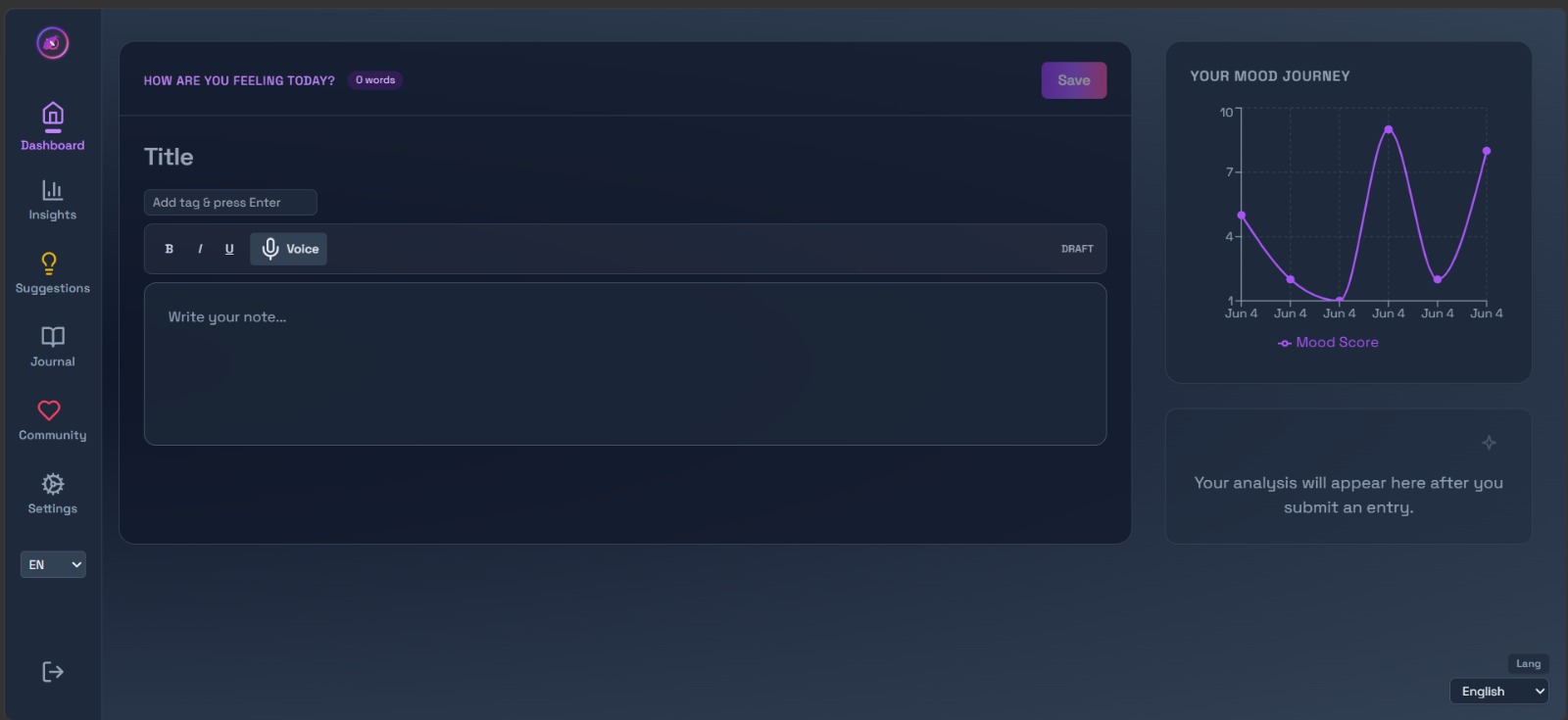
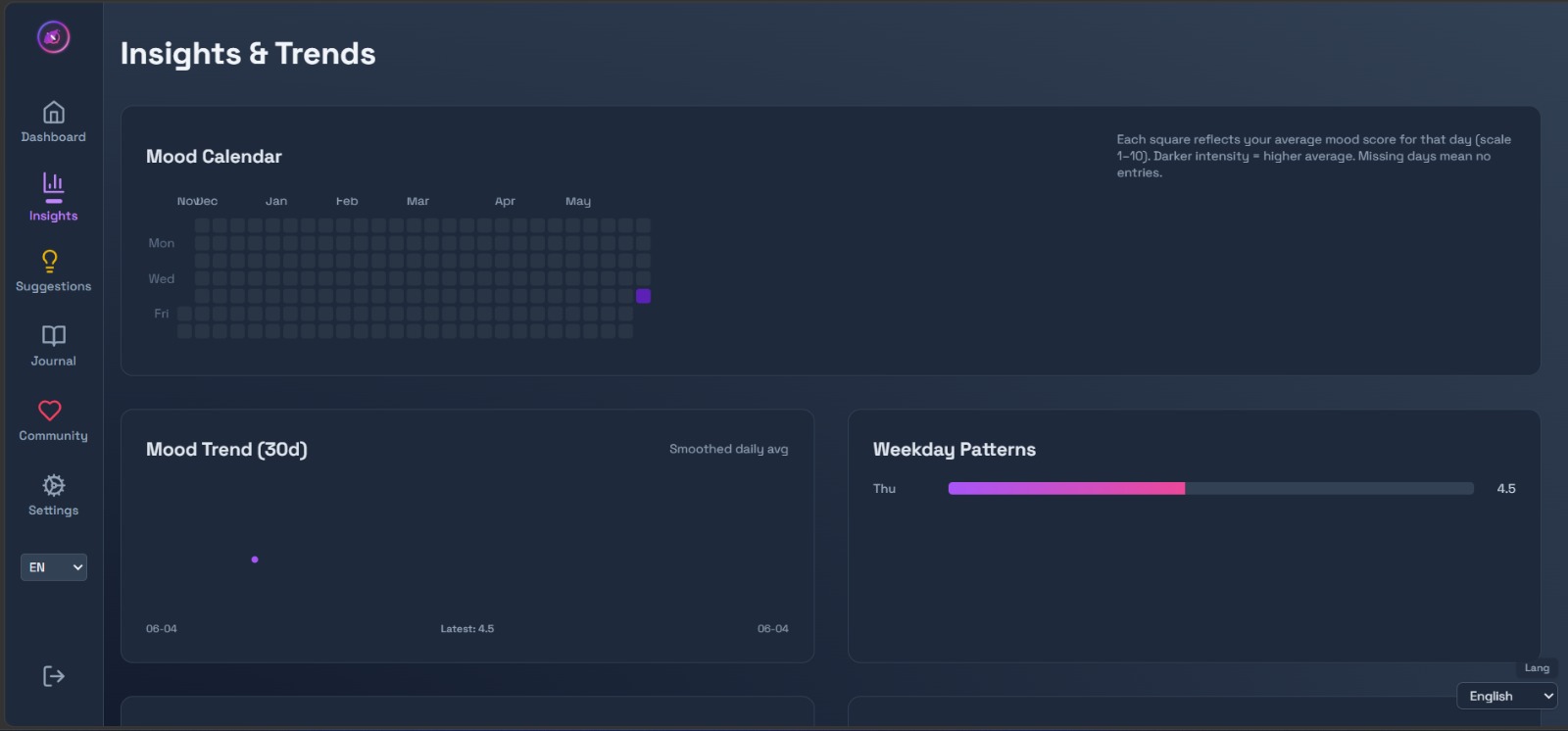
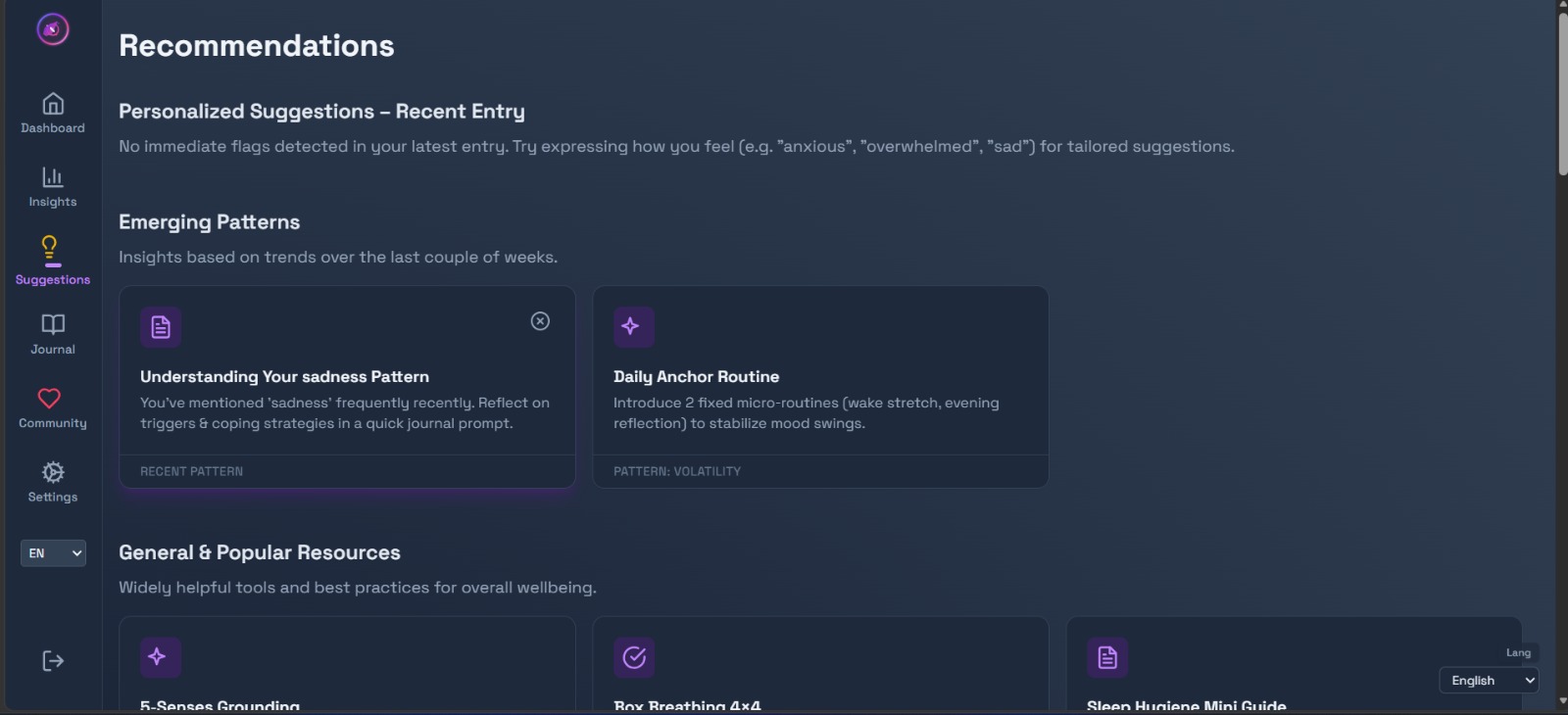
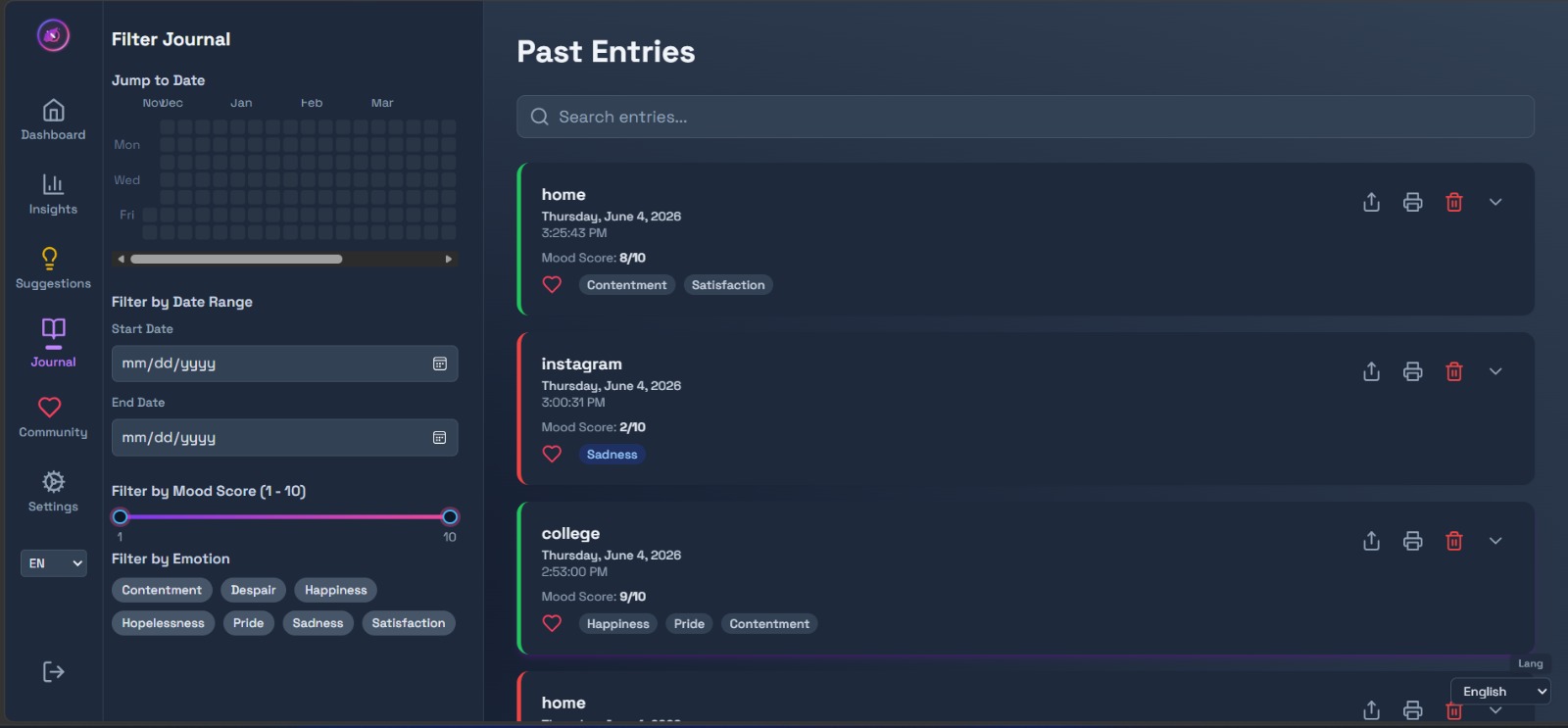
Our NLP-powered Emotion Engine goes beyond standard sentiment analysis to detect complex human emotions in real-time. By analyzing linguistic patterns, context, and emotional markers, it transforms raw text into actionable emotional intelligence, enabling brands and individuals to respond with true empathy at scale.
How we built it
We developed the core engine using advanced Natural Language Processing techniques. We utilized pre-trained Transformer models (like BERT) and fine-tuned them on diverse datasets to recognize a wide spectrum of emotional states. The pipeline includes robust preprocessing—handling emojis, slang, and sarcasm—followed by a sophisticated classification layer that outputs granular emotional insights.
Challenges we ran into
The biggest challenge was overcoming the ambiguity of human language. Sarcasm, cultural idioms, and complex emotional blends (e.g., "bittersweet" feelings) are difficult for machines to interpret. We addressed this by implementing context-aware modeling and refining our training datasets to better handle nuanced linguistic cues. Accomplishments that we're proud of We are proud of creating a model that is both highly accurate and performant enough for real-time applications. Being able to successfully quantify the "why" behind user behavior, rather than just the "what," represents a significant step forward in making digital interactions feel more human.
What we learned
Building this project taught us that true intelligence in NLP isn't just about speed or vocabulary size; it’s about capturing the context and intent behind the words. We learned a great deal about the nuances of emotional data labeling and the importance of maintaining an ethical, privacy-first approach when analyzing sensitive communications.
What's next for Emotion Engine
We aim to expand the model to support multi-modal input, such as analyzing tone of voice in audio recordings, and to develop integrations for popular customer support platforms so teams can use these emotional insights to improve their response workflows instantly.# Inspiration