-
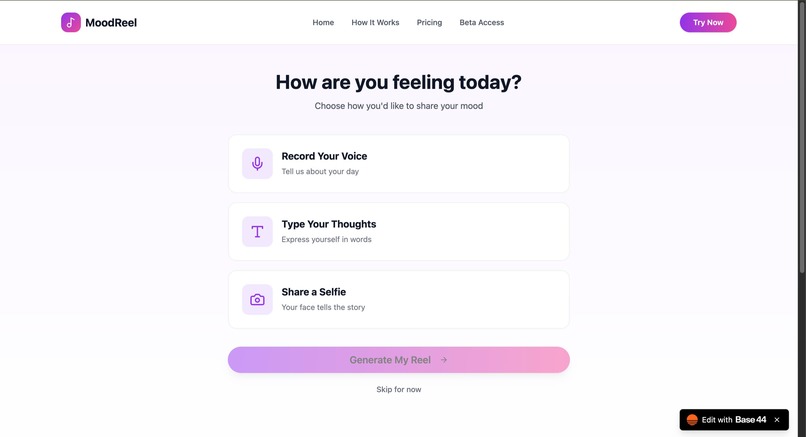
page 1
-
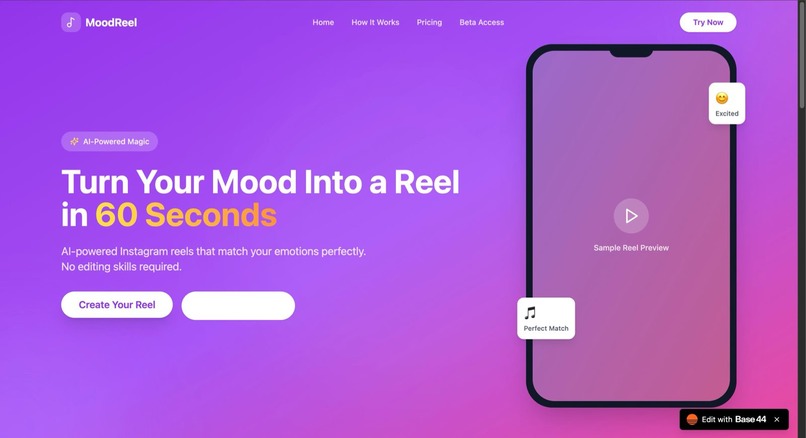
home
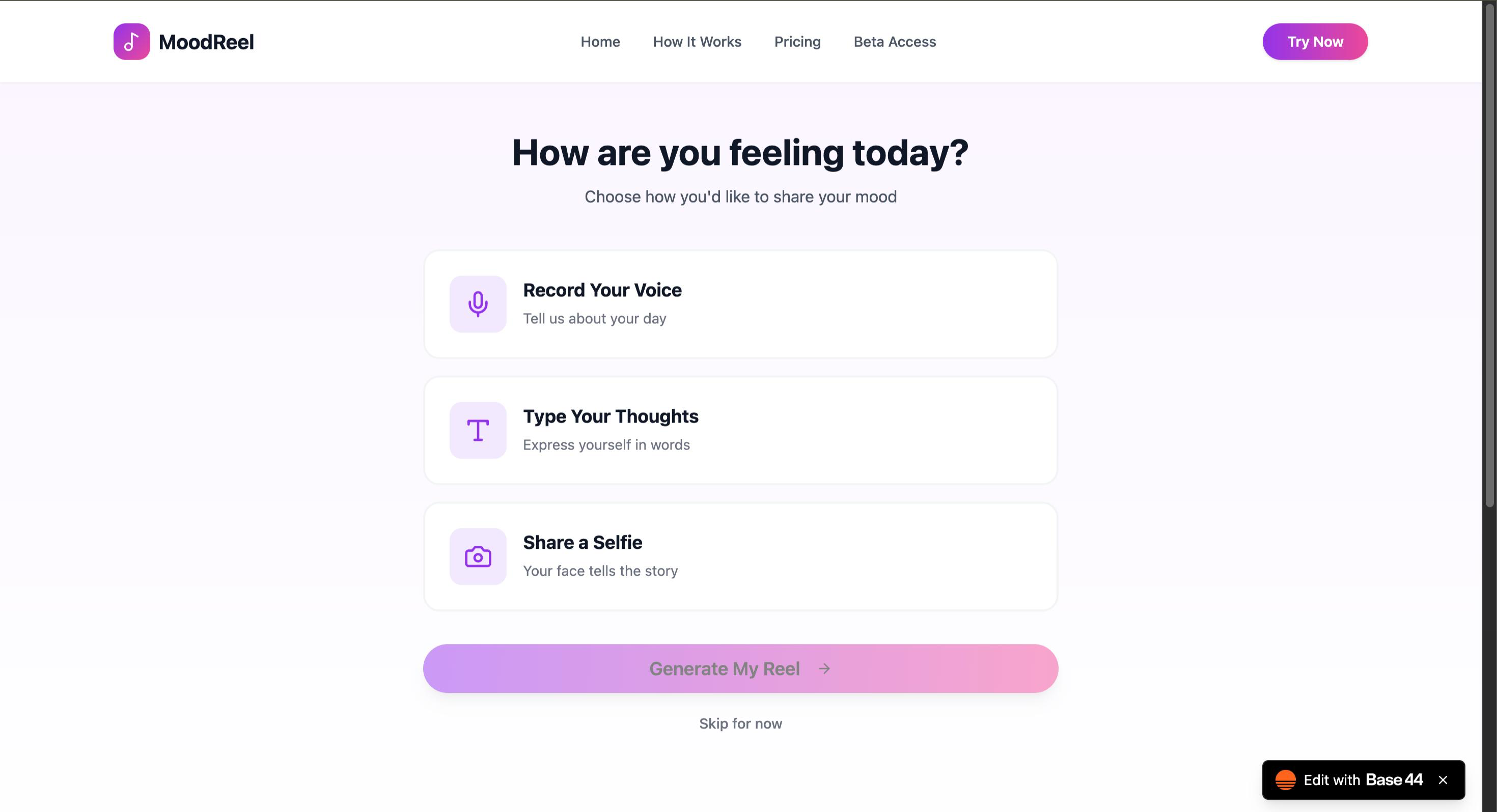
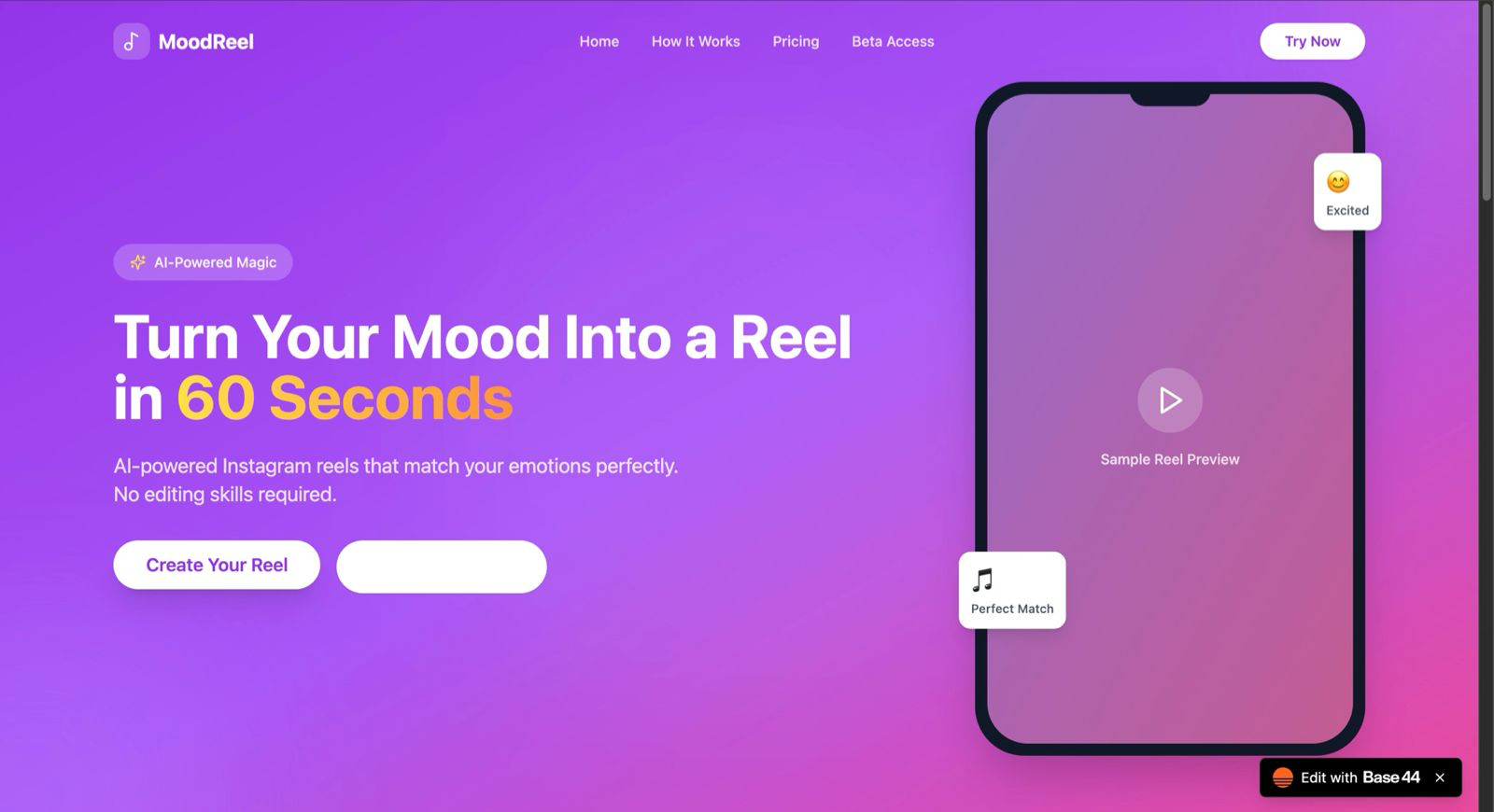
What inspired me
I started this project because I noticed a recurring problem: many people — including myself — struggle with [describe problem or need]
What I learned • I learnt how to break a vague idea into concrete requirements: defining who the app is for, what their core needs are, and which features are essential versus optional. • I learnt that building even a “small” app involves many parts — design, data management, flows, testing, user flows. It helped me appreciate planning and iteration. • I also discovered the value of user feedback: early feedback shows what works, what’s confusing, what needs polishing — often things I didn’t foresee.
How I built the project 1. Idea & planning — I began by writing down what problem I wanted to solve, who would use it, and what features mattered most. This helped clarify scope and avoid unnecessary complexity. 2. Selecting a platform / tools — To build efficiently, I chose a tool that let me develop without having to reinvent the wheel (for backend, UI, data). This saved time and let me focus on the “core value.” 3. Design & structure — I sketched rough UI/UX layouts (screens, flows, navigation), planned data models or how information would be organized, and mapped user journeys.
Challenges I faced • Defining scope: it was tempting to add many “nice-to-have” features at the start. But including too much too soon risked making the project unmanageable. Learning to stick to essentials was hard. • Design & UX: making the interface intuitive and user-friendly turned out to be more difficult than I expected. What seems obvious to me may not be obvious to others.
Conclusion
This project taught me a lot — not just about building software, but about patience, planning, iteration, and user-centric thinking. What began as a small idea turned into a real, usable solution. I’m proud of what I built, but more importantly, I learned what it takes to turn ideas into reality.

Log in or sign up for Devpost to join the conversation.