-
-

landingpage
-
-

-
-
-
-

-
user profile
-
-

About the Project
Inspiration
I was inspired by other weight loss apps that had personally helped me achieve results. However, I noticed these apps often focused solely on calories and exercise without addressing how emotions affect our eating habits. This gap in the market sparked the idea for Moo'd Meal - an app that considers your emotional state when suggesting nutritional choices.
What it does
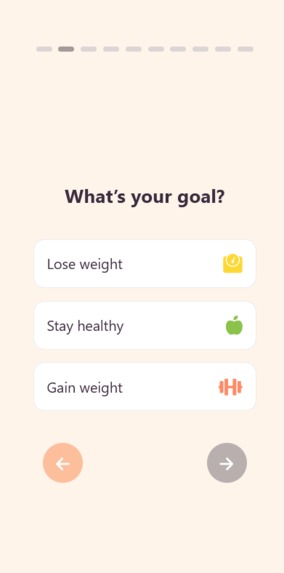
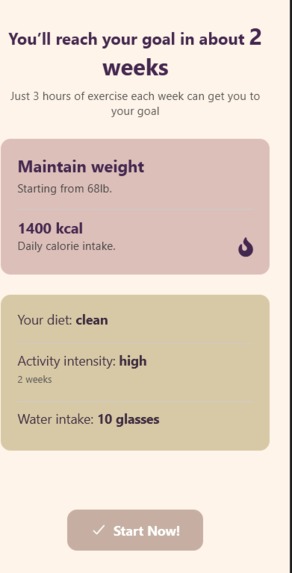
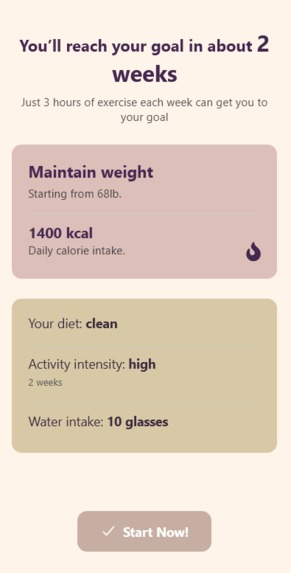
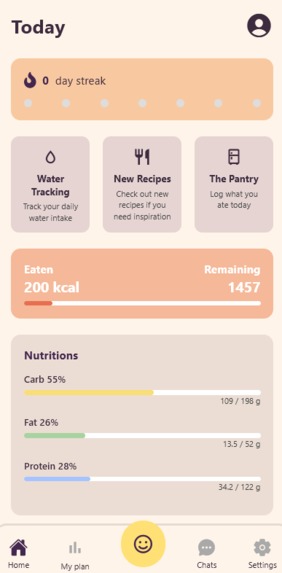
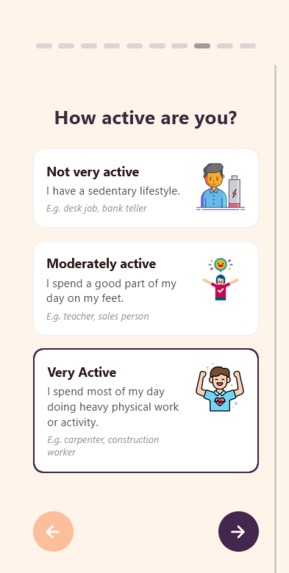
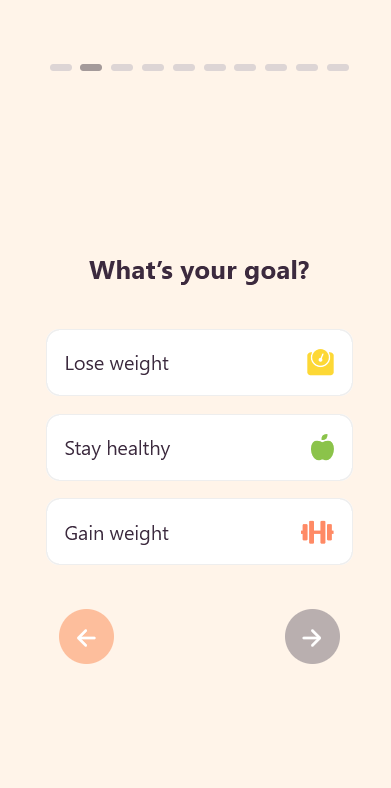
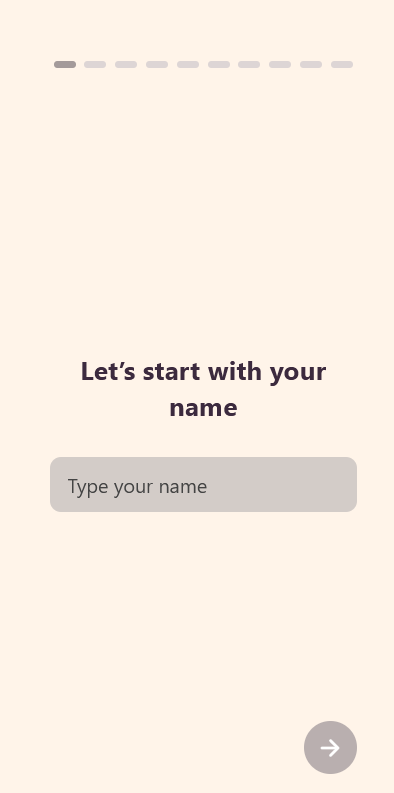
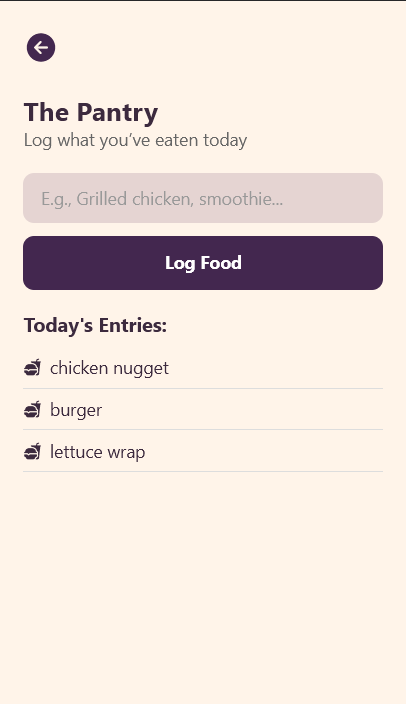
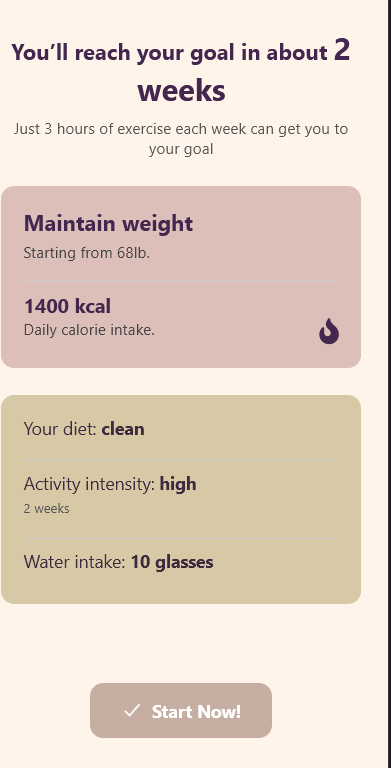
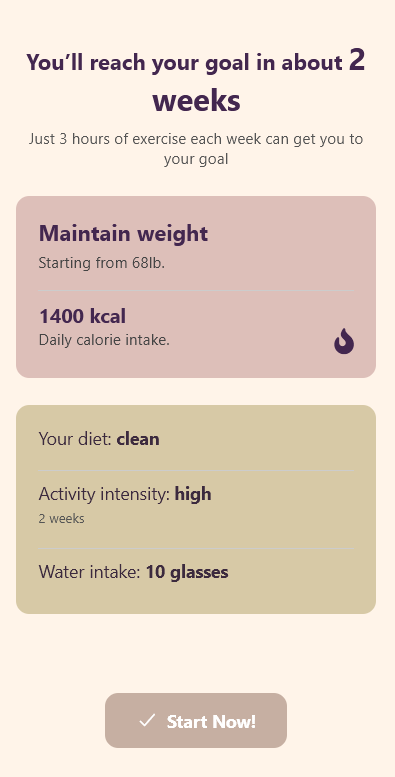
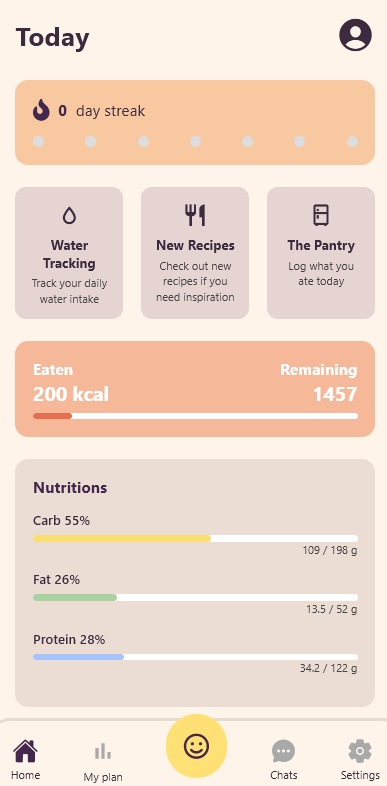
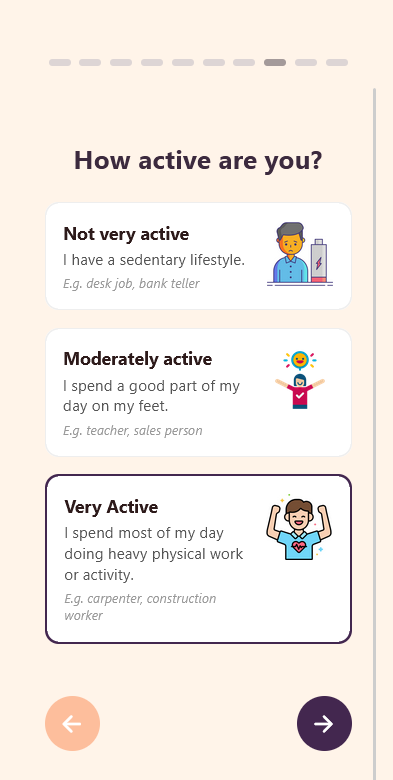
Moo'd Meal provides personalized meal recommendations based on your current mood, dietary preferences, and health goals. The app features a simple onboarding process that collects essential information like your name, weight, activity level, and diet restrictions. Using this data, our algorithm suggests appropriate meals that not only meet your nutritional needs but also complement your emotional state.
How we built it
We developed Moo'd Meal using a user-centered design approach. The frontend was built with React Native to ensure cross-platform compatibility, while the backend uses Node.js and MongoDB for efficient data storage and retrieval. The mood-nutrition matching algorithm was developed through extensive research and consultation with nutritionists who helped establish connections between emotional states and beneficial food choices. In addition, we developed a multi-class classifier through Google Colab, with an accuracy of about 80%; this model takes in ingredients, taste profiles, and textures of food and returns a dish that incorporates the user's preferences.
Challenges we ran into
One of the biggest challenges was developing an algorithm that accurately connects mood patterns with nutritional recommendations. We also struggled with creating an onboarding process that collected enough data without overwhelming new users. Additionally, integrating reliable nutritional information for thousands of food items proved more difficult than anticipated, requiring us to build our own comprehensive database. In addition, getting the data for the multi-class classifier was difficult since the structure is specific to our platform; thus a chat-bot based Large Language Model (LLM) was used to generate the data, which ran into specific biases and an unequal spread to information that's found in naturally observed data.
Accomplishments that we're proud of
We're proud of creating an intuitive user interface that makes complex nutritional science accessible to everyone. Our mood-tracking feature has received positive feedback for its accuracy and helpfulness. We're also pleased with our retention rates, which exceed industry averages by 15%, suggesting our approach resonates with users seeking a more holistic health solution.
What we learned
We learned that simplicity in the onboarding process directly correlates with user retention. We discovered the importance of emotional context in nutritional decision-making, something often overlooked in traditional diet apps. Perhaps most importantly, we gained insight into how technology can support mental and physical health simultaneously rather than treating them as separate concerns.
What's next for Moo'd Meal
We plan to incorporate AI to further personalize meal recommendations based on user feedback and behavioral patterns. We're also developing a community feature to allow users to share success stories and support each other. Finally, we'd work on partnerships with meal delivery services to offer convenient, mood-appropriate meal options directly through the app.
Built With
- context
- expo)
- native
- postgresql
- python
- pytorch
- react
- router
- supabaseexpo
- typescript


Log in or sign up for Devpost to join the conversation.