Be sure to write what inspired you, what you learned, how you built your project, and the challenges you faced. Format your story in Markdown.
Inspiration
'''While discussing the typical format of player-user games, my teammates and I noticed that there is often a superficial ending in which the player either wins or loses. The other player’s emotions are seldom taken into consideration. In discussing this, we realized just how much these games do affect both people in question: the player and the character whom they defeat or lose to. '''
What it does
'''Users begin the game by pressing their space bar and use their left, right and up arrow keys to move to the left, right, or jump. To attack the monsters, users will hit their spacebar and to collect stars, they must simply come into contact with them.
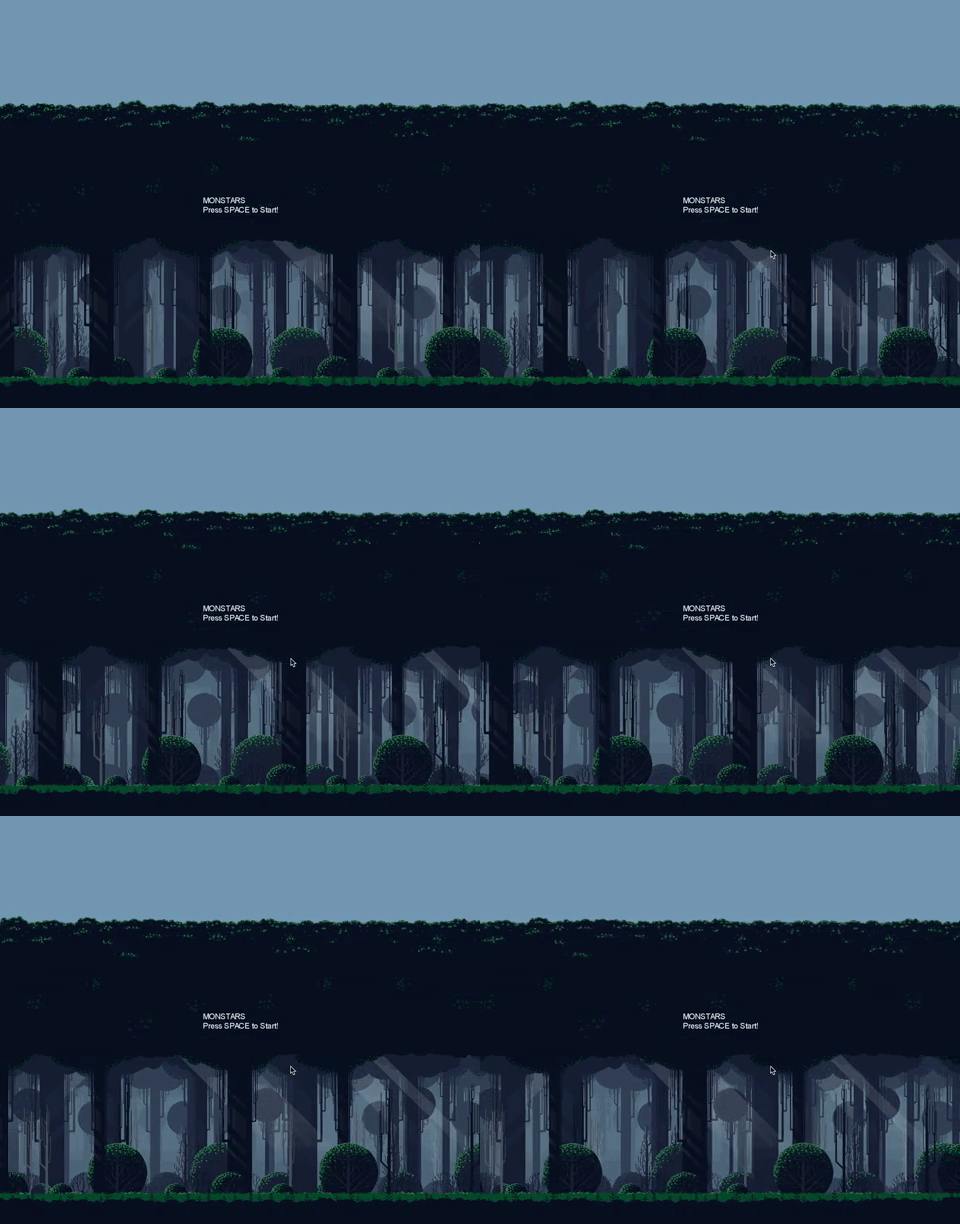
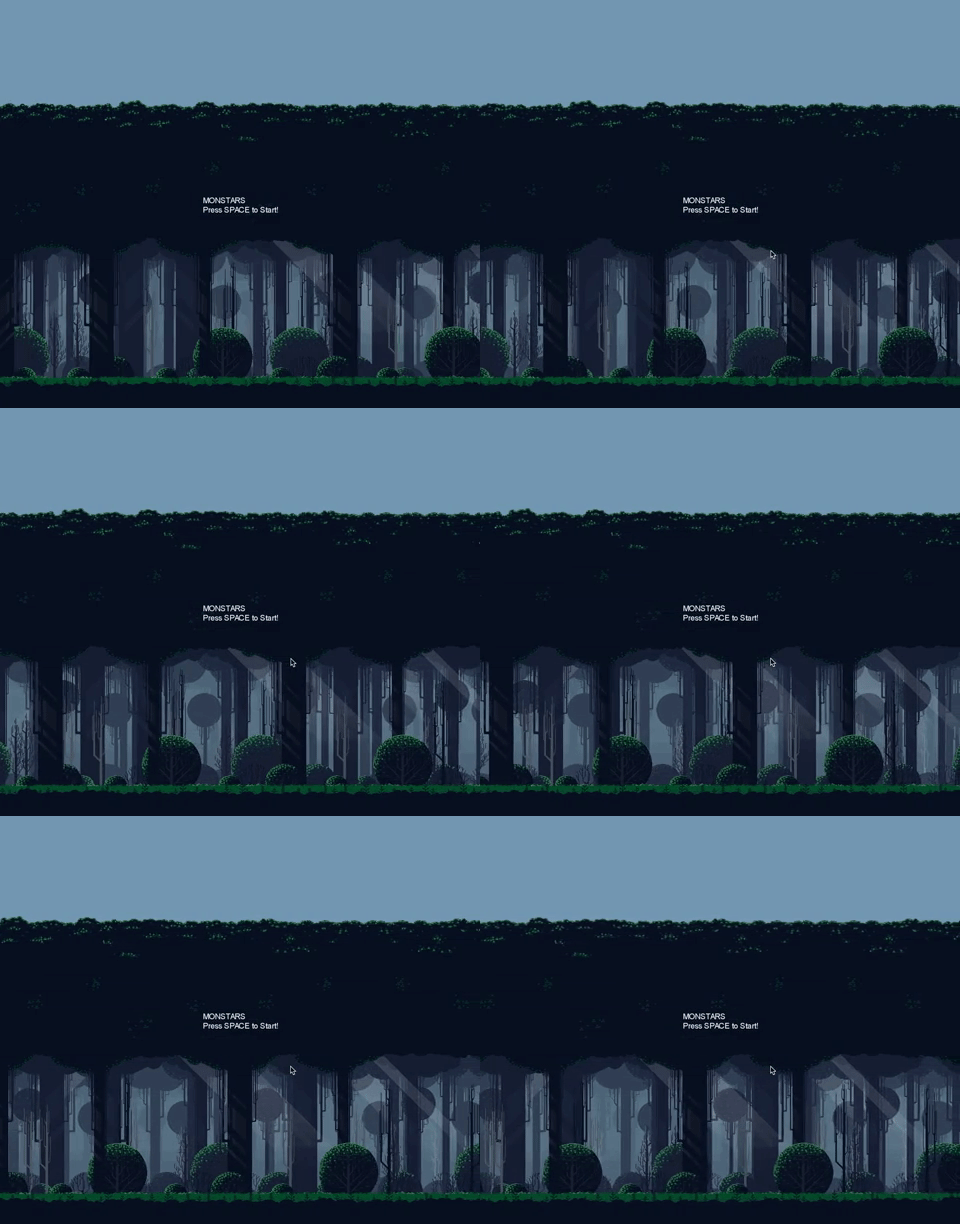
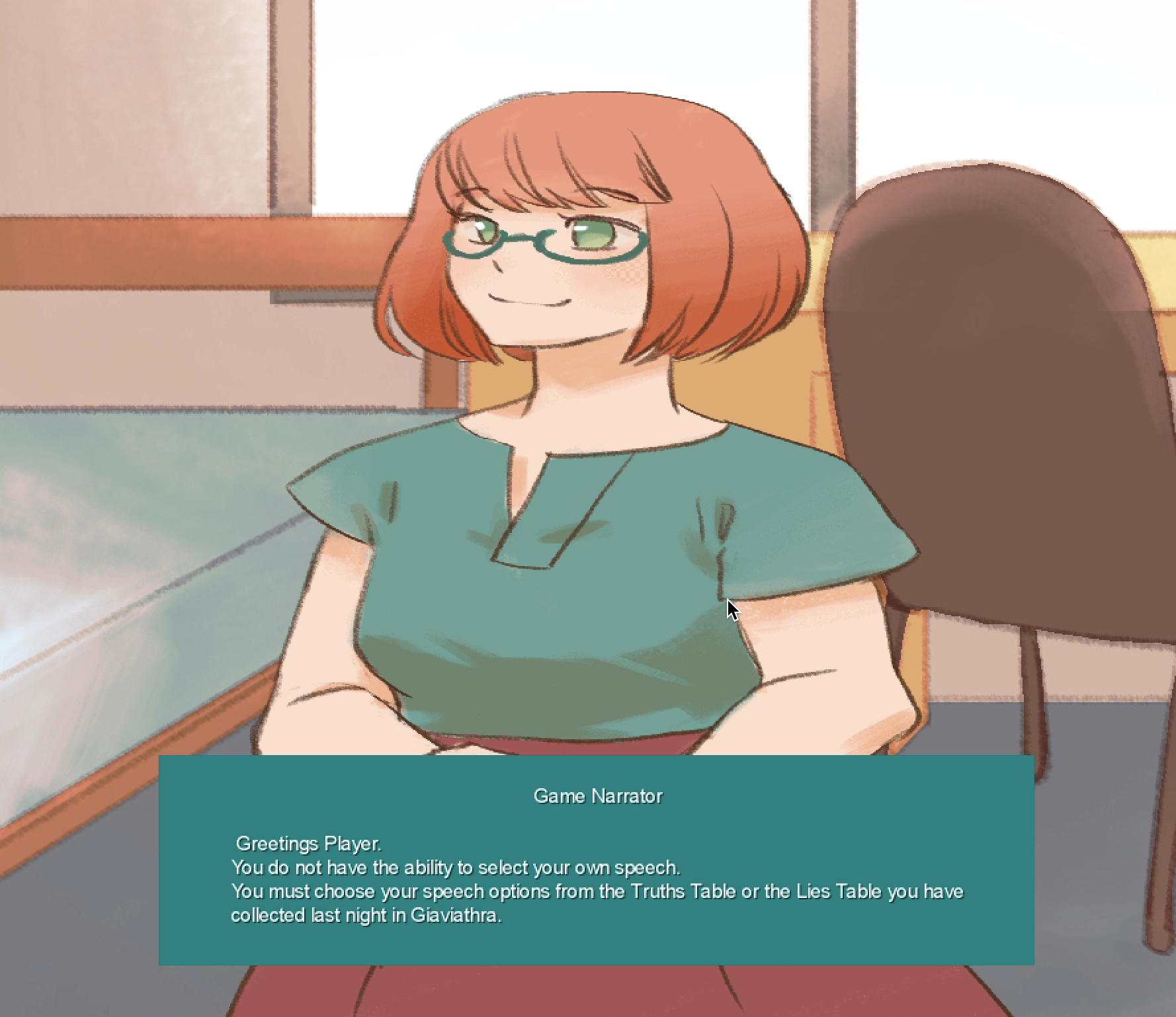
Monstars is a game that takes place in a “Dreamworld” of Knights and Monstars. The user must collect stars and defeat monsters in order to win; however, this triumph comes with a cost. Some users will focus on defeating the monsters and forget to collect stars (this prompts a negative dialogue on the screen), whereas some users will collect stars and be defeated by the monsters (prompting a more positive dialogue). Players are given 60 seconds and 5 lives to play each match, and once they either run out of time or lose a life, they have the option to continue playing. But the game doesn't end there. After the user awakes from this dream, they must continue with their normal “day-to-day” life, utilizing only the dialogue from the game to interact with the people around them. Will you be a Monster or a Star to this “other player”? '''
How we built it
'''We started by developing a framework for our game, using XML files to create the storyline and plot. To create and manage the user interface and game data, we used LibGDX, which is a Java framework used for a variety of games. We also utilized free assets from itch.io to form our backgrounds, sprites, and character portraits. '''
Challenges we ran into
'''One of the challenges we ran into was with the visualization of the game. Each of us had a different visual imagery of what the game should look like, in terms of the characters, backgrounds and effects. As a result of our different interpretations of what the game design should look like, we found many designs and worked on coming to a consensus about that. '''
Accomplishments that we're proud of
'''This was the first Hackathon for three of our team members, and we used this opportunity to learn as much as possible about the aspects involved in game development. Through this Hackathon, we learned about topics such as the benefits of using XML files, how to parse files, how to use Java programming to create games and the necessary components for the front-end and back-end development of our game. '''
What we learned
'''We learned that in order for a game to be successful, interpretation is dependent on the user and how each game interaction impacts their emotions. This required us to truly focus on the different effects of the game’s images, and the dialogue that we place in our text files. We also realized just how much of game creation is centered around creative writing and dialogue. '''
What's next for Monstars
'''We hope to expand the game by navigating the user's day to day interactions as they continue to collect more and more dialogues in their "Dreamworld" and see how interactions with their roommate change as a result of this. ''' Note, to run it, you need to download the repo, navigate to the folder, and run "./gradlew desktop:run" or "gradlew desktop:run".


Log in or sign up for Devpost to join the conversation.