-
-
page 1
-
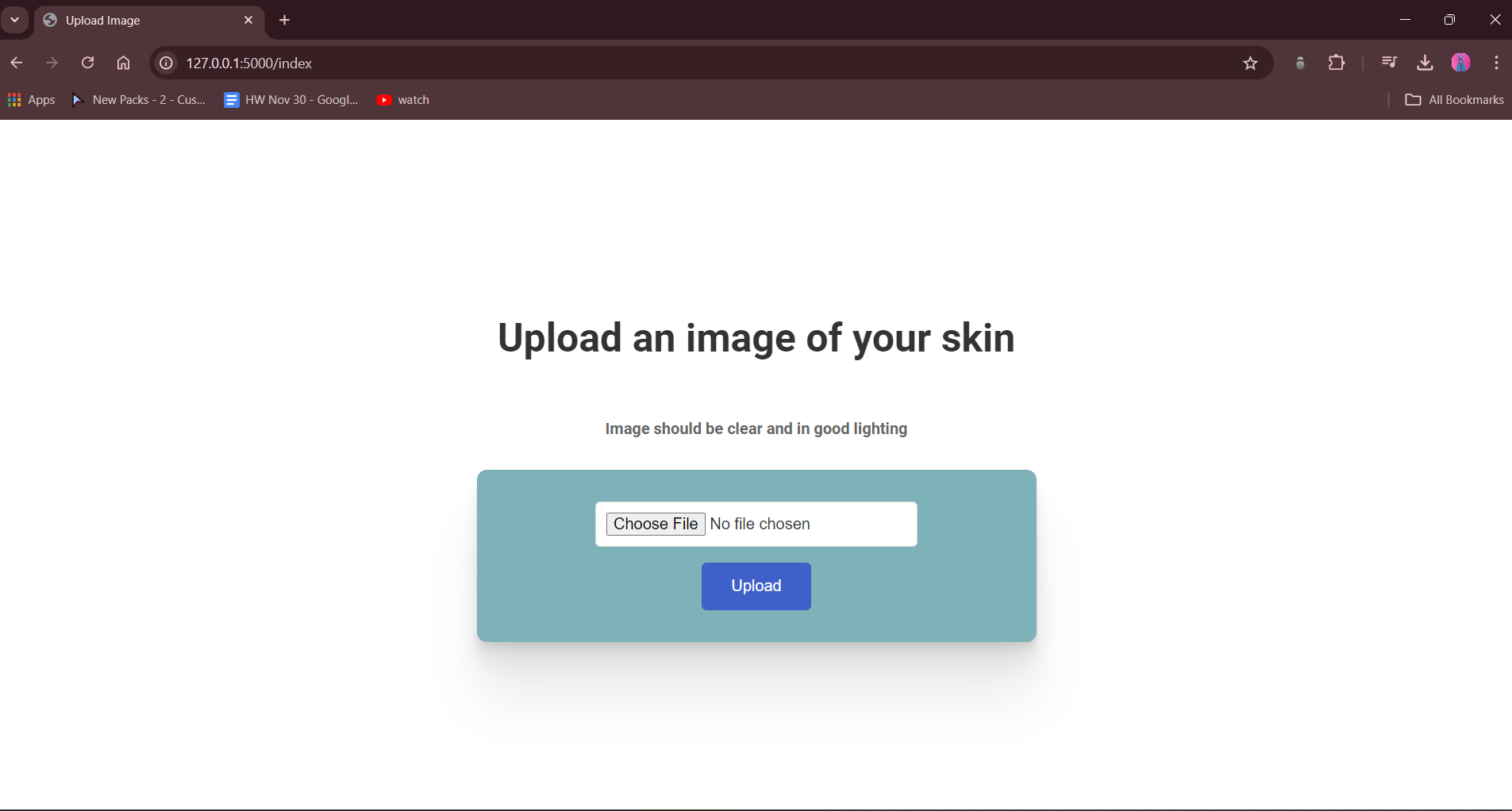
upload page
-
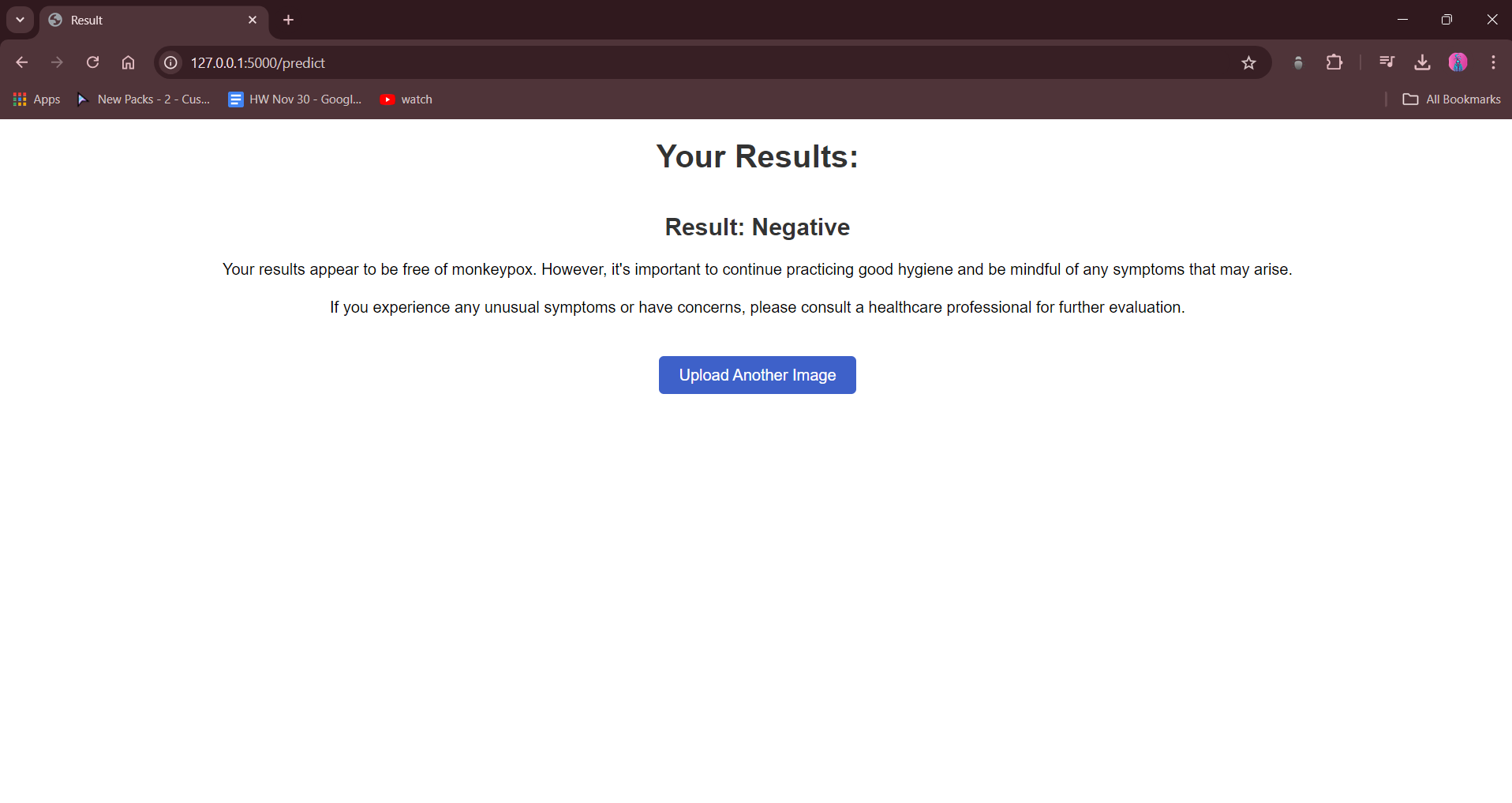
result page
Inspiration
The world is currently facing a worrying outbreak of Monkeypox, and in an atmosphere like this, there naturally arises a need for medical tools for aid during the crisis. We wanted to help those who find themselves in the midst of this crisis, and hence we developed a diagnostic application to detect Mpox.
What it does
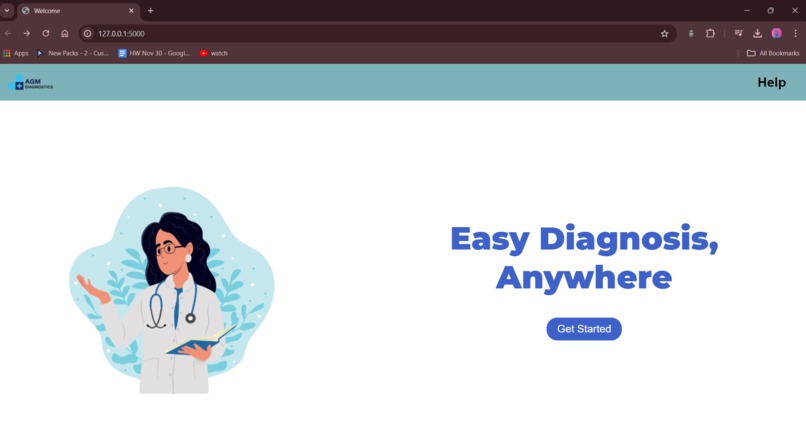
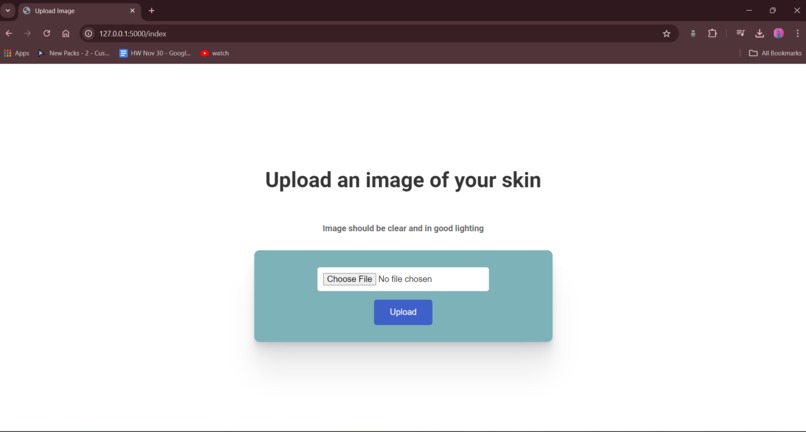
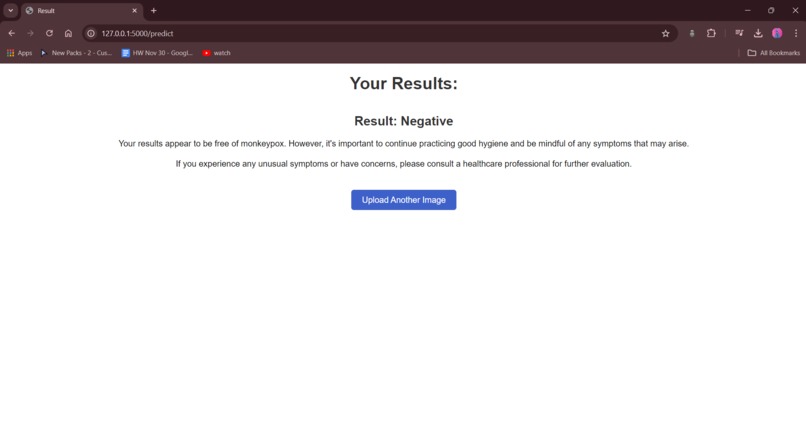
Our application allows users to upload images suspected of being Mpox lesions. The deep learning model classifies these images to determine whether they are indicative of Mpox. The result is then displayed to the user through a user-friendly web interface.
How we built it
We used a deep learning model built on the EfficientNet architecture to classify images and detect whether they show signs of Mpox. This model is integrated into a web application built with HTML, CSS, and Flask. Users can upload an image through the app, which is processed by the model, and the output is displayed back to them.
Challenges we ran into
One of the biggest challenges we faced was the lack of sufficient research material and datasets specific to Mpox. To overcome this, we leveraged our knowledge from previous projects and applied techniques that allowed us to work with the data we had.
Accomplishments that we're proud of
We are proud of creating a functional and accurate diagnostic tool that can potentially aid in the early detection of Mpox during a critical time. Additionally, this project provided us with the opportunity to dive into deep learning architectures like EfficientNet, which we hadn't explored before. We also developed new techniques for data wrangling, allowing us to work effectively with the limited and imperfect datasets available.
What we learned
We learned how to effectively apply deep learning techniques to a real-world problem, particularly in the medical field. Additionally, we gained experience in integrating a machine learning model with a web application, ensuring that the entire process from image upload to diagnosis is seamless for the user, thus gaining significant knowledge in the domains of ML as well as Web Development.
What's next for Monkeypox diagnosis model
Finding better, larger, smoother datasets to work on; creating a fully functional website that's hosted online so that users can access it from anywhere in the world; expanding the model to include other kinds of image-diagnoseable diseases in the event of another outbreak
Built With
- flask
- jupyter
- keras
- numpy
- pandas
- python
- scikit-learn
- tensorflow
- vscode

Log in or sign up for Devpost to join the conversation.