-
-
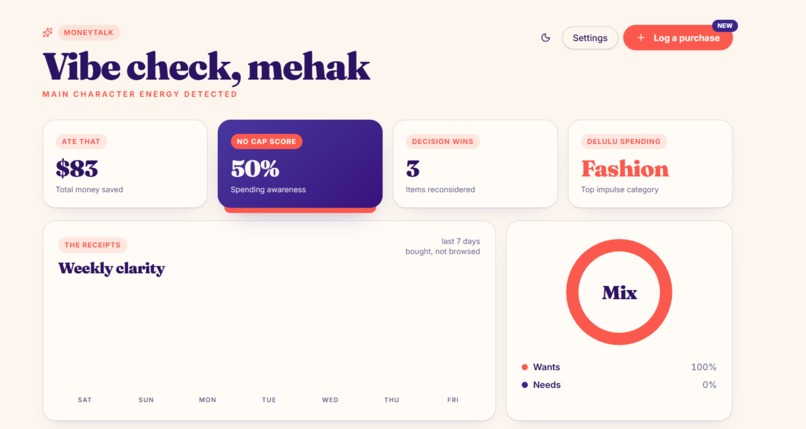
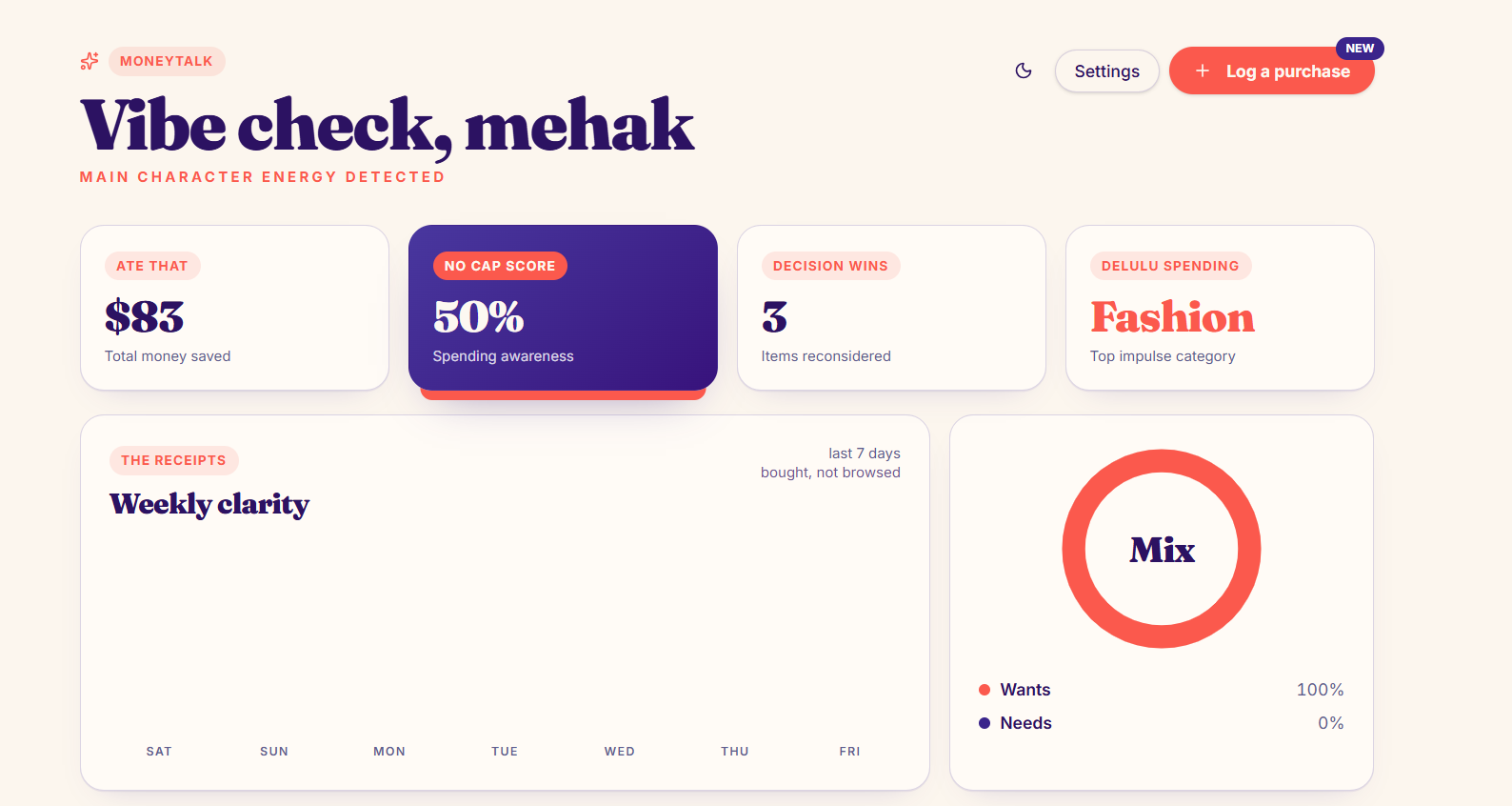
this is how the dashboard looks
-
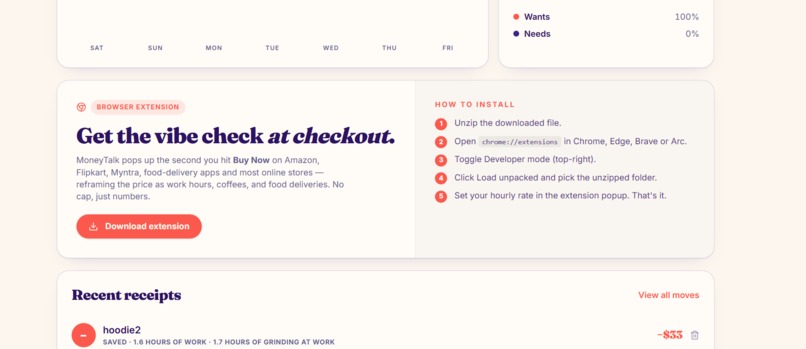
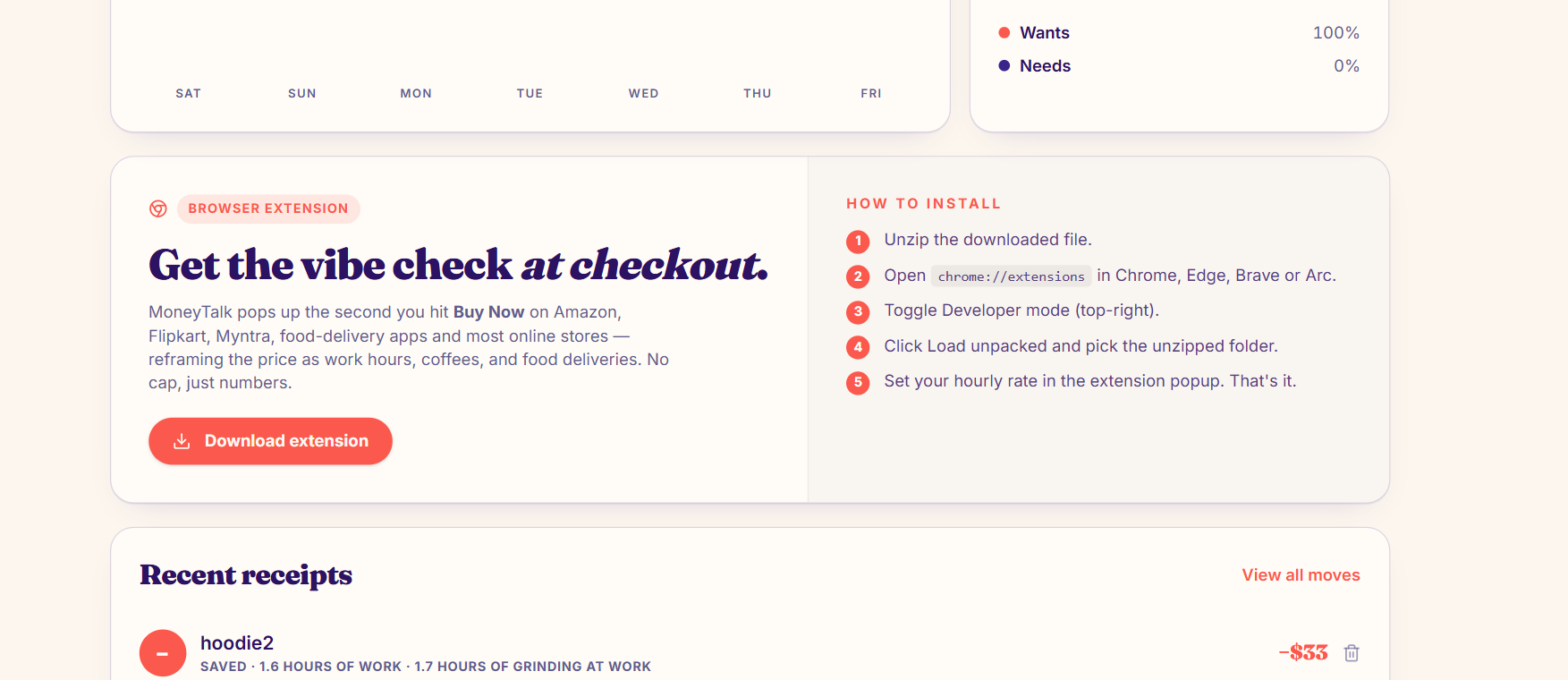
here are the detailed steps given to get the extension
-
-
-
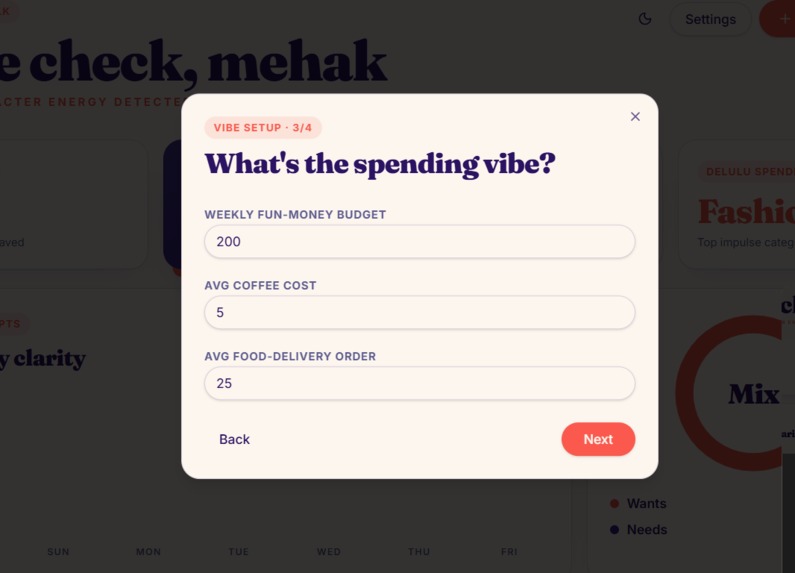
-
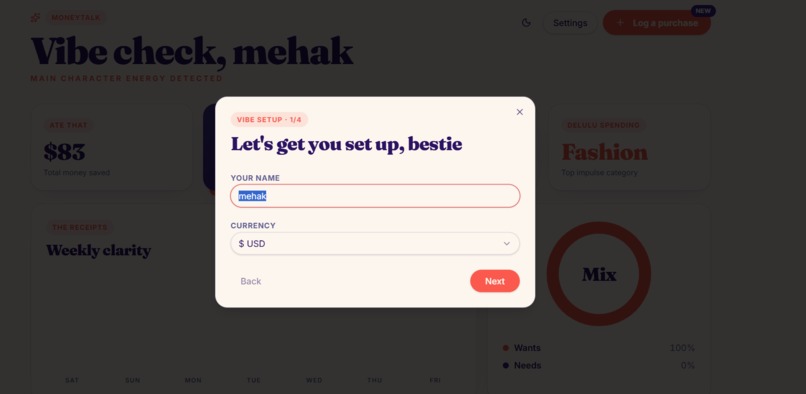
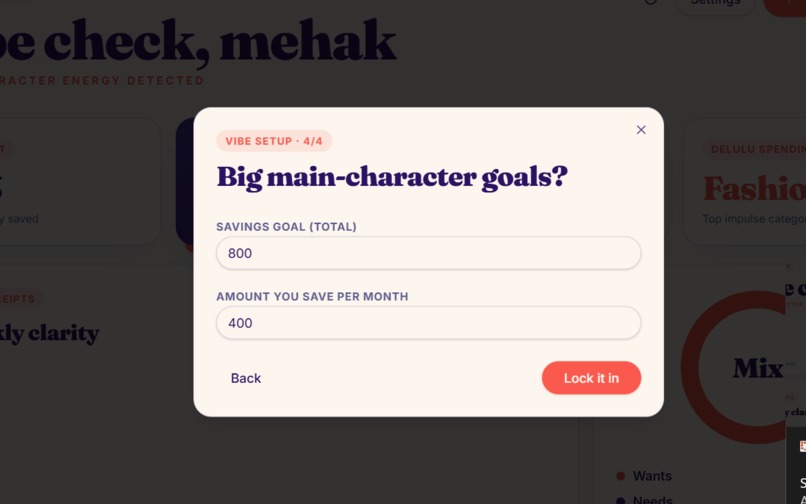
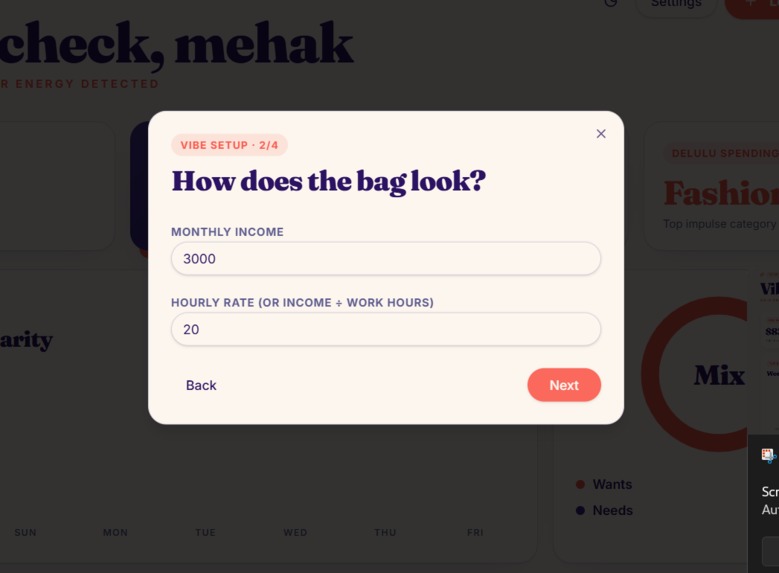
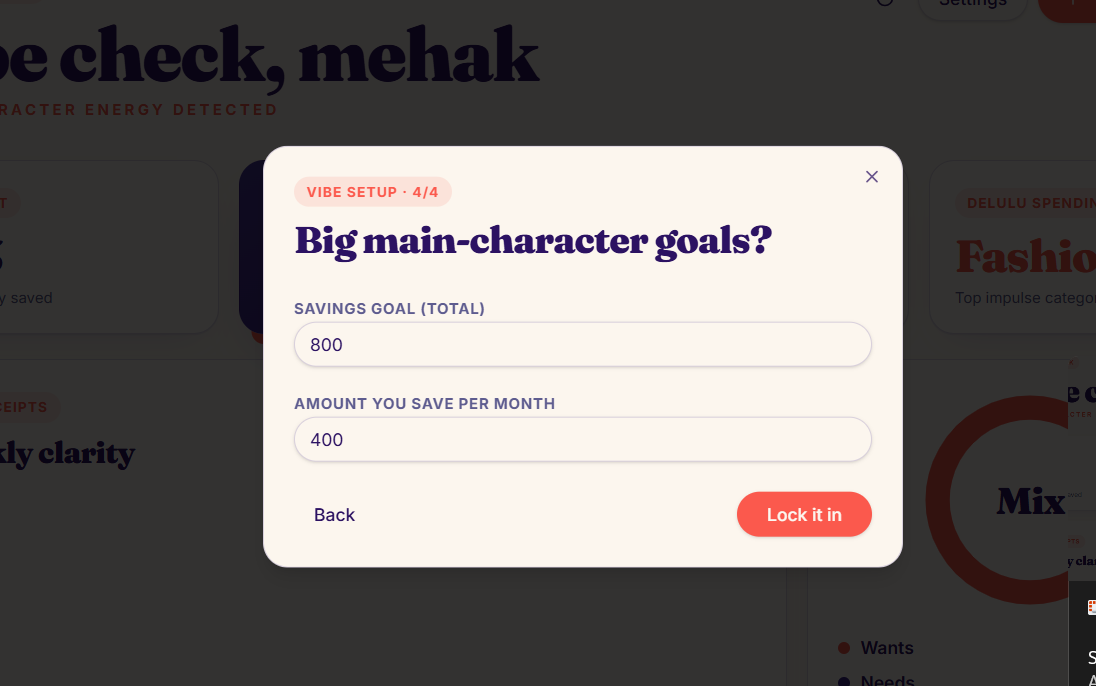
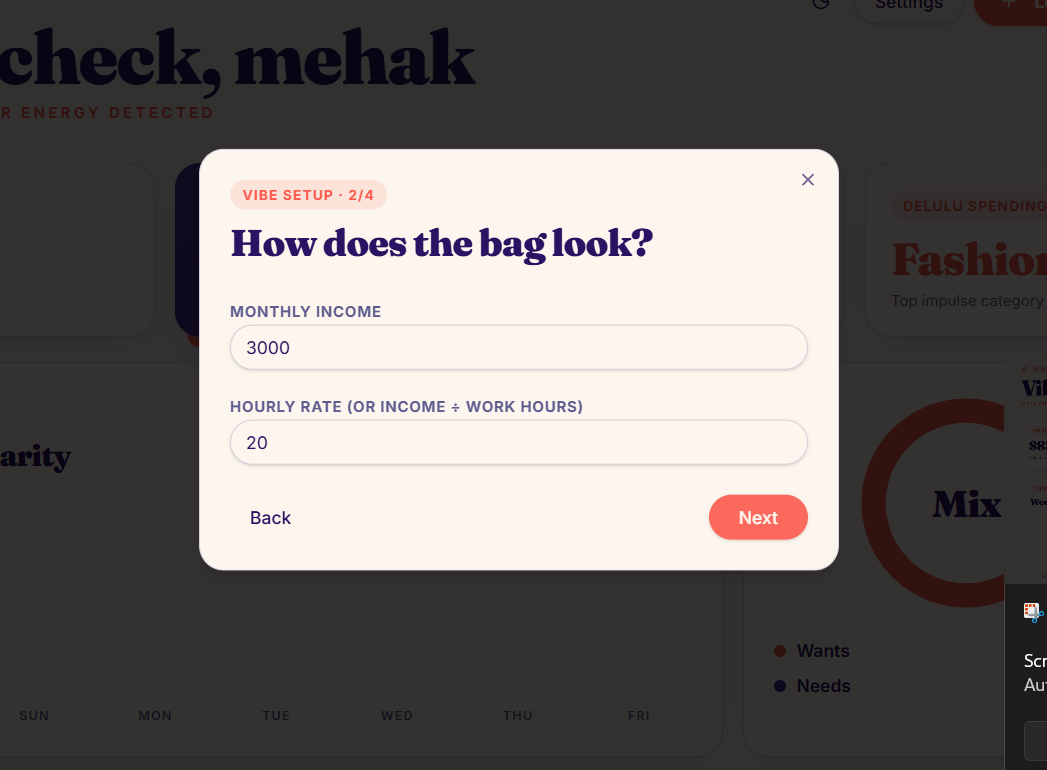
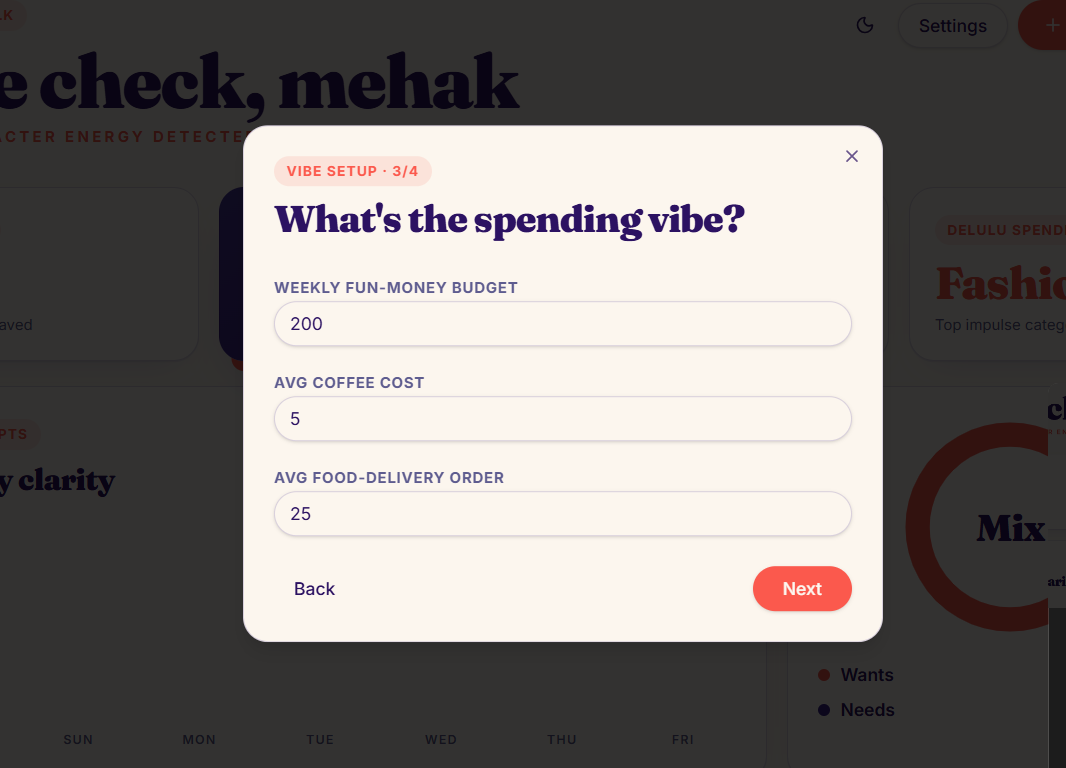
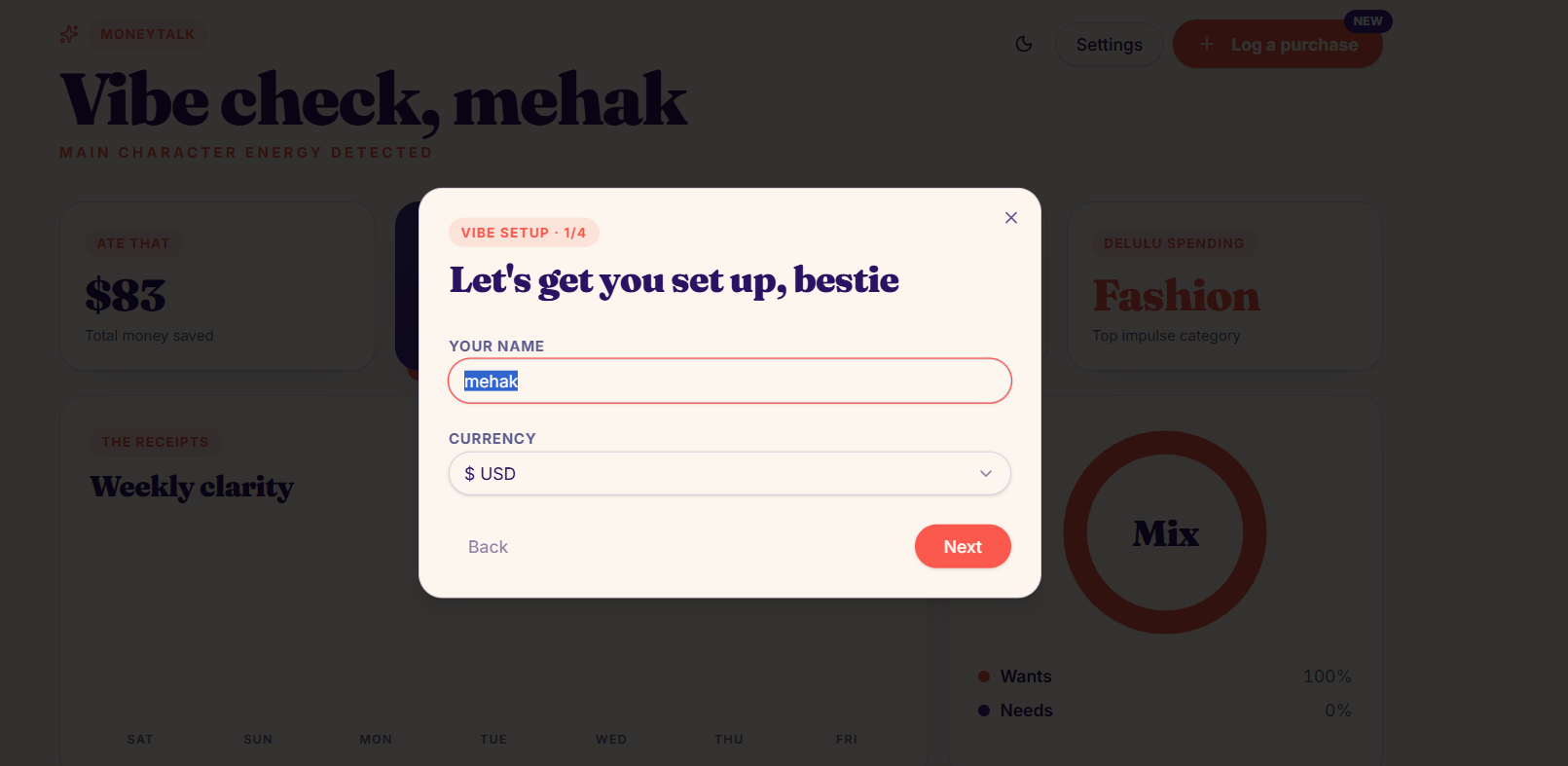
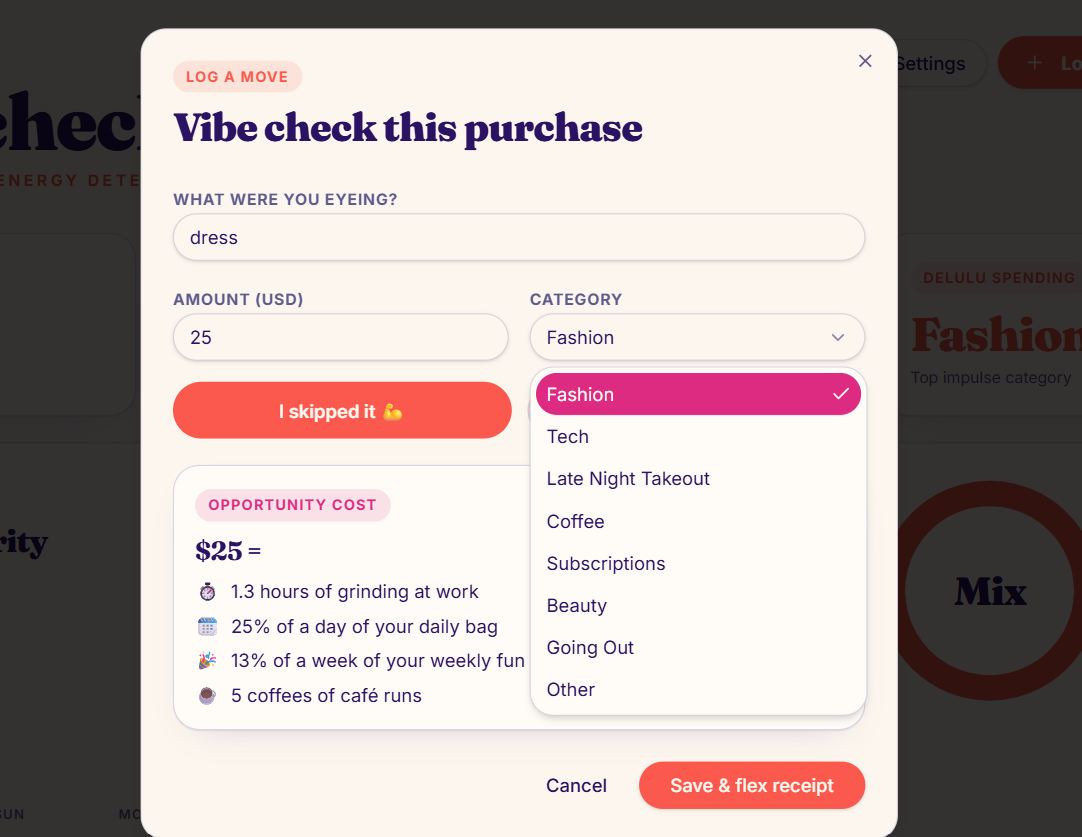
here we have to fill the required information
-

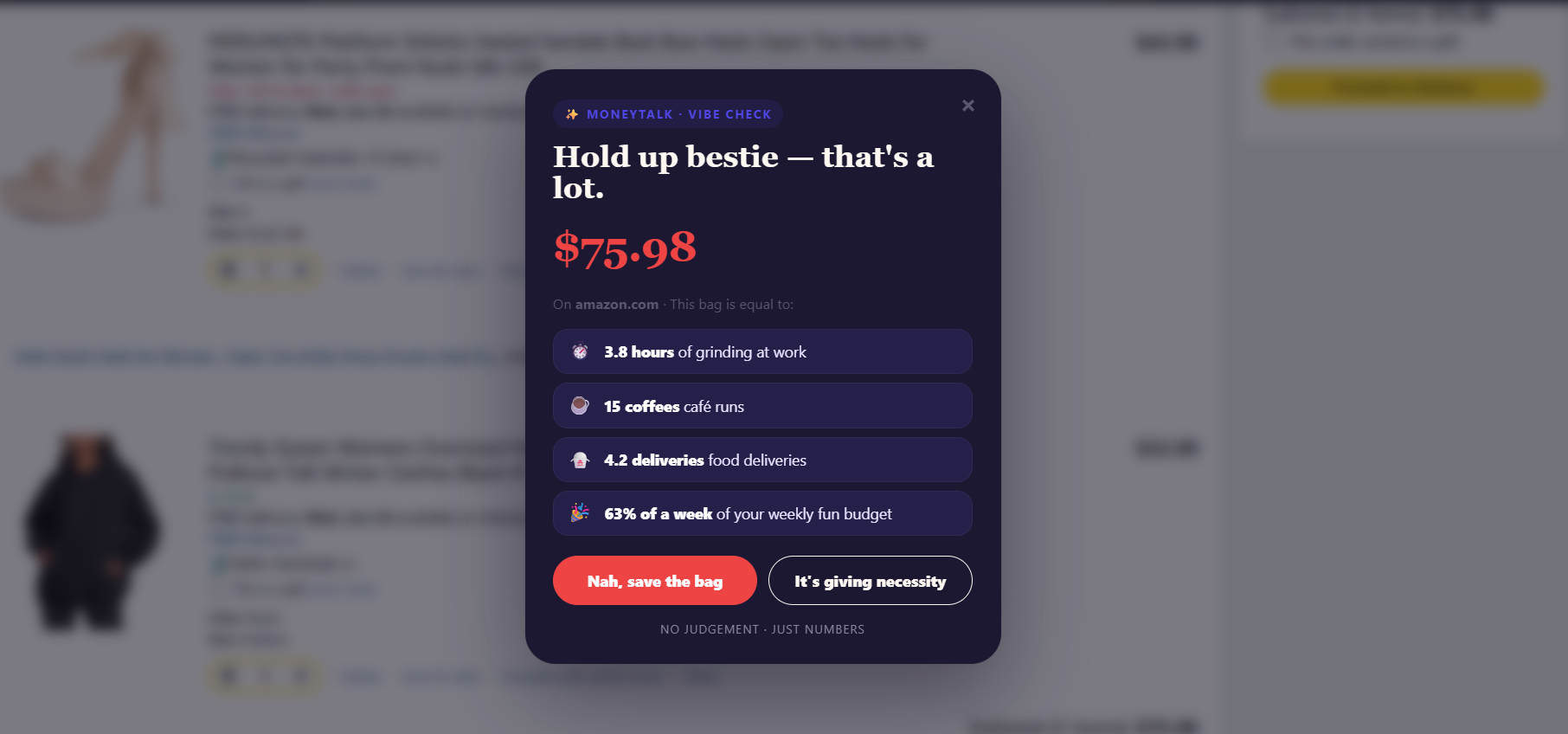
the alert pop-up!!!!!
-
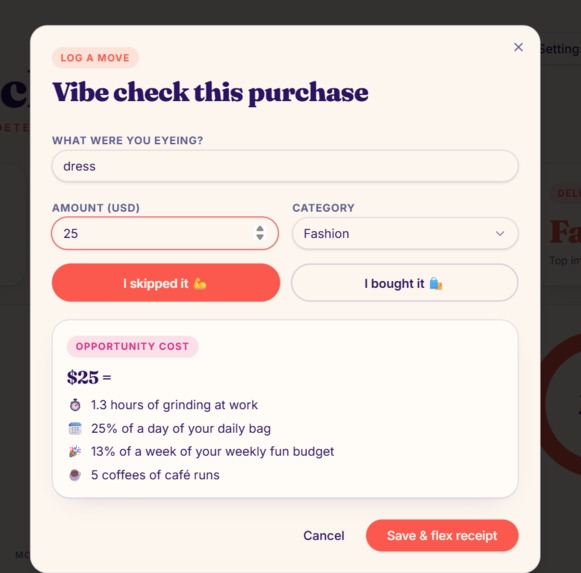
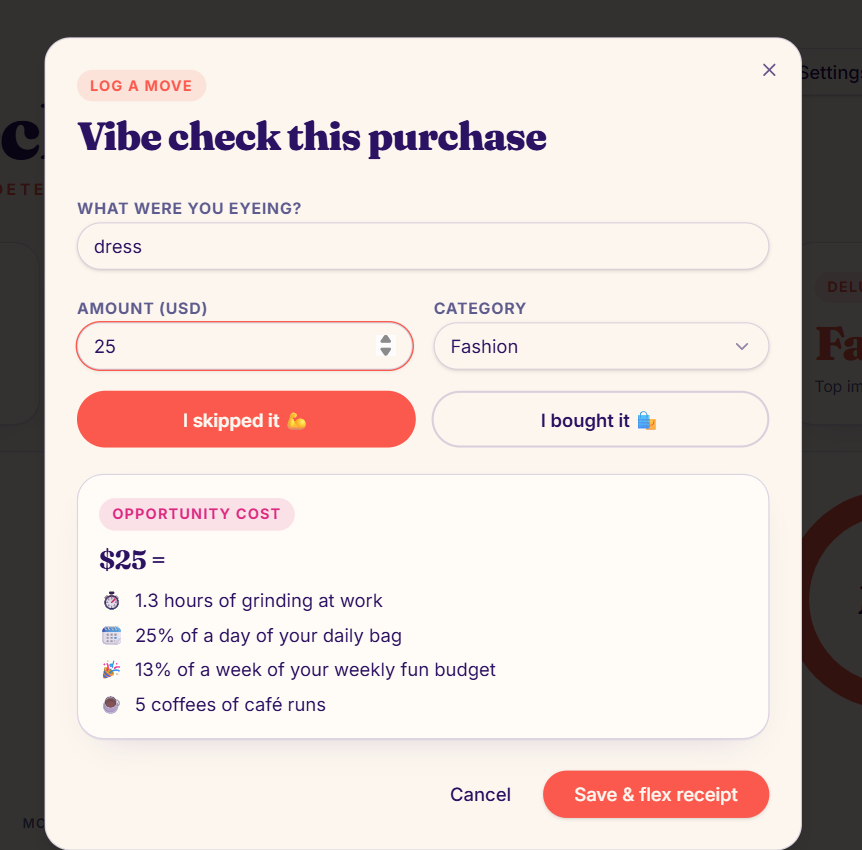
here we log all the purchaces
-
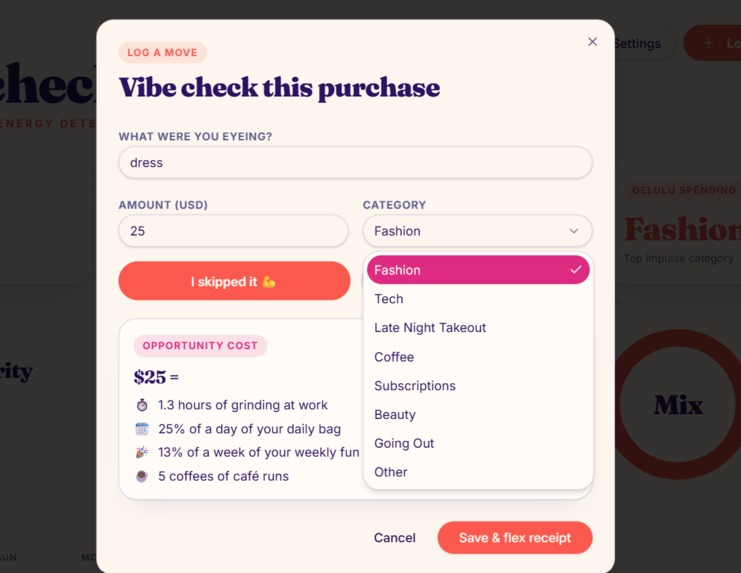
so many categories
-
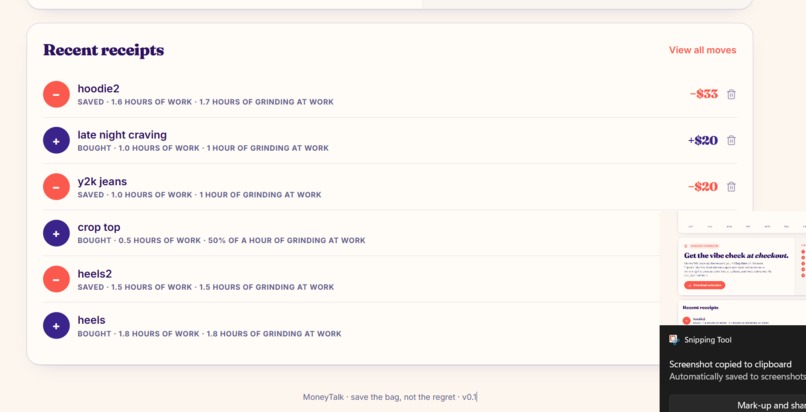
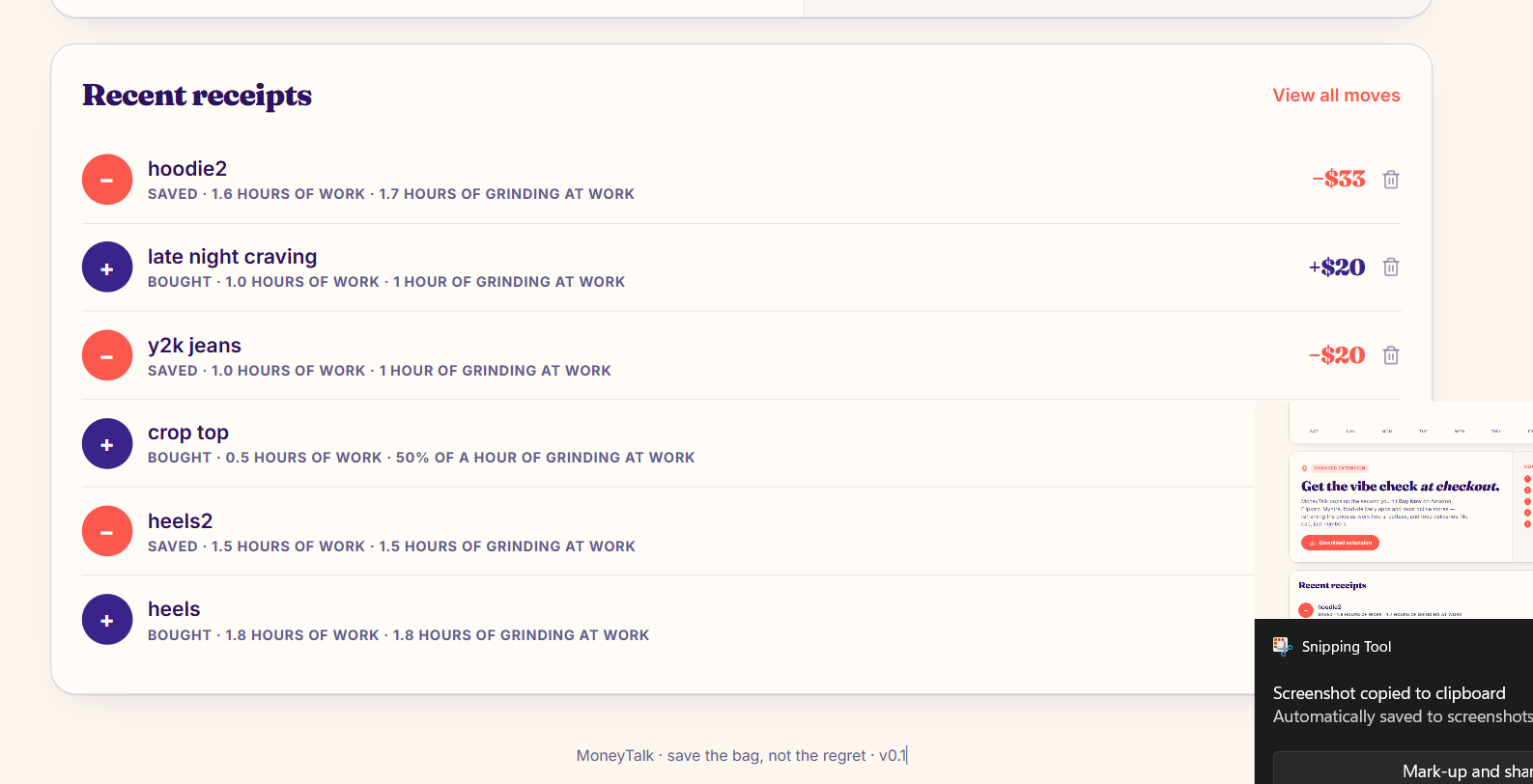
here are all the recent purchases
-
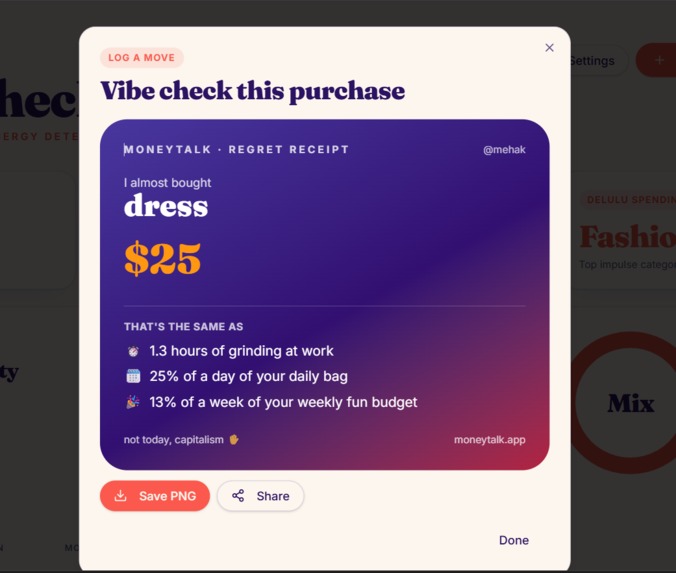
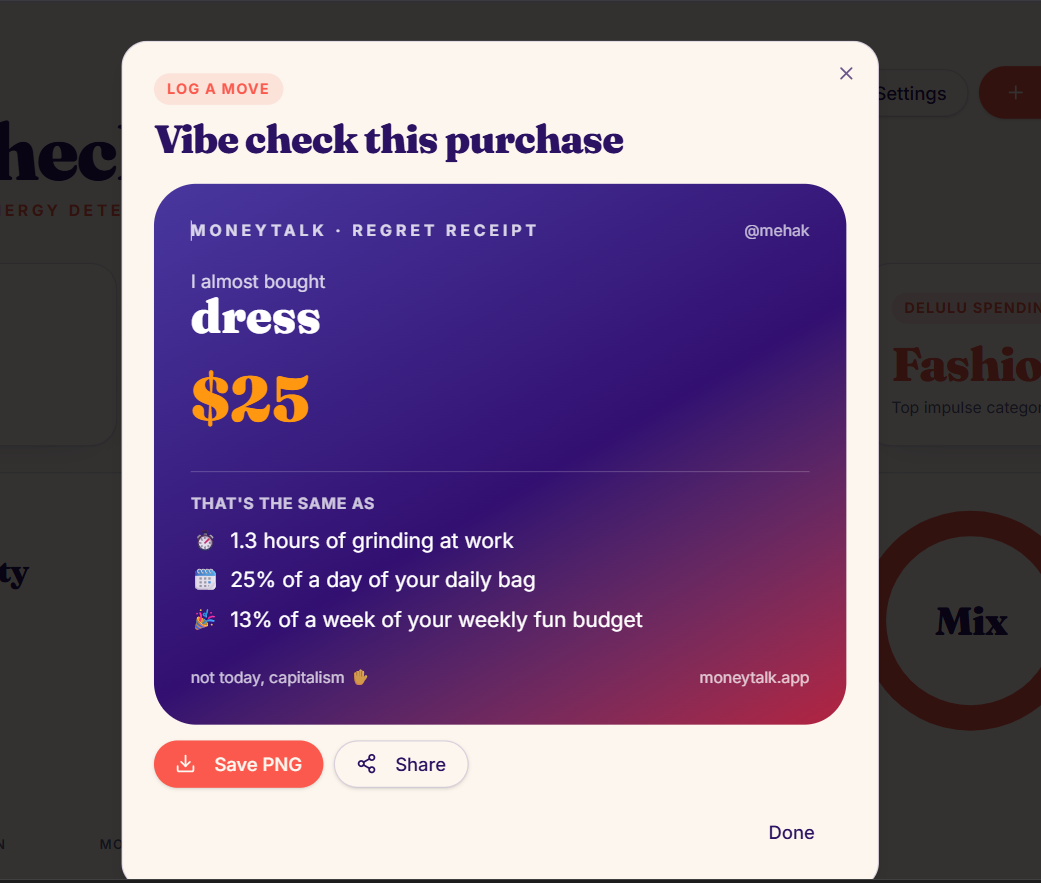
we can use this image to show off online or to our friends
-
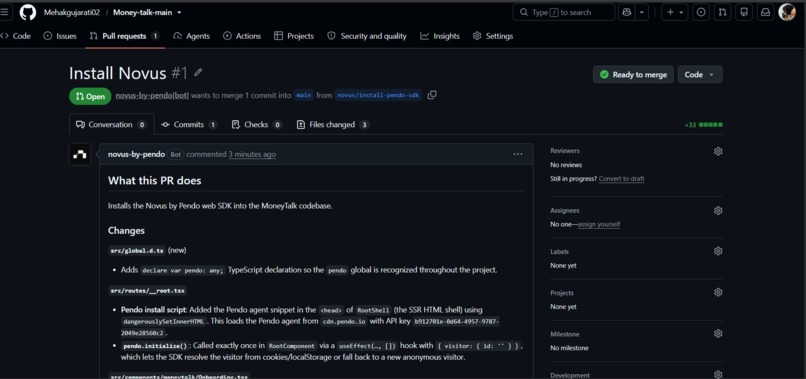
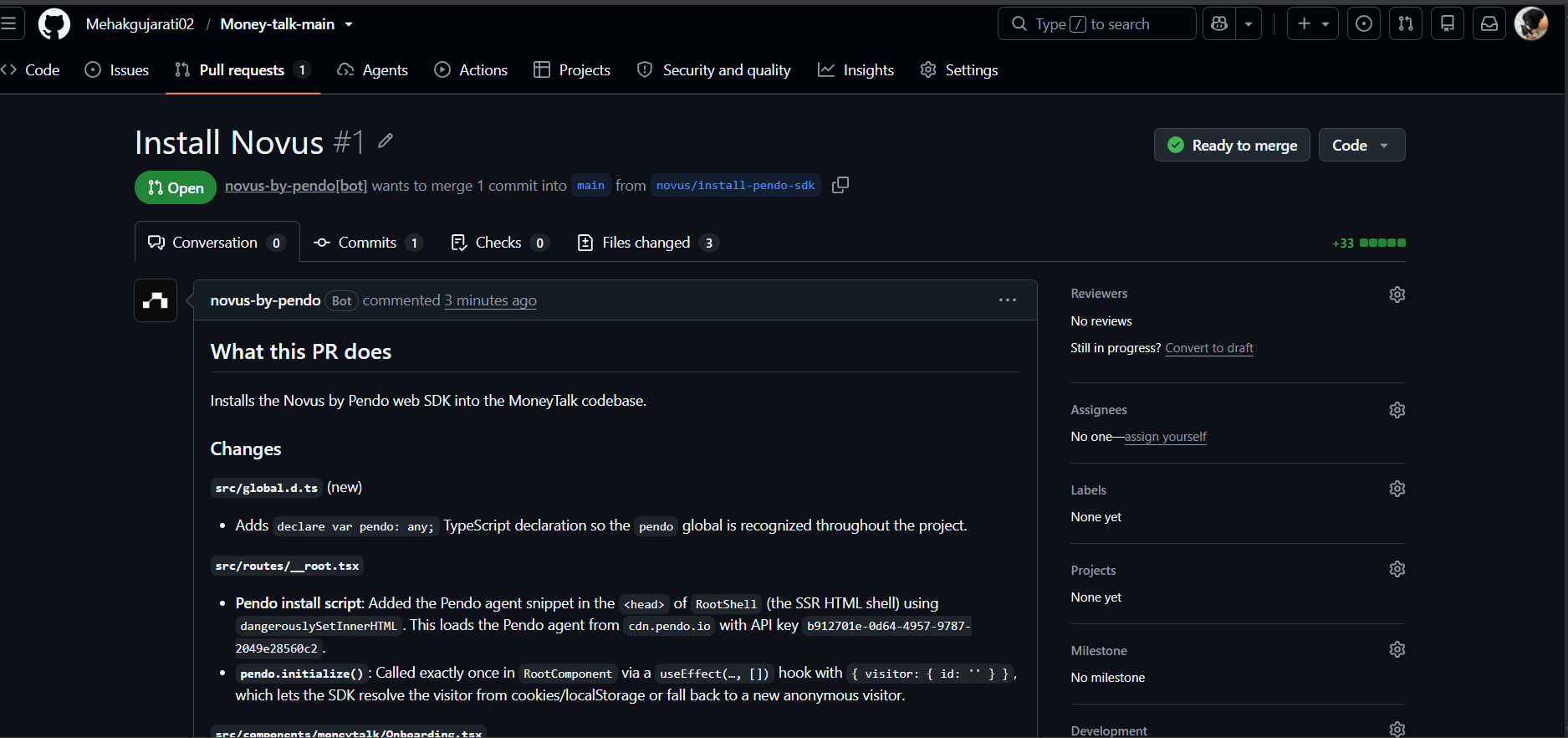
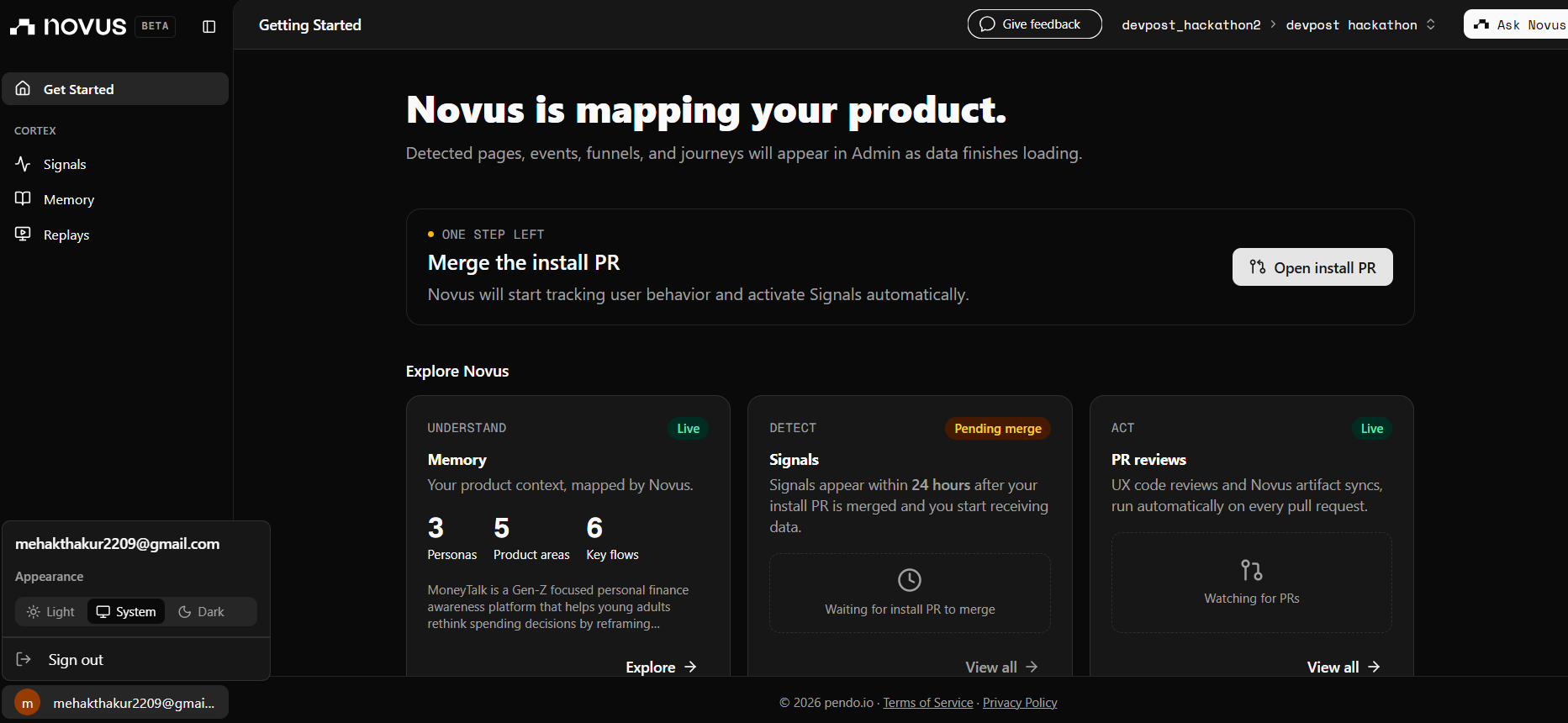
novus.ai installed succesfully
-
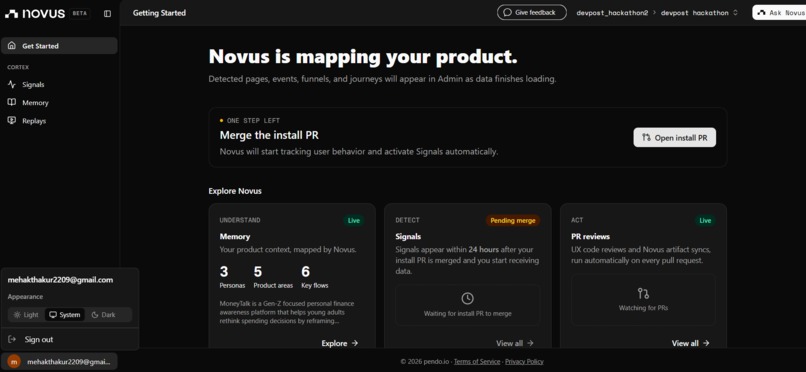
Inspiration
I noticed that most people of my generation don't struggle with budgeting because they can't do math—they struggle because spending decisions are emotional and impulsive. Existing budgeting apps only provide insights after money has already been spent.
I wanted to build a tool that intervenes at the moment of decision-making and helps users understand the real cost of a purchase before they click "Buy Now." This idea led to MoneyTalk, a behavioral-finance platform that reframes spending in terms of time, trade-offs, and personal financial goals.
What it does
MoneyTalk is a browser extension and personal finance dashboard that helps users make more intentional purchasing decisions.
When users encounter a product online, MoneyTalk converts the price into meaningful trade-offs such as:
Hours of work required Budget impact Spending category comparisons Opportunity costs
The platform also provides analytics including:
Spending awareness score Money saved estimate Purchase reconsideration tracking Impulse spending insights Weekly spending clarity reports Needs vs Wants breakdown
By transforming abstract prices into relatable consequences, MoneyTalk encourages mindful spending behavior.
How i built it
MoneyTalk was built as a Chrome browser extension using Manifest V3 architecture.
Frontend & User Interface:-
- HTML5
- CSS3
- JavaScript (ES6)
- Custom responsive UI components
- Modal-based intervention experience
- Interactive dashboard for financial insights
Browser Extension:- developed MoneyTalk as a Chrome Extension using:
- Manifest V3
- Content Scripts
- Chrome Storage API
- Active Tab Permissions
The content script runs on supported shopping and food delivery websites and detects checkout or purchase actions. Before a purchase is completed, MoneyTalk intercepts the interaction and displays an opportunity-cost analysis.
Data & Personalization:-
Users configure:
- Monthly income
- Hourly earnings
- Weekly discretionary budget
- Coffee budget
- Average food delivery spending
- Monthly savings goals
This information is securely stored using Chrome's local storage system and is used to generate personalized spending insights.
Opportunity-Cost Engine:-
The core logic converts a purchase amount into relatable trade-offs such as:
- Hours of work required
- Coffee purchases
- Food deliveries
- Weekly entertainment budget impact
- Savings goal delays
Instead of displaying a raw price, the extension presents spending in a format that users can emotionally relate to.
Analytics Engine:-
MoneyTalk tracks behavioral metrics such as:
- Purchases reconsidered
- Money saved
- Purchases completed
- Spending awareness score
- Impulse spending patterns
- Weekly financial clarity
These metrics are used to generate personalized financial insights and help users understand their spending habits over time.
Price Detection System:-
The extension uses:
- DOM traversal
- Pattern matching
- Price extraction heuristics
- Common e-commerce selectors
to identify prices across shopping and food delivery websites and provide real-time analysis.
Architecture Overview
Browser Page ↓ Content Script ↓ Price Detection Engine ↓ Opportunity Cost Calculator ↓ MoneyTalk Overlay ↓ Chrome Storage API ↓ Analytics Dashboard
The system was designed to be lightweight, fast, and privacy-friendly, with all user data stored locally within the browser.
Challenges i ran into
One of the biggest challenges was translating raw financial data into meaningful behavioral insights rather than simple expense statistics.
also faced challenges in:
Designing a scoring system that felt intuitive Building a clean and engaging dashboard experience Structuring data models for spending analytics Balancing financial accuracy with user-friendly explanations
Ensuring that insights were both actionable and understandable required multiple iterations.
Accomplishments that i'm proud of
Built a complete end-to-end behavioral-finance platform Created a modern analytics dashboard with meaningful insights Implemented spending awareness and impulse-spending metrics Developed a browser-extension concept focused on proactive decision-making Combined finance, psychology, and technology into a single product experience
Most importantly, created a product that helps users think before they spend rather than after.
What i learned
Through this project, i learned:
How behavioral-finance principles can influence product design Building scalable full-stack applications with modern web technologies Designing analytics systems that provide actionable insights The importance of user experience when presenting financial information How small changes in framing can significantly impact decision-making
We also gained valuable experience integrating frontend, backend, and analytics systems into a cohesive platform.
What's next for MoneyTalk
MoneyTalk is currently an MVP (Minimum Viable Product) focused on validating user engagement and financial awareness behavior before introducing authentication, cloud storage, and personalized accounts. these are the future enhancements:-
- Email/password authentication
- Google Sign-In
- GitHub Sign-In
- User profiles
- Secure cloud synchronization.
roadmap also includes:- AI-powered regret prediction Personalized spending recommendations Savings goal impact analysis Financial personality profiling Real-time shopping website integrations Mobile application support Gamified financial wellness features Advanced behavioral analytics
long-term vision is to transform MoneyTalk from a spending-awareness tool into a personal financial decision-making companion that helps users build healthier relationships with money.
installed novus.ai
yesssss
what i learned by shipping it
Through MoneyTalk, i learned how to take a product from idea to deployment. Beyond frontend development, gained experience with application architecture, state management, browser extension integration, SEO, GitHub workflows, and production deployment. The project reinforced the importance of building a focused MVP, prioritizing user experience, and shipping a complete, usable solution rather than trying to implement every possible feature.
Built With
- css3
- html5
- javascript
- manifest
- nitro
- postgresql
- react
- tailwind
- typescript
- v3
- vite

Log in or sign up for Devpost to join the conversation.