-
-
Logo - BW
-

Logo - Colorful
-
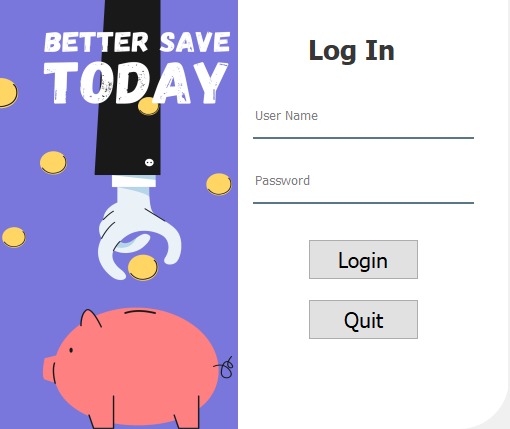
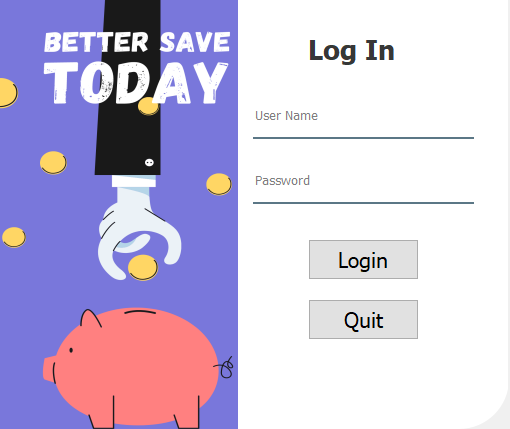
Login UI
-
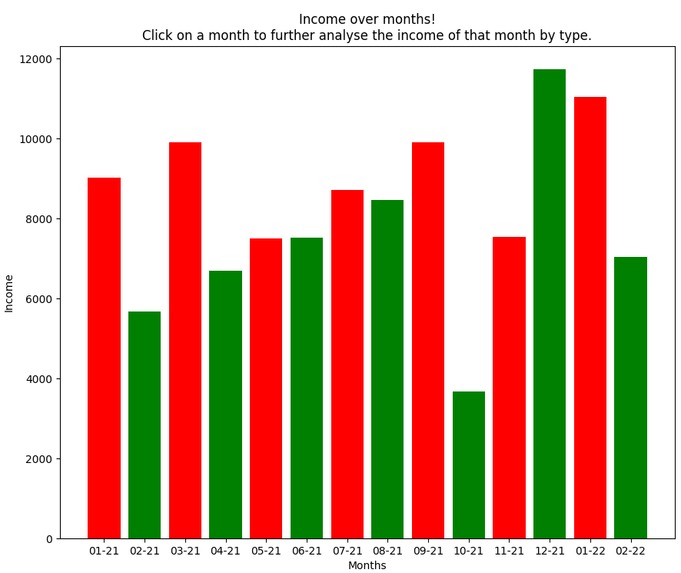
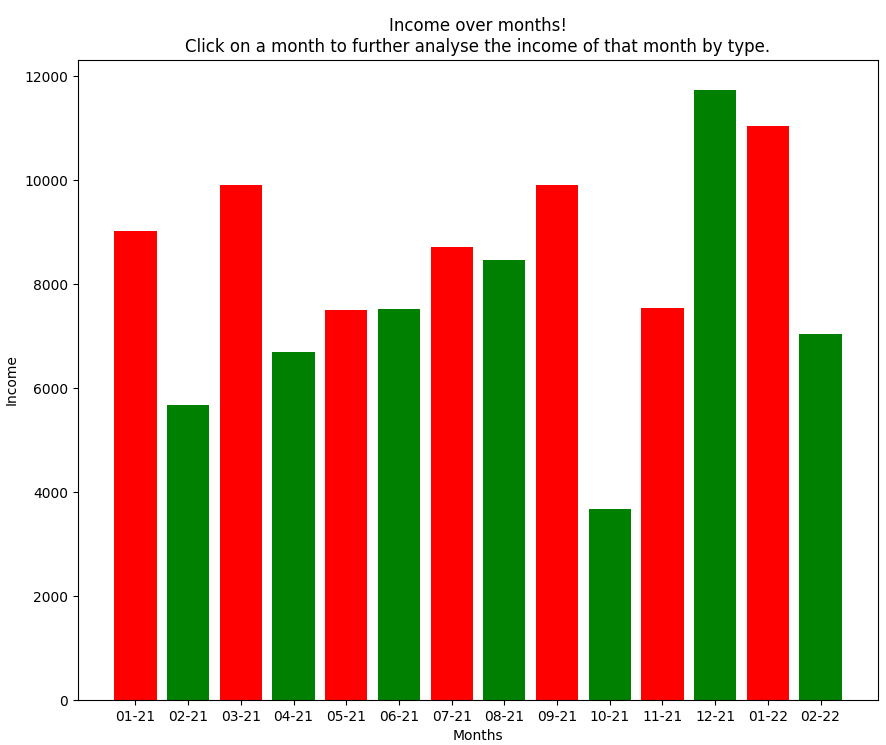
Incomes over months
-
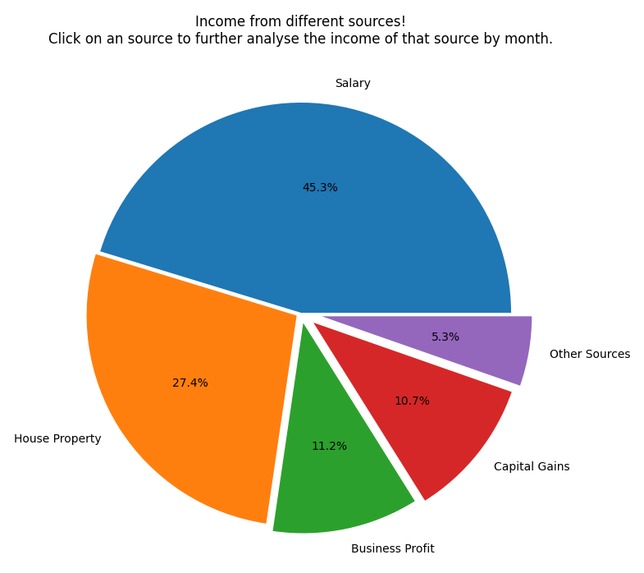
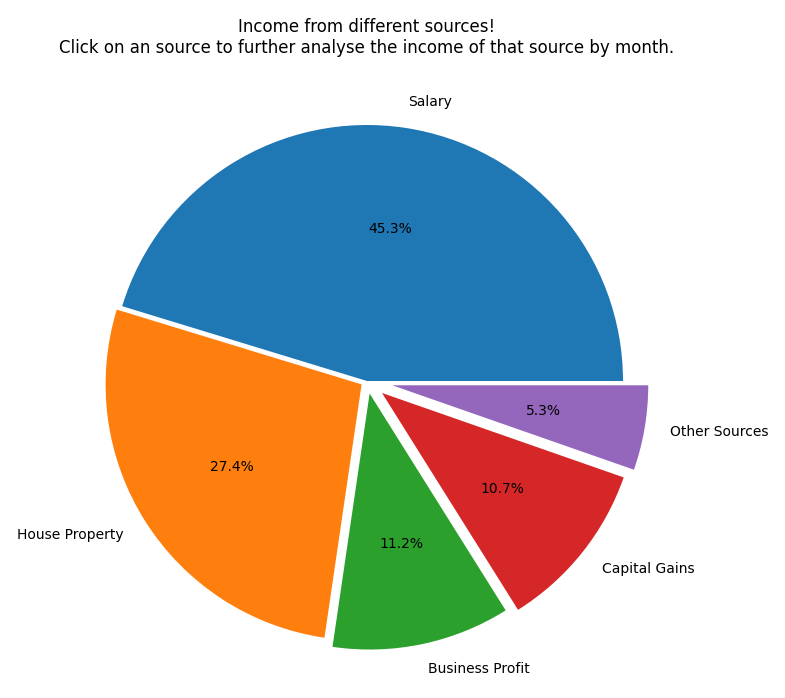
Incomes by sources
-
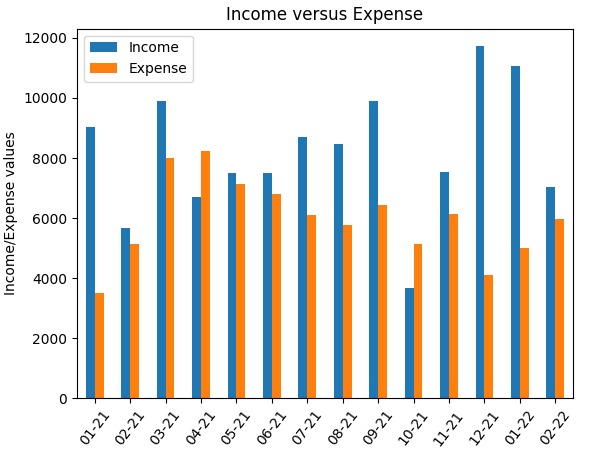
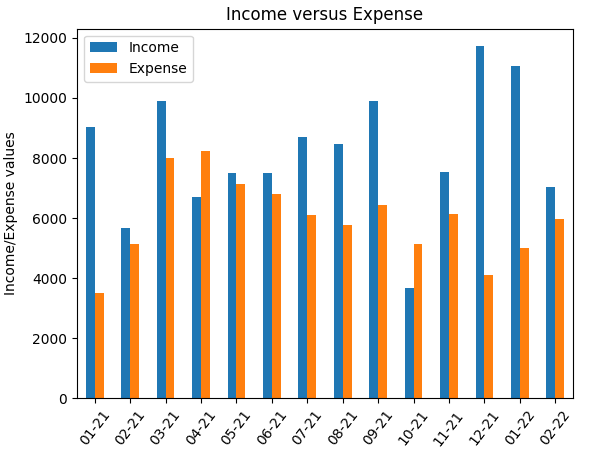
Incomes vs Expenses

Inspiration
“Yayy my salary will be paid today. Time for shopping. a few days later Oh I need to pay my rent and the electricity bill. Oh no… where is all my money???”
That short story may be familiar with most students, especially international students when they start moving out of their family to live independently. They may start the journey with the happiness of new life; however, soon to be, the financial burden of paying bills will welcome them. It does not matter how much they have earned money, but how the money is spent. Like other students, we have also experienced these situations. We believe that most students all know the essential to save and spend wisely our money; but, they just don’t have a tool to do it effectively. With the application Piggy Bank - a childhood and familiar name with everyone, we want to provide other peer students a tool to manage their money efficiently by not only recording their spending habits but also helping them to create a saving behavior for their future financial goals.
What it does
Piggy Bank is an online service that fits into all platforms (web, mobile application) to help users track their spending transaction-by-transaction and create saving plans for their future financial goals. There are two main functions of Piggy Bank – transaction recorder and financial planner. When users start logging into the Piggy Bank application, they can either enter their transaction by hand or let Piggy Bank automatically connect to their bank card for automatic transaction records. The application would generate a detailed report on overall spending and incomes that students have in a monthly period. The application will go beyond just a simple recorder by actively pushing notifications to alert individual users when they spend a large amount of money which does not occur frequently. In addition, the application will also push notifications when the spending is about to be over the income amount. With this function, we aim to prevent individuals from impulsive spending behavior. The second main function of Piggy Bank is a financial planner. By letting users implement their financial targets in the future, Piggy Bank will play as a tool to remind and make individual users keep track of their targets. For example, a student can set a target to save up to $4000 as tuition fee by the middle of the year. Piggy Bank will generate a saving plan for the user (e.g., saving $1000 from February to June). With this plan, Piggy Bank will do two jobs. Initially, the application will evaluate the potential of the finance target by examining the previous income and spending pattern of the user. Later then, the application will keep track of the saving plan and push an alert when it records a possibility that the monthly saving plan would be breached.
How we built it
Piggy Bank is entirely built with Python and PyQt5. We also used SQL to record data from users. We split the work by having half of our team craft the backend function of the application and one person focusing on designing frontend UI and preparing the pitching. The last person helped out others and cooked the dinners :D
Challenges we ran into
- We initially had trouble in deciding the scope of our project because each team member had a different idea of how to develop Piggy Bank. Some functions are really amazing but may be suitable for future development rather than a first-time prototype.
- We faced difficulties in using PyQt5 and how to optimize the widgets in Python as this was our first time using PyQt5 for frontend UI
- Debugging the application took a significant amount of time. Getting the application layout, component logic, and ensuring the precision of the function in a short amount of time we had was significantly challenging.
Accomplishments that we're proud of
Although our team had no experience with either PyQt5 or the hackathon structure. Two out of four members had a main background in data analyzing and data science; hence, we are really proud of how we walked through the whole hackathon from forming an idea to finalizing the application structure within 24 hours.
What we learned
We learned a lot about PyQt UI and how to build an application in Python. Plus, the team-working and managing conflicts were crucial as well
What's next for Money should be funny
The financial planner will be the next step for Piggy Bank. This step may involve the real data from individual spending patterns to fully operate the function’s target


Log in or sign up for Devpost to join the conversation.