-
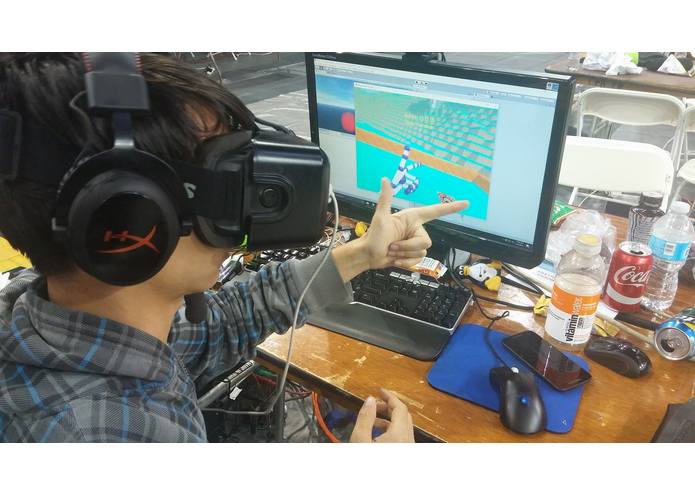
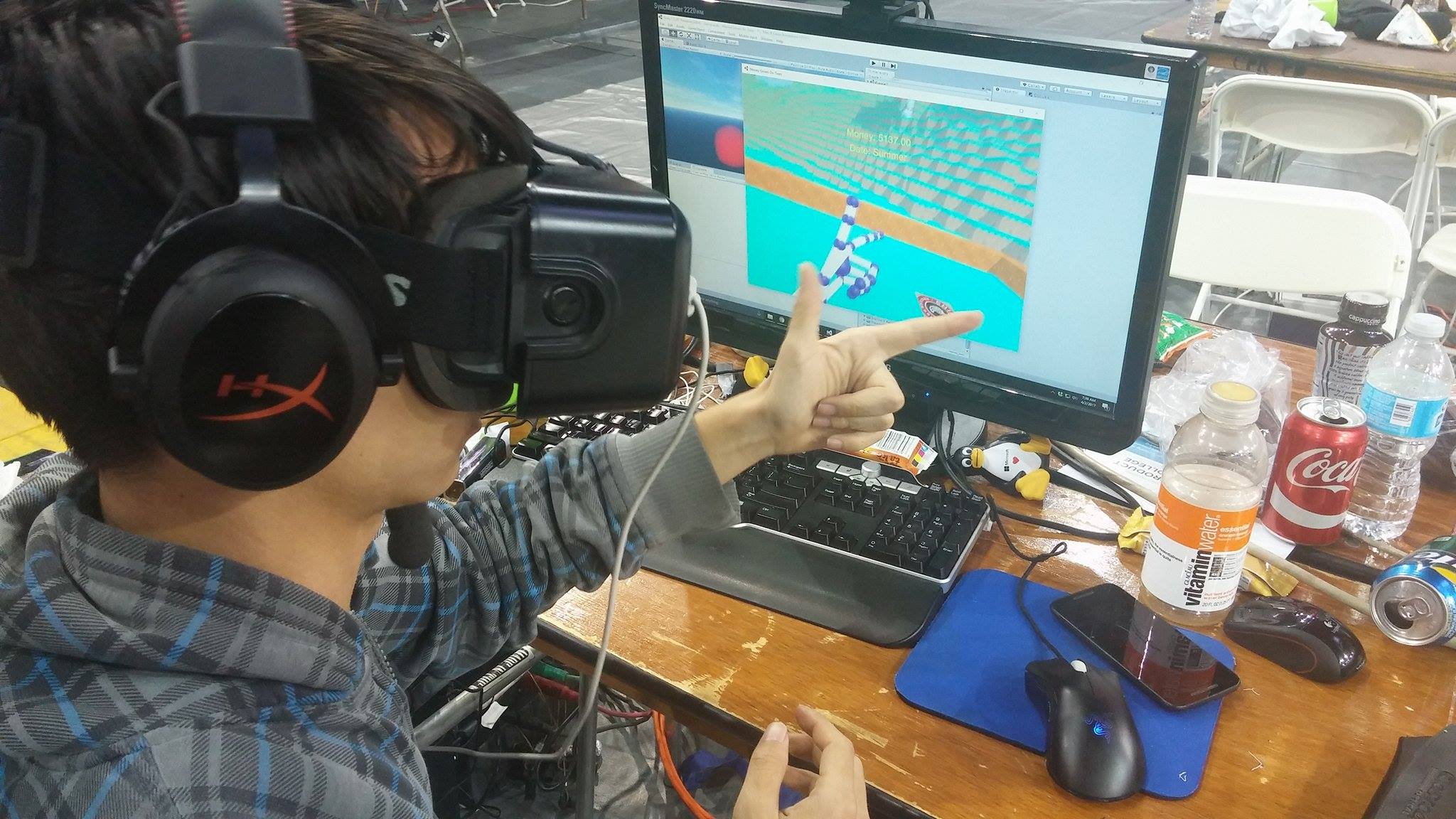
Nathan using gestures with the Leap to move forward in the environment
-
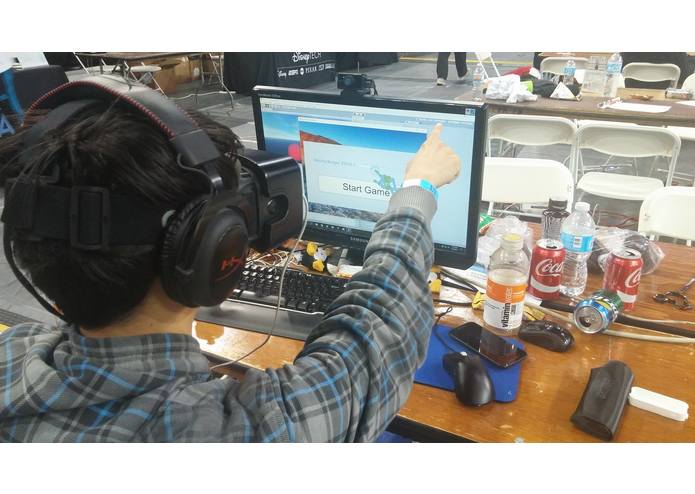
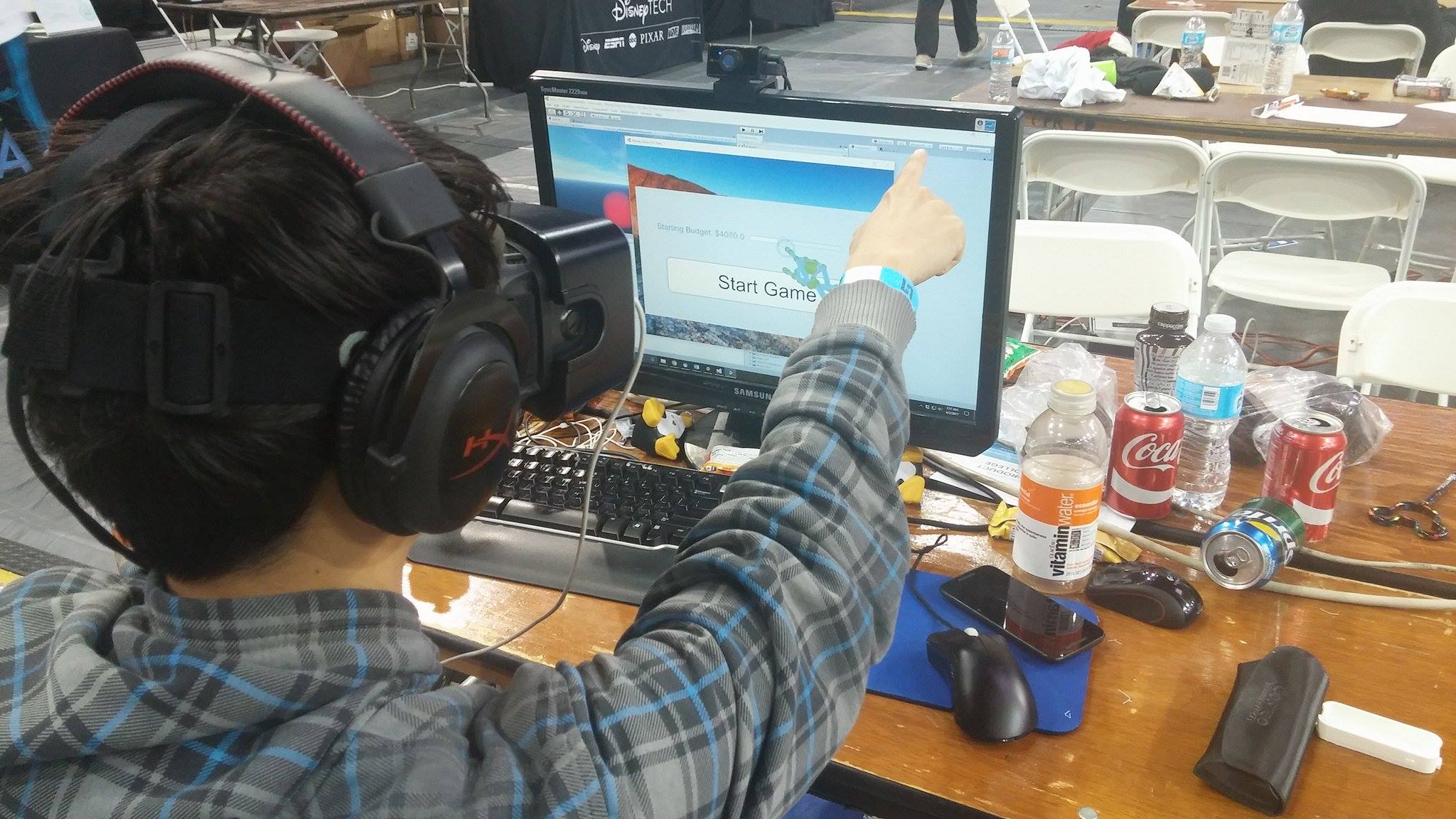
Starting off the game by choosing a budget
-
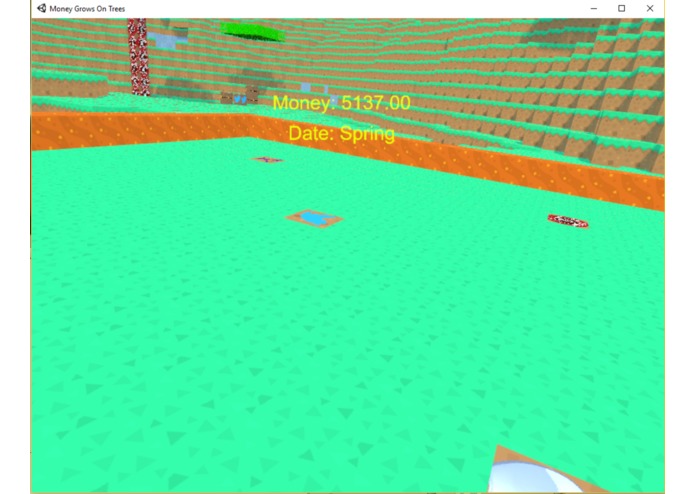
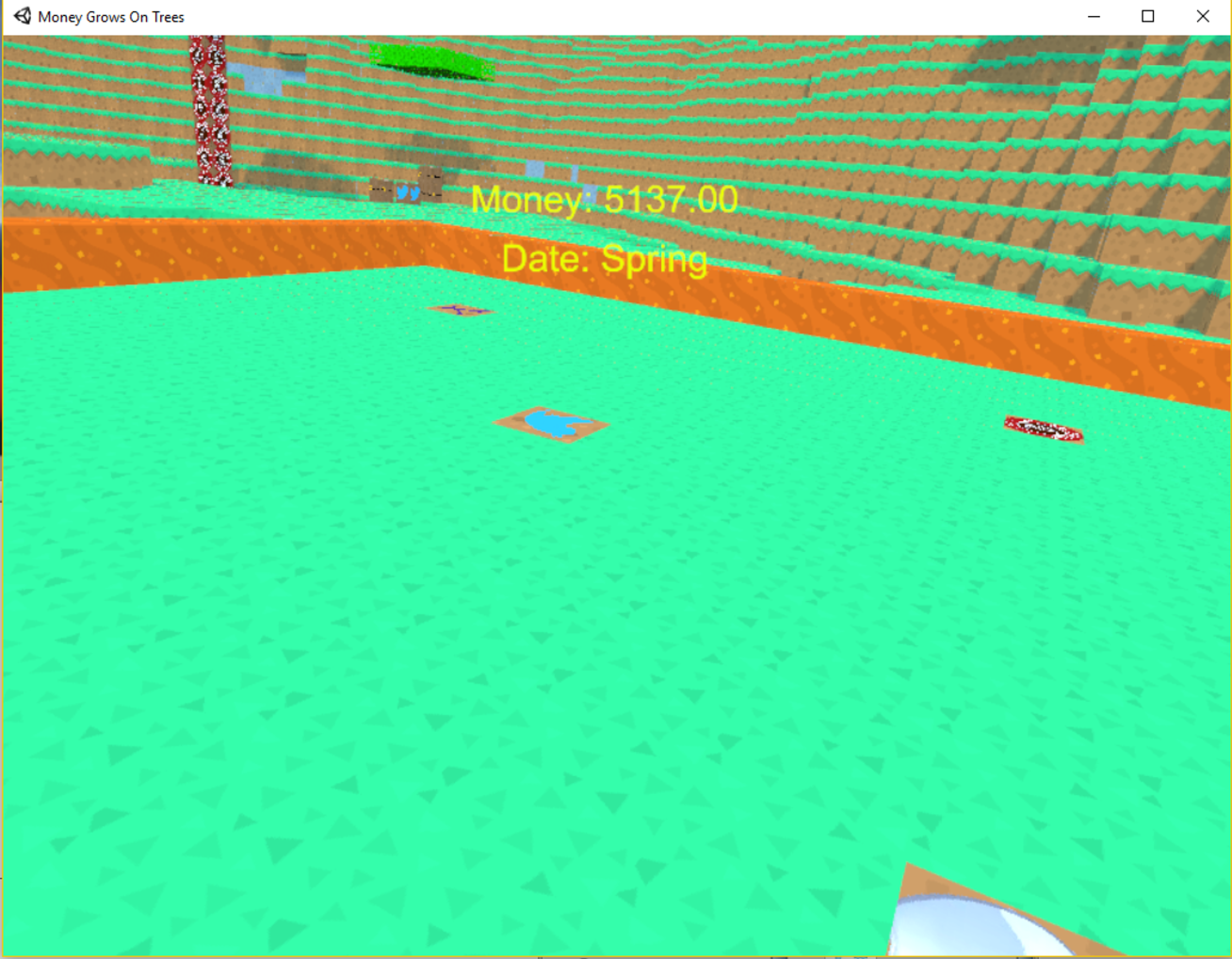
The player's initial garden
-
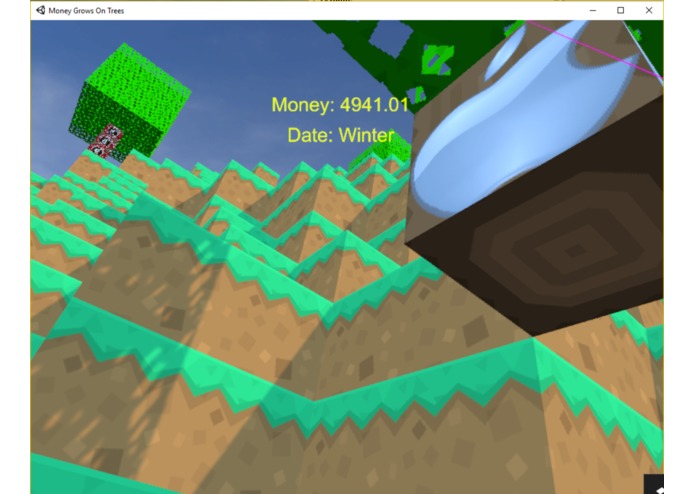
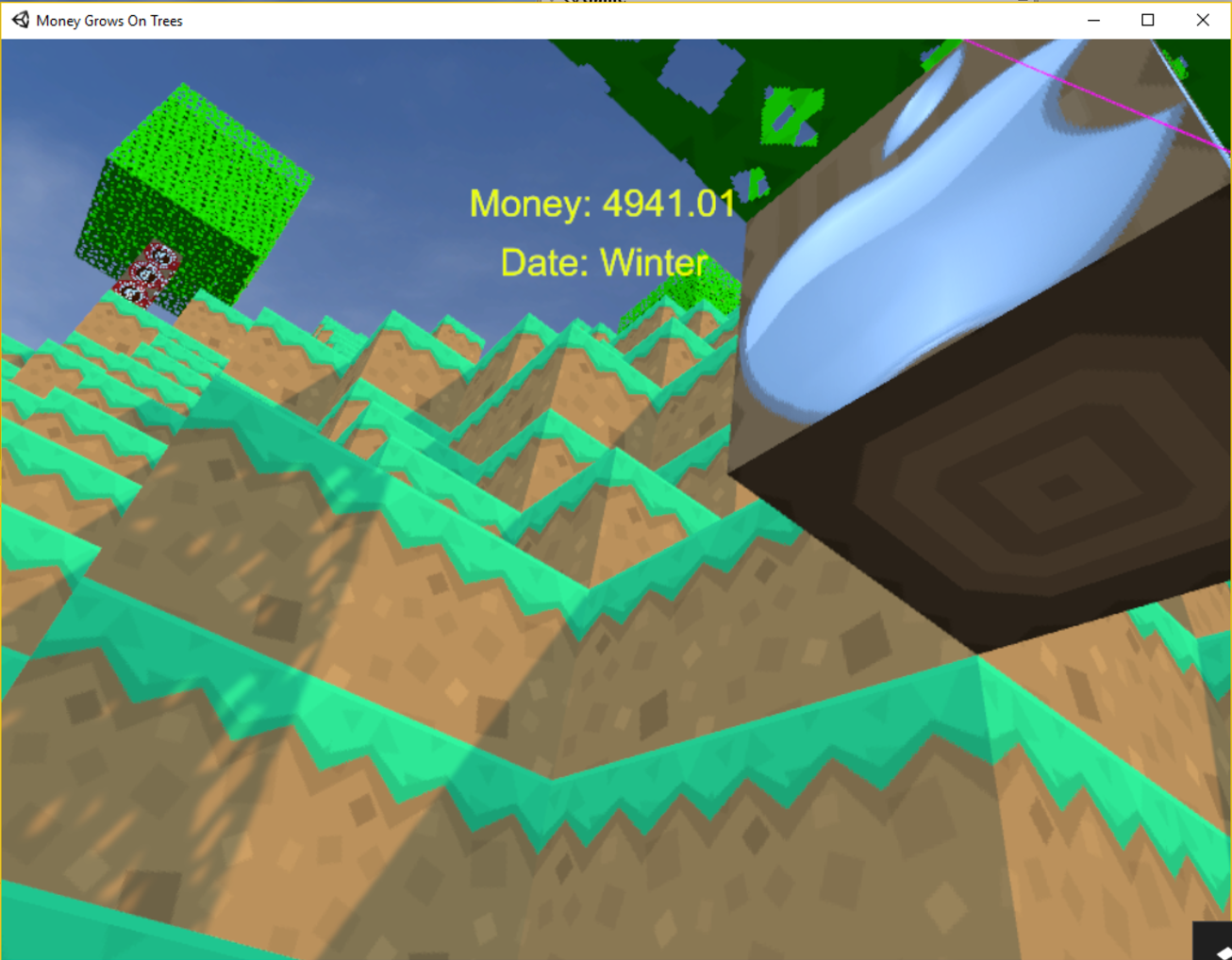
Buying more Apple stock
-
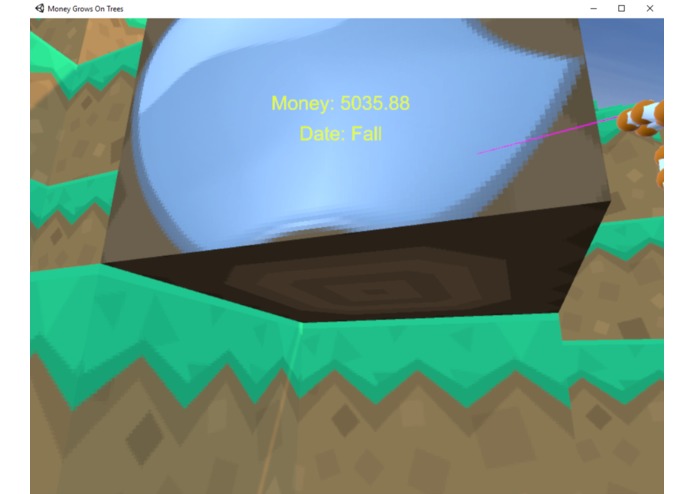
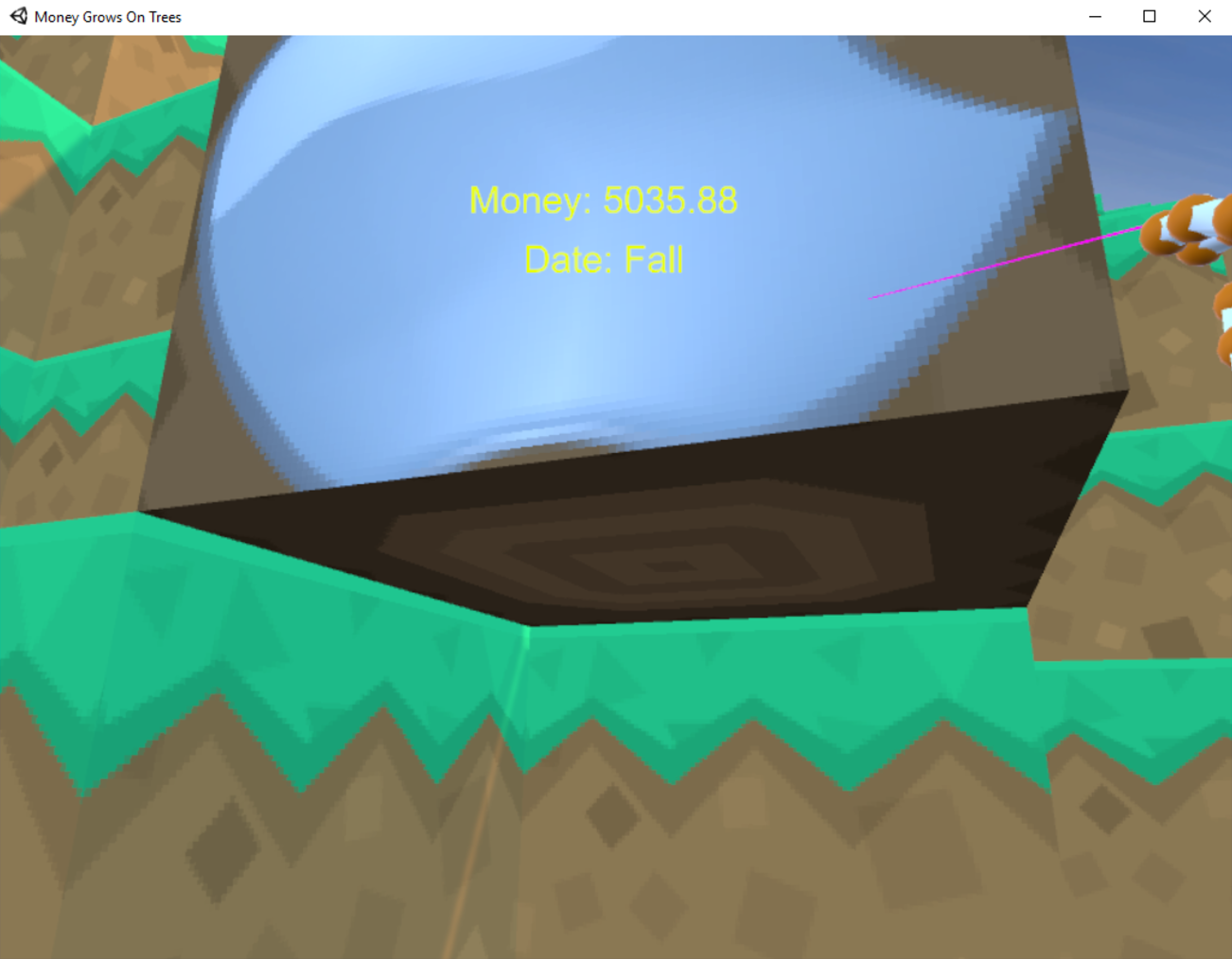
Buying Apple stock
-
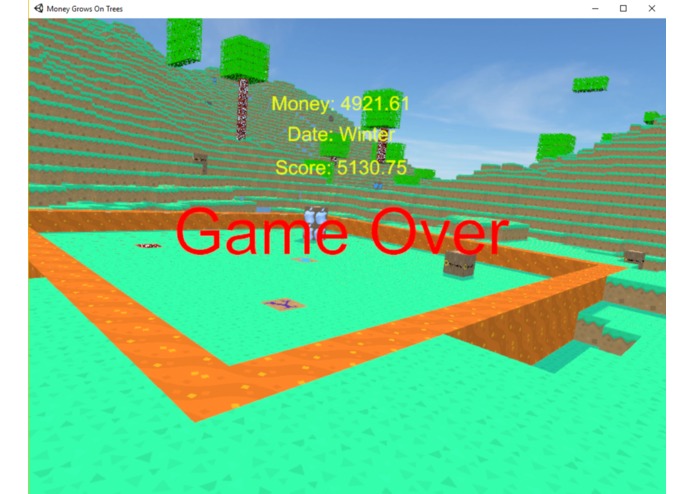
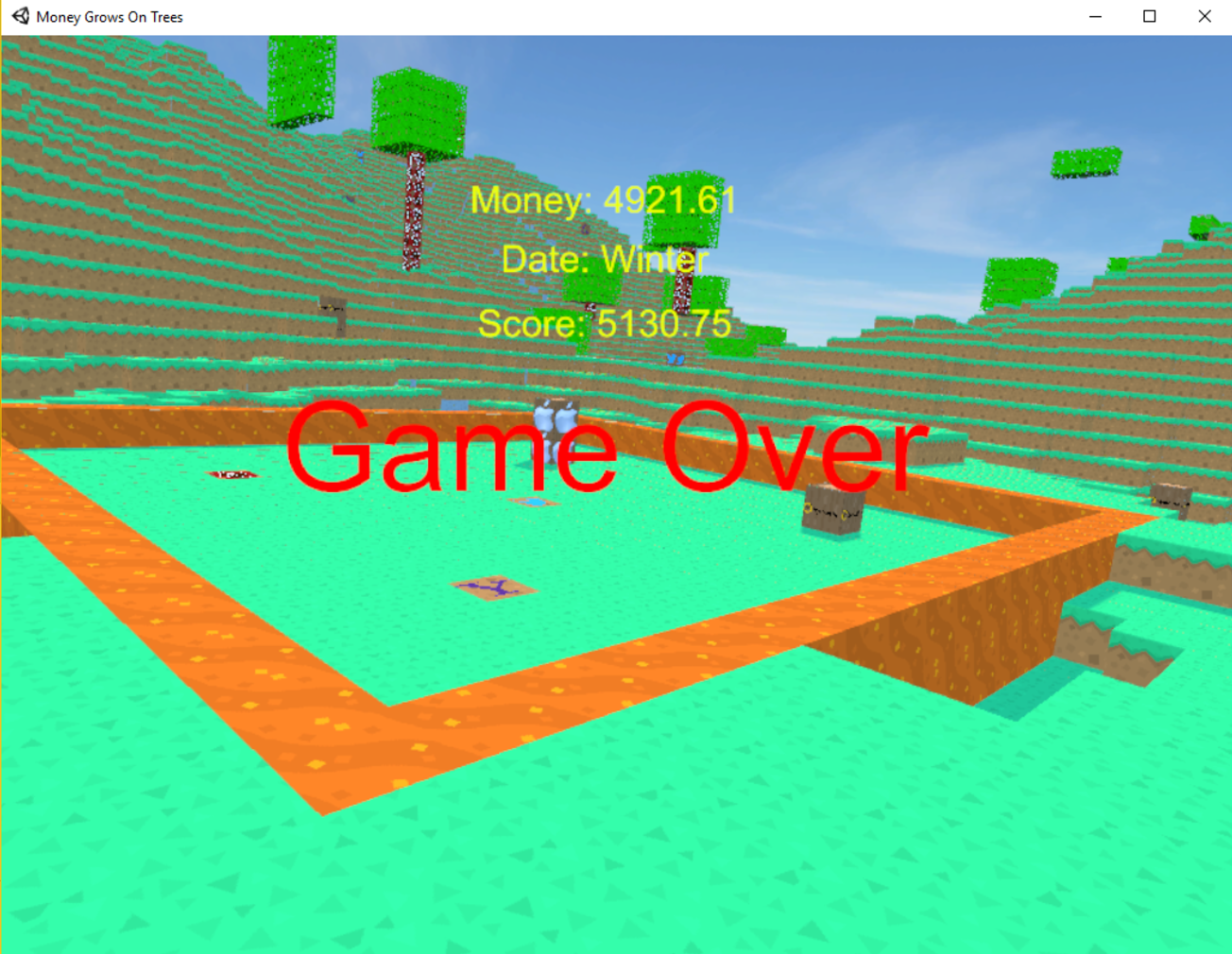
Game over screen
Inspiration
Having a mix of gamers and finance enthusiasts on the team, we were motivated to create a project that catered to everyone's desires. So, we figured we could do a finance based VR game, since we had an Oculus and Leap Motion on hand. The Aladdin API being offered was a bonus - it meant we could use historic stock data and insights for our game. One of our teammates had also been looking into generative maps recently, so we modeled our gameplay around one for an immersive experience.
What it does
At the beginning of the game, the player gets to choose a budget to start with. The VR environment is similar to a "forest", with a portfolio garden in the middle of it. The trees surrounding the garden represent companies/stock values that are randomly chosen from a pool, which the player can strategically pick to grow in their garden. When the user picks a particular stock, it will be added to their garden its corresponding value is removed from the budget. The stock trees outside the garden are sized according to their price, and have leaves of varied color based on how "good" the stock is. The game is played over the course of four quarters (seasons), and the tree leaves change color as their stock value changes. The user can choose to sell stock from their garden during the course of the game to have that money added to their budget.
The game ends when the player runs out of time, no matter how much money/stock they have left. The idea is to have a fun, interactive game that is also a learning experience based on when the player decides to buy and sell stock.
How we built it
The game was built in Unity3D for Oculus Rift using a Minecraft inspired generative map. The world was made of blocks which were textured to represent the ground, the grass, tree barks, leaves. Leap Motion enabled us to utilize hand gestures to "pick" blocks off trees, which we tested for control and precision in a separate environment before integrating into the final game. Specific gestures were also mapped to specific movements, so that a player can move inside the environment just by hand gestures. The backend data was taken from the Aladdin API, using their Portfolio Analysis tool. For the randomized set of companies, we looked at their returns through a year's time and maintained a record of their monthly changes. These changes were used to reflect the stock values and tree visuals.
Challenges we ran into
There were some struggles understanding what data (out of the abundance provided) to take from the Aladdin API. And even after we had established a connection to get responses and parse the JSON, we ran into some web request problems. We would sometimes get bad responses from out HTTPWebRequests, so we fixed it by resending requests for data that didn't match our requests. From a Unity perspective, configuring the Oculus with the 3D map took some work. The Leap Motion is incredibly finicky to get precise recognition with, so it took a lot of time to configure it. Also, getting the trees to react to our data was a challenge in terms of integrating two separate working pieces of code.
Accomplishments that we're proud of
Learning how to work with new environments and technologies, and persisting with them instead of taking an easier route.
What we learned
Stocks are almost impossible to predict, so we utilized past data to have realistic projections of stock changes.
What's next for Money Grows On Trees
For this demo, we randomized the selection to 5 companies out of 15, so in the future we will scale to encompass a lot more companies with stock data available. Further, we'll be adding more metrics to show how company trees change over time, and let the player chose a shorter or longer timeline for stock data for a more varied gameplay. We'd also like to integrate real-time stock data for providing players better insight into current stock trends.
Built With
- aladdin-api
- c#
- leap-motion
- oculus
- unity


Log in or sign up for Devpost to join the conversation.