-
-
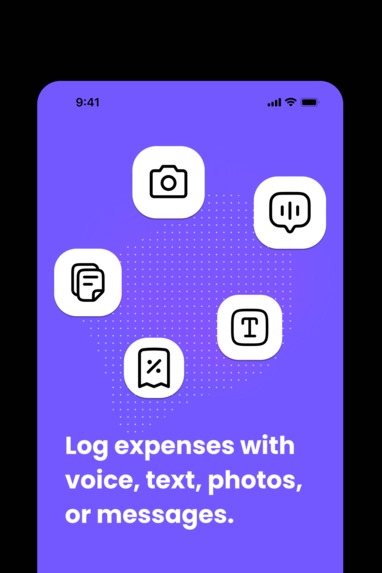
The simplest way to manage your money and track spending your way.
-

Chat with an AI assistant to log expenses, track spending, and plan your finances.
-
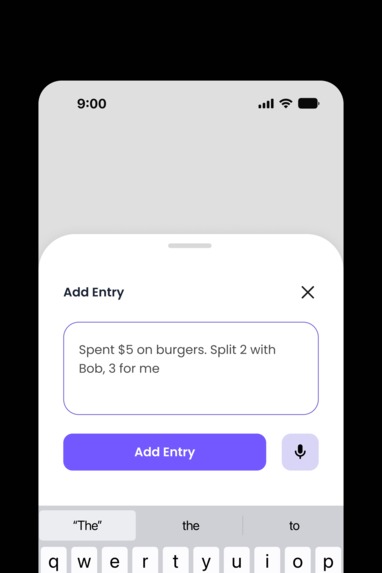
Upload voice, text, receipts, or messages. AI logs your expenses automatically.
-
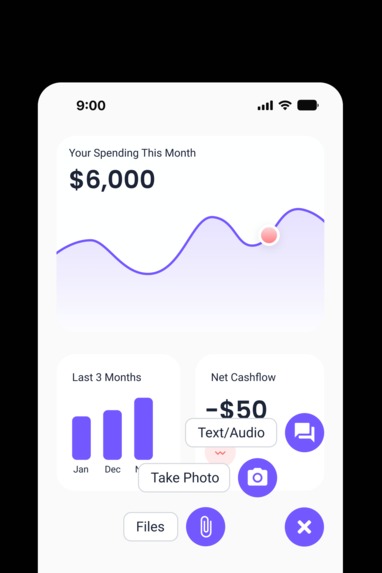
Gemini AI understands and organizes automatically.
-
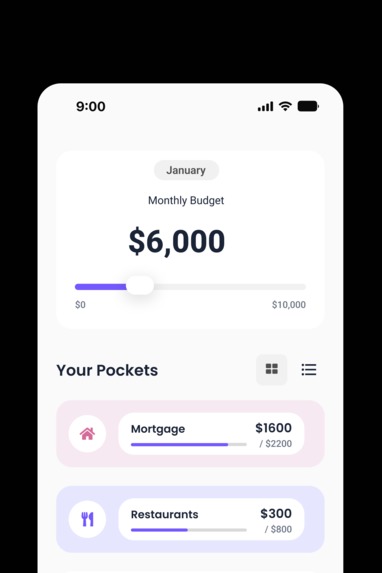
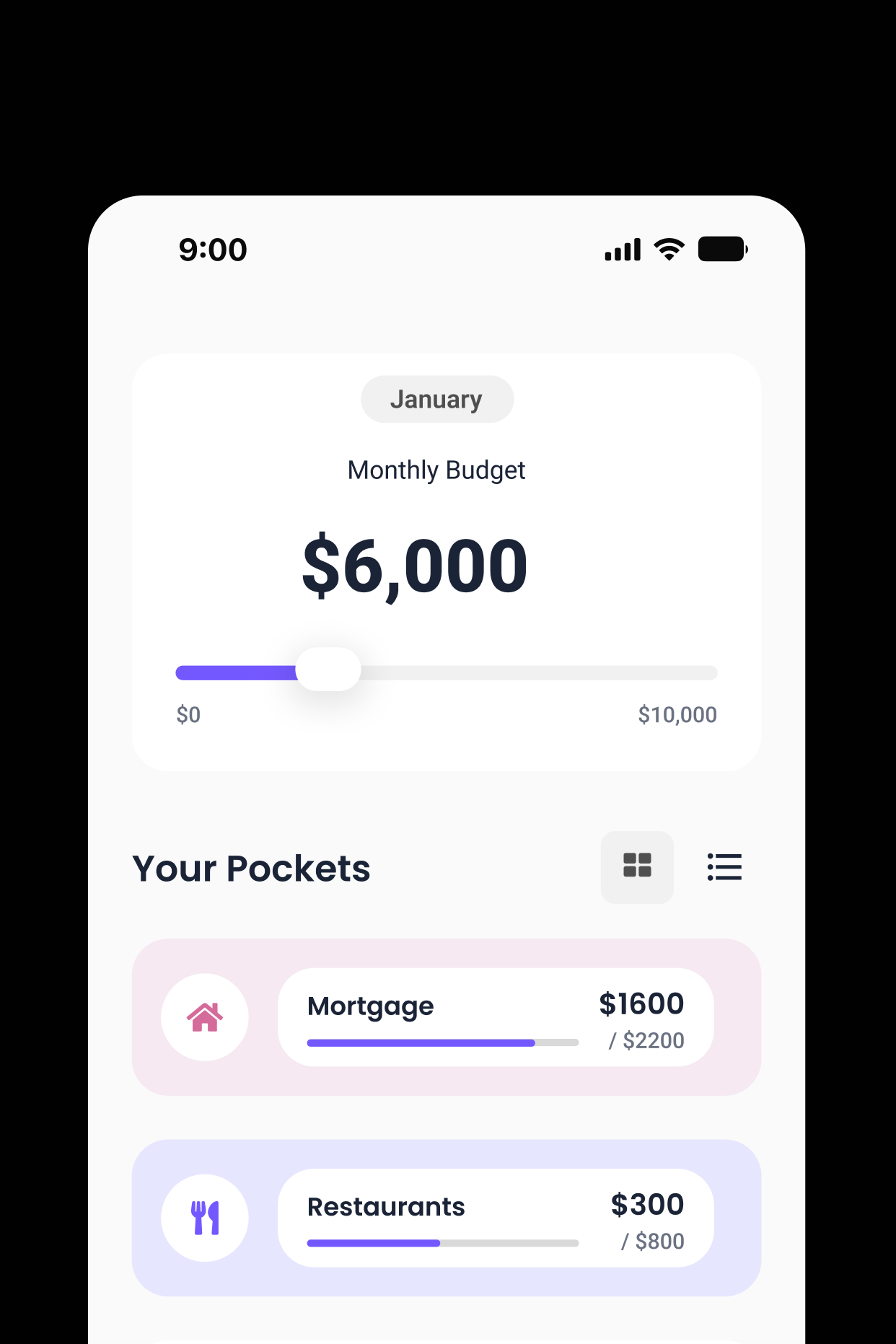
Simple, intelligent envelope budgeting powered by AI.
Inspiration
Most money tools fail because they expect people to behave differently.
They expect you to remember every purchase, open an app, and log things perfectly. But real life does not work that way. A receipt gets folded into a pocket. A thought turns into I will log it later. Later never comes.
The issue is not that people do not care about their money. It is that money shows up in fragments.
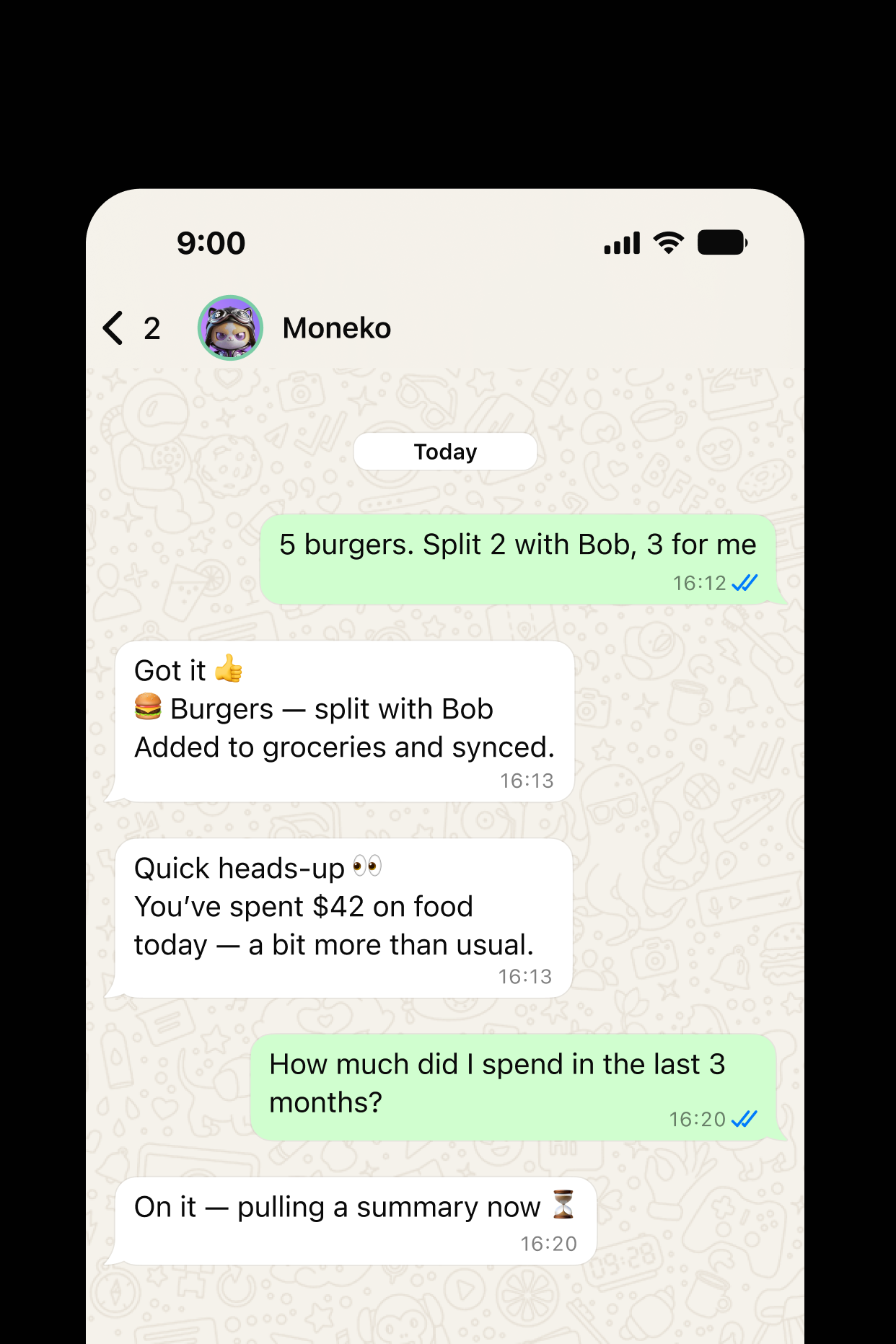
Sometimes it is a blurry receipt. Sometimes it is a voice note you remember hours later. Sometimes it is just a message like “3 for burgers.” Traditional tools treat this as a problem. They expect clean inputs and strict routines. Real life is neither.
When Gemini 3 became available, we saw a different possibility.
Instead of building another app that waits for perfect input, we asked:
What if you had a smart assistant that could listen, understand context, and make sense of messy money moments the way a human would?
Moneko was built around that idea. Not as a budgeting app you manage, but as a quiet assistant that keeps track of things for you as life happens.
What It Does
Moneko is a smart money assistant powered by Gemini 3.
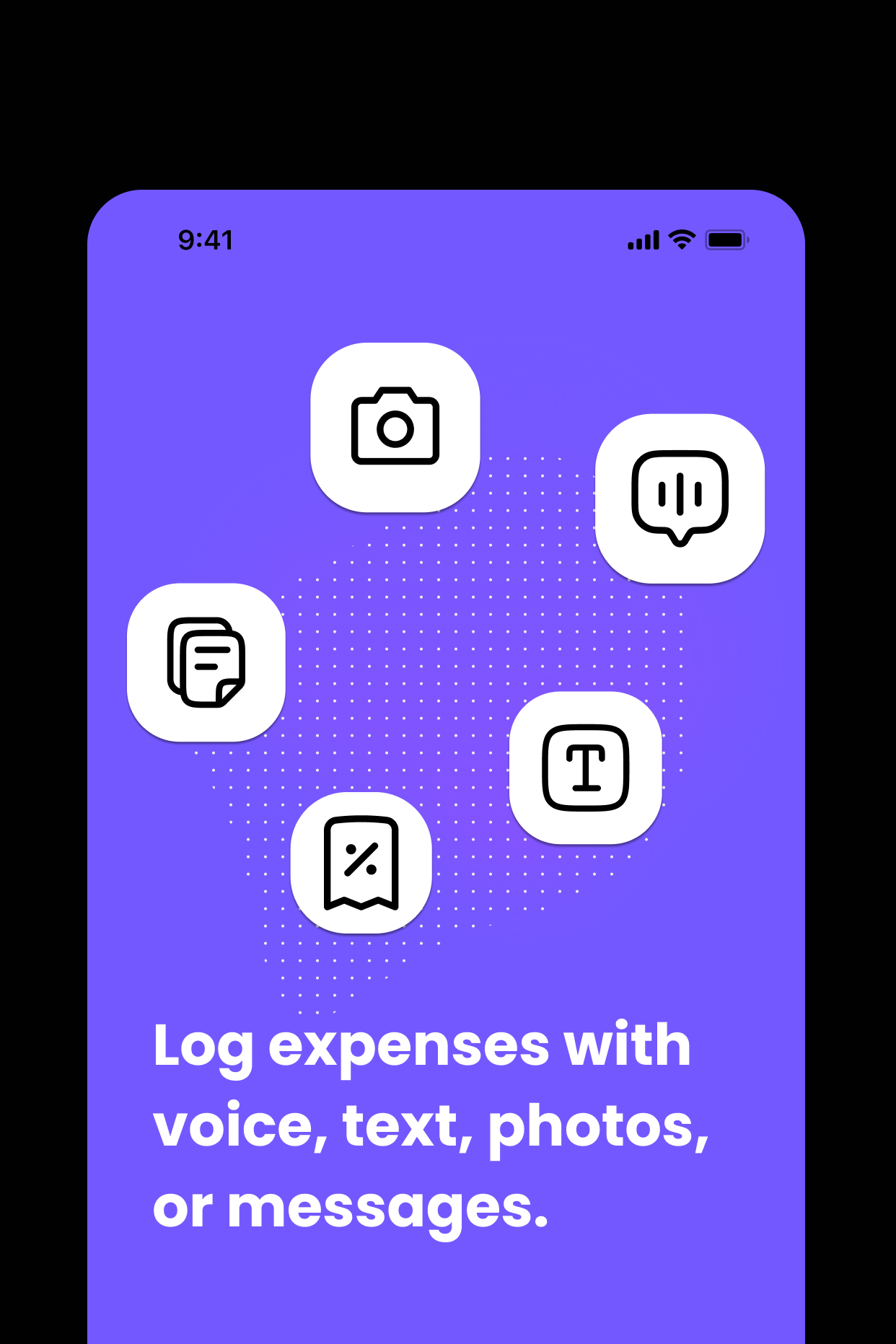
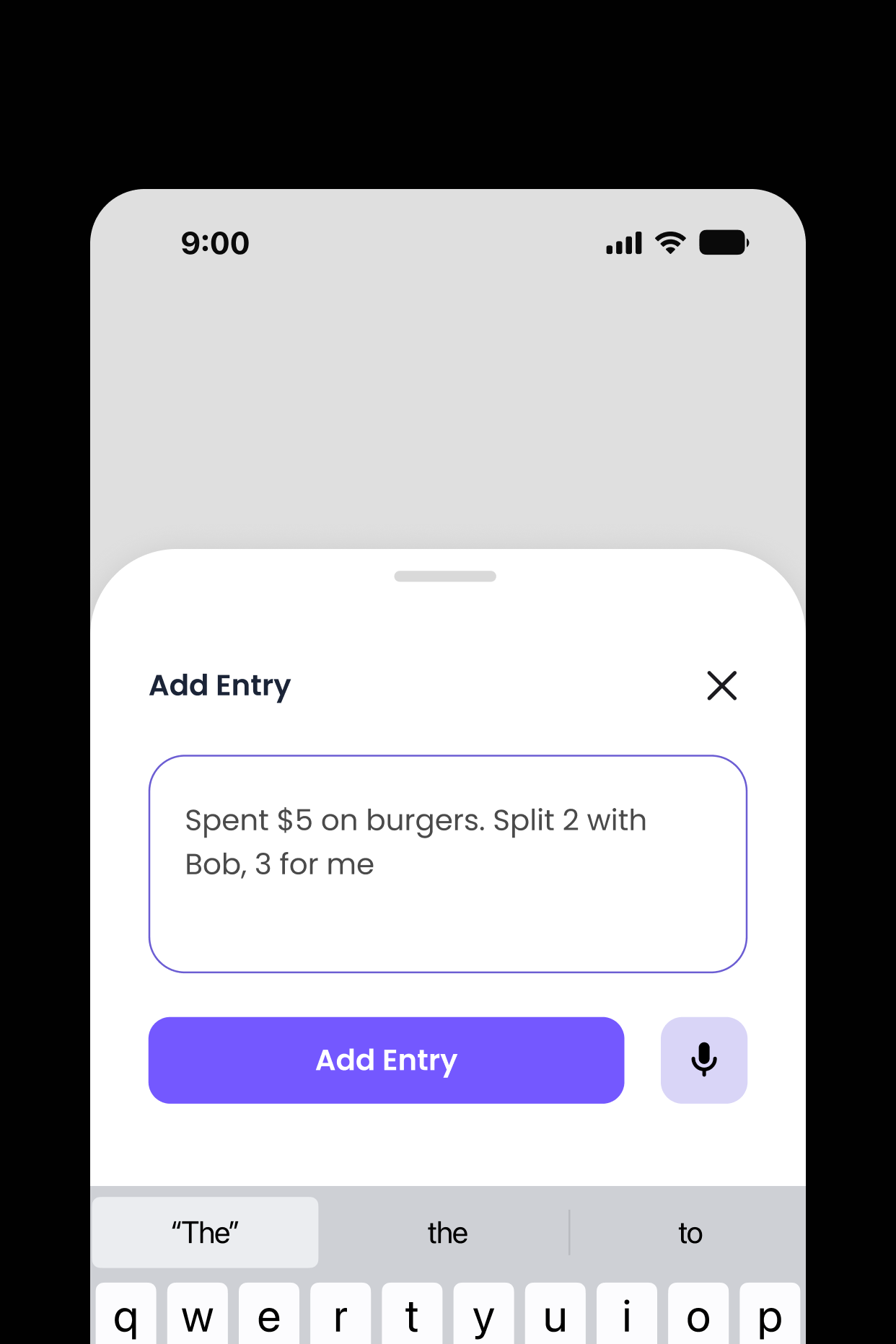
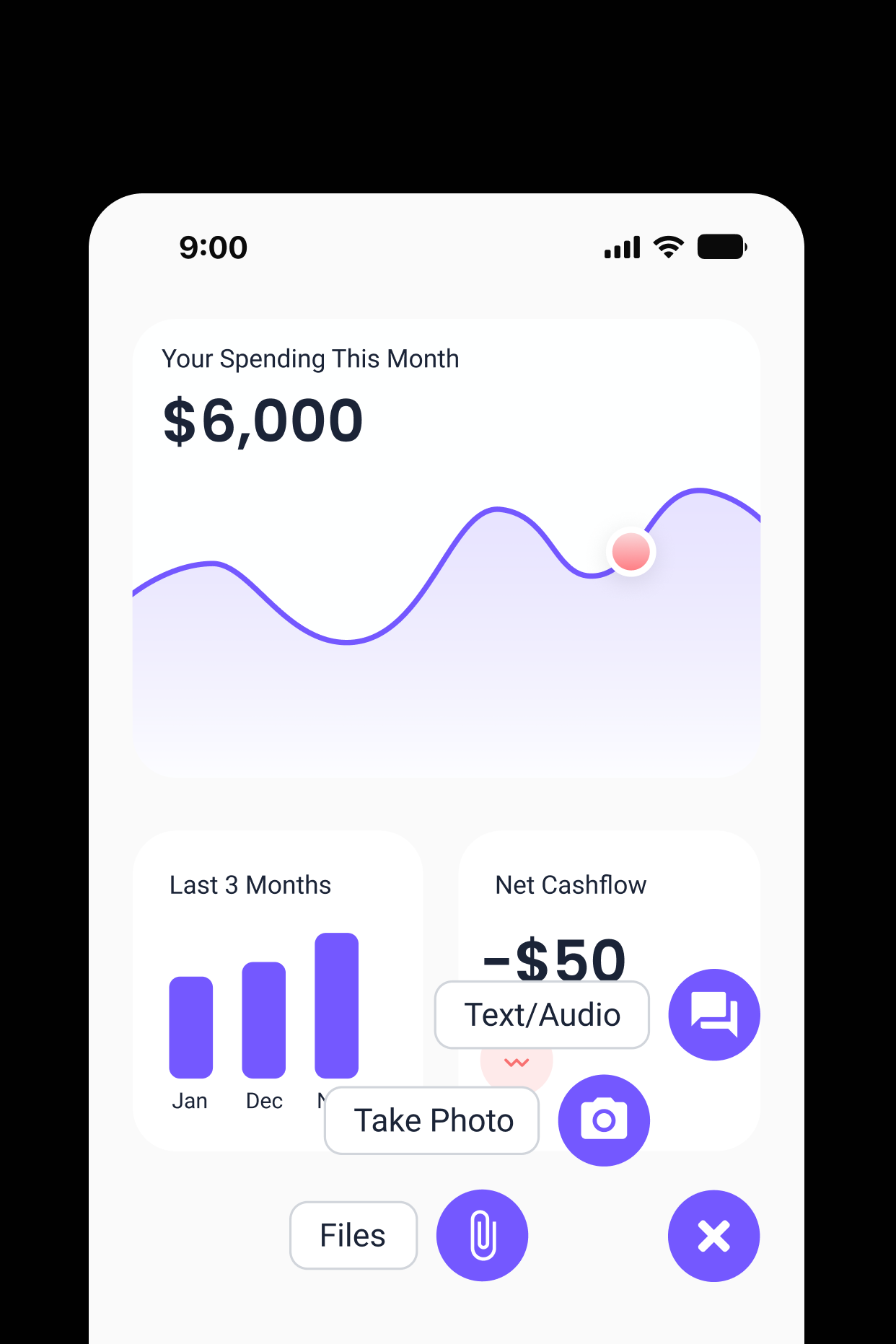
You can talk to it, message it, or upload things the same way you naturally remember spending.
- Say something like “Spent $24 on dinner with Alex”
- Type a quick note like “3 for burgers”
- Snap a photo of a receipt
- Upload files such as PDFs, CSVs, or spreadsheets
Moneko understands what you mean, fills in the gaps, organizes the expense, and keeps your finances up to date automatically.
It does not feel like filling out forms or chatting with a bot. It feels like telling someone what happened and having it taken care of.
How We Built It
We built Moneko to behave like an assistant, not a form.
Behind the scenes, Gemini 3 helps Moneko understand images, text, voice, and documents, even when the information is incomplete or informal. It connects context across inputs and turns scattered details into clear records.
The goal was never to expose intelligence. The goal was to make it invisible.
You should not need to think about how it works. You should only notice that things stay organized.
Challenges We Faced
The hardest part was dealing with uncertainty.
A message like “3 for burger” can mean different things depending on context. Receipts often miss details. Voice input is fast but vague.
Instead of forcing users to be precise, we focused on making reasonable assumptions and showing them clearly so they are easy to fix. Trust matters when it comes to money.
We also had to make everything feel instant while still being accurate. People expect an assistant to respond right away, but financial data needs to be right. Balancing those two was key.
Accomplishments We Are Proud Of
We built an assistant that understands spending across voice, text, images, and documents without asking users to slow down or change their habits.
Logging expenses feels natural and immediate. The complexity stays hidden. The experience stays simple.
Seeing a casual message or a blurry receipt turn into a clean, organized record is where Moneko truly feels helpful.
What We Learned
We learned that the best assistants do not demand attention. They quietly reduce effort.
People do not want more dashboards or more rules. They want something that listens, understands, and helps without getting in the way.
When it comes to money, intelligence alone is not enough. Trust comes from clarity, transparency, and the ability to correct things easily.
What Is Next
Next, Moneko will go beyond logging and start helping people think ahead.
That includes spotting patterns, tracking recurring expenses, suggesting plans, and gently flagging things that need attention.
Our long term goal is simple.
Moneko becomes a smart, invisible assistant that sits between everyday life and financial clarity, quietly keeping things organized so people do not have to.
Built With
- cloudflare
- flutter
- react
- supabase

Log in or sign up for Devpost to join the conversation.