About Mom's Wallet
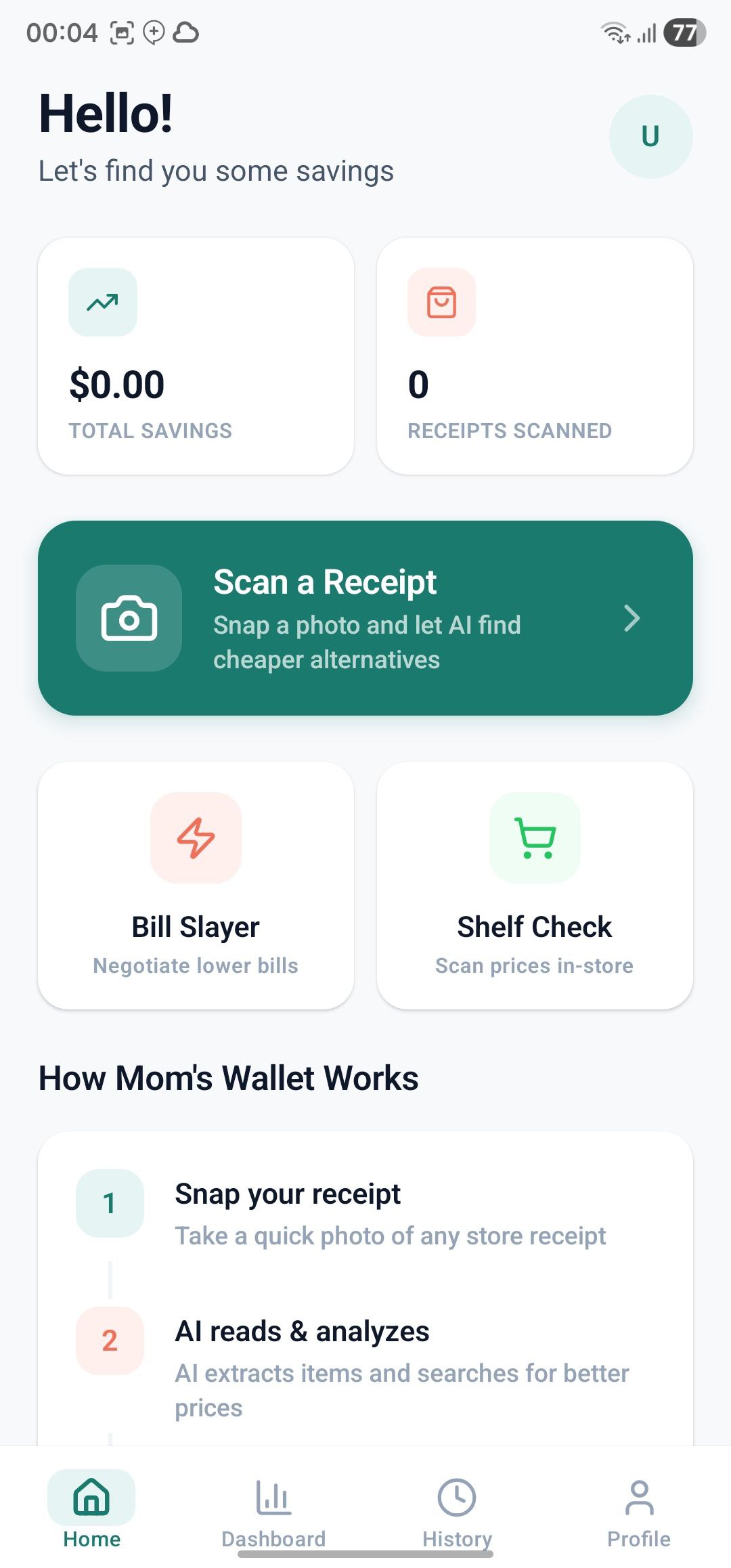
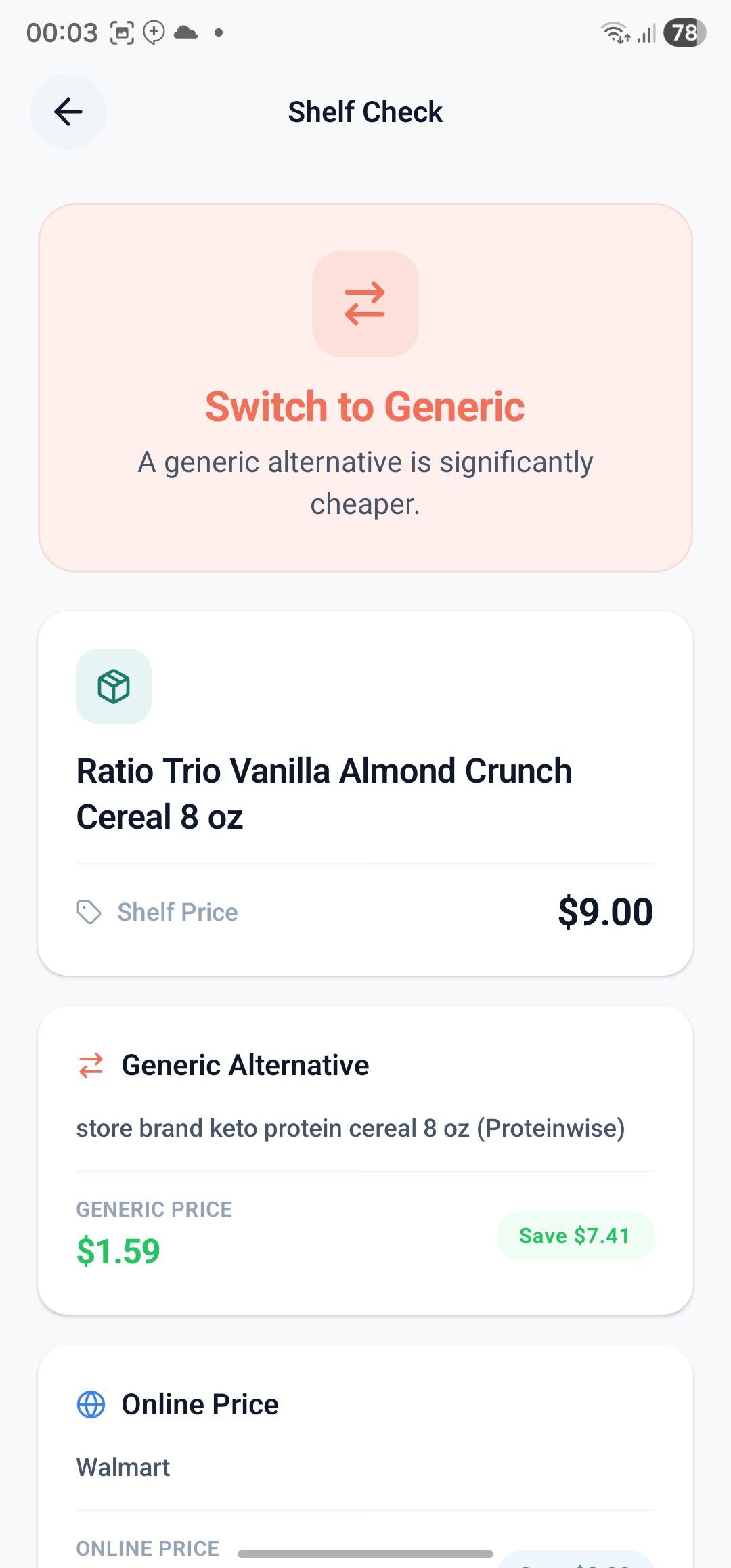
Mom's Wallet is an AI-powered mobile shopping assistant designed to solve a silent financial crisis facing millions of families: the "convenience tax" of overpaying for everyday essentials. I built a tool that turns a smartphone camera into an instant savings detector, helping parents maximize their purchasing power without spending hours clipping coupons or researching deals.
Inspiration
The project was born from a simple observation: families are bleeding hundreds of dollars monthly not because they are irresponsible, but because they lack data at the point of decision.
I identified three critical pain points:
- Post-Purchase Regret: Realizing too late that the $200 grocery haul could have been $160 elsewhere. (In the future, I will addan AI agent to make those recurring purchases with possible savings automatically for you)
- Decision Paralysis: Standing in an aisle, unsure if the generic brand is actually a better value than the name brand on sale.
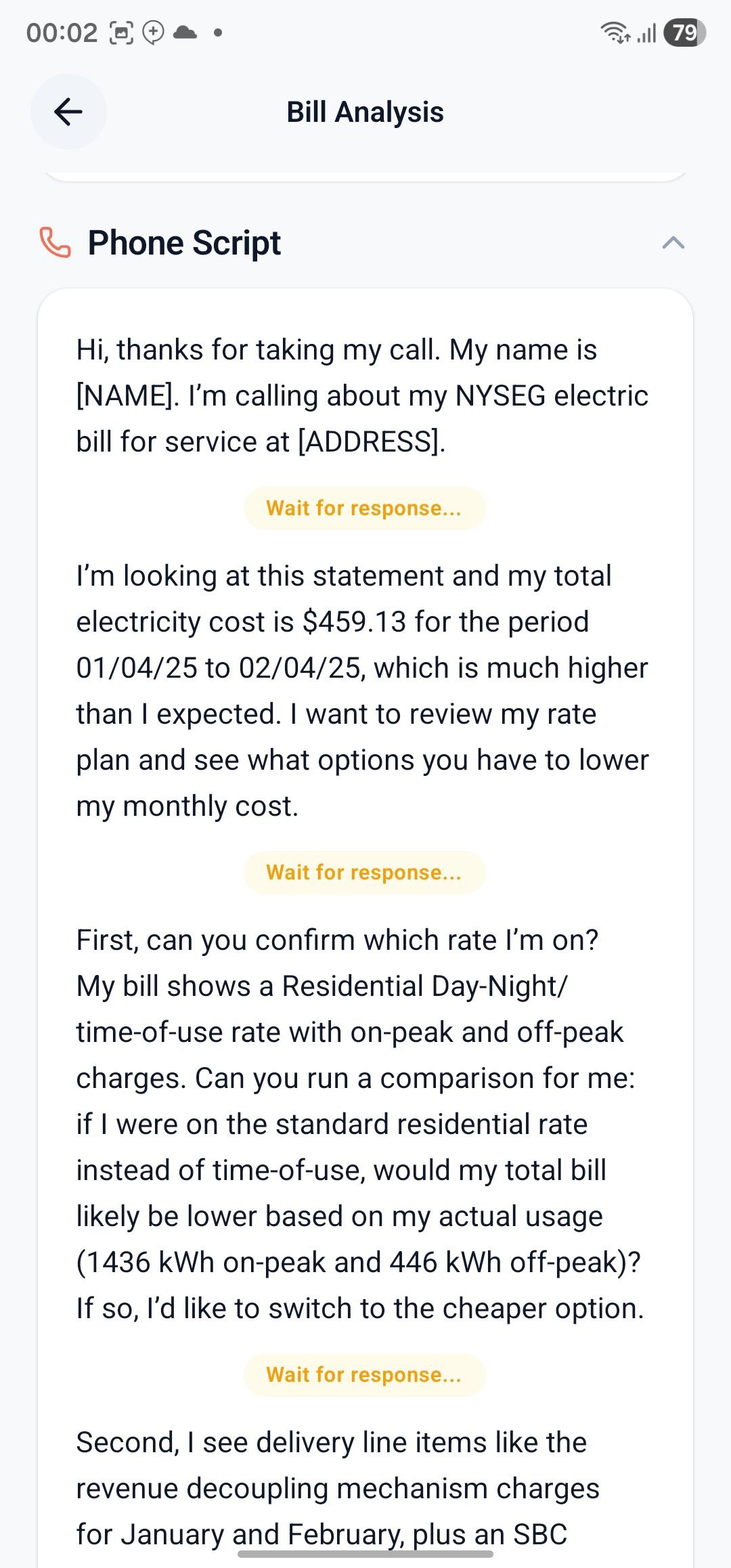
- Bill Fatigue: The gradual creep of utility and insurance bills that go unnoticed or unchallenged because negotiating feels intimidating.
I realized that while the data exists online, it isn't accessible when shoppers need it most. I wanted to bridge that gap with AI.
How I Built It
I architected Mom's Wallet around a "Scan-Analyze-Act" loop using a modern AI stack:
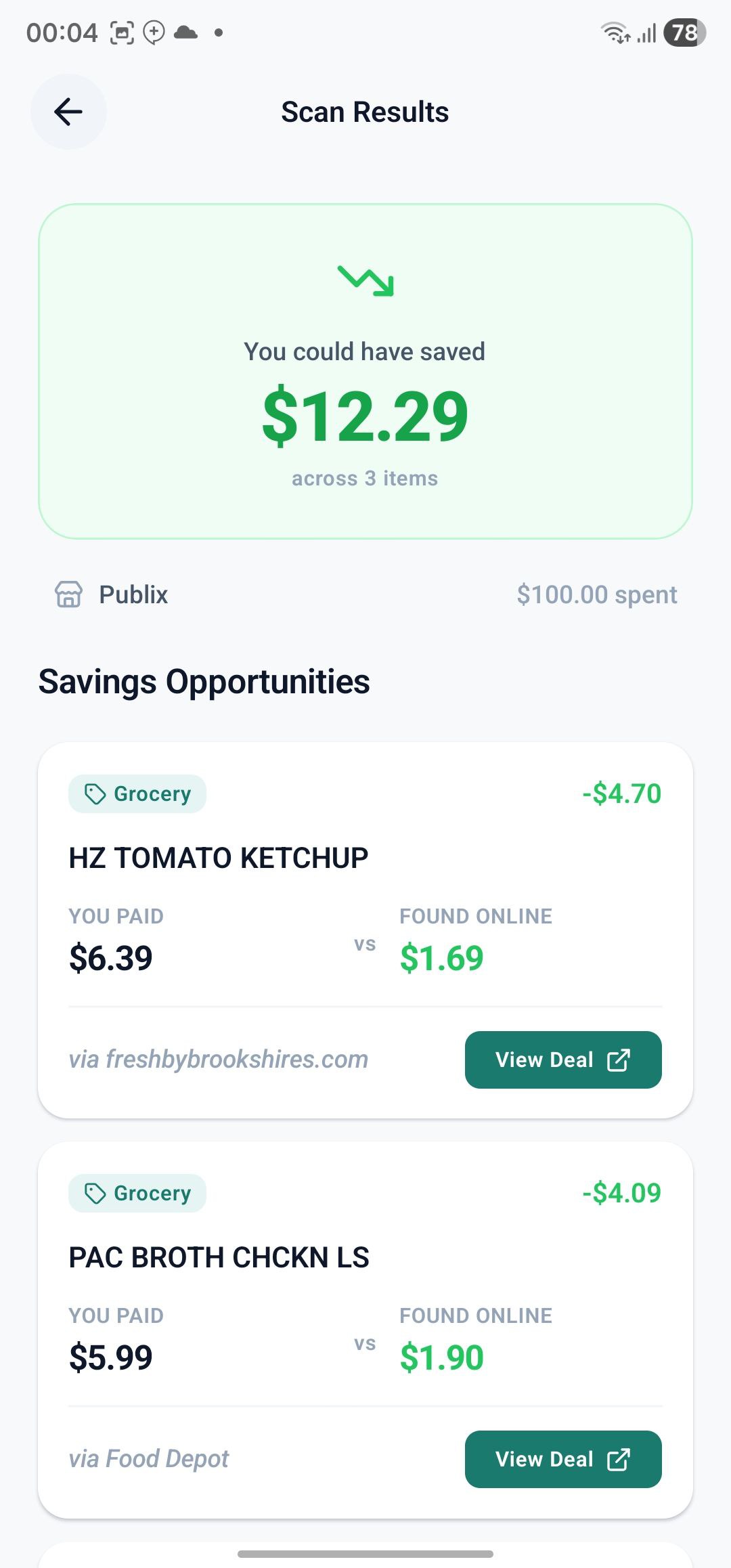
- Visual Intelligence: I integrated OpenAI's GPT-5 model to handle the heavy lifting of optical character recognition (OCR) and reasoning. Whether it's a crumpled grocery receipt, a complex internet bill, or a product on a shelf, the model extracts line items, prices, and merchant data with high fidelity.
- Real-Time Price Discovery: Once items are identified, I pipe that data into SerpAPI, which scrapes Google Shopping for real-time pricing across major retailers like Amazon, Walmart, and Target.
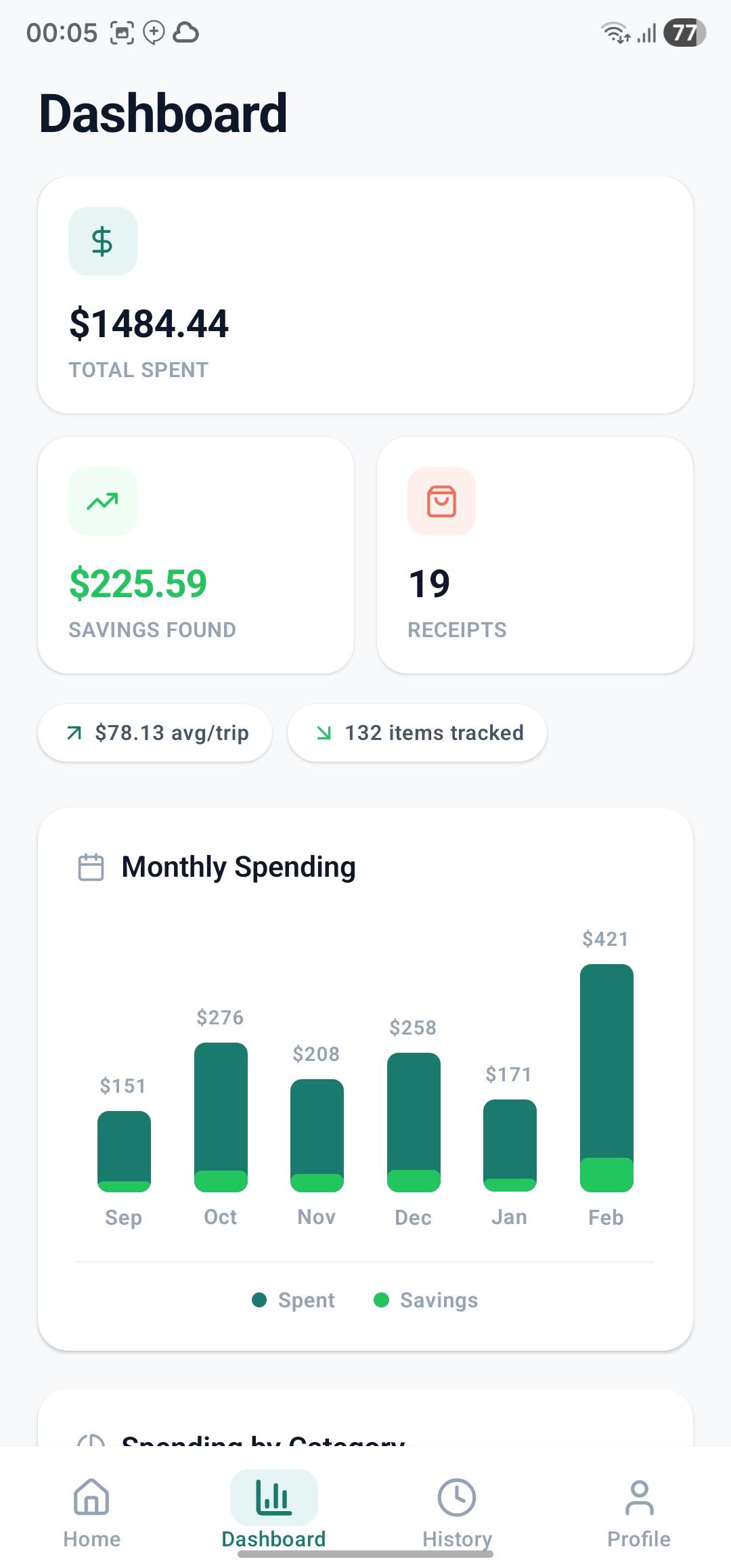
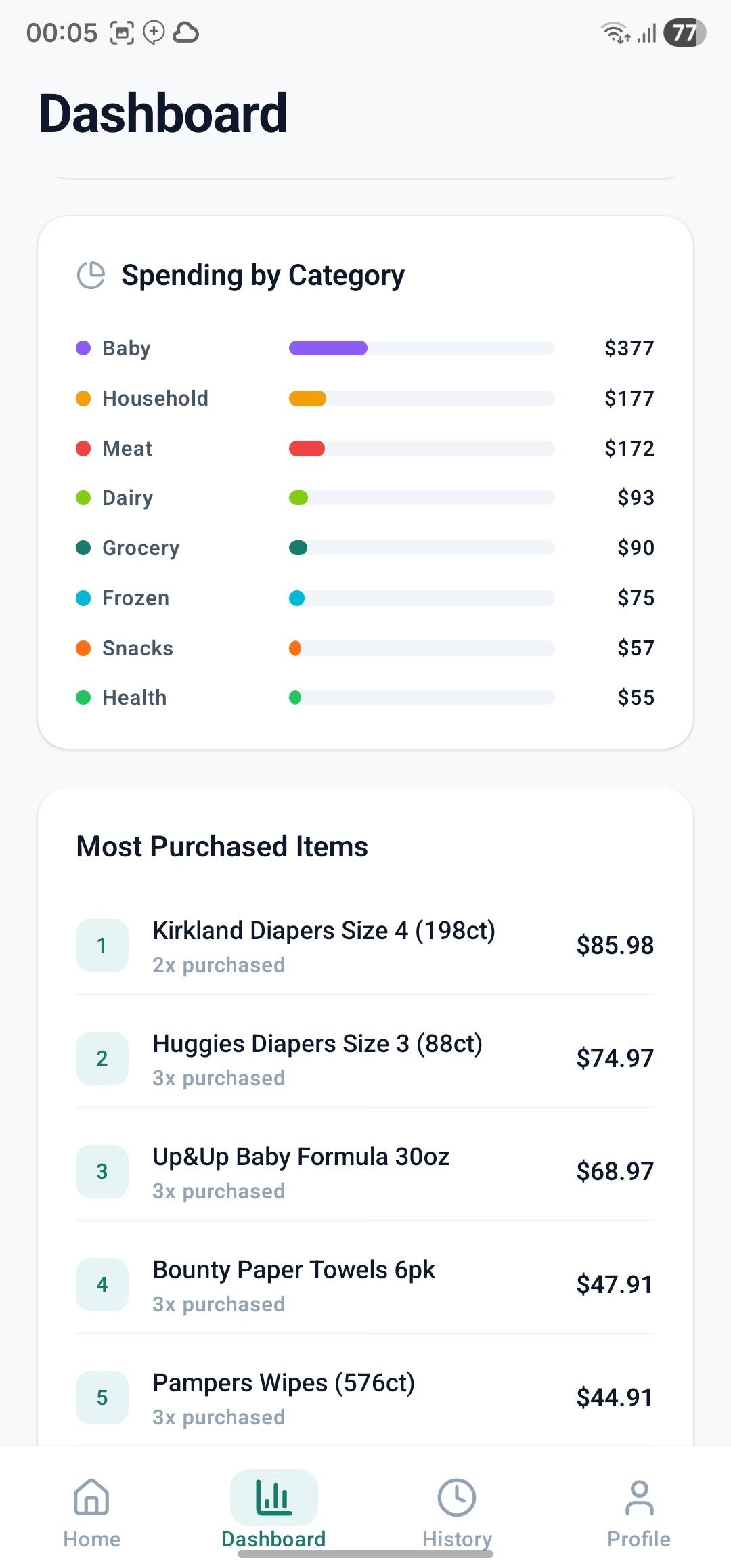
- Data Persistence: I utilized Supabase to store user scan history and generate spending analytics.
The core logic focuses on actionable output. For bills, the AI doesn't just identify the total; it generates a word-for-word negotiation script with built-in [PAUSE] markers, empowering users to read a script to customer service with confidence.
Challenges I Faced
The biggest hurdle was latency vs. accuracy.
- The "3-Second Rule": In a store, a user won't wait 30 seconds for a price check. I had to optimize my API calls and image compression to ensure the "Shelf Check" feature returned a recommendation (BUY or SWITCH) within 3-5 seconds.
- Complex Bill Parsing: Utility bills are notoriously designed to be confusing. Early versions of my AI struggled to differentiate between one-time fees and recurring charges. I had to fine-tune my prompts to specifically identify "negotiable line items" (like equipment rental fees) versus fixed taxes.
What I Learned
I learned that users don't just want data; they want permission to save. Many users told me they knew they should negotiate their bills but felt "rude" or "unprepared" doing so. By providing a generated script, Mom's Wallet acts as a coach, removing the emotional barrier to saving money. I discovered that the most powerful feature wasn't the math—it was the confidence I gave my users to take control of their finances.
Built With
- android
- react-native
- supabase

Log in or sign up for Devpost to join the conversation.