-
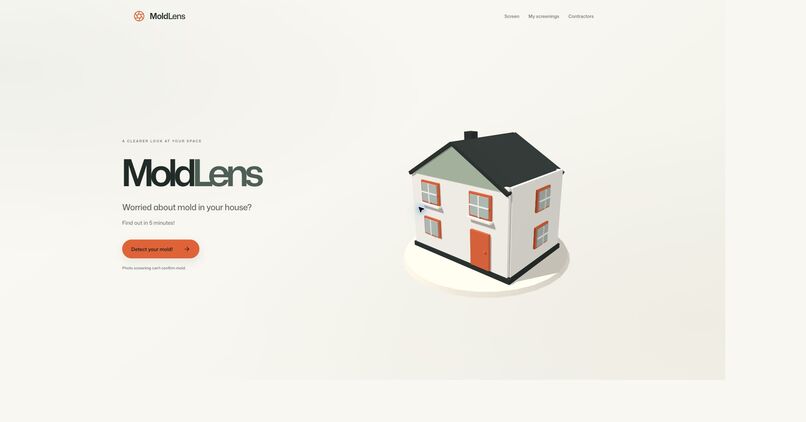
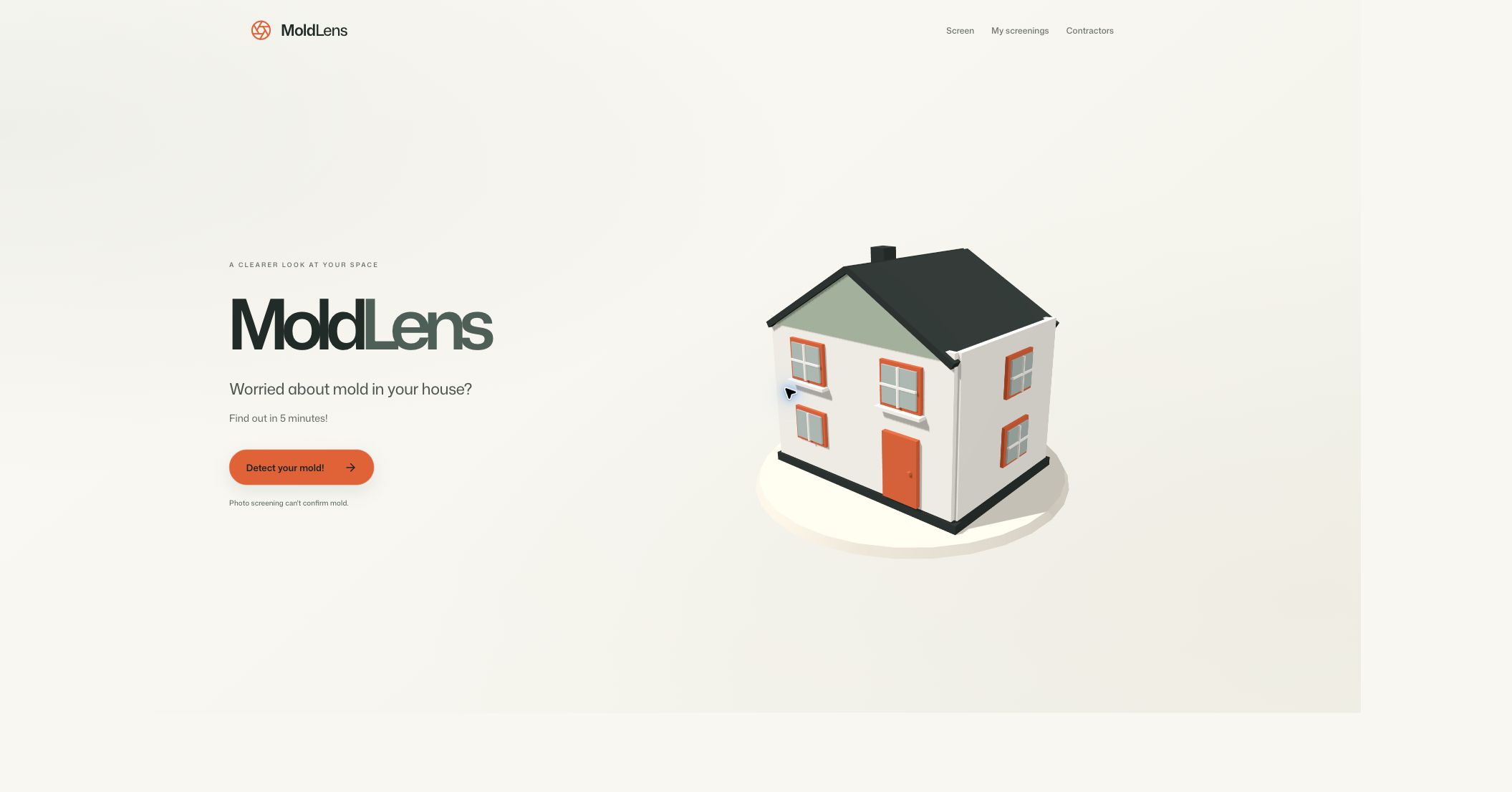
Landing Page
-
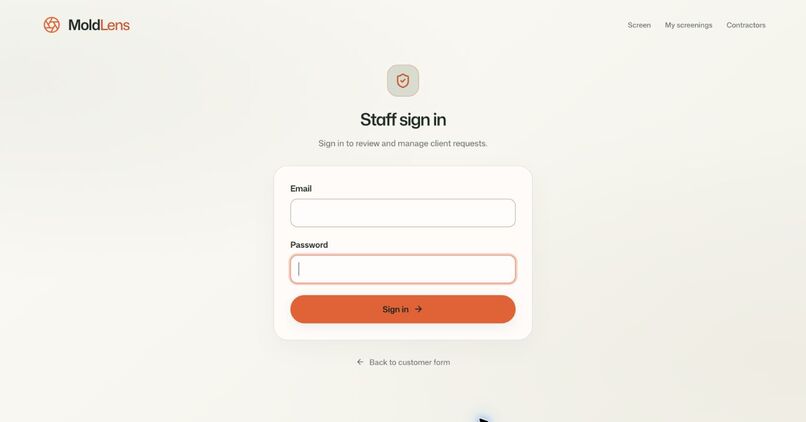
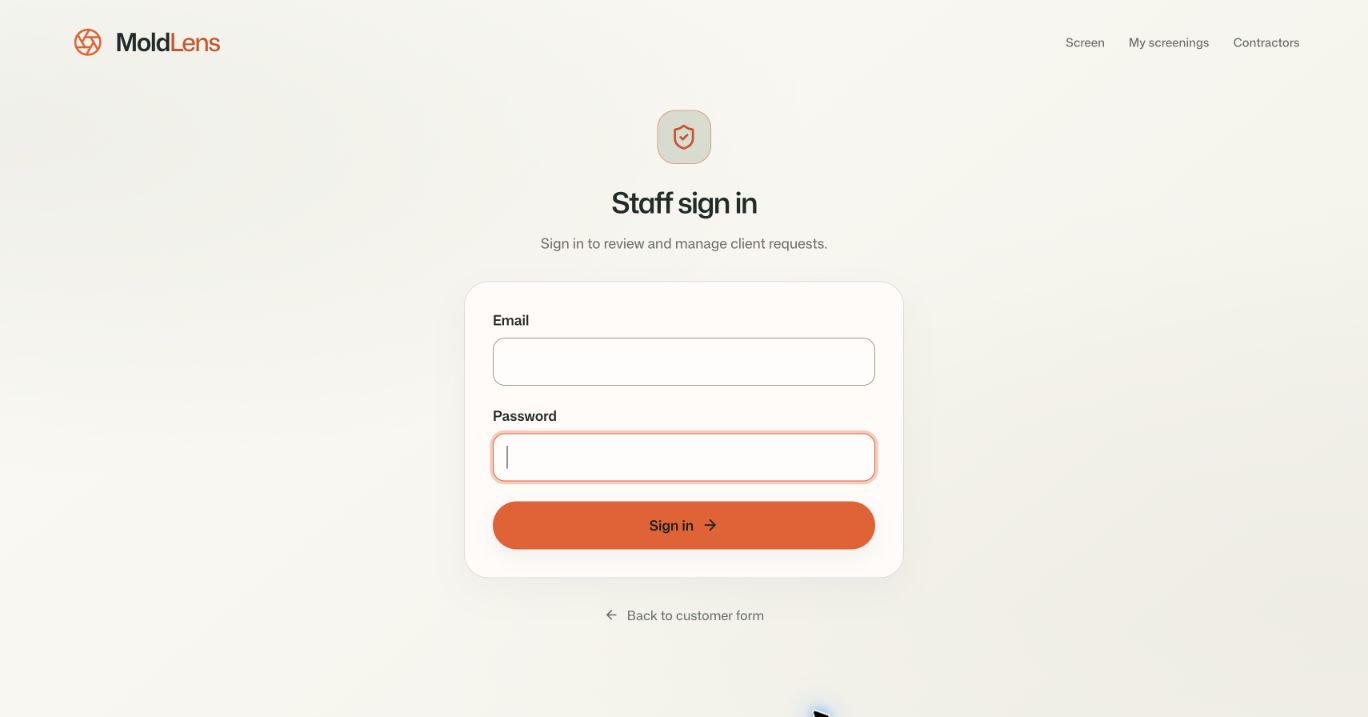
Staff Sign in Page
-
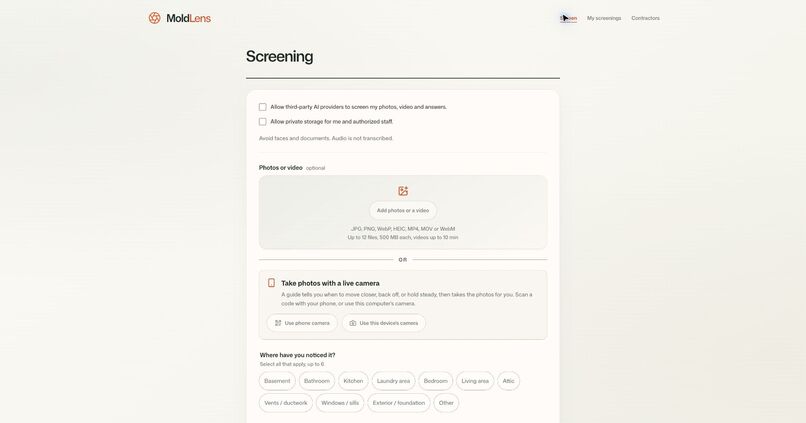
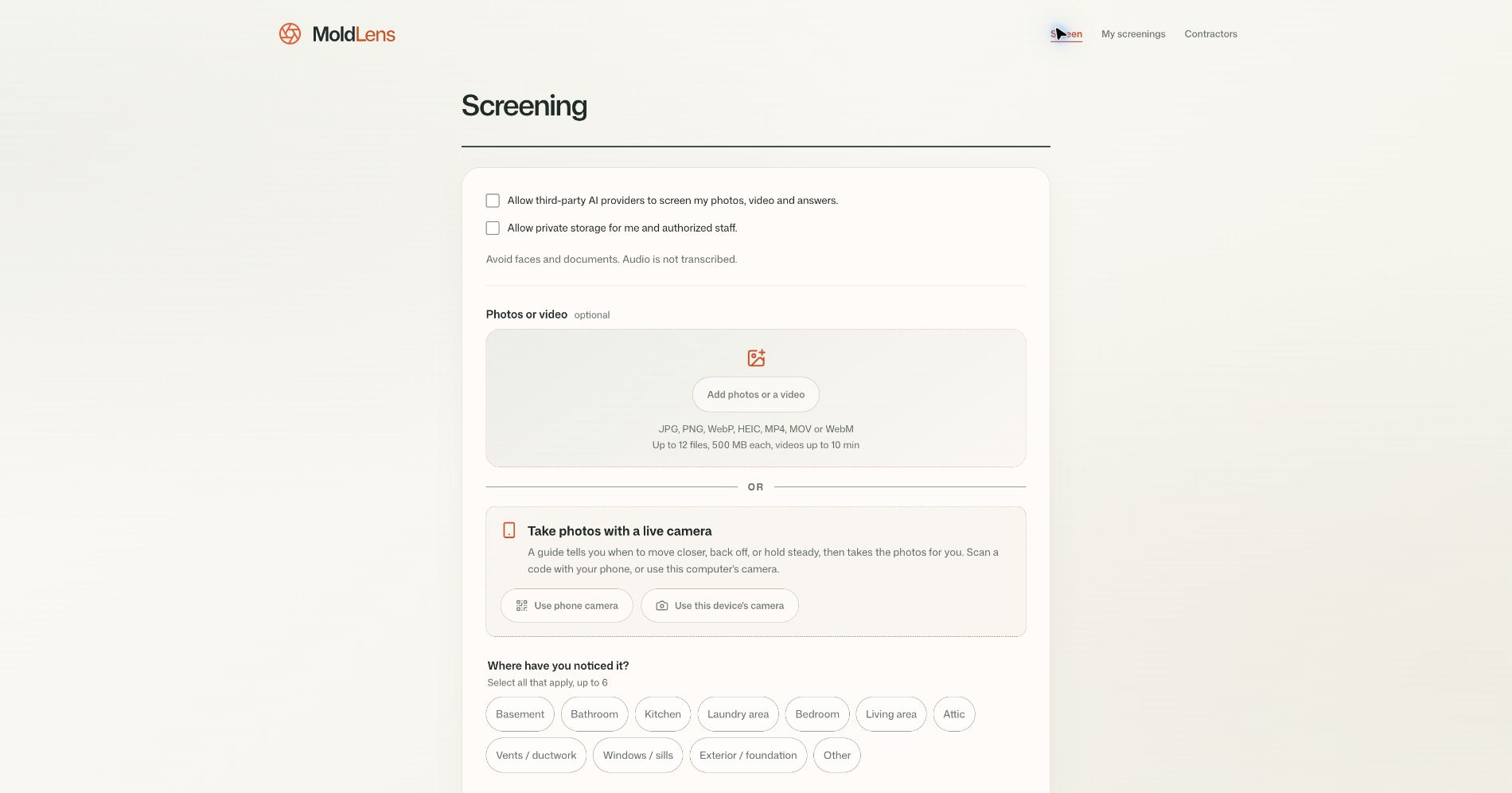
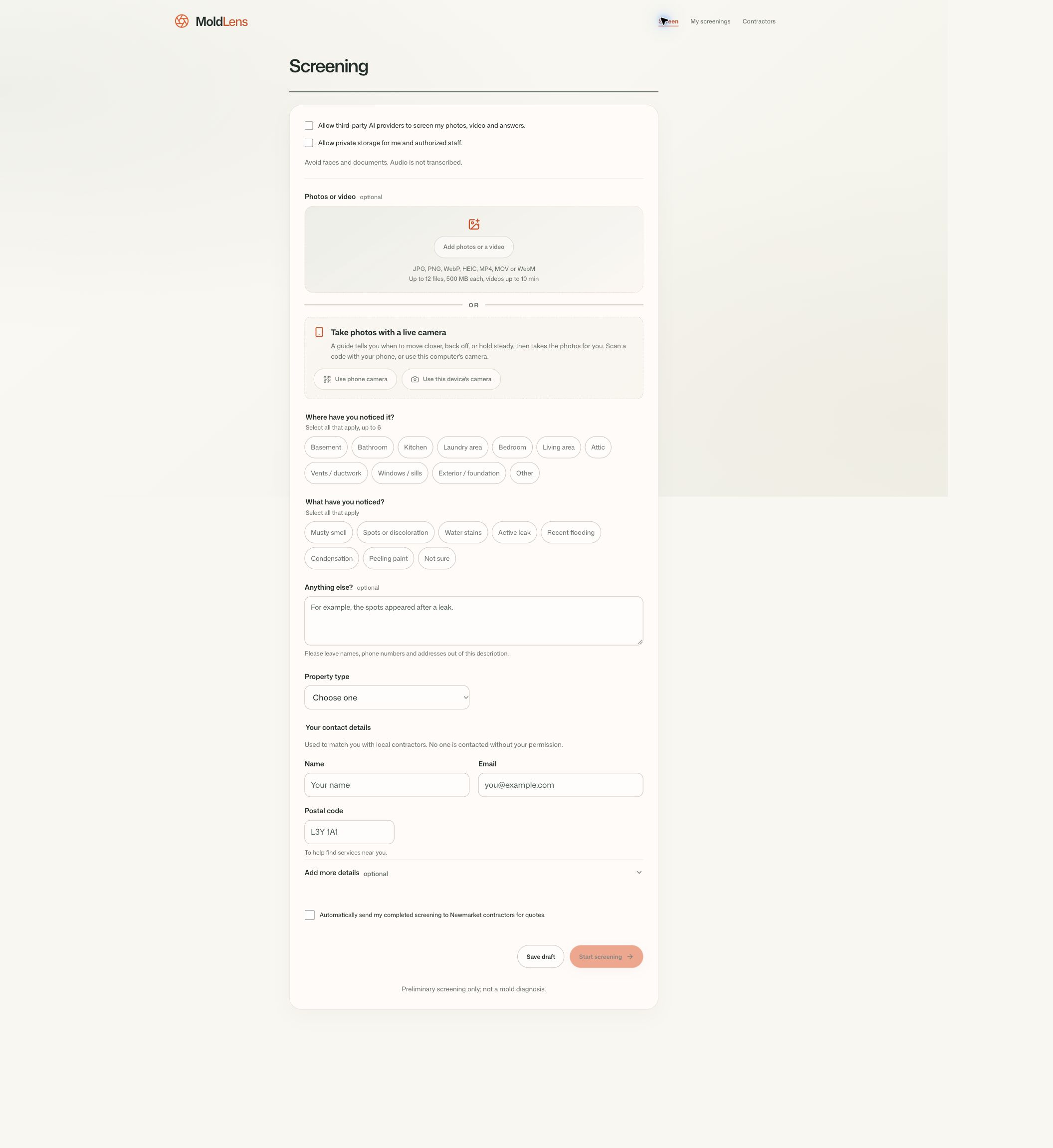
Screening Page
-
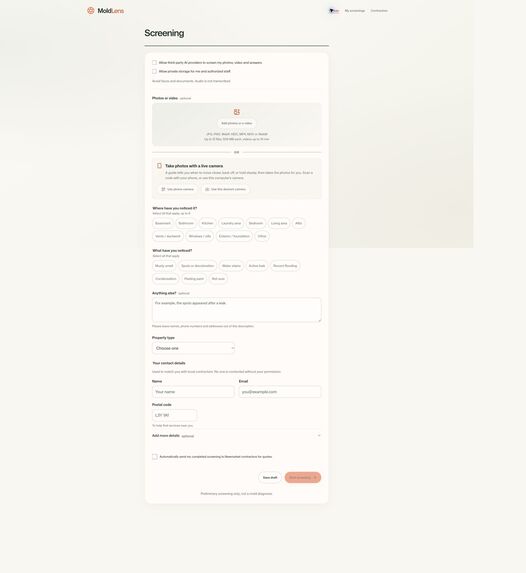
Screening Page
-
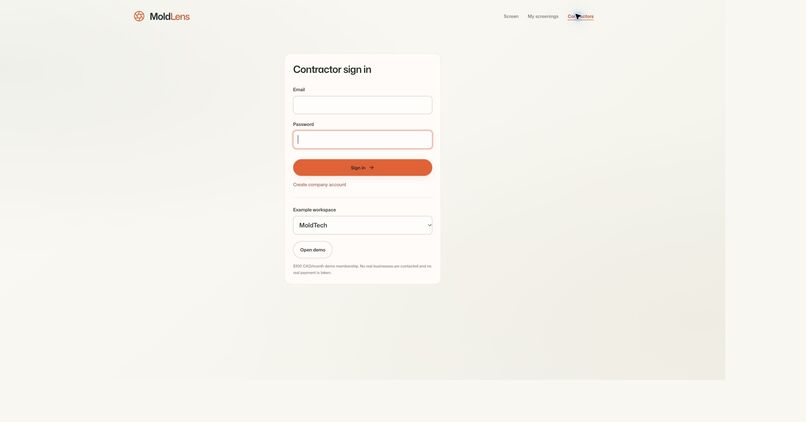
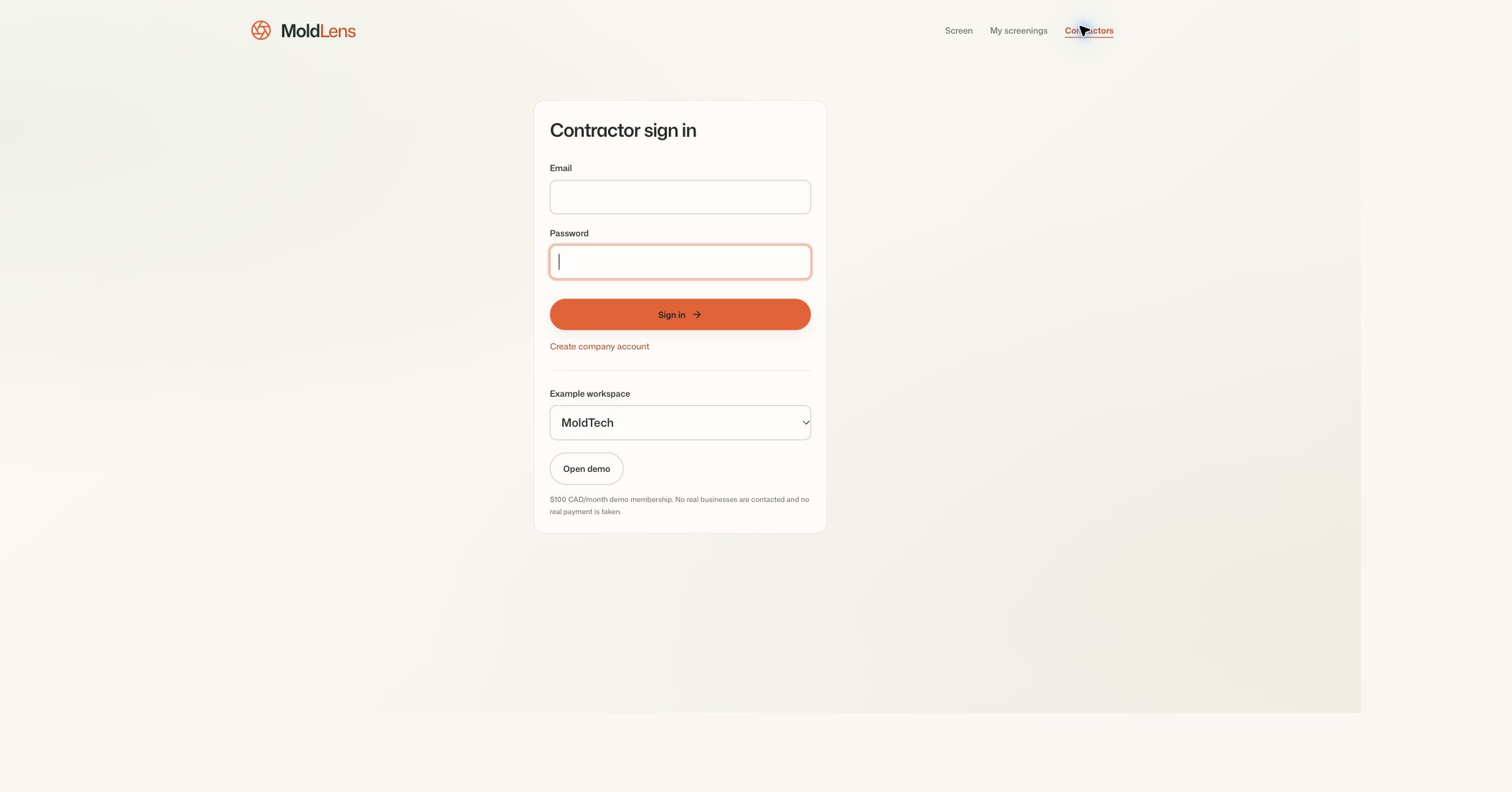
Contractor Sign in
-
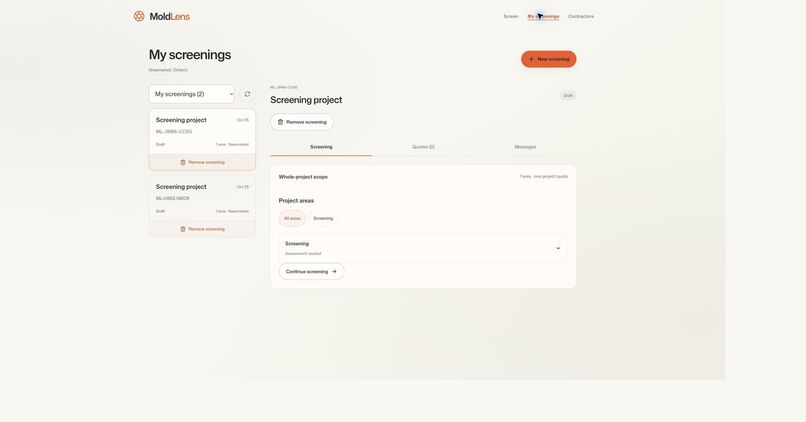
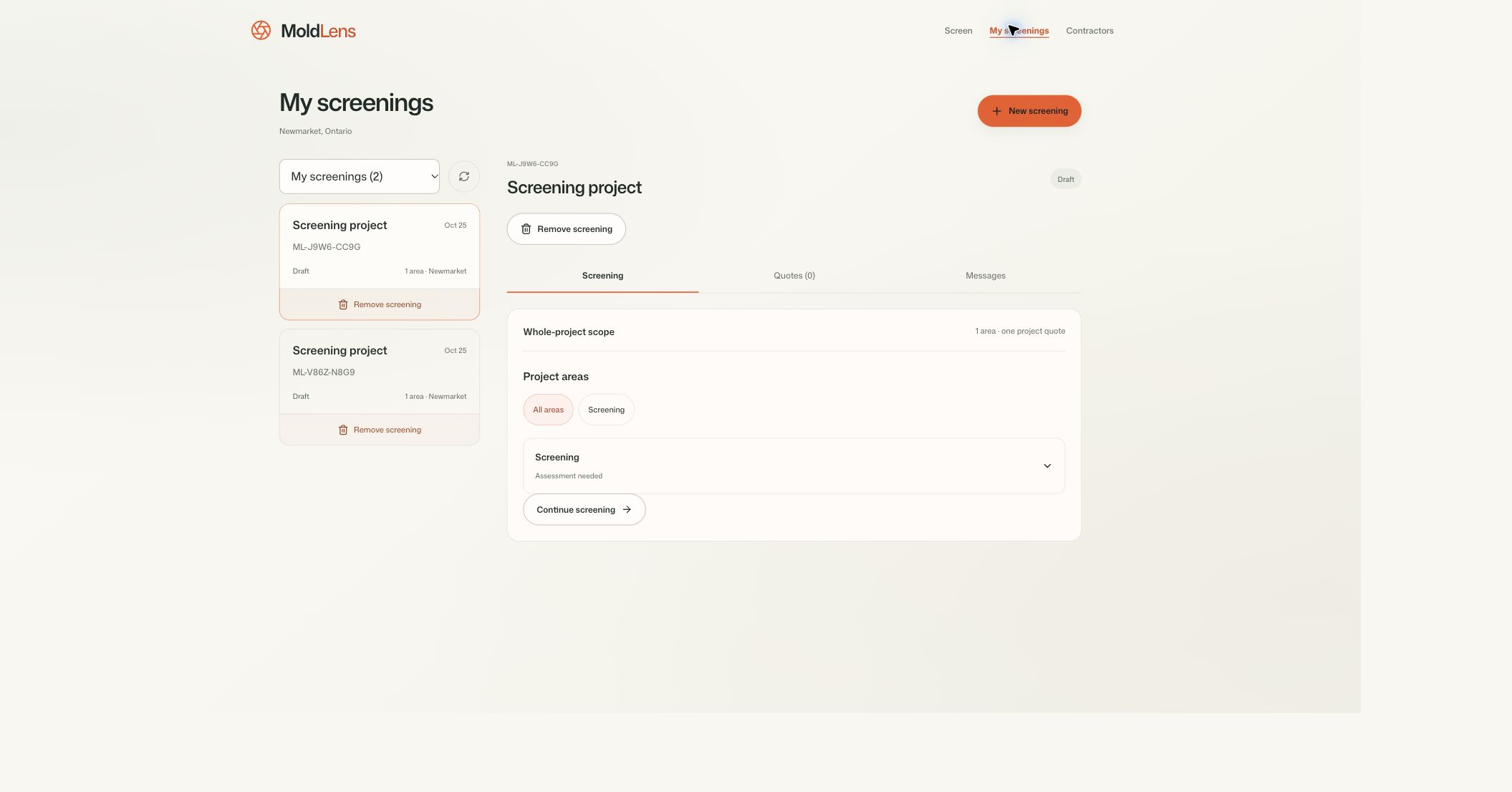
My Screenings Page
-
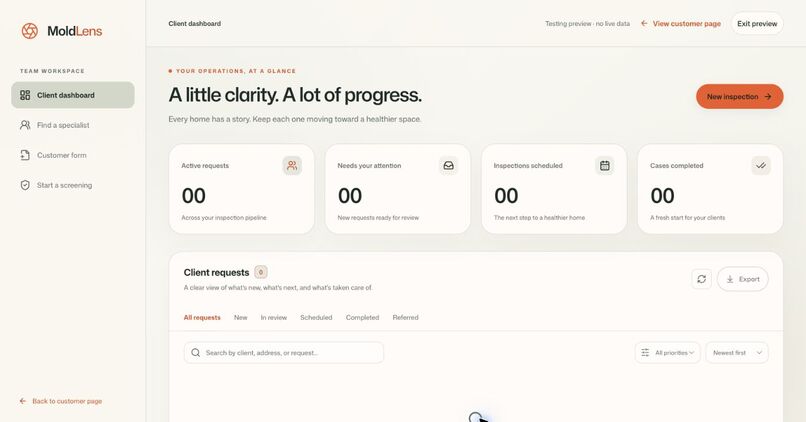
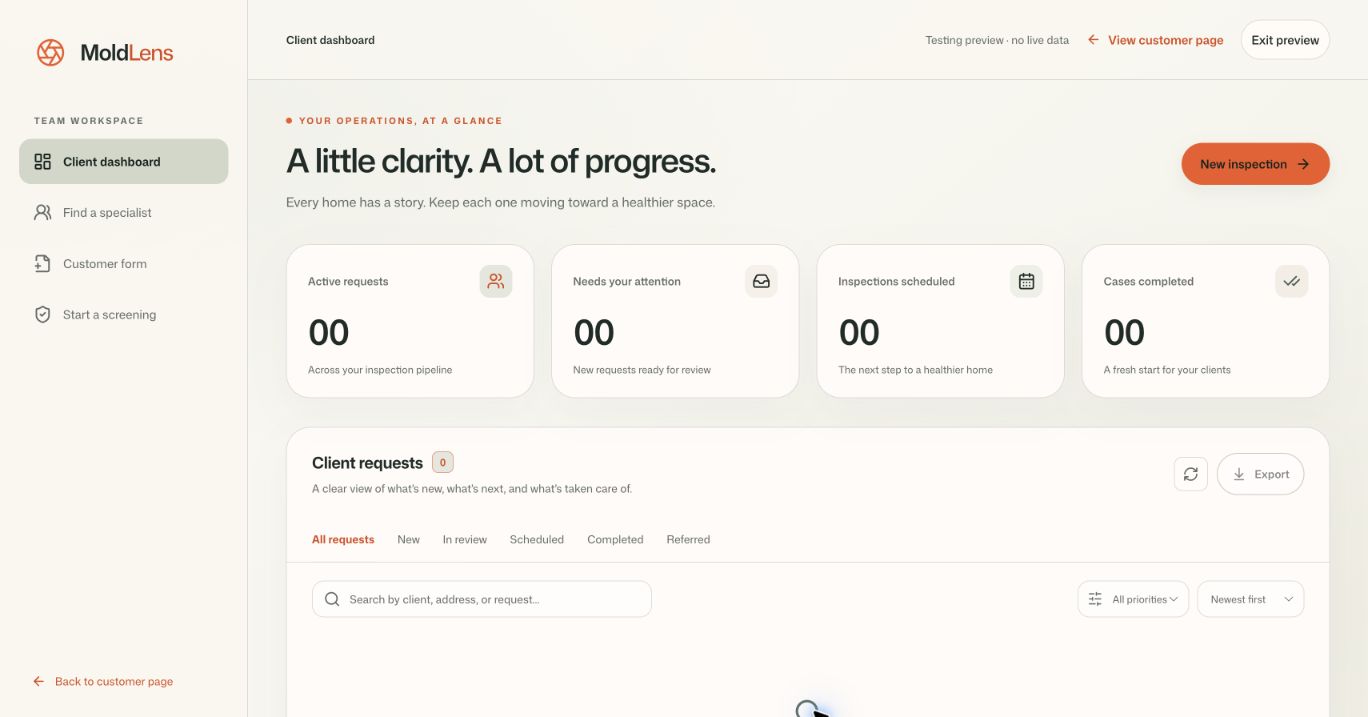
Client dashboard Page
-
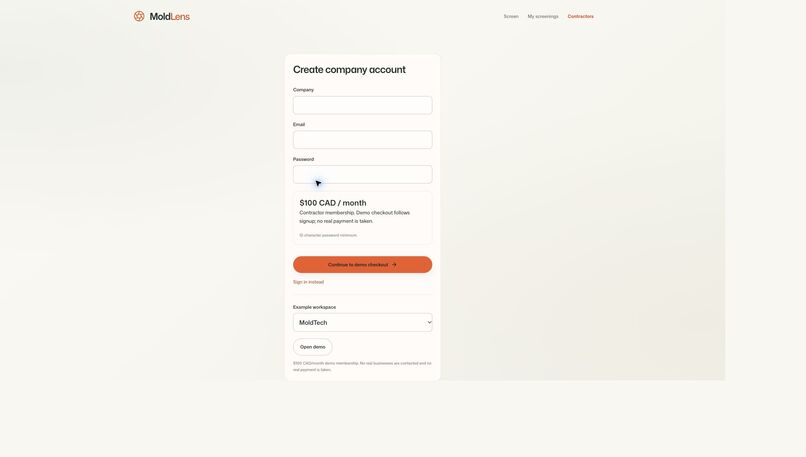
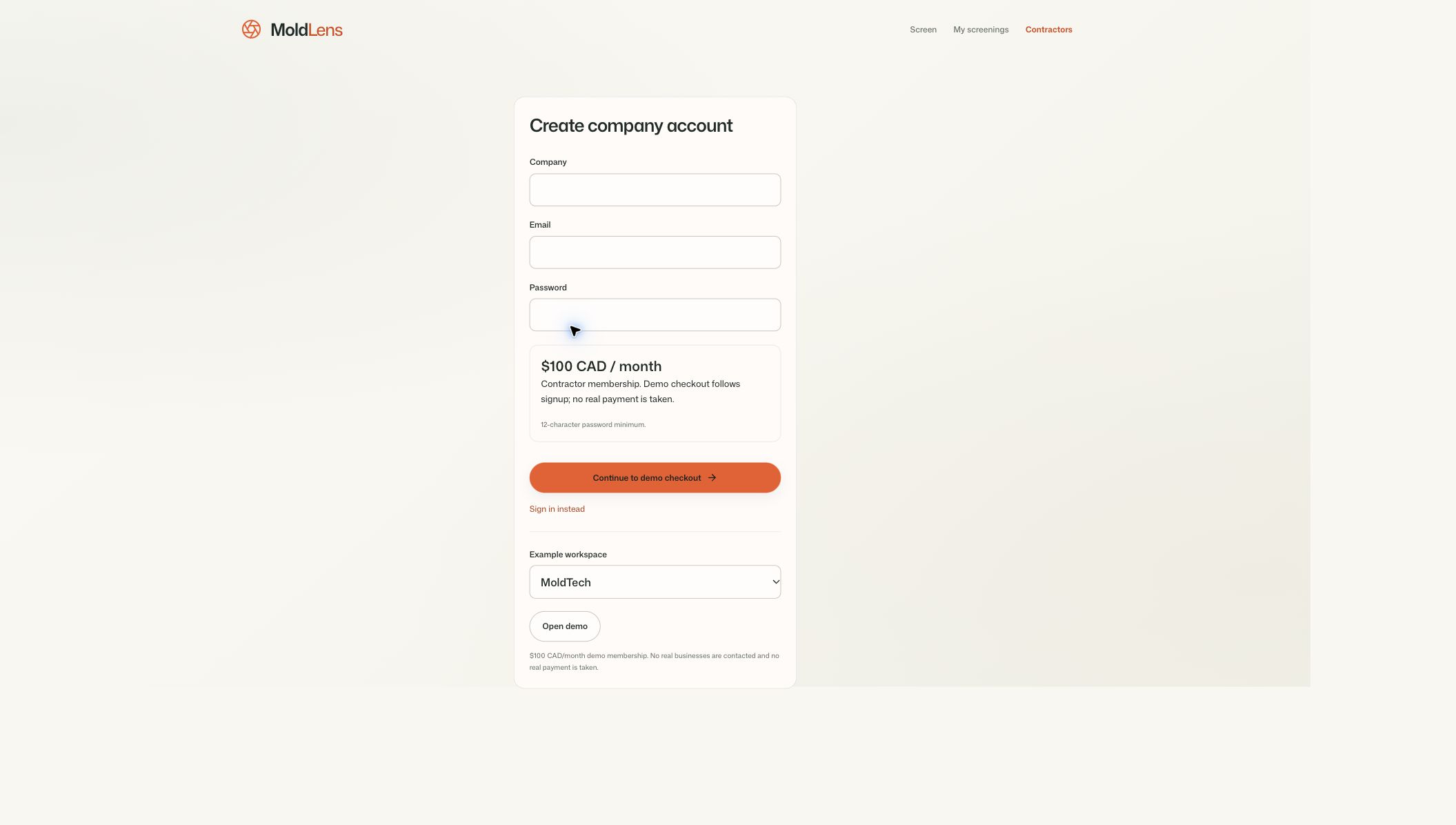
Create company account
-
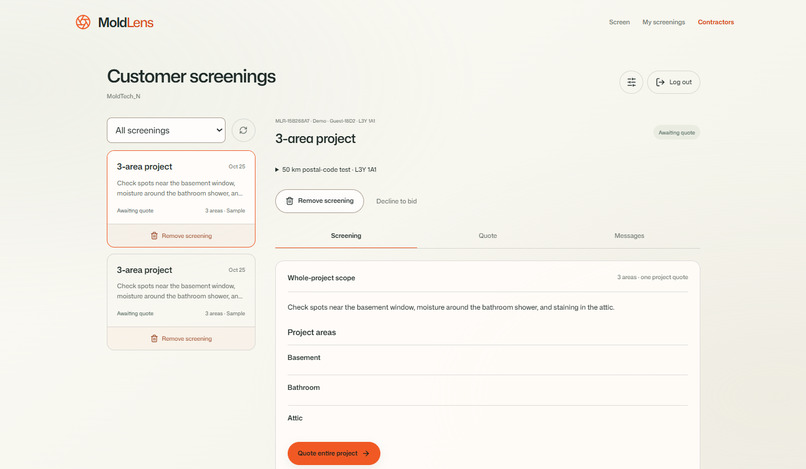
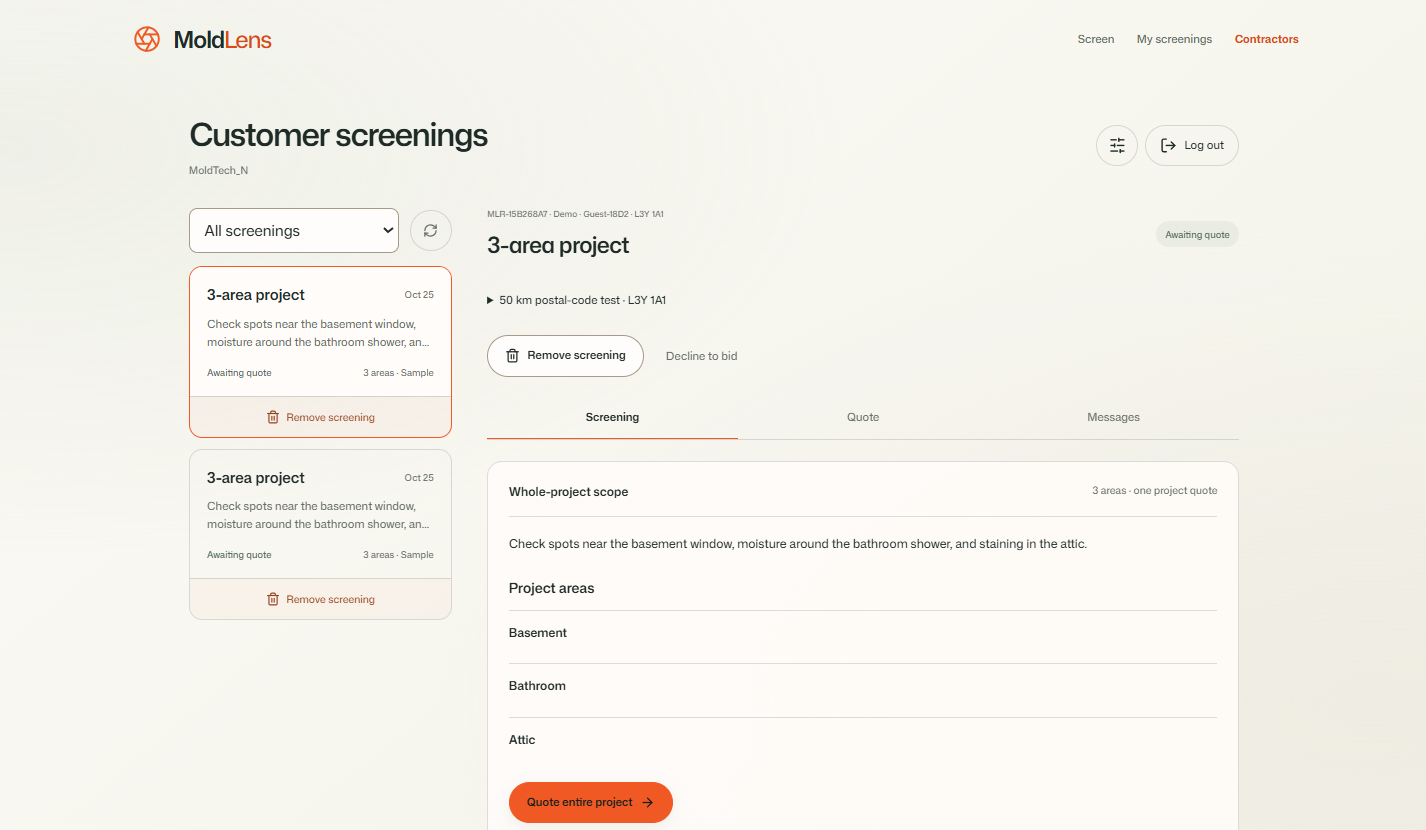
Contractors Page
Inspiration
Finding possible mold can be stressful and confusing. Inspired by the Mold Busters sample cases, we wanted to help homeowners understand their concerns and connect with professionals more easily.
What it does
Users upload photos or videos, answer a few questions, and receive a preliminary screening report. They can compare contractor quotes and message specialists. Staff have a dashboard to manage cases.
The screening helps explain visible concerns. It cannot confirm mold or replace an inspection.
How we built it
We used React and TypeScript for the frontend, Node.js and Express for the backend, and OpenAI for visual analysis. Sharp and FFmpeg process uploaded media, while Three.js powers the interactive house on the homepage
Challenges we ran into
Our biggest challenge was coming up with an idea that would provide real value to Mold Busters. We wanted something that could fit smoothly into their existing workflow, simplify customer intake, and help staff spend less time collecting information and more time helping customers
Accomplishments that we're proud of
We connected screening, reports, contractor quotes, and messaging in one app. We’re especially proud of the simple customer flow, printable reports, and interactive 3D house.
What we learned
We learned how to turn a company’s needs into practical features. For Mold Lens, that meant making it easier for customers to ask for help and for staff to review their information
What's next for Mold Lens
We want to test with homeowners and inspection professionals, improve screening quality, and expand contractor coverage. Next steps include production hosting, contractor verification, real billing, and booking notifications.
Built With
- css
- drizzle-orm
- express.js
- ffmpeg
- github
- gpt-4.1
- html
- javascript
- node.js
- openai
- pglite
- playwright
- react
- sharp
- three.js
- typescript
- vite
- zod

Log in or sign up for Devpost to join the conversation.