-
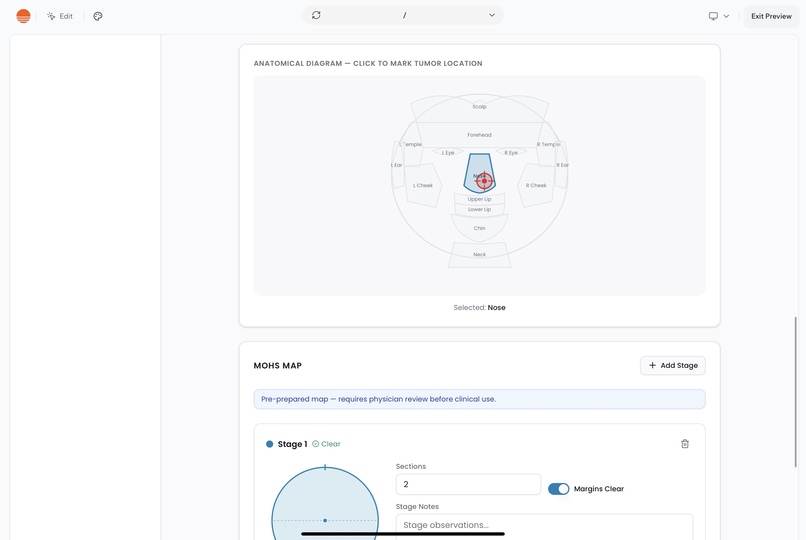
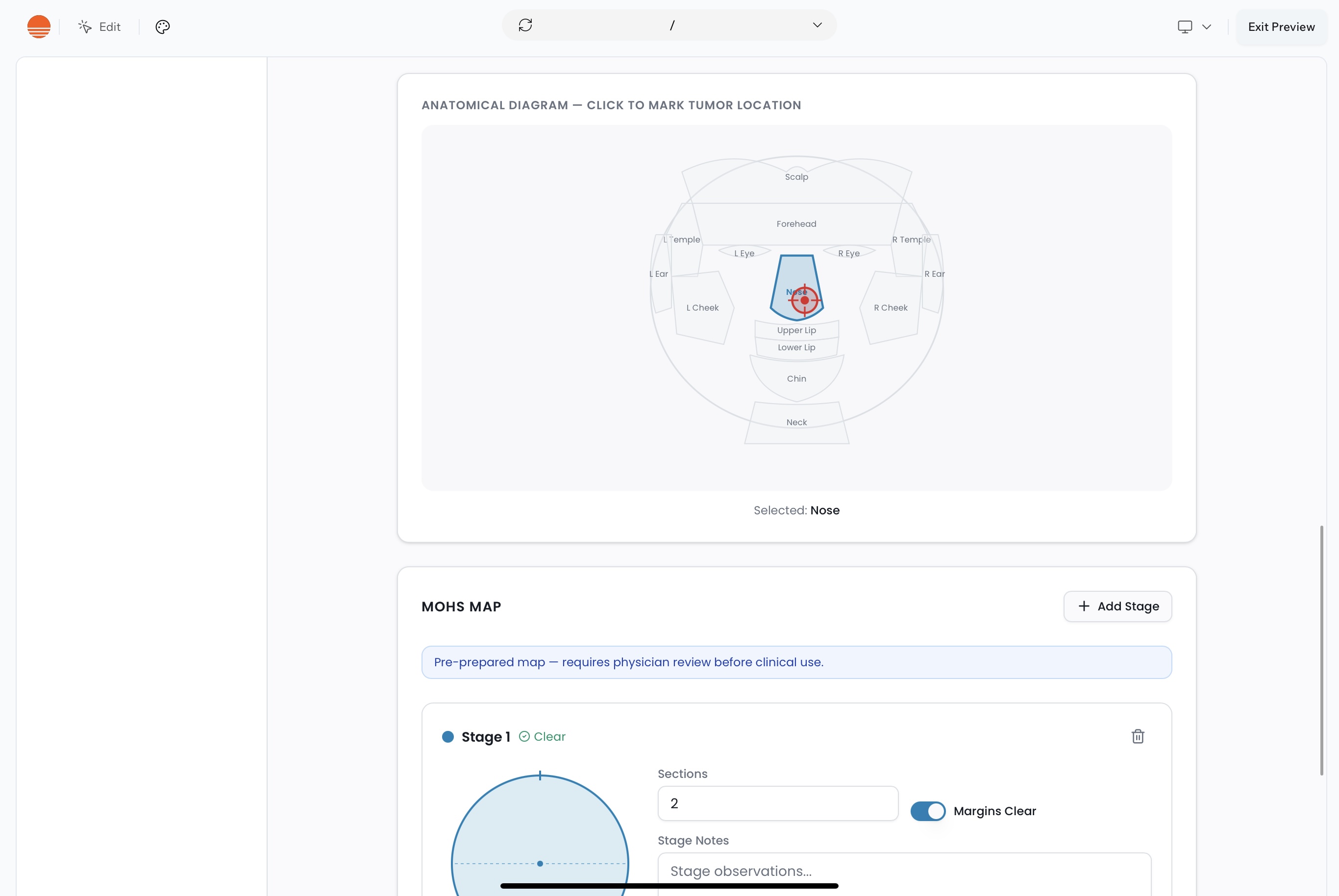
Anatomical Diagram
-
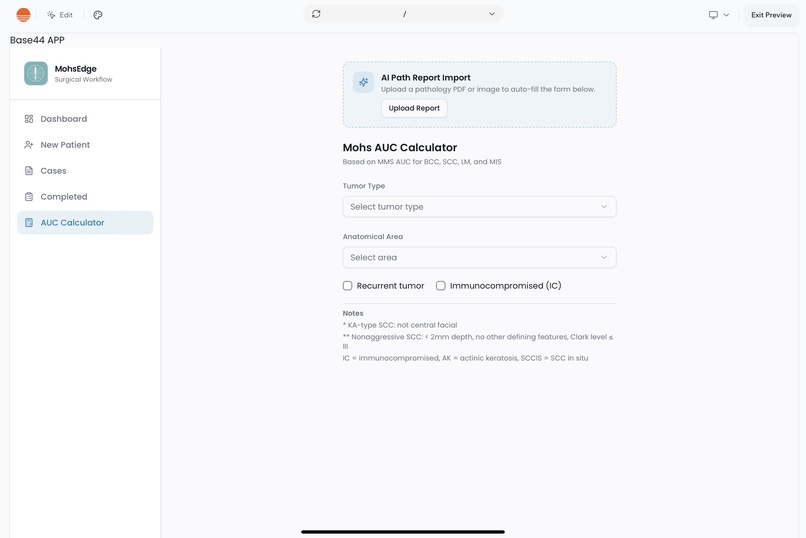
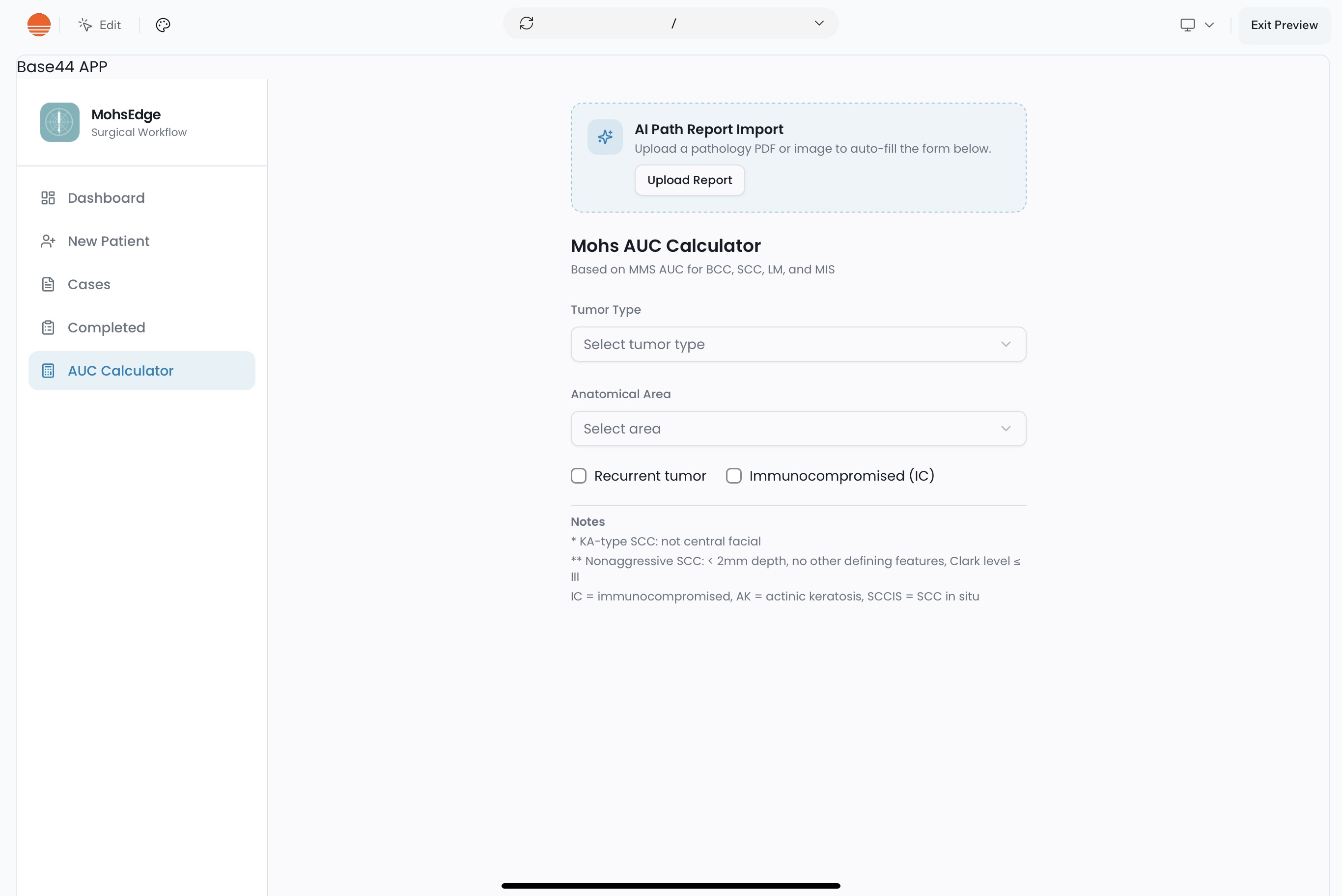
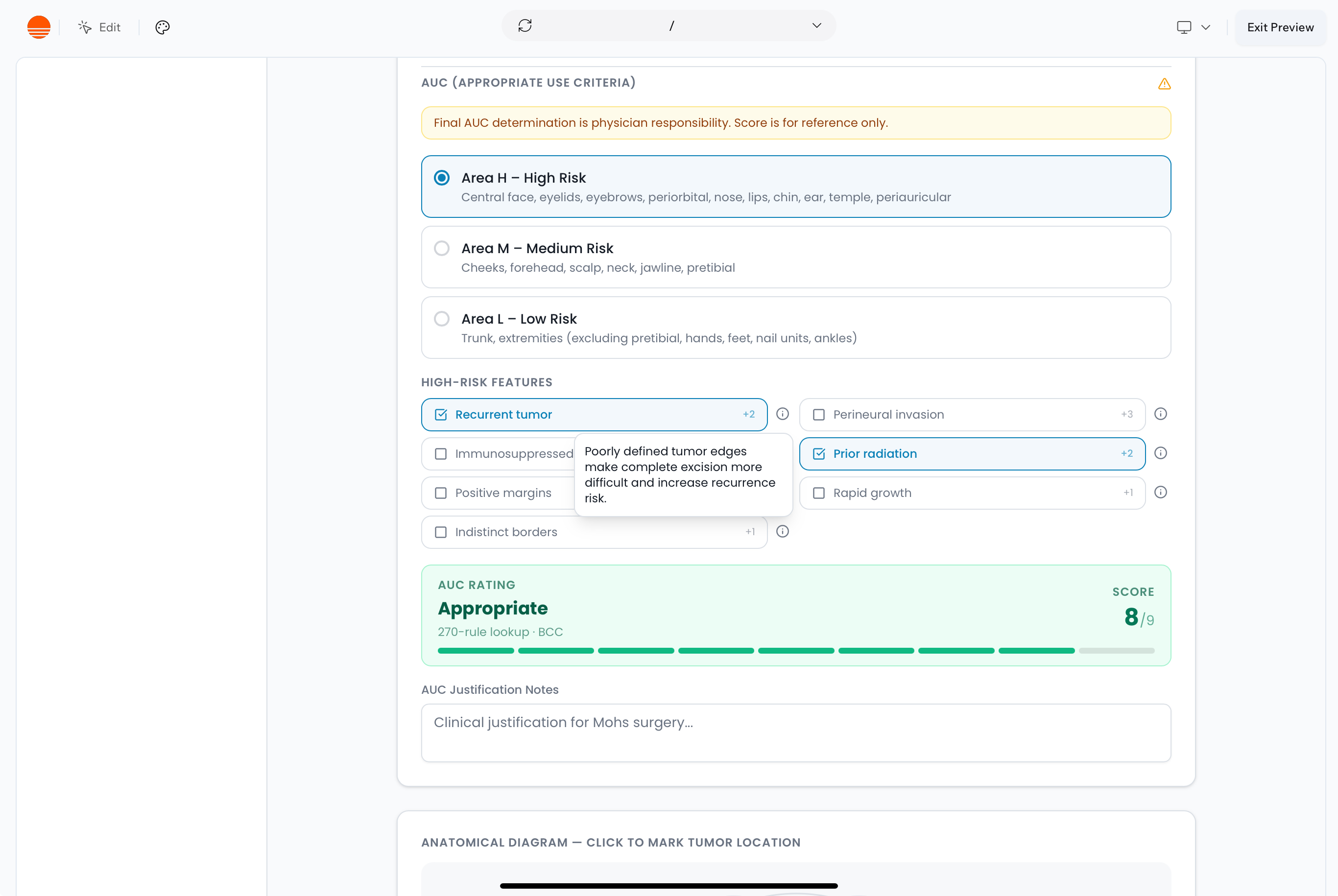
AUC Calculator-Unattached to any Patient Chart
-
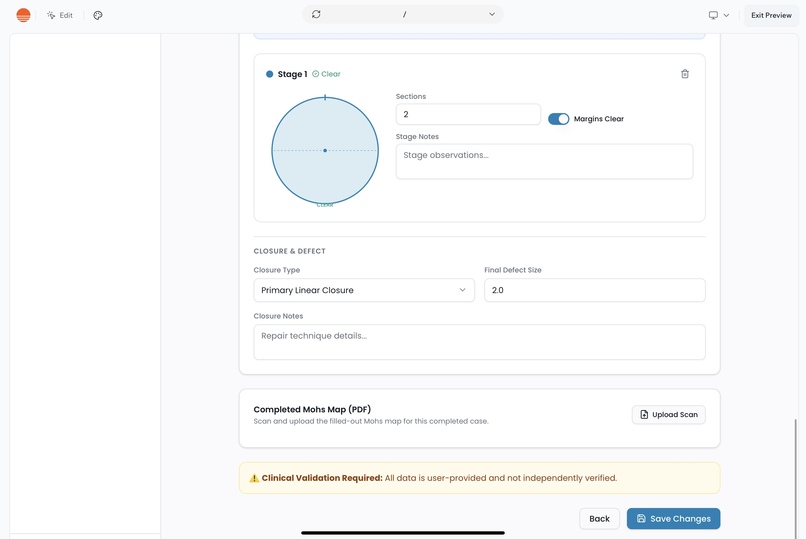
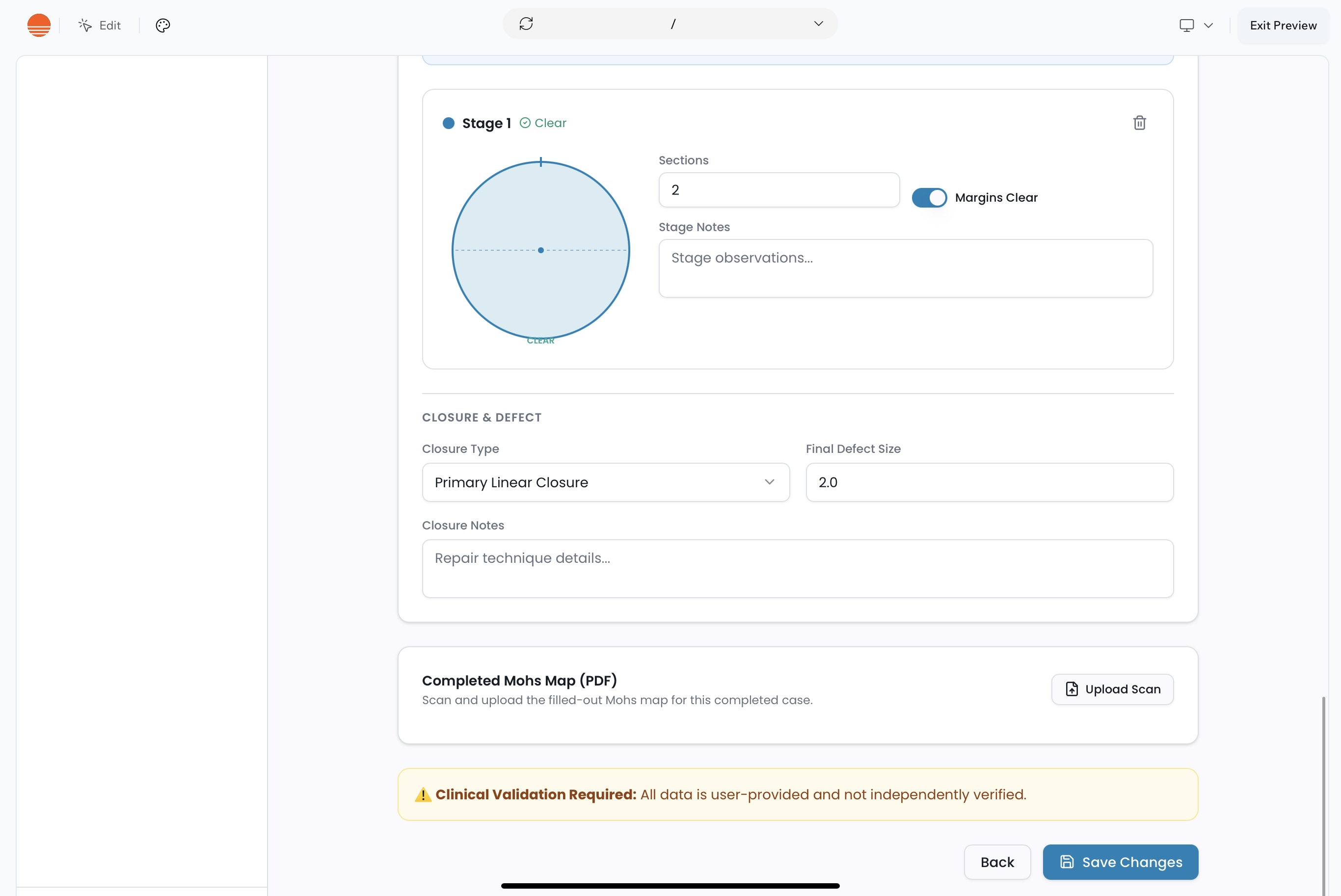
Stage Mapping Diagram
-
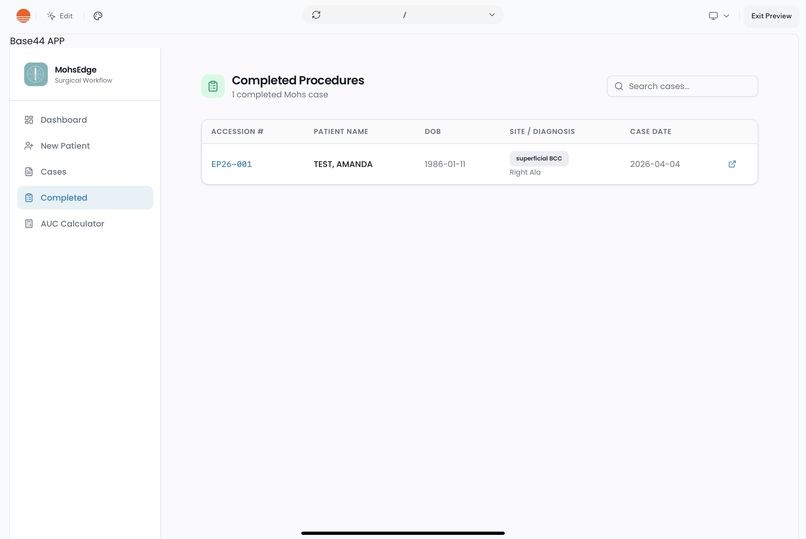
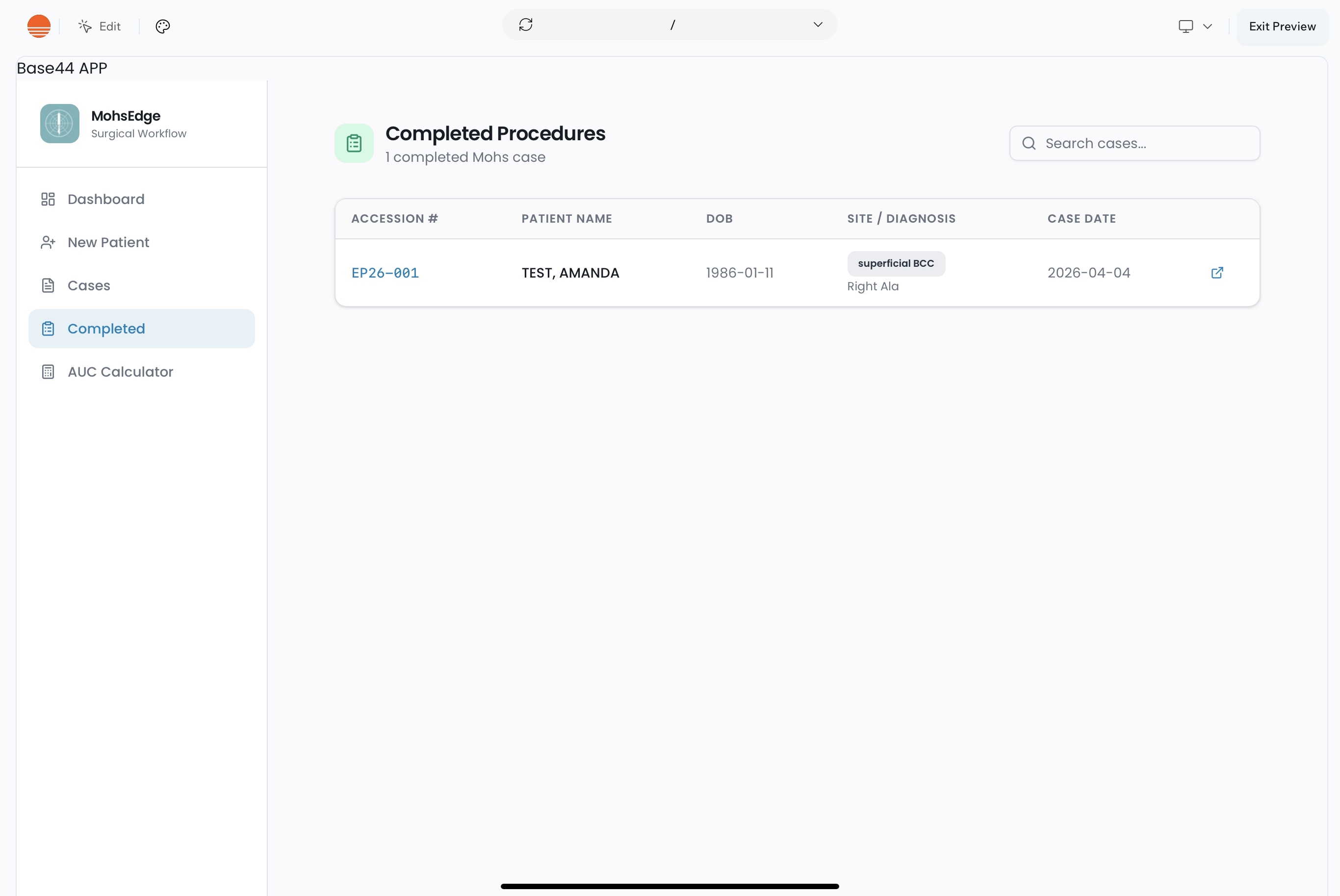
Compiled List of Completed MOHS Cases
-
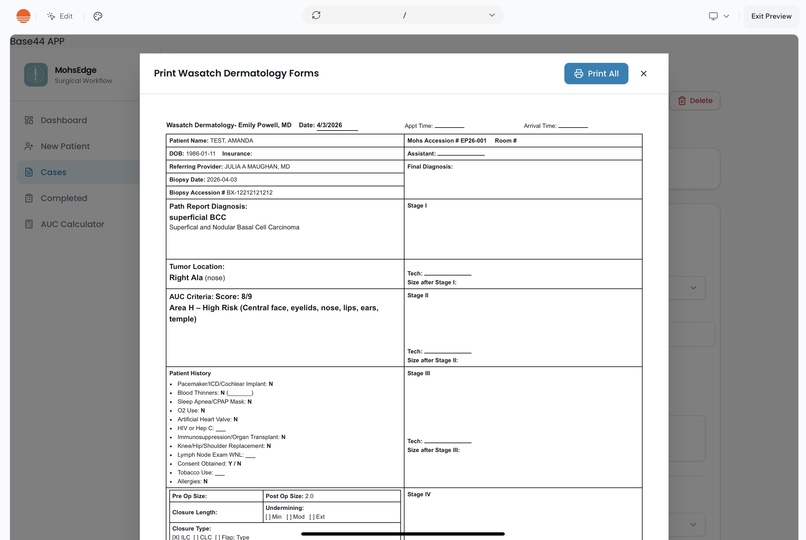
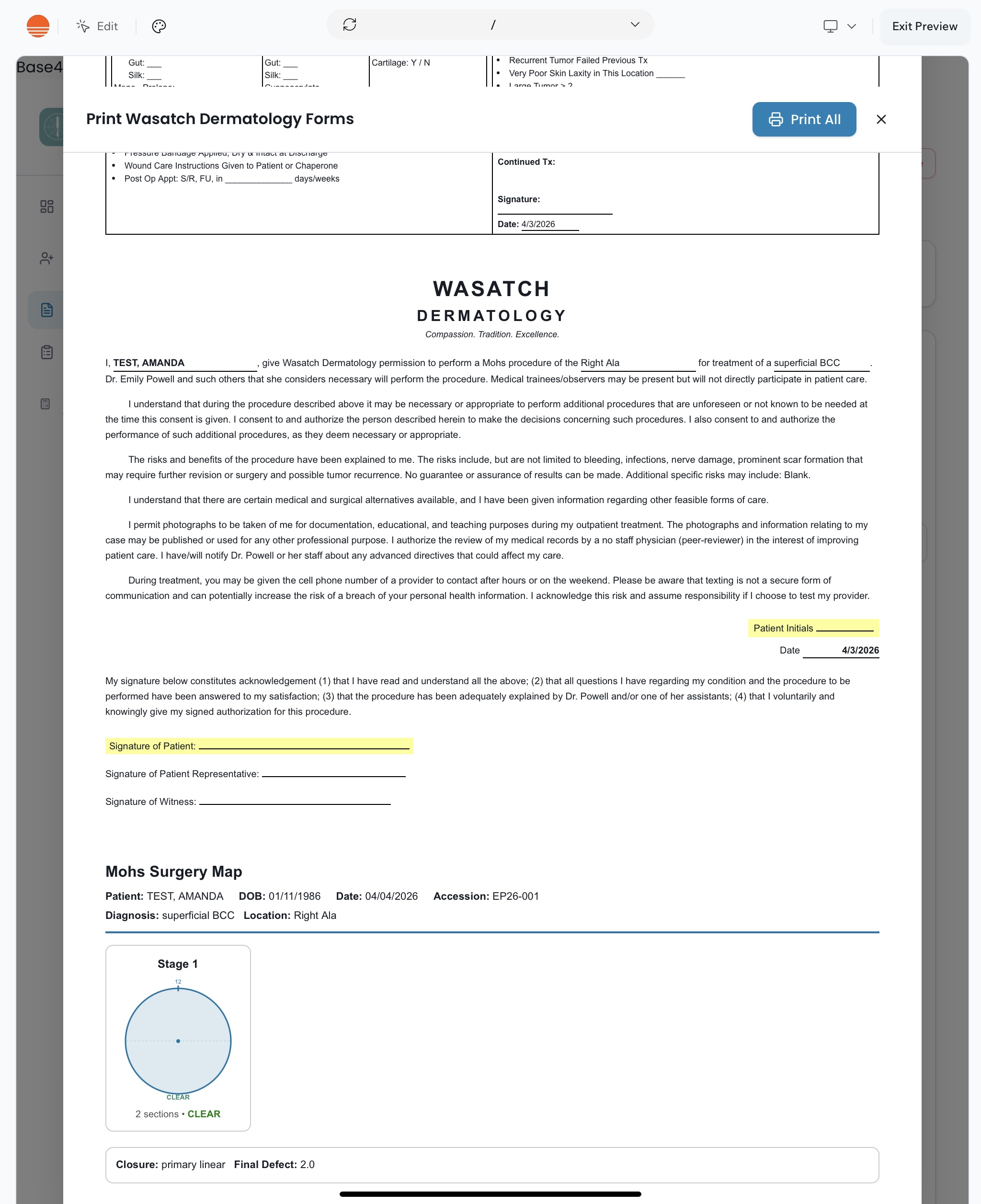
Whole View of Mohs Map
-
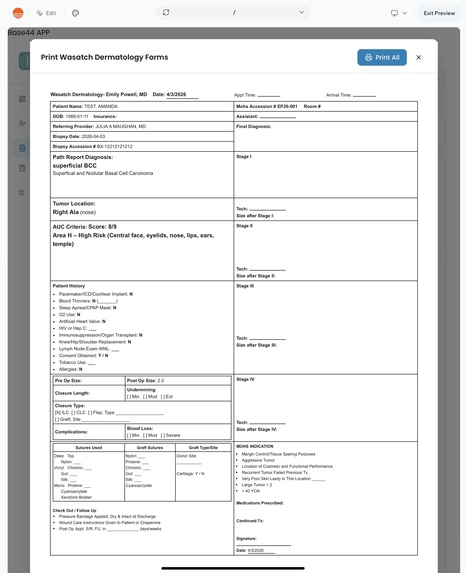
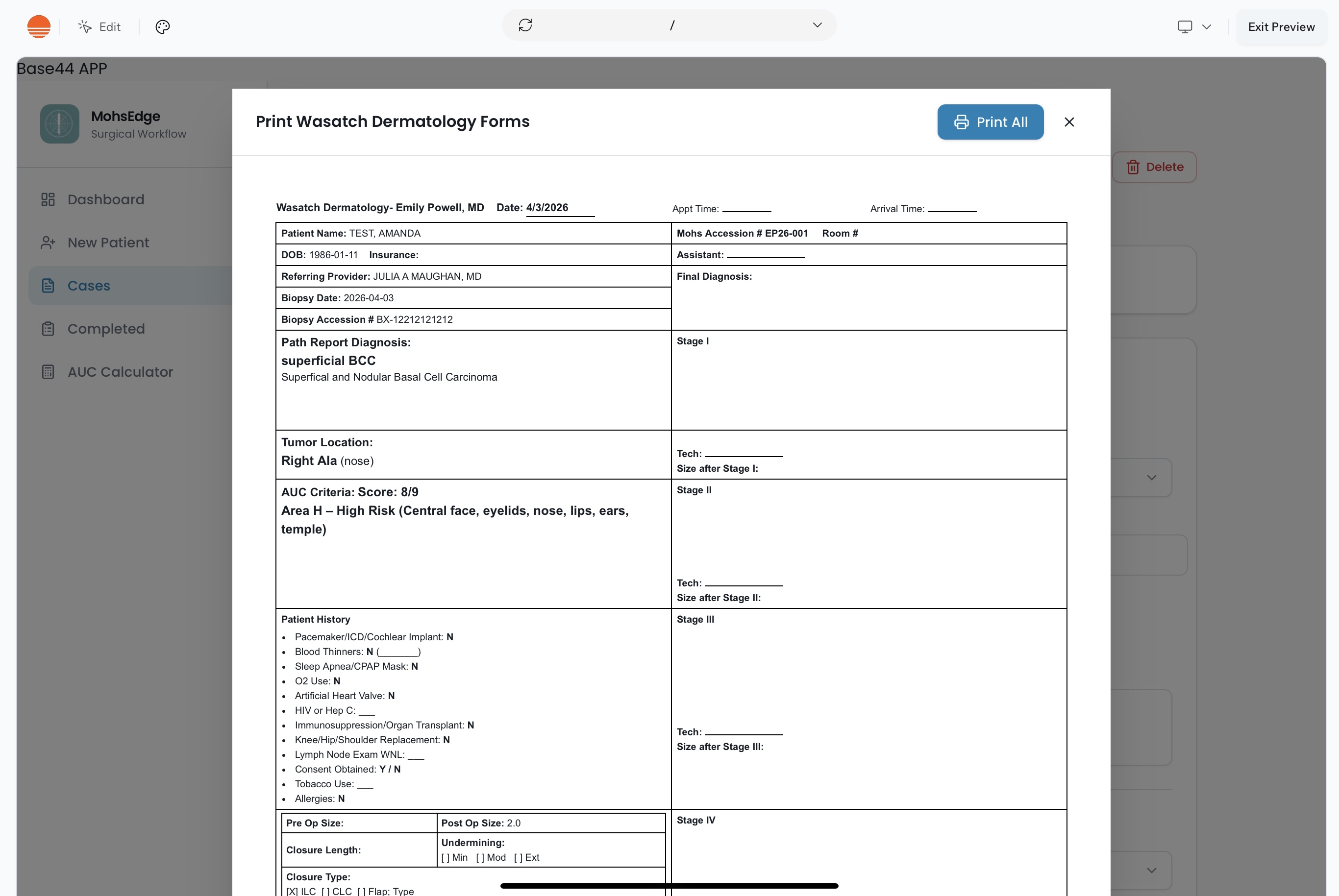
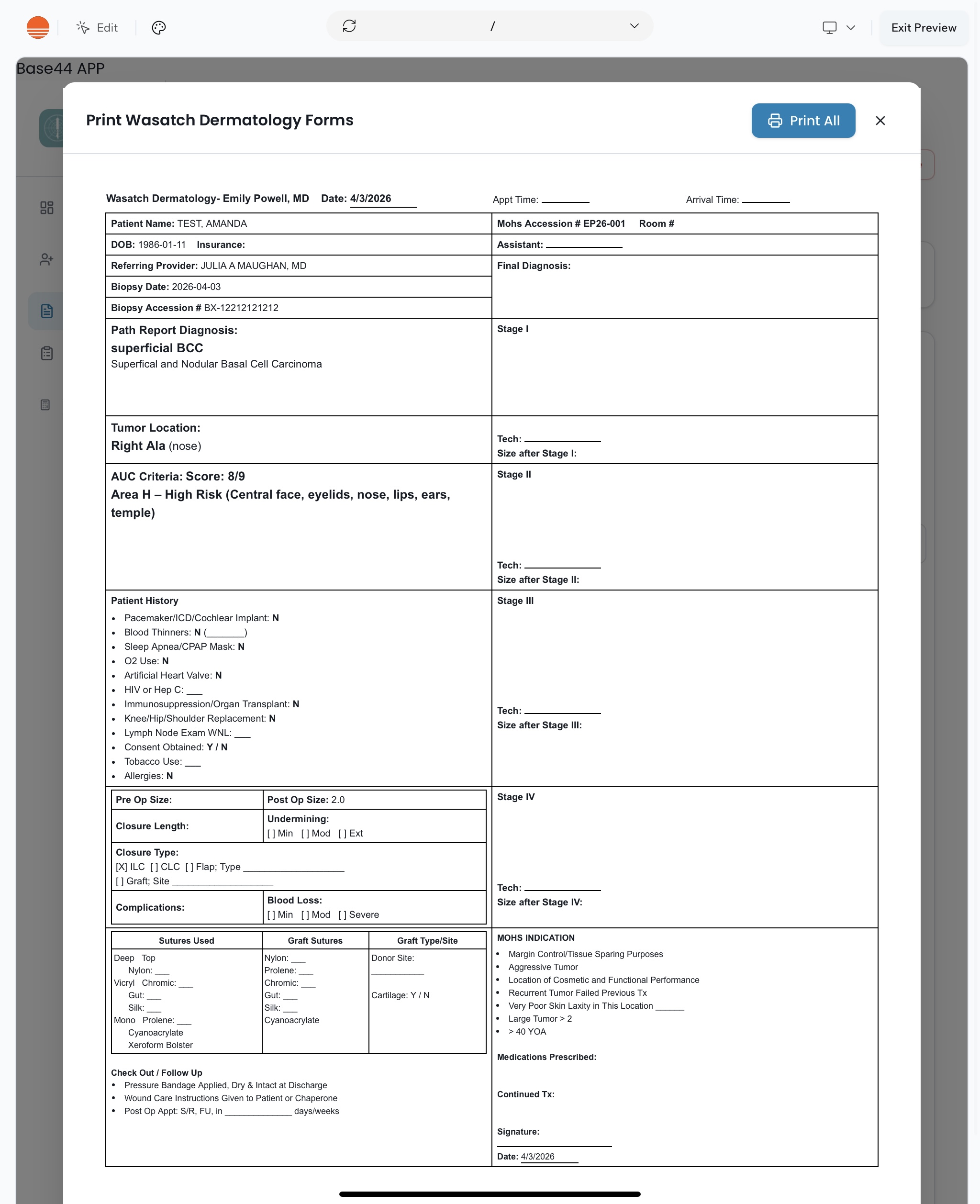
Pre Populated Mohs Map Generated from Mohs Edge
-
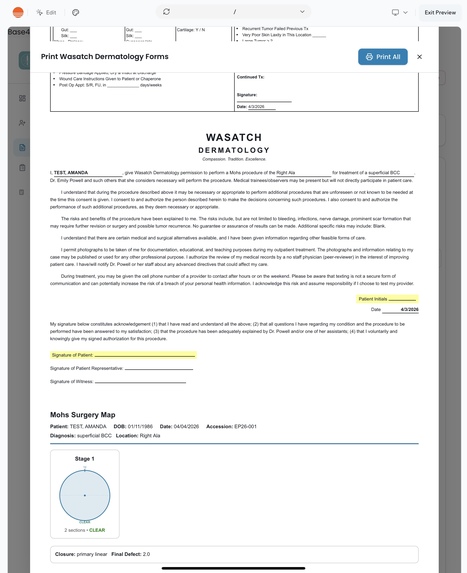
Pre Filled out Patient Consent Form
-
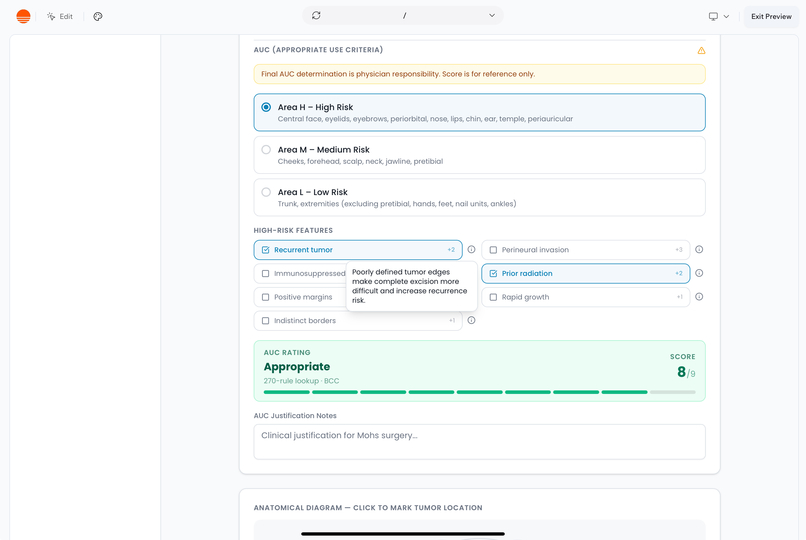
Location Categories and AUC Requirements
Inspiration
This project came from our experience working as medical assistants for Dr. Emily Powell, a Mohs surgeon. In our daily work, we spend a lot of time on repetitive tasks like making Mohs maps, filling out pre-op checklists, and documenting patient info. While these tasks are necessary, our favorite part is being in the room with Dr. Powell, assisting during procedures, and supporting patient care directly.
We wanted a way to reduce the busywork so we could focus on the clinical side. That’s how Mohs AI Assistant was born—a tool that automates mapping, documentation, and safety checks, letting us spend more time doing the work we care about.
What We Built
We built a web app that acts as a digital assistant for Mohs surgery. Key features include:
- Pathology Parsing & AUC: Extracts diagnosis, tumor type, margins, and calculates whether the case meets the Appropriate Use Criteria (AUC).
- Interactive Mohs Maps: Animates tumor stages and traces margins like a surgeon would, with a “draw-as-you-cut” style.
- Pre-Op Checklist & Patient History: Patients fill out intake forms, incomplete answers are flagged, and high-risk patients are highlighted.
- Consent Integration: The app requires signed consent before generating the map or exporting notes.
- HIPAA-Aware Export: PDF and JSON exports with optional de-identification for safe sharing.
How We Built It
- Frontend: React for forms, checklists, consent, and animated SVG surgical maps.
- AI/NLP: Pulls structured information from free-text pathology reports.
- Logic: Encodes AUC calculations, risk checks, and workflow gating in JavaScript.
- State Management: Tracks checklists, consent, patient history, and map stages.
- Export: PDF outputs mimic real surgical notes, JSON provides structured data.
What We Learned
- Managing **checklists, consent, risk.
Built With
- base44
- chatgbt
- json


Log in or sign up for Devpost to join the conversation.