-
-
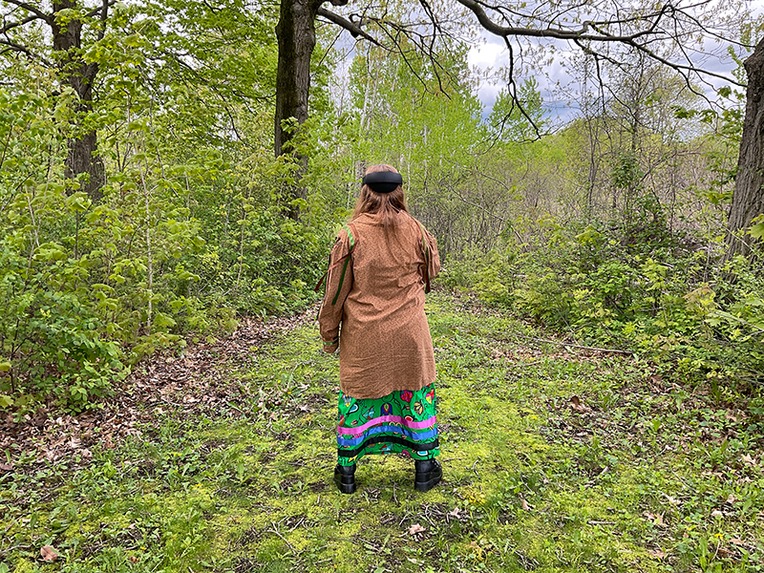
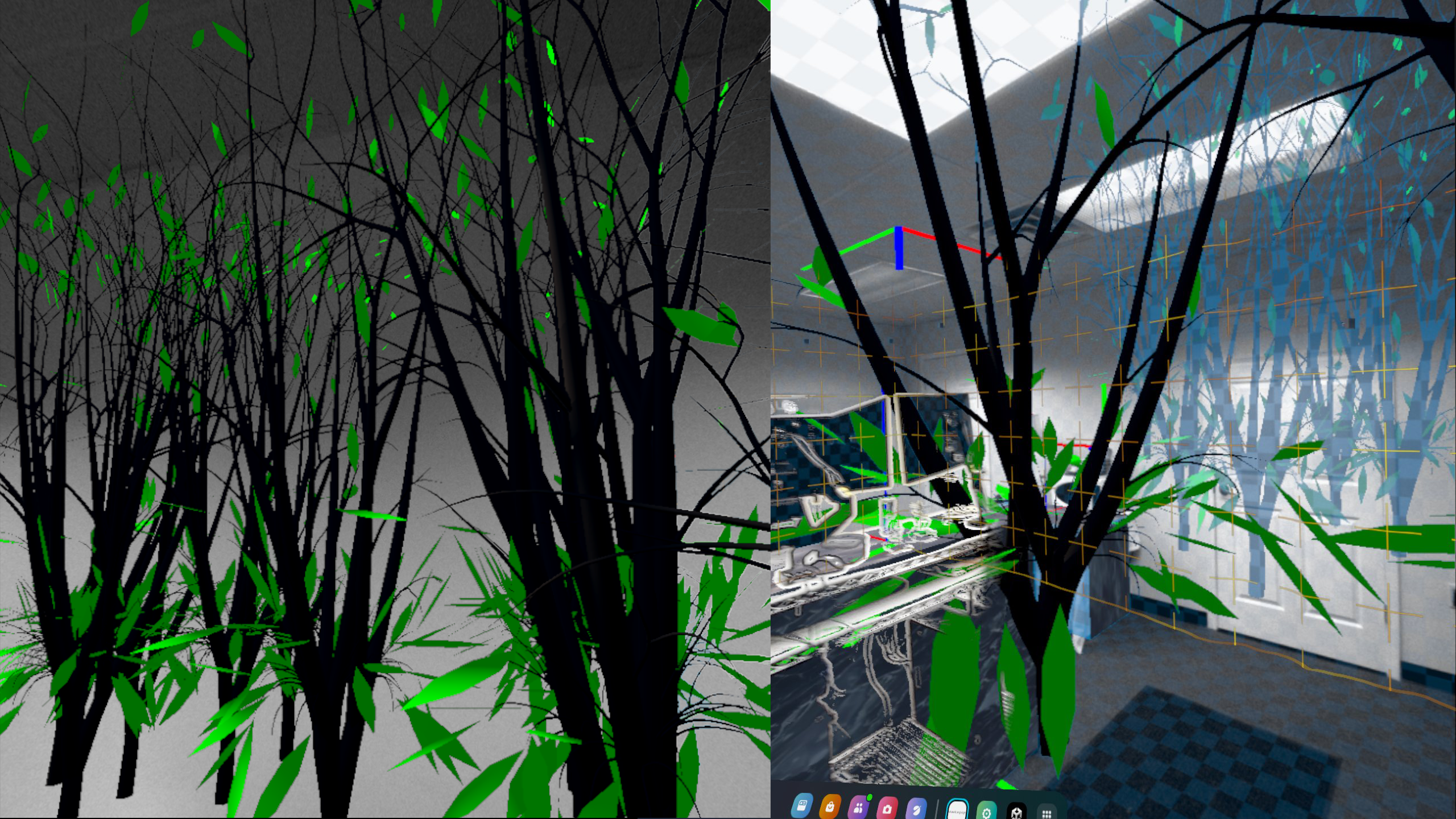
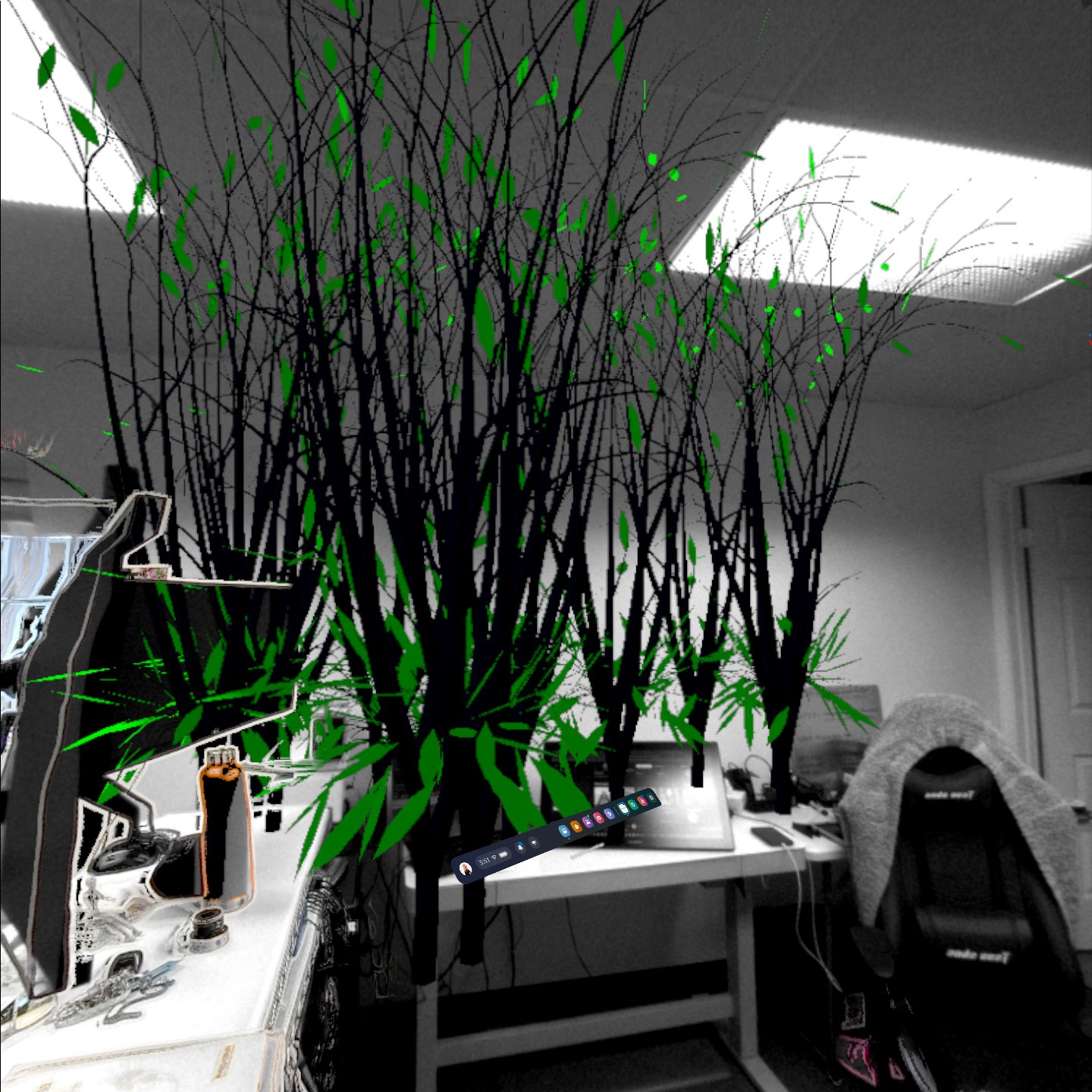
MoniGarr in a forest, in a virtual forest in the Meta Quest Pro with Mohawk Language experience
-
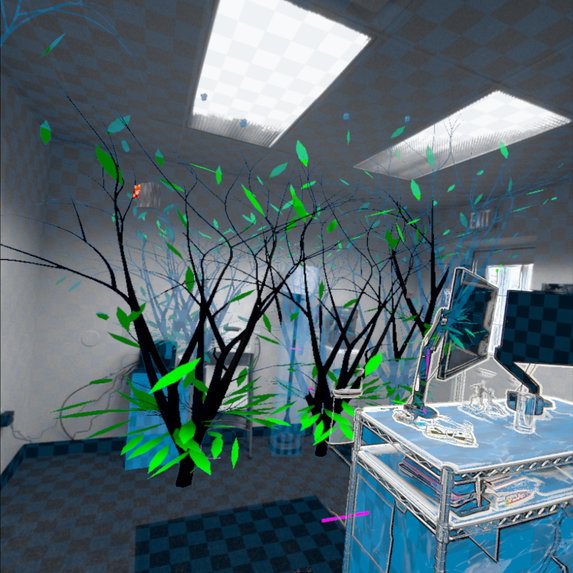
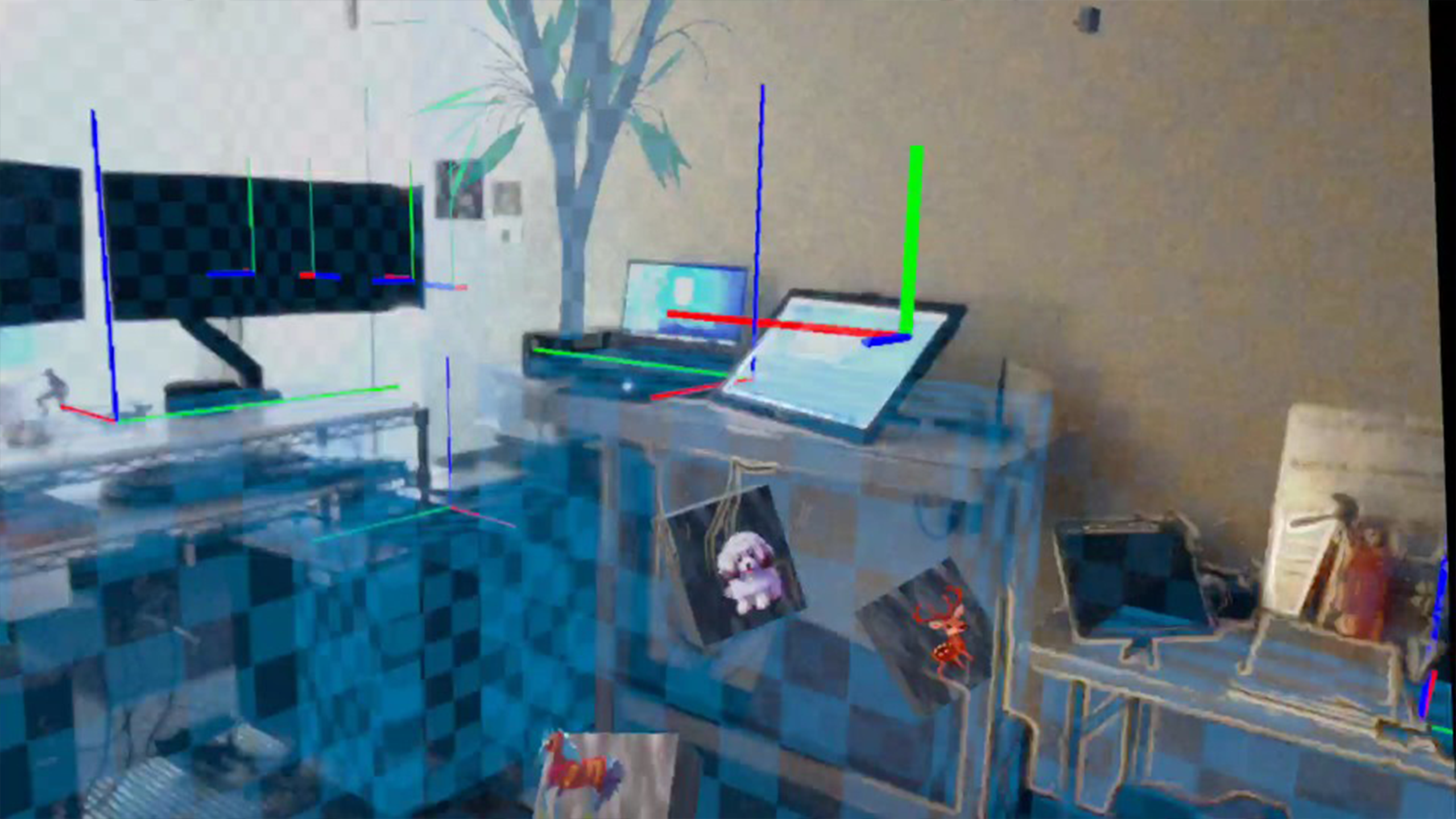
Kanien’kéha ( Mohawk Language ) on Meta Quest Pro in MoniGarr’s Office
-
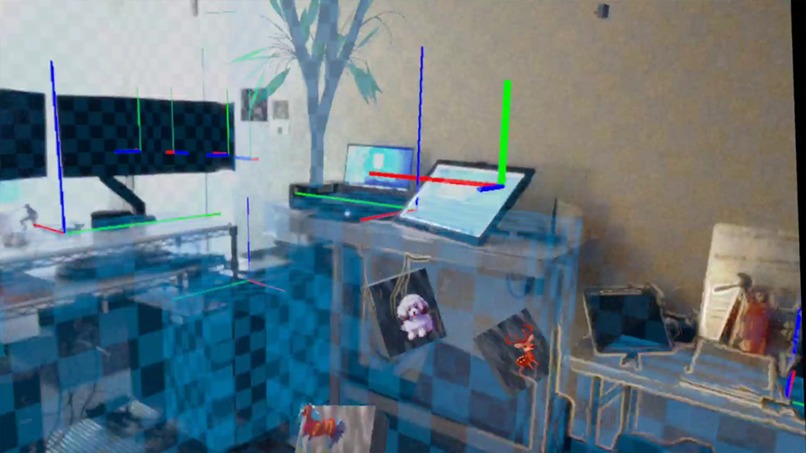
Kanien’kéha ( Mohawk Language ) in my office, on Meta Quest Pro in MoniGarr’s Office
-
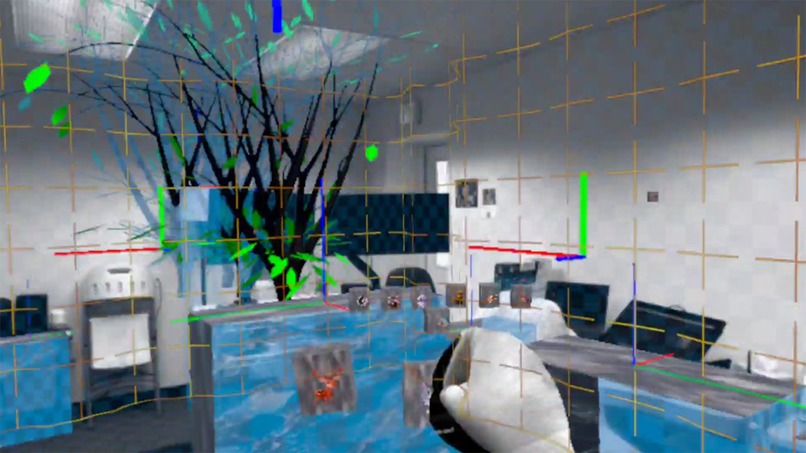
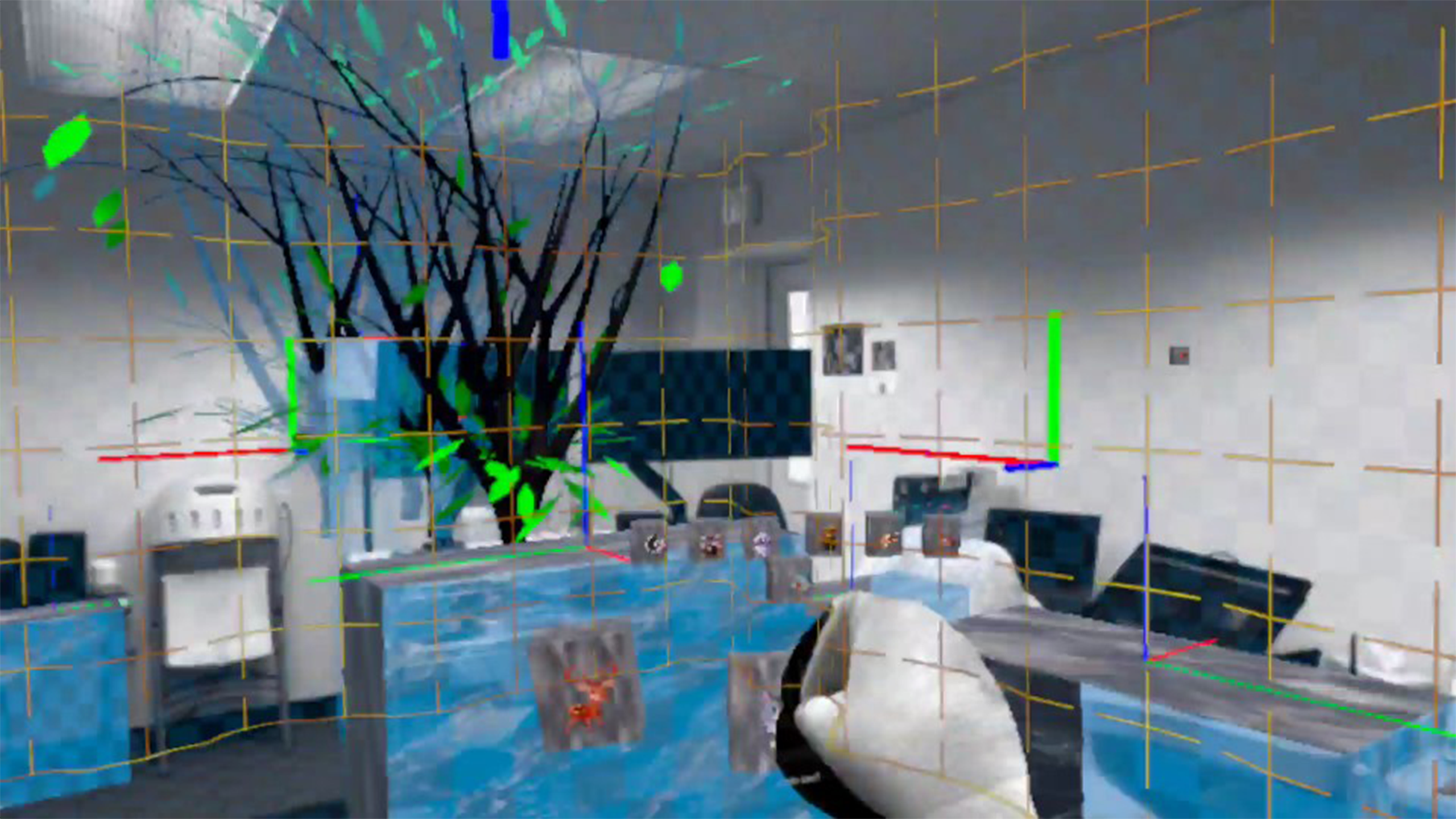
Kanien’kéha ( Mohawk Language ) in my office, on Meta Quest Pro in MoniGarr’s Office
-
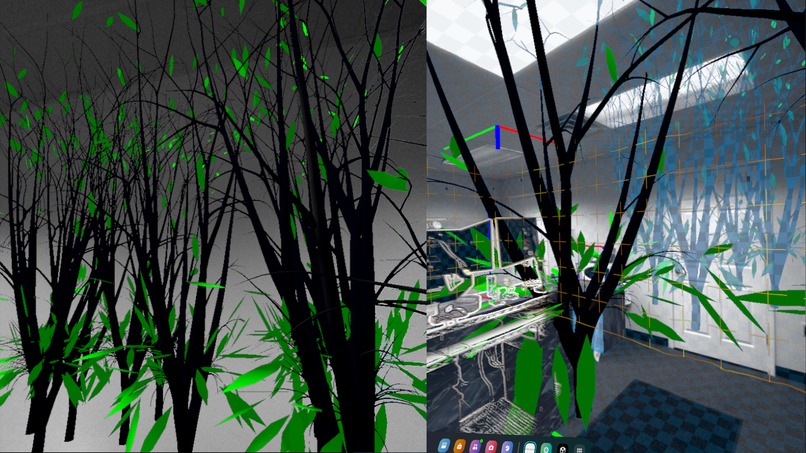
Kanien’kéha ( Mohawk Language ) in my office, on Meta Quest Pro in MoniGarr’s Office
-
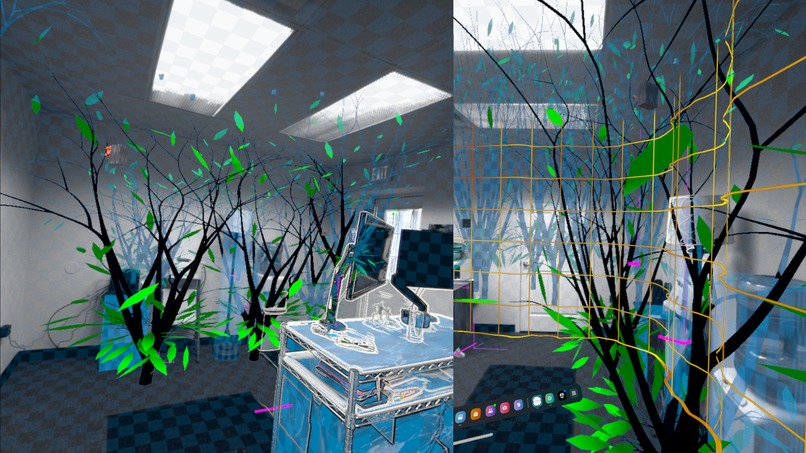
Kanien’kéha ( Mohawk Language ) on Meta Quest Pro in MoniGarr’s Office
-
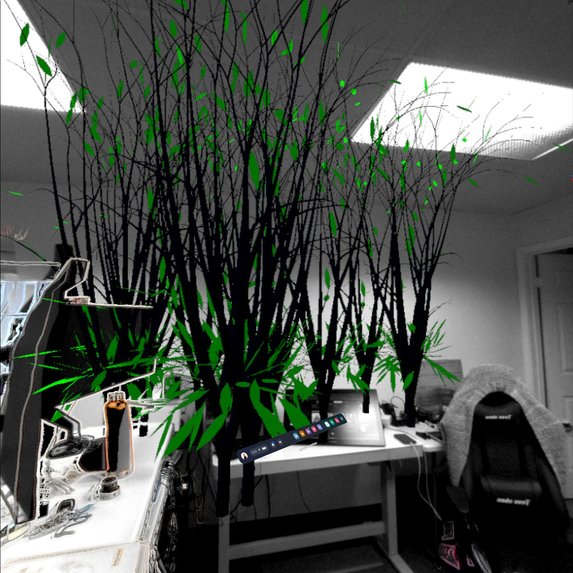
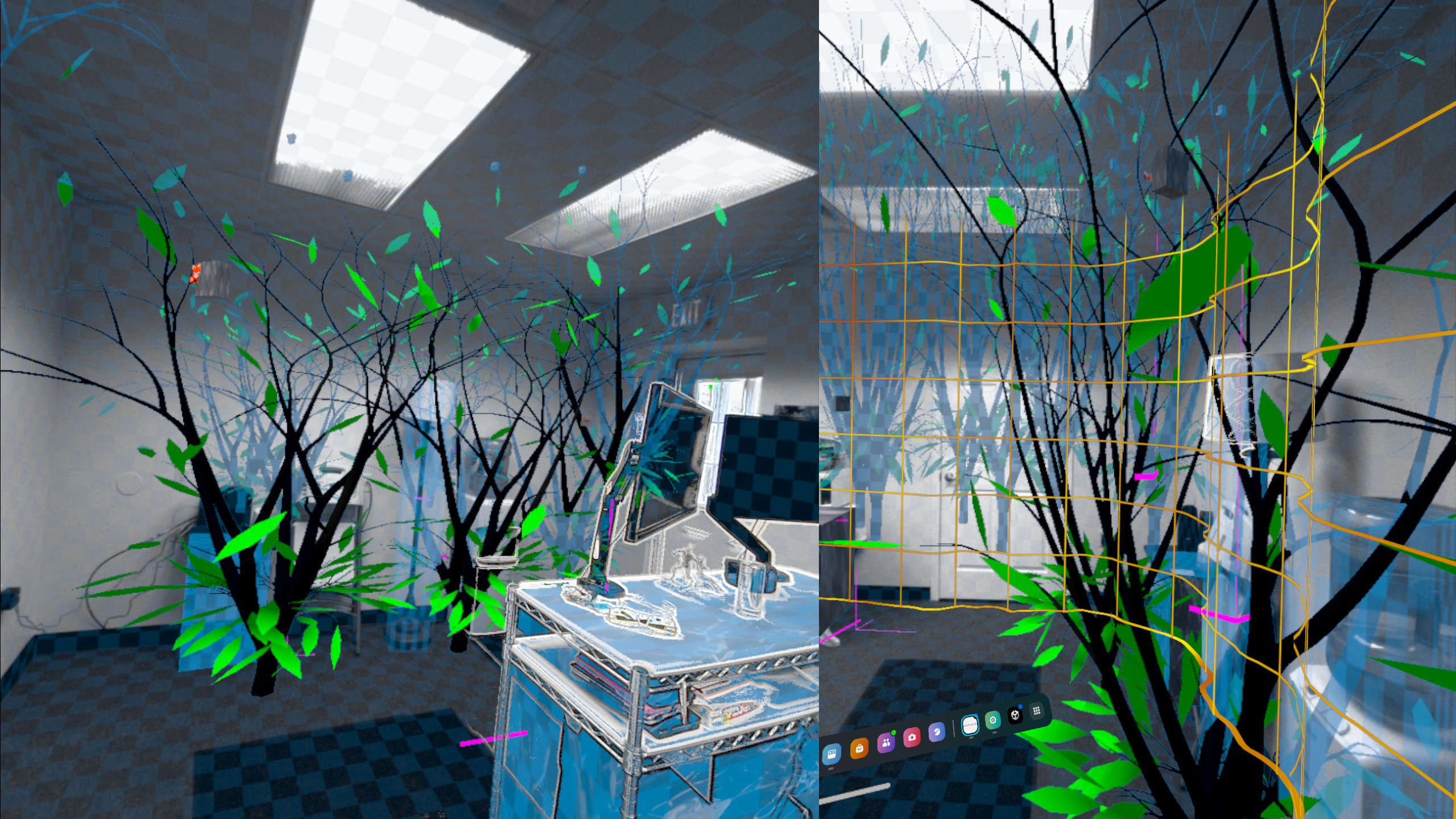
Kanien’kéha ( Mohawk Language ) in my office, on Meta Quest Pro in MoniGarr’s Office
-
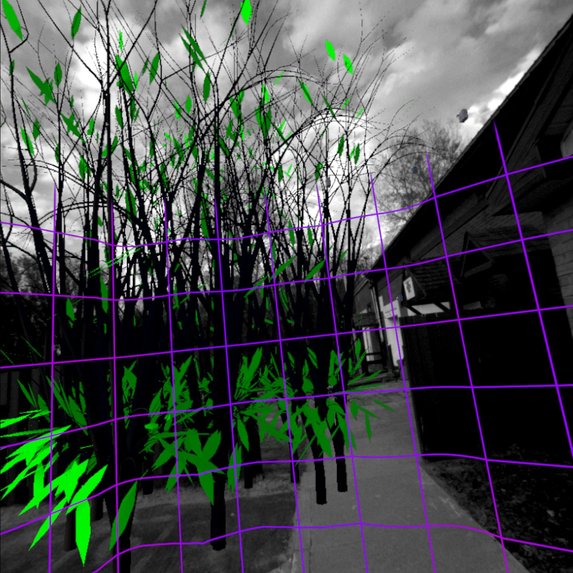
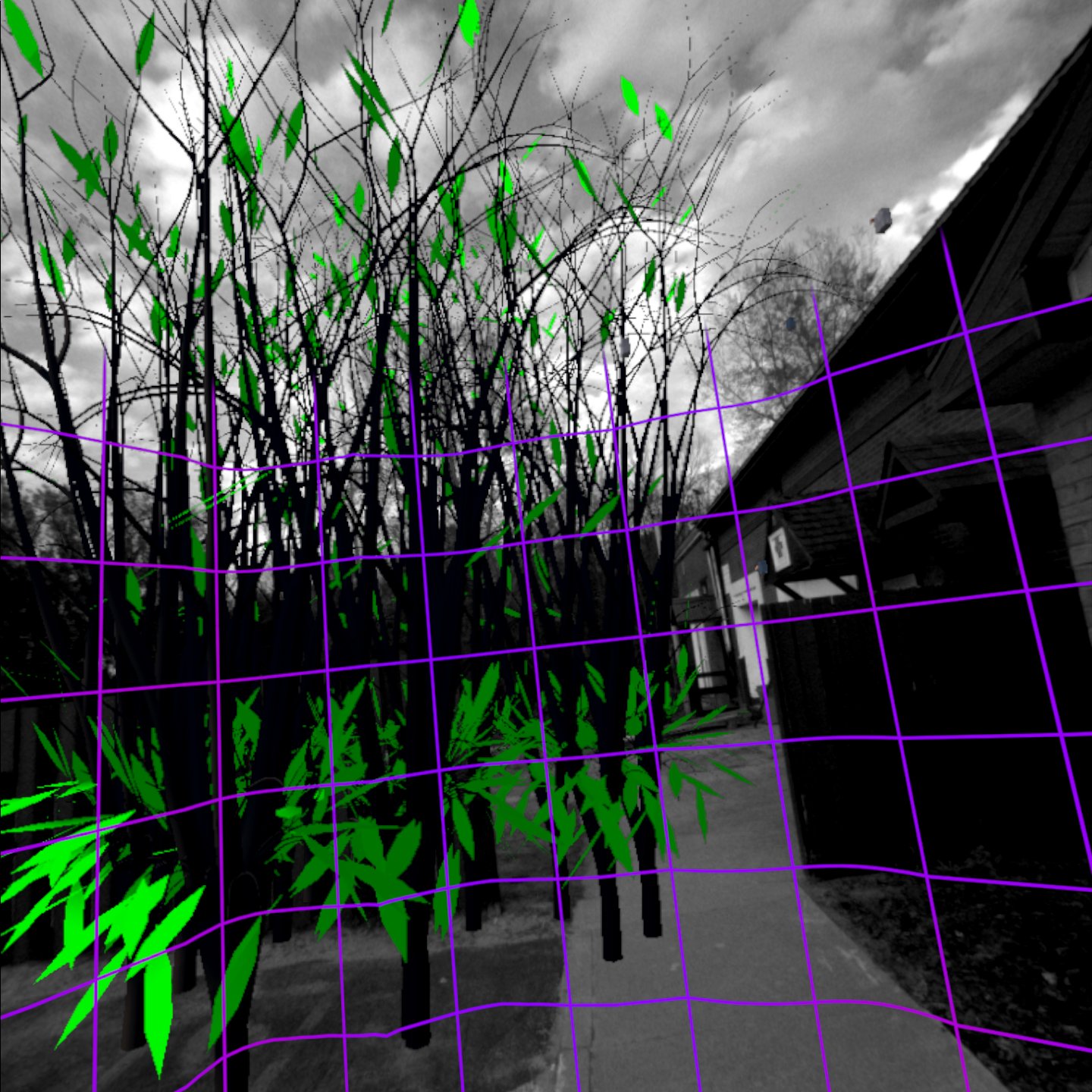
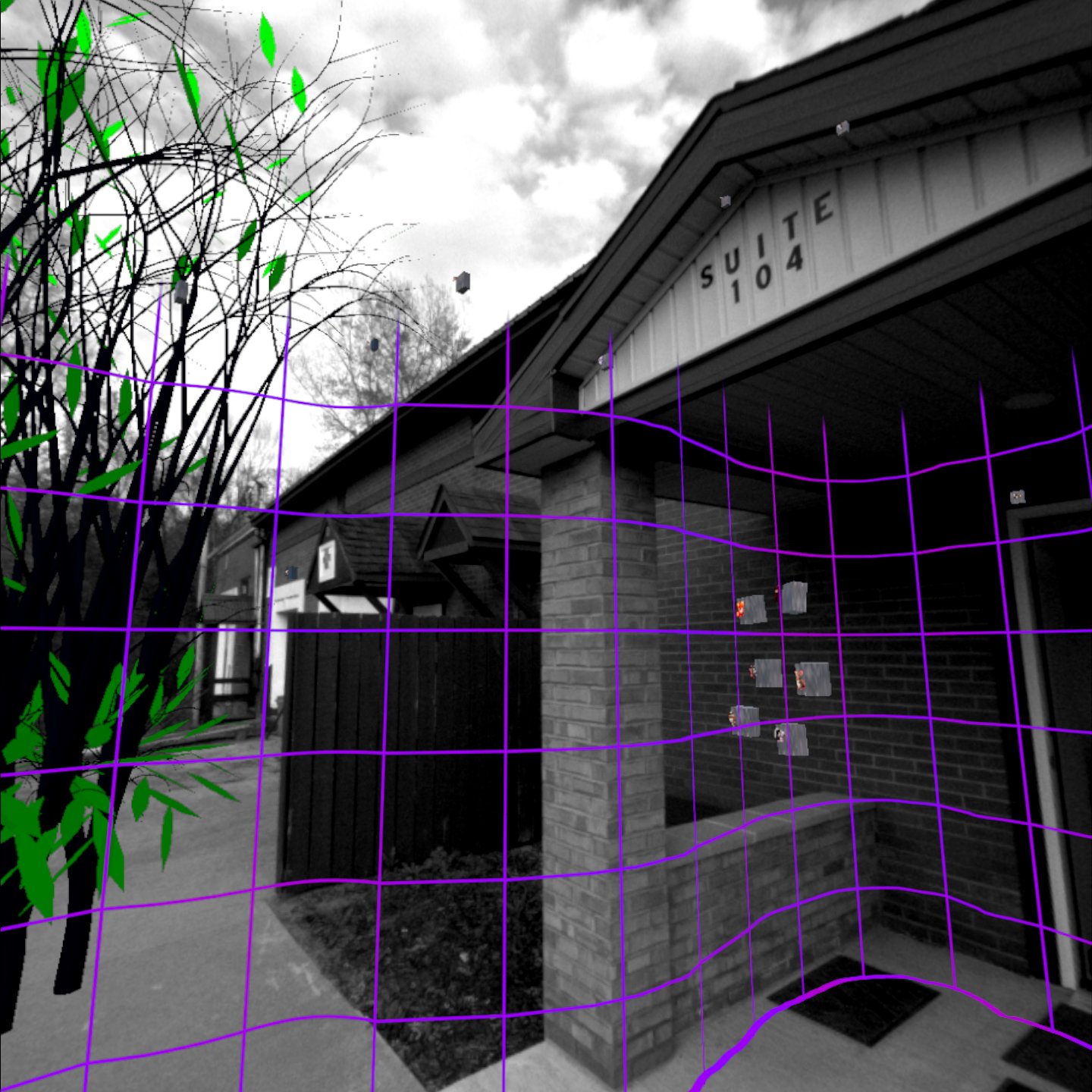
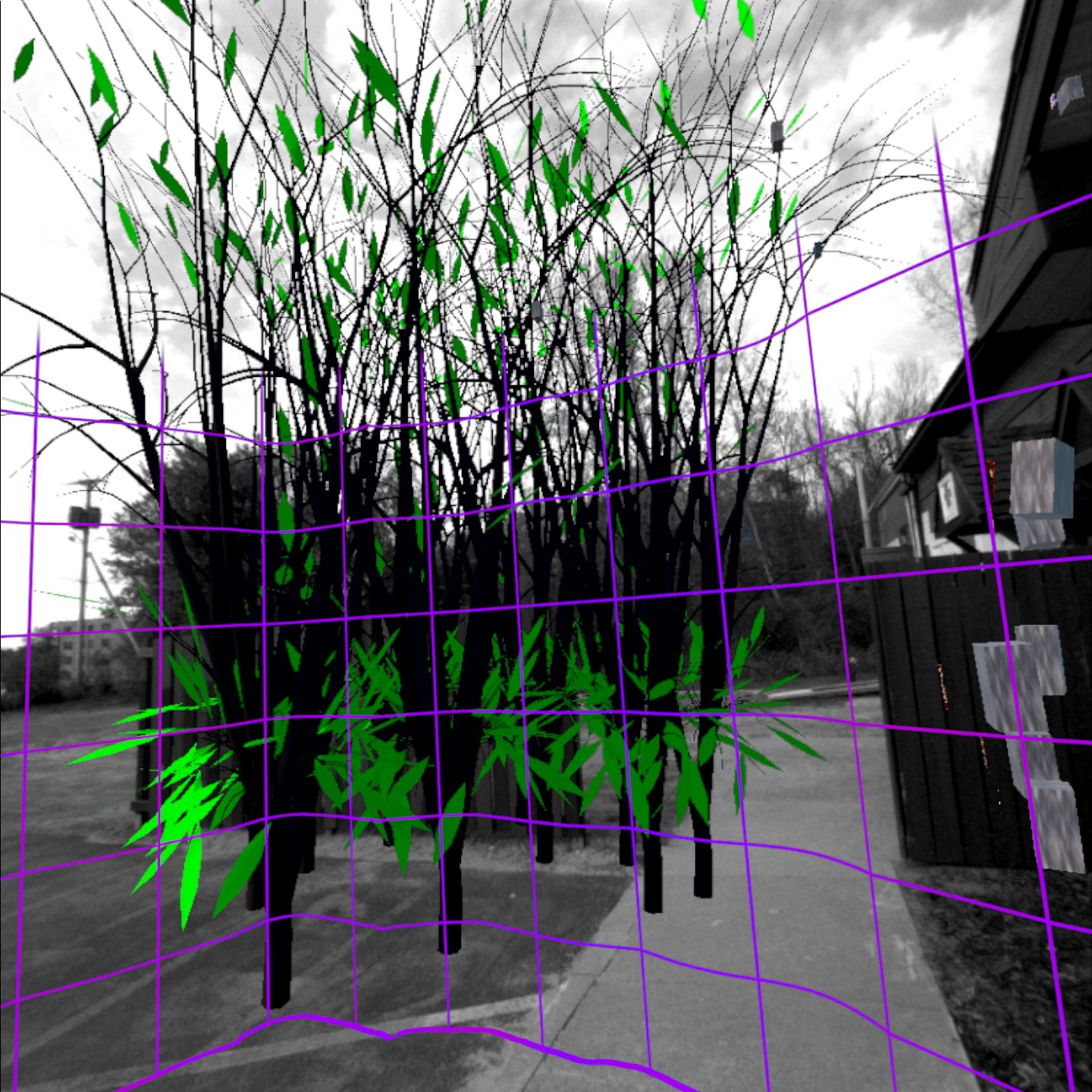
Kanien’kéha ( Mohawk Language ) in my parking space at the office, on Meta Quest Pro in MoniGarr’s Office
-
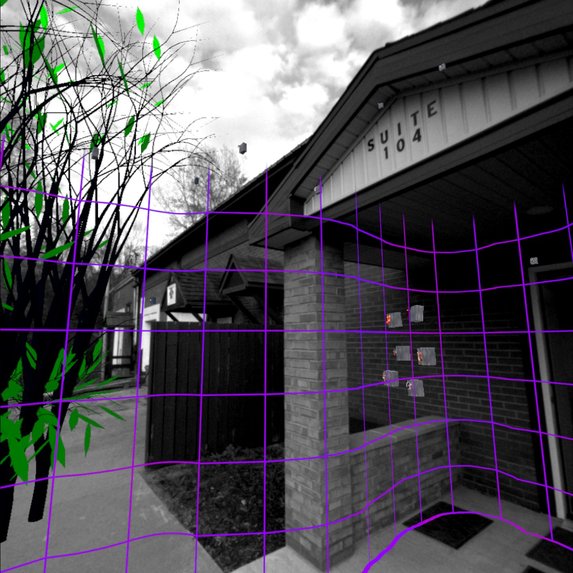
Kanien’kéha ( Mohawk Language ) in my parking space at the office, on Meta Quest Pro in MoniGarr’s Office
-
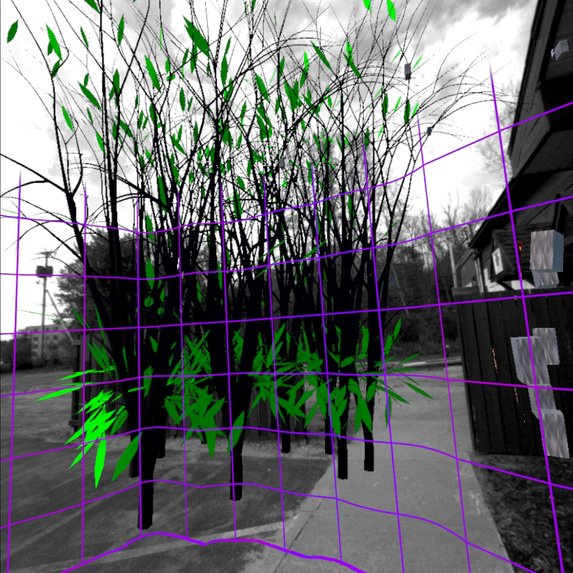
Kanien’kéha ( Mohawk Language ) in my parking space at work, on Meta Quest Pro in MoniGarr’s Office
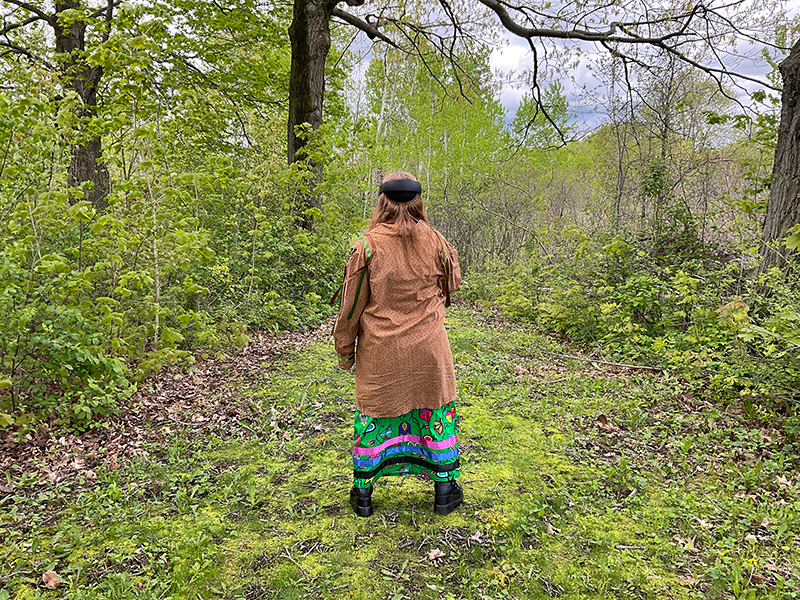
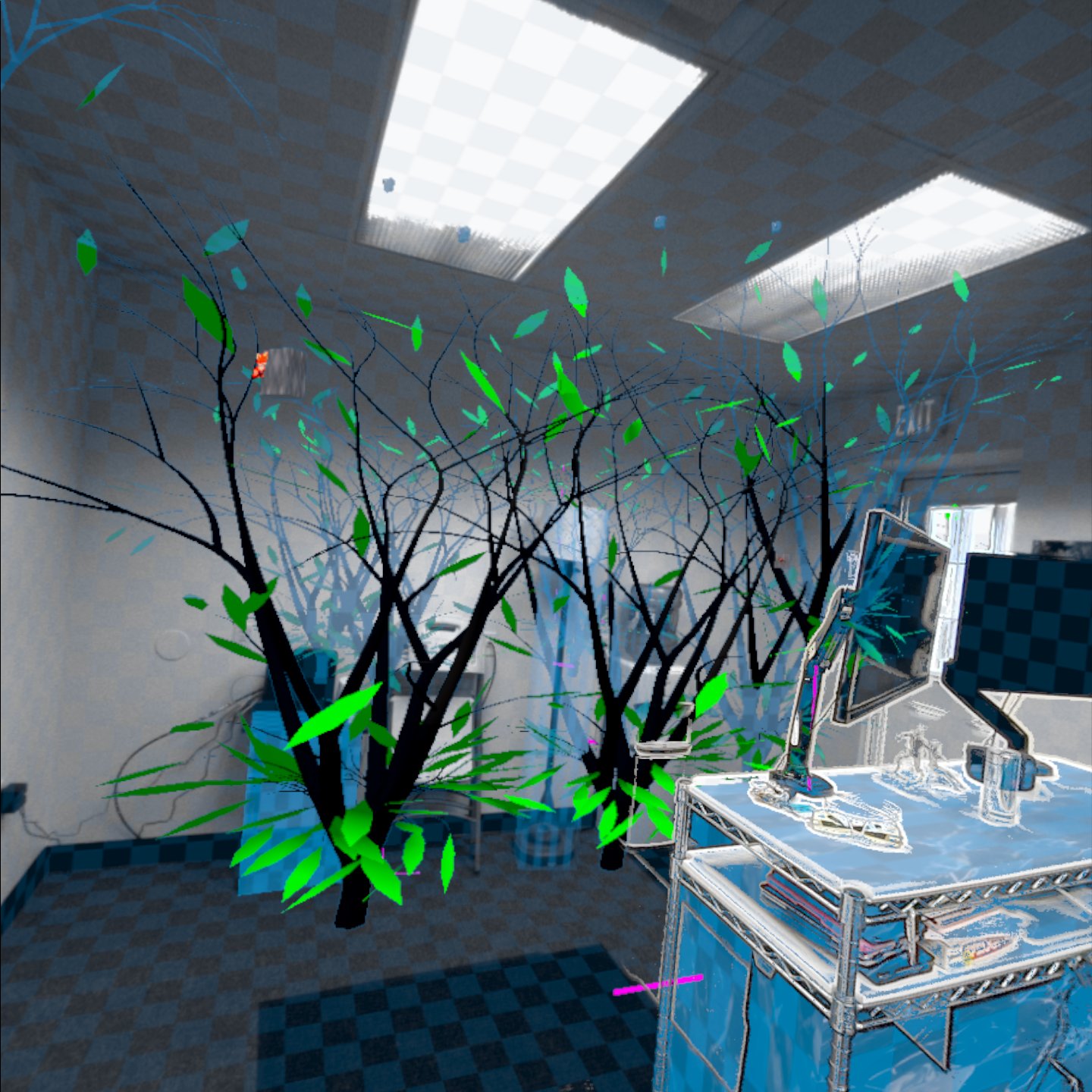
Inspiration:
MoniGarr (founder of MoniGarr.com LLC and MohawkLanguage.ca) is dedicated to reviving and retaining Kanien'kéha dialects, empowering speakers and learners to confidently speak Kanien’kéha in public spaces. MoniGarr is from and based in the Akwesasne Indian Reservation with a few office locations in North America.
MoniGarr's work is heavily influenced by Akwesasneron, Onkwehonwehneha, their relatives, friends that endured, survived and did not survive the many genocidal systems including the Mush Hole, Day Schools, Work Camps, Indian Residential Schools and more.
Hearing, seeing and speaking Kanien’kéha dialects today, even after so many linguicide attempts continue today is a life long passion and full time work for many Onkwehonwe / Kanien'kehake / St. Regis Indians / Mohawk People, including MoniGarr.
"Kanien’kéha" denotes the language, while "Kanien’kéhake" refers to the people. "Akwesasne" specifically denotes the Akwesasne Indian Reservation, spanning New York, USA, as well as Ontario and Quebec, Canada.
Functionality:
Mohawk Language for the Meta Quest offers topic-focused cubes with visual cues:
- Distance Hand Grab, Touch and Hold each Cube to hear Kanien’kéha Audio
- Listen to the Kanien’kéha sounds.
- Repeat the Kanien’kéha sounds using your voice.
Development Tools:
MoniGarr developed the Mohawk Language mixed reality experience using Unity Game Engine, Unity Meta Quest Presence Platform SDKs, Building Blocks, Unity Muse AI, Unity Muse Sprite, Unity Muse Texture and wrote custom C# scripts for the audio interactions. MoniGarr also used a Meta Quest Pro Device and the Meta Quest Developer Hub to produce this experience. Fluent Kanien'keha speakers in Akwesasne, Kahnawake, Wahta, Tyendinaga and Six Nations also provided feedback and advice regarding the Kanien'keha pronunciations. MoniGarr used Audacity software with a Yeti microphone to produce the audio.
Challenges:
Challenge 1
Balancing project work with daily work, family, business and life responsibilities. As much as I want to produce this experience with UnReal Engine, I actually opted for Unity over Unreal Engine due to having more experience with Unity and finding more support for Meta Quest Presence Platform SDKs with the Unity Game Engine within the time frame available to me with my busy schedule.
Challenge 2
My hand controllers are not holding a charge for longer than about 10 minutes so I put more focus on DistanceHandGrab gestures. I want to add new user interface interactions with poke gestures to help with learning how to form more complete communication concepts that require knowledge of Kanien'keha pronouns, adjectives, verbs with the polysynthetic world view.
Challenge 3
Keeping English out of this immersive environment is not a challenge for development & production: it is a challenge for people that are not fluent Kanien'keha speakers or coming from English as a first language world view or have never experienced communicating with a polysynthetic language.
Challenge 4
We have alot of rain and thunder clouds here at this time of year. It was challenging to shoot video showing a fun joyful Kanien’kéha immersion experience outdoors ( a huge reason I created this! ) with off and on raining and cloudy dark skies.
Challenge 5
Practicing the pronunciation with Kanien’kéha speakers that each speak a different dialect is always a challenge because each one wants their specific pronunciation to be the final version as a way to remove the harm being done by the erasure of each Kanien'keha dialect. Then getting everyone to agree about why I have to choose the Akwesasne dialect can be emotionally draining on everyone because linguicide is extremely painful for everyone. Many are still being punished & pushed out of every industry for speaking and communicating with Kanien’kéha dialects even today. I hope this project can be re-used by teams for each Kanien’kéha dialect (Eastern, Central, Western, Family, Individuals) to maintain their own language immersion mixed reality experiences.
Punishment in the form of belittling, shaming and blaming Kanien’kéhake for the ongoing linguicide, loss of wages, loss of career opportunities and the negative bias towards Kanien’kéha speakers and Kanien’kéhake (the people) is also another painful, tiring and very expensive challenge to navigate for everyone involved in this project.
Many speak Kanien’kéha dialects when we are very young as our first language and are forced to stop speaking as we enter our teen and adult years: it’s an ongoing cycle for many generations and I hope my work helps to stop that painful cycle for our young first language Kanien’kéha speakers today and well into the future.
I hope one day it will no longer be a ’fantasy’ or ’imagination’ to produce stories, software and solutions where entire groups, teams and communities of Kanien’kéhake can speak Kanien’kéha dialects in North America if we wish to (without any punishment, pain, blame nor losses for making that choice).
A whole team of Kanien’kéhake Astronauts speaking Kanien’kéha is one of my ’creative’ projects for now, with hope that one day such 'fantasies' will be known reality for many.
Accomplishments:
Successfully managed project alongside my many responsibilities. Found time to enjoy hearing and speaking Kanien’kéha in a forest, in a virtual forest in my Meta Quest Pro.
Lessons Learned:
Found Meta Quest Presence Platform SDKs and the Building Blocks to be efficient and user-friendly with Unity. Passthrough, scene and depth are very useful for making language immersion experiences that are more collaborative with the real world and artificial elements.
Nia:wen!
Thank you to my friends and relatives that made time to hear my Kanien’kéha audio and provide me with honest helpful critiques and their own ideas about my work. Nia:wen to the alpha testers that made time test this experience and provided me with thoughtful feedback. I know it sucks when your own community or family Kanien’kéha dialect is not being heard or seen or acknowledged : I will do all I can to assist with Kanien’kéhake, Onkwehonwe with producing their own mixed reality language immersion solutions (just contact me and ask).
Future Plans:
- Introduce new Kanien’kéha content and physics based user interface focused on Pronouns, A-Stems, I-Stems to help with Organically creating Kanien’kéha sentences without memorization.
- Social Gamification Features: Achievements, Leaderboards, Share with friends in same experience
- Voice SDK and wit.ai custom Kanien’kéha audio.
- Host Kanien’kéhake events with exclusive custom 3D items for participants' Oculus Homes.
- Surprise Guest Appearance from Wanik Karakon. Wanik Karakon is a fully rigged 3D character I designed and animate with motion capture for ongoing Kanien’kéha films, animations and social media. She has her own instagram account and films where she promotes and celebrates Kanien’kéha Revival & Retention Efforts.


Log in or sign up for Devpost to join the conversation.