-
-
Systems
-
Asset bundles
-
General view
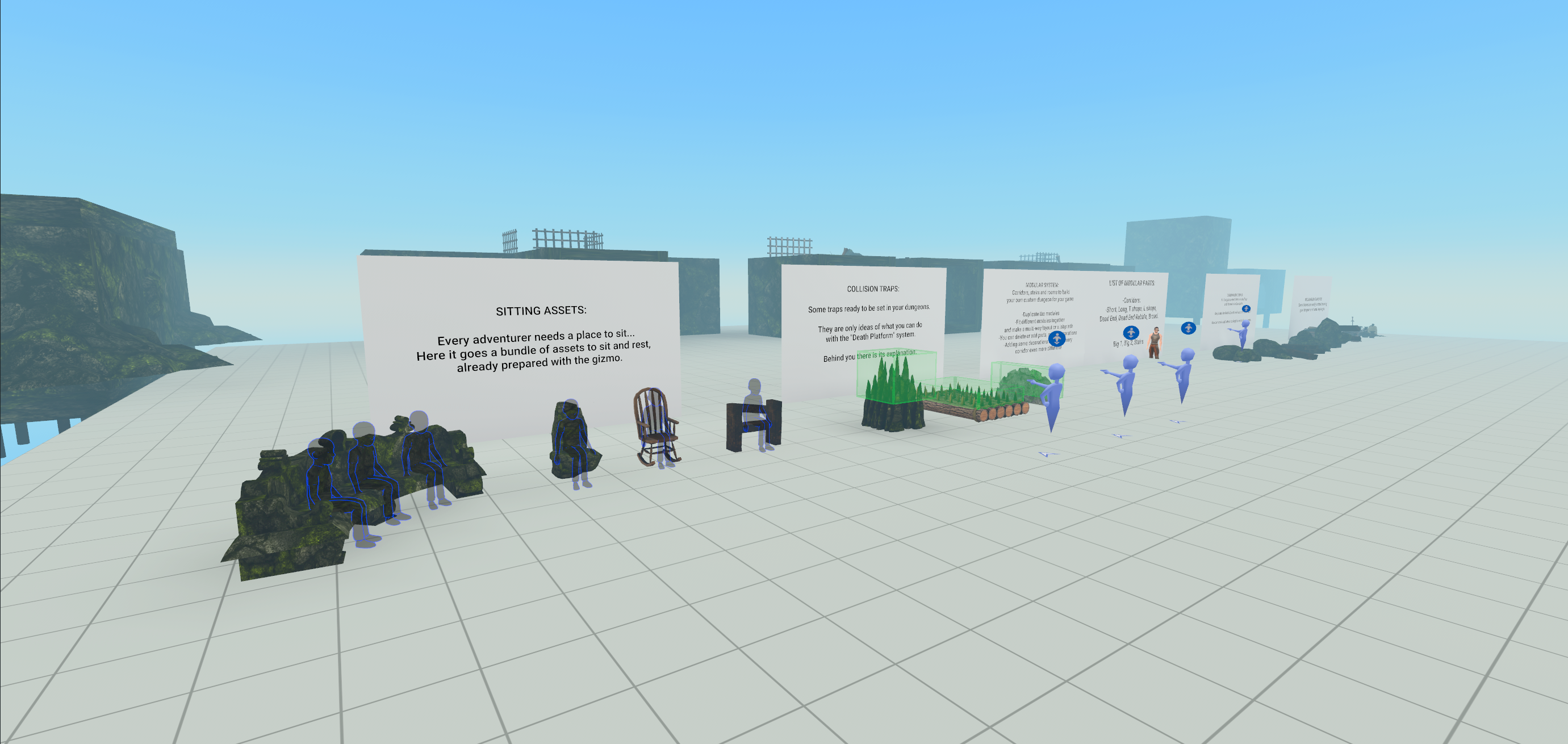
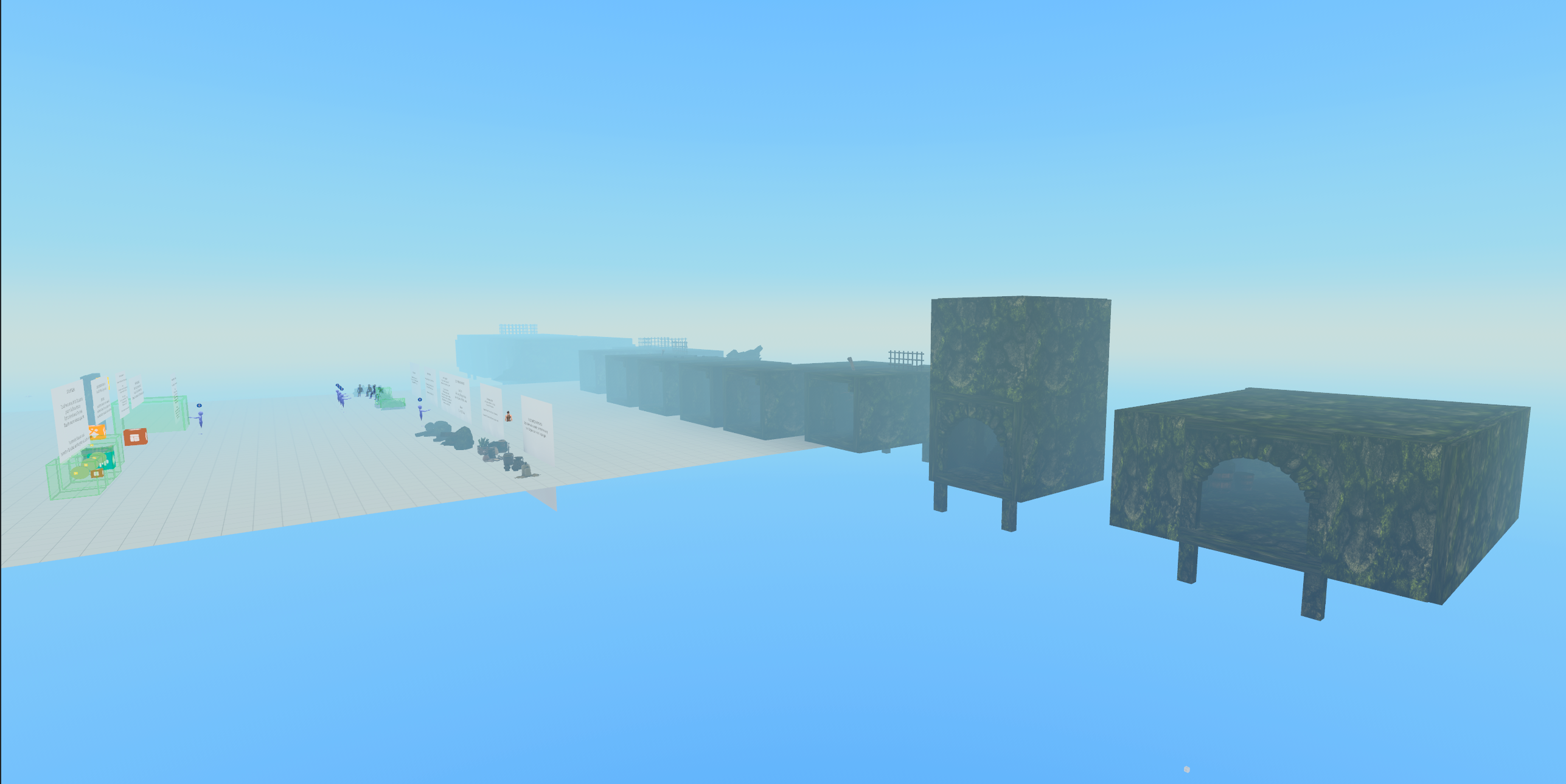
Inspiration
We wanted to compress the gap between a “dungeon idea” and a playable game. New creators often stall on layout, core systems, and clear feedback. Dungeon Forge provides modular pieces and pre-wired mechanics that teach good practices from click one and encourage creativity within productive limits. We drew from classic construction kits, readable block-based level design in parkour/puzzle games, and our own iterations building short, replayable, share-friendly worlds.
What it does
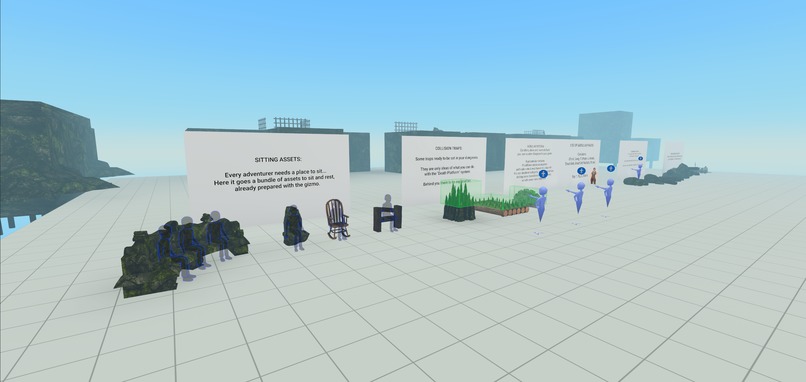
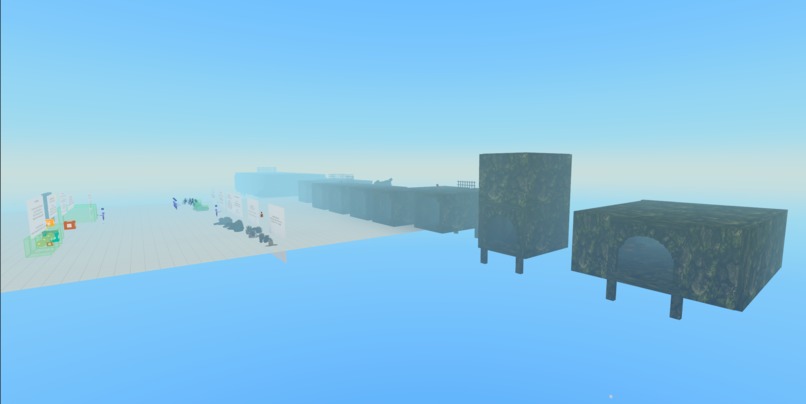
A remixable template for modular dungeon building: combine corridors, rooms, and stairs to create your own layouts. It ships with asset bundles ready to use:
- Decoration: themed props and ambience.
- Traps: configurable catalog and examples.
- Debris: ruins and clutter that bring scenes to life.
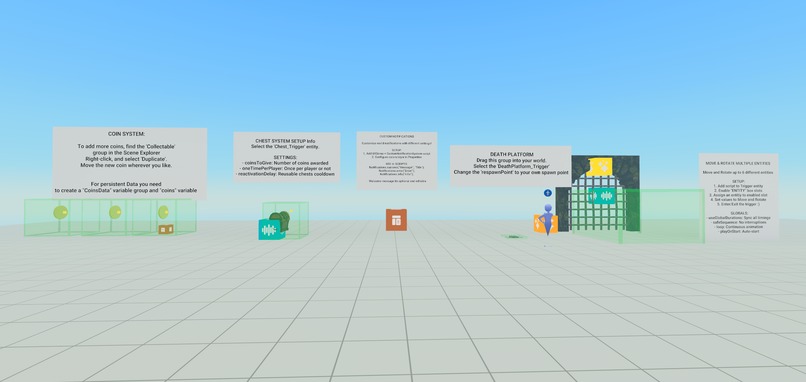
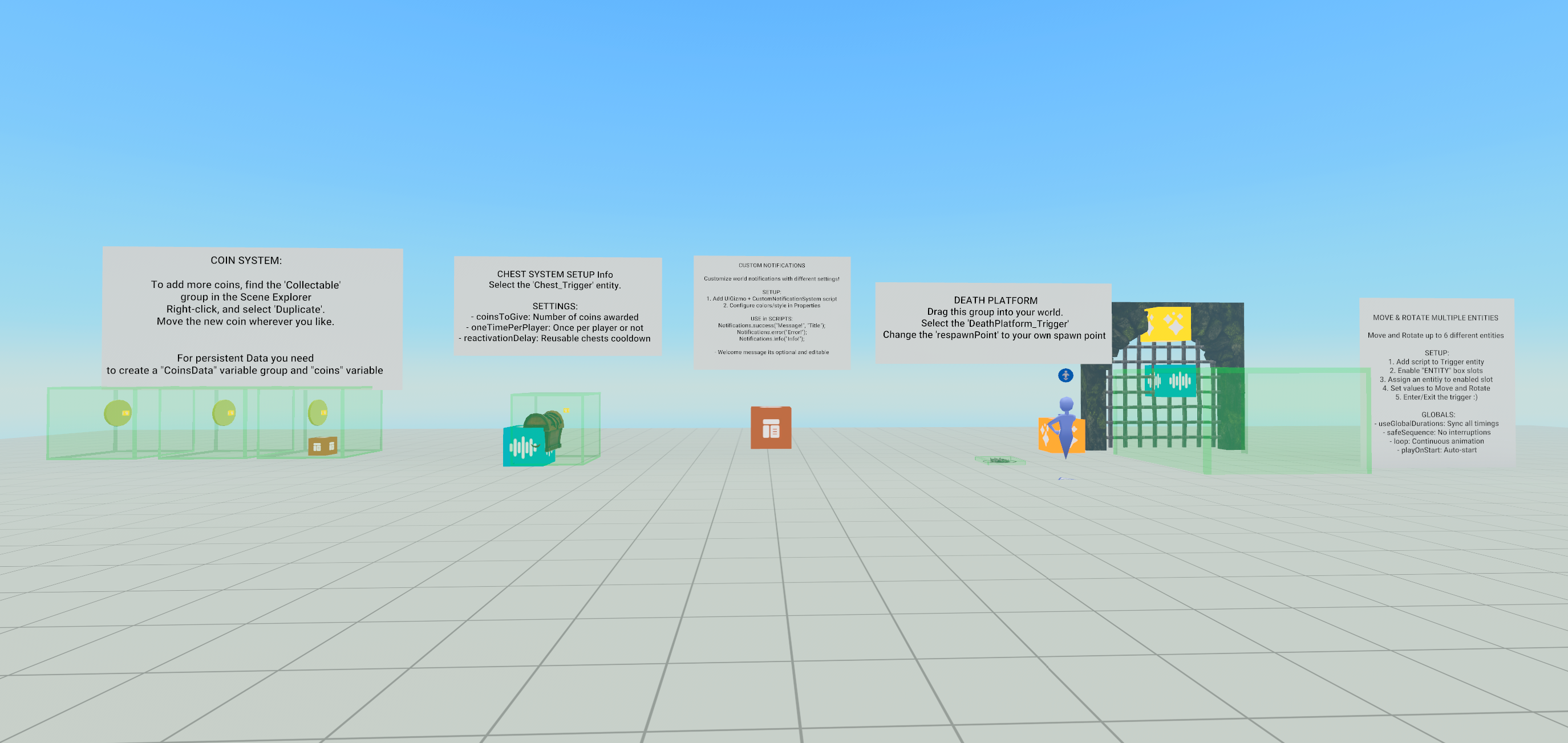
It also includes plug-and-play systems so a novice creator can ship a complete game:
- Coin System (pickup logic, respawning, UI already integrated).
- Chest System (animated chests that grant coins/rewards, also custom respawning).
- Custom Notifications (in-game messages, objectives, alerts).
- Death Platform (falls/damage and configurable respawn location).
- Move & Rotate Multiple Entities (move/rotate any single asset or grouped asset, great for platforms, doors, puzzles).
Everything is modular, documented, and editable so creators can publish their first experience without friction.
How we built it
The template is organized into independent modules (clean prefabs/collections) with minimal dependencies and clear events (enter/exit/trigger). Each system exposes creator-facing parameters (speed, damage, reward, cooldowns, motion paths) and presets to get started in seconds.
- Component-based architecture with signals/events for fast composition.
- Bundles (décor, traps, debris) with tidy hierarchies and consistent naming.
- Performance: everything has been constructed considering the number of polygons, optimized textures, and lighting systems.
- Creator UX: inline comments, tooltips, and first-time setup guides.
Result: drag modules, tweak 2–3 parameters, and you get a functional game loop.
Challenges we ran into
- Flexibility vs. simplicity: too many options overwhelm. We solved this with safe presets and collapsible “advanced” sections.
- Moving complex groups: move/rotate multiple entities easily. Everything has been organized in a clear and simple hierarchy.
- Clarity for beginners: we added texts with basic instructions/tutorial.
Accomplishments that we’re proud of
- A cohesive modular kit that yields fun layouts in minutes.
- Five turnkey systems: Coin, Chest (animated), Custom Notifications, Death Platform, Move & Rotate.
- A configurable trap catalog with safe defaults.
- Inline guidance and consistent naming to teach best practices.
- Utilitarian art ready to use and also to inspire the creators.
- A clear hierarchy that is easy to understand at first sight.
What we learned
Building Dungeon Forge taught us to design from a novice creator’s point of view: someone with big ideas, scarce resources, and no full-game mental model yet. Progress feels best when you can drag a module, tweak two values, press play, and get a real win state within minutes. That empathy now guides our choices: opinionated templates that start simple, scale gracefully, and teach good practices by doing.
What’s next
We’ll evolve the template with the community. Depending on how creators use it, we’ll provide hands-on help to anyone remixing it and proactively add capabilities when needs emerge or are requested. If you remix it and hit a limitation, tell us, we’ll either show you how to achieve it or fold the solution back into the template so everyone benefits.
Feature List
- Modular building: corridors, rooms, stairs (snap & align).
- Asset bundles: Décor, Traps, Debris.
- Systems: Coin, Chest (animated), Custom Notifications, Death Platform, Move & Rotate Multiple Entities.
- Creator-friendly defaults, presets, and inline tutorials.
Ready to remix and publish your own dungeon? Open the template → https://horizon.meta.com/world/721294981071275/?hwsh=OCCvuuNLuK
Built With
- horizon
- typescript


Log in or sign up for Devpost to join the conversation.