-
-
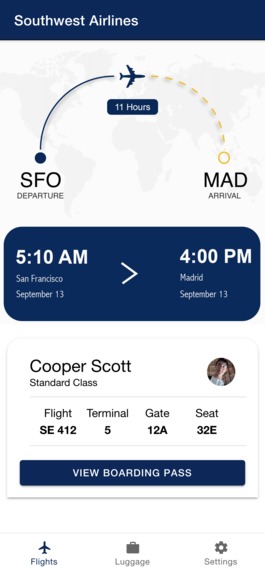
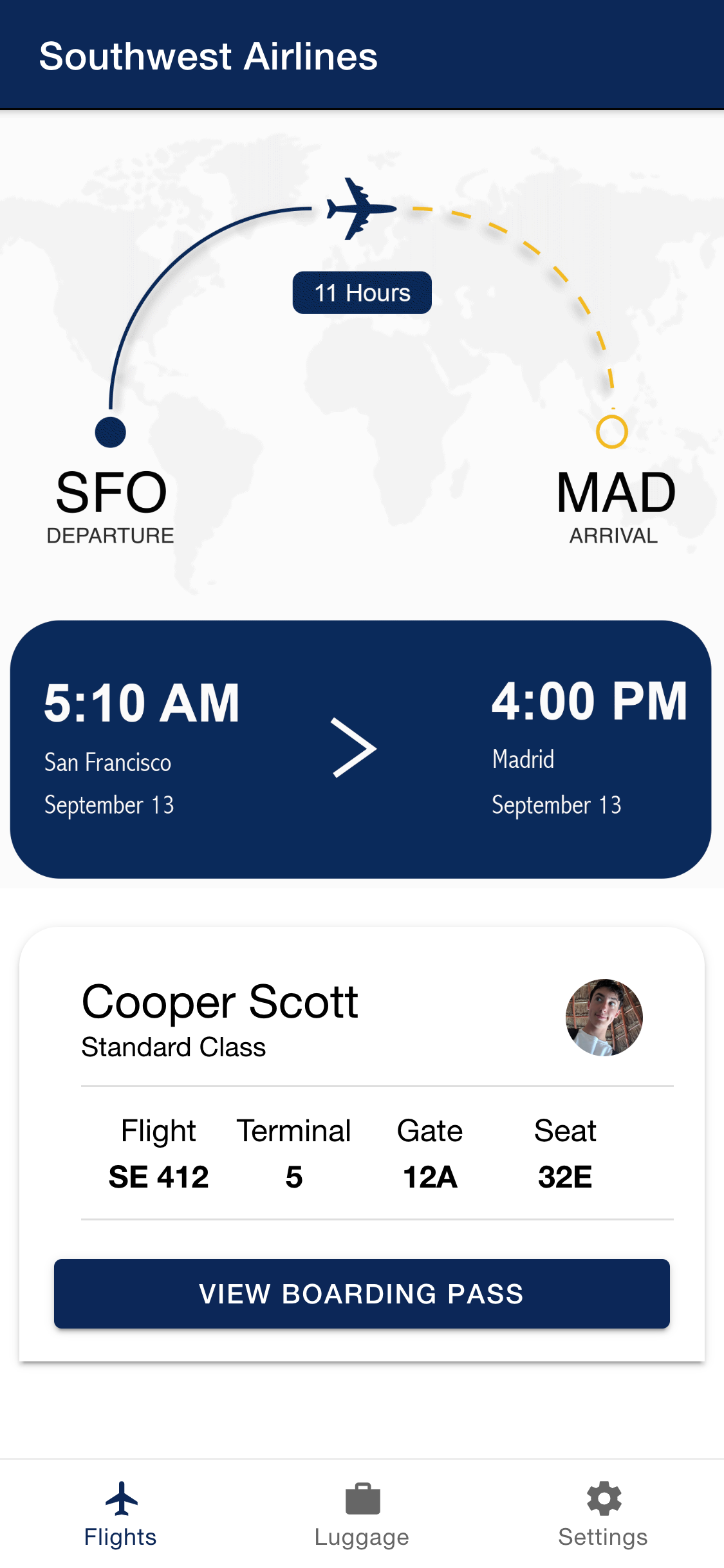
Home Screen
-
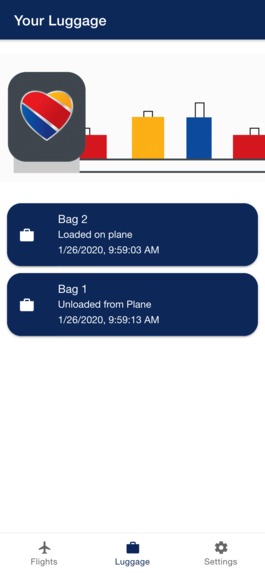
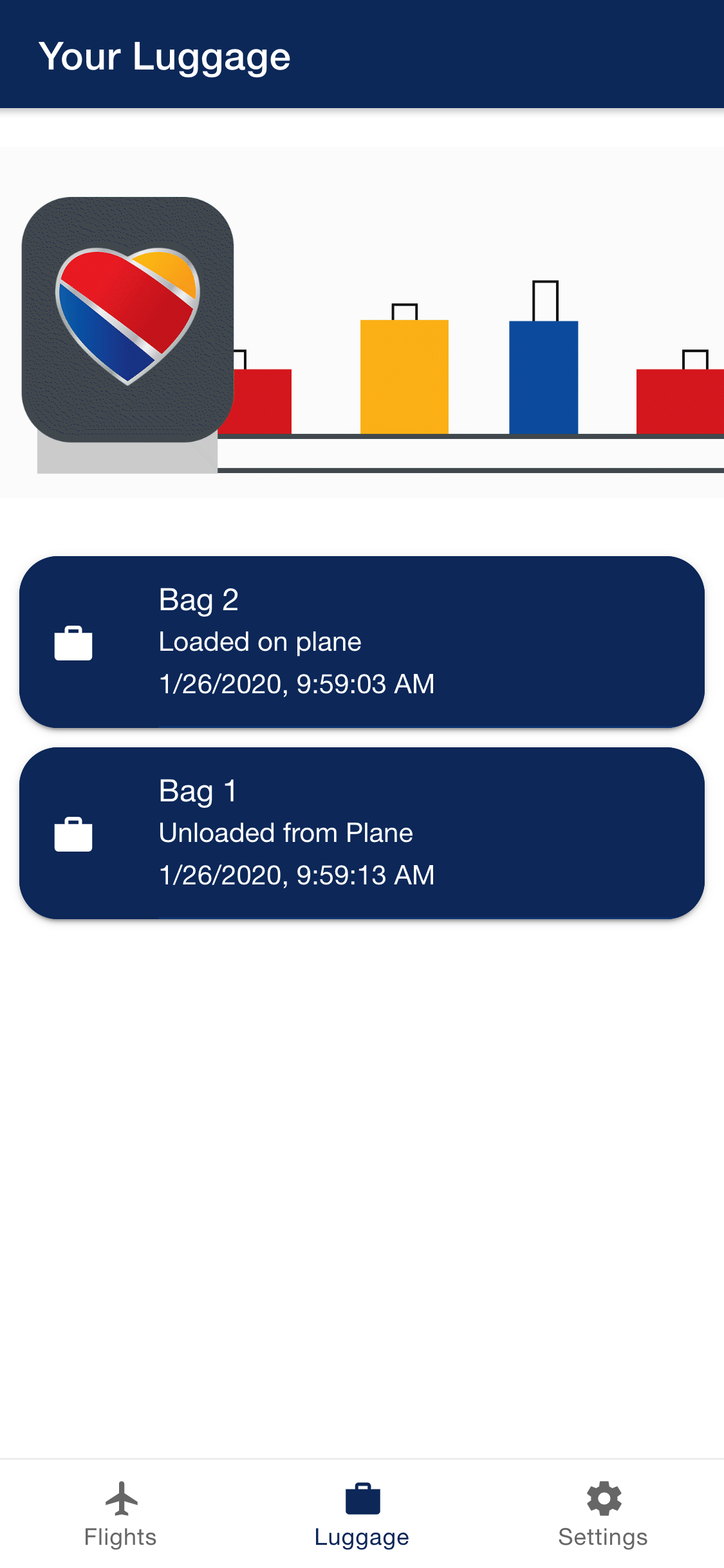
Luggage Status
-
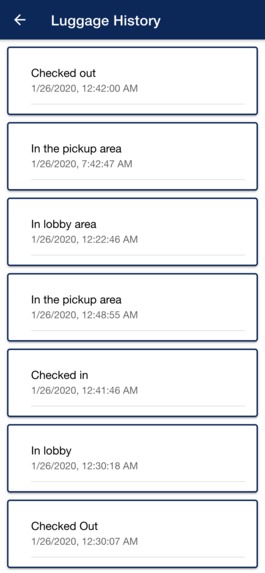
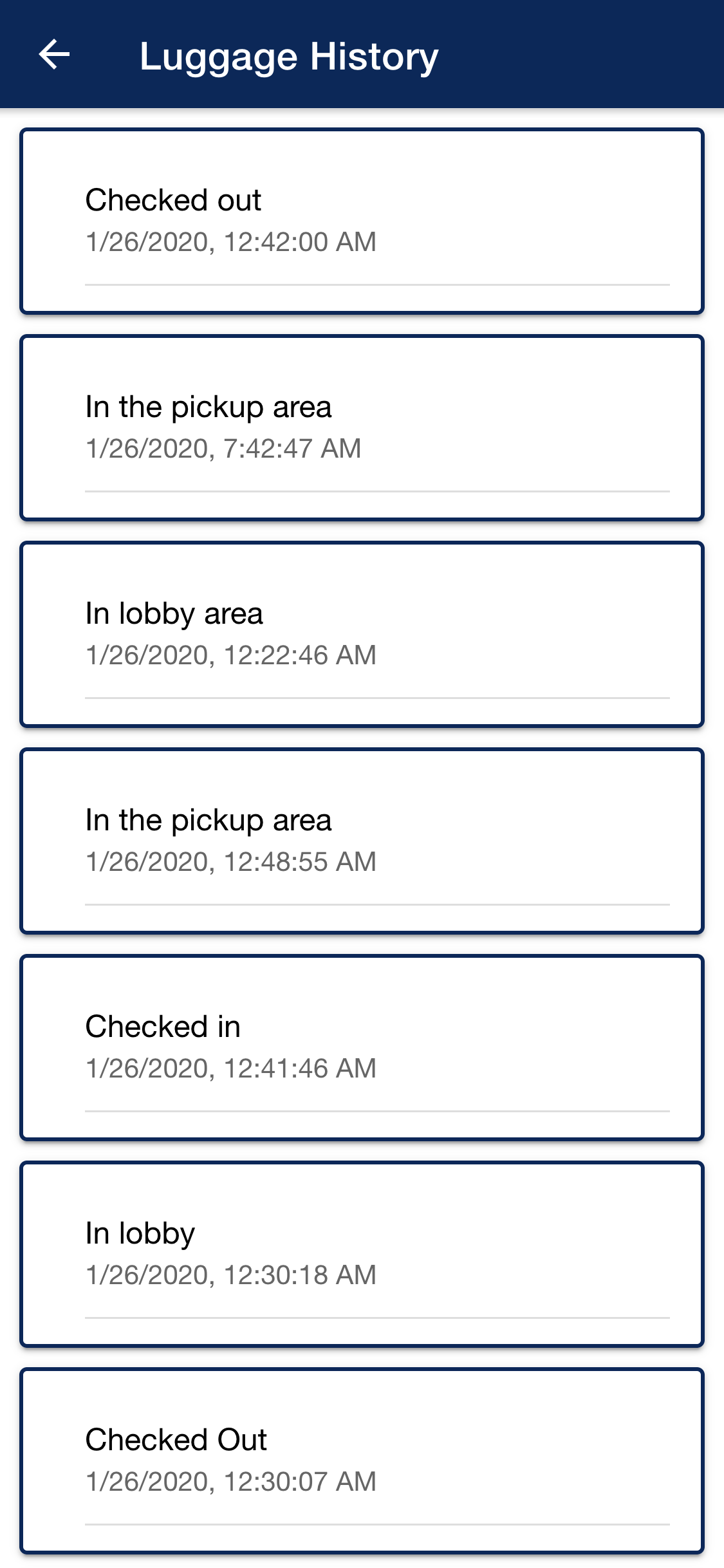
Luggage History
-
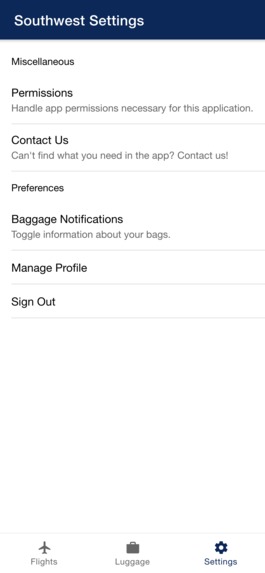
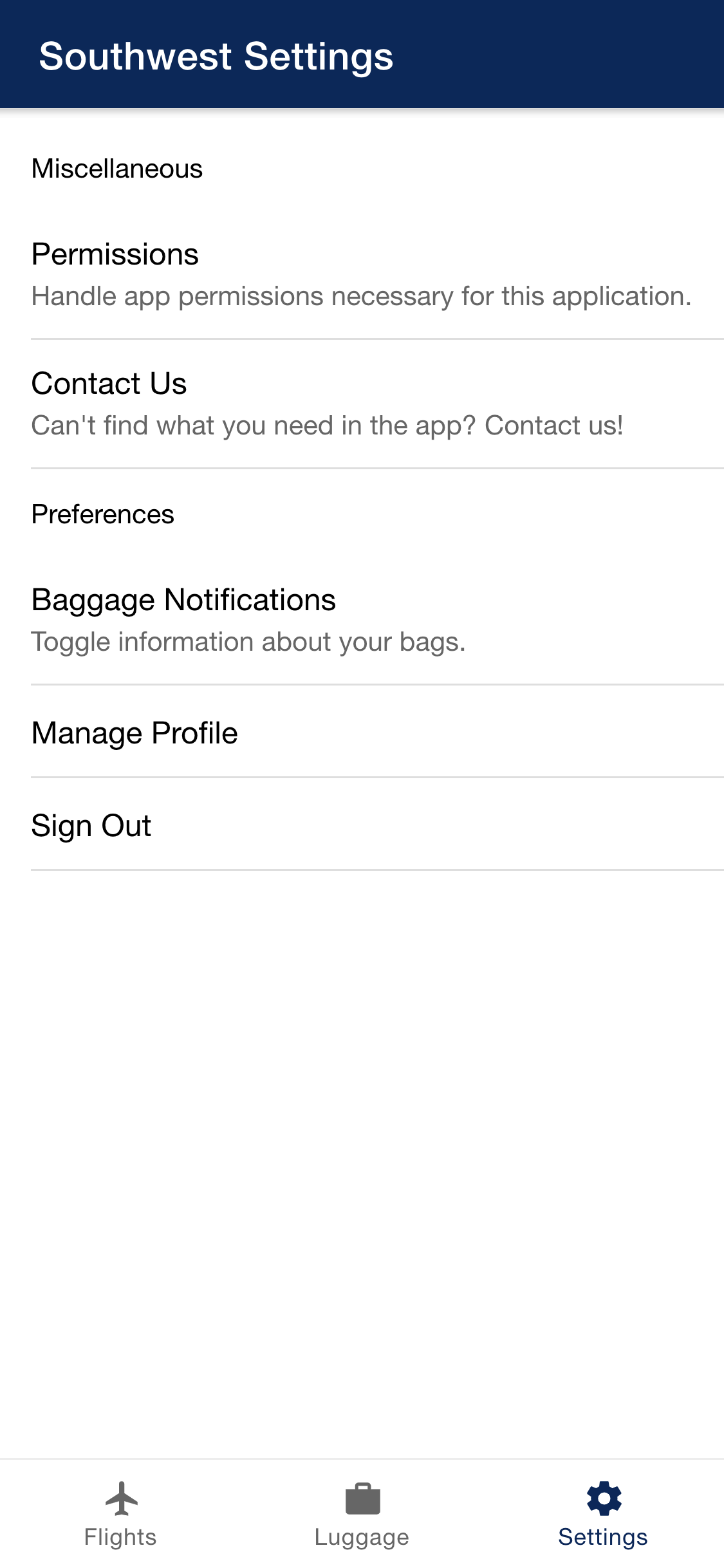
Settings
Inspiration
The airport process can be tiring and stressful, especially for unexperienced flyers. Not only do you have to go through multiple security checkpoints but you're left worrying about your bags and belongings while simultaneously stressing over where your valuable luggage is located and if something has happened to it or not. While airports already have systems to track luggage and flights of users, we designed our application to directly focus on the customer - implementing a unique hardware aspect of RFID reader technology, a clean modern designed mobile application, and an in-depth backend service to put customer worries at rest.
What it does
Our application utilizes a prospective new technology already used by some airlines called NFC. Were our project implemented in a real airport, RFID tags would be attached to baggage at a low cost of mass-production. The application utilizes native-based Ionic RFID reader technology to scan your baggage tag and report to the flyer the status, location, and time of boarding so that any worries can be put to rest in real-time. This unique technology, paired with a variety of other quality-of-life features, provides the user with a well developed and clean user experience with a more modern approach; improving the pre-existing Southwest application in many aspects.
How I built it
Using the Ionic Framework, we developed this application using 4 different languages: HTML, CSS, Typescript, and Javascript. The Ionic Framework is built on top of Cordova; allowing us to develop cross-platform mobile applications, including Progressive Web Applications and IOS/Android/Windows mobile applications.
To help assist the development process, we made a secondary mobile app. This app does 1 purpose: Scan and upload NFC data to the server. This is our way of simulating devices scanning RFID tags on luggage bags and uploading them to the database. This was written using Swift, Storyboards, and Core-NFC.
Challenges I ran into
Handling Asynchronous and Synchronous function execution in one solution, Syncing team environments for collaborative programming. Handling FCM (Firebase Cloud Messaging) tokens appropriately. Optimizing the number of database reads and writes.
Accomplishments that I'm proud of
Using Google Cloud Functions. Developing an instant SMS messaging system via. Twilio integration. Designing a clean & modern user experience + interface. NFC integration and use (Designed with the intent to replace these with RFID Scanners)
What I learned
Taking a cross-platform mobile app from the ground to the sky with a sleek and to-the-point design. Creating custom UI animations. Optimizing database read and write calls.
What's next for Modern Southwest
Future versions of this application would include a large variety of new features. Some of these include more feasible radio technology, integration into pre-existing airport systems, external API support, live-booking, mobile bag-checking, and other potential features given enough time and development.
Built With
- apache
- core-nfc
- cross-platform
- css
- firebase
- firebase-cloud-functions
- google-cloud-messaging
- html
- ionic
- javascript
- scss
- swift
- typescript
- xcode


Log in or sign up for Devpost to join the conversation.