-
-
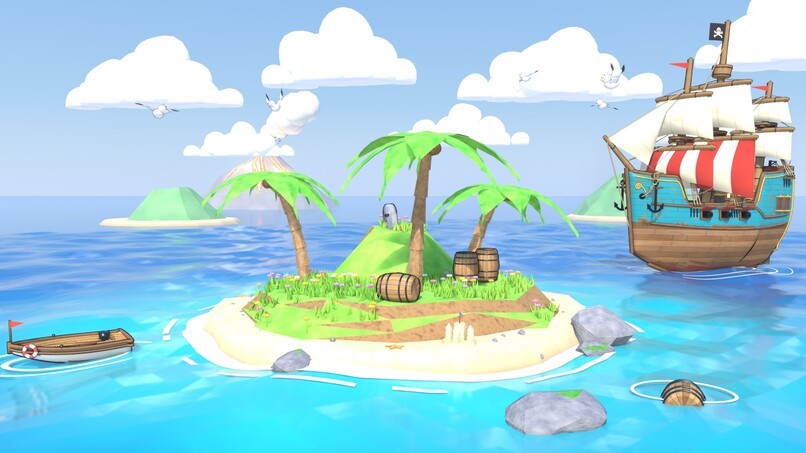
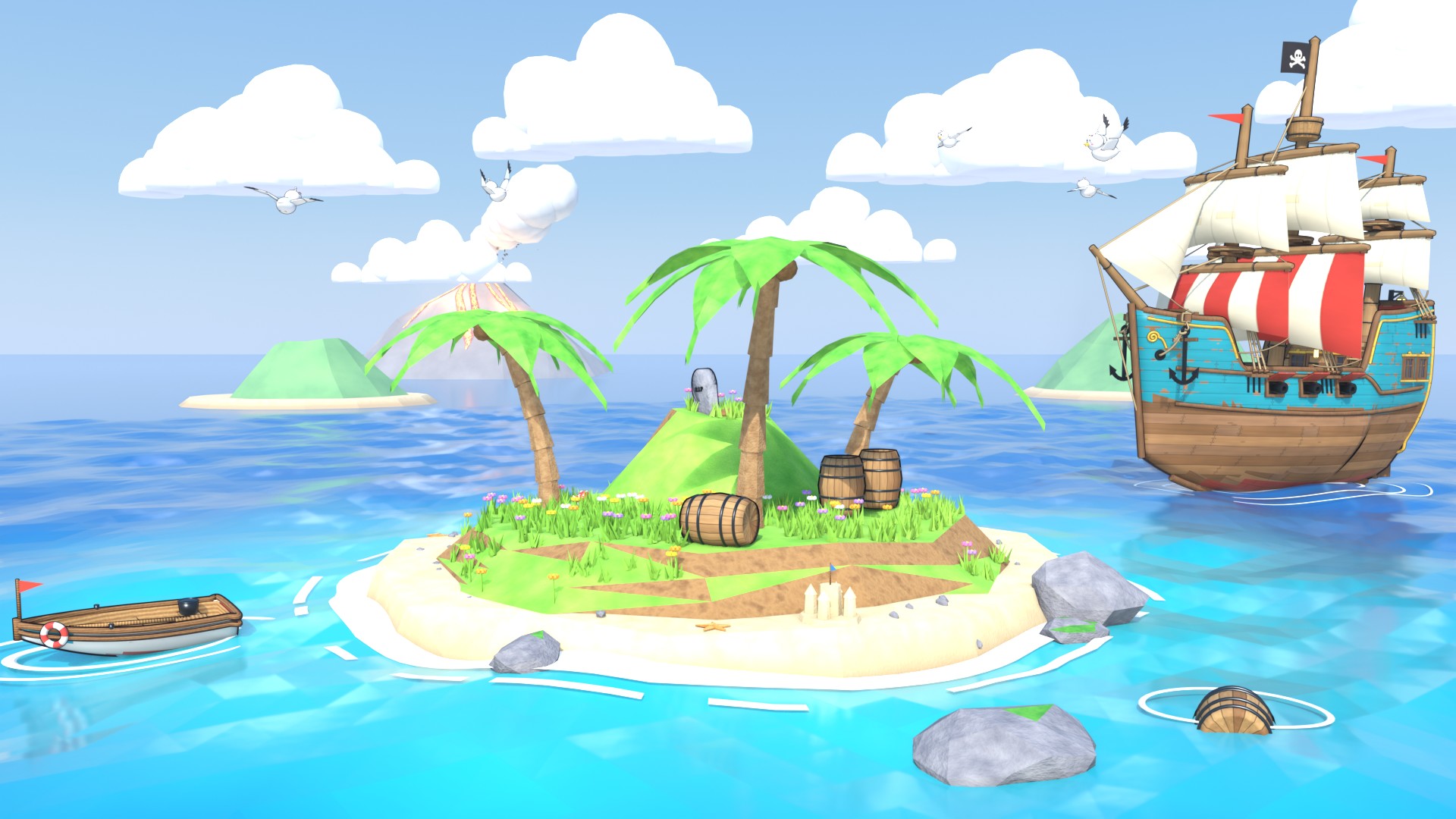
Main Island
-
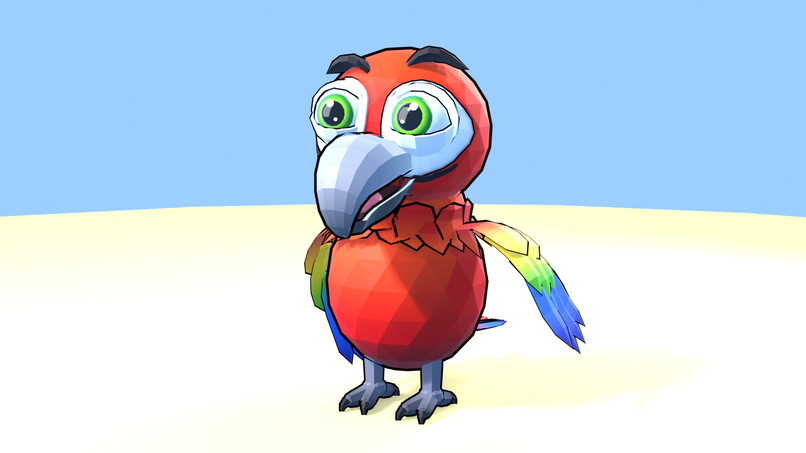
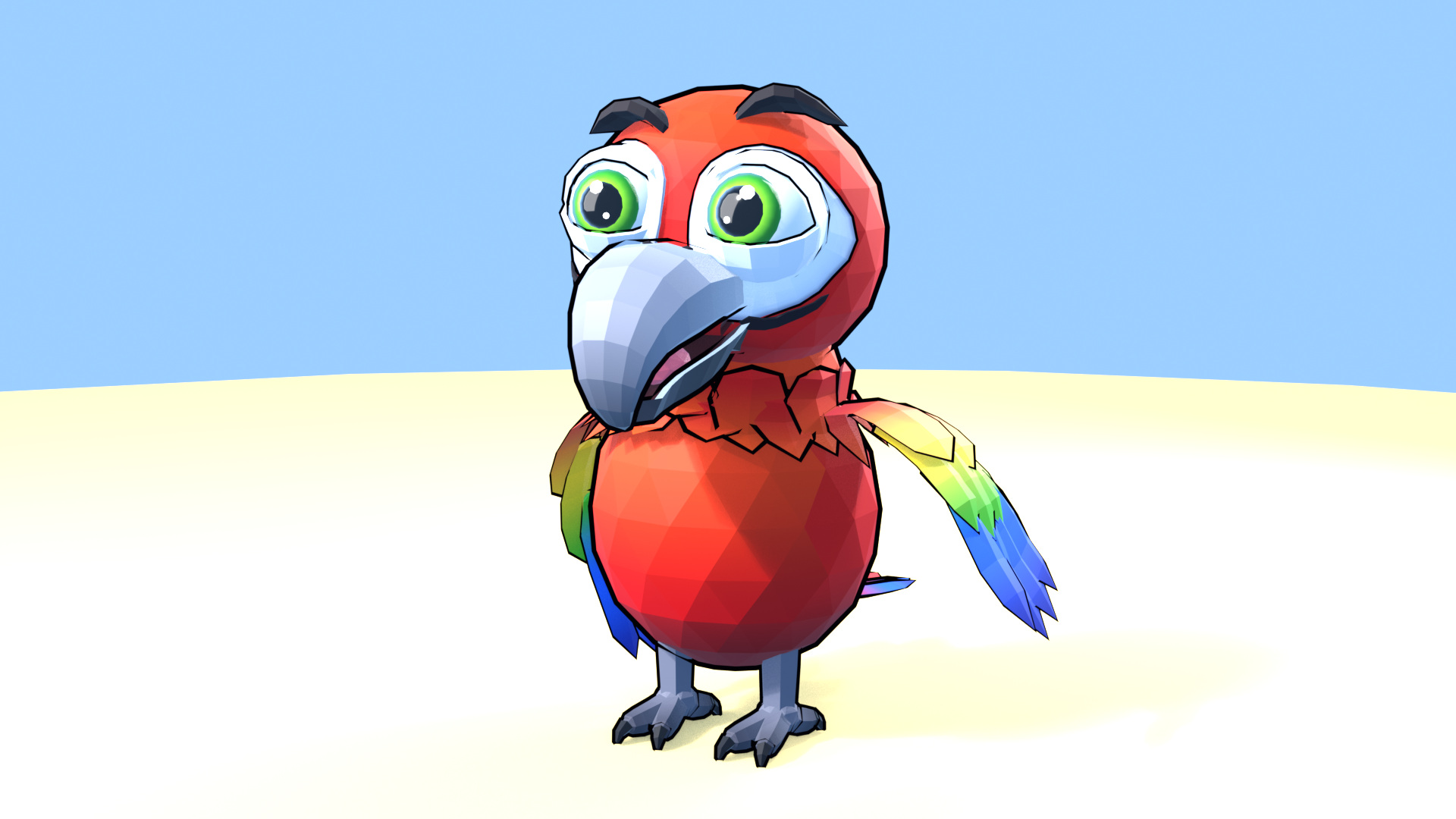
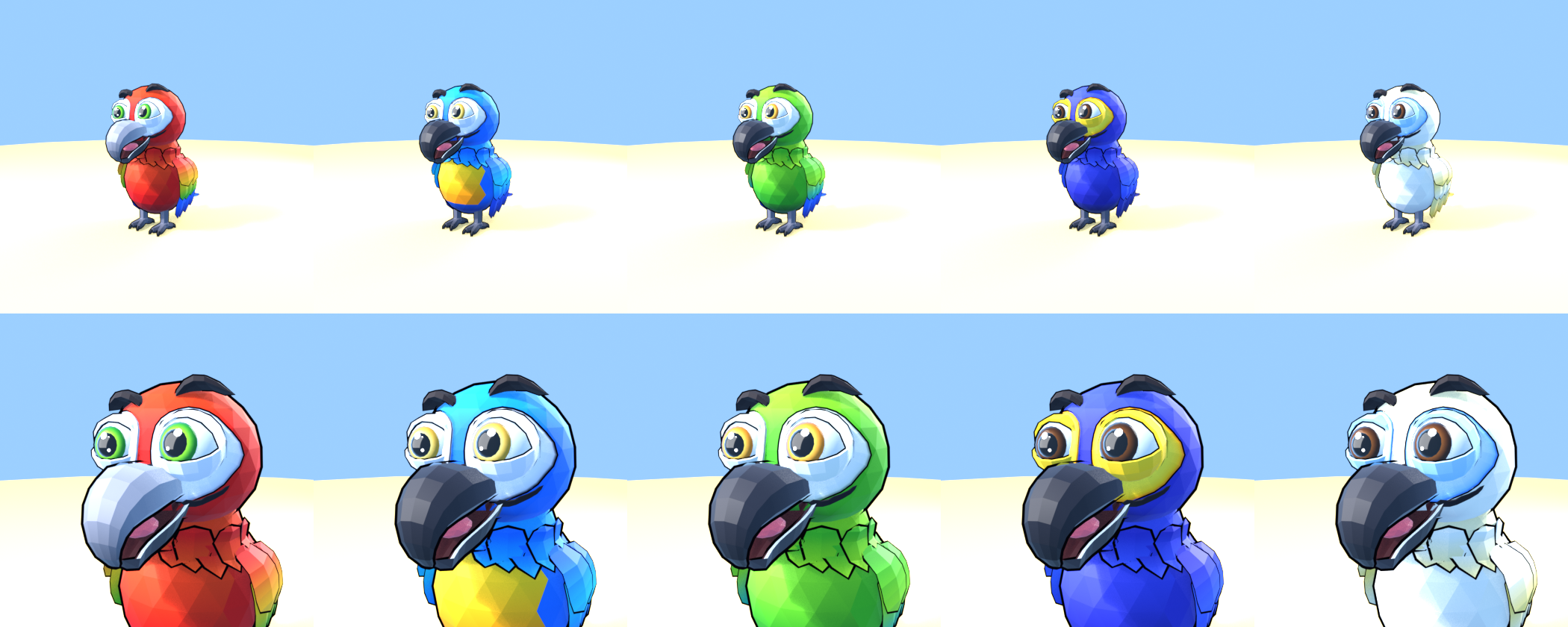
Parrot
-
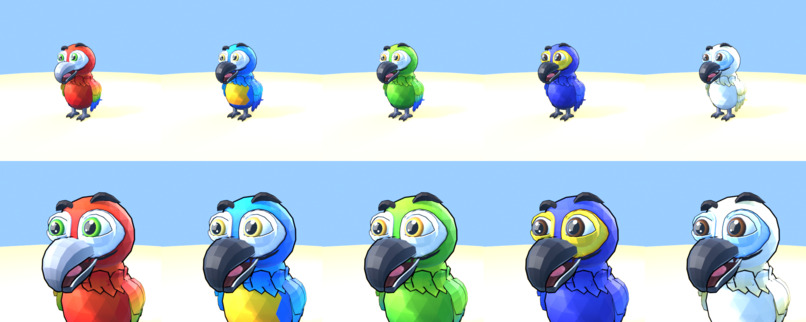
Parrot Squad
-
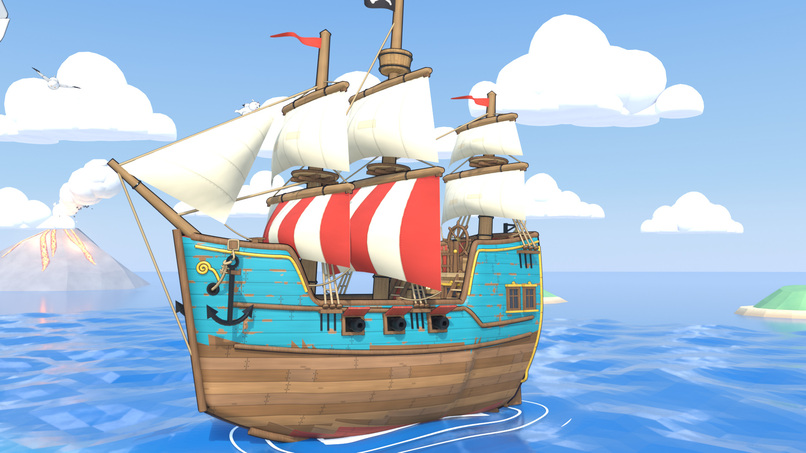
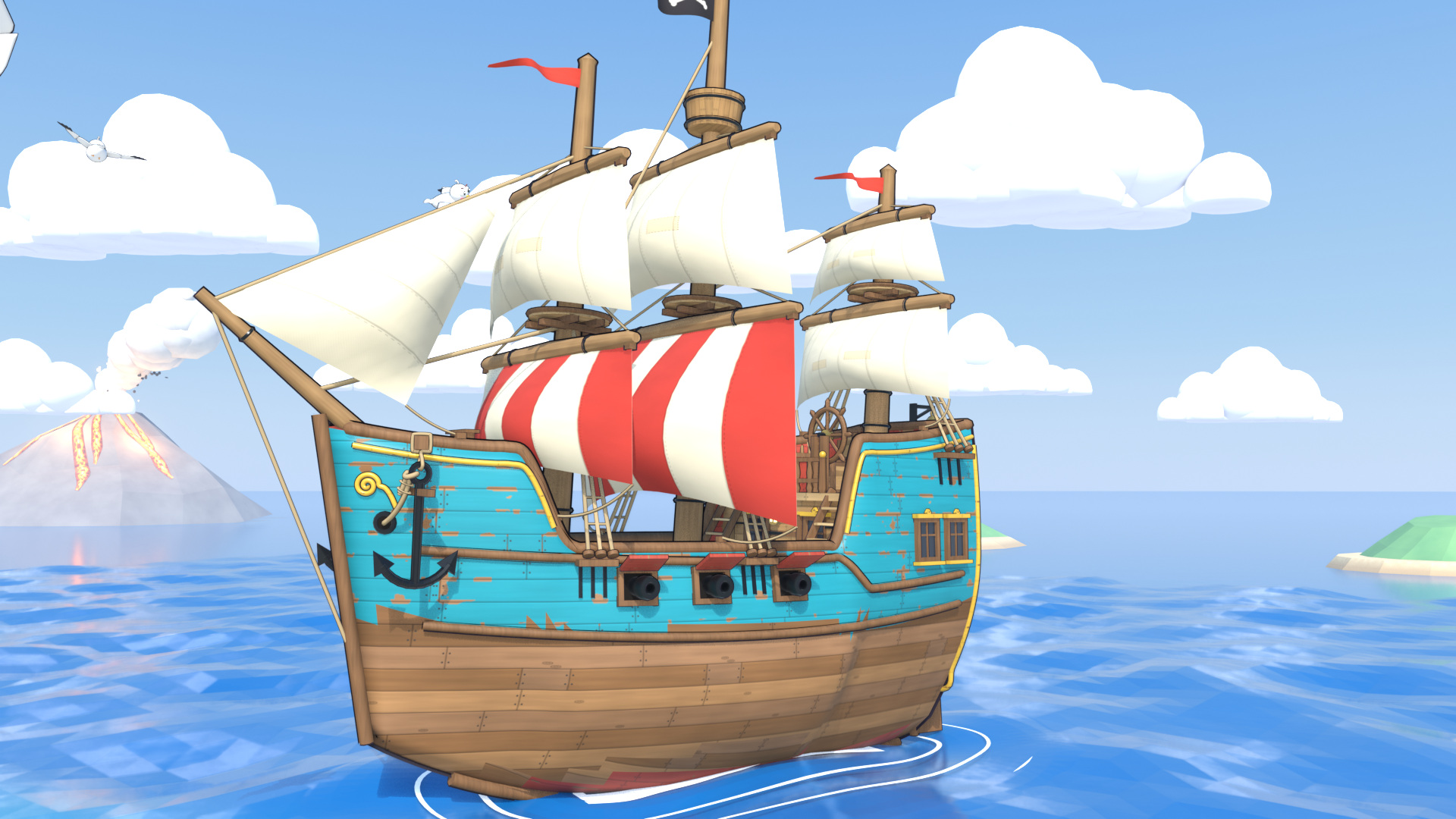
Priate Ship
-
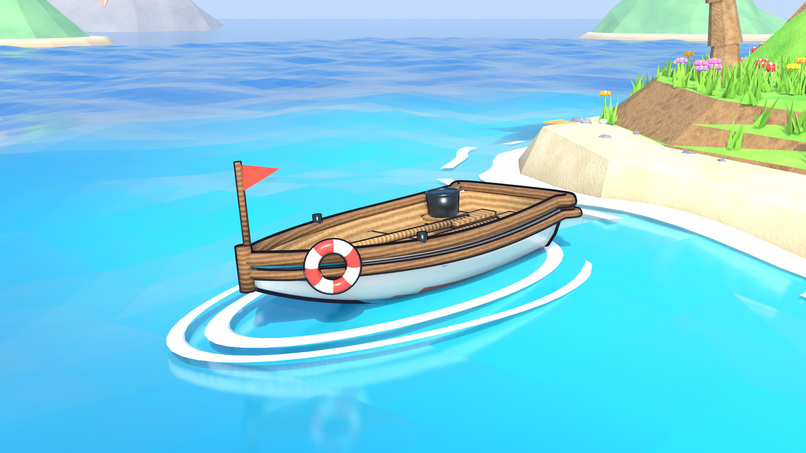
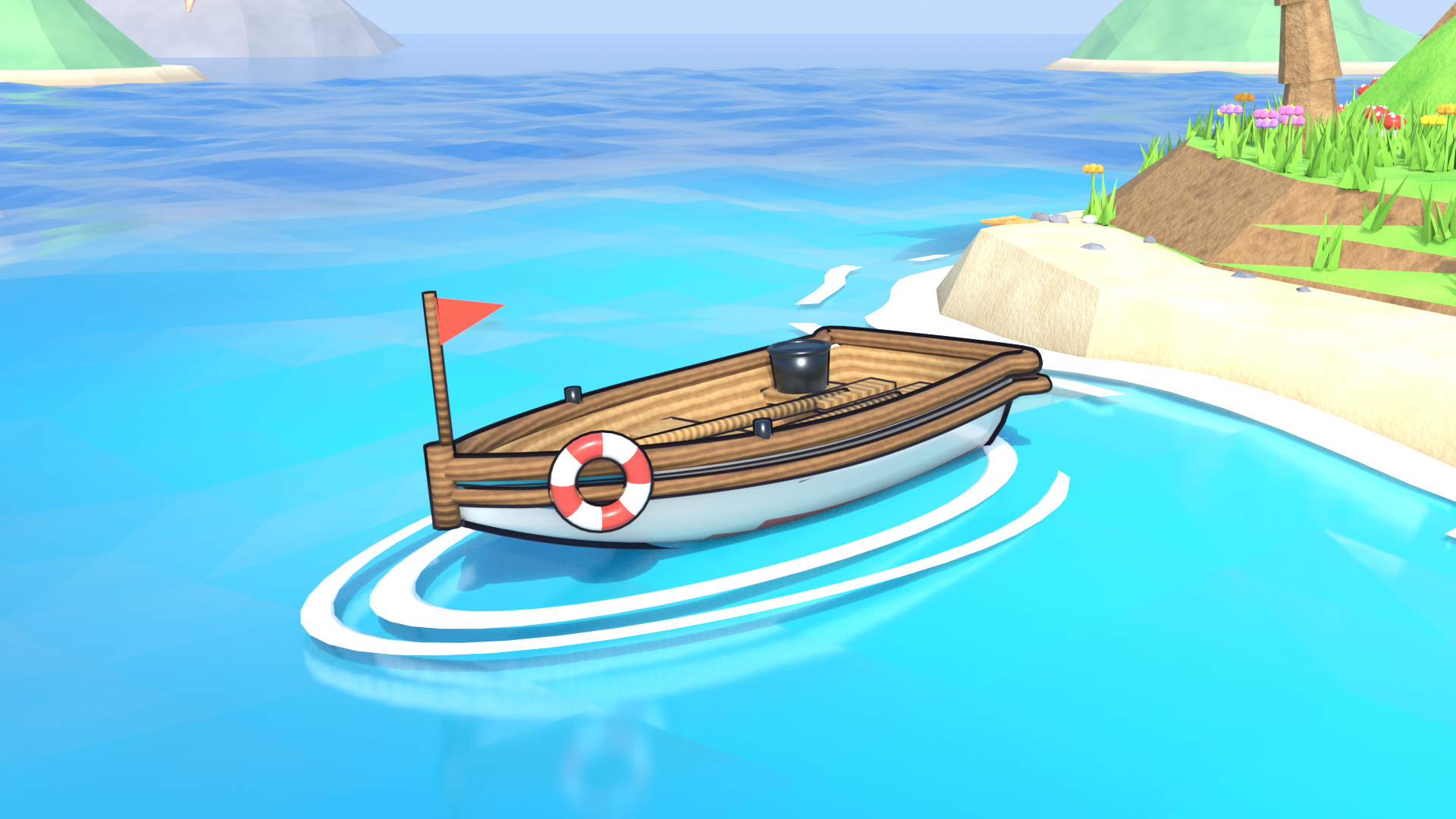
Boat
-
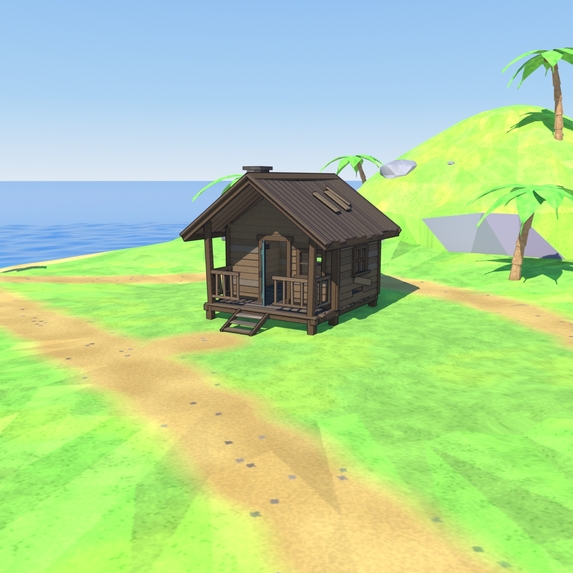
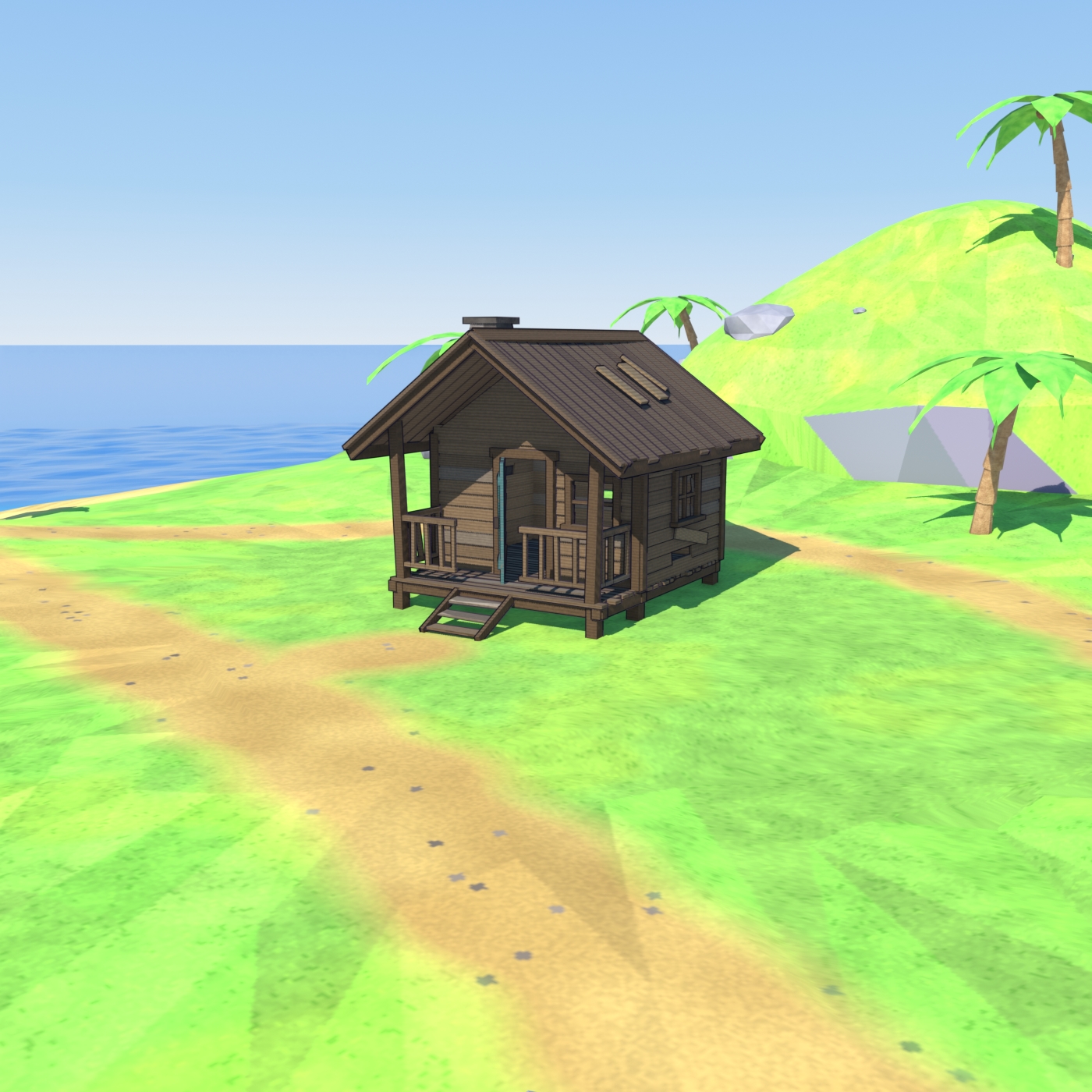
Wooden Cabin
-
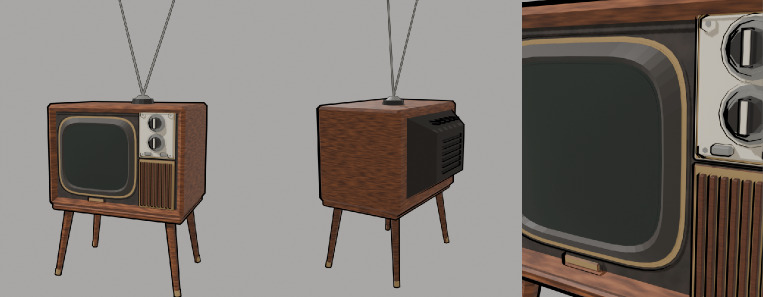
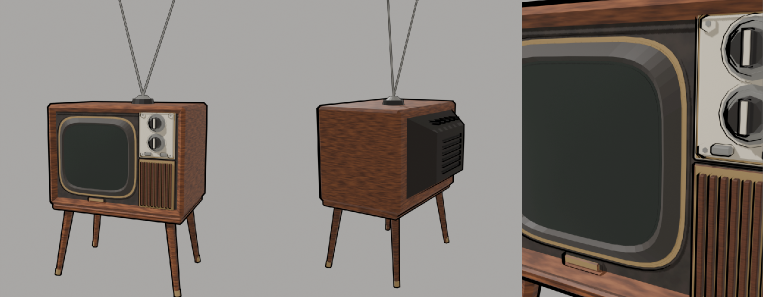
Vintage TV
-
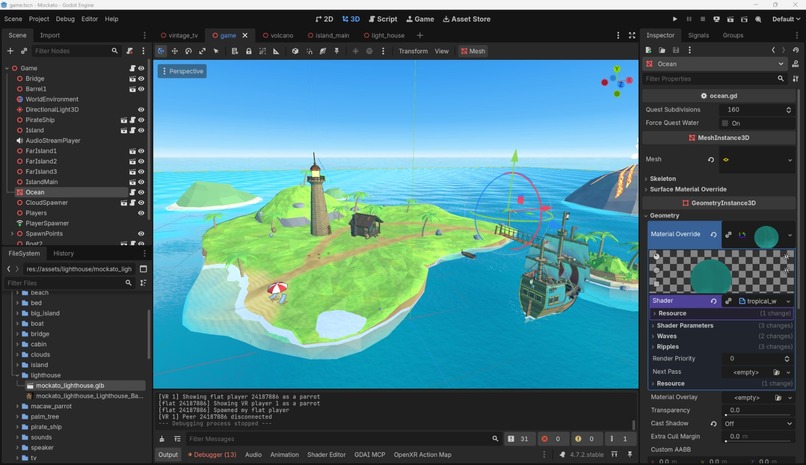
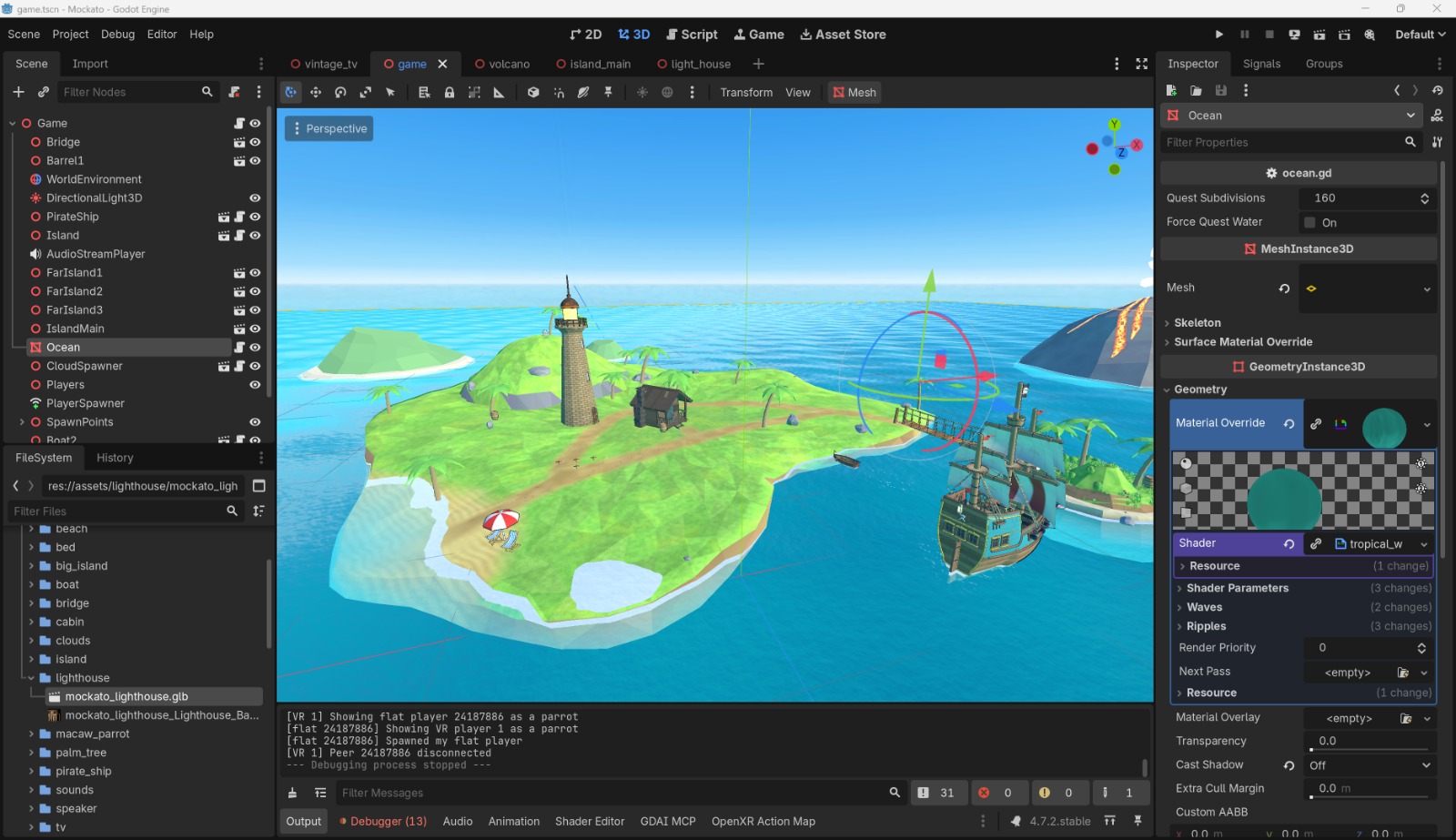
Project Screenshot
-
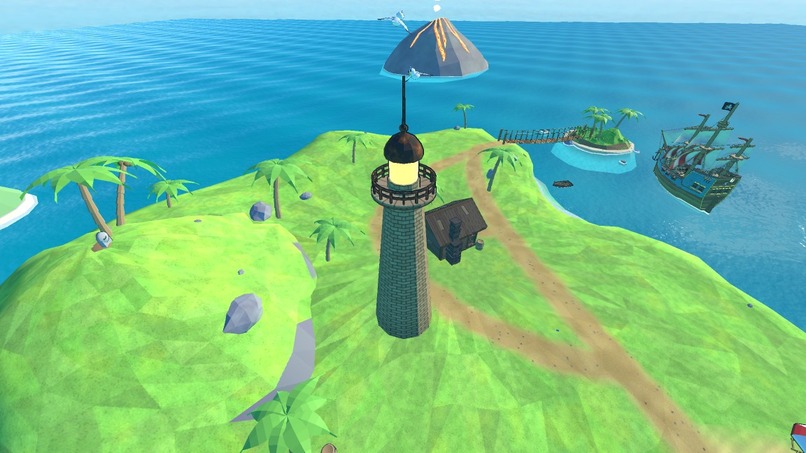
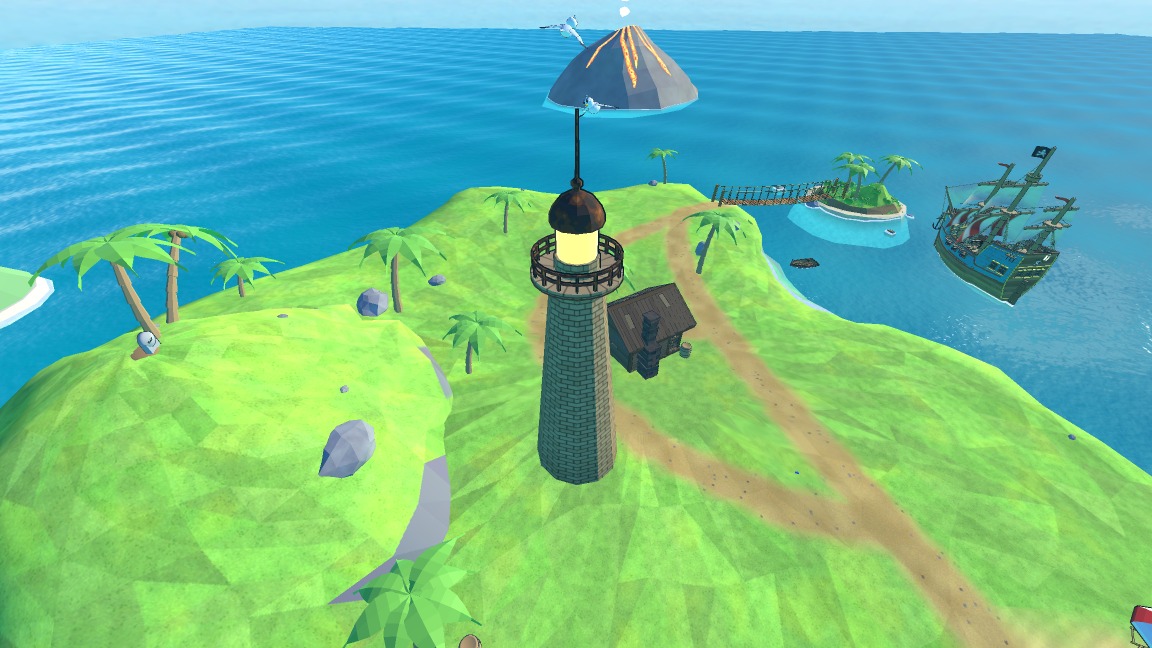
Lighthouse
-
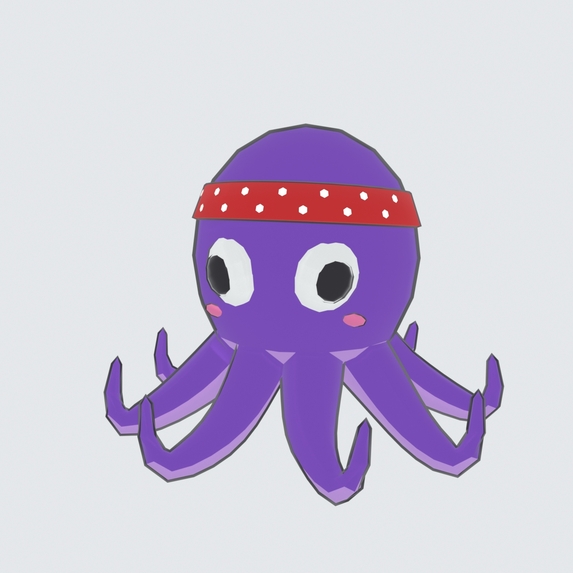
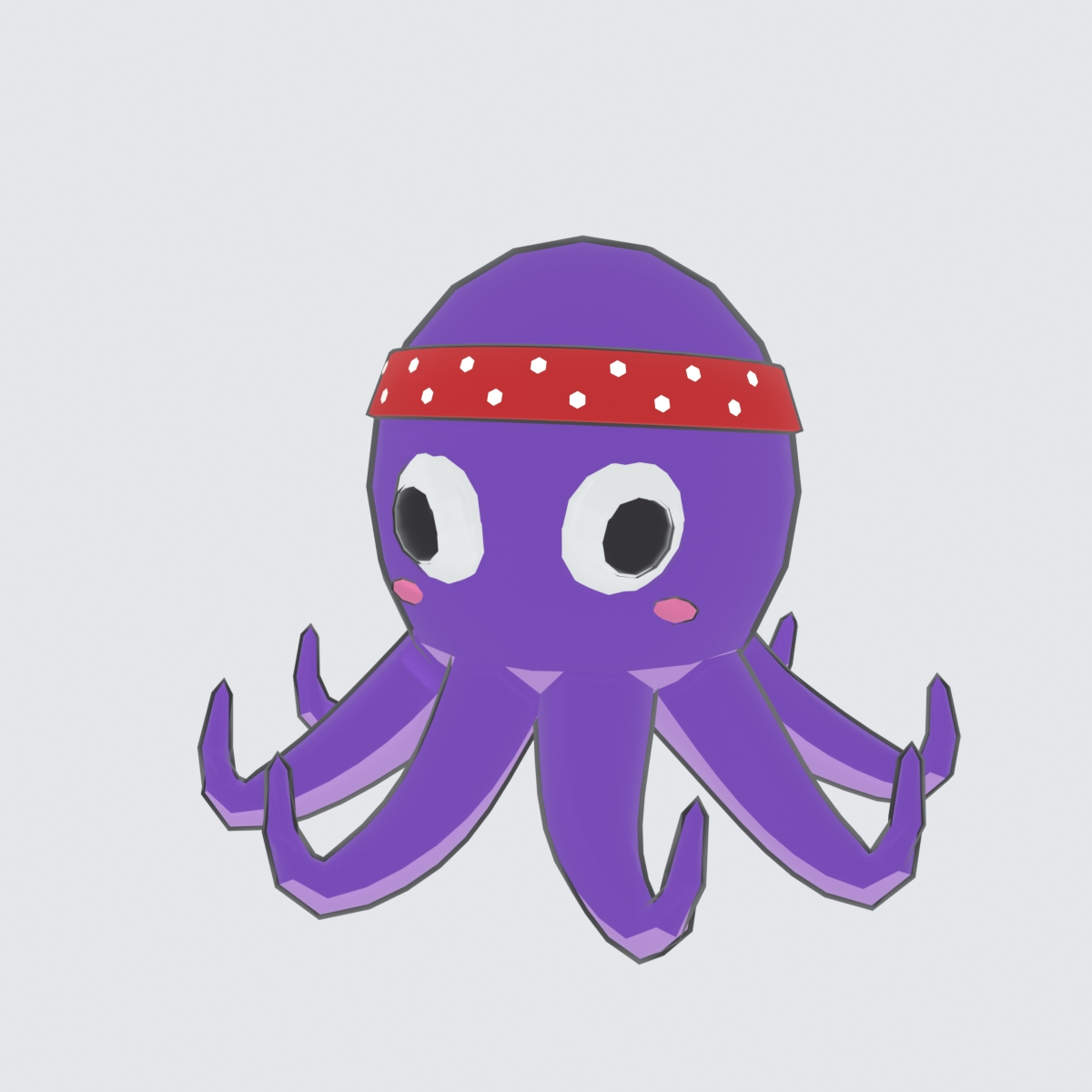
Cute octopus
Inspiration
Mockato was inspired by the idea of bringing people together in a fun, interactive virtual world. We wanted to create a multiplayer experience where players could socialize, interact, and enjoy themselves in a unique way. The interactive virtual parrot is at the heart of this experience, giving players a playful and engaging way to connect.
What it does
Mockato is a dynamic multiplayer social VR game where players can mock each other, create parodies, and express themselves through humor and playful interactions.
At the heart of the game is the freedom to imitate, parody, and make fun of each other in a shared virtual environment. Players can interact through an interactive virtual parrot, turning ordinary social interactions into funny, unexpected, and entertaining moments.
Mockato is designed primarily for VR, delivering an immersive social experience, but will also support PC and mobile devices, allowing everyone to join the fun regardless of their platform.
How we built it
We built Mockato using the Godot Engine with the help of AI (Claude Code), which powers the game's core mechanics, interactions, and multiplayer experience.
All 3D assets and visual elements were created using Blender (mostly handmade). Our development process focused on combining immersive VR interactions with cross-platform compatibility to bring Mockato to multiple devices.
Challenges we ran into
One of our biggest challenges was working with VR for the first time. Since VR was a relatively new platform for us, we had to learn how to approach development for an entirely different gaming experience.
Working with Godot also presented challenges, especially when implementing VR movement and character controls. One particularly difficult task was creating a movement system that allows the in-game character to walk naturally while the player physically moves around in the real world. Combining physical movement with in-game movement while maintaining a comfortable and intuitive experience required a lot of experimentation.
Another major challenge was creating and optimizing 3D assets for a real-time gaming environment. Unlike static 3D renders, game assets need to balance visual quality and polygon count to maintain good performance. We had to consider polygon budgets, model complexity, and optimization to achieve good visual quality while maintaining stable frame rates, which is especially important in VR.
Accomplishments that we're proud of
We are proud to have brought Mockato to life as a multiplayer VR experience while also expanding its accessibility beyond VR.
Building the experience with Godot and creating our own 3D assets in Blender allowed us to develop a distinctive virtual world and establish the foundation for a cross-platform game.
What we learned
Throughout development, we gained valuable experience in VR game development, multiplayer interactions, 3D asset creation, and cross-platform game design, as well as more experience with prompt engineering.
We also learned how to approach the challenges of creating one cohesive gaming experience that works across different devices and input methods.
What's next for Mockato
Our next major goal is to launch Mockato across all supported platforms: VR, Mobile, and later PC
We want to make Mockato accessible to as many players as possible, grow its multiplayer community, introduce more interactive features, and continue improving the experience across every device.
Controls
https://www.youtube.com/watch?v=N2wcr-EF0Bc
Trailer
Built With
- blender
- gdscript
- godot


