Mochi: Sustainable Edge Monitoring
Inspiration During our discussions on the massive energy demands of modern tech, like data centers, multi-AI systems, and robotics. We were inspired to find ways to monitor and optimize these expenditures. Drawing inspiration from AWS energy monitoring solutions, we set out to build a system that optimizes and controls processes running across a distributed ecosystem.
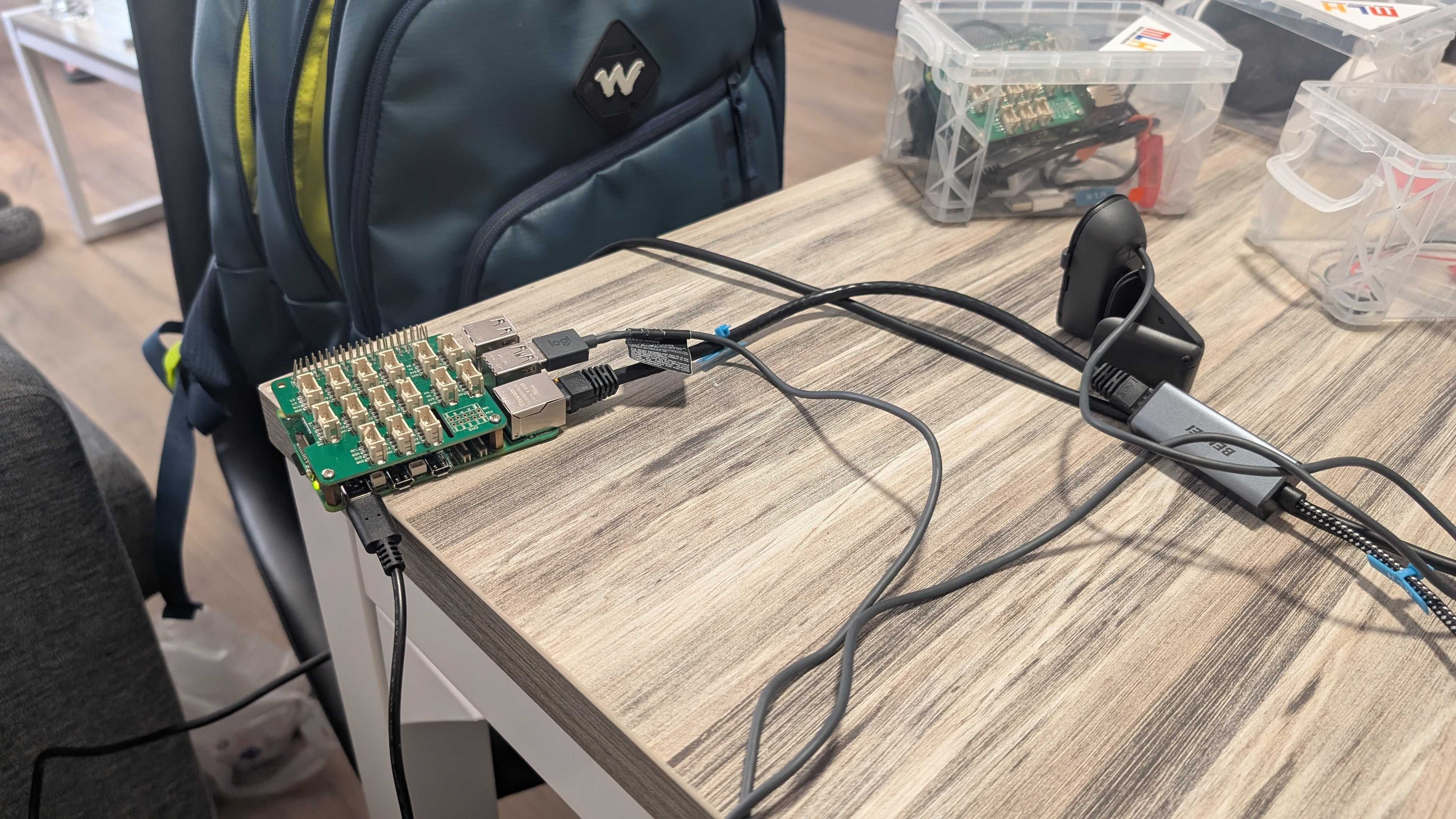
Since Raspberry Pi kits were available, we utilized them as our hardware foundation. This led to the idea of a monitoring system capable of tracking multi-edge and local devices, providing insights into the "energy spent" of each node. We wanted to help humans identify exactly where waste occurs in a network to reduce their overall environmental footprint.
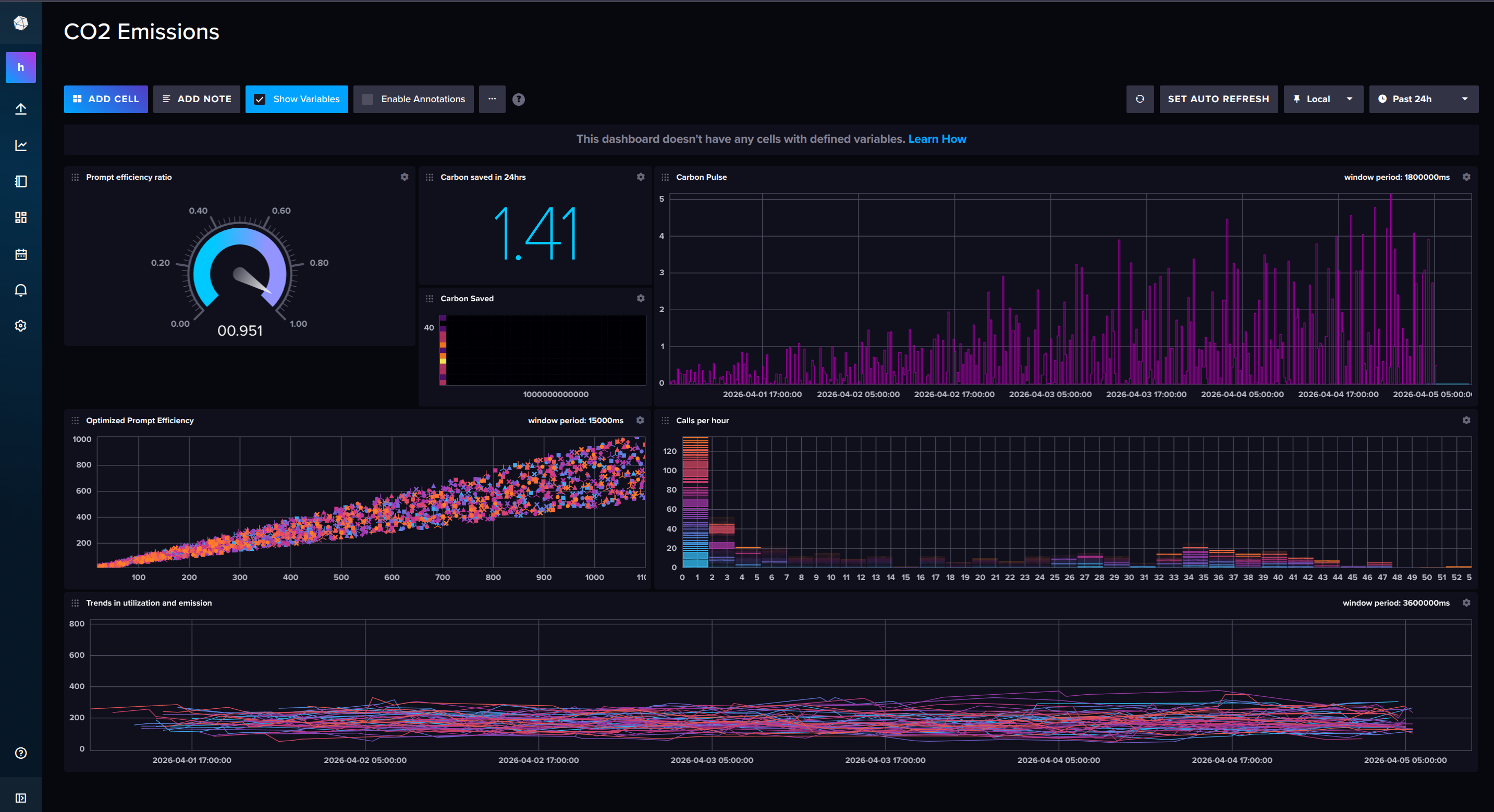
With this vision, we developed Mochi: a terminal-based CLI for B2B or B2C edge networks to track energy spending and process efficiency.
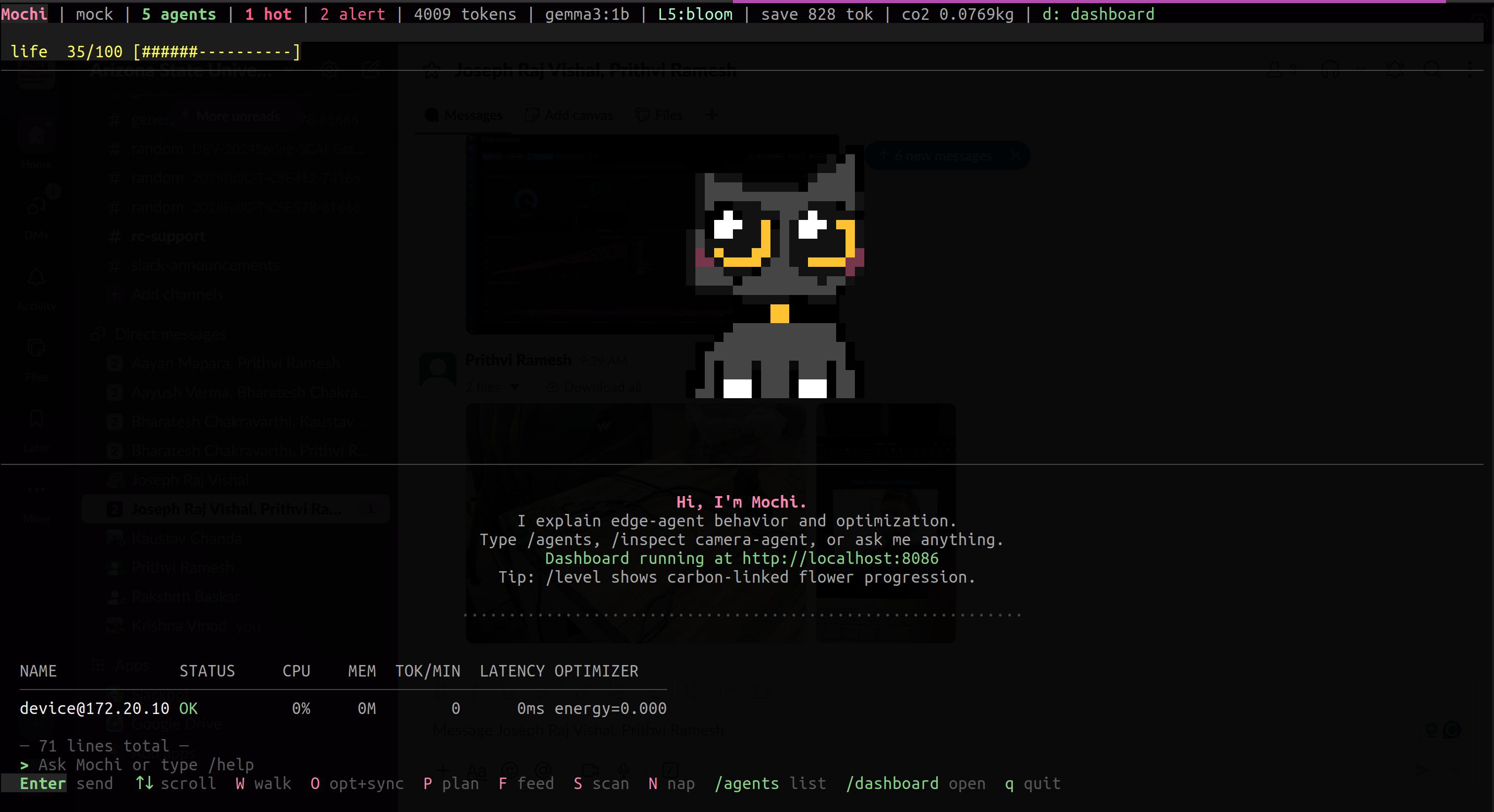
What it does Mochi is a CLI application paired with server-side scripts designed to run directly in the terminal, ensuring high performance on resource-constrained edge devices. By running server scripts across all nodes in a network, users can:
Track Metrics: Monitor CPU load, latency, and logs across the entire network.
AI Insights: Use an integrated agent to understand the "task" of each process and provide sustainable alternatives.
Reduce Waste: Identify high-energy processes that can be optimized or scaled back.
How we built it We designed Mochi to be as intuitive as modern AI code interfaces. The system is built with Python, utilizing CSS for Terminal UI (TUI) design to create a polished, user-friendly CLI.
Technical Stack:
Containerization: The entire system is packaged in Docker (total size ~3.5 GB).
Local AI: We integrated Ollama inside the container to run the Gemma 3:1B model. This allows for local reasoning without the energy cost or latency of constant cloud API calls.
Communication: We used FastAPI to create a system where server nodes gather local data and publish it to the Mochi CLI.
Energy Optimization: We included a "prompt optimization" feature that helps developers write more efficient prompts, completing tasks with fewer tokens and less power.
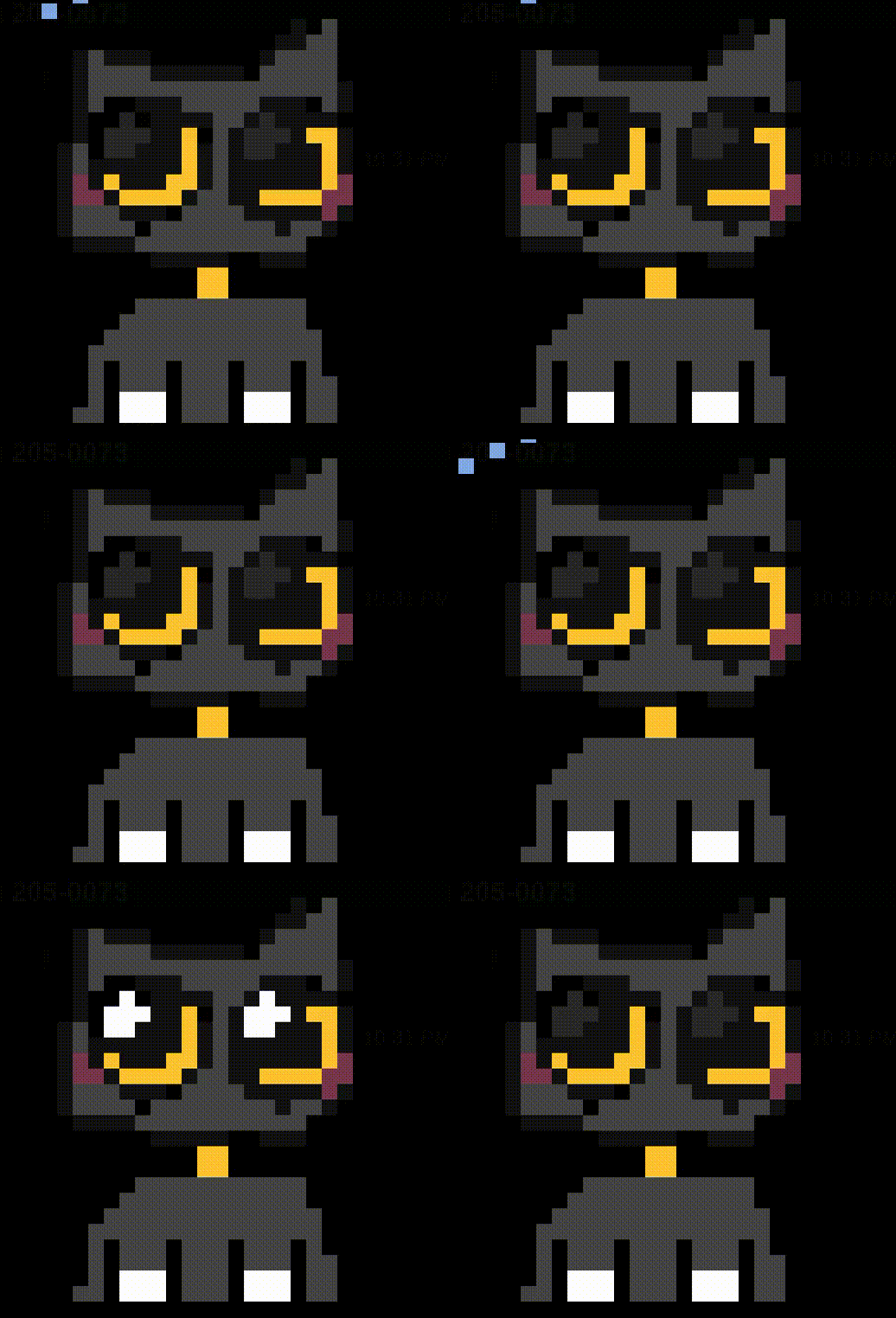
Mochi Mascot: To make the terminal feel alive, we designed Mochi the Terminal Kitty using pixel art. Kitty is fully integrated into the CLI with animations for walking, napping, and "partying."
Challenges we ran into The primary challenge was hardware constraints. Setting up a Raspberry Pi with only 8 GB of RAM—where the OS Lite already takes up 3 GB—required us to be extremely disciplined with memory management. We also put significant effort into ensuring the local agent could run smoothly on-device rather than defaulting to a simple API call.
Accomplishments that we're proud of We are proud of building a complete hardware-software integration that proves you don't need a massive data center to run intelligent, sustainability-focused monitoring tools.
What we learned We gained hands-on experience setting up Docker on ARM architecture, building complex Terminal UIs, and optimizing small-parameter LLMs (1B) for edge computing environments. making the model specific for this purpose.
What's next for Mochi Our roadmap includes:
Hardening Security: Implementing end-to-end encryption for node communication.
Hardware Expansion: Adding native support for Jetson Nano, Arduino, and NAT-traversal for remote networks.
Automated Scaling: Features to automatically "hibernate" low-priority edge nodes during peak energy cost hours.

Log in or sign up for Devpost to join the conversation.