-
-
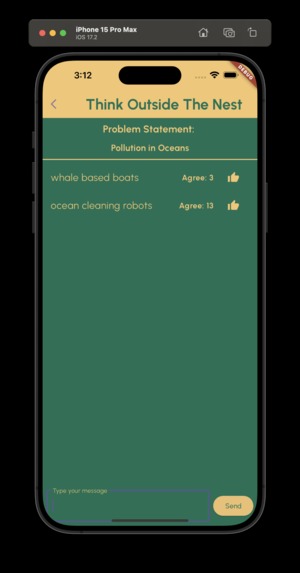
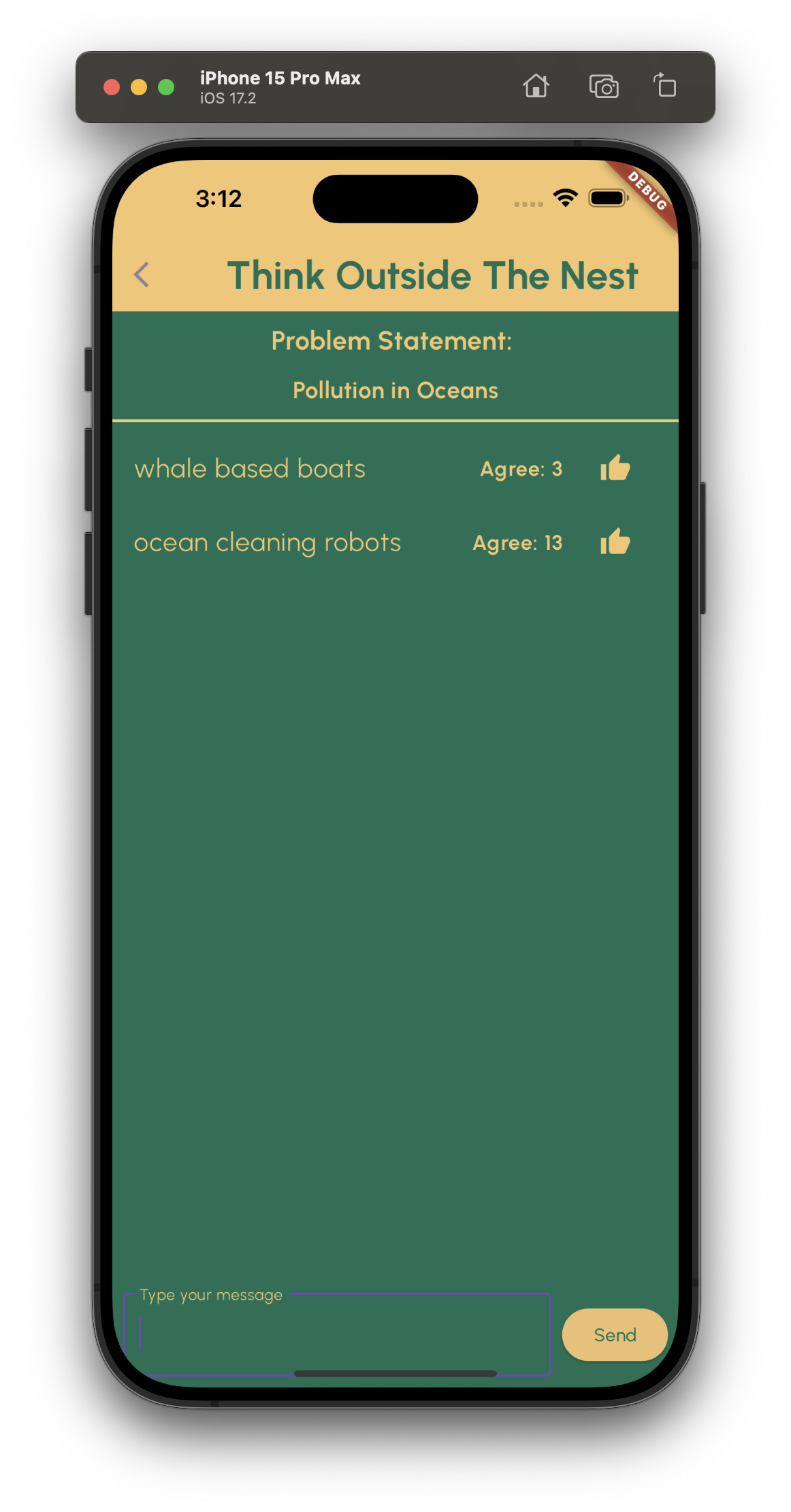
Discussion Page you can discuss new solutions
-
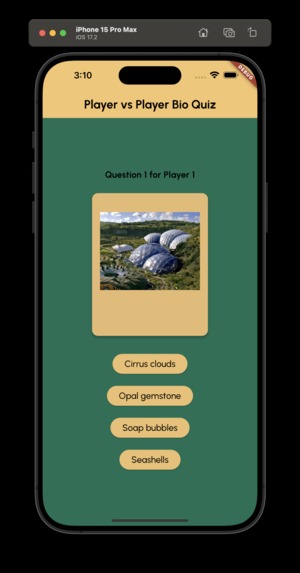
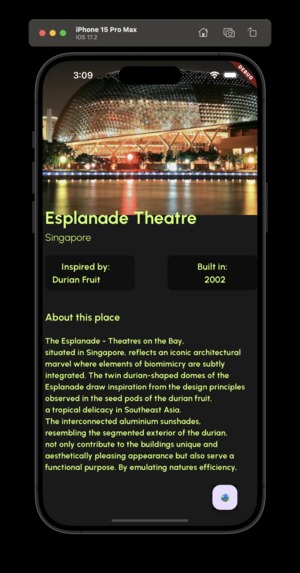
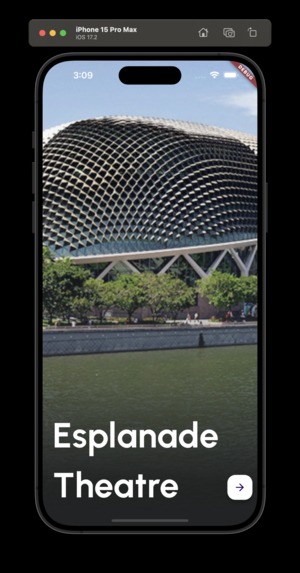
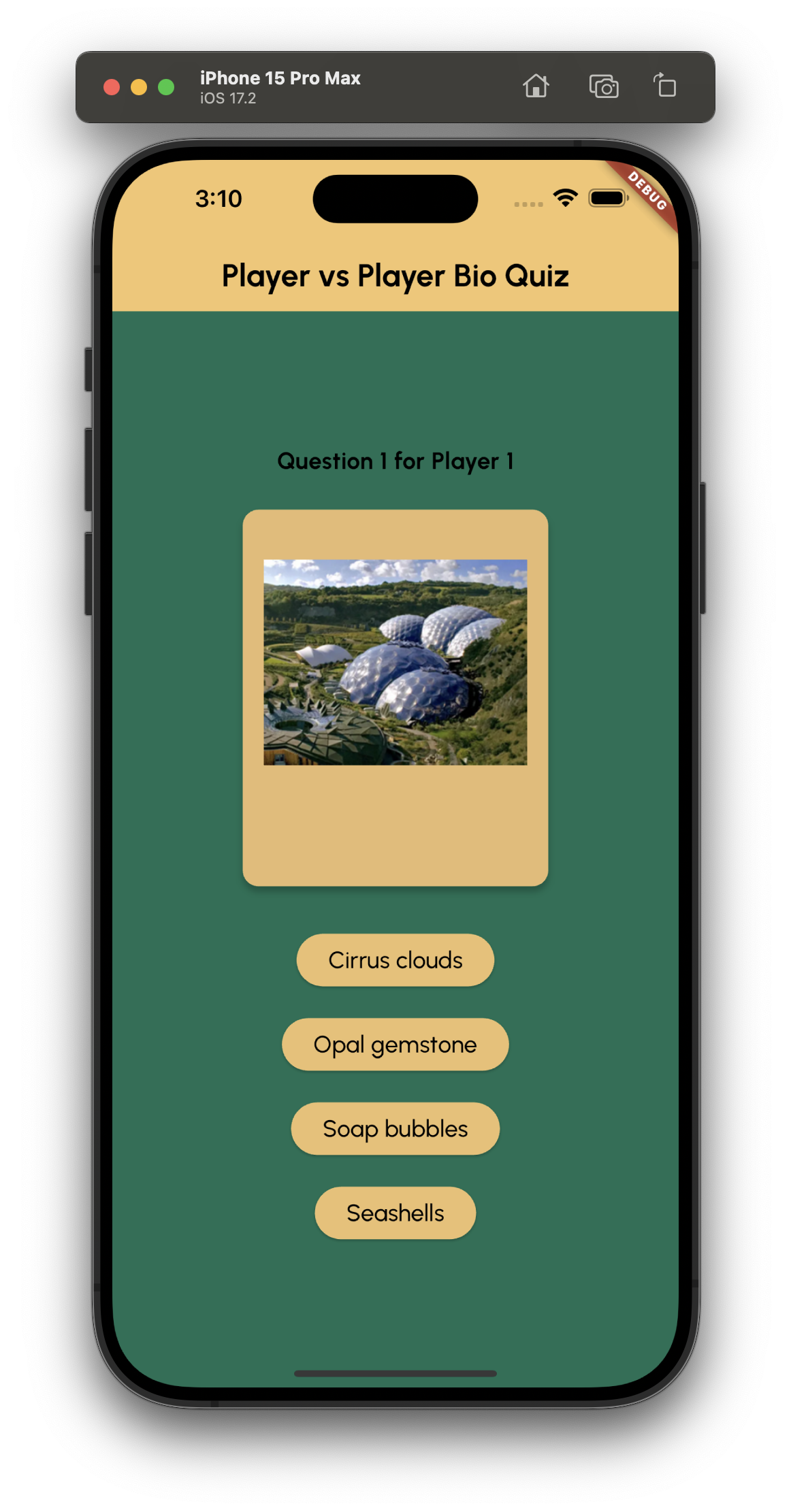
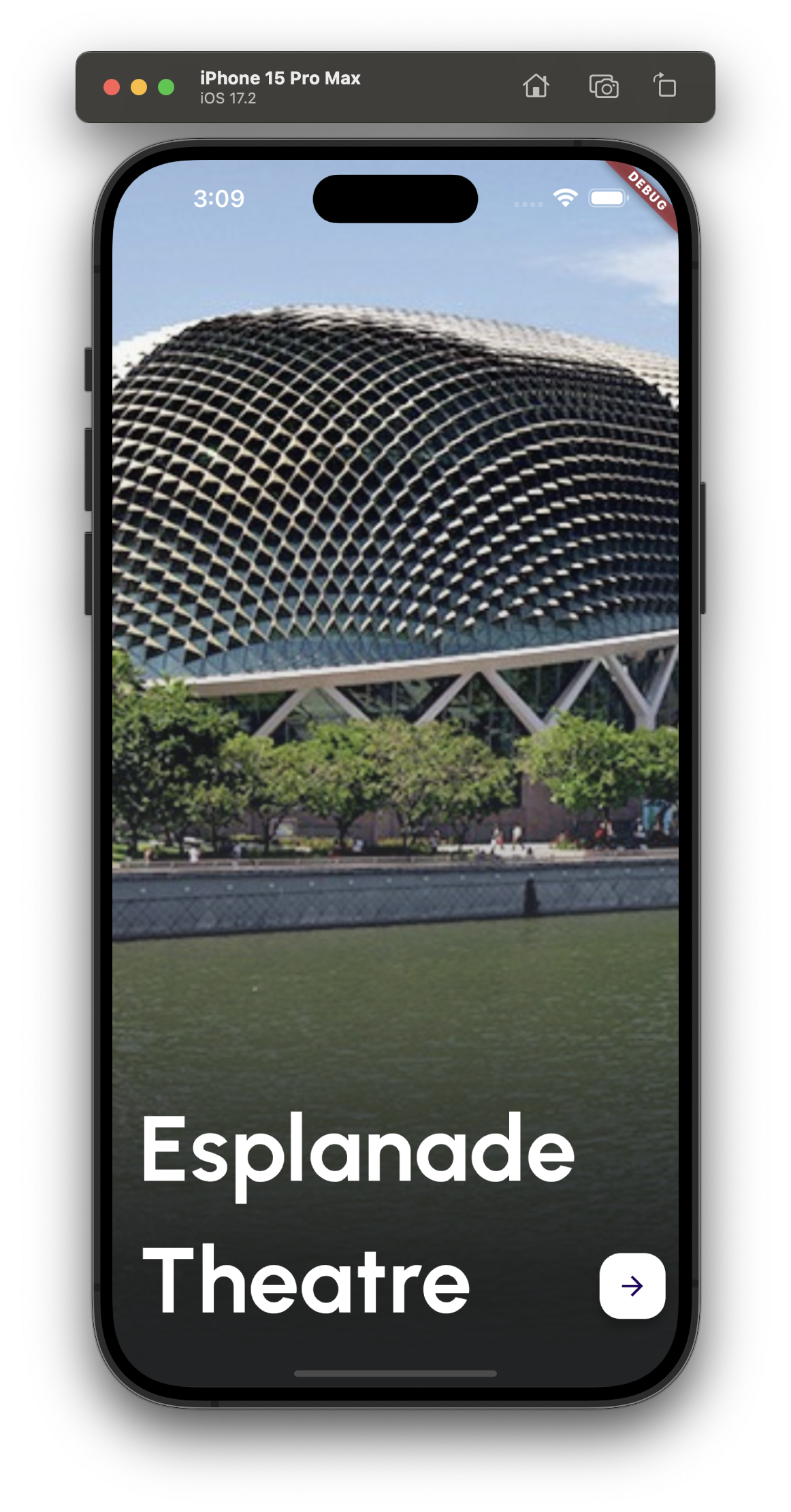
Guess where it is inspired from
-
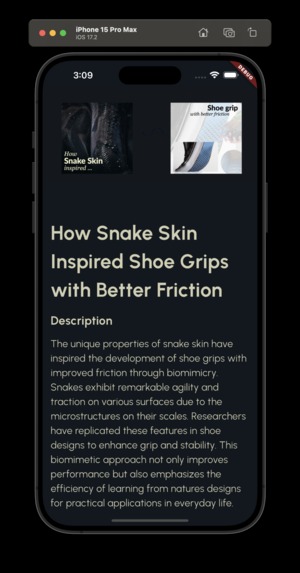
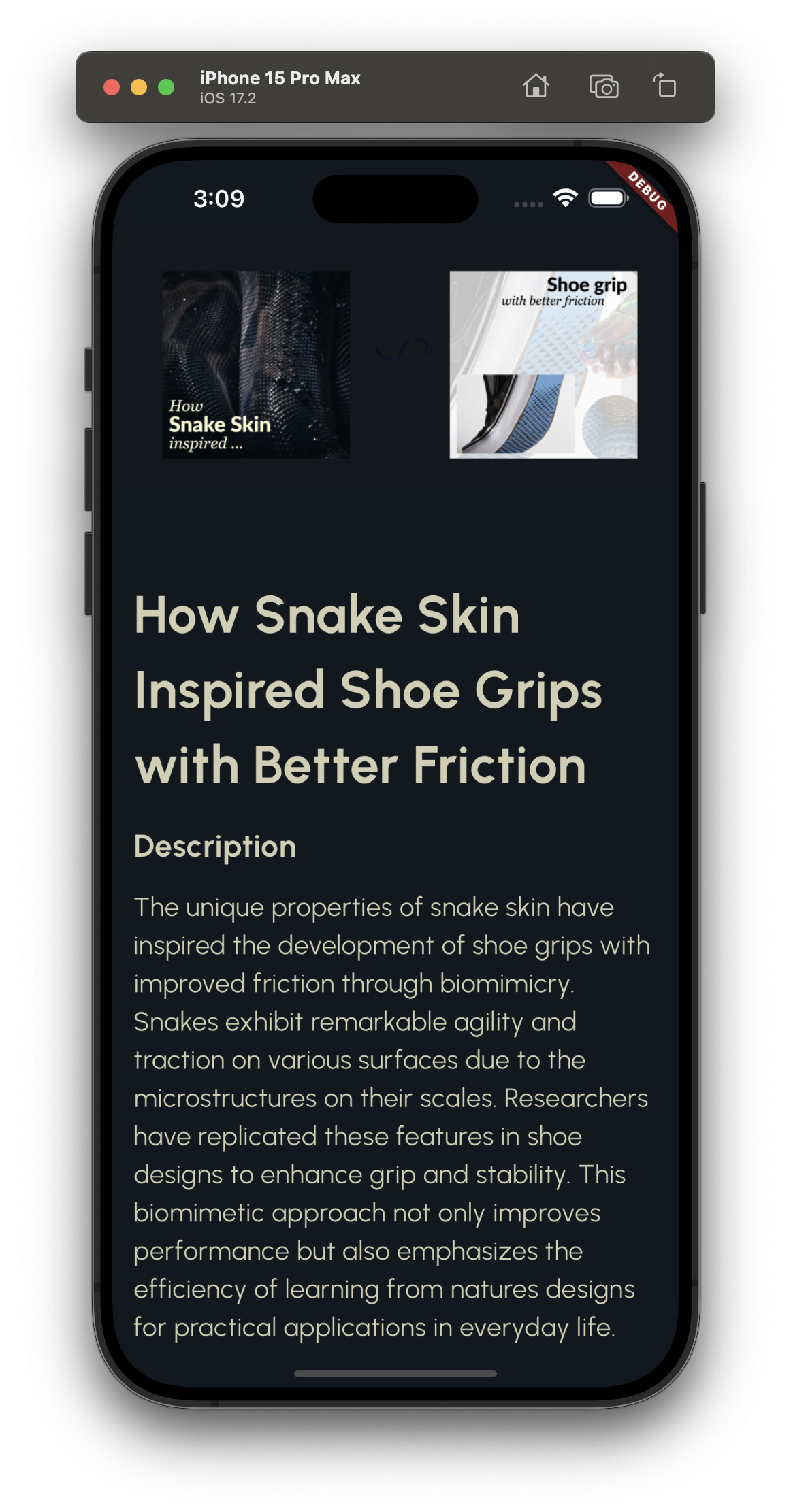
Stories page
-
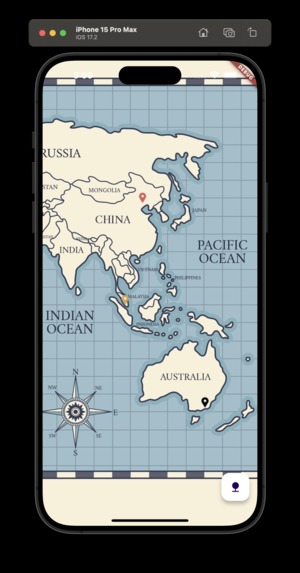
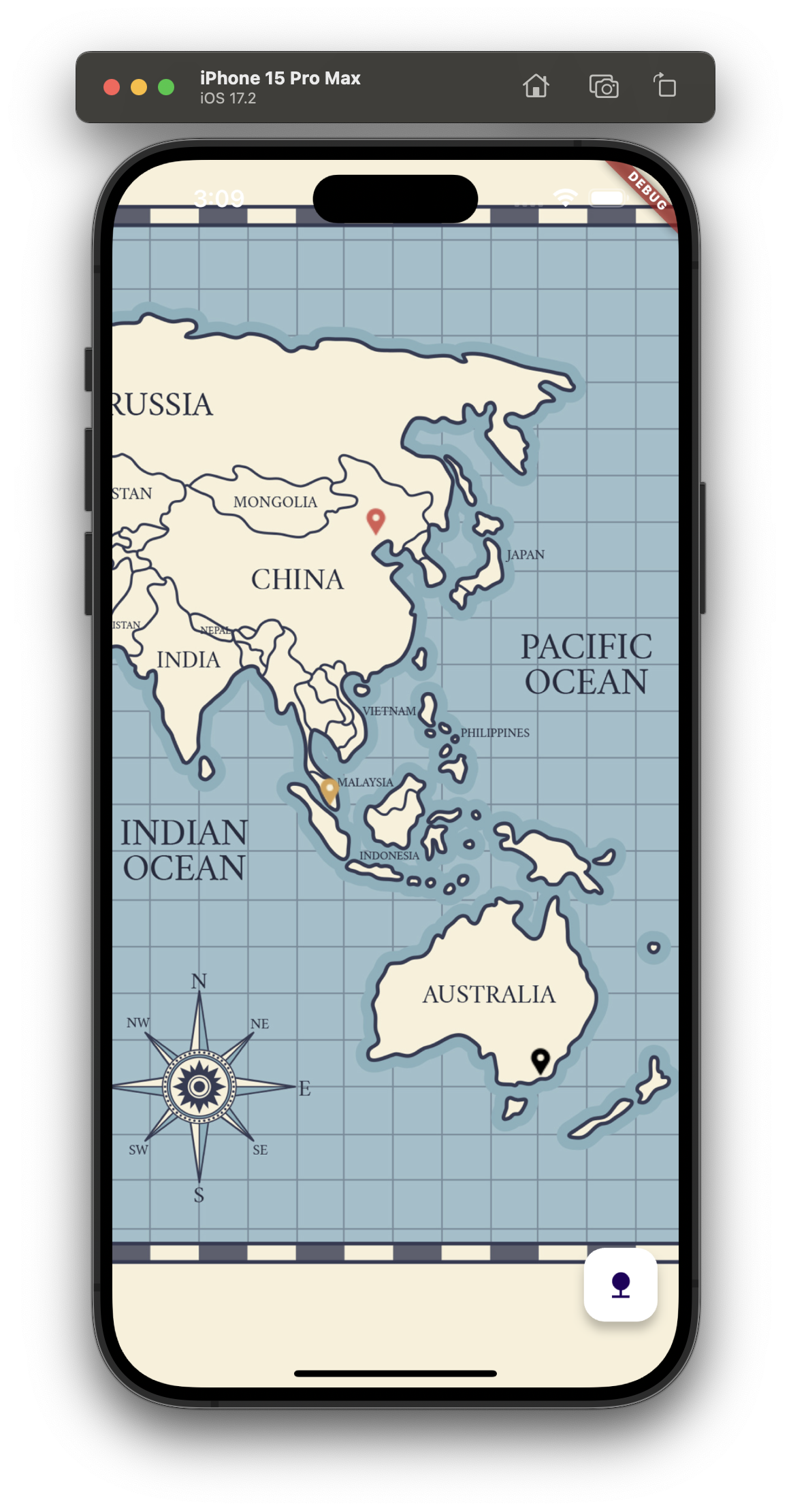
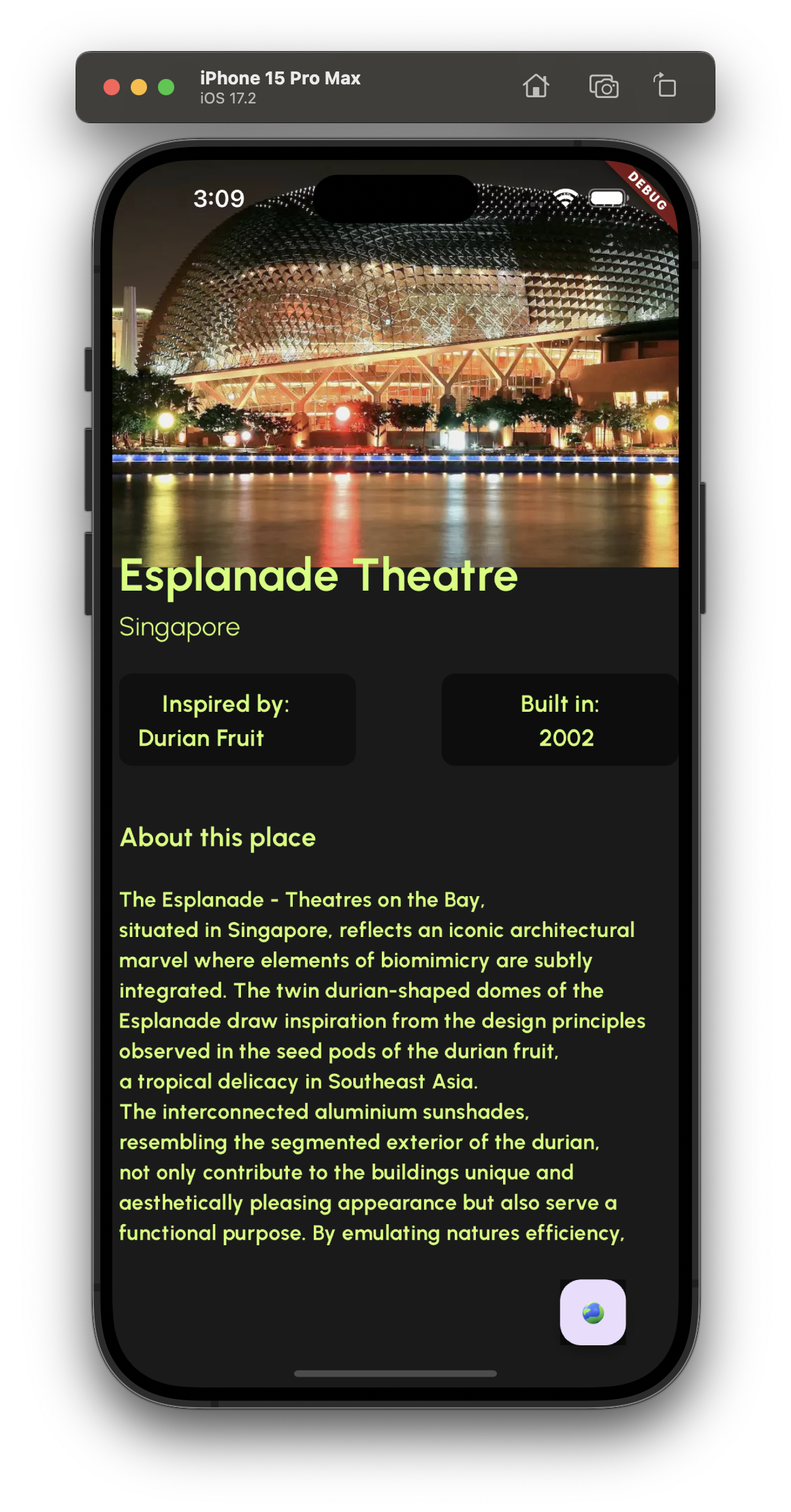
Map
-
-
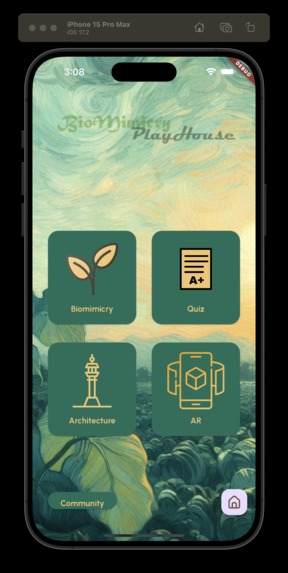
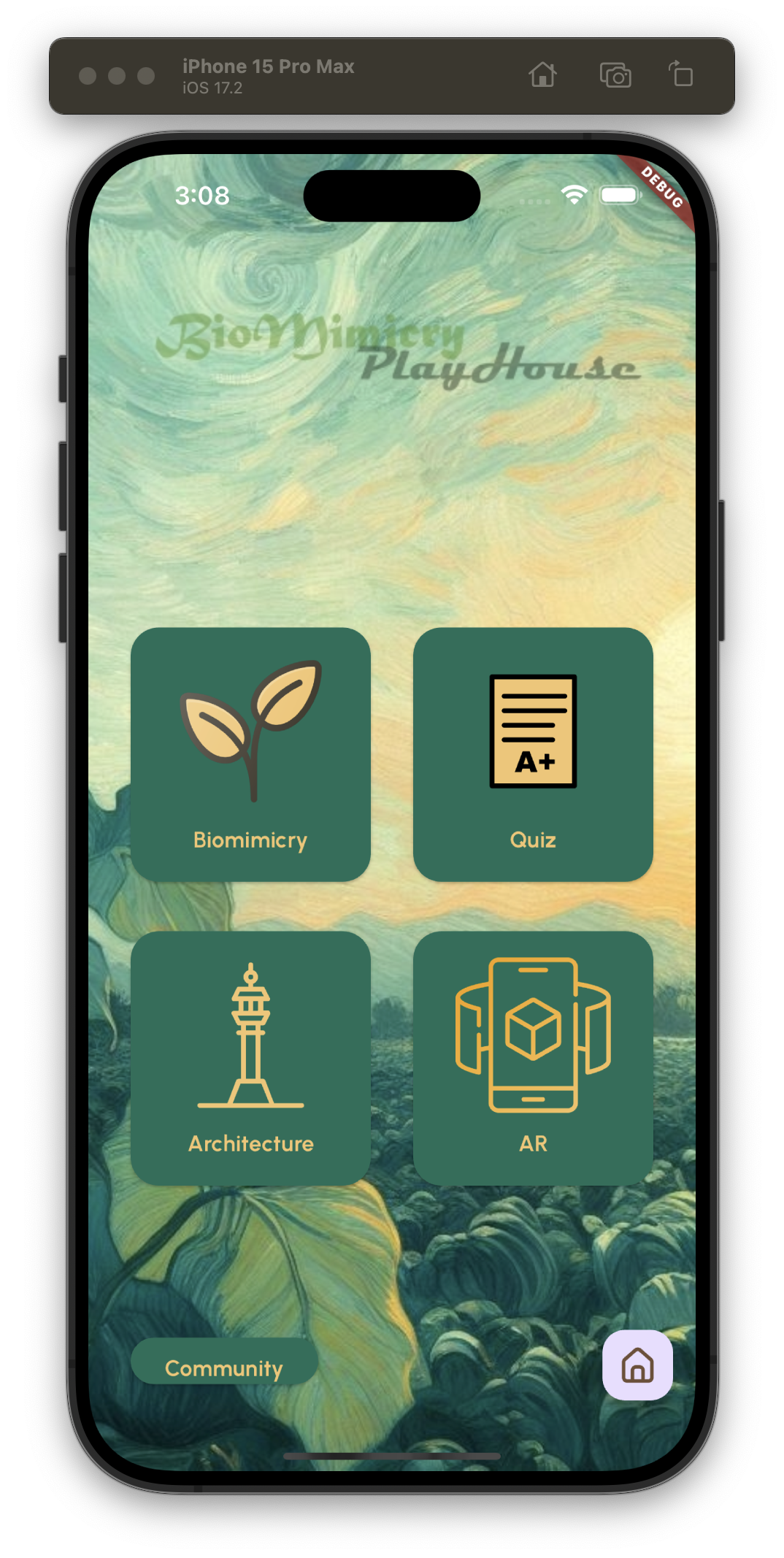
Menu Page
-
Project Story: MnemoPlay – Learning from Nature’s Silent Genius
🌱 The Spark of Inspiration
It all began with a simple observation: nature has always been here, quietly solving problems. From the way leaves capture sunlight to the way termites build self-cooling mounds, the solutions are everywhere—yet we often overlook them. We were struck by the irony: in a world obsessed with innovation, we were ignoring the greatest innovator of all—life itself.
This realization became the heartbeat of MnemoPlay. We wanted to create a platform that not only teaches biomimicry but also reconnects people with the natural world. It’s about shifting perspectives—from seeing nature as a resource to seeing it as a mentor.
🌍 What We Learned
As we delved deeper, we discovered that nature’s genius is universal. It doesn’t waste, it doesn’t overcomplicate, and it always adapts. Here’s what stood out:
- Efficiency: The kingfisher’s beak inspired a bullet train that’s faster, quieter, and more energy-efficient.
- Sustainability: Termite mounds inspired buildings that stay cool without air conditioning.
- Resilience: Sharkskin-inspired surfaces fight bacteria without chemicals.
But the most profound lesson was this: the solutions to our biggest challenges—climate change, energy, waste—are already here, waiting to be discovered.
🛠️ How We Built It
1. Biomimicry Stories
We started by collecting stories of nature-inspired innovations. Each story was a revelation—like the humpback whale’s fins inspiring wind turbines or the Namibian beetle teaching us how to harvest water from air. We used Figma and Canva to design visuals that made these stories come alive, blending science with storytelling.
2. Interactive Architecture Map
We wanted to show how biomimicry is shaping the world. Using Leaflet.js, we created an interactive map showcasing architectural marvels like the Eastgate Centre (termite-inspired) and the Eden Project (bubble-inspired). Each pin tells a story of how nature influenced human design.
3. AR Experiences
To make biomimicry tangible, we turned to AR. Using MyWebAr and *Blender, we built 3D models of designs like the Eiffel Tower (inspired by human bones) and the bullet train (inspired by the kingfisher). Scanning a QR code brings these innovations to life, right in your living room.
4. Gamified Learning
We wanted learning to be fun. The quiz section, built with Flutter and Firebase, tests users on biomimicry concepts. It’s not just about memorizing facts—it’s about sparking curiosity and inspiring action.
🌧️ Challenges We Faced
Building MnemoPlay wasn’t easy. Here’s what tested us:
- Balancing Simplicity and Depth: Biomimicry is complex, but we wanted it to be accessible. Striking that balance took countless iterations.
- AR Optimization: Rendering 3D models smoothly across devices was a technical hurdle. We had to simplify models without losing their essence.
- Connecting Emotionally: Biomimicry isn’t just about science—it’s about changing how people see the world. We worked hard to make the stories resonate on a human level.
🌟 The Outcome
MnemoPlay is more than an app—it’s a movement. It’s about seeing the world through nature’s eyes and realizing that the solutions we seek are all around us. From students to architects, MnemoPlay is inspiring a new generation to ask, “What would nature do?”
🌿 A Call to Action
Nature has been here for 3.8 billion years, quietly perfecting its designs. It’s time we paid attention. Biomimicry isn’t just a tool—it’s a philosophy. It’s about living in harmony with the planet, learning from its wisdom, and creating a future that works for all life.
MnemoPlay is your invitation to join this journey. Let’s rediscover the genius that’s always been around us—and use it to build a better world.


Log in or sign up for Devpost to join the conversation.