-
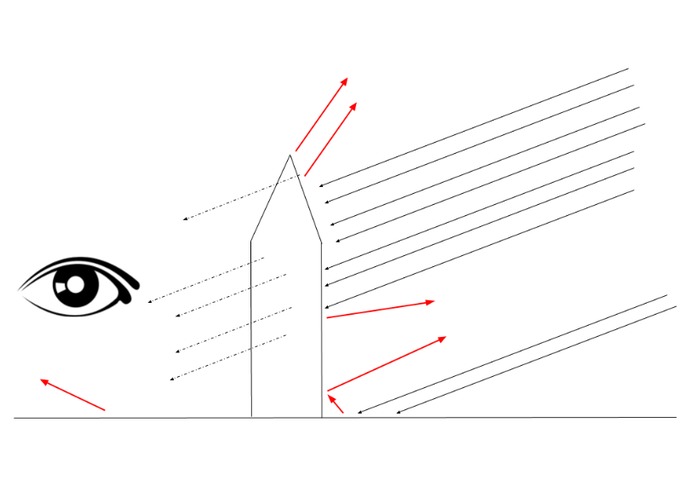
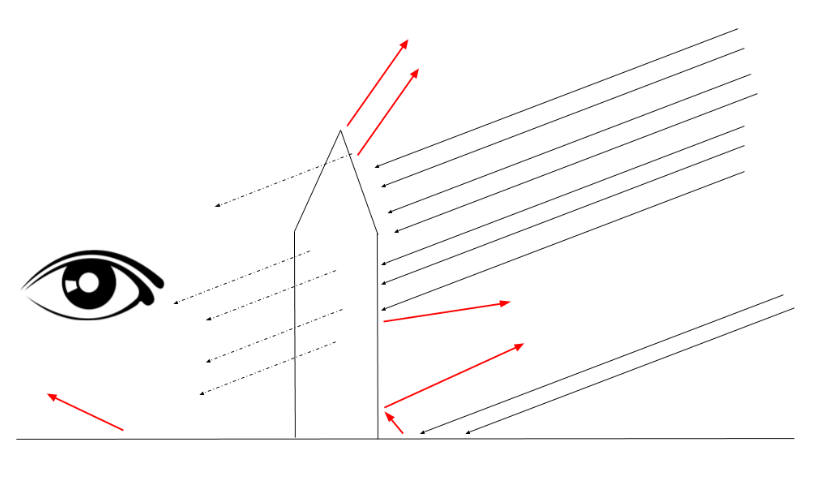
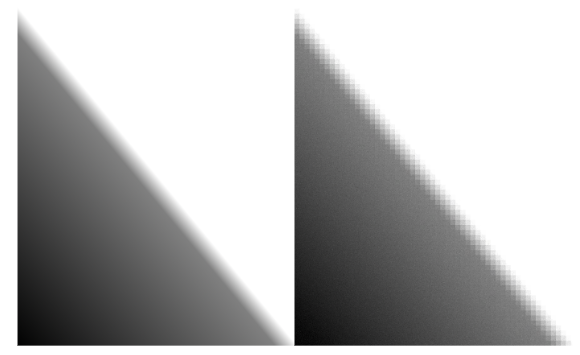
The problem: how do we compute where the red arrows go?
-
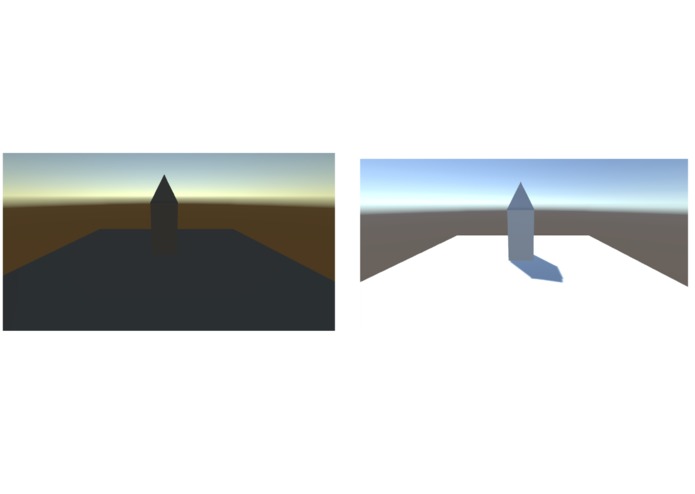
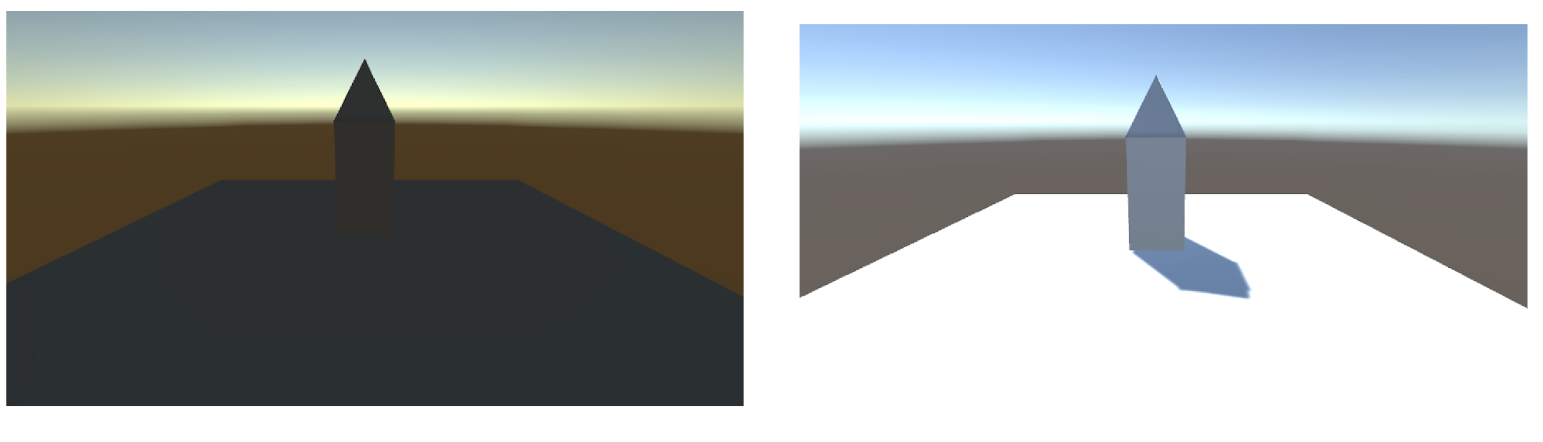
The method: adding shadowmasking to an unlit, single-pass occluded scene
-
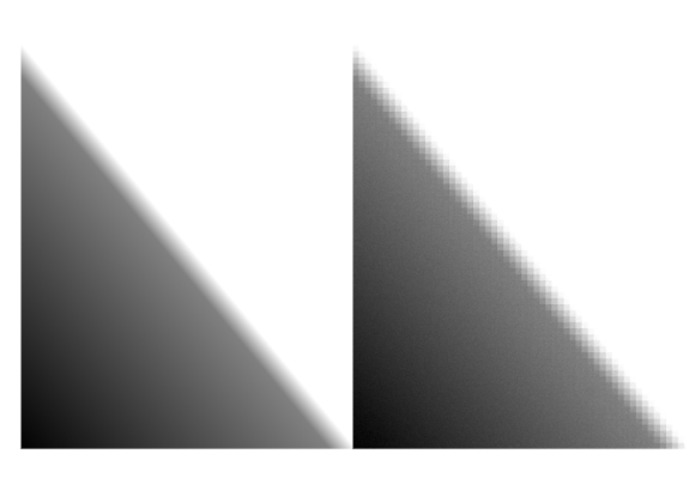
The results: a ML approximated shadow (to the right). Notice a minor quality reduction and noise.
Inspiration
As a game developer, it's always been apparent that lighting up environments is both the most challenging and important aspect of making traditional immersive experiences. We wonder "is there a faster way"?
What it does
MLuminate attempts to take the complex features of a scene (lights, player, objects) and use a smart ML dimensionality reduction strategy to return a constant-time lightmap representation of the scene.
How I built it
The primary strategy for this app was to use Principal Component analysis to reduce the dimensionality space of a descriptive set that would characterize both the environment objects and the light conditions, before using a CNN to generate subsequent lightmap data.
Challenges I ran into
Big questions to answer were: "How do we represent the scene?", "How do we make this a simpler problem?", "What tradeoffs are we inviting by reducing the runtime to an approximation?", and "Where is the training data?".
Accomplishments that I'm proud of
Of course, effective solutions to the aforementioned problems, as well as finally getting some sleep in a hackathon!
What I learned
Time management, effective problem-solving, and just how hard vector math is.
What's next for MLuminate
Expanding to more objects, more bounces, different specularities/materials, and different kinds of light sources (not just directional).

Log in or sign up for Devpost to join the conversation.