-
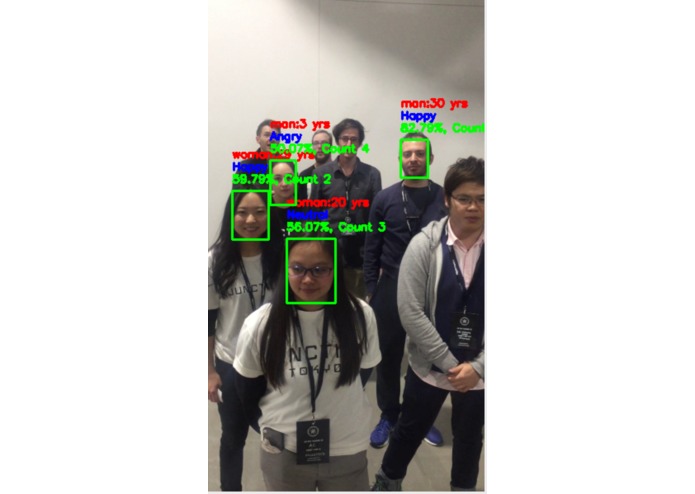
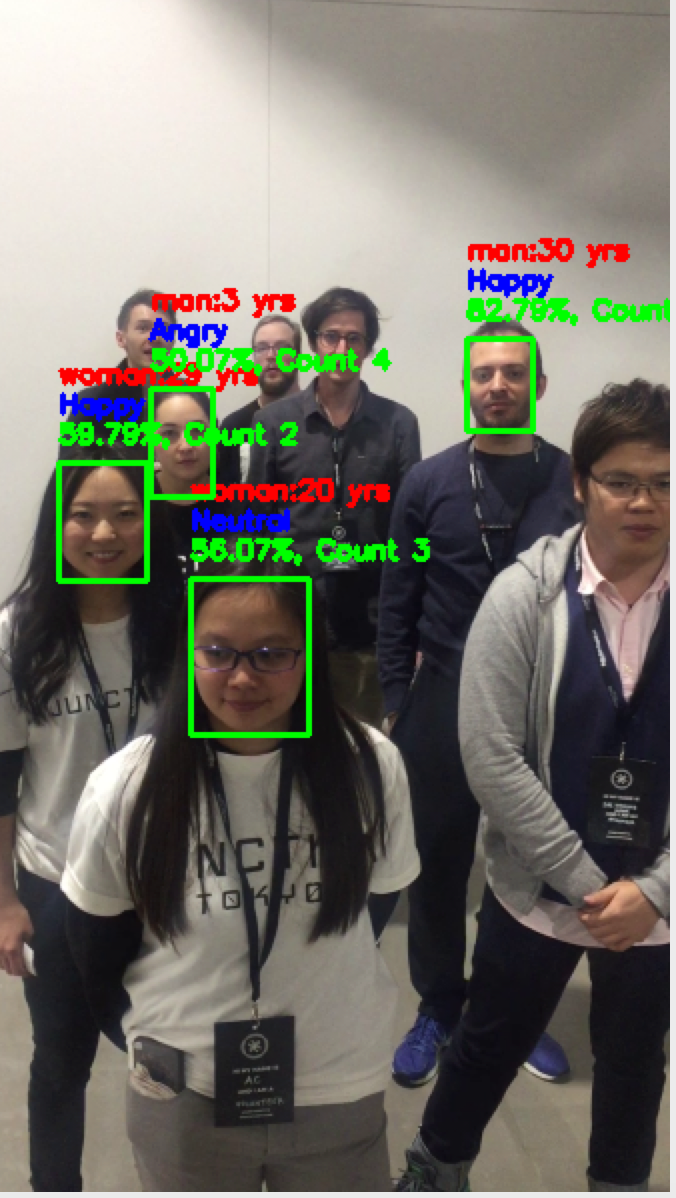
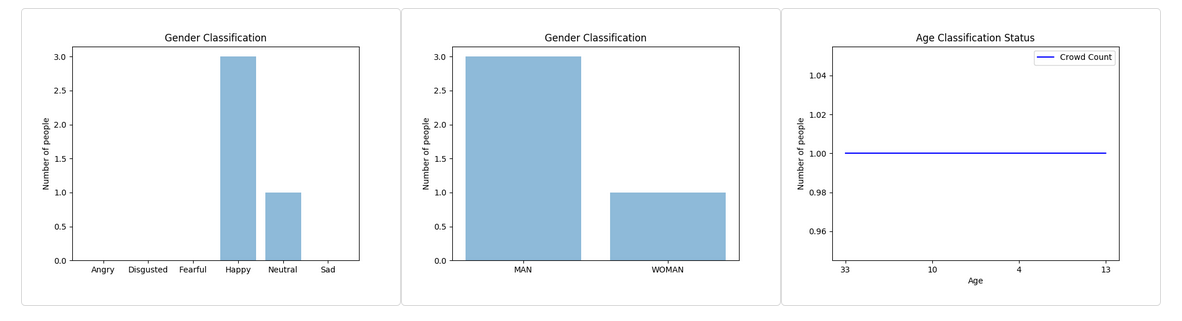
Face, age, gender, emotion detection
-
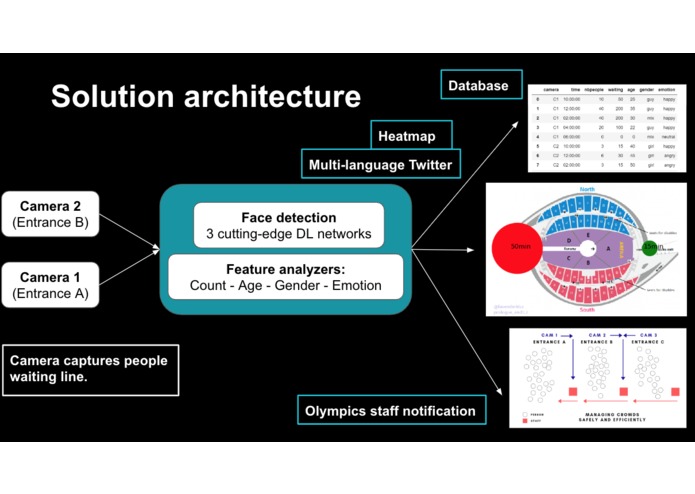
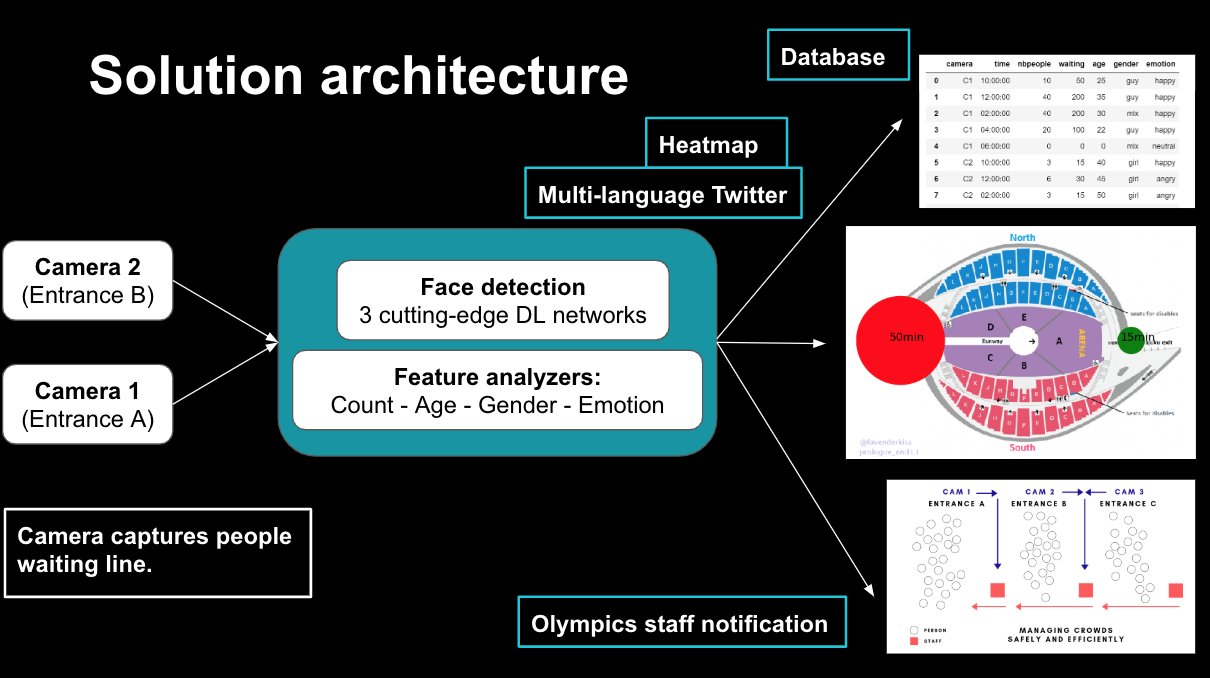
Architecture and system description
-
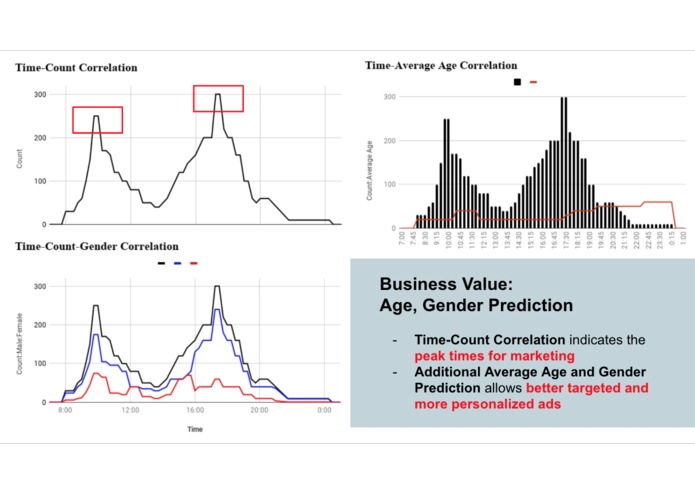
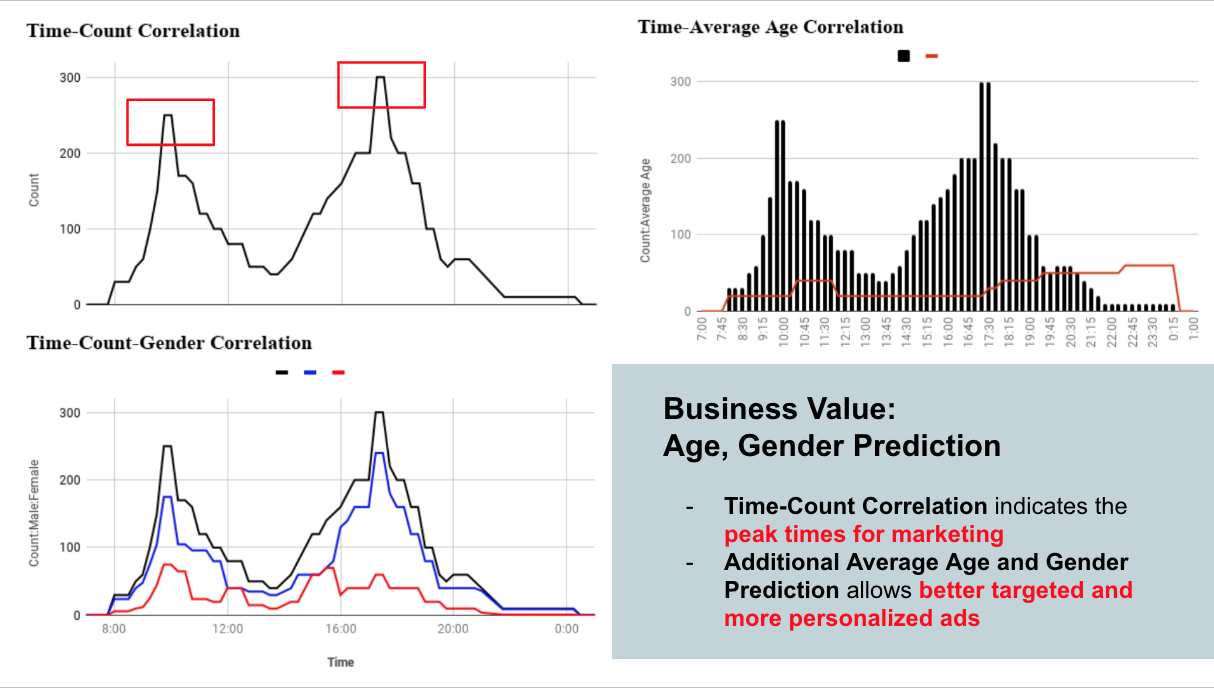
Business value
-
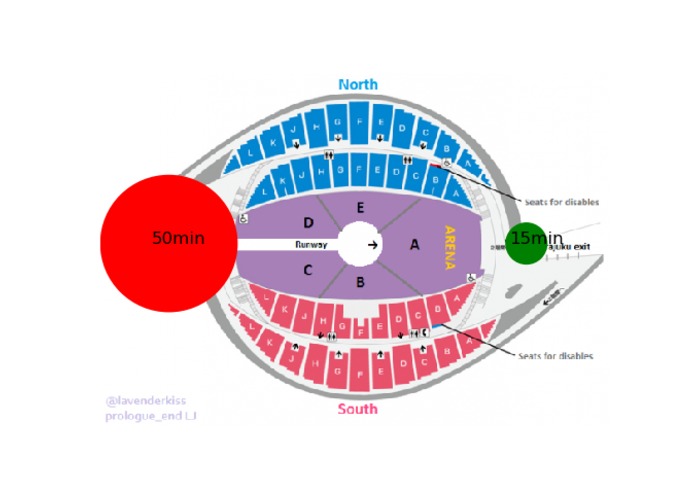
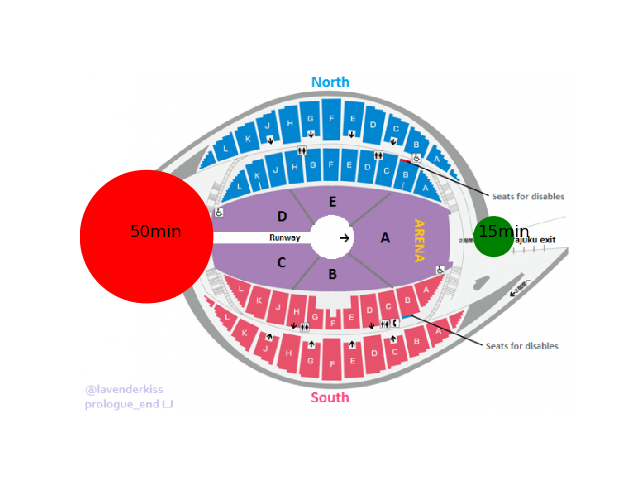
Heatmap indicating crowded areas with long waiting time (red areas) and less crowded areas (green areas)
-
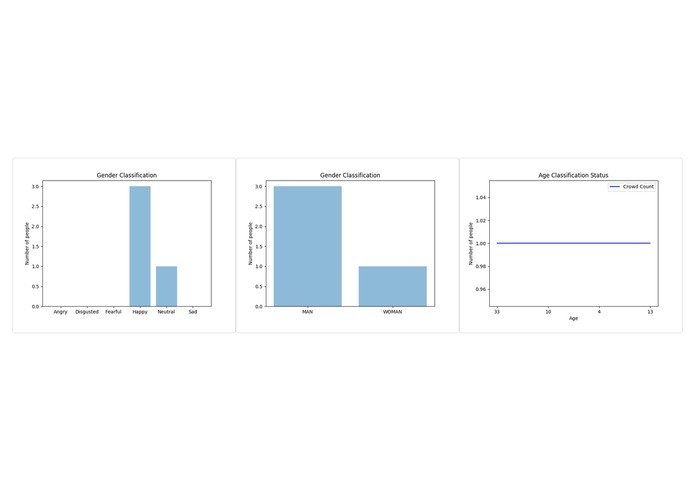
Statistics
Inspiration
We wanted to build a Deep Learning system that serves the Tokyo Olympics 2020 and help facilitate a safe, fun and incredible experience for all people involved - for participants from Japan and all over the world and the Olympics organizing committee, their staff and their Business Unit .
What it does
More than half a million people are expected to come to Tokyo for the Olympics 2020. We built a highly scalable system for face detection and count, age, gender and emotion prediction for (1) managing crowds, (2) making personalized recommendation for users and (3) help with marketing campaigns (e.g. ads on screens based on average age or gender). We combined 3 Deep Learning Models and 3 APIs (Twitter, Google Maps, Google Translate). This helps to facilitate Safety, Efficiency and Business Value for the Tokyo Olympics 2020.
How we built it
We used OpenCV Deep Learning (and alternatively Tiny Faces) and Tensorflow and Keras for the face detection, count, age, gender and emotion estimation. We implemented 3 different APIs for personalized user recommendation (e.g. waiting time in lines, restaurants, ..). We deployed with Flask. Our services are available online.
Challenges we ran into
- We had to built several models and we needed to make a decision between speed and performance for the demo
- Combining multiple services including Deep Learning models and 3 different APIs: Deployment to server was challenging
Accomplishments that we're proud of
We worked very well together as a team! We think that our work could be deployed as a real-world application and help many people in Japan.
What we learned
To find a balance (time, skills, responsibilities) between experimenting and final deployment, due to time constraints.
What's next for MLT x 2020
Optimizing for speed, accuracy and scalability.

Log in or sign up for Devpost to join the conversation.