Inspiration
This project is inspired by my passion for coin collecting, a love passed down from my grandfather. He taught me to appreciate each coin's unique history and to spot rare errors that hold hidden value. Through this AI-driven tool, I hope to make the art of identifying rare coin errors more accessible and efficient, helping collectors uncover the beauty and worth of every coin, just as my grandfather inspired me to do.
What it does
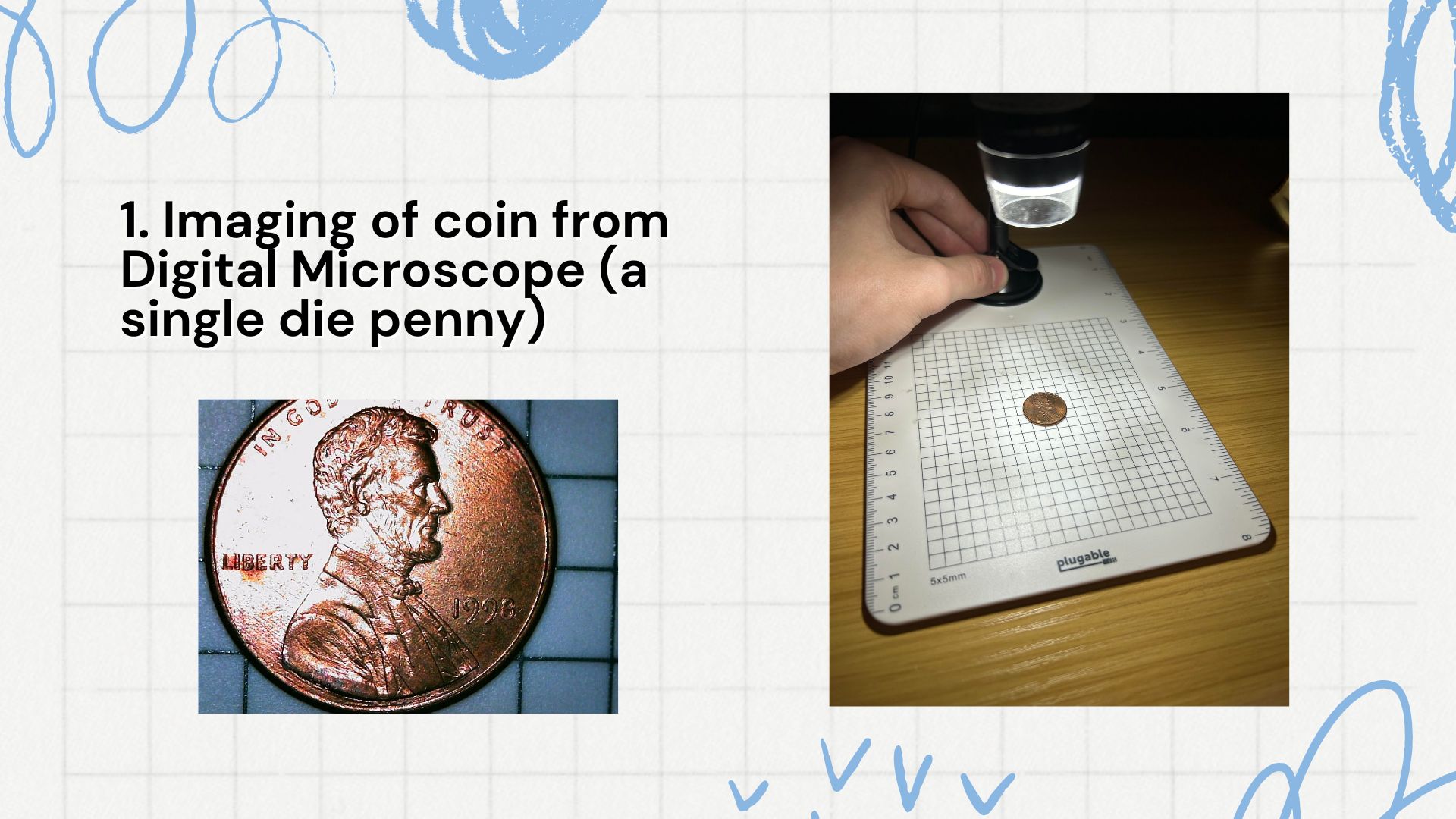
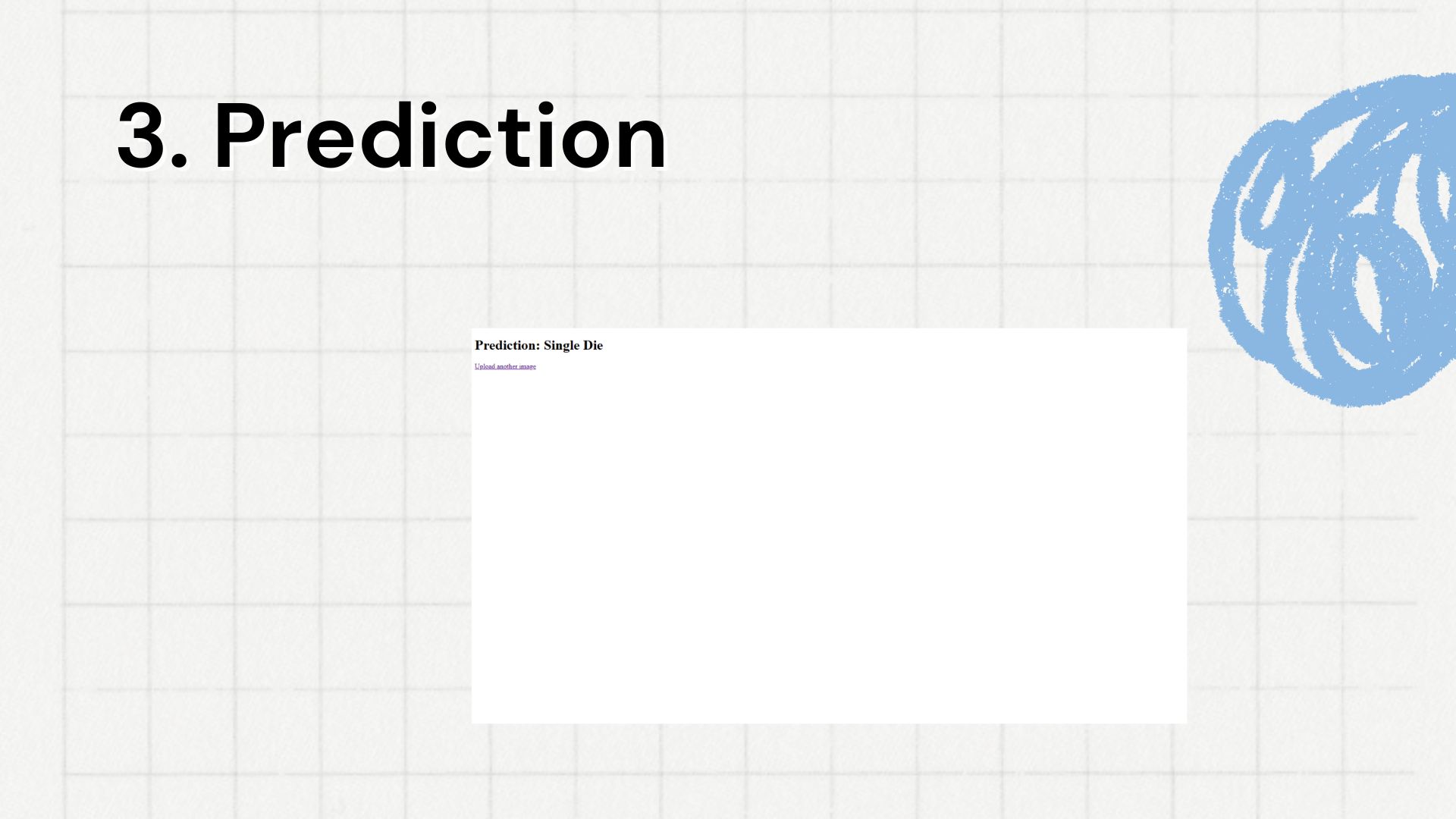
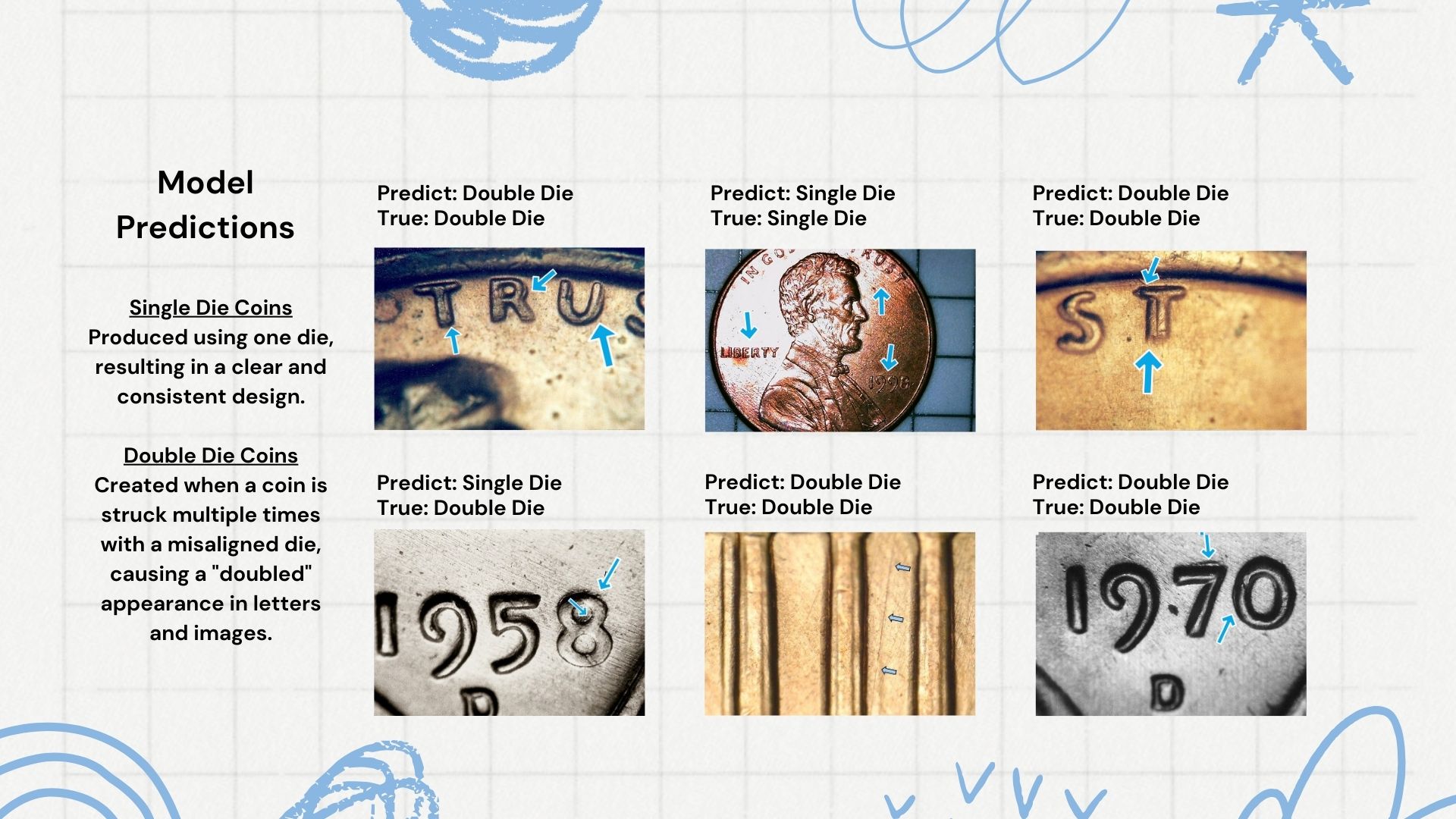
After inputting an image of a coin, specifically up close images of a coin, the model processes the images, detecting specific features that signify errors and providing accurate classifications in real-time. For example, doubled lettering or numbering would be a sign of a Double Die error. The tool will make its prediction and output it. This tool aims to enhance the accuracy and efficiency of coin error detection, making it easier for collectors and numismatists to assess the value and authenticity of coins. By automating this process, the application not only saves time but also increases accessibility for both amateur and professional coin collectors.
How we built it
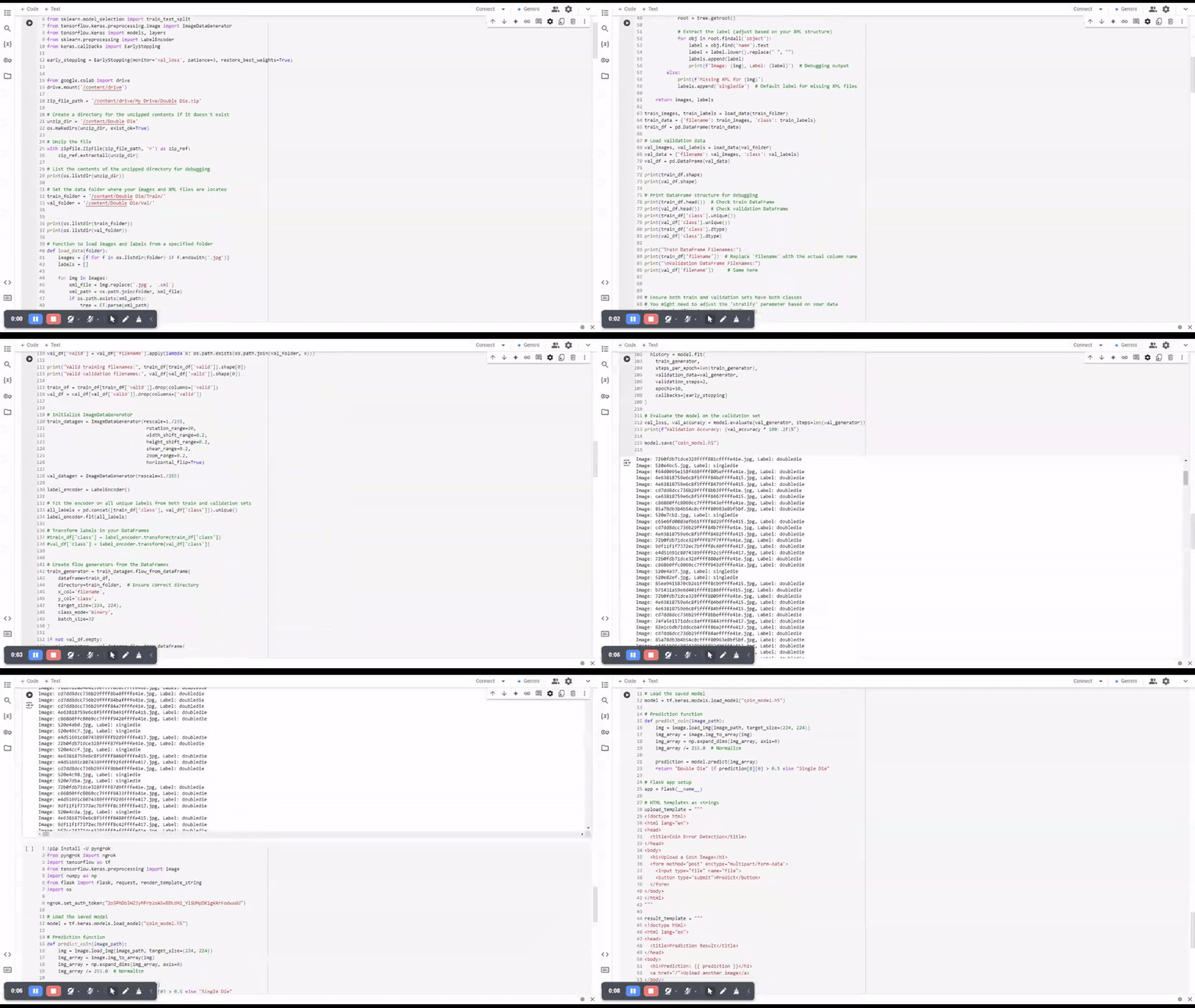
I built the application by first collecting a dataset of coin images, which included both error and non-error examples. I used a convolutional neural network (CNN) architecture to train the model, focusing on feature extraction from the images. The application utilizes Python and libraries such as TensorFlow and OpenCV for image processing and model training.
Challenges we ran into
One of the significant challenges was ensuring the dataset was diverse enough to cover various coin types and error types. Additionally, optimizing the model's performance required extensive experimentation with different architectures and hyperparameters. I also faced challenges related to image quality and lighting conditions, which affected the accuracy of the feature extraction. I also ran into a lot of bugs in trying to get my training and validation files to load correctly into Google Colab.
Accomplishments that we're proud of
I’m particularly proud of successfully developing a functional prototype that can accurately detect specific types of coin errors. Achieving an accuracy rate above 87% during testing was a significant milestone, demonstrating the effectiveness of my model.
What we learned
Through this project, I gained valuable insights into hyperparameter tuning, which involved adjusting parameters such as learning rate, batch size, and number of layers in the network. I discovered the importance of techniques like cross-validation to prevent overfitting and ensure the model generalizes well to new data. This process taught me how to balance complexity and performance effectively.
What's next for ML Image Analysis Coin Error Detection
Moving forward, I plan to expand the dataset by incorporating more diverse coin images, including rare and less common errors. I also intend to enhance the model's accuracy by exploring advanced techniques such as transfer learning and integrating user feedback for continuous improvement. Additionally, I aim to develop a user-friendly interface that allows collectors to easily upload images and receive error classification results in real time. From here, I will promote it through online coin forums.


Log in or sign up for Devpost to join the conversation.