-
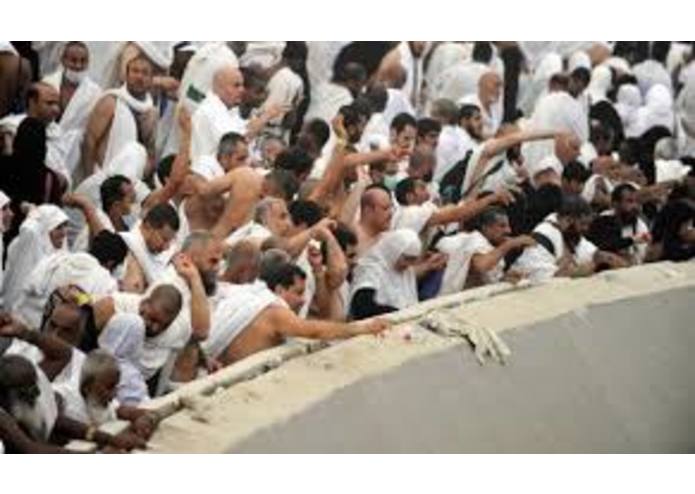
Image captured by a drone
-
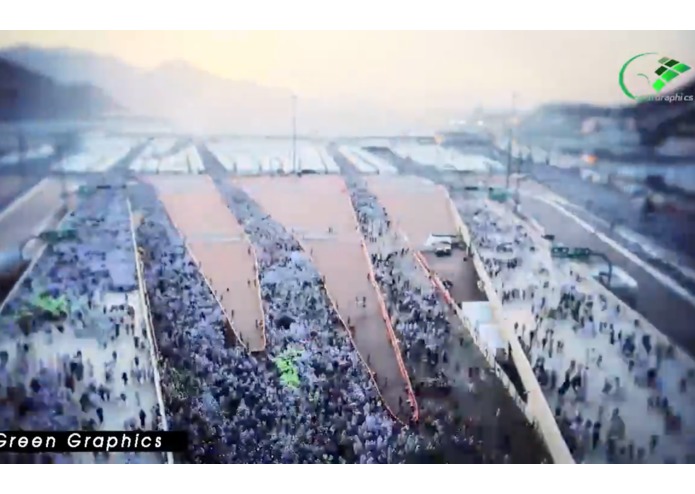
Some Tracks are over-crowded
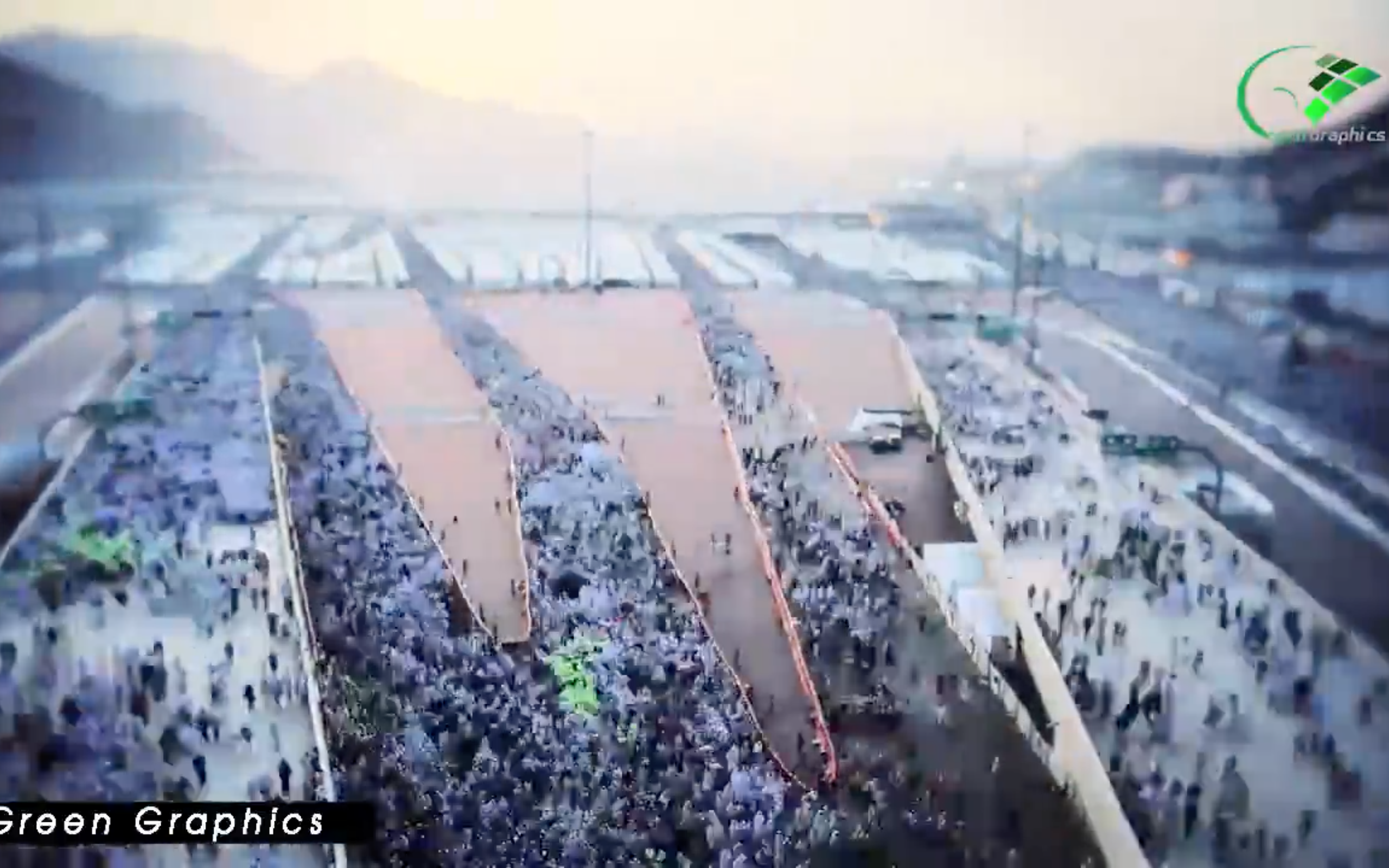
Crowd management during the Hajj season consumes a huge budget and requires many human resources from different governmental agencies in addition to the lack of early detection of congestion to avoid accidents. Here we developed an integrated system that captures images from drones and GPS signals from smart bracelets and store this data in a permanent database. Then, this data is further processed using image processing and crowd detection algorithms to extract crowd confidence scores. After that, these scores along with the GPS signal intensity scores are used as inputs to a machine learning system based on statistical learning for anomaly detection. We developed the anomaly detection system using a density based clustering algorithm. The outliers (crowded regions) identified by the algorithm are highlighted in the dashboard . Then these regions can be seen in the dashboard by the control team to do immediate reaction for different purposes such as crowd re-routing, gate control, checking company adherence to schedules and tracing people movements. We used existing drones and GPS based bracelets to generate images and signals, respectively. Also, we used Google Cloud Vision and Microsoft Computer Vision APIs to do image processing and generate crowd confidence scores. We built a novel algorithm based on density based clustering to detect anomalies and predict regions which are more crowded than others.
We are proud that we built the first integrated system that enable to ministry of Hajj to store the image history of Hajj and also developed the ML system that can predict crowd with high accuracy. The next phase in this project will be to use drones to GPS signals obtained from the bracelets in the Hajj season in order to generate real data to test the system practically.
Built With
- dashboard
- google-cloud-vision
- image-processing
- machine-learning
- matlab
- python

Log in or sign up for Devpost to join the conversation.