-
-
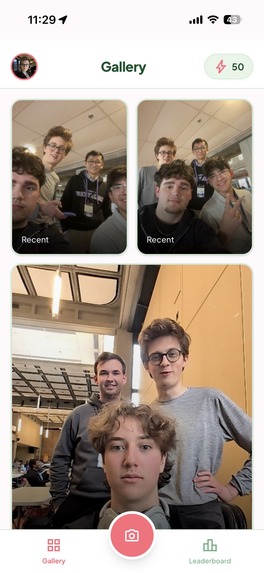
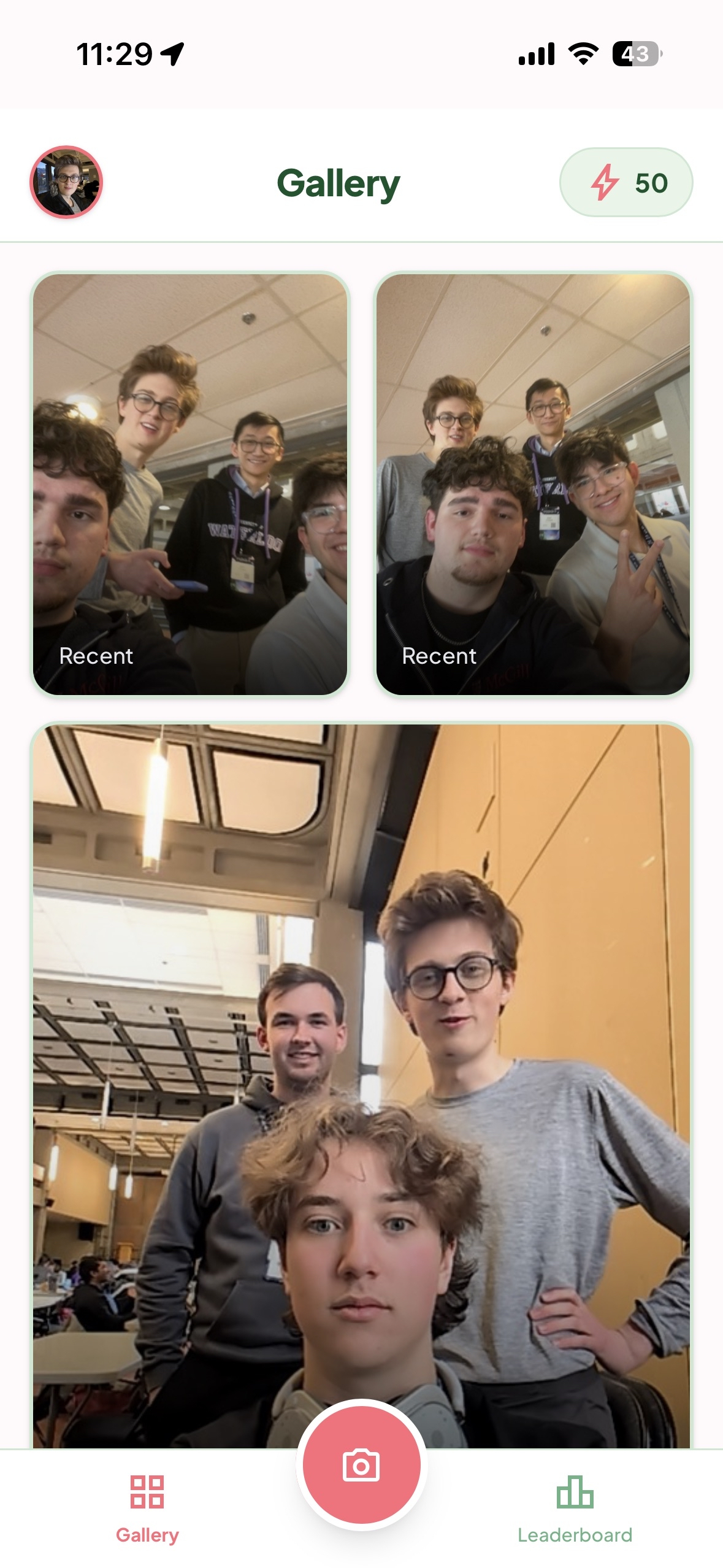
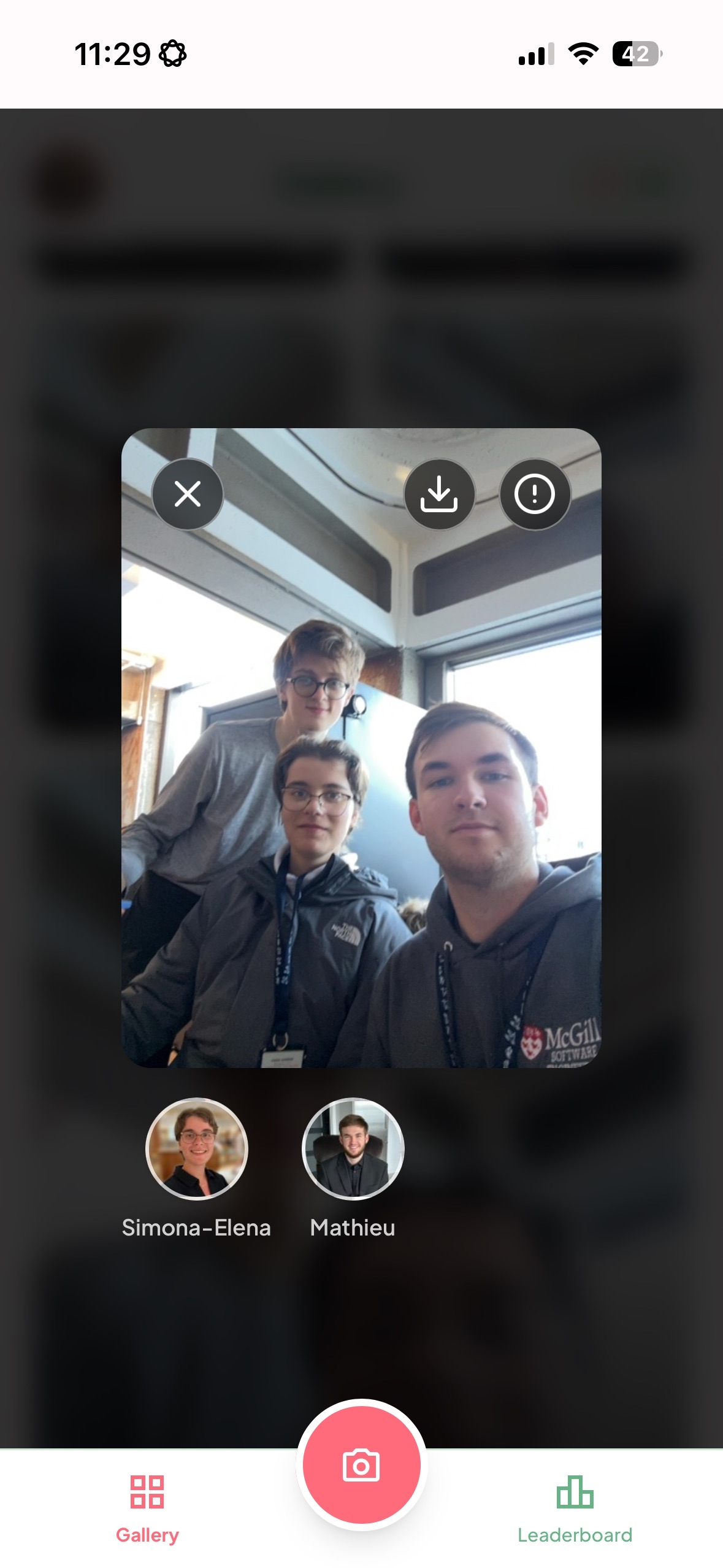
Gallery view
-
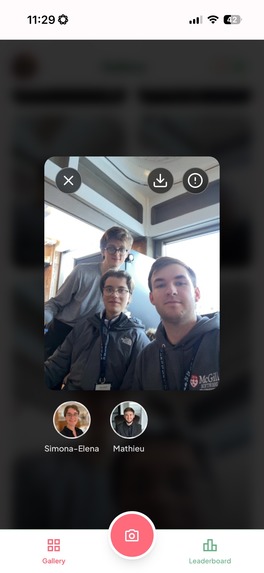
Picture view
-
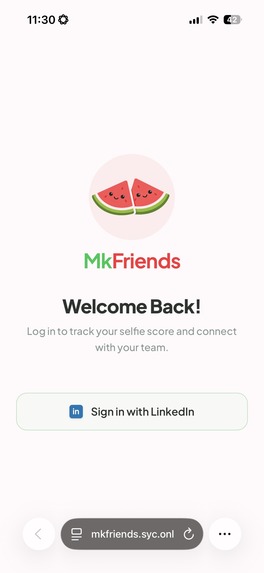
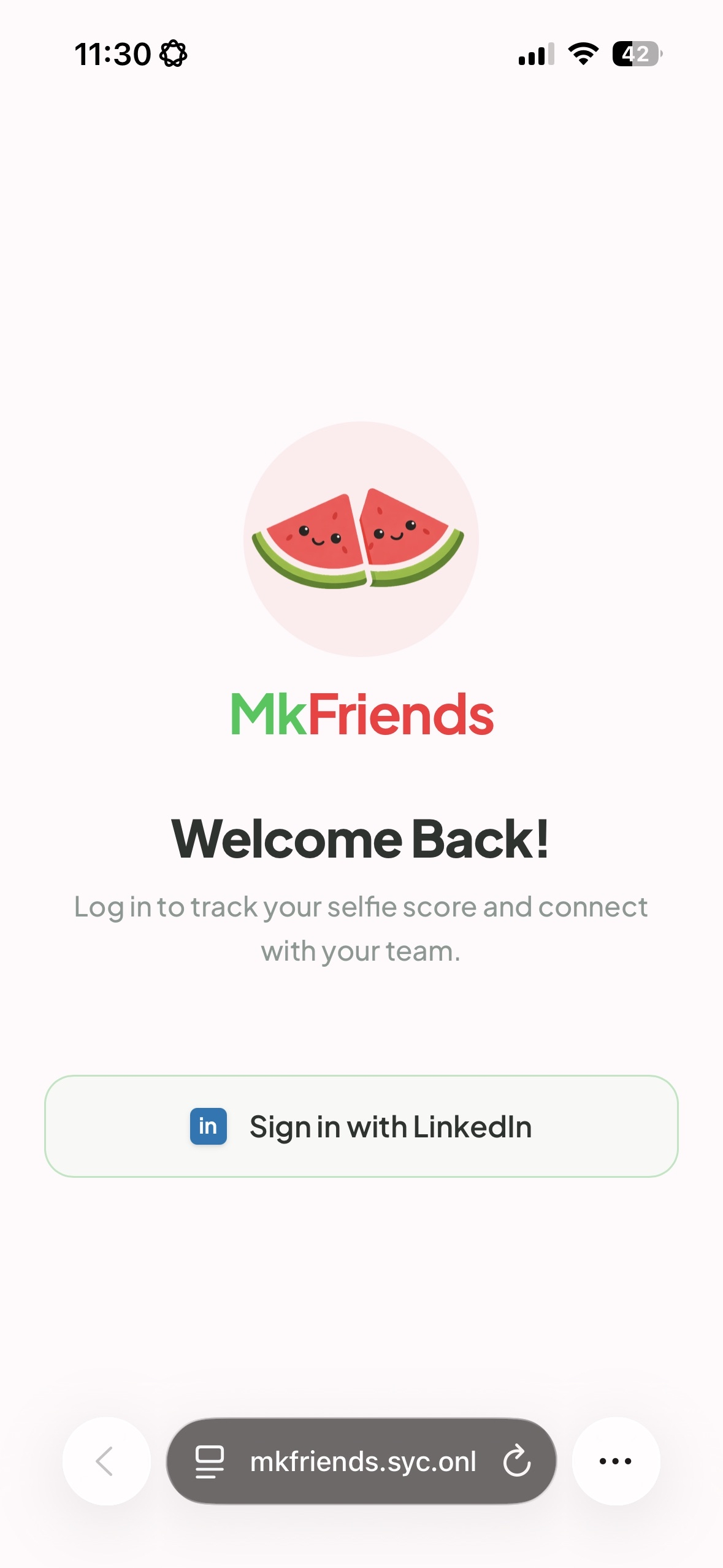
Welcome view
-
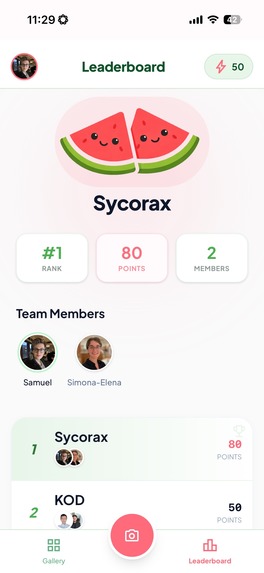
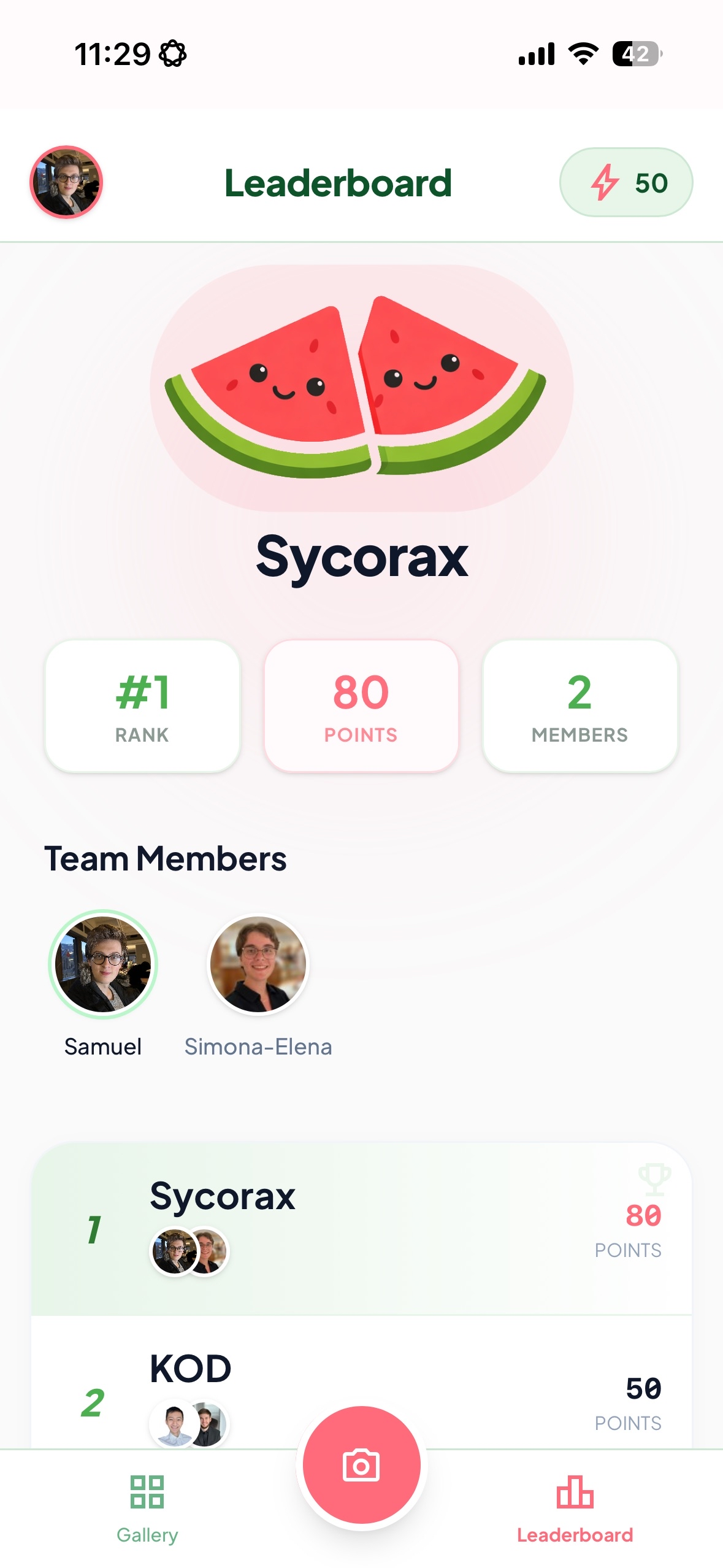
Leaderboard view
-
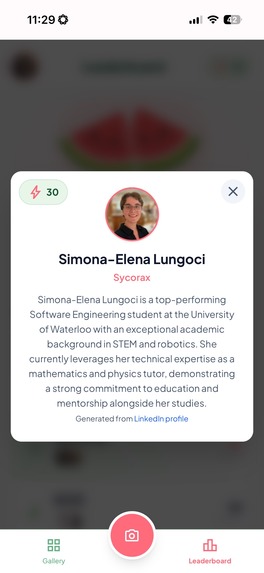
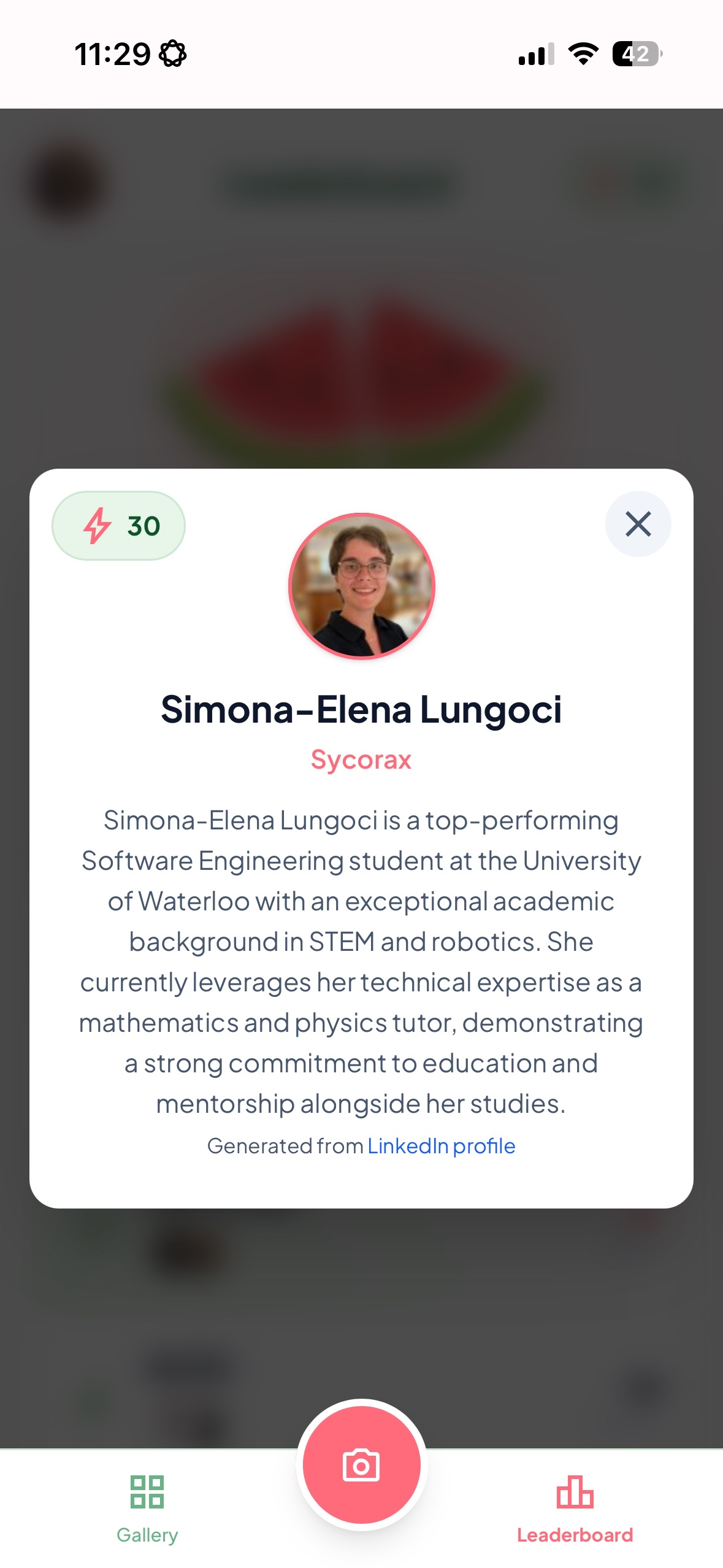
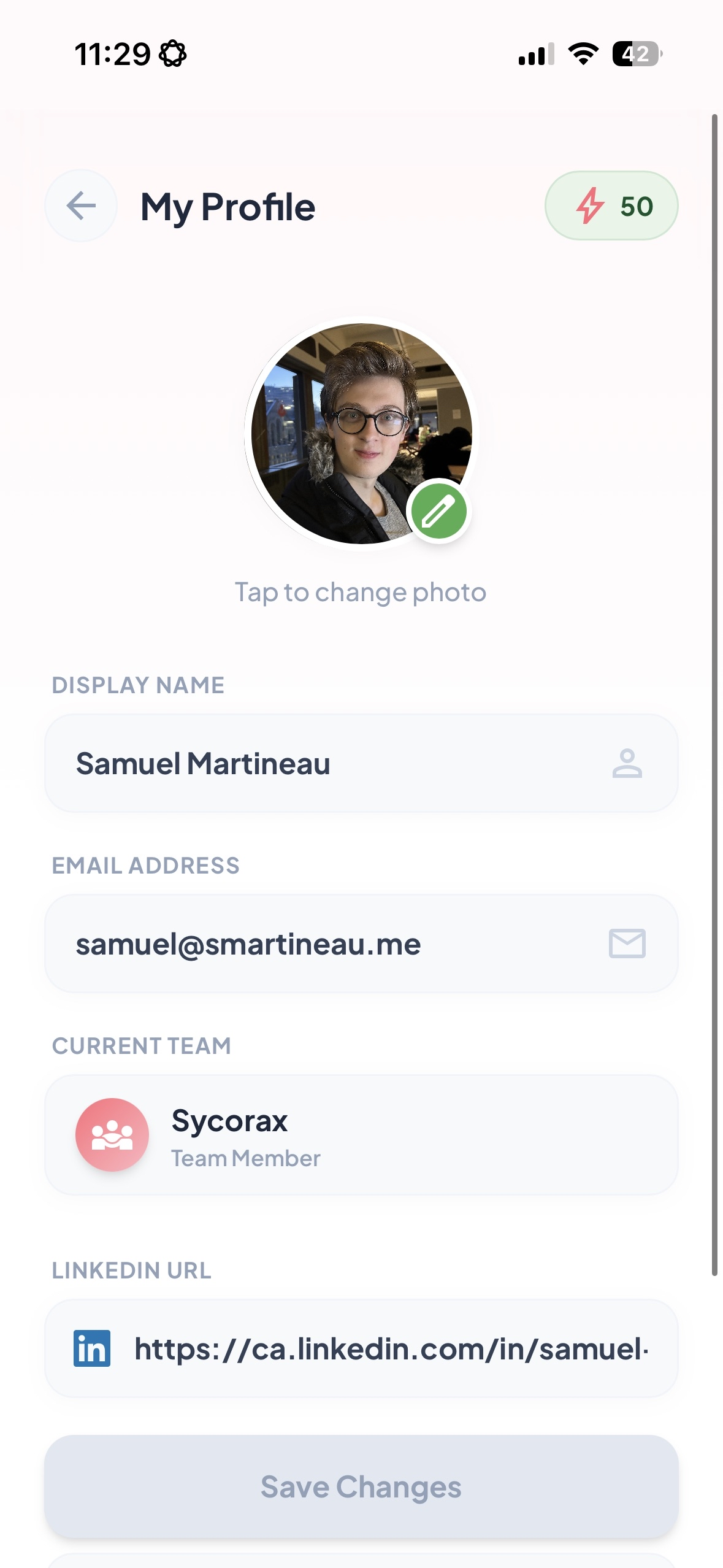
Profile view
-
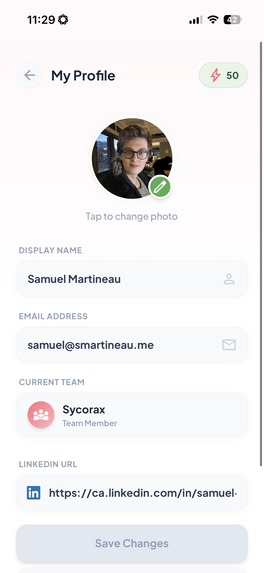
Profile editing view
-
Our mascot
Inspiration
Hackathons are intense, fast-paced, and full of amazing people, but ironically, it’s often hard to actually meet them. We noticed that many meaningful connections at hackathons are fleeting: you chat for a few minutes, maybe exchange LinkedIn links, and then never reconnect.
We wanted to flip that experience into something fun, memorable, and social. MkFriends was inspired by the idea that making friends at a hackathon could feel like a game, where the goal isn’t just building a project, but building real connections with the people around you.
What it does
MkFriends is a social hackathon app that encourages participants to meet new people by taking selfies together.
When you take a selfie with someone:
The app uses Google Gemini to verify that the photo is legitimate (e.g. not a photo of a screen, not reused, and actually contains real people).
It then uses facial recognition to identify everyone in the photo. After everyone has been identified, the picture is added to the gallery of each user present, also earning them points. Once a selfie is in a user’s gallery, they can select them to view all the people present and consult their profile. MkFriends uses GumLoop to summarize each person’s LinkedIn profile into a short, friendly description, helping you remember who you met and what they’re interested in.
Instead of collecting business cards or forgetting names, you build a visual, meaningful record of the people you met, all through shared moments.
How we built it
Frontend: Next.js + React for a fast, mobile-friendly experience
Authentication: Auth0 for secure login and LinkedIn profile access through the OAuth2 protocol. The authentication using auth0 helped us make a secure logging quickly, but also allowed us to easily integrate LinkedIn to our project.
Backend & Data: MongoDB for storing users, connections and teams. DigitalOcean Spaces (object storage) for storing the photos.
AI Verification: Google Gemini to validate that uploaded images are real and original
AI Summarization: GumLoop to generate concise LinkedIn summaries
Hosting: DigitalOcean Compute Droplet
Compute (for face recognition): DigitalOcean GPU Droplet (with NVIDIA H-100)
Challenges we ran into
Verifying image authenticity: Ensuring photos were real and not reused or screenshots required careful prompting and iteration with Gemini. Gemini really helped with this issue and it’s easy integration to the API saved us a ton of time.
Retrieving information from LinkedIn: Our user onboarding is based on retrieving information from linkedin like the user’s name and profile picture. Being able to seamlessly integrate LinkedIn and retrieving quality images proved to be hard. Gumloop was a great help at obtaining and summarizing user information quickly from the web.
Balancing privacy and usefulness: We wanted summaries that were helpful without exposing too much personal data. We were hesitant to pursue this project at first because we understand some people may not want their personal information circulating through many people. To try limiting exposure, we made sure to only use minimal public information.
Modal UX & scrolling issues: Handling multiple overlays, background blur, and scroll locking across components was trickier than expected.
Time constraints: Like any hackathon, deciding what not to build was just as hard as building the core idea. In every hackathon, the chosen idea is very important to the success of the team. We were hesitant at first on the idea we wanted to implement and as always, concerned we would not have enough time to complete our vision.
Accomplishments that we’re proud of
Turning networking into something fun instead of awkward.
Successfully integrating AI in a way that adds real value, not just novelty.
Building a polished, end-to-end experience in a short amount of time.
Creating a concept that people immediately get when they see it.
What we learned
AI works best when it solves a specific, human problem
UX details (blur, scroll locking, transitions) matter a lot for perceived quality
Social apps don’t need to be complicated, they need to be inviting
Hackathons aren’t just about shipping code, but about exploring bold ideas
What’s next for MkFriends
We’d love to expand MkFriends with challenge-based social goals, such as:
Take photos with people from 5 different universities
Meet people from 3 different provinces or countries
Connect with participants in different technical roles
Team-based or leaderboard challenges to encourage exploration
Long-term, MkFriends could become a go-to social layer for hackathons, conferences, and tech events, helping people turn quick introductions into lasting connections.
Built With
- auth0
- digitalocean
- gemini
- gumloop
- mongodb
- next.js


Log in or sign up for Devpost to join the conversation.