-
-
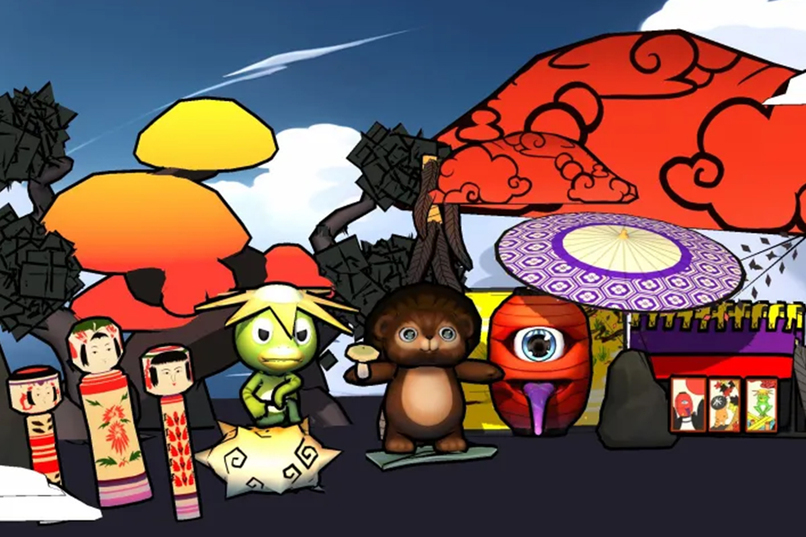
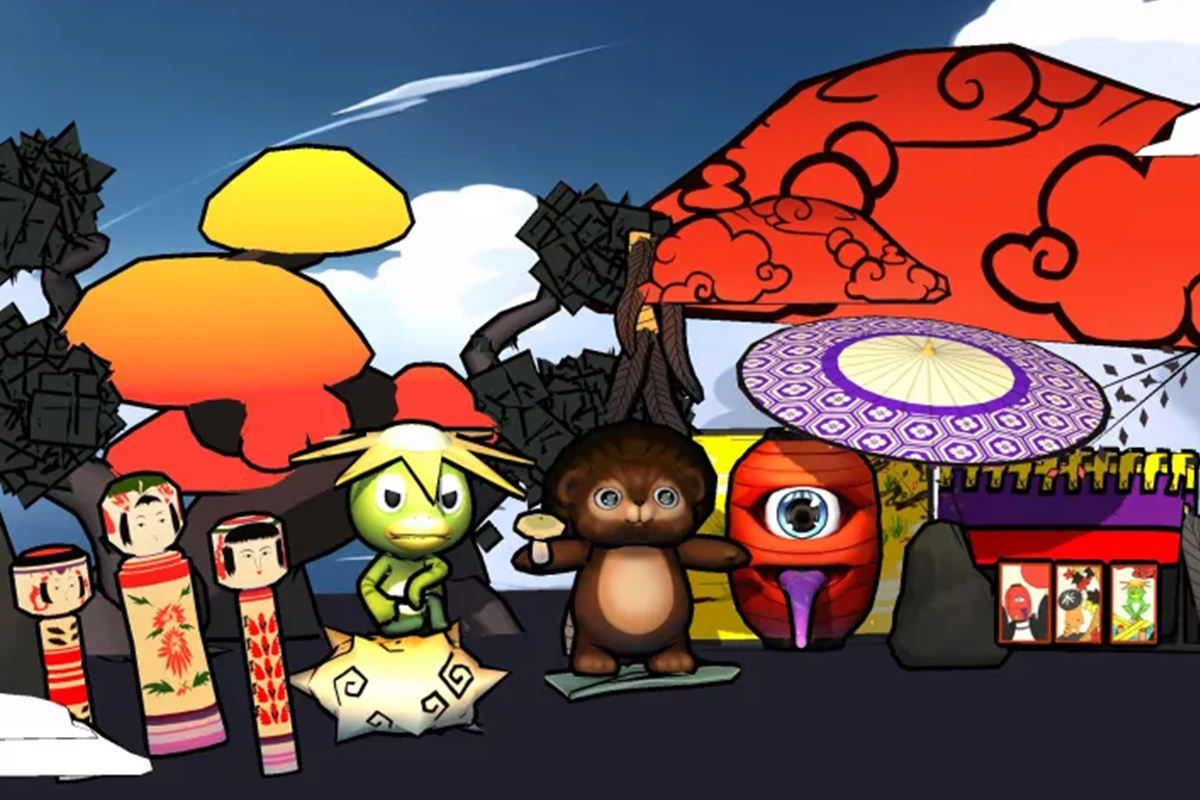
Environment design
-
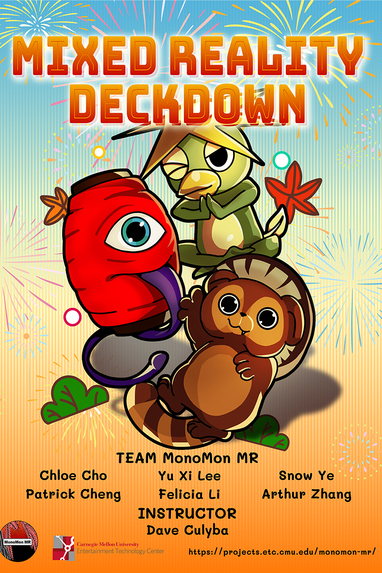
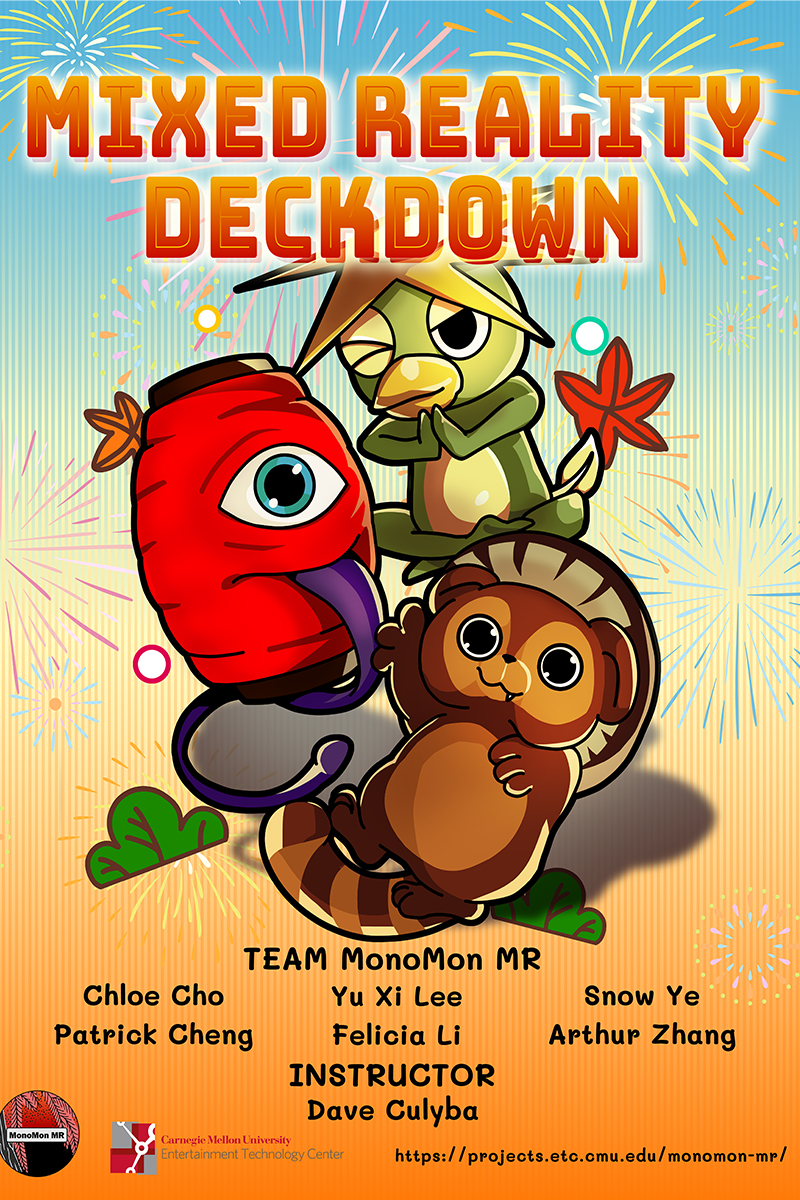
Poster
-
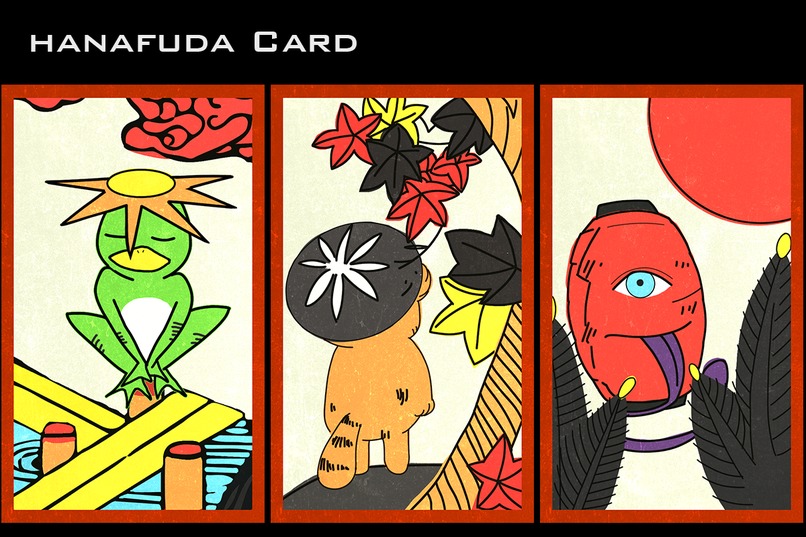
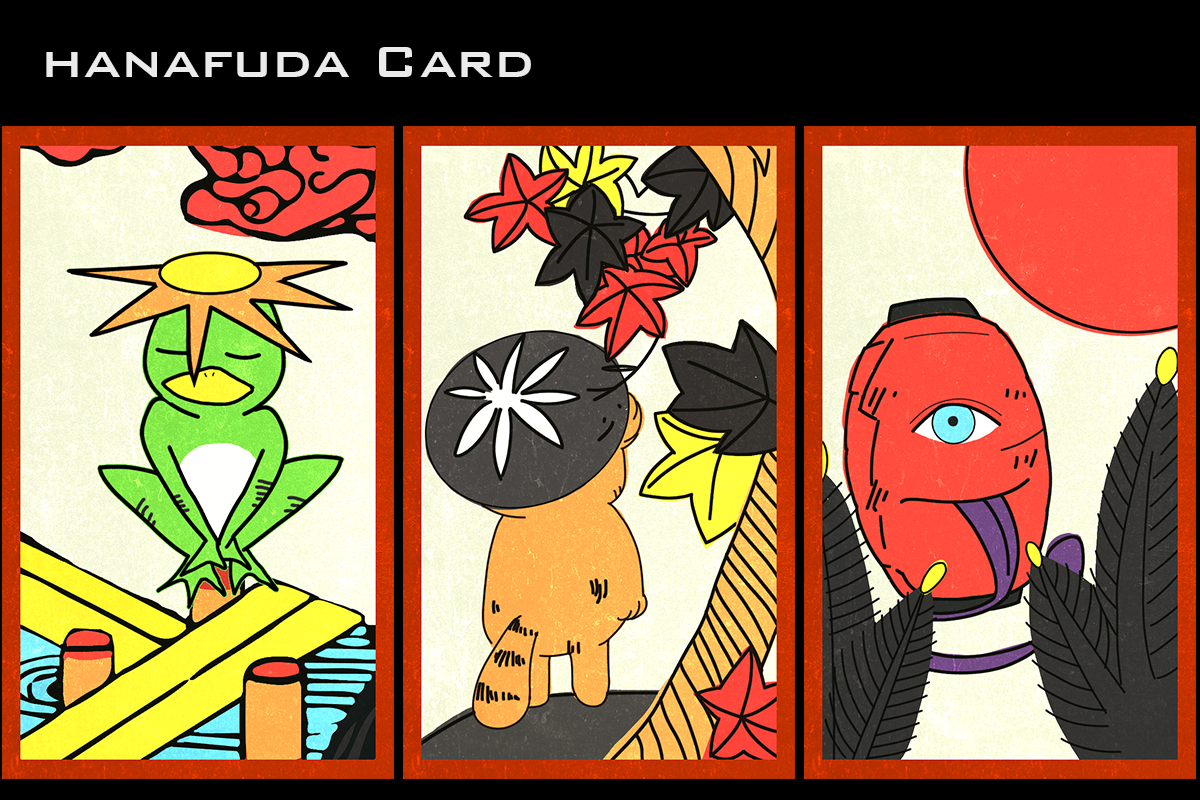
hanafuda style card
-
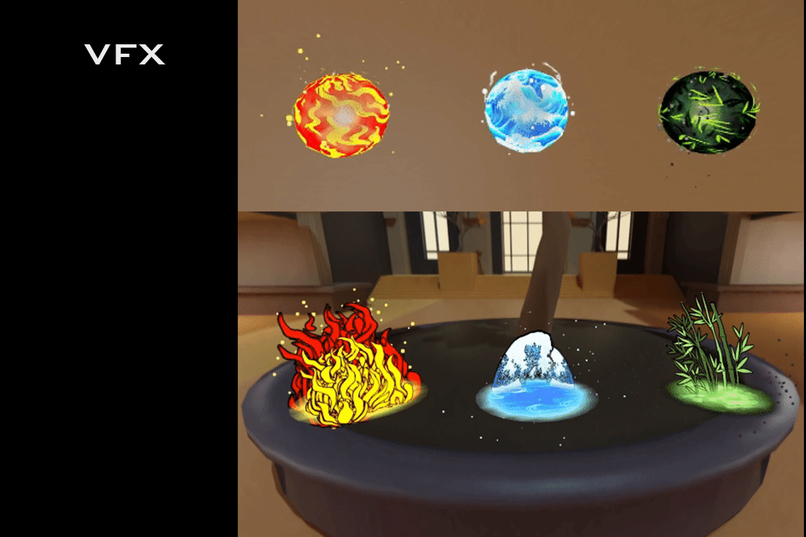
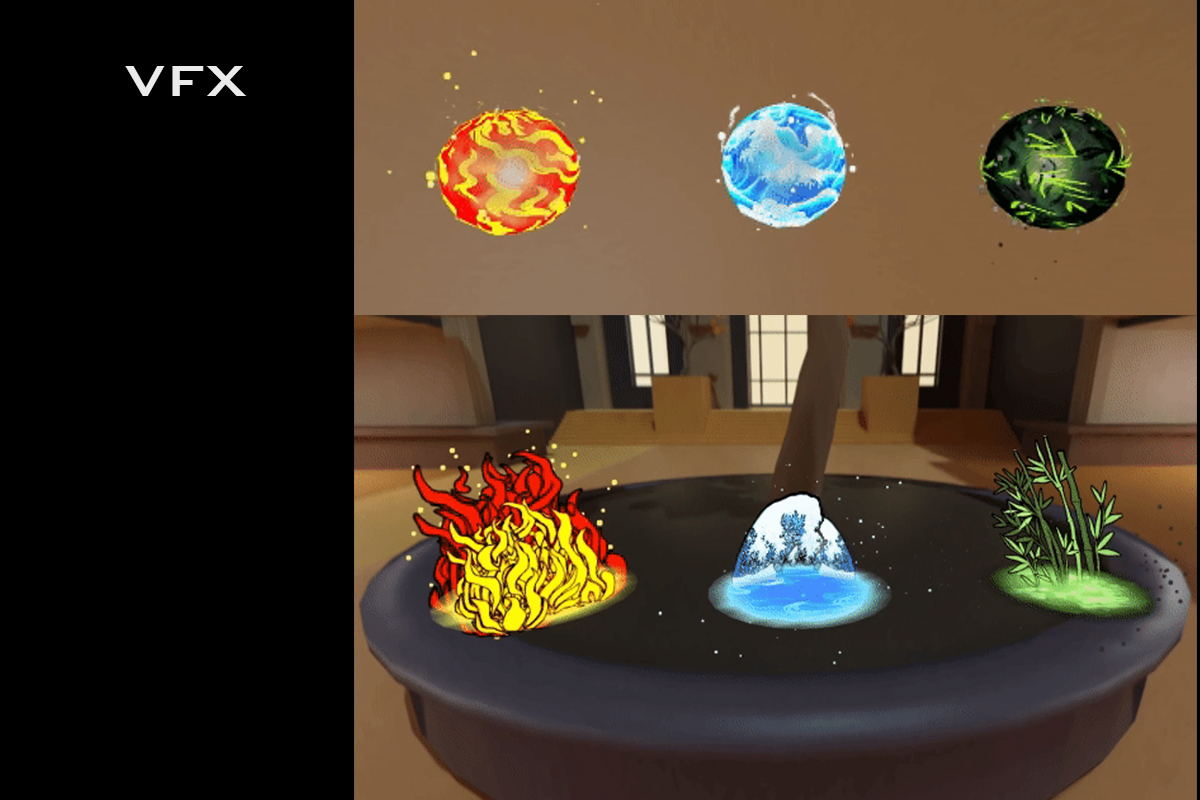
VFX
Inspiration
Many have cherished childhood fantasies of dueling with monsters. With the current state of mixed reality technology, the team’s goal is to transform this whimsical dream into a captivating reality. With the current state of MR technology, the team’s goal is to transform this whimsical dream into a captivating reality. Through developing a multiplayer shared space mixed reality experience blending the physical and virtual realms with interactive elements and interfaces that integrate the room environment and furniture around us.
What it does
Mixed Reality Deckdown (MRD) is a two-player mixed reality combat demo, with dueling mechanics and asymmetric gameplay.
How we built it
We started off using Meta's Discover app template and Photon Fusion to deal with shared spatial anchors and colocation. We used Meta's Interaction SDK and Hand Tracking for input. Using hand gestures for players to trigger events in the game. We used Meta Quest's passthrough feature to enable mixed reality. We used Meta's Scene API and scene manager component to set up the virtual objects in the game for objects that players can hide behind.
Challenges we ran into
Learning Photon Fusion, and how spatial anchor and colocation work. Designing for mixed reality was also quite different compared to AR/VR design. It was also hard to design the best interactions using hand tracking since no buttons or controllers were available to use.
Accomplishments that we're proud of
We explored and opened up possibilities for a shared Mixed-reality experience, and we created a playable demo, we also created documentation for future MR development
What we learned
1) Ideal vs. Reality: A significant lesson learned was the gap between the theoretical capabilities of mixed reality technology and its actual limitations in practice. The project's restrictions within MR technology posed challenges, emphasizing the importance for a realistic view of what the technology can achieve and how to work within its limitations.
2)Creative Challenge of Working Without a Reference/Foundation: Creating a compelling world within technological confines proved challenging. The lack of a reference and foundation required the team to find creative solutions and think outside the box. This led to unique solutions that balanced technological constraints and artistic vision.
3)Art & Design: Designing Flexibly: The team learned the value of designing flexibly, particularly for game development prone to change. Art and design adjustments were necessary to accommodate the limitations of mixed reality and Quest 3. This flexibility kept the gaming experience cohesive and immersive. However, it also meant more work for artists to create a polished, playable demo.
What's next for Mixed Reality Deckdown
Competing in this Hackathon and Meta's Oculus Start program.


Log in or sign up for Devpost to join the conversation.