-
-
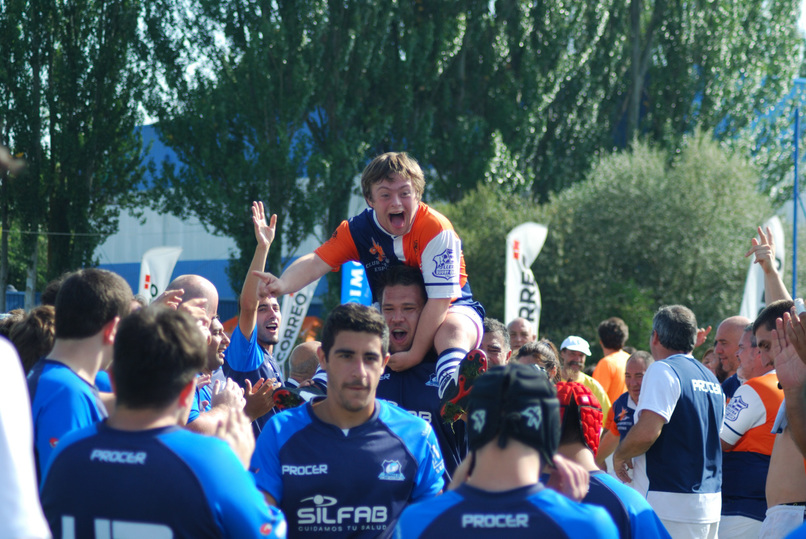
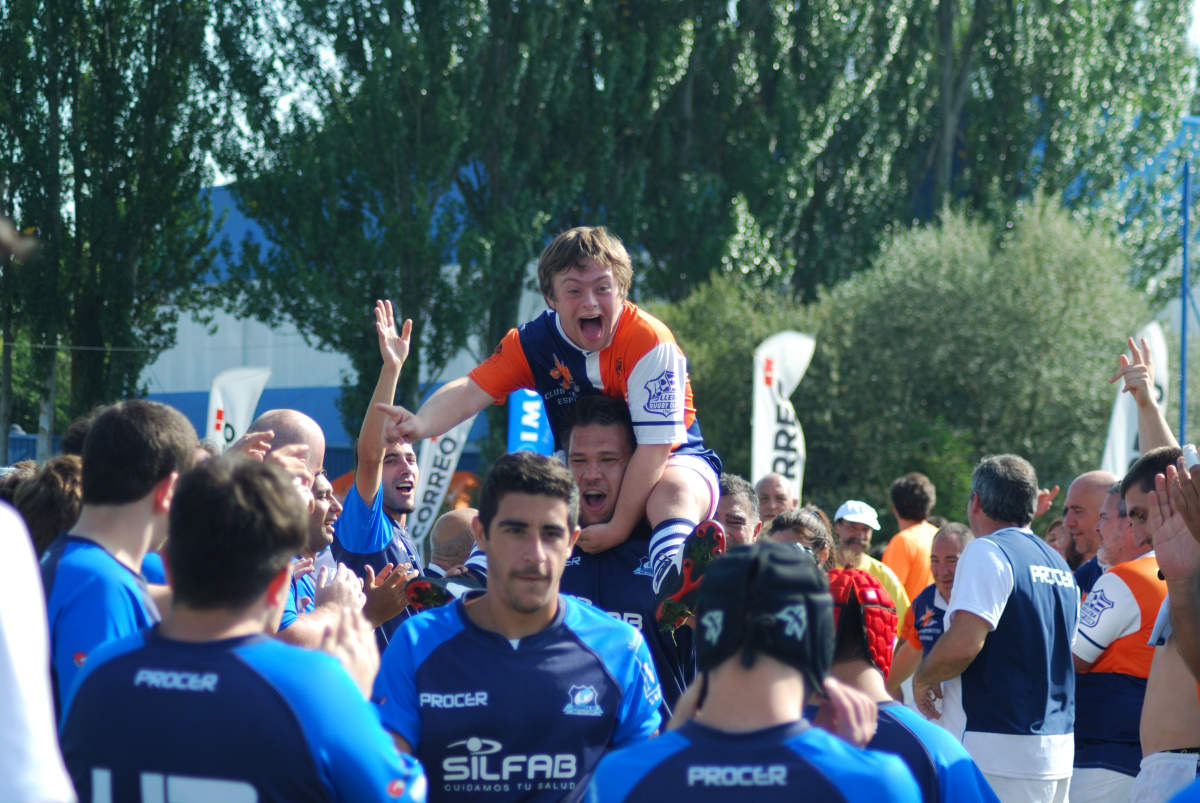
Argentinian players from Pumpas XV celebrating at IMART 2017
-
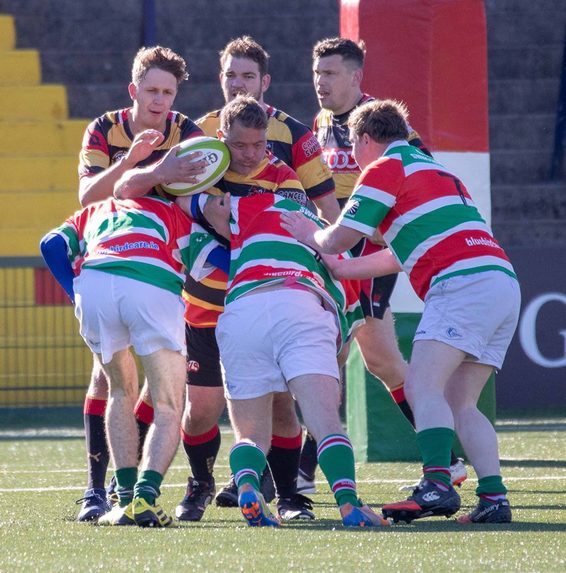
Sundays Well Rebels (IRL) v Bumble Bees (ENG)
-
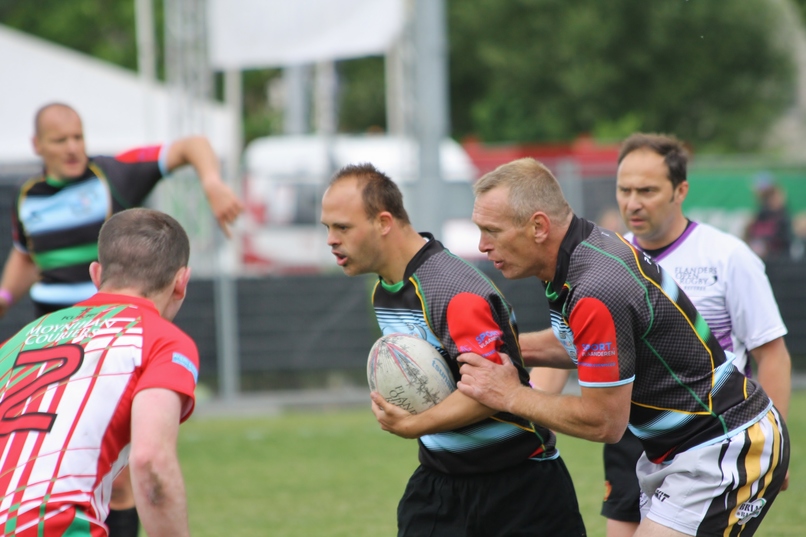
Flanders Barbarians (BEL) v Sundays Well Rebels (IRL)
-
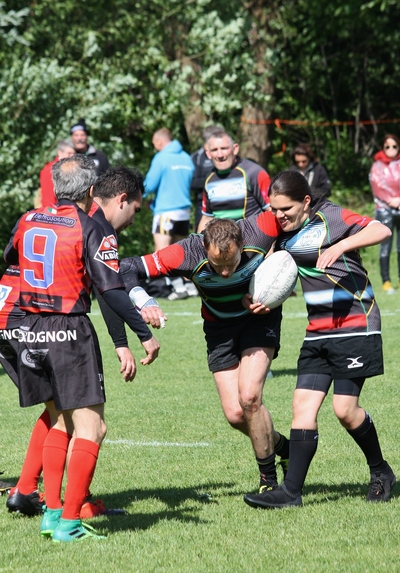
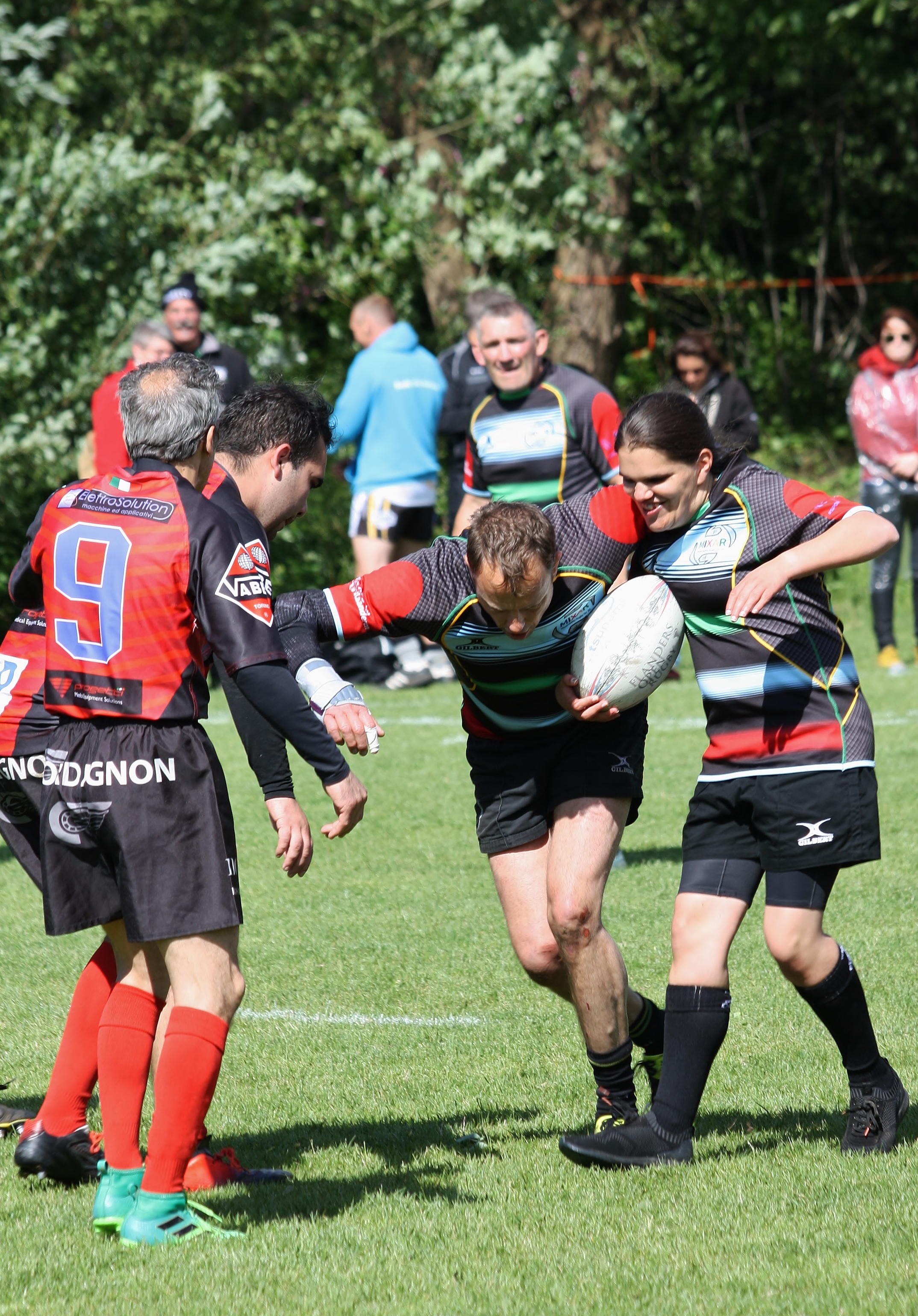
Flanders Barbarians (BEL) v Chivasso Rugby (ITA)
-
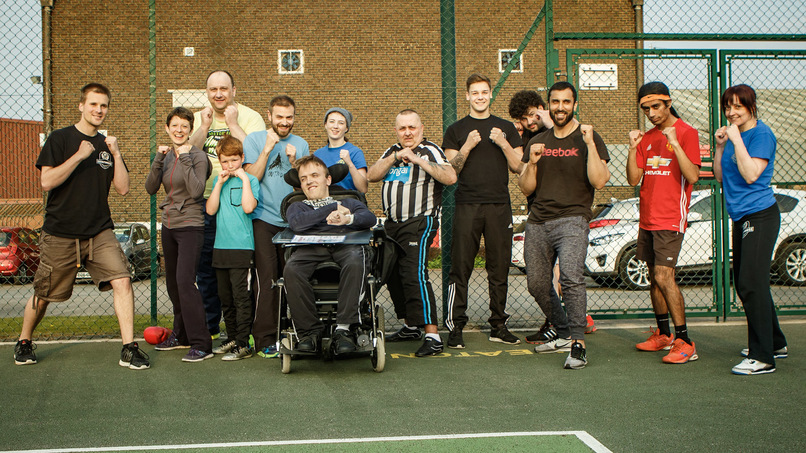
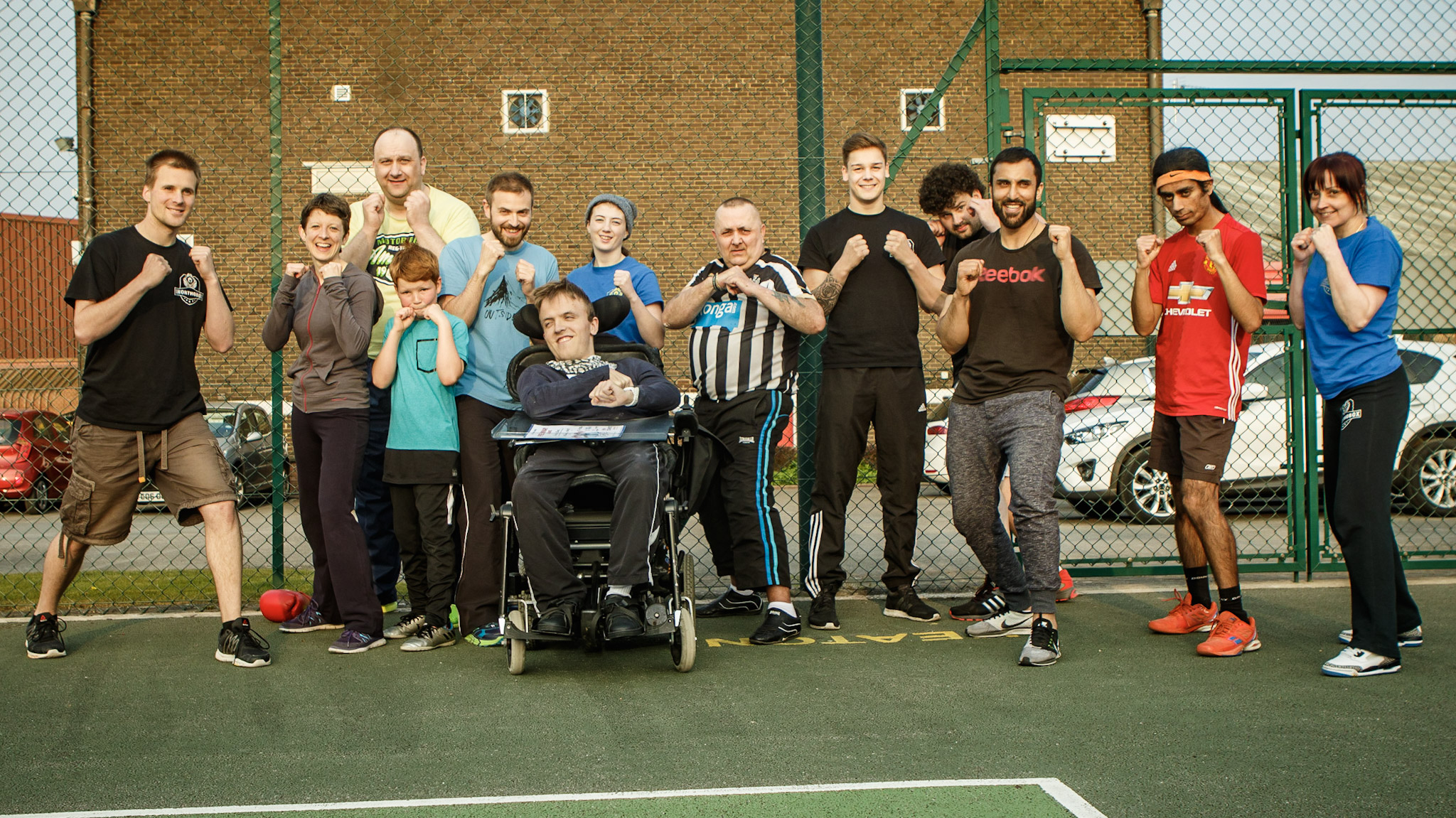
Mixed Ability Boxing class (Bradford - ENG)
-
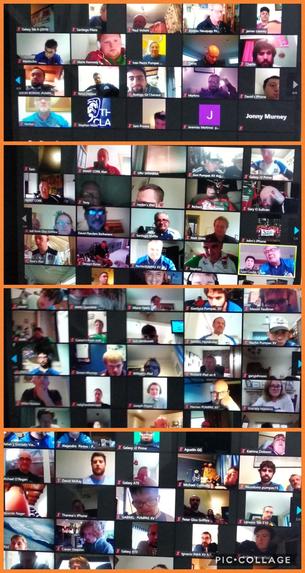
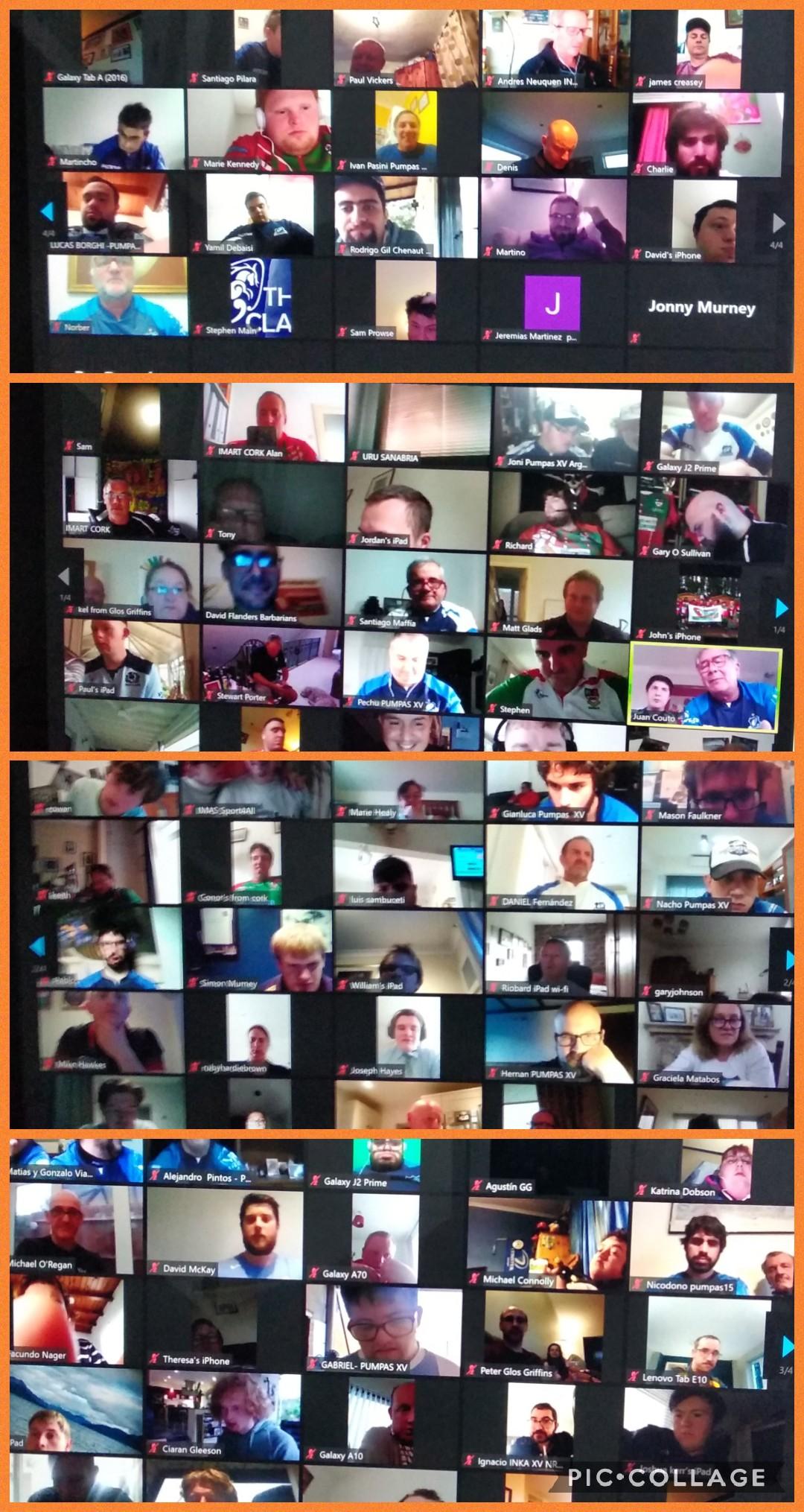
Mixed Ability Rugby players form around the world coming together during Covid-19 as they look forward rugby returning


Inspiration
Mixed Ability (MA) sports come from the grassroots level, and specifically from the desire of disabled people to be included in community sport. Disabled people started to challenge the lack of provision of mainstream sport provision, asserting their right to be equal members (UNCRPD, art. 30)
What it does
MA enables people with and without disabilities to play sport together as teammates, without classifying, grading, or separating. It creates a safe, welcoming, and non-judgmental environment [https://www.cogitatiopress.com/socialinclusion/article/view/908], where everyone is accepted and valued for who they are. MA teams are just another team in the club. In breaking down those physical and cultural barriers, MA benefits individuals, clubs, and the wider community!
How I built it
MA started from disabled people asserting their right to play, as well as from the appetite for people to return to sport, enter sport for the first time, or remain involved with their clubs when aging. In order to achieve that, we listen to aspirations and needs, across the world, understanding that a new idea of community sport was needed. A sport that is less result and performance-driven, less intense, and more social. MA uses the same rules and regulations of existing sports, with only minor adjustments when necessary [http://www.mixedabilitysports.org/mixed-ability-manifesto/], and harnesses the experiences of participants to co-produce educational resources and raise awareness about our different model. The concept has successfully been proven with rugby, at a local, national, and international level [http://www.mixedabilitysports.org/mixed-ability-rugby-shows-the-sport-at-its-purest-and-its-going-worldwide/].
Challenges I ran into
The biggest challenges are cultural, linked to systemic prejudice and discrimination towards disabled people, and the ableism rooted in our society, which are well represented by the traditional model of disability sport, where participants/athletes are classified, graded, identified, or obliged to compete only with their peers using adapted rules. This perpetuates barriers and stereotypes not just towards disabled people, but towards diversity in general. The other challenge is the mainstream narrative of sport, which narrates it as something that belongs to elites, professional athletes, or 'those who are good enough'.
Accomplishments that I'm proud of
The biggest accomplishments are individual, and you can see their stories here [https://youtu.be/_5yQmBxaeLA]. In Ireland, for instance, a single grassroots rugby club (Sundays Well Rebels) have successfully changed the culture of their Union, leading to the creation of many more men's and women's MA rugby clubs. The potential has been trailed and implemented through an EU project [http://www.mixedabilitysports.org/mixed-ability-rugby-for-all-mixar/], but our proudest achievement is the International Mixed Ability Rugby Tournament, a world cup for MA rugby clubs, and an extraordinary vehicle to promote social inclusion [https://youtu.be/c-ymxqACojY]. The next one is due in Cork, Ireland, in summer 2021, and can represent an opportunity to see MA in action and get stuck in!
What I learned
We learned that we are one another's best allies. That we all face barriers to participation, or disability, at some point in our lives, and that we can remove those barriers, for everyone, if we create really inclusive dynamics and environment, but that this requires time and education. We have learned that meaningful interaction between equals has a transformative power for the wider society, and reinforces the idea that a different model is possible, and can be adopted by all sports. We learned through participatory research {http://www.mixedabilitysports.org/evaluating-the-impacts-of-ma-sport/] that MA is a sustainable model, and can generate a wider cultural shift working at the individual, club and community level. But, more than anything, we learned through experience that it's the most enjoyable sport experience we've ever had, and it's great fun!
What's next for Mixed Ability Sports
MA is working in rugby but has the potential to change other sports. It's been growing in very different countries such as Canada, Argentina, Ecuador, Spain, Italy and we believe it can make a significant contribution to change the way we think of, join in, and enjoy community sports. Harnessing the experience of our movement, we want to become leaders in equality and inclusion, contributing to building a fairer and more equal society. In order to achieve this, we must transfer the lessons learned on the pitch not just to other sports, but to the corporate world, the job market and the health and educational sectors. We believe Ireland is in a strategic position to help grow the MA movement but we are lacking capacity. In order to achieve our vision, we need to build capacity and formalise a structure to capture this incredible potential!


Log in or sign up for Devpost to join the conversation.