Inspiration
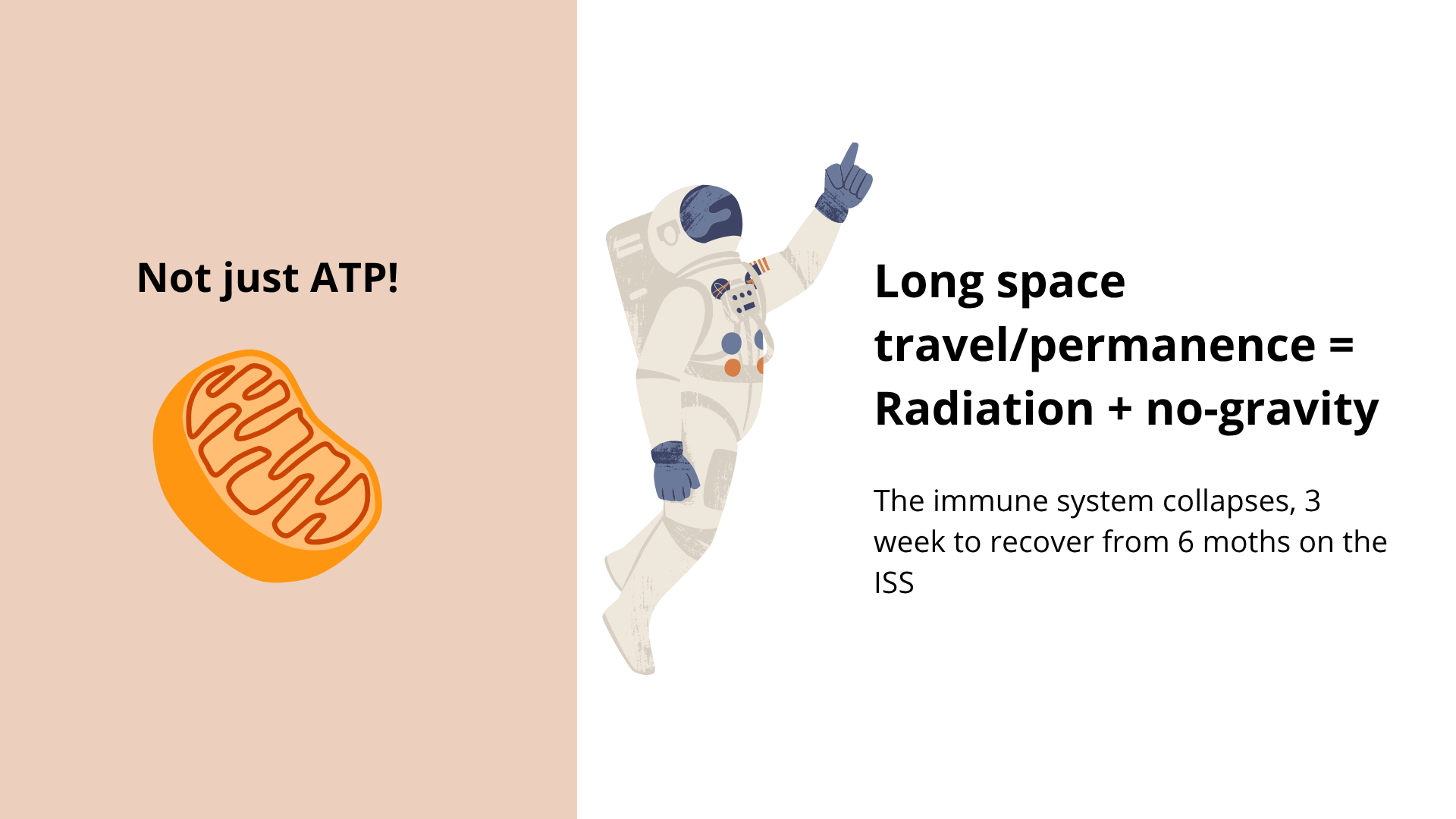
Long-duration spaceflight is one of the greatest biological challenges humans face. . After six months in space, immune recovery can take weeks, increasing vulnerability to infections, inflammation, and delayed healing.
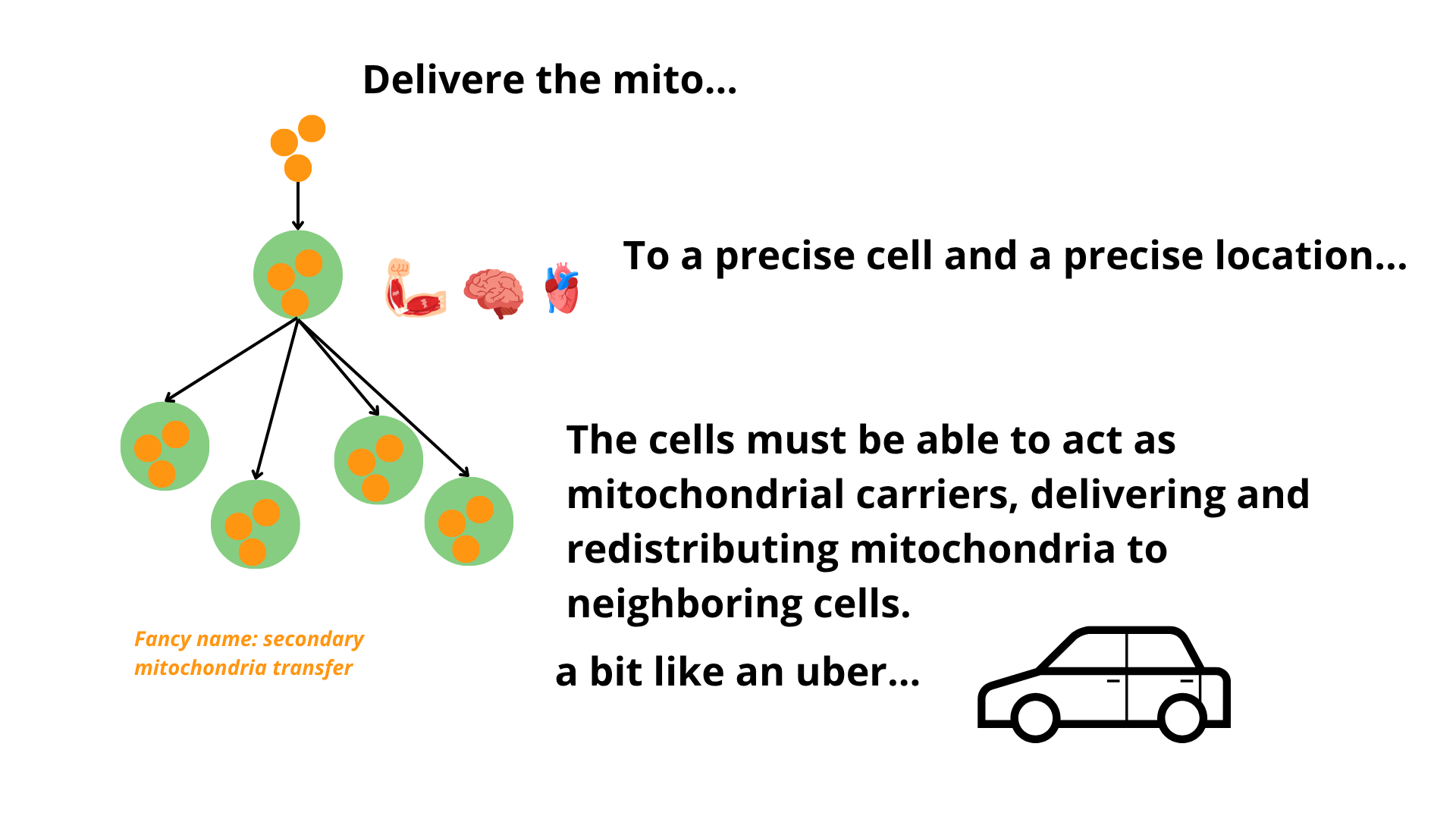
At the same time, recent research has shown that mitochondria are far more than cellular power plants. Cells can exchange mitochondria with neighboring cells through mechanisms such as tunneling nanotubes (TNTs), extracellular vesicles, and microvesicles. This phenomenon, known as mitochondrial transfer, may represent a new therapeutic strategy for restoring cellular function.
What it does
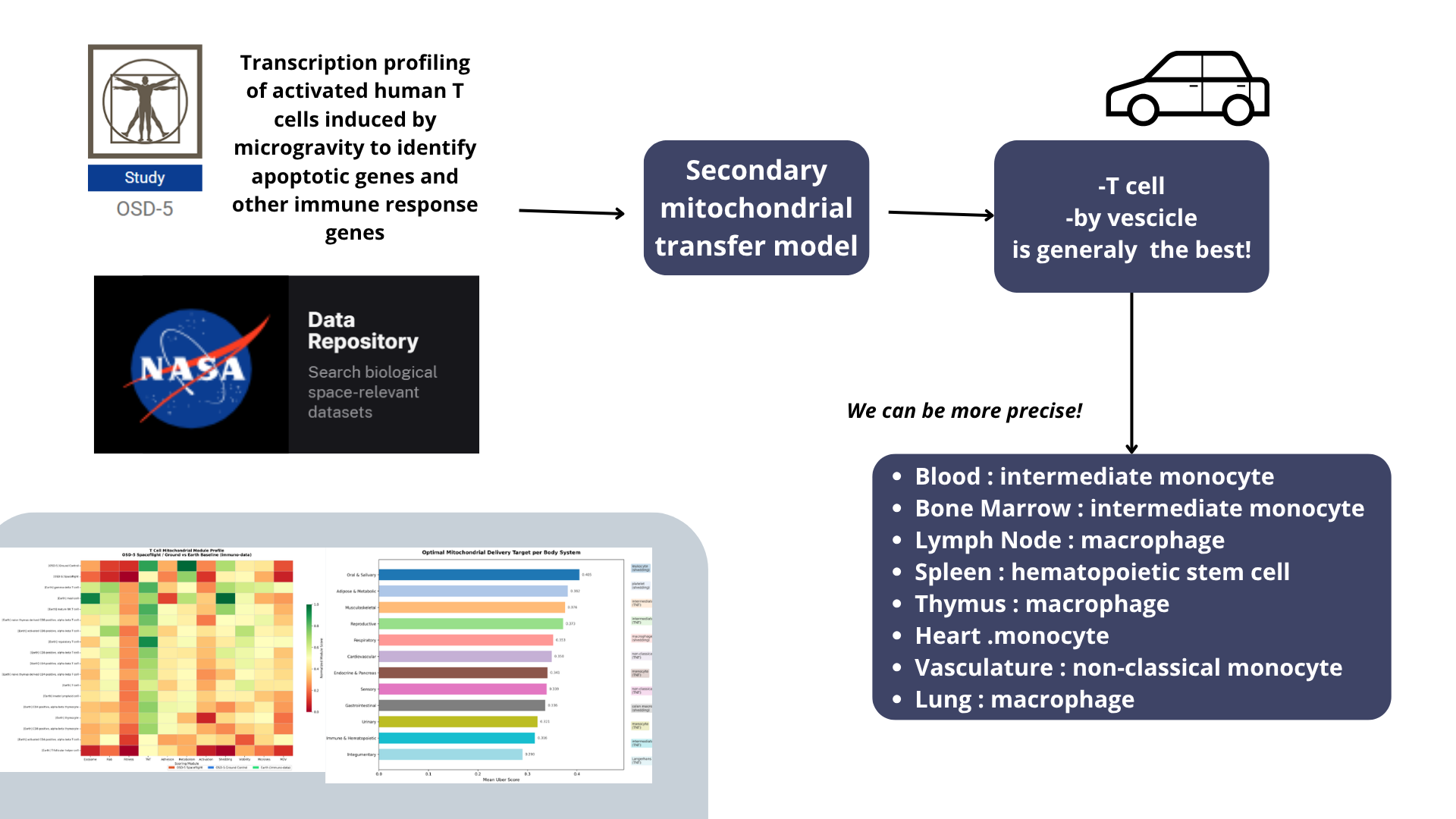
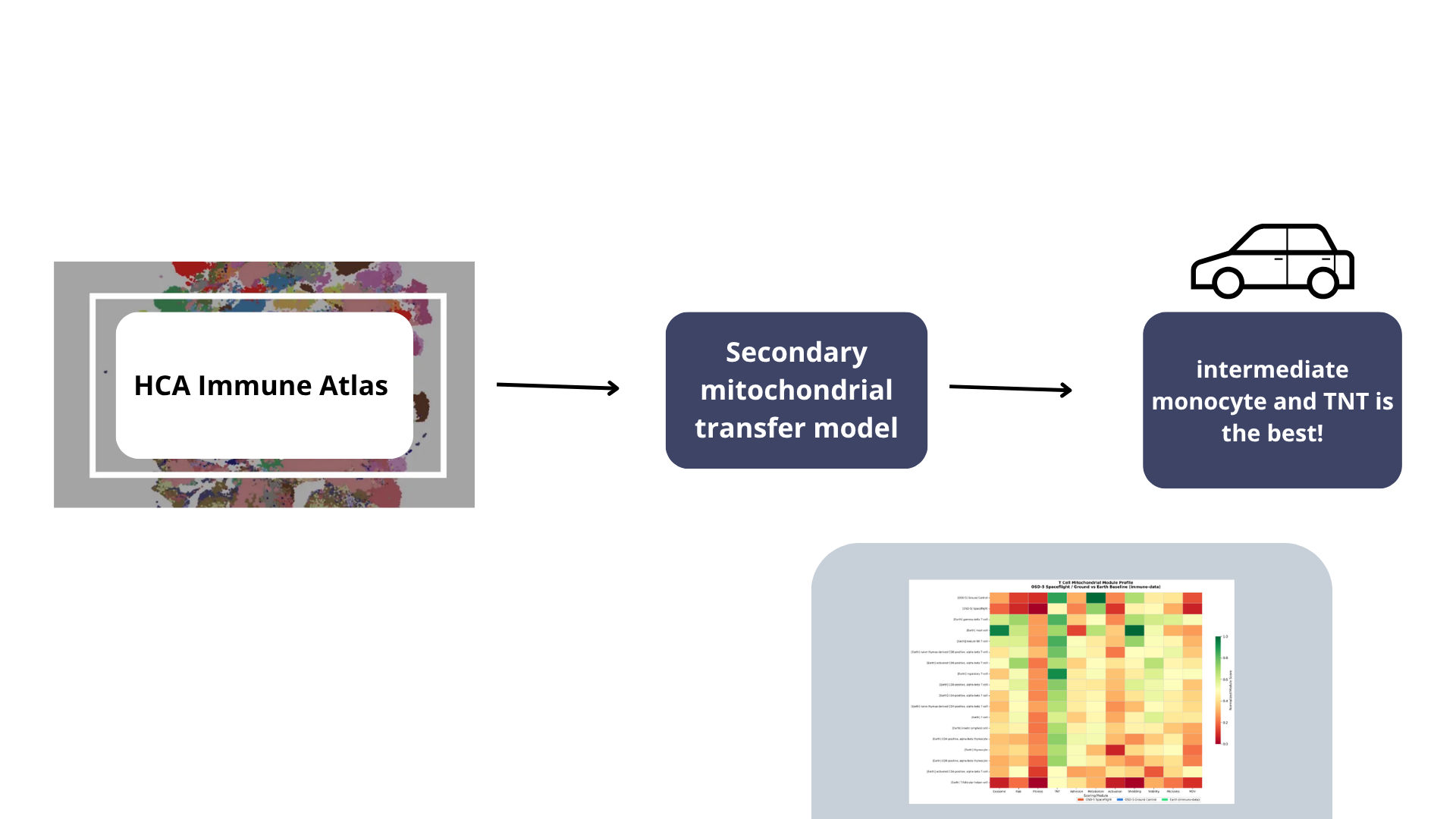
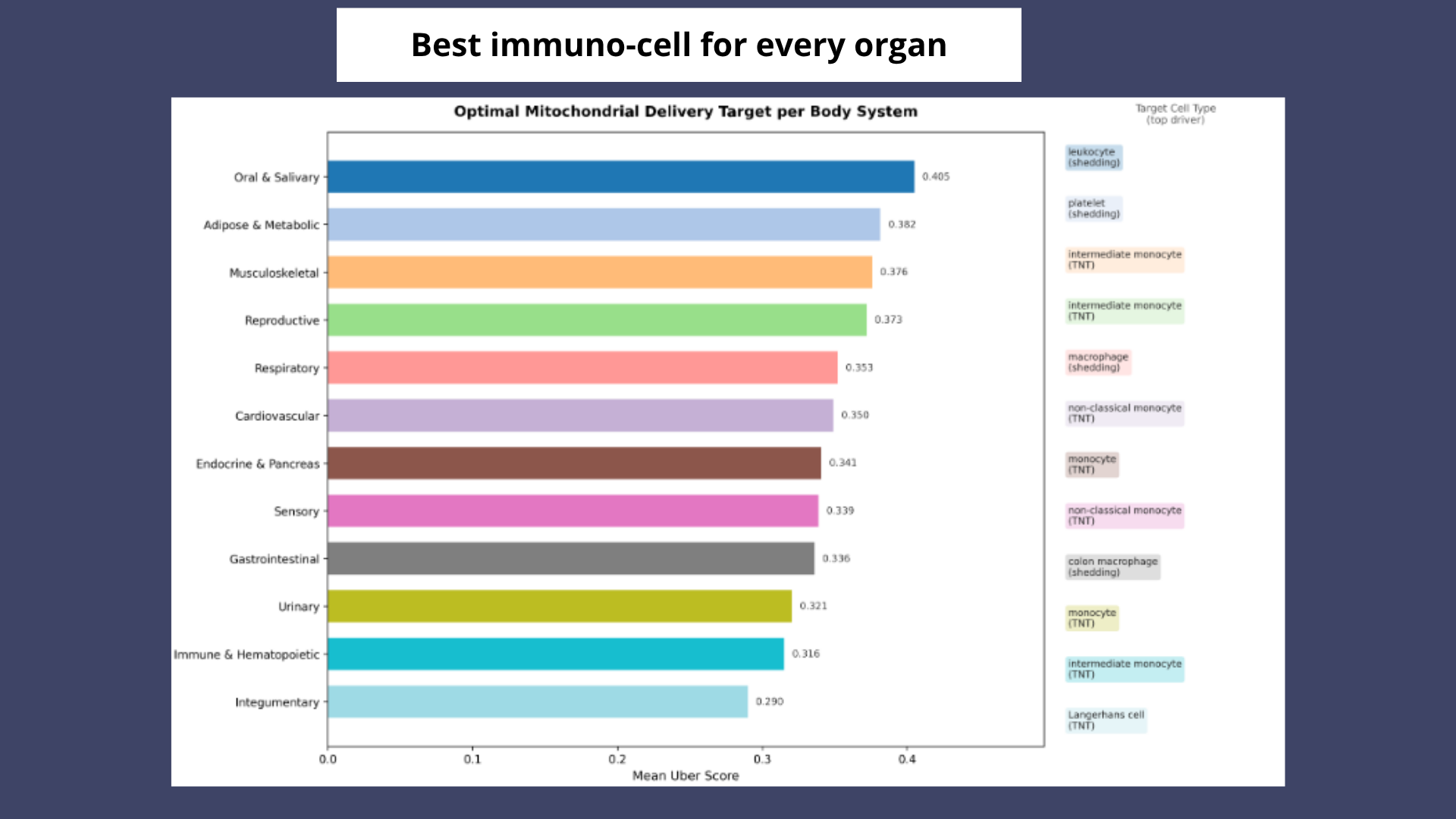
We create a model to optimize mito-transfer finding the best target cell for each tissue in the human body
In particular the focus is on the immune cells
How we built it
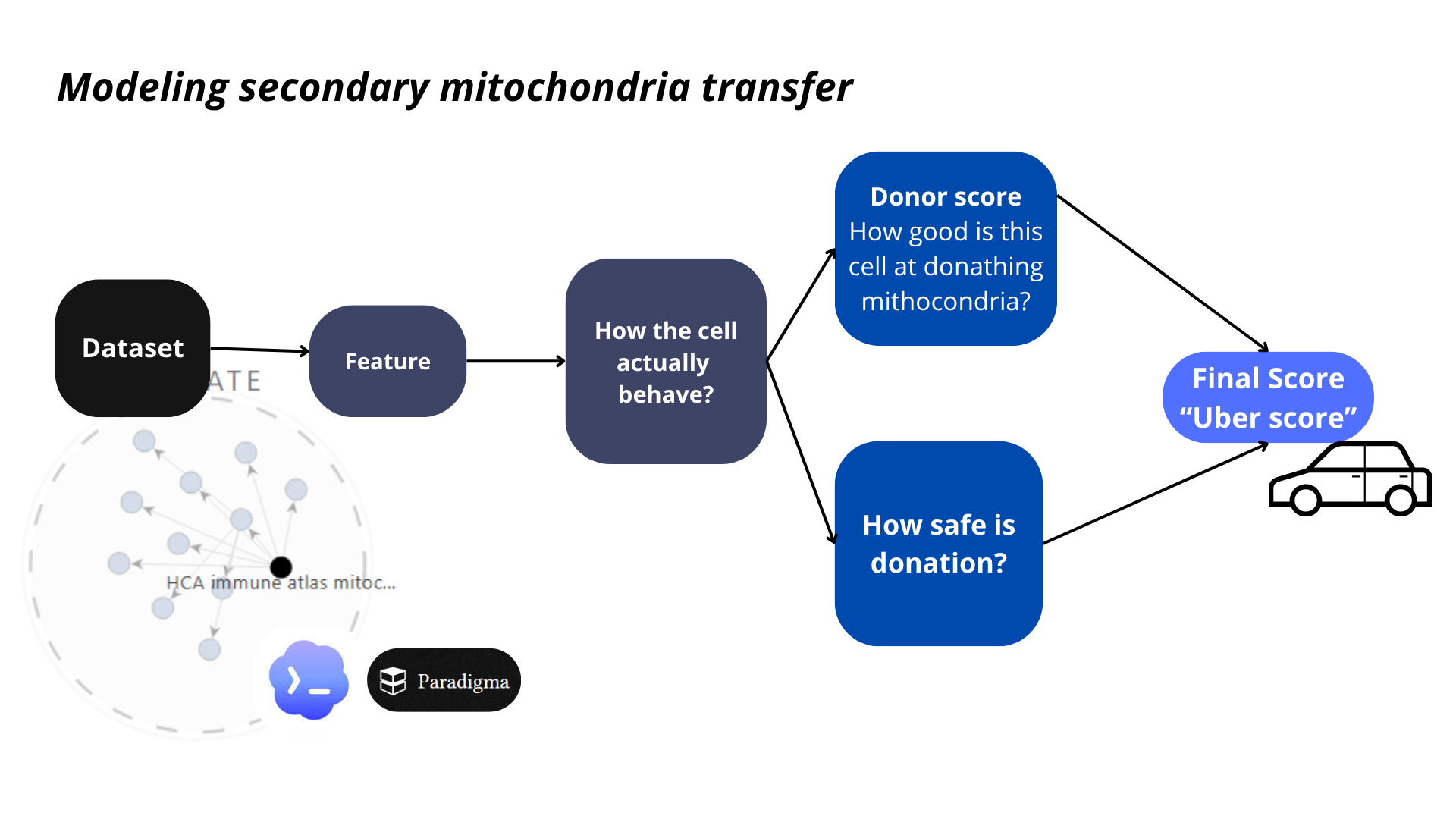
combined multiple biological datasets:
- Human Cell Atlas immune datasets
- Public transcriptomic resources
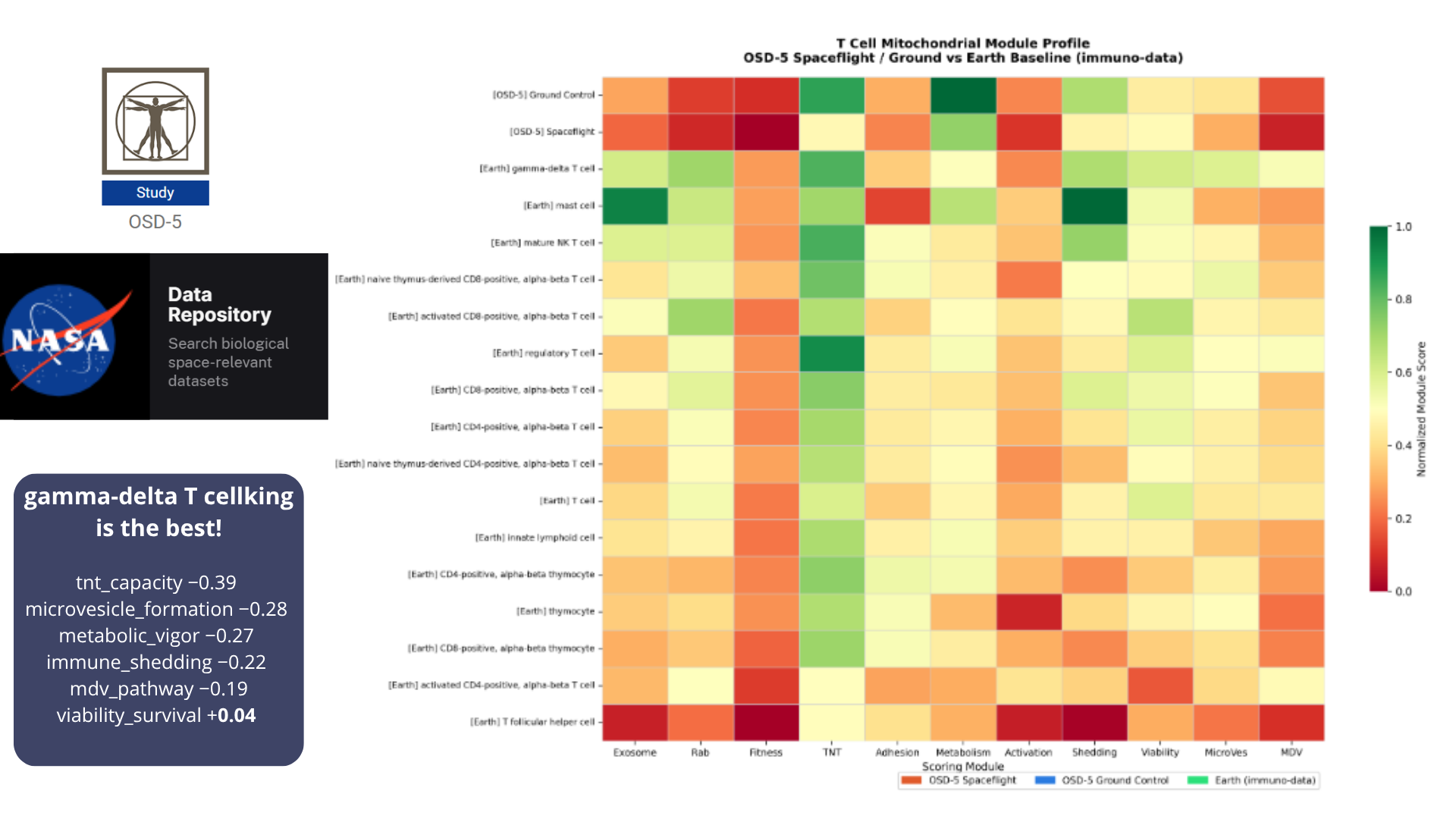
- NASA spaceflight datasets
- Microgravity-induced T-cell expression profiles
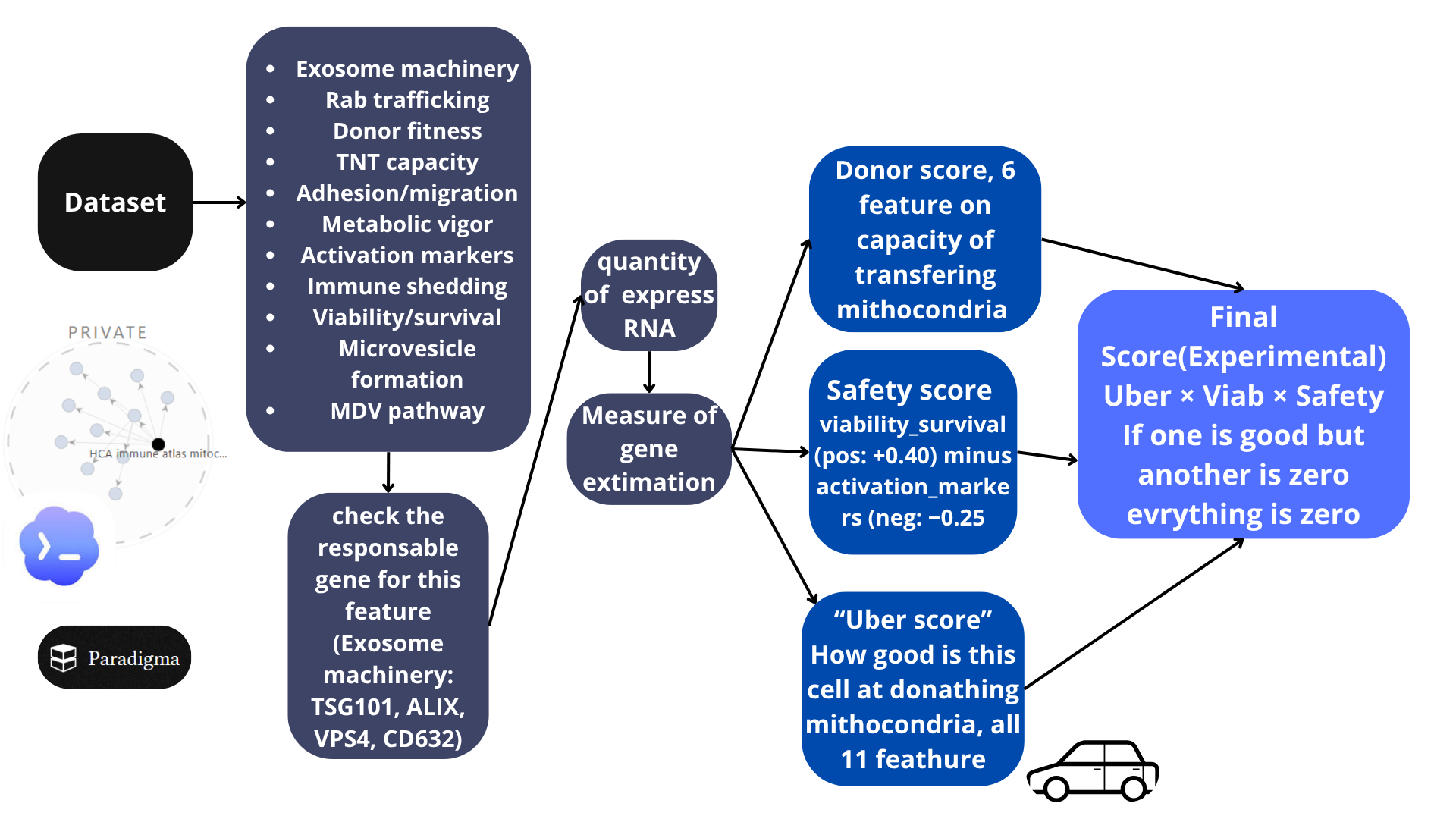
For every immune cell population, we quantified genes associated with mitochondrial trafficking and transfer.
We then engineered biological features representing donor fitness and transfer capability.
The final score combines:
$$ FinalScore = ability to donate and recive x Safety $$
The framework produces organ-specific rankings and identifies the most promising mitochondrial carrier cells.
Challenges we ran into
The biggest challenge was that there is no standardized benchmark dataset for secondary mitochondrial transfer and have to be made from scratch
Accomplishments that we're proud of
- Built one of the first computational frameworks dedicated to secondary mitochondrial transfer.
- Is actually going to be use in lab on monday
What we learned
making slide is important i should have put more time :D
What's next for MitoFlow
Our next steps are:
- Experimental validation of predicted donor cells.
- testing on blood and then on mouse (on wesday)

Log in or sign up for Devpost to join the conversation.