-
-
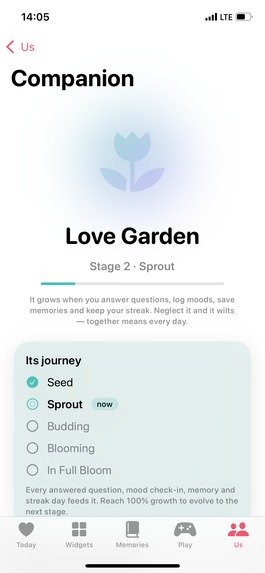
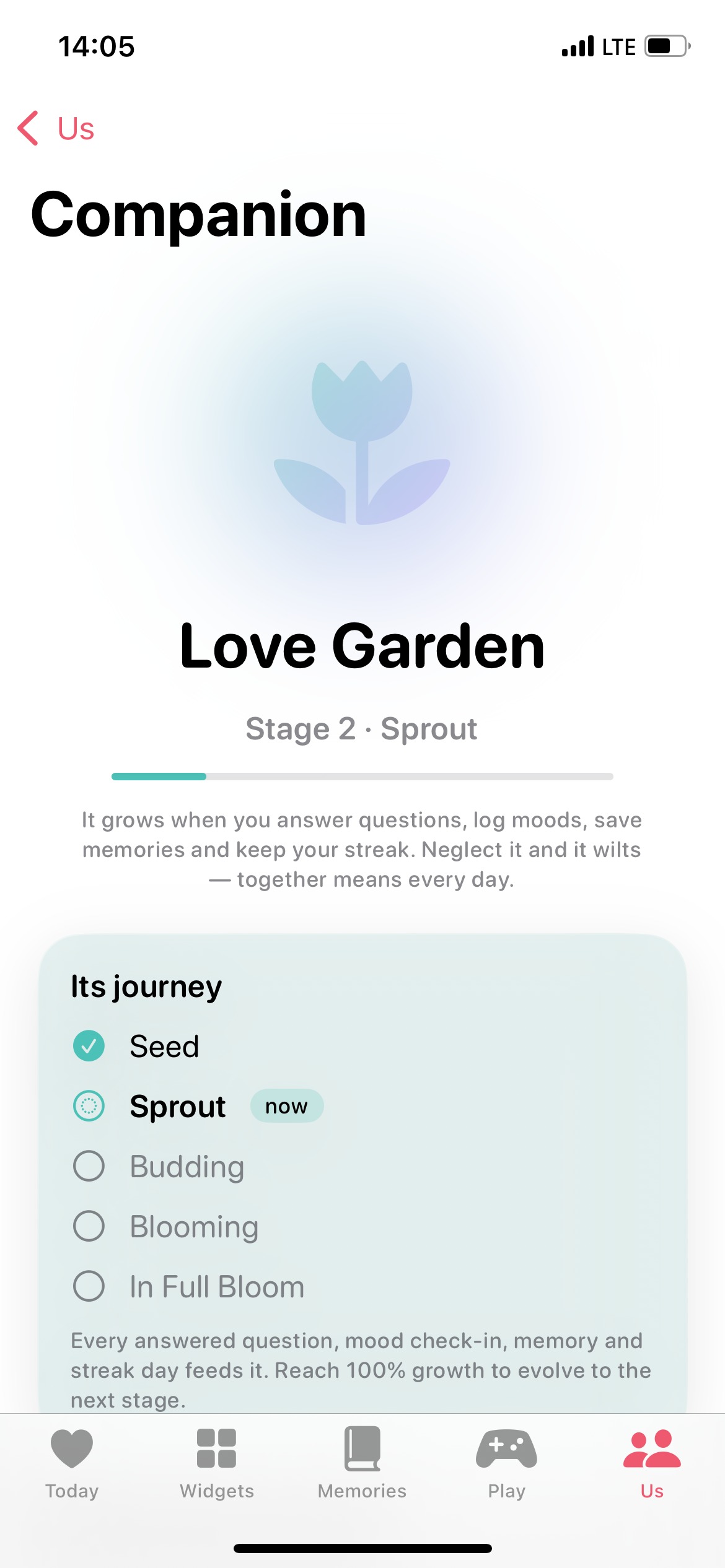
as couples spend more time in the app and interact through the app they can grow things like tamagotchi
-
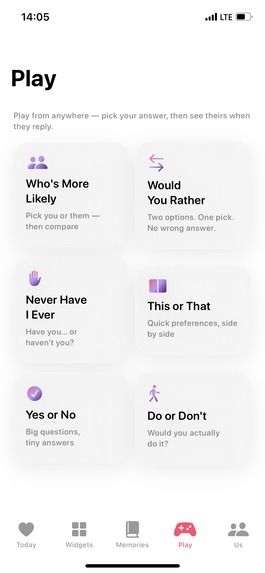
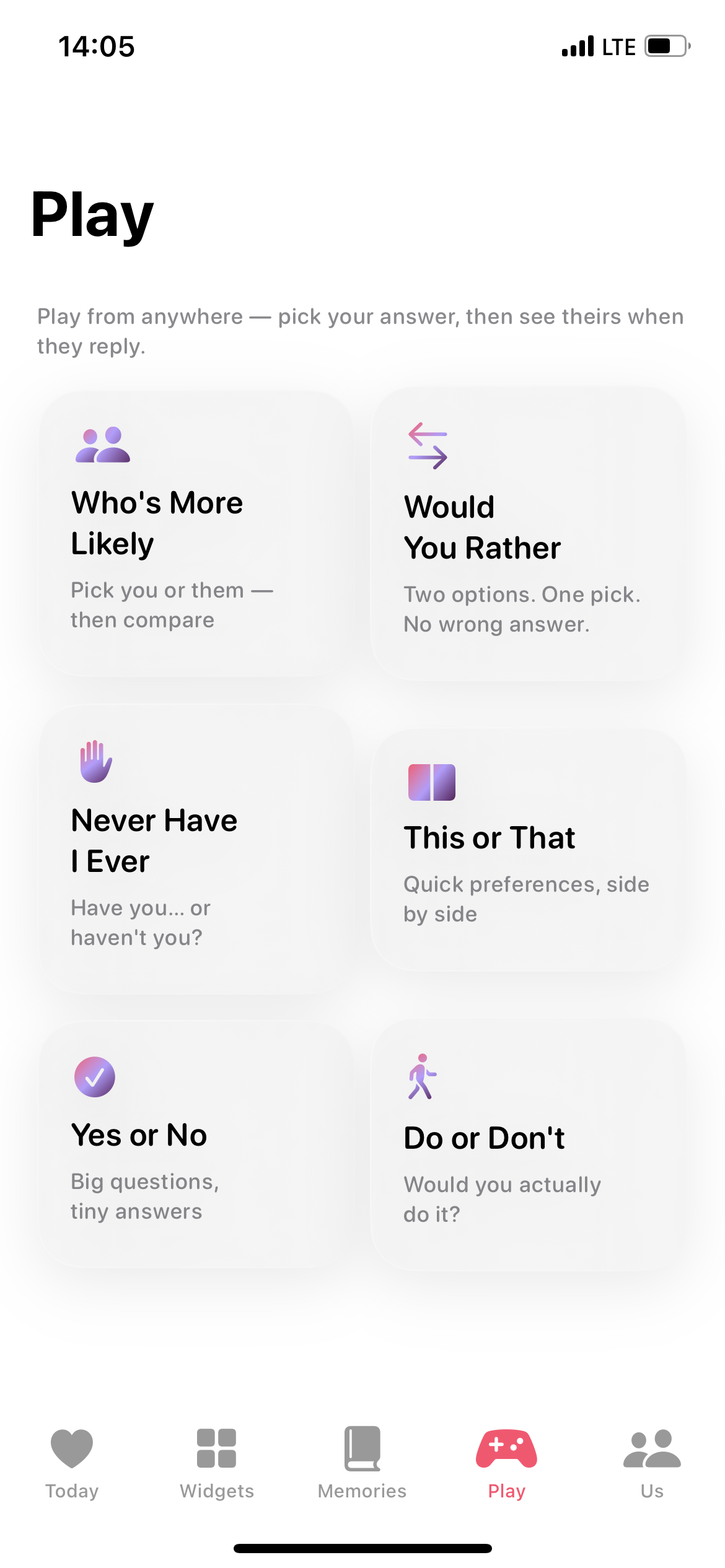
I have also added couples quizes to increase interaction. They can only see the answers when they both answer it
-
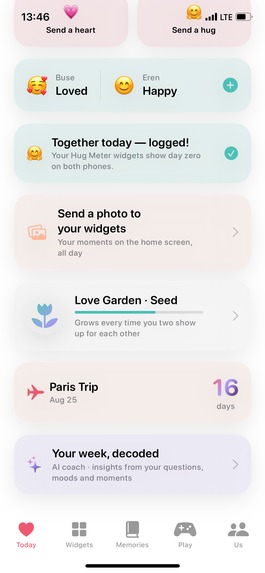
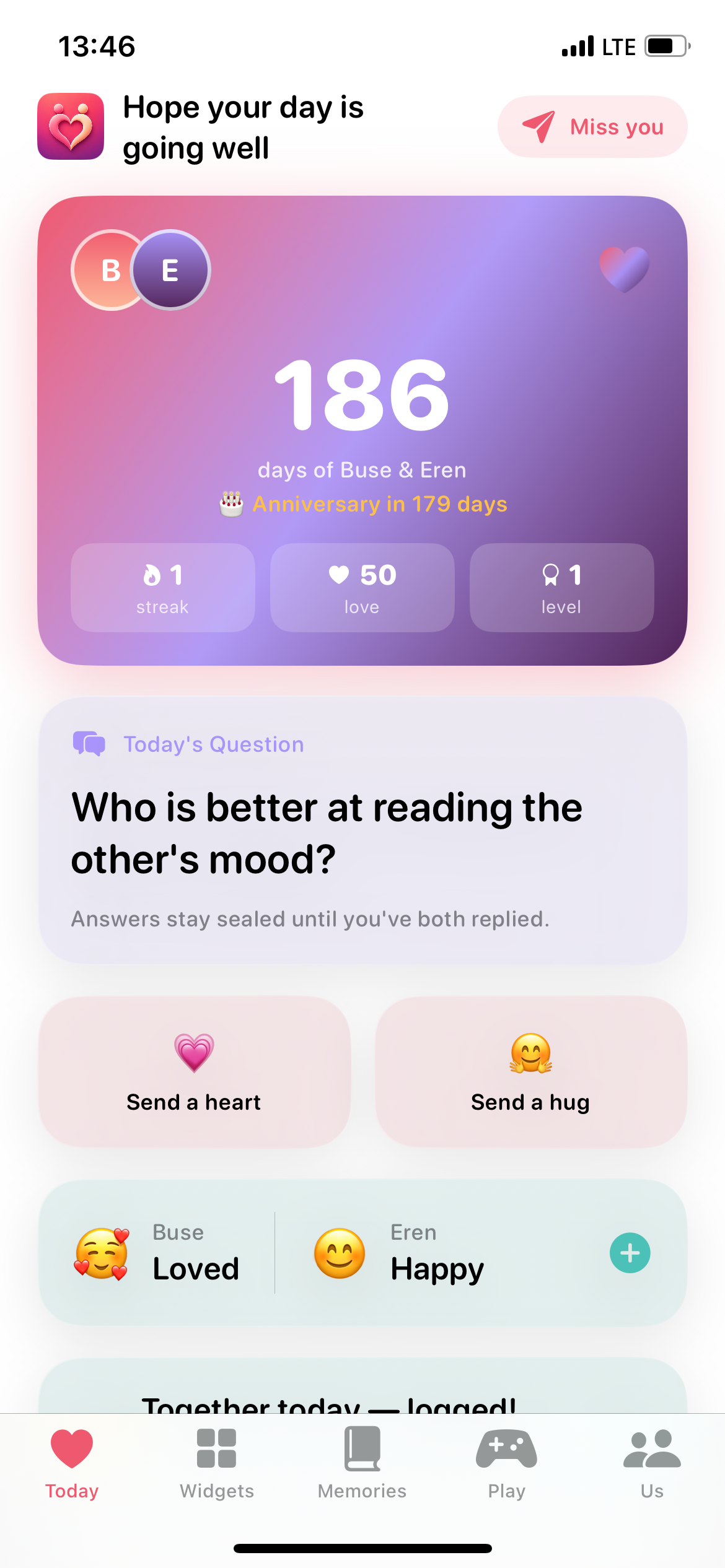
I have created a multiple interaction home page
-
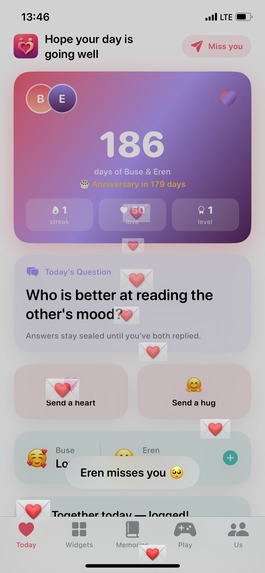
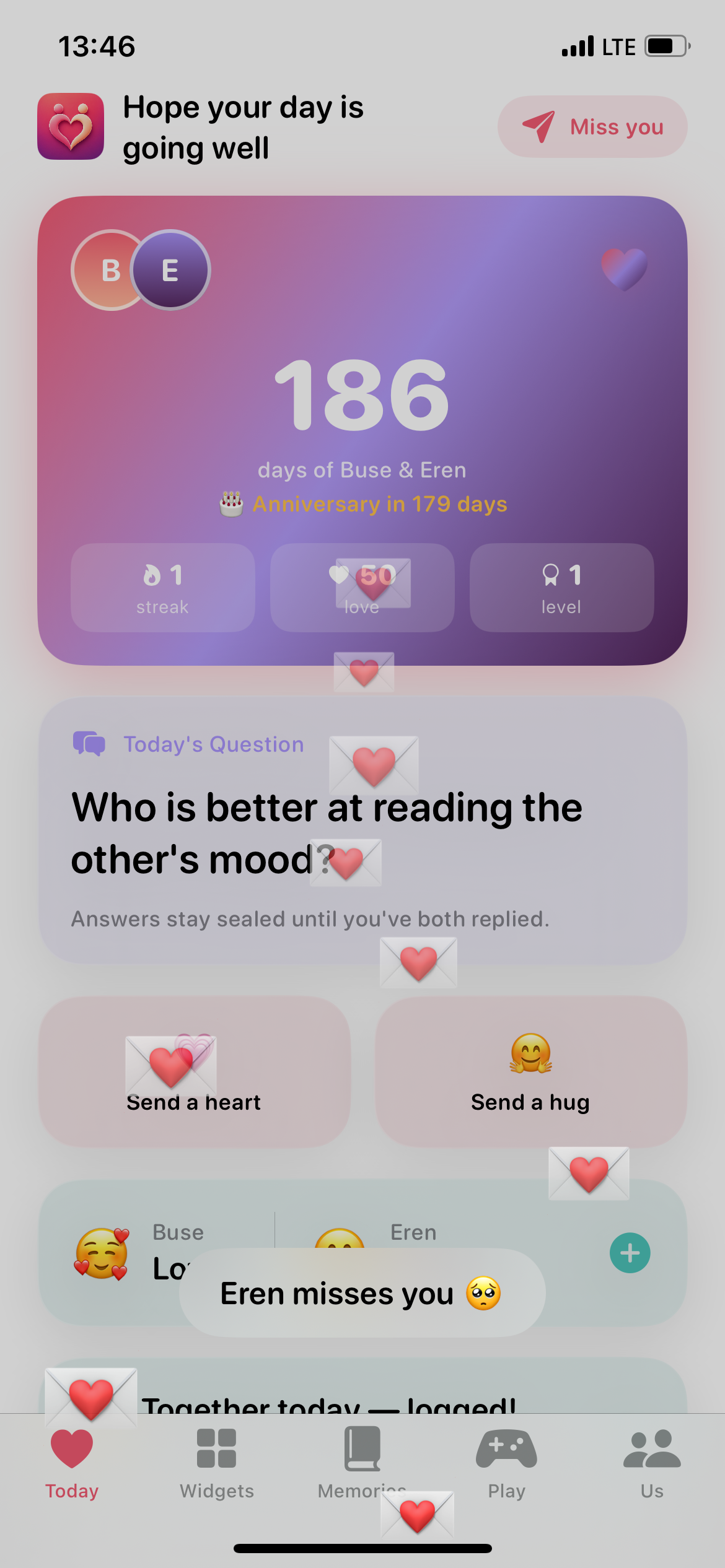
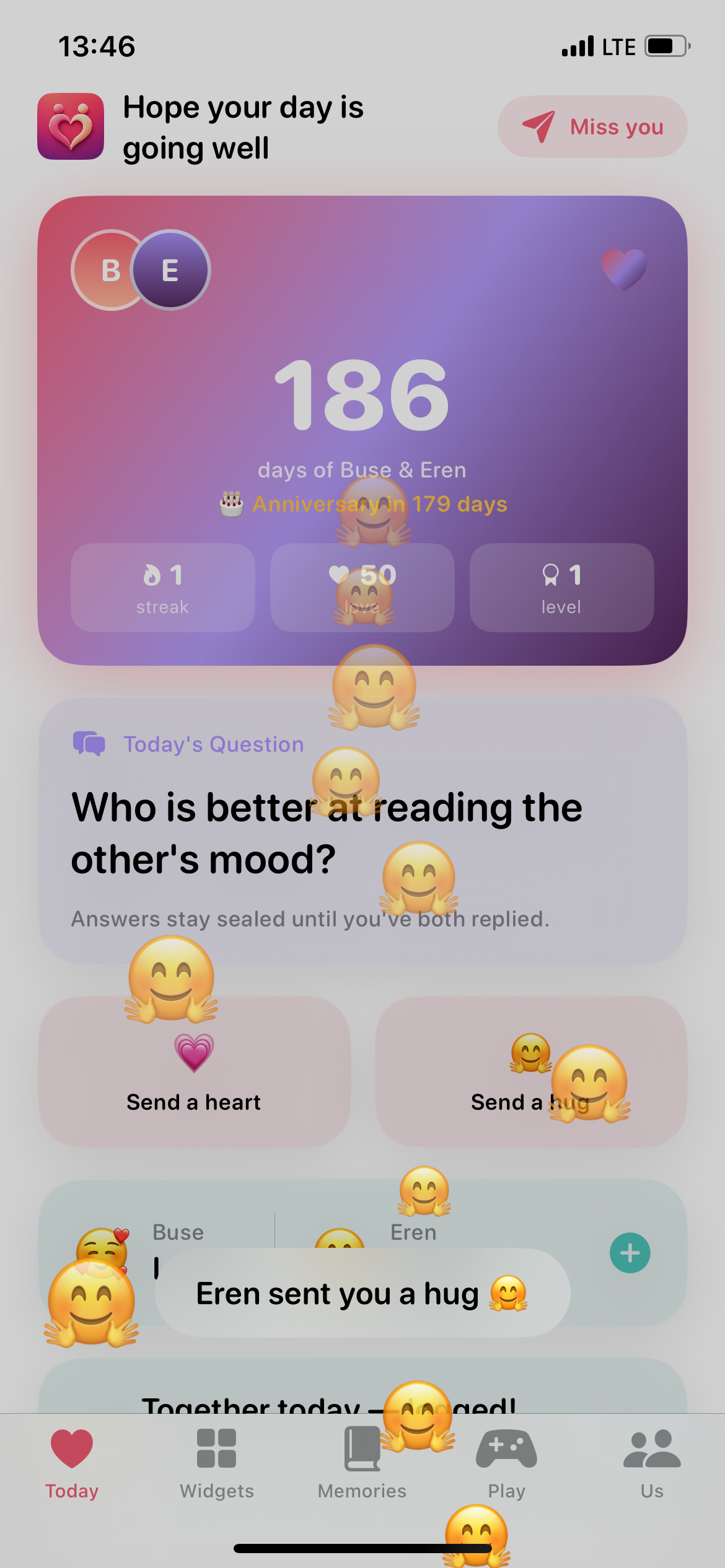
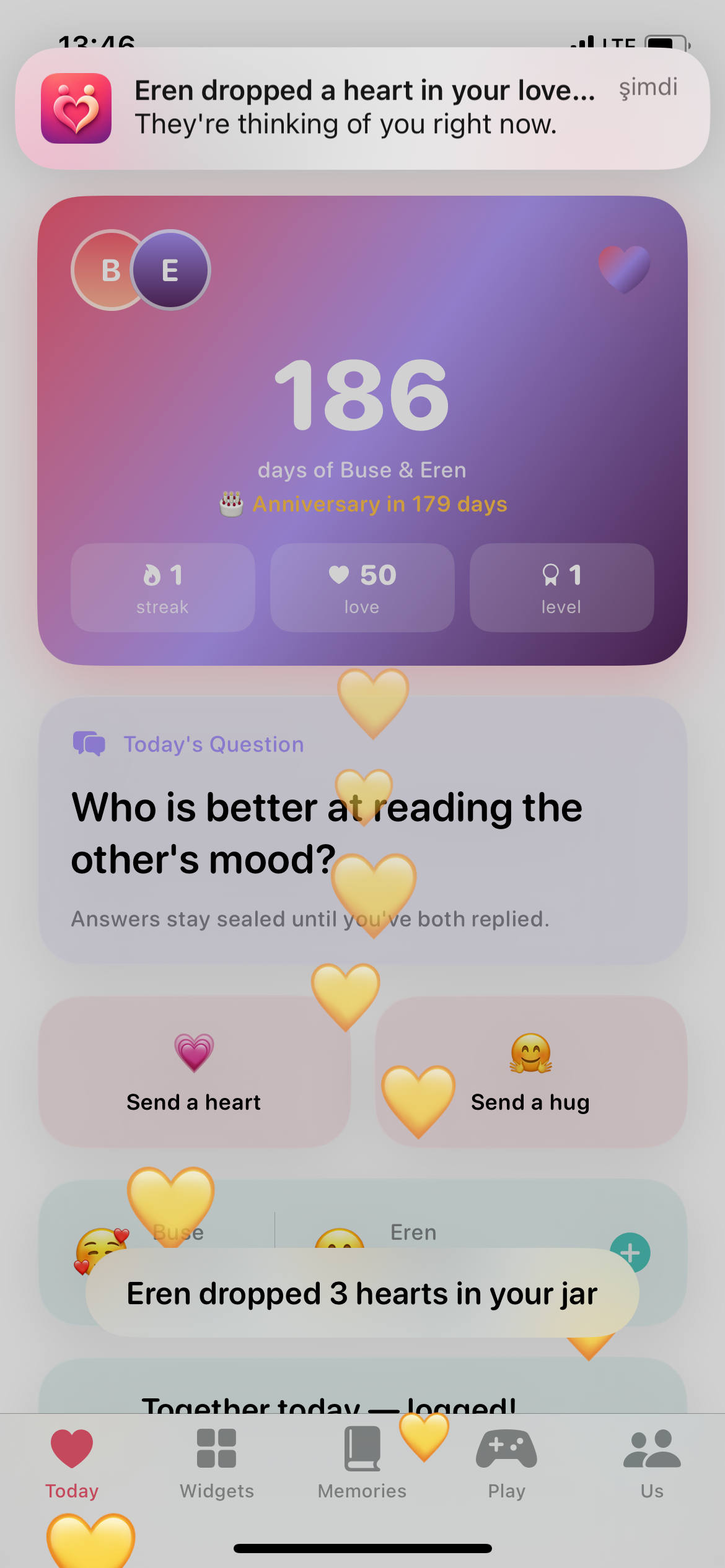
when you receive love, miss you or hugs while you are in the app I have added an animation so people would spend more time in the app
-
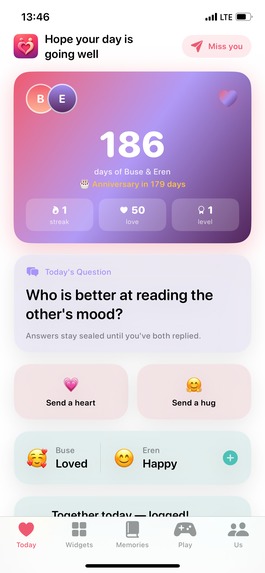
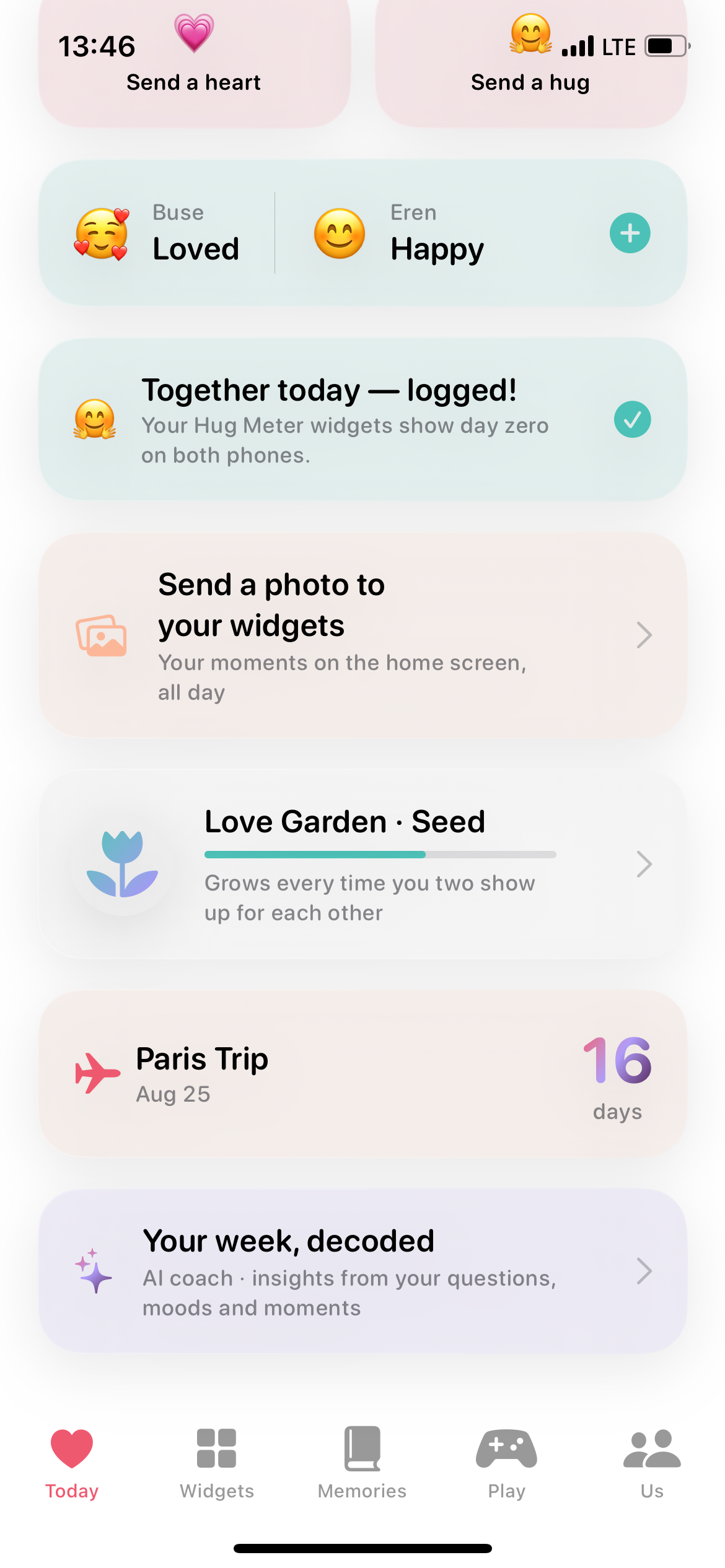
This is the general page, I have daily question, some stats on the relationship. So of course this is a page where couples added eachother
-
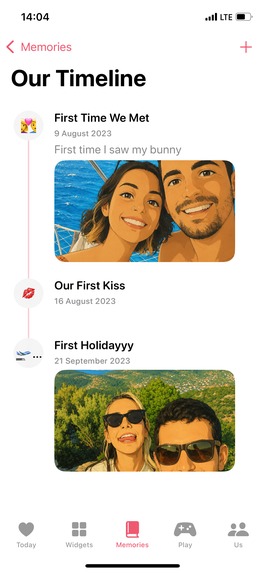
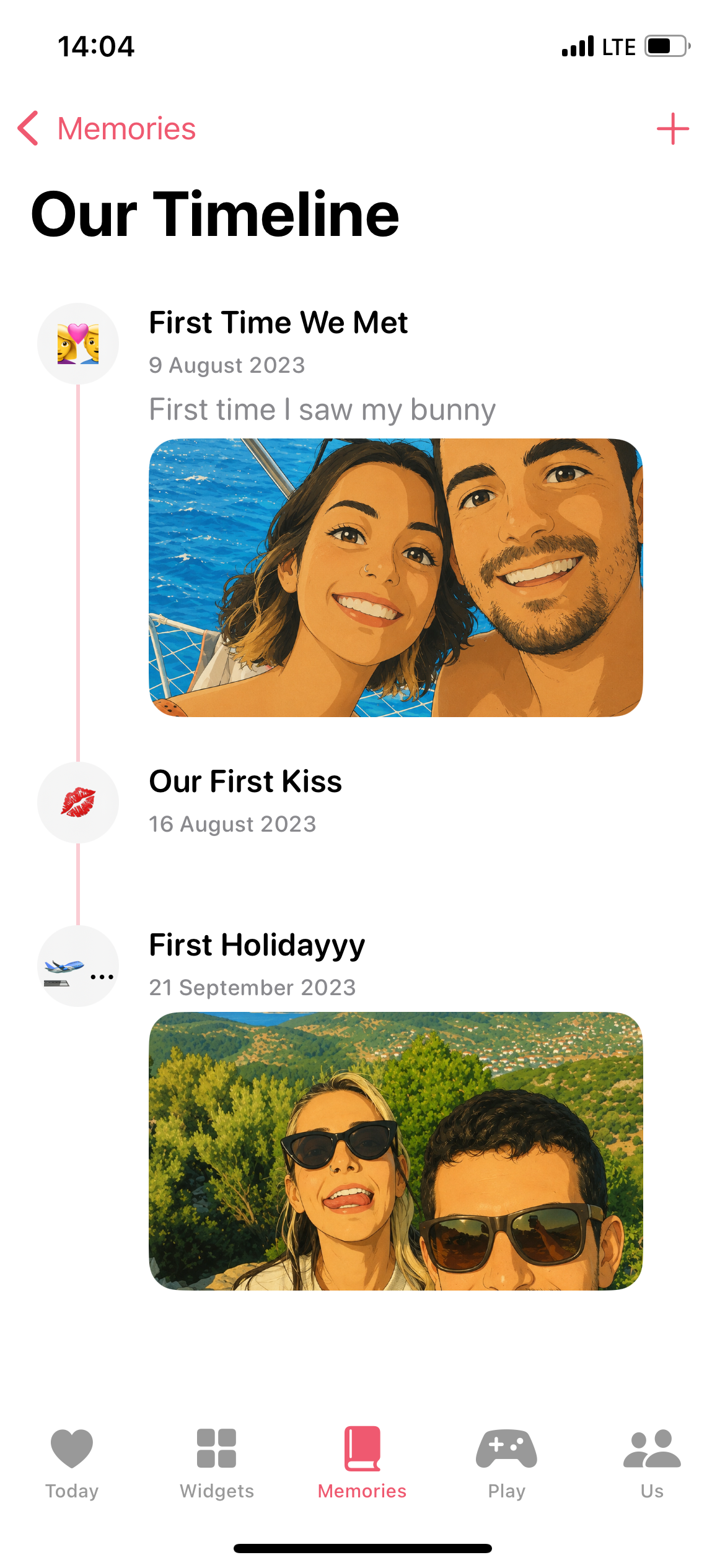
a timeline, and also a provide diary for the relationship. In the upcoming versions AI will make a poster from this part
-
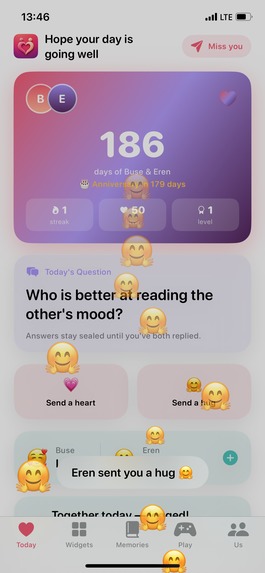
when you receive love, miss you or hugs while you are in the app I have added an animation so people would spend more time in the app
-
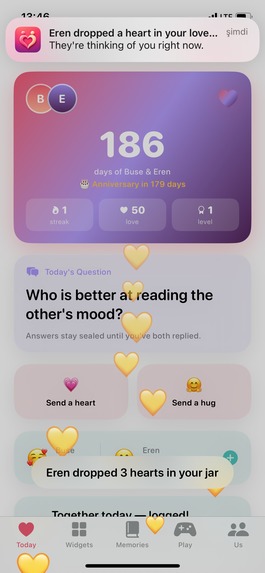
when you receive love, miss you or hugs while you are in the app I have added an animation so people would spend more time in the app
-
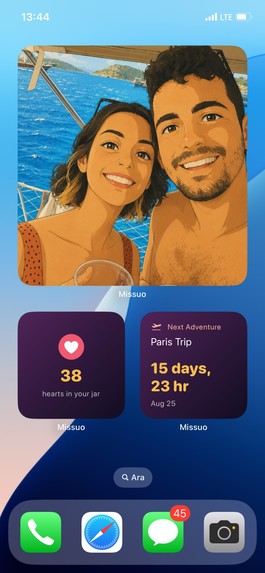
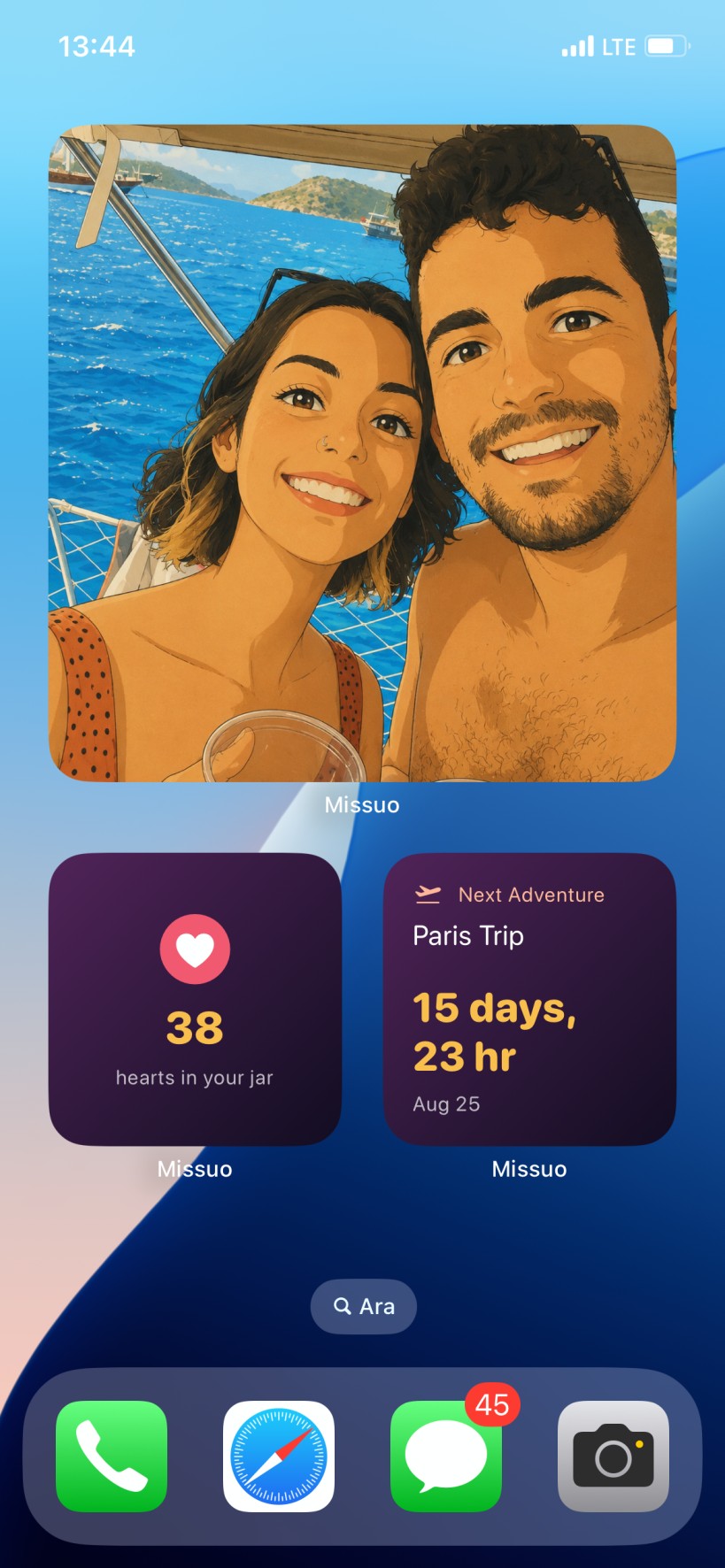
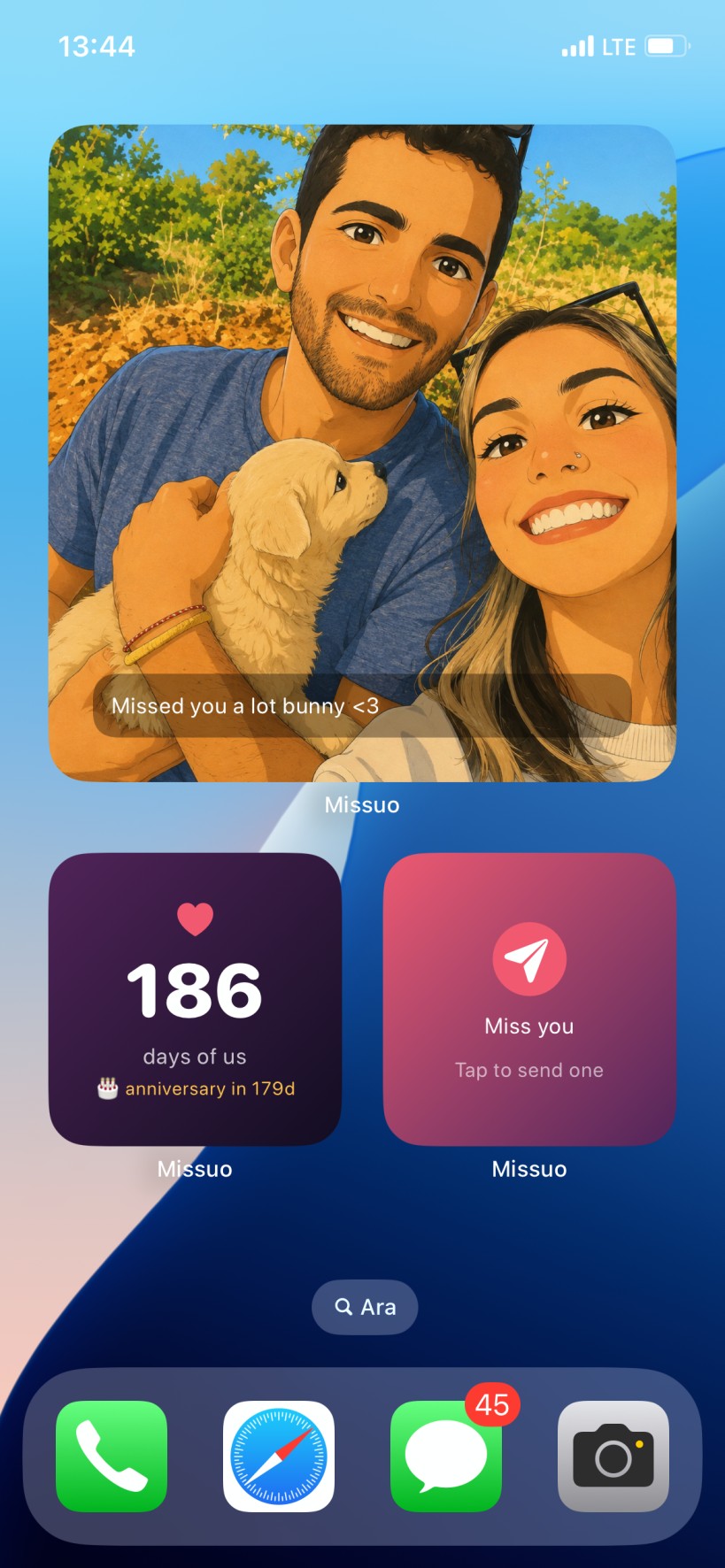
Wigdets are the major part, you can send a photo to your partner and it can be seen in their phone menu
-
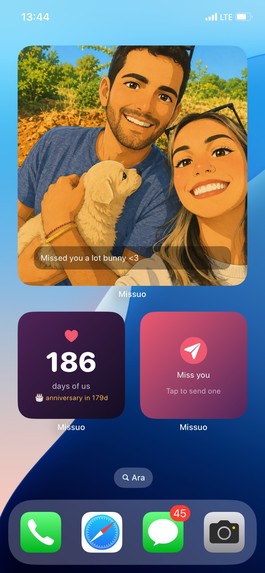
Other widgets require premium account so people need to pay
-
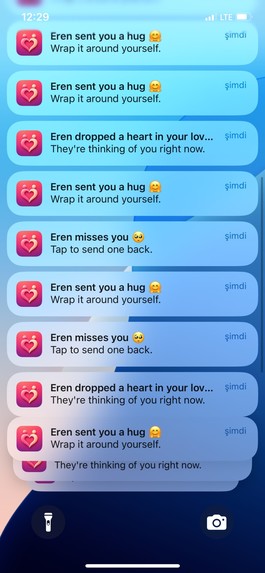
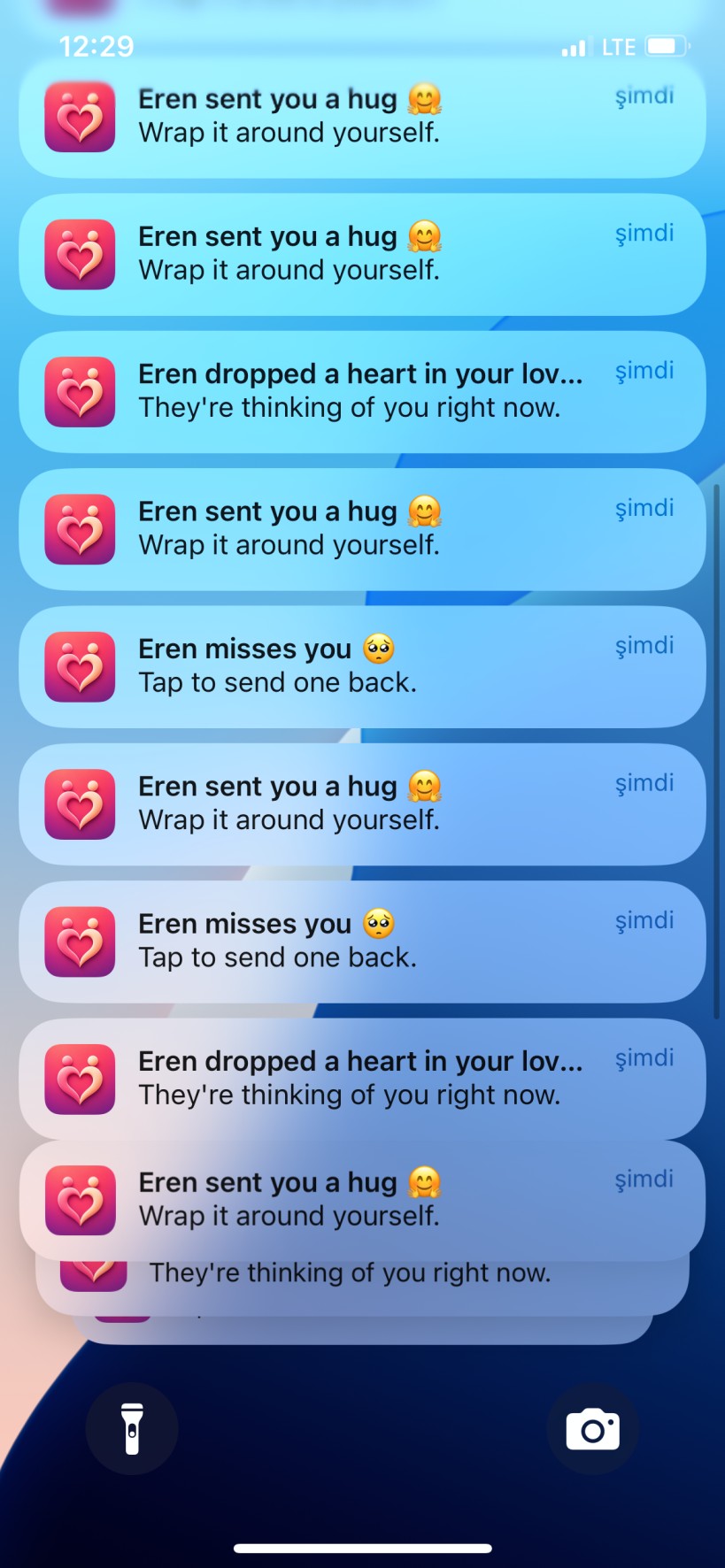
You can basically flood your partners phone with your push notifications
Inspiration
I had what looked like the finished version of a career at the age of 31.
I was an executive at Ford Motor Company in Istanbul. An office with a sofa big enough that you could sleep on it, the kind of detail that quietly says you have done it. Good pay. Personal asistant. Premium health insurance. Car with a driver, which I miss that the most to be honest. From the outside, I had everything I needed.
From the inside, I did not enjoy a single second of the job.
So I quit. Not because I hated comfort, but because comfort without joy started to feel like a well-decorated cage. In December 2025 I began learning how apps are made. Slowly, clumsily, with AI as a co-pilot and something unexpected happened. Even while I was burning money, even while nothing was guaranteed, I was enjoying myself for the first time in four years.
I now have one app that generates real revenue. It sustains itself. I earn a little more than I spend on ads. It keeps the business breathing. But it does not answer the deeper question I could not stop asking: is this adding anything true to someone’s life? In my own perspective it wasnt.
So right at this moment, Missuo came from my fiancée.
All day we sent each other funny photos like the soft warfare of love. Pictures taken while the other was sleeping. Mid-yawn. Looking away. Completely unposed. Tiny private museums of each other. Then she said it out loud: what if we had an app like that?
I searched. Similar apps existed. None of them felt like our way of loving.
So I built Missuo the way we already share affection: private photos on each other’s screens, secret notes, miss-yous and hugs that arrive as a ping, games and questions you can play across distance. Not content for an audience. A channel for two.
That is what inspired Missuo, leaving a sofa in a corporate office for a home-screen heart that actually means something.
What it does
Missuo is an iOS relationship app for couples who want presence without performance.
Two partners connect with an invite code and share one private space:
Main leverage is that there are many widgets that you can use on your home screen without even opening the app and of course you need premium account to unlock all the widgets Send any photo to your partner’s widget which is sealed, personal, only for the two of you Leave secret messages on their home screen Tap Love / Hug / Miss you and send it as a push, even when the app is closed Answer daily questions and play 2-choice games from distance; answers unlock when both have replied Keep memories, plans, moods, and a couple-aware coach Unlock Missuo Premium through RevenueCat. Interesting part is that you only need one subscription for the whole relationship. If one of the partner is premium then the other is automatically premium as well. Missuo is not trying to replace conversation. It is trying to keep the thread warm between conversations.
How we built it
We built Missuo as a shared system for two phones, not a single-player product with a “partner” label glued on.
SwiftUI for the main experience WidgetKit so love can live on the home screen, not only inside the app Firebase for pairing, shared data, and partner notifications RevenueCat for paywalls, offerings, trials, and entitlements, including a secondary decline offer A relationship-level Premium mirror, so when one partner subscribes, both unlock; when the relationship ends, inherited access ends cleanly Localization across multiple languages, because couples are global and intimacy should feel native Privacy treated as a feature: partner photos, notes, and distance access should not haunt an ex’s widgets after unpair Under the hood, the product kept teaching us the same design principle as a healthy relationship: share what should be shared, seal what should stay sealed, and never confuse noise with closeness.
Challenges we ran into
Building for two people is philosophically and technically harder than building for one.
RevenueCat entitlements belong to a purchaser; a couple needs a shared key to the house. We had to design Premium as something the relationship can inherit and then revoke with dignity when that relationship ends.
Widgets forced honesty. If a photo, miss-you, or secret note only works while the app is open, it is not really a daily ritual. Making presence work when the app is killed meant caring about App Groups, pushes, intents, and edge cases more than pretty screenshots.
Privacy was another kind of challenge. Couples want closeness. They also deserve boundaries. Ending a relationship had to clear partner photos, secret notes, and distance tracking. Significant other should be able to leave without leaving surveillance behind.
There was also the human challenge: learning in public, spending money while learning, resisting the temptation to only ship what monetizes fastest. Missuo took some time. It asked me to choose meaning over the easier dopamine of “another app that prints ad money.”
And yes, the unglamorous shipping challenges too: store product approvals, Test Store versus Apple keys, privacy manifests, SDK conflicts.
Accomplishments that we're proud of
We are proud that Missuo feels invented by a couple, because it was. Also if this works, then I will have right to say to my fiancee that I made an app for us and it hit it off. I can always have the upper hand in the relationship in terms of presents :)
Proud that Premium can cover both partners through RevenueCat instead of punishing love with two separate checkouts. I have never seen an app like this so making it made me feel that I have accomplished something different (Duolingo family is kinda the same but different). I especially enjoyed of making widgets, where you can send a photo to other person's widget, it was also something that I haven't seen before while making market research. Proud of all my widgets to be honest. Every each one of them have a purpose, and for the first time in making apps I have really took time to think deep for every feature. Proud of games you can play from different cities and still feel like you are playing together. Proud that the app can be playful without becoming loud.
Most of all, proud that this project exists because someone I love said “what if…”, and I finally had the courage and craft to answer with something real.
What we learned
I learned that a beautiful office can still be an empty room.
I learned that revenue without meaning eventually feels like another job you do not enjoy, its something just with different dashboards.
I learned that AI can accelerate building, but it cannot invent the reason to build. That reason came from quitting, from enjoying learning again, and from the funny photos my fiance and I already sent each other before Missuo had a name.
I learned that for a couples product, monetization should feel like protecting a shared home, not selling a luxury skin. RevenueCat helped turn that idea into something shippable: offerings, entitlements, and a subscription model that can belong to us.
And I learned this, maybe most clearly: the best apps are not always born from market maps. Sometimes they are born from a person you love, a camera roll full of ridiculous private photos, and the decision to finally build the life you actually want to wake up inside.
What's next for Missuo
After shipping Missuo to the App Store with production RevenueCat billing fully live. Keep refining relationship-level Premium. Expand the private rituals, more questions, more games, more gentle ways for a home screen to say I’m thinking of you.
Keep building with my fiance’s original spark at the center.
Also most importantly, analyzing our couples to see what they are using the most, whats their take on the app and what they want.
It was the beginning of work that finally feels like living.
Built With
- apns
- app-groups
- core-location
- deepseek
- english
- facebook-ads
- fcm
- firebase-analytics
- firebase-cloud-messaging
- firebase-remote-config
- firebase-storage
- french
- ga4
- german
- google-admob
- ios
- korean
- live-activities
- meta-sdk
- photosui
- revenuecat
- swift
- user-notifications
- widgetkit


Log in or sign up for Devpost to join the conversation.