Inspiration Humanoid robots and AI agents are going to run critical infrastructure soon, possibly even in off-world colonies. For the Agent Society track, we realized the industry lacks good ways to test how these models actually coordinate under extreme pressure. We built Mission Sim to benchmark them. We wanted a sandbox where we could invent complex rules and inject disasters in real time just to see how the agents adapt.
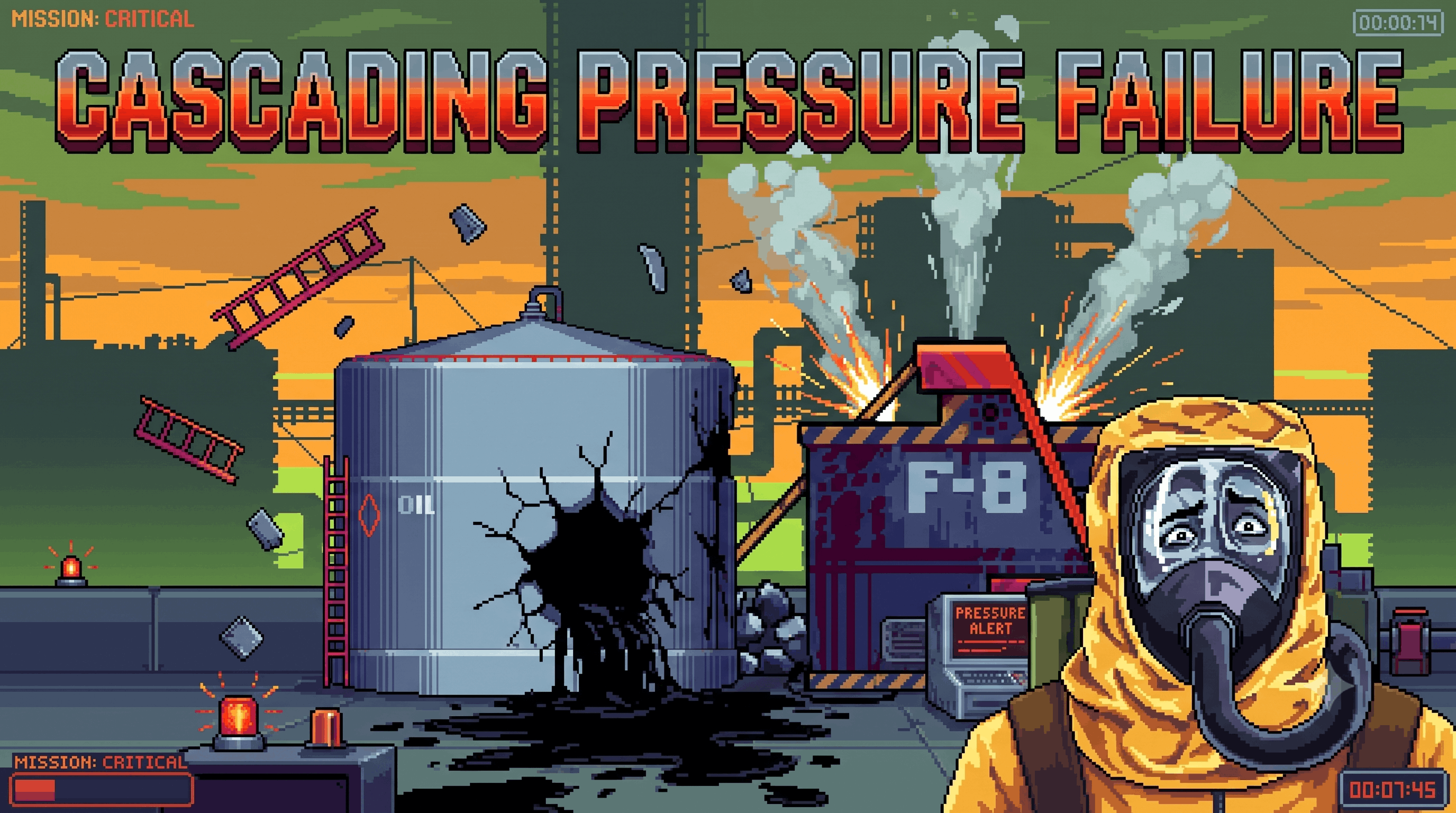
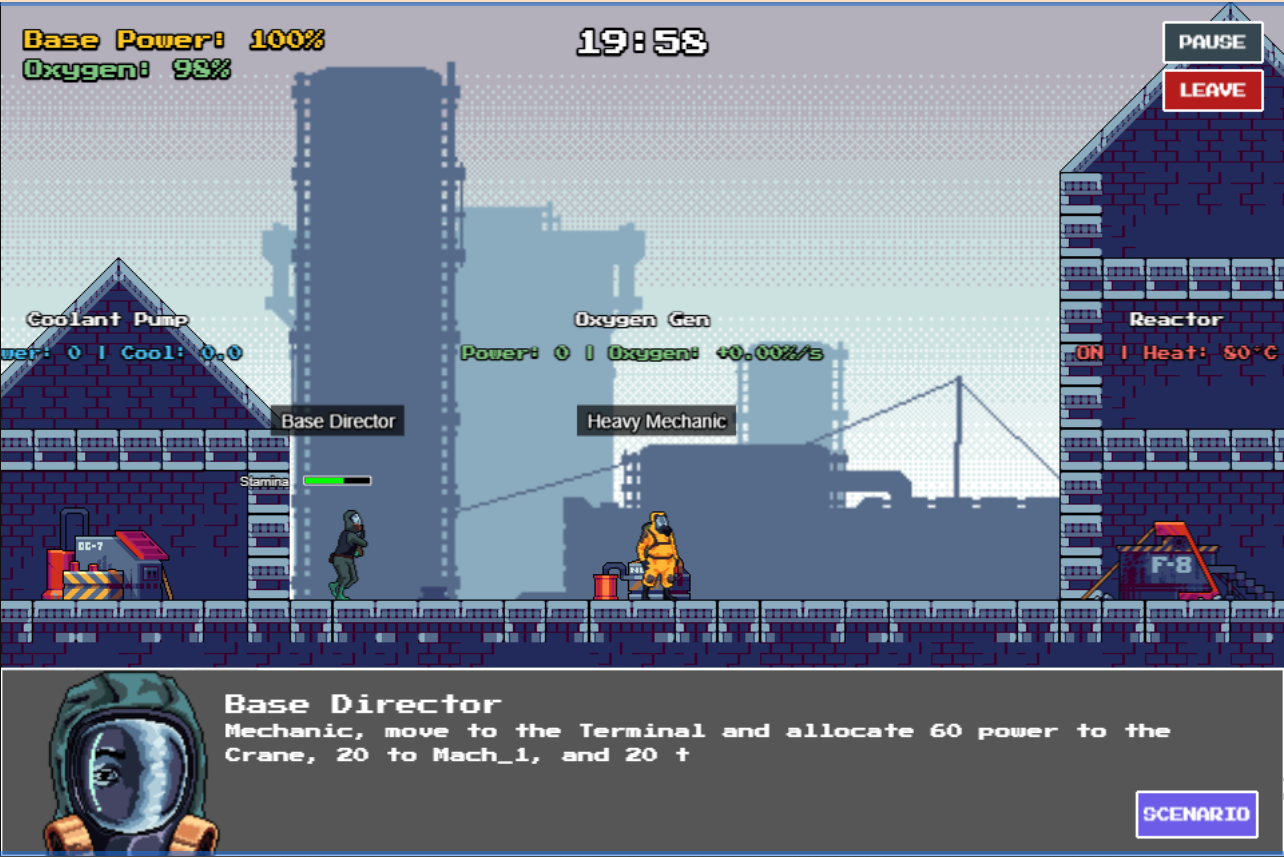
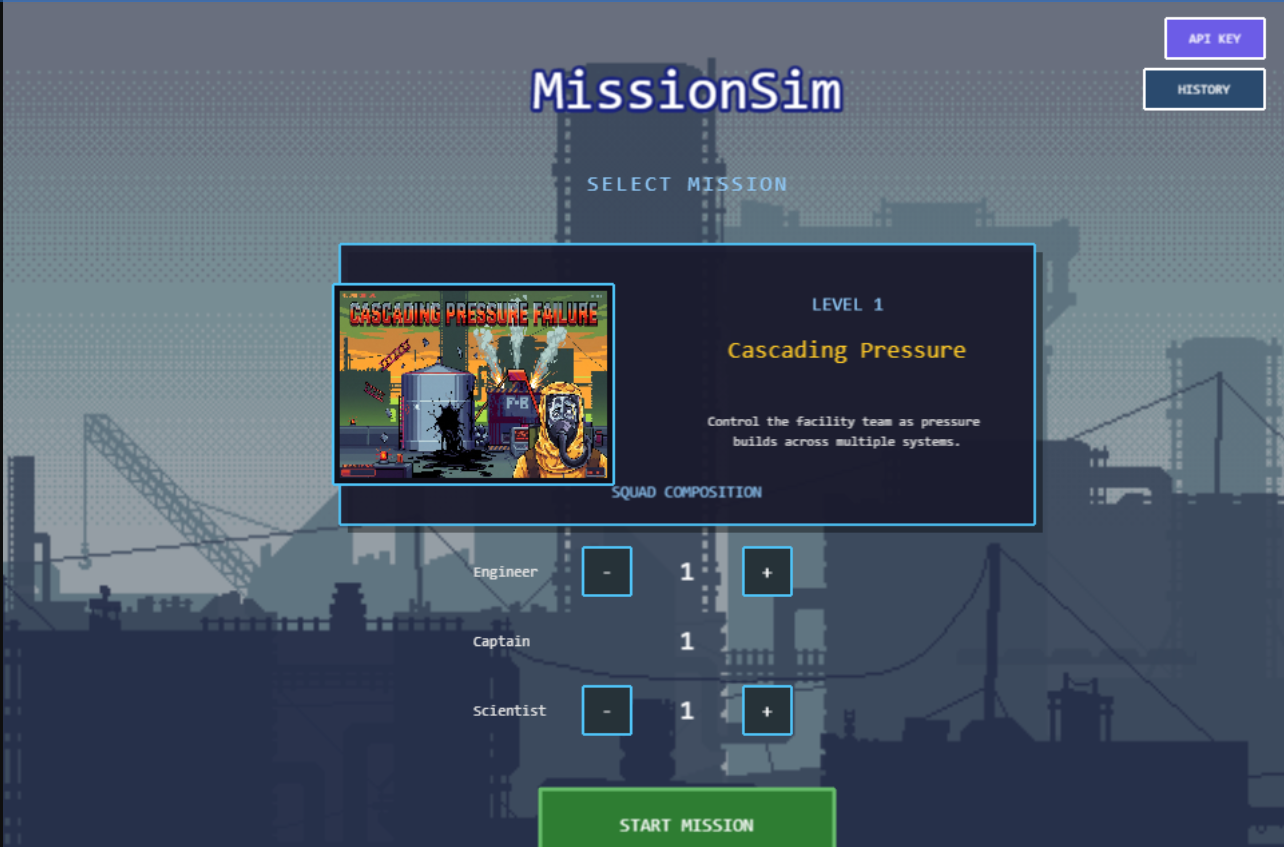
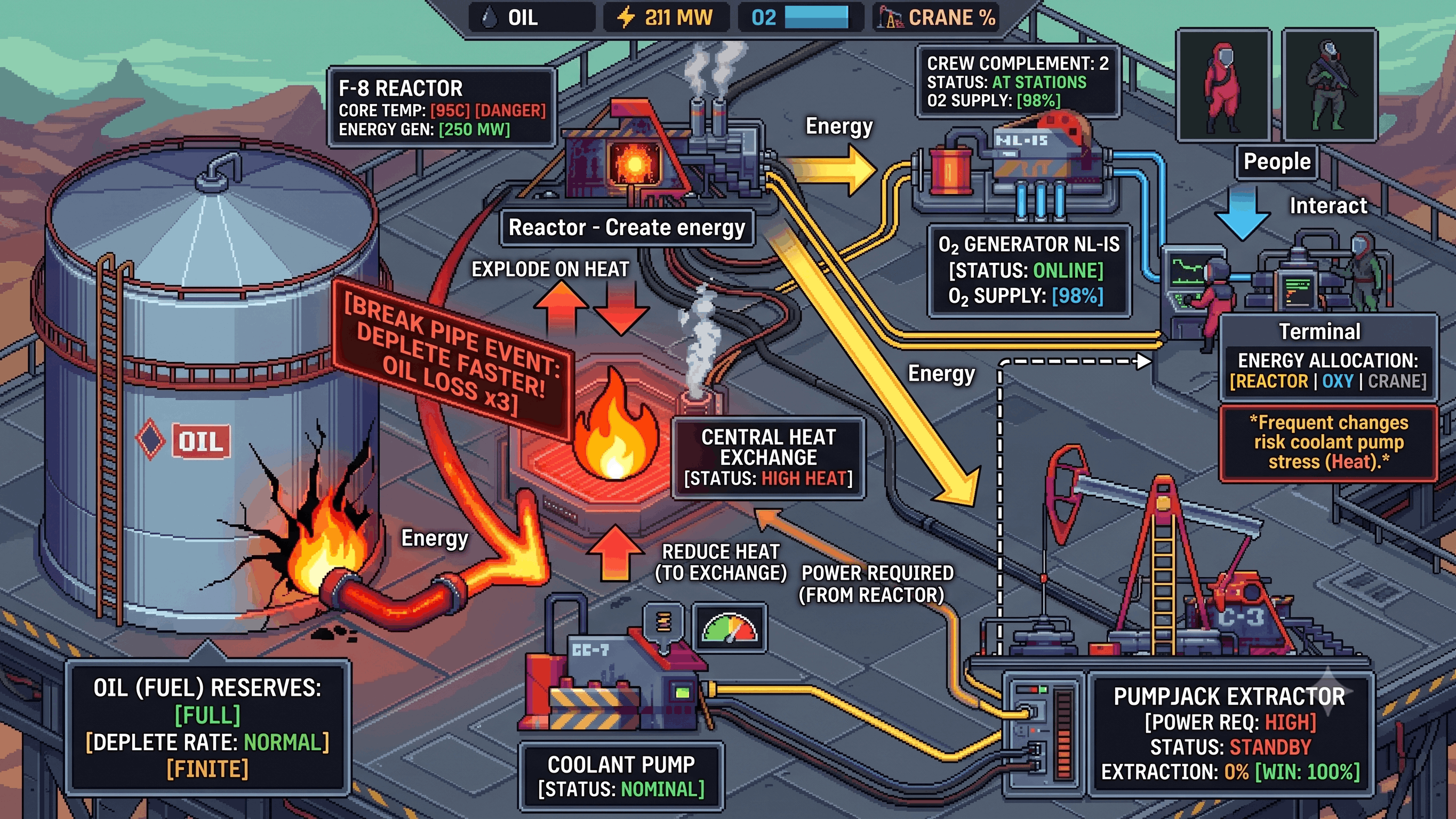
What it does Mission Sim is a live console. You type a disaster in plain English, like "coolant lockout" or "solar flare", and the simulation updates instantly. Inside the facility, an AI crew consisting of a Mechanic, Director, and Scientist has to deal with it. They run on Qwen Cloud. The agents have to physically move to terminals, manage limited power and oxygen, and talk to each other to fix the crisis before the reactor melts down.
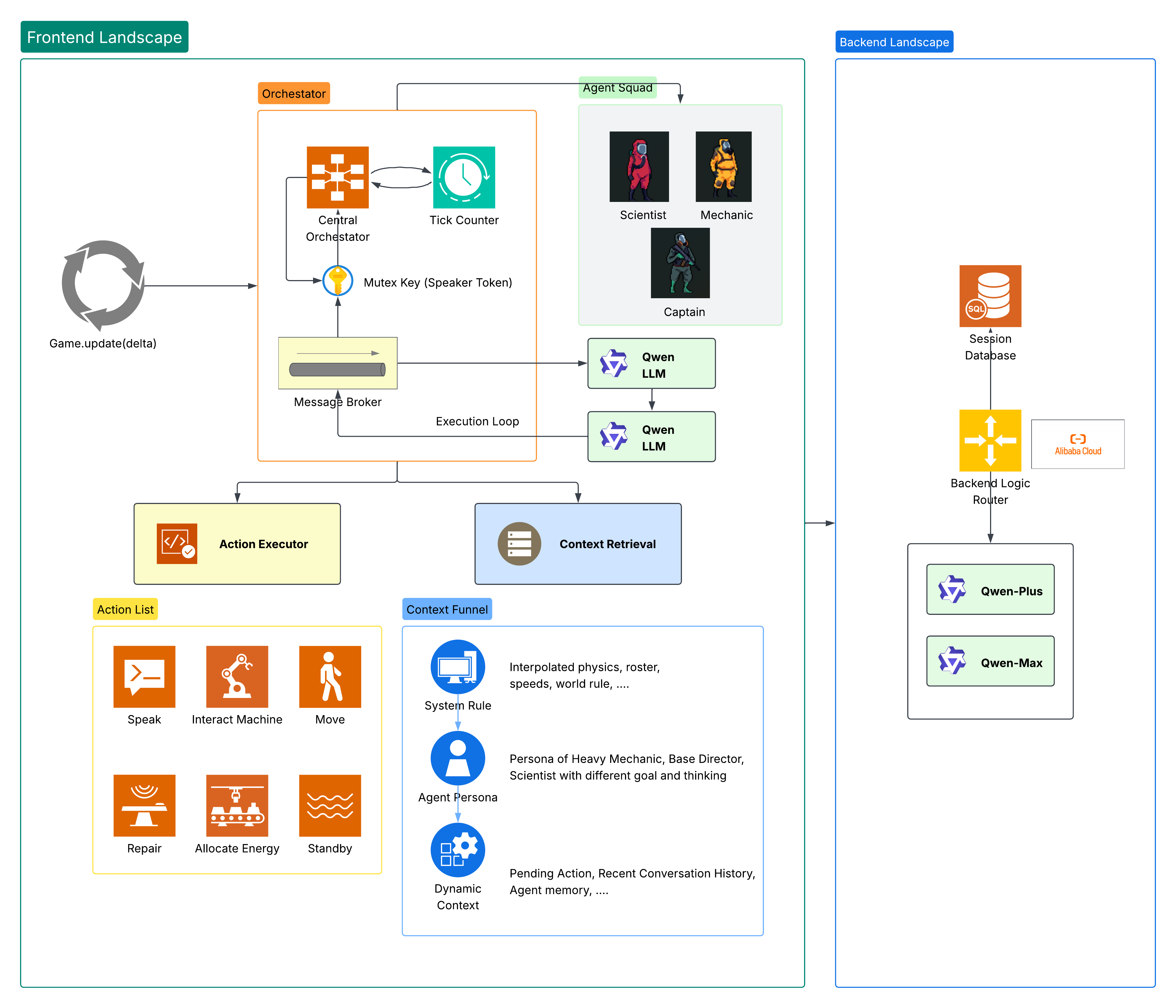
How we built it We split the project into two layers. The simulation engine runs in Phaser at 60fps to handle the facility physics, while an asynchronous worker system handles the agents. Quỳnh, Khánh Linh, and I spent hours hunched over our laptops hooking up the message broker to bridge the two systems. We eventually cast the whole thing to a large screen just to track the chaos of the agents talking and moving around the map at the same time.
Challenges we ran into Getting an asynchronous LLM to play nice with a deterministic game loop was painful. Agents kept trying to talk over each other or acting on old data. We had to build a speaker token mutex so only one agent could ping the API at a time. The LLMs also hallucinated broken JSON quite a bit, forcing us to write custom parsers that fall back to a safe "recalculating" state when the syntax fails.
Accomplishments that we're proud of The live scenario injection works perfectly. You can change the rules of the world in the middle of a run and the agents try to figure it out. We also built a feature called Tactical Dilation. When a disaster triggers, the game drops to ten percent speed. This gives the API calls time to resolve so the agents can actually coordinate without failing the mission instantly.
What we learned Prompt layering makes or breaks the AI. Giving a model a persona is easy, but getting it to understand spatial coordinates, travel time, and task reservations requires highly structured context windows.
What's next for Mission Sim We want to introduce more complex machines and larger crew sizes. The ultimate goal is to turn the decision traces into a standardized dataset, giving researchers a way to score different models on survival and teamwork.
Built With
- alibaba
- llm
- phaser.js
- qwen


Log in or sign up for Devpost to join the conversation.