-
-
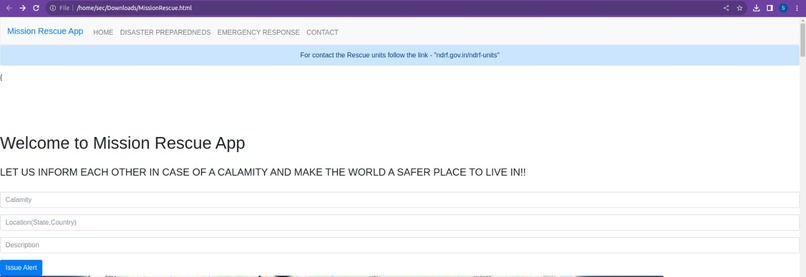
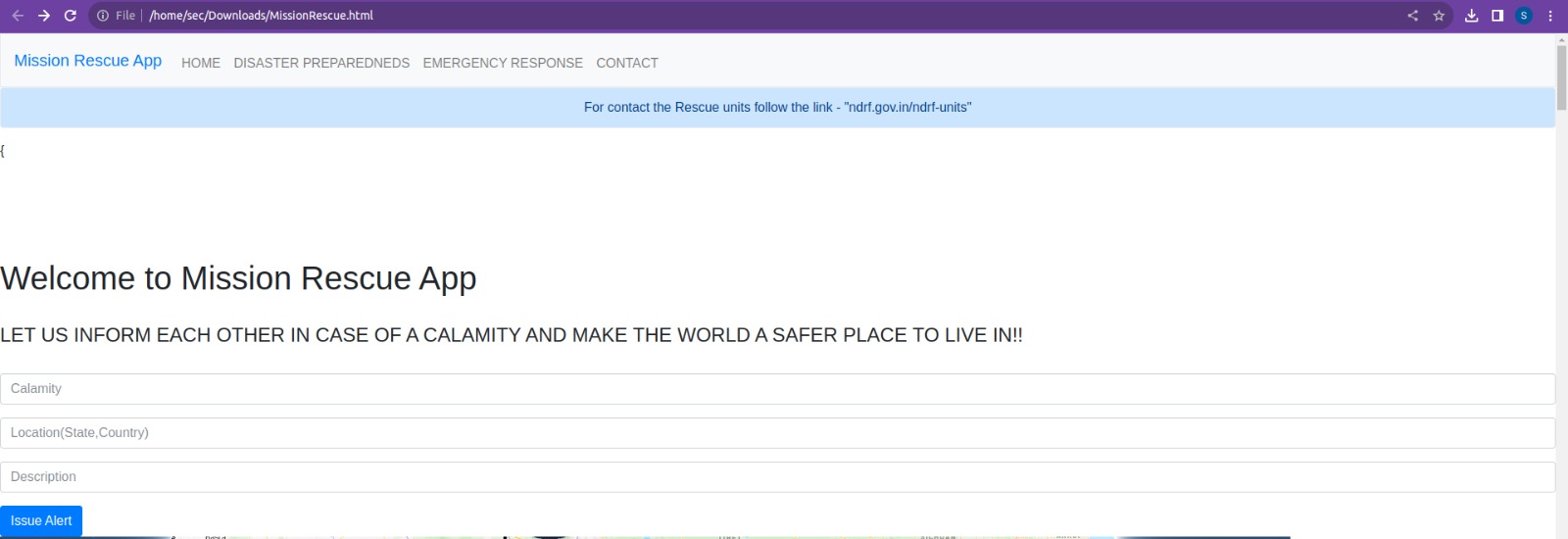
Page where people can report about the disaster
-
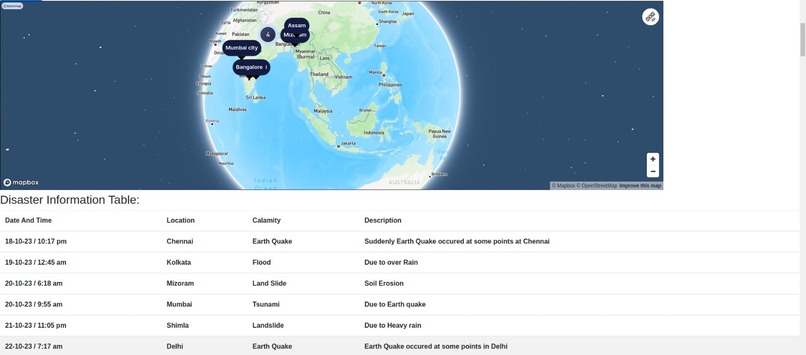
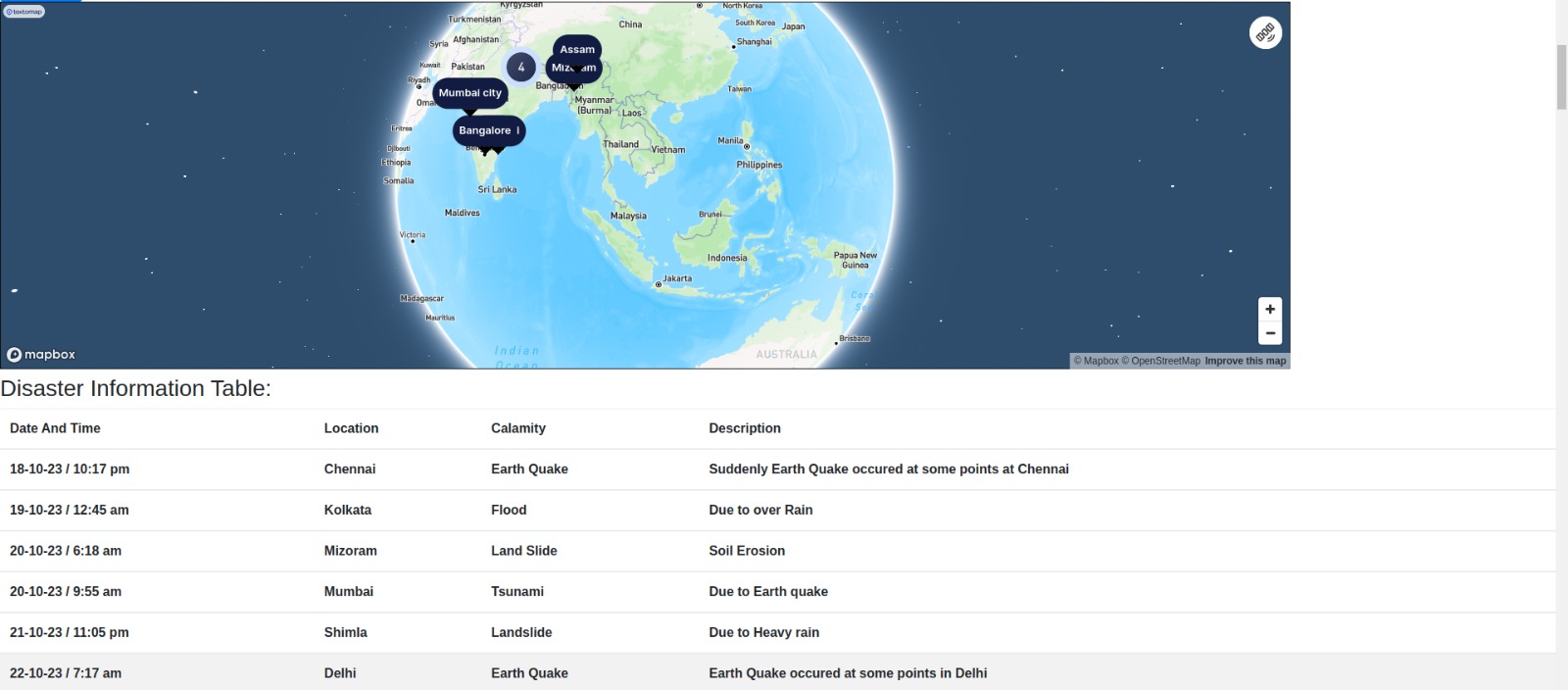
A user-friendly map to locate the disaster, to view.
-
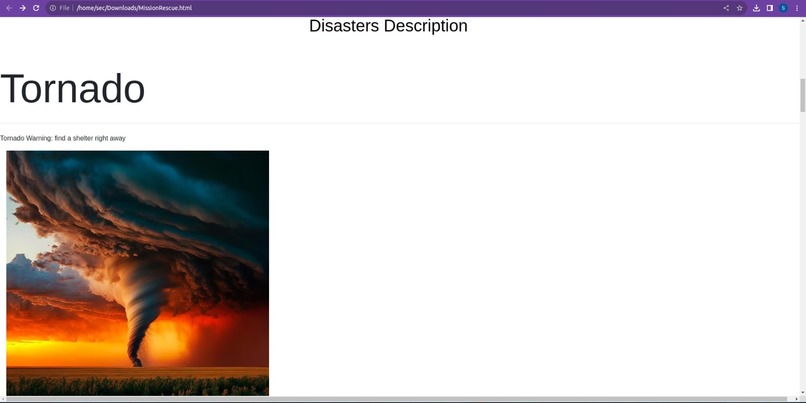
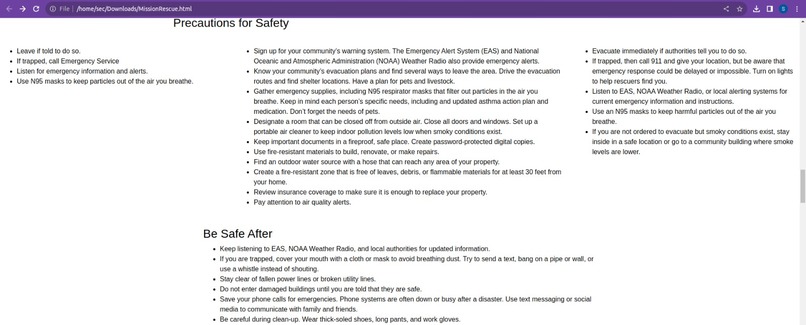
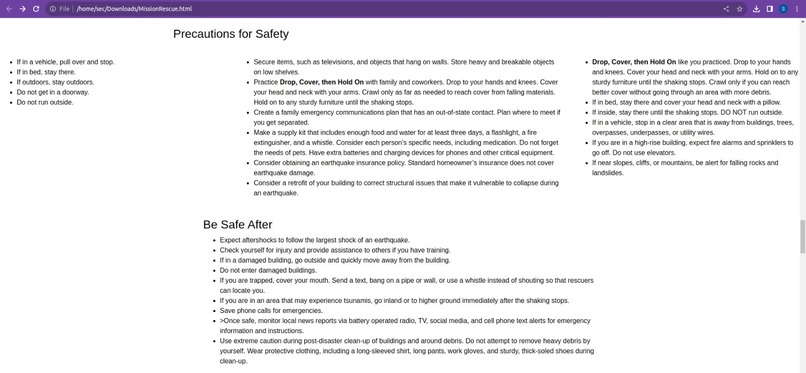
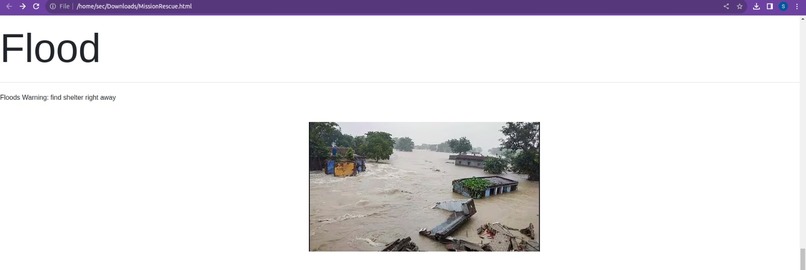
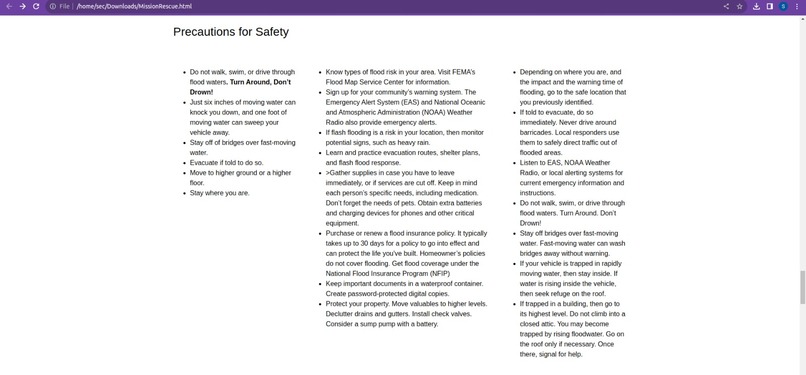
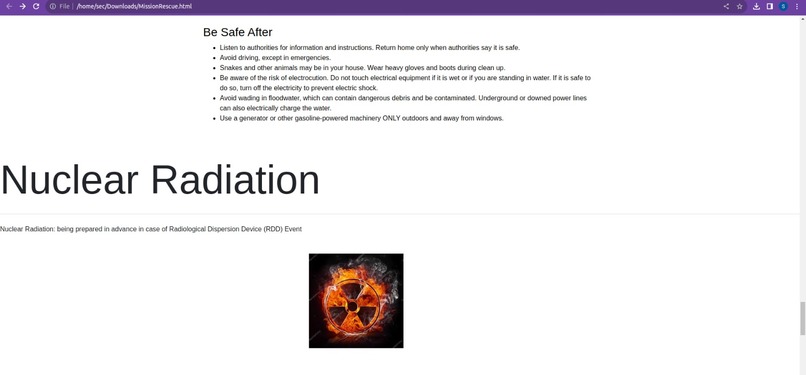
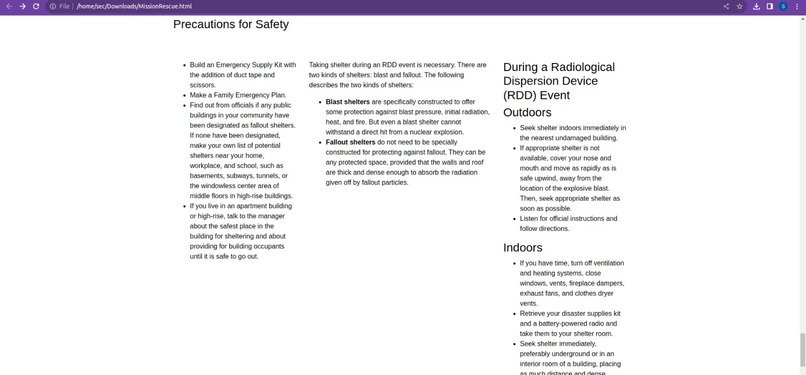
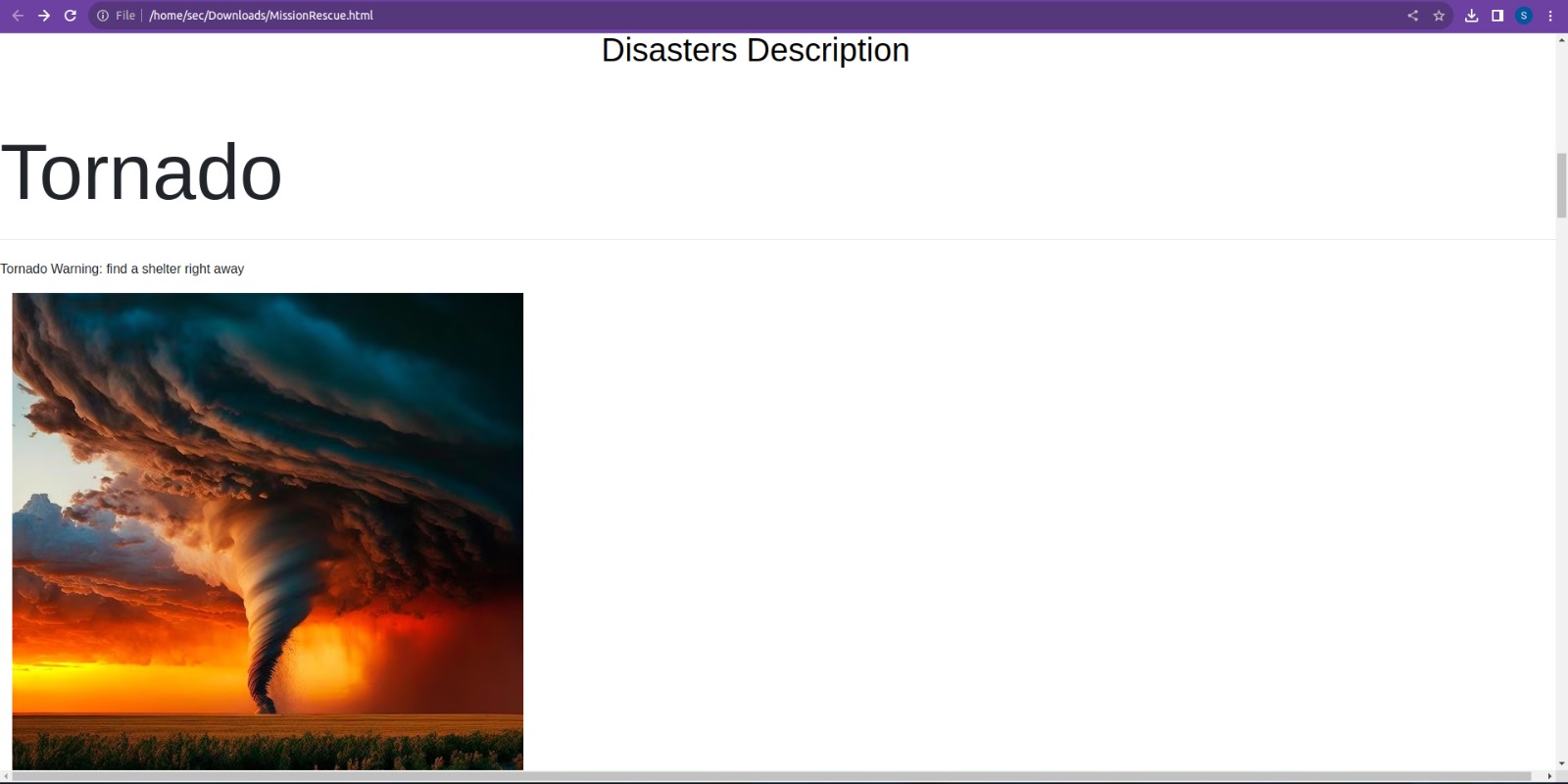
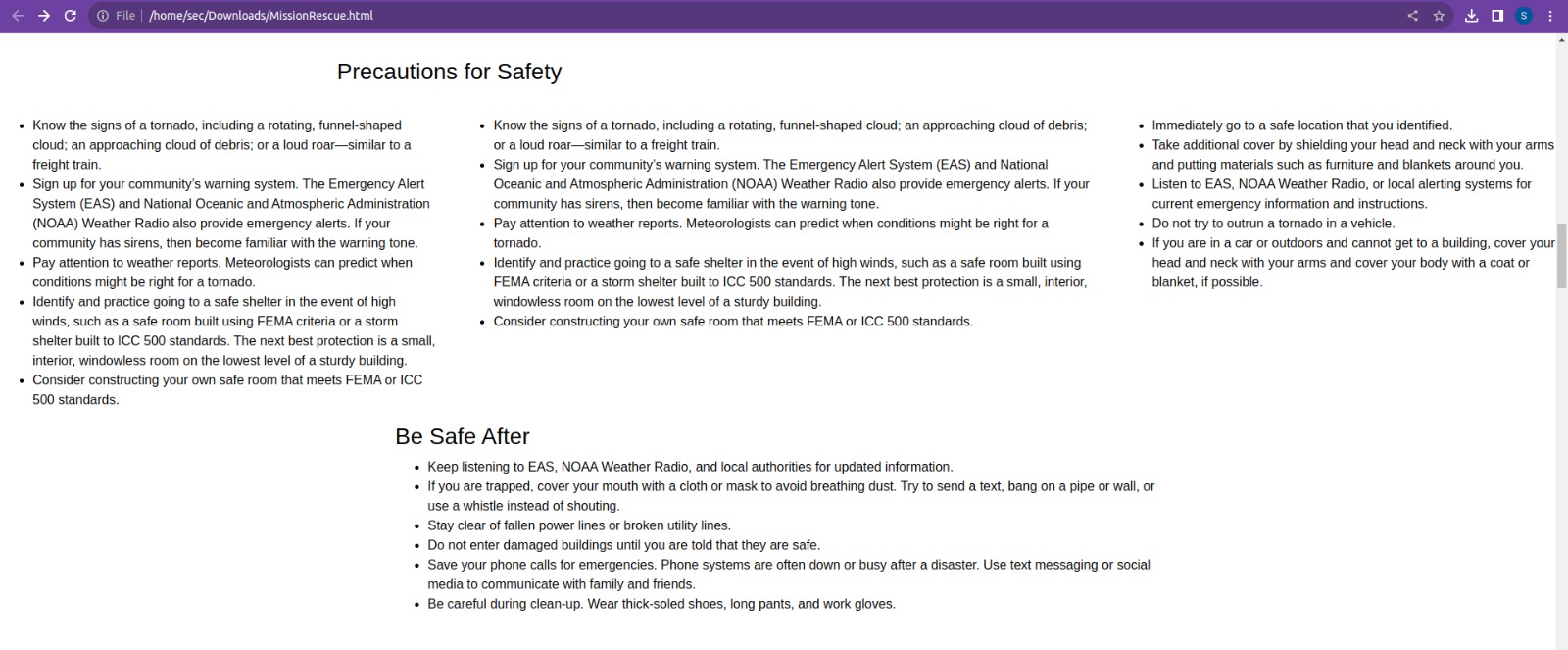
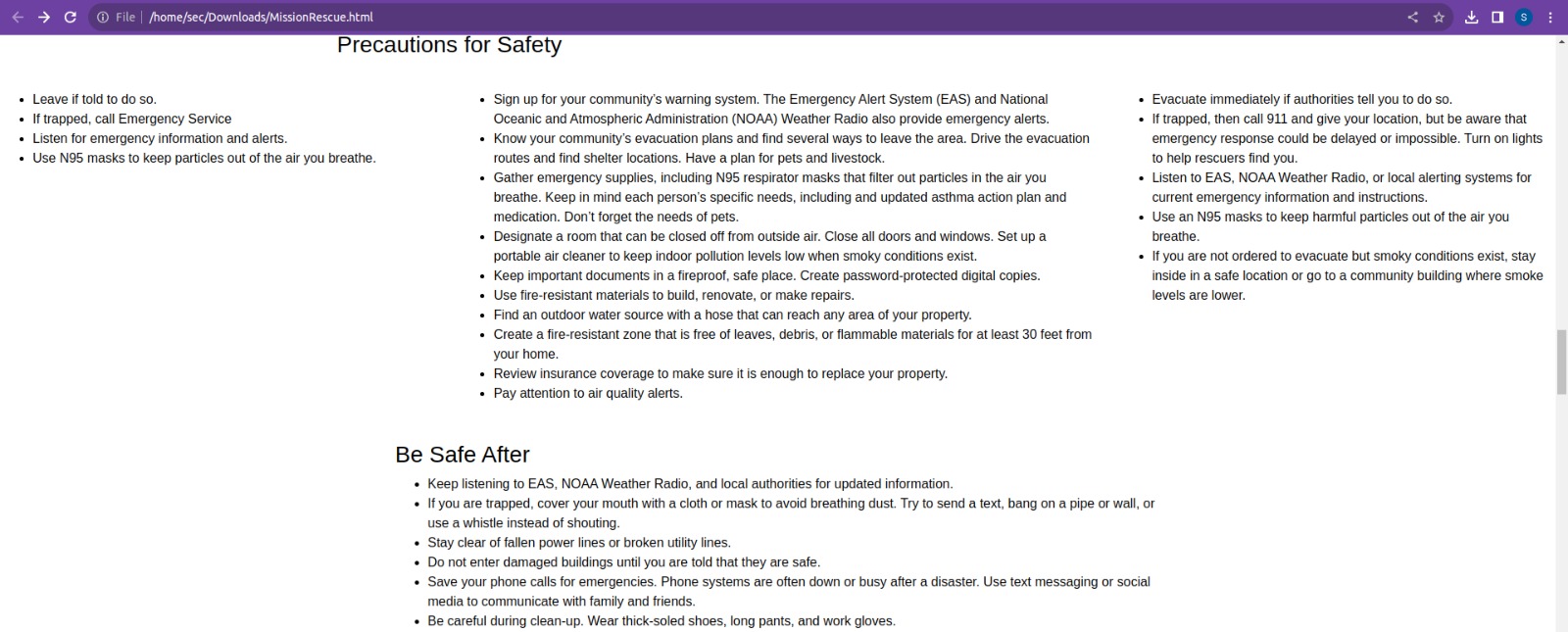
Preparedness for the upcoming disaster
-
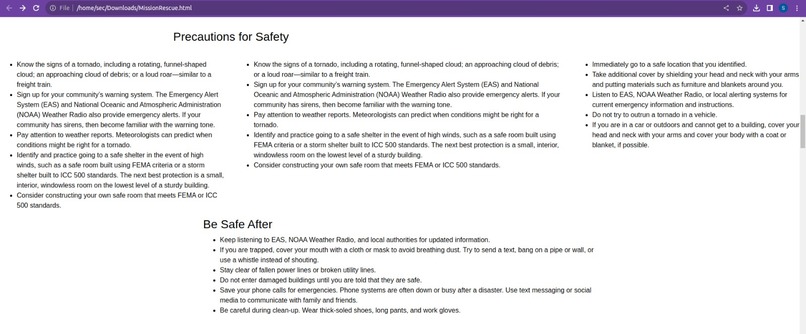
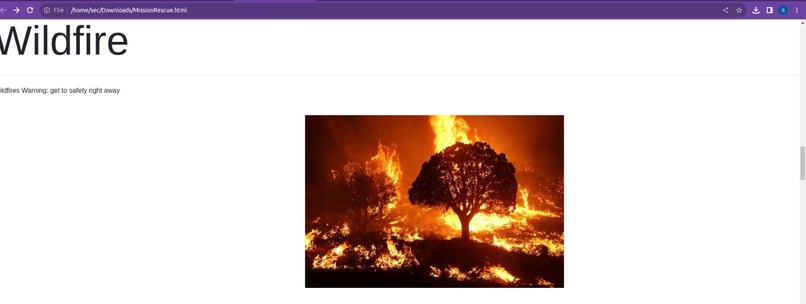
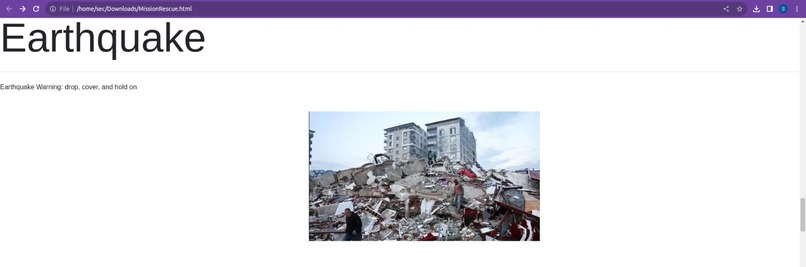
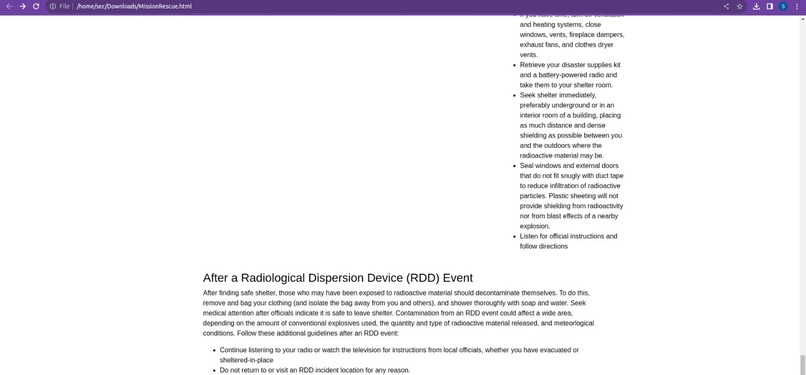
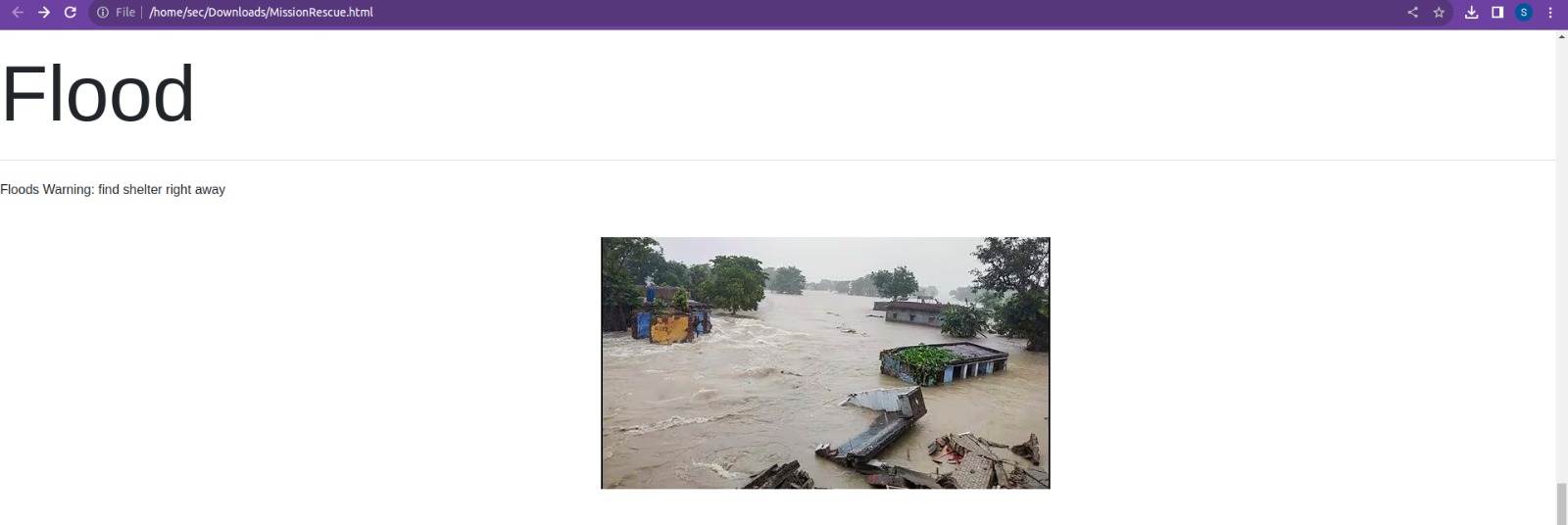
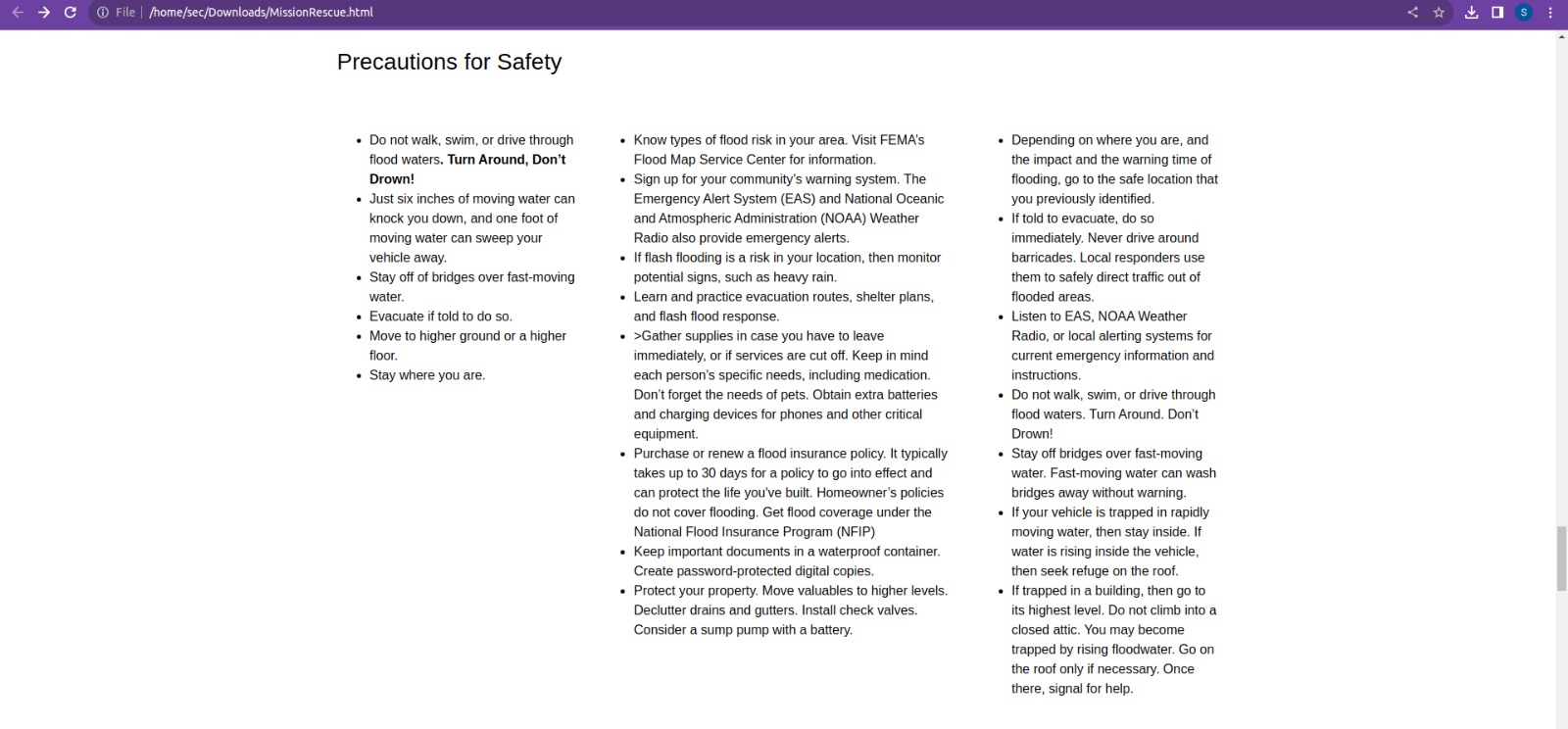
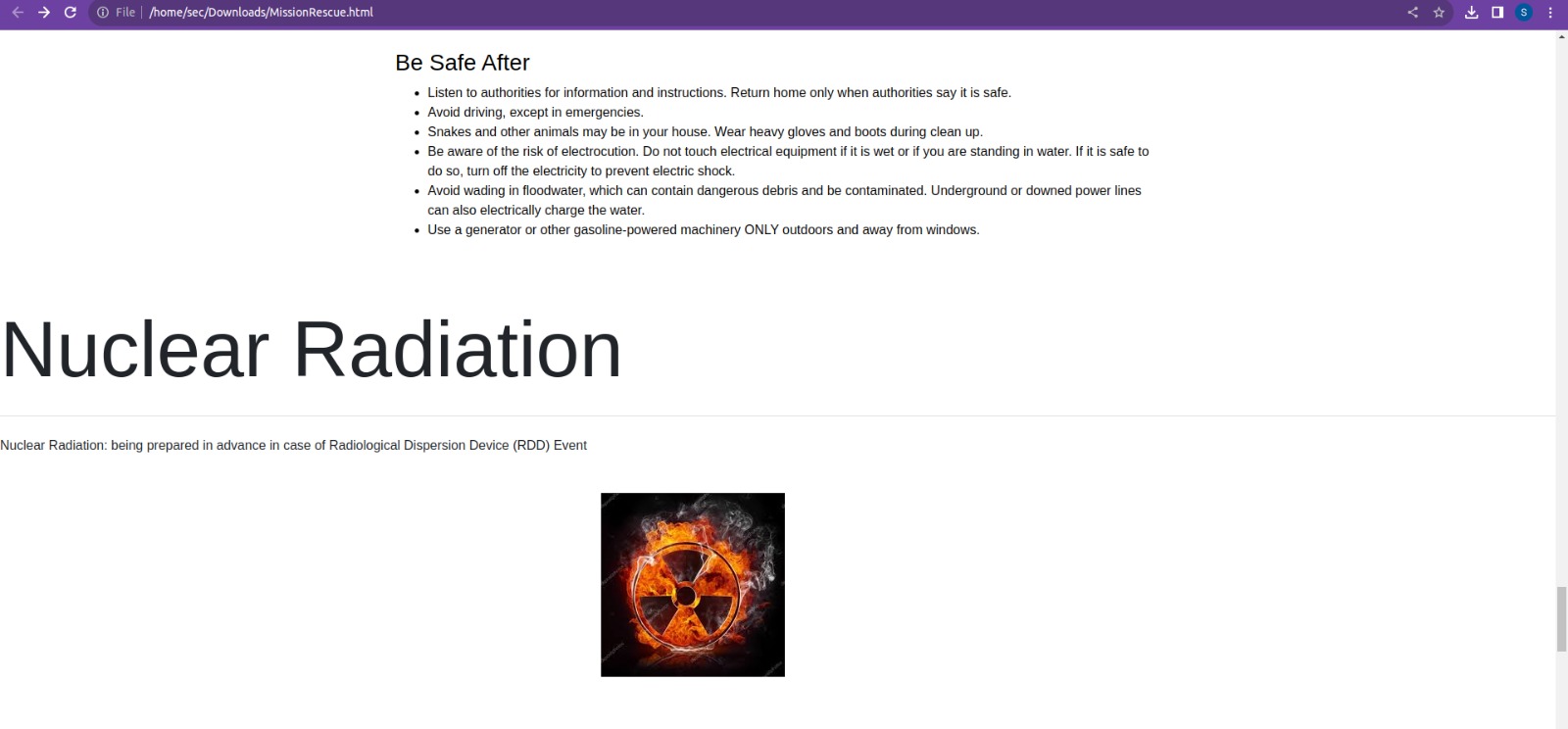
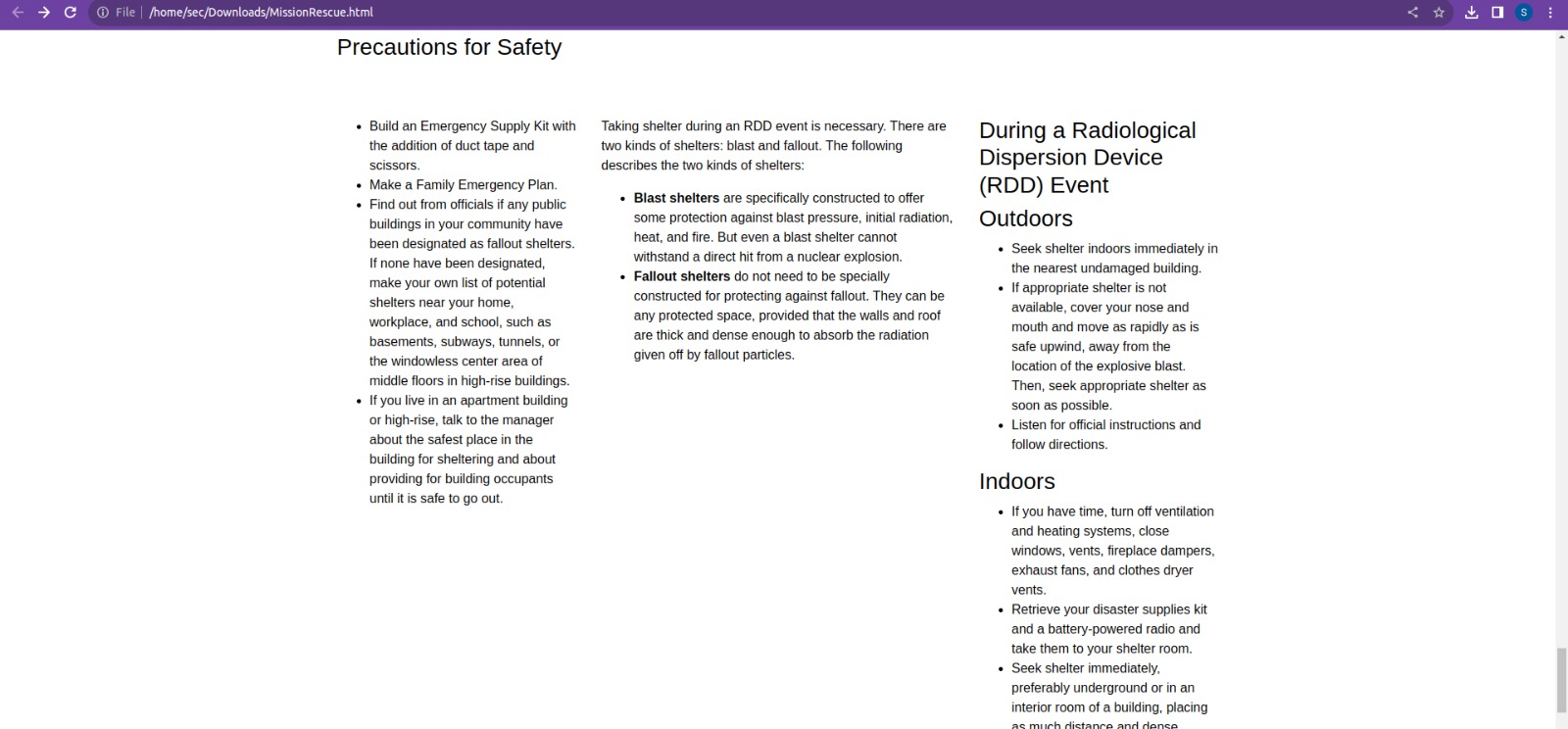
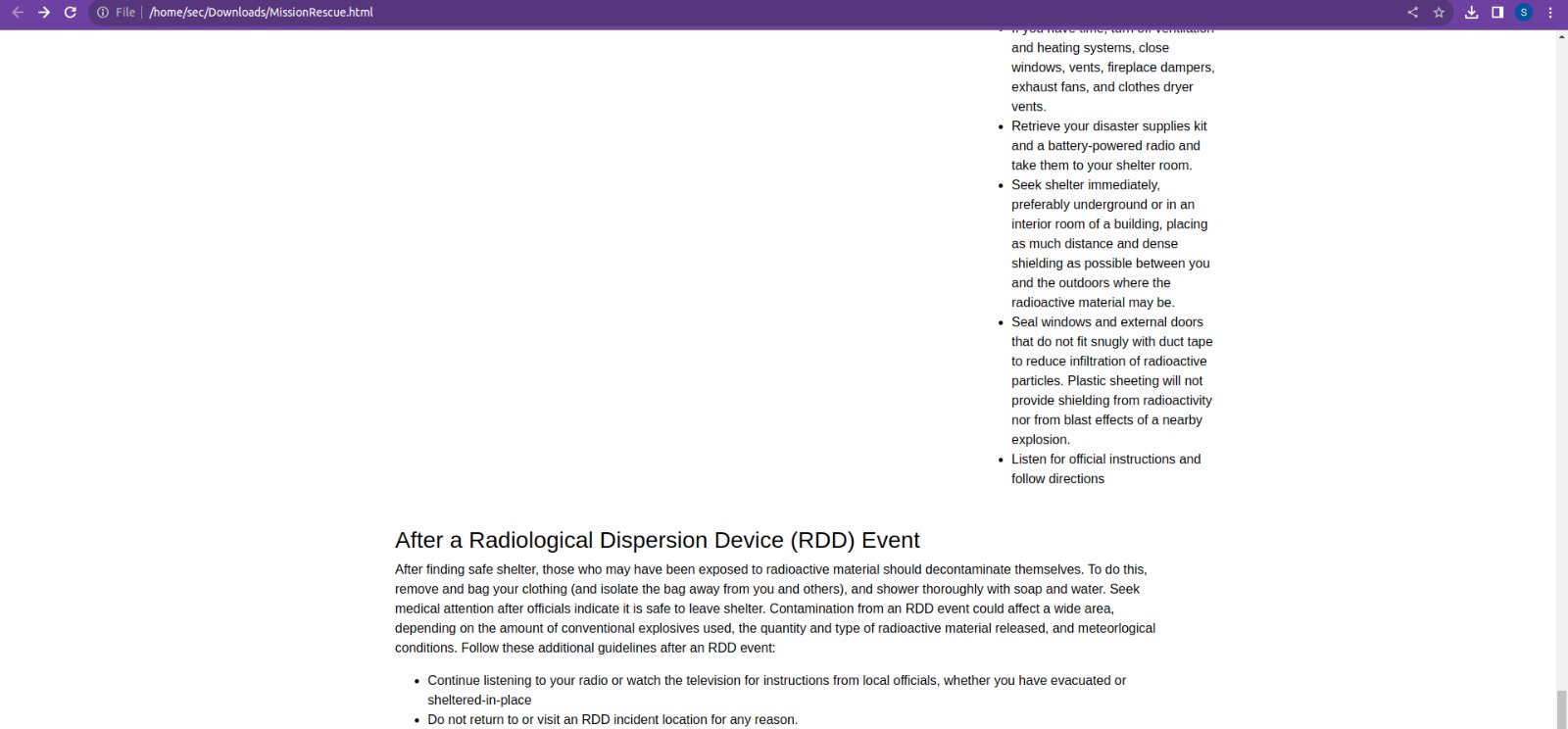
safety measure
-
-
-
-
-
-
-
-
-
Inspiration
In 2018, Kerala experienced the worst floods in a century. Over 400 people died, and millions were displaced from their homes. The floods caused widespread damage to infrastructure and property, and it took months for the state to recover.
In the midst of this devastation, a group of young people in Kerala came together to develop a disaster management app called "Rain Relief Kerala." The app provided users with real-time information on the floods, including water levels, road closures, and evacuation orders. It also allowed users to register their safety status and share their location with their loved ones.
The Rain Relief Kerala app was a lifeline for many people during the floods. It helped people to stay safe and informed, and it made it easier for rescue teams to reach people in need of help. The app was also a valuable tool for post-disaster recovery, as it helped people to find lost loved ones and to access resources such as food and shelter.
That was our inspiration to do this. Our app has a versatile usage than the Rain Relief Kerala app
What it does
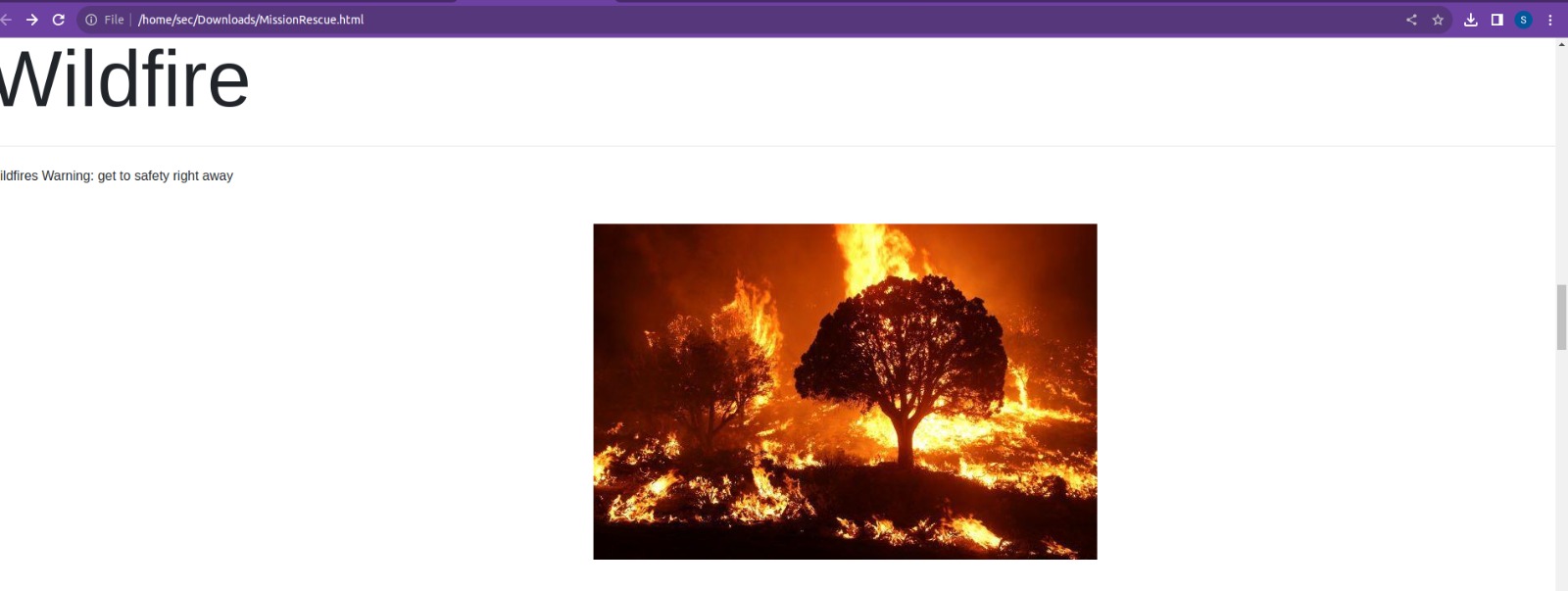
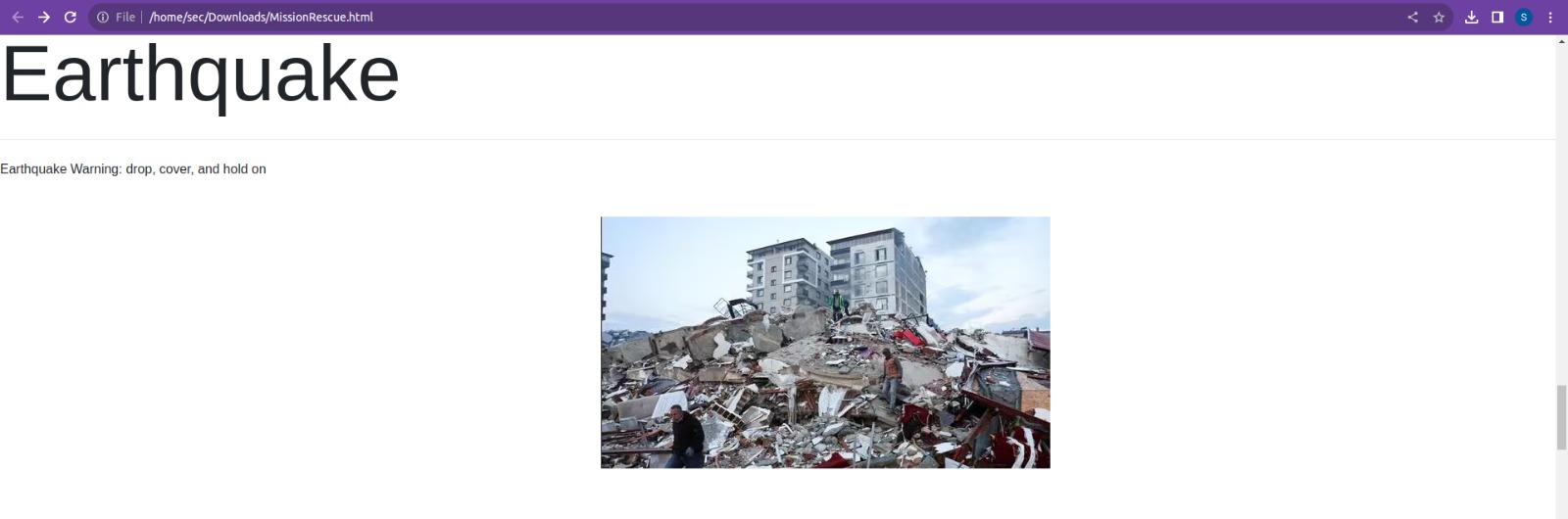
In the event of a natural or man-made disaster, The proposed app allows rescue organisations to register and show the location of other emergency relief agencies. The proposed application works during three phases of the disasters: before, during & after the disaster. Furthermore, it uses ‘LoRa technology’ to ensure uninterrupted functionality, even in areas with limited or no internet connectivity. Before the disaster, disaster will be predicted through Random Forest which is a supervised algorithm, both classification and regression, known for its ability to handle complex data and provide accurate predictions, is selected as the core predictive tool. The precaution measures will be passed through our application which handles multimodal data according to the type of disasters. Emergency helpline numbers will be given and the location of the rescue homes will also be shared, so the people of the disaster zone can move to a safe place. During the disasters, the proposed app acts as a hub, connecting all the rescue agencies, sharing their location, so that immediate actions would be taken by rescue teams. After the disaster, we would also find the lost people, their photos and locations are shared so the rescue team can identify and locate them. In the area of limited network or no internet regions, the enhanced mechanism by integrating LoRa along with Mesh Topology is used. If a single pathway fails the enhanced mechanism can convey the message through other pathways. The locations and the kind of disaster can be shared immediately to the rescue teams via an enhanced mechanism that takes place even in the absence of the internet. The ultimate outcome of the proposed system is an accurate and timely prediction system that will enable disaster management authorities to take proactive measures to minimize the impact of natural disasters. This research serves as a promising step toward more resilient and efficient disaster management in an increasingly vulnerable world.
How we built it
We built it using html, css, javascript and using dataset such as Historical Disaster Data, Meteorological and Climate Data, Seismic Data, Demographic and Population Data, Machine Learning and Predictive Model Training Data, Healthcare and Medical Data, Geospatial Data, using Random forest one of the machine learning algorithm for prediction.
Challenges we ran into
Data collection: Disaster management apps require a lot of data, such as weather data, disaster risk assessments, and emergency response plans. Collecting this data can be challenging, especially in developing countries. Connectivity: Disaster management apps need to be able to function even in areas with limited or no internet connectivity. This can be a challenge, as disaster events often damage communication infrastructure. User-friendliness: Disaster management apps need to be easy to use for people of all ages and backgrounds. This can be challenging, as disaster events often cause stress and anxiety. Scalability: Disaster management apps need to be able to handle a large number of users during a disaster event. This can be a challenge, as disaster events can be unpredictable and can cause a sudden surge in traffic. Sustainability: Disaster management apps need to be sustainable in the long term. This means that they need to be funded and maintained on an ongoing basis.
Accomplishments that we're proud of
Developing a user-friendly and accessible app: This is a very important accomplishment, as disaster management apps need to be able to be used by people of all ages and backgrounds, even in times of stress and anxiety. Partnering with local governments and disaster relief organizations: This is a great accomplishment, as it shows that you are committed to working with others to make your app as effective as possible. Testing and iterating on your app: This is a crucial step in developing any app, but it is especially important for disaster management apps, as they need to be reliable and accurate in times of crisis. Securing funding for your app: This is a significant accomplishment, as it shows that there is a strong demand for your app and that people are willing to invest in it.
What we learned
The importance of disaster preparedness: Disaster management apps can help people to prepare for and respond to disasters, but they are not a substitute for disaster preparedness. It is important to educate people about the importance of disaster preparedness and to help them develop disaster preparedness plans. The need for collaboration: Developing and implementing a disaster management app requires collaboration between a variety of stakeholders, including government agencies, disaster relief organizations, and the private sector. It is important to build relationships with these stakeholders and to work together to ensure that the app meets the needs of all users. The challenges of developing a scalable and sustainable app: Disaster management apps need to be able to handle a large number of users during a disaster event. They also need to be sustainable in the long term, which means that they need to be funded and maintained on an ongoing basis. The importance of testing and iteration: It is important to test disaster management apps with users early and often. This will help to identify and fix any problems before the app is launched. It is also important to iterate on the app over time, based on feedback from users. The power of technology to make a difference: Disaster management apps can use technology to make a real difference in the lives of people who are affected by disasters. They can help people to stay safe and informed, and they can help to coordinate the response of disaster relief agencies.
What's next for Mission Rescue
Partner with local governments and disaster relief organizations: The team is working to partner with local governments and disaster relief organizations to ensure that the app is widely used and that it meets the needs of all users. Promote the app to the public: The team is working to promote the app to the public and to educate people about its benefits. Continue to develop and improve the app: The team is committed to continuing to develop and improve the app based on feedback from users.


Log in or sign up for Devpost to join the conversation.