-
-
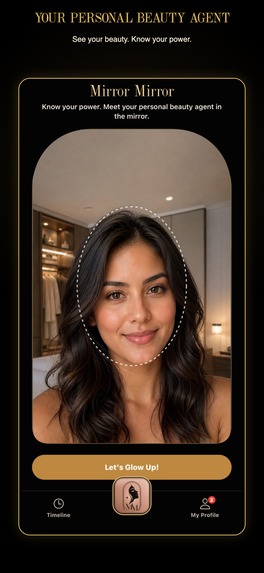
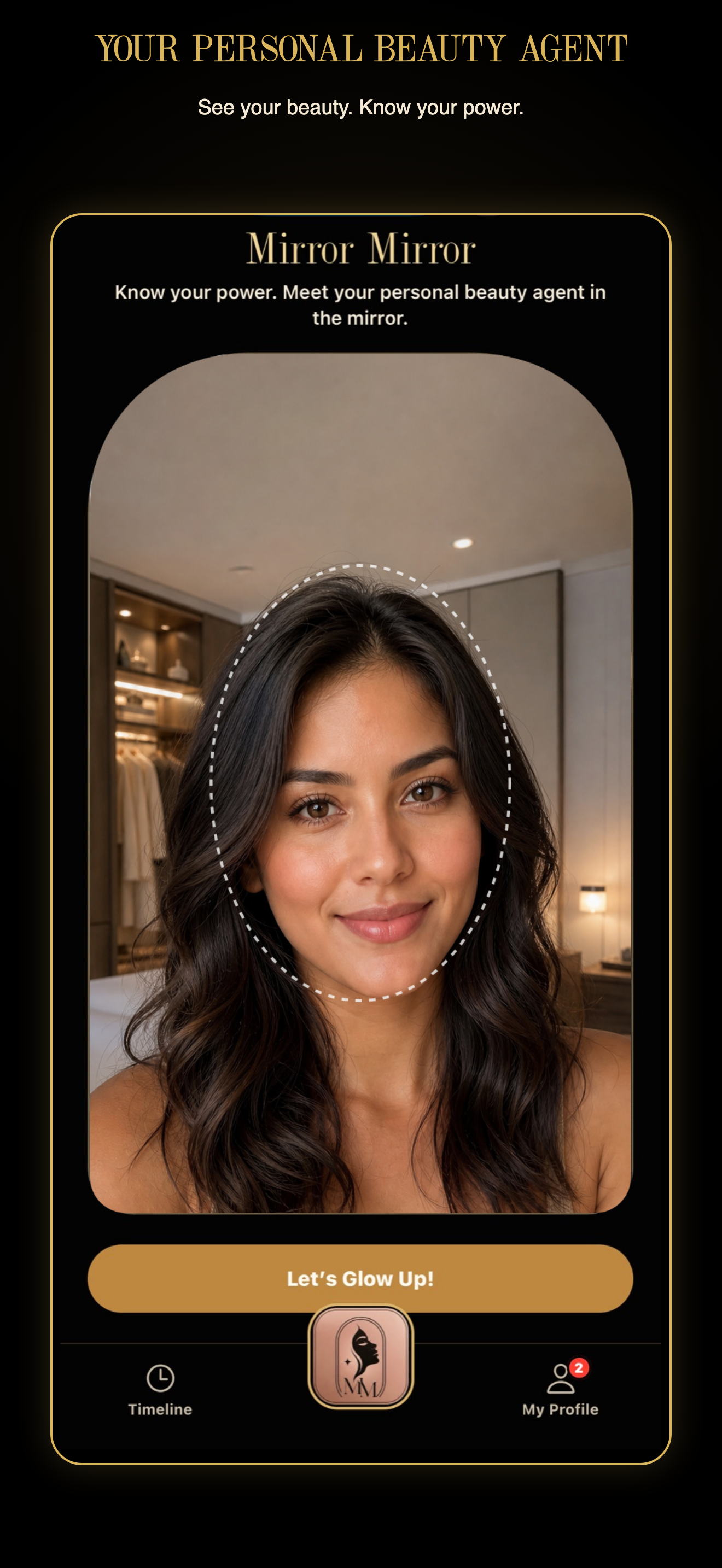
You personal beauty assistant home screen
-

Mirror Mirror logo
-
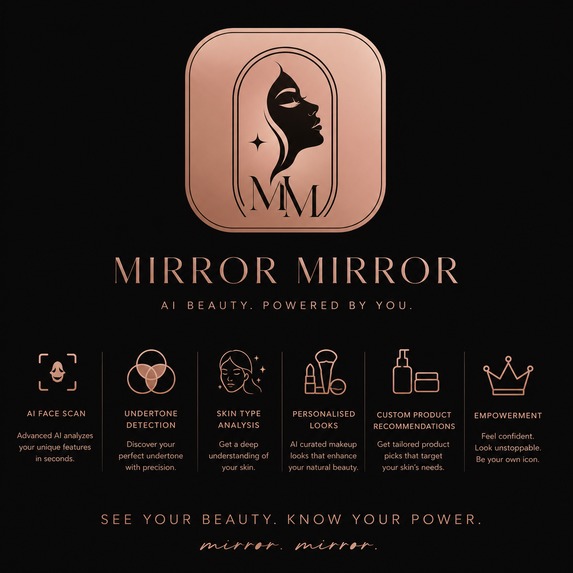
Mirror Mirror promo image
-
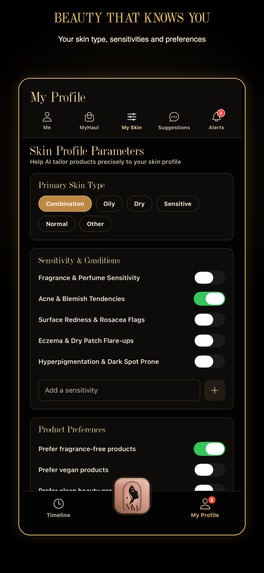
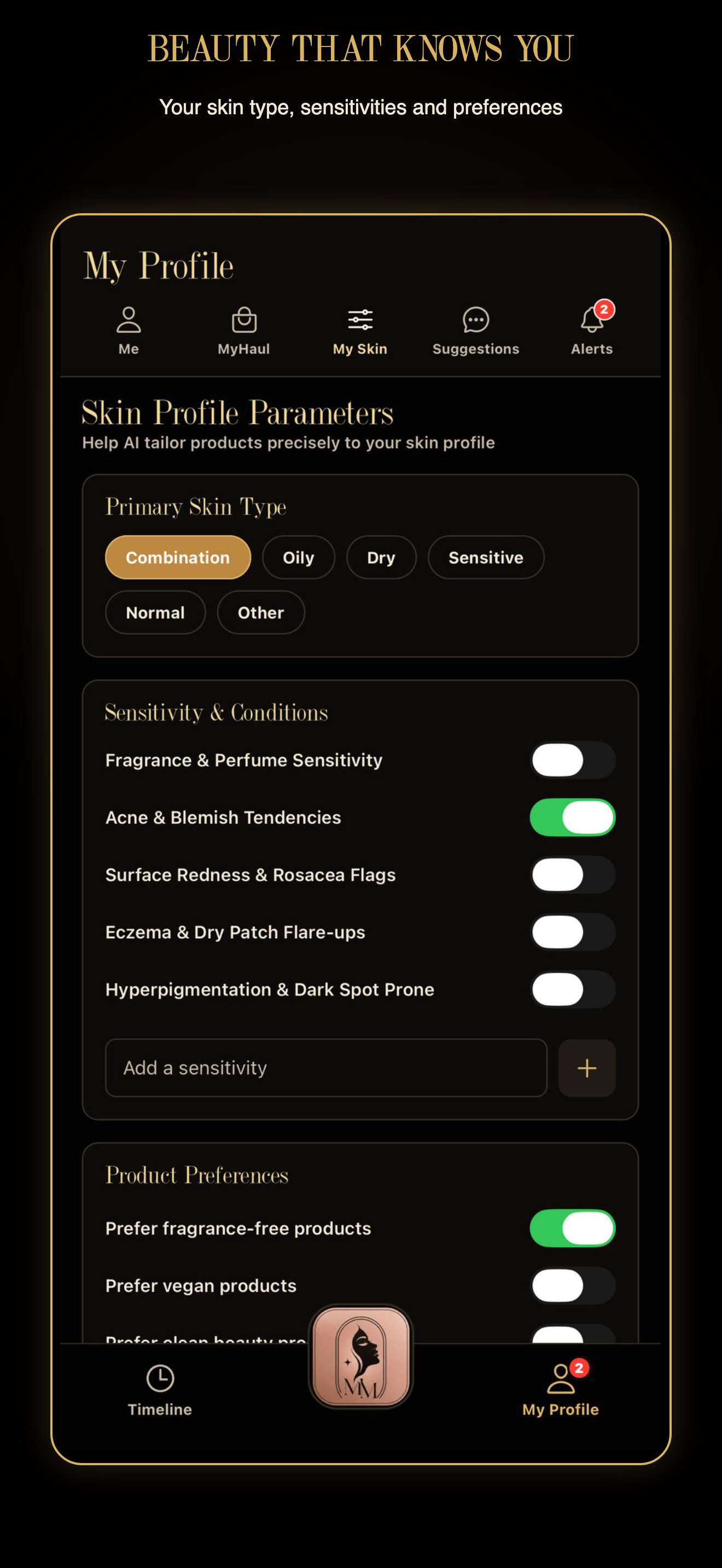
My Skin personal skin profile
-
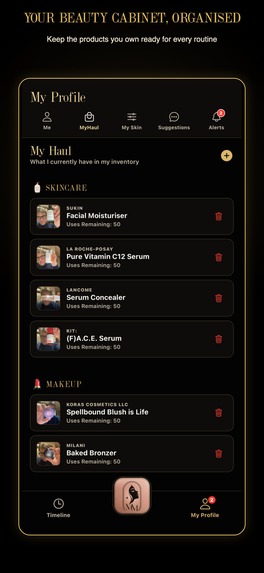
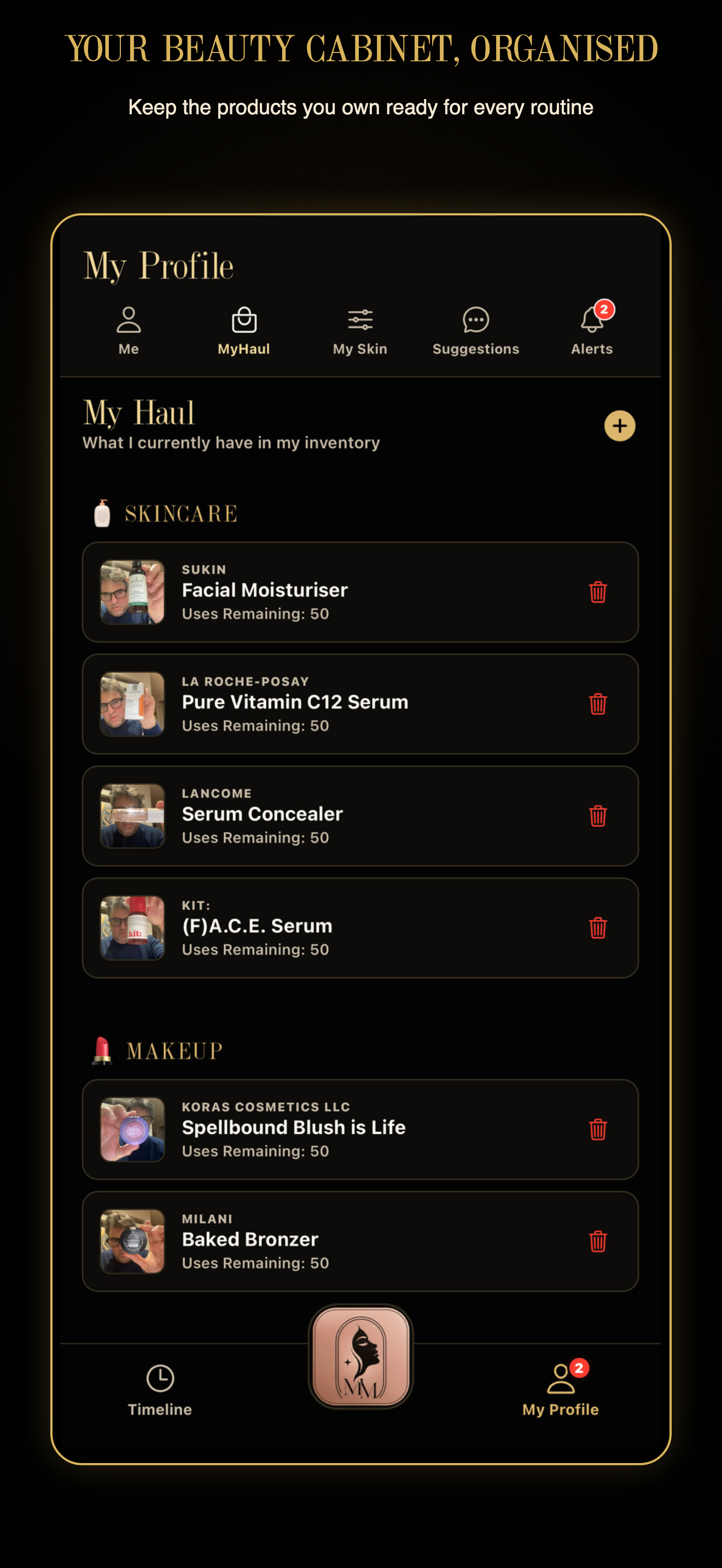
My Haul - skincare and makeup in my own inventory
-
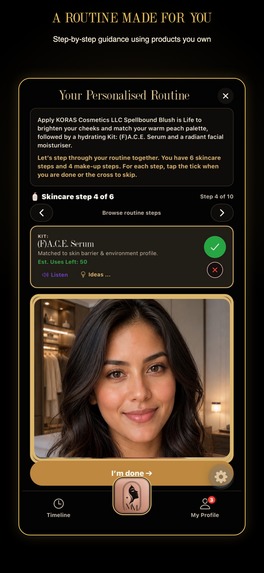
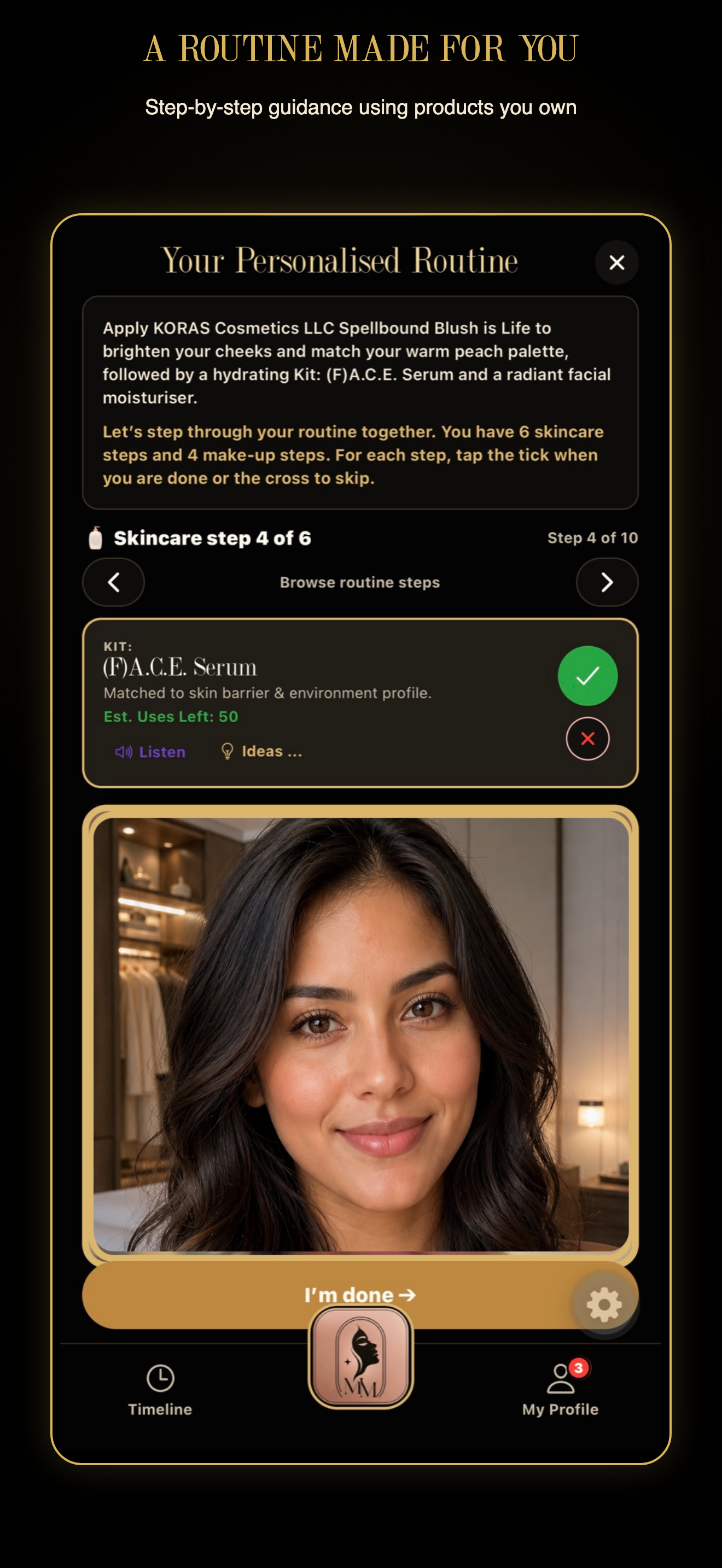
Personalised routine that you can see as you progress
-
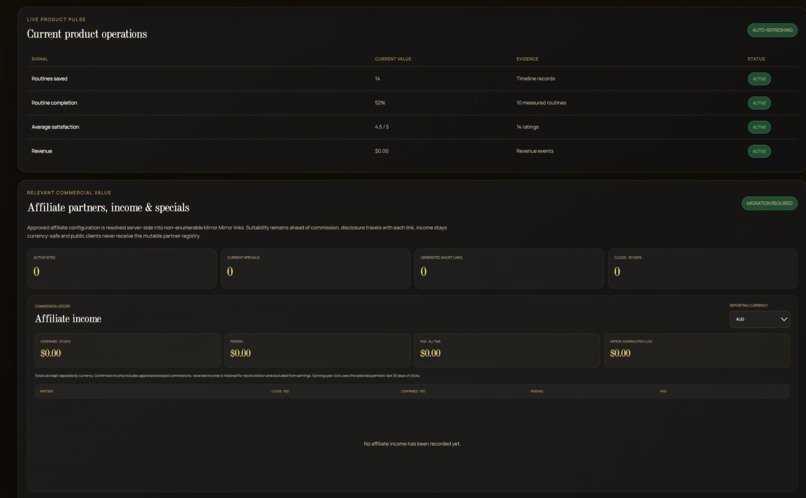
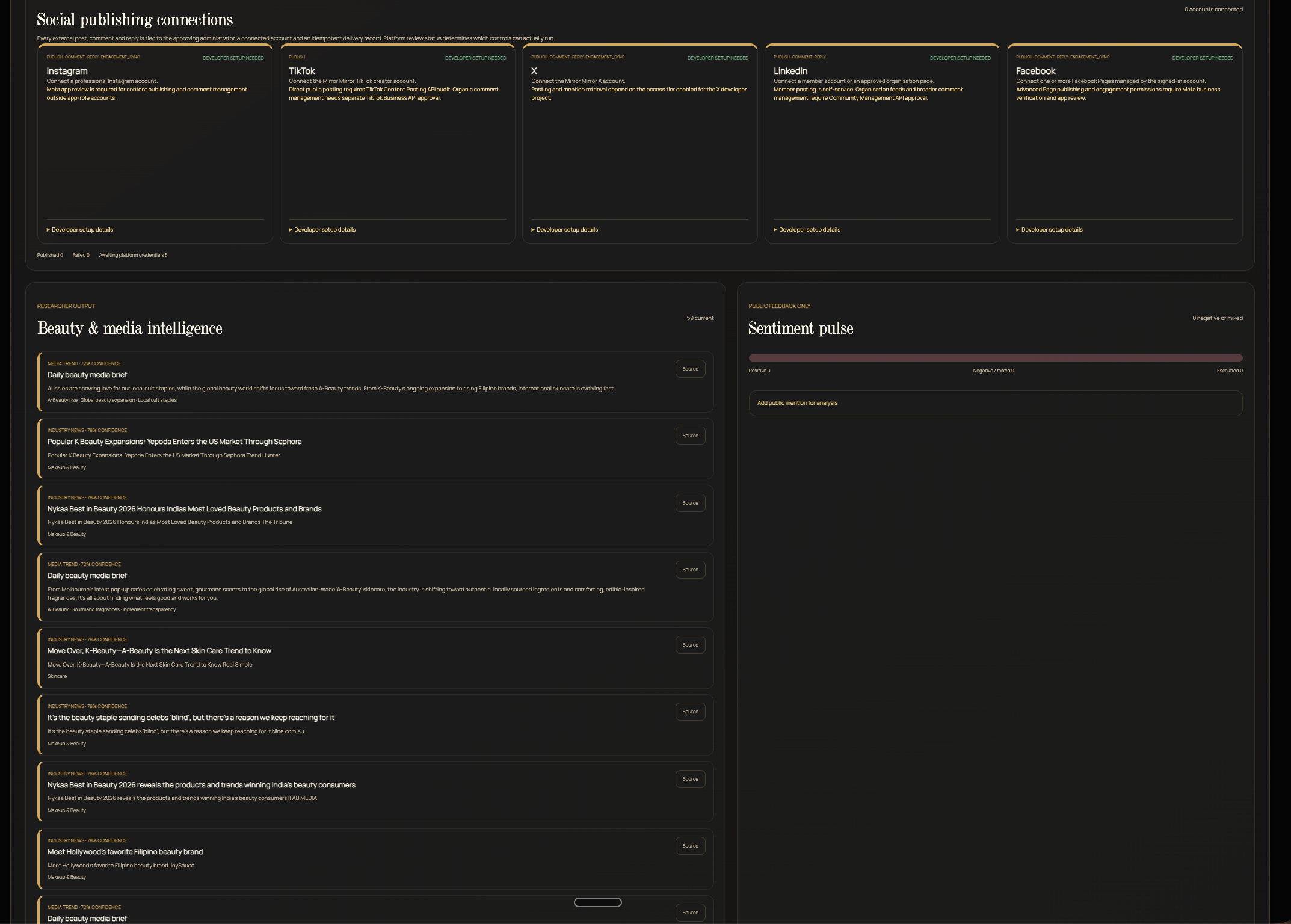
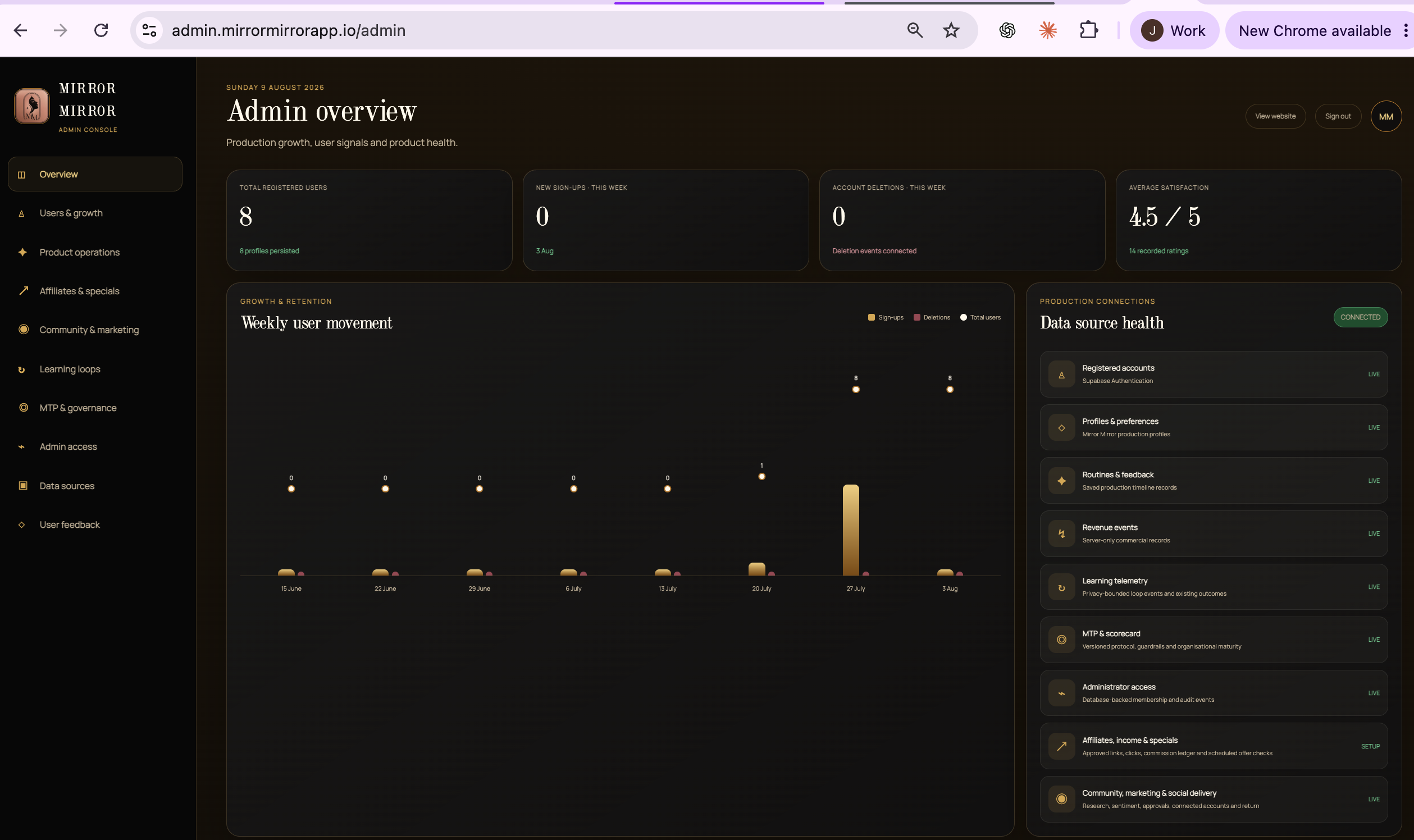
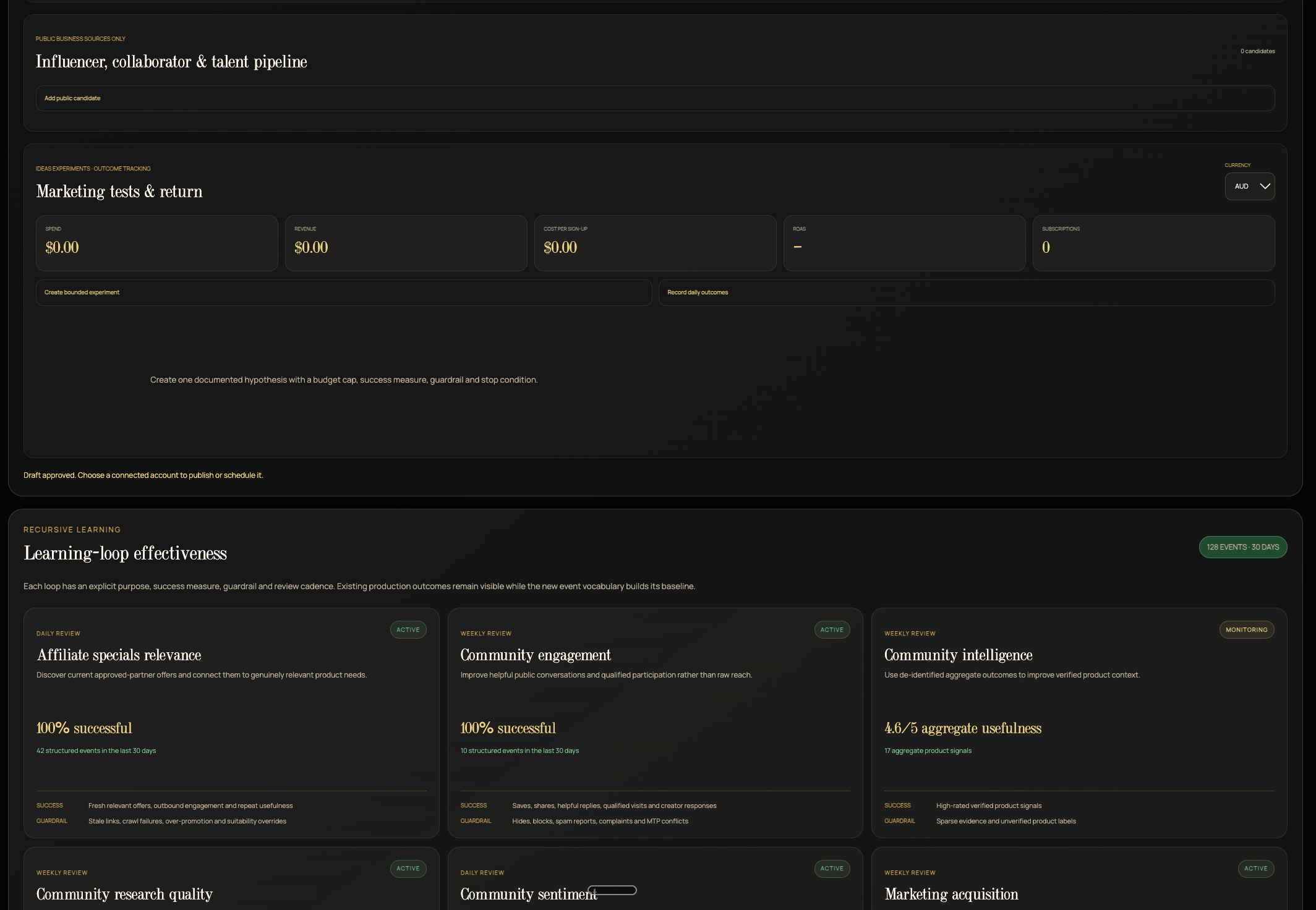
Mirror Mirror Admin Dashboard
-
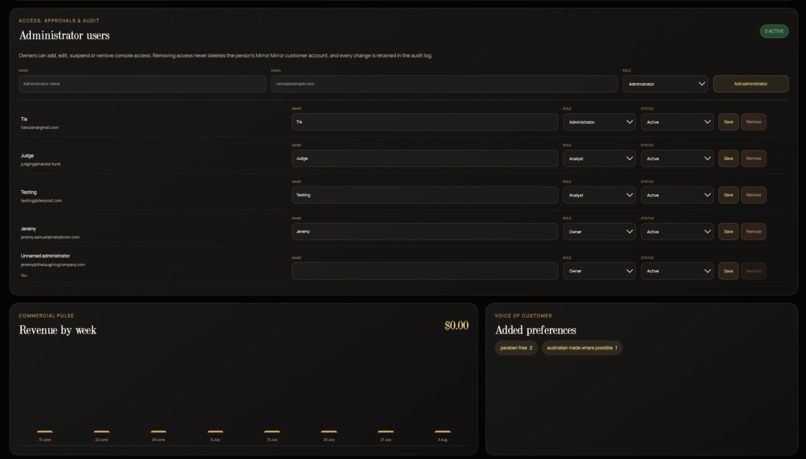
Mirror Mirror Admin Dashboard
-

Mirror Mirror Admin Dashboard
-
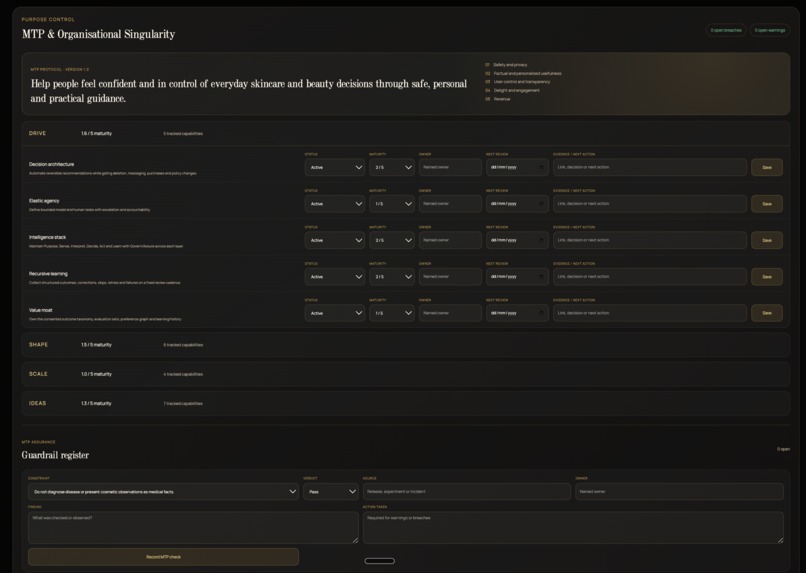
Mirror Mirror Admin Dashboard
-

Mirror Mirror Admin Dashboard
-
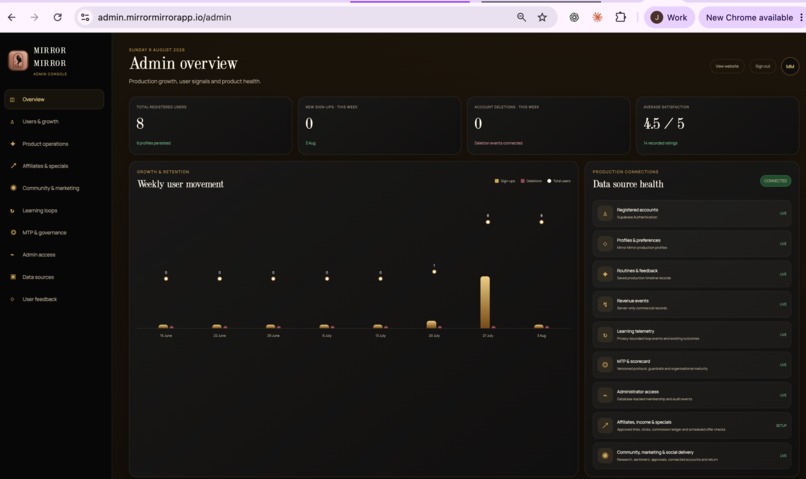
Mirror Mirror Admin Dashboard
-
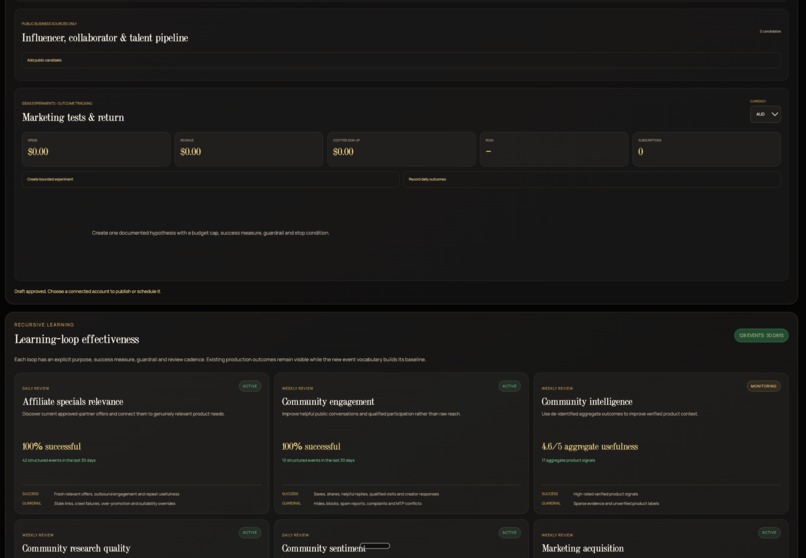
Mirror Mirror Admin Dashboard
-

Mirror Mirror Admin Dashboard
-
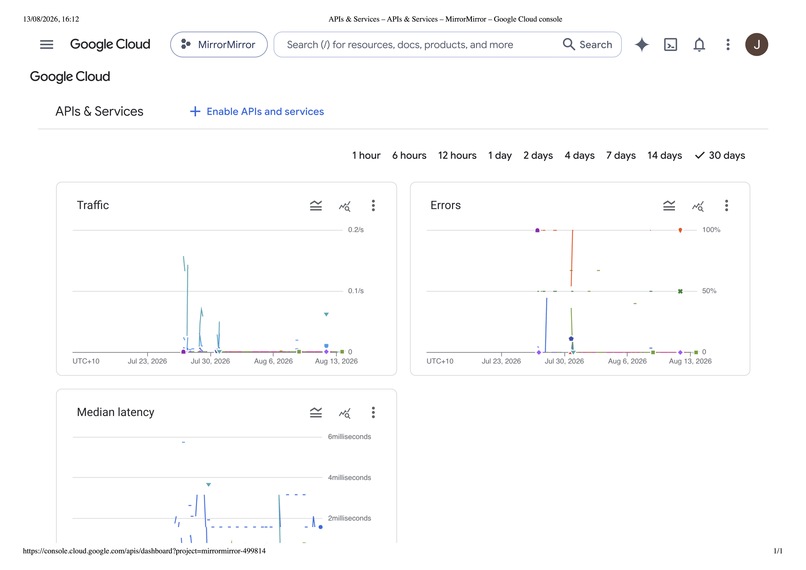
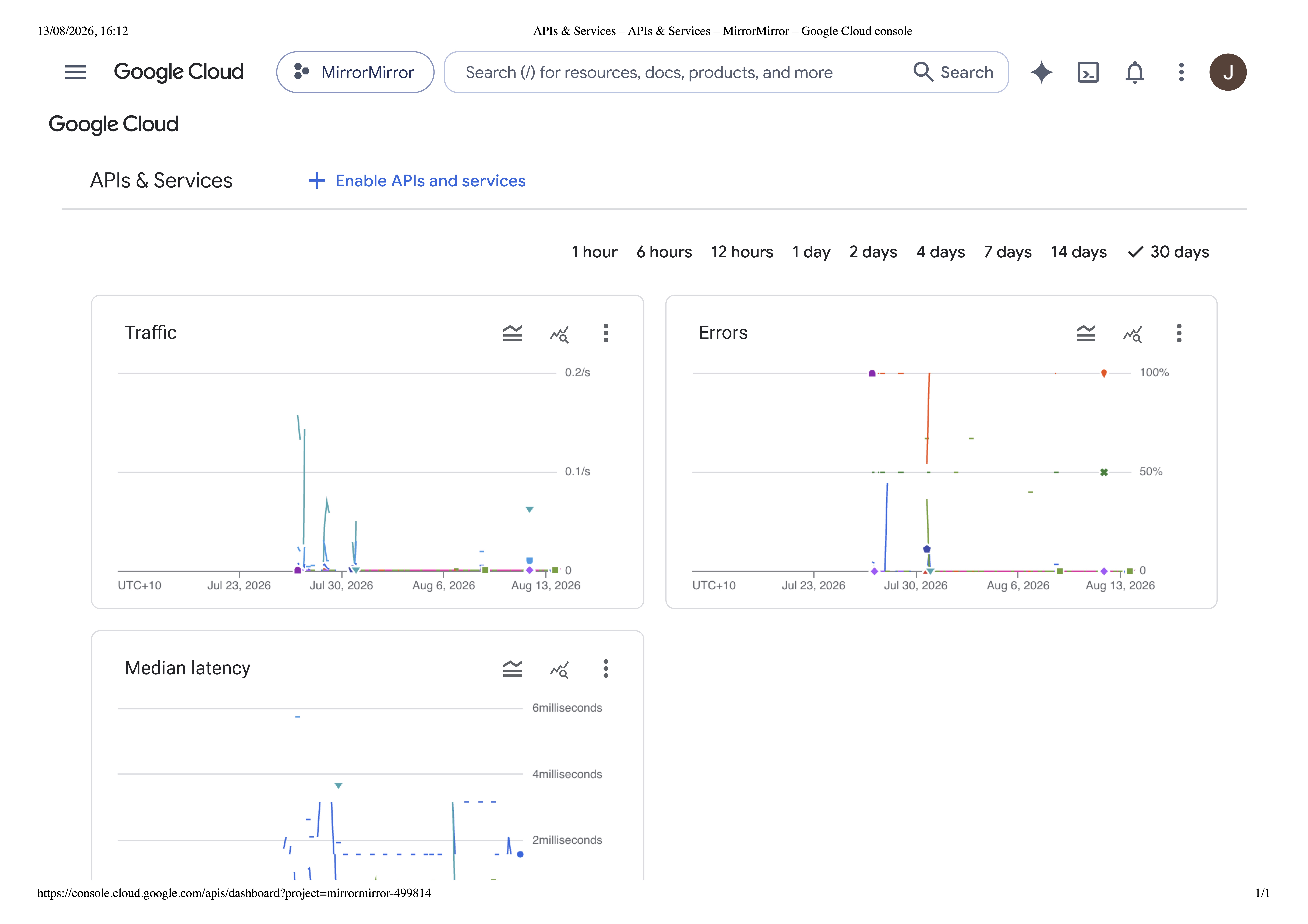
Google Cloud API console

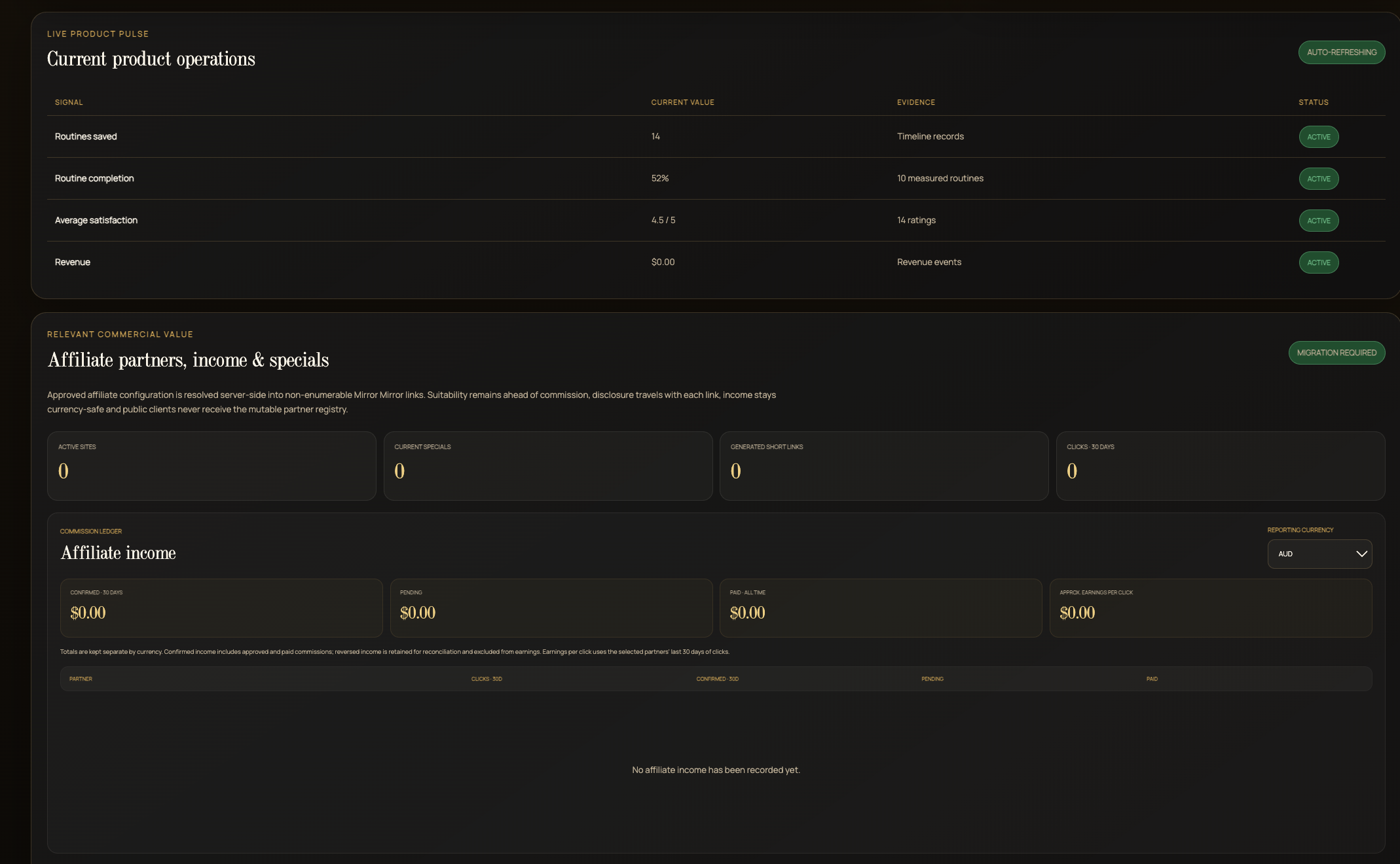
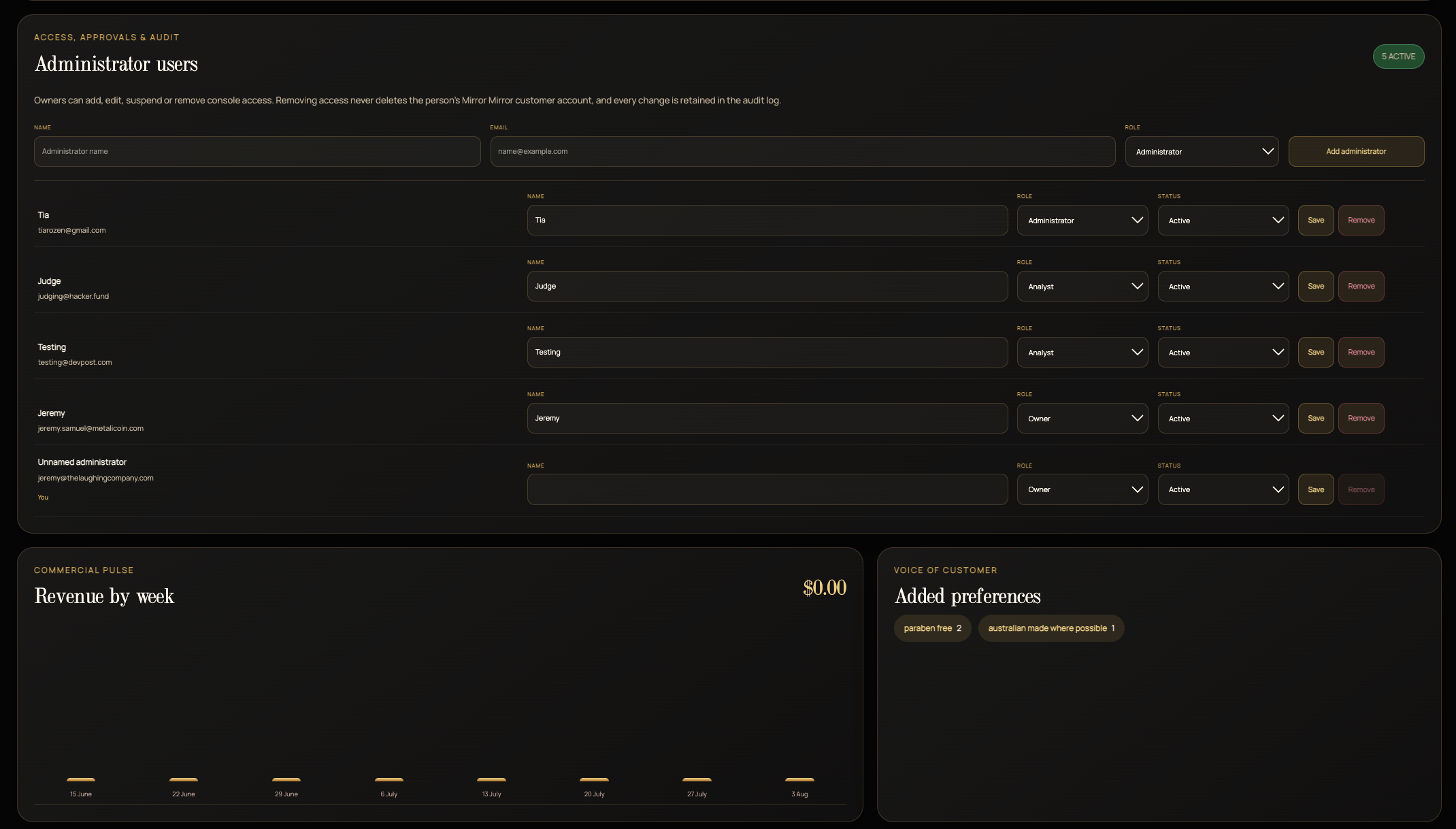
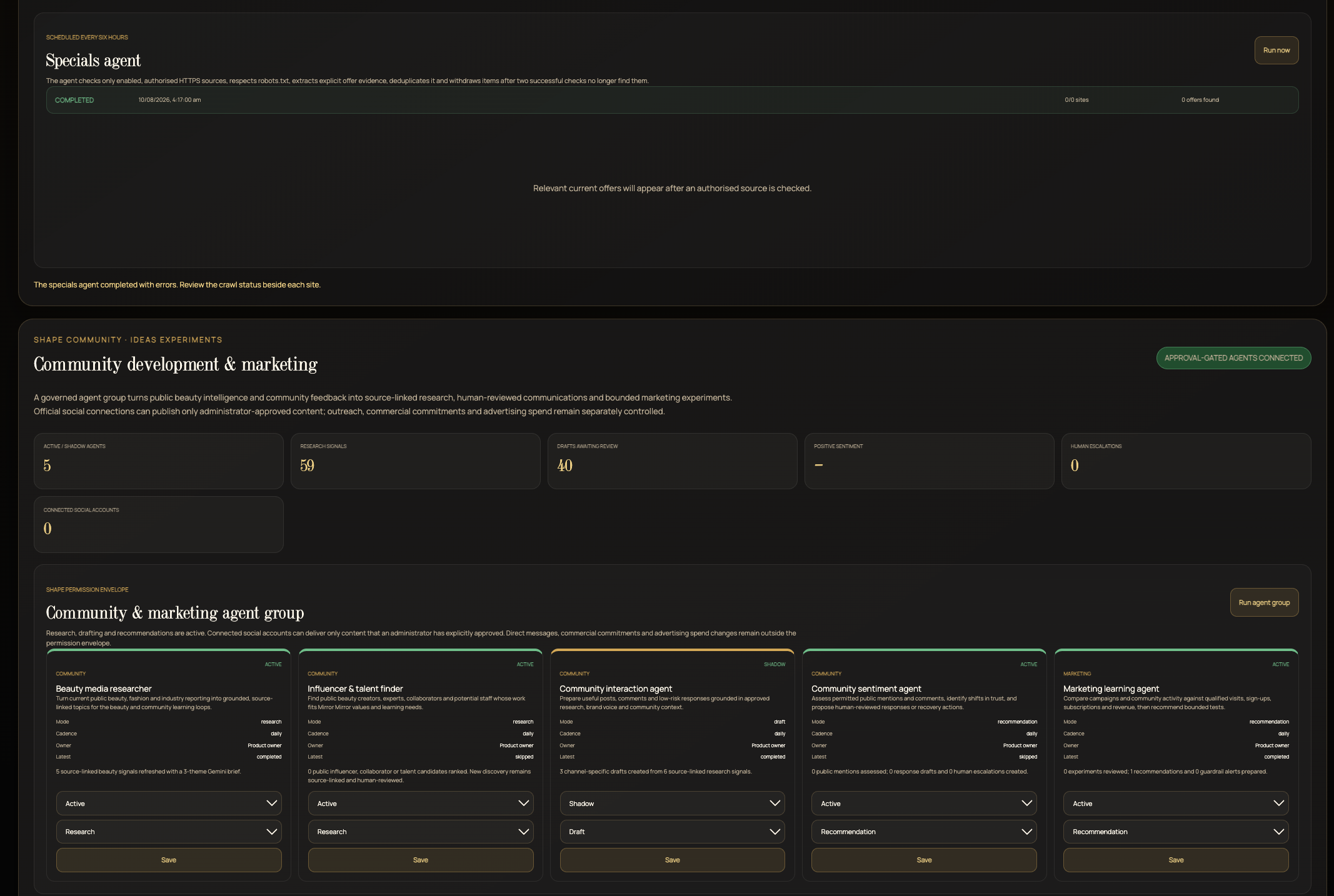
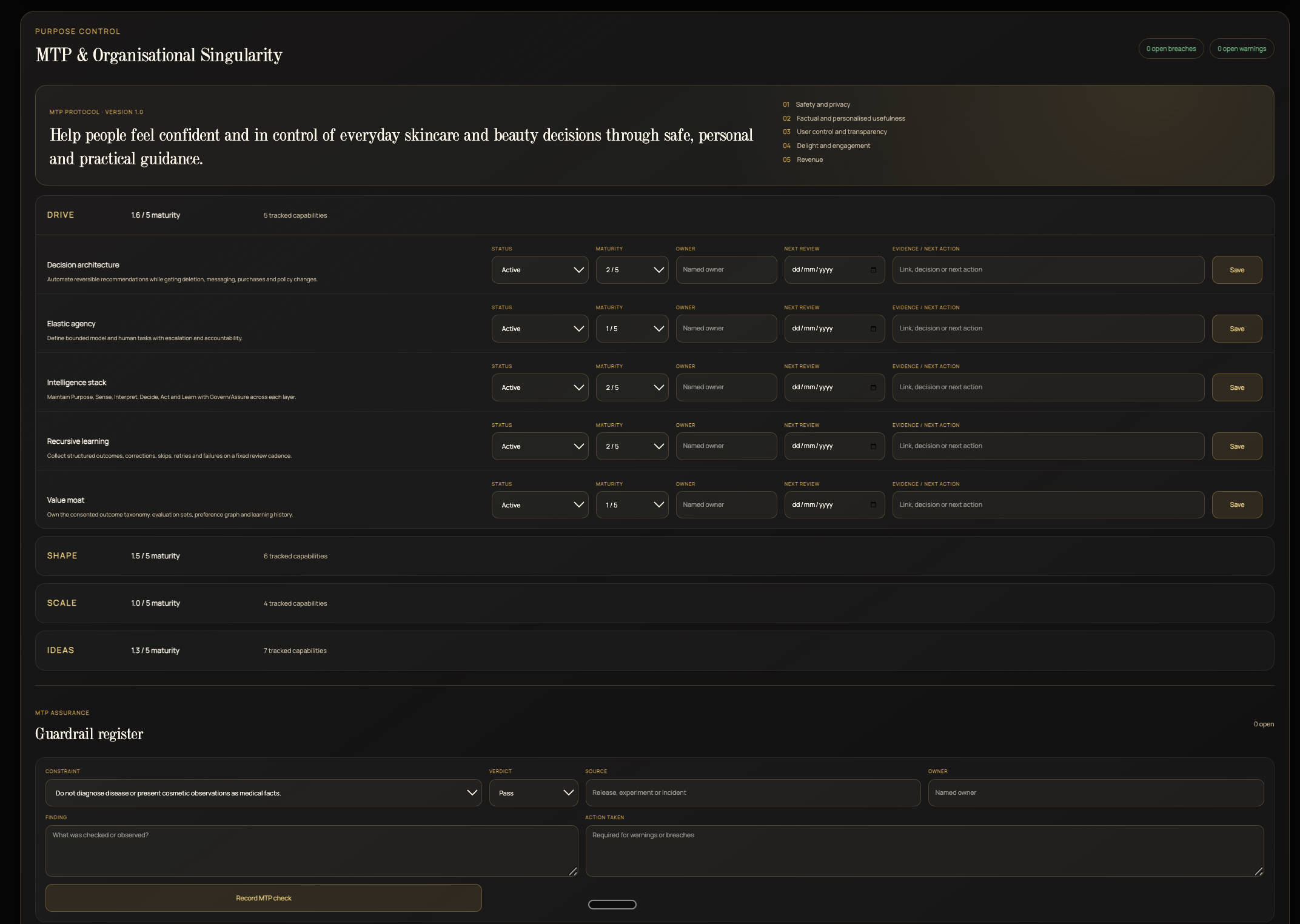

Inspiration Beauty technology often begins with an ideal and asks women to conform to it. Mirror Mirror begins with the individual. Women encounter an extraordinary volume of filtered, edited and AI-generated imagery every day. At the same time, they face thousands of skincare and makeup products, conflicting advice and trends that may have little relevance to their skin, preferences, lifestyle or preferences. The problem is not a lack of products—it is a lack of trusted, personal and context-aware guidance. Mirror Mirror grew from a father–daughter partnership. Jeremy is an entrepreneur and technology builder. His 20-year-old daughter, Tia, is a makeup artist and beauty retail specialist who has helped many women choose appropriate products and learn how to use them confidently. We asked a simple question: could we combine Tia’s practical expertise with AI and make that kind of personalised support available to anyone, whenever she is getting ready? Our MTP became: To help every woman feel great about how she looks. Mirror Mirror is designed to celebrate the person in front of the camera—not compare her with an artificial standard. What it does Mirror Mirror turns a smartphone into a personal, camera-based intelligent beauty mirror. The user takes a clear photo and the app makes non-medical cosmetic observations about visible areas of her skin. It combines those observations with information she chooses to provide, including: • Her skin profile, tone, sensitivities and personal preferences • The skincare and makeup products she already owns in “My Haul” • Her outfit and preferred colour palette • The occasion—work, school, dinner, a wedding, a gala or anything described in her own words • Local weather, UV, wind, rain and seasonal conditions • Relevant local and global beauty trends
Mirror Mirror then uses its own, specially trained open weight LLM to create a personalised skincare and makeup routine, guiding the user through it step by step while she uses the app as her mirror. (In the future we will add AR features to show how different applications and colour choices will look on her skin.) The system looks in My Haul first so that users can get more value from products they already own. If there is a genuine gap, Mirror Mirror recommends a suitable product, clearly label it as an AI-generated suggestion and connect the user to a retailer through a Buy link. After completing the routine, the user can take another photo. Mirror Mirror checks the result, suggests relevant touch-ups and lets the user record a rating and comments. The completed look is saved to her private timeline, creating a feedback loop that helps future routines become more useful. Profiles, preferences, products and history persist securely across devices. Personalised alerts can also help users prepare for conditions such as high UV, wind, rain or unusual dryness. The observations are cosmetic guidance, not medical diagnosis. Mirror Mirror uses clear safety boundaries and can advise users to consult a qualified professional when appropriate. Our launch business model combines a seven-day free trial with a monthly subscription and affiliate revenue from genuinely relevant product recommendations. How we built it Mirror Mirror was developed in a series of rapid discovery, prototyping, testing and production-hardening cycles. 1 Human expertise and product discovery Jeremy and Tia mapped the real decisions people make while choosing skincare, makeup and a look for a particular day. Tia’s beauty expertise provided the domain foundation; Jeremy translated it into product requirements, workflows and an AI-native business design. 2 Gemini-assisted design and prototyping Gemini helped us brainstorm the concept, define requirements, explore the architecture using the OpenEXo Organisational Singularity model and create the initial application structure and prototype. This allowed us to move from an idea to something testable remarkably quickly. 3 Specialised Liquid AI models We trained three domain-focused Liquid AI models for Mirror Mirror’s skin, product and style-related tasks. Early versions ran on an M1 MacBook Pro with only 16 GB of RAM, demonstrating that valuable narrow-domain intelligence does not always require a huge inference cluster. For production, the Liquid inference service was moved to a private GPU service on Google Cloud Run so that it is available independently of Jeremy’s laptop and can scale with demand. 4 Production engineering As the prototype grew into a multi-platform system, we introduced repository-aware AI development tools (Codex with ChatGPT 5.6 Sol High) for file-level refactoring, debugging, testing and native build work. This helped us turn the initial prototype into a maintainable application rather than repeatedly rebuilding individual code fragments. 5 Cloud services and persistence Supabase provides authentication, cross-device profile persistence, My Haul, preferences and user timelines. Twilio supports mobile verification, while the global Open Beauty Facts dataset helps identify products and barcode information. 6 Gemini in production A deliberately bounded Gemini agent running through Vertex AI produces current beauty-trend briefings from public headline data. It does not receive users’ private photographs, profiles or product inventories. This gives us current global intelligence while maintaining a clear privacy boundary around sensitive personal information. 7 Cross-platform delivery Mirror Mirror was built with Expo and React Native for iPhone, Android and web. The architecture separates the user experience, secure data services, public information agents and private model inference. 8 AI-native operations We designed the business around an Organisational Singularity framework: a clear purpose, specialised agents, human oversight, safety guardrails, execution records and measurable learning loops. User feedback, routine outcomes and operational performance can therefore inform both product improvements and model development. 9 AI-Assisted collateral We worked with AI tools to create a web site, admin dashboard and set up agents to automate posts to social media
Challenges we ran into The hardest part was not creating an impressive prototype. It was turning that prototype into a dependable, personalised product. • Moving beyond static “AI-like” content: Early versions could appear intelligent while relying on deterministic fallback rules. We replaced these with actual inference, structured model outputs and explicit degraded modes when a model is unavailable. • Making personalisation genuinely contextual: A useful routine must consider more than a selfie. It needs to combine skin observations, preferences, owned products, occasion, outfit, weather and user feedback without producing repetitive or inappropriate advice. • Controlling latency and reliability: Running multiple specialised models can be slow. We introduced asynchronous jobs, health checks, bounded retries, structured validation and graceful fallback behaviour. • Accurate camera analysis: Face detection, landmark placement and image scaling differ across browsers and mobile devices. We had to account for orientation, cropping, aspect ratios and false detections. • Cross-device persistence: Local storage, browser SQLite and cloud data can conflict. Moving to a clear cloud source of truth was essential for making profiles, products and timelines dependable across logins and devices. • Protecting sensitive information: Beauty photographs and personal profiles deserve careful handling. We separated private inference from public trend intelligence and established boundaries around medical claims and autonomous actions. • Choosing the right AI tool for each job: We learned that ideation, domain reasoning, codebase refactoring and production inference are different tasks. Progress accelerated when we treated models as specialised collaborators within one system rather than expecting one tool to perform every role. Accomplishments that we're proud of • Building Mirror Mirror as a father–daughter team, combining lived beauty expertise with entrepreneurial and technical execution • Turning an idea into a working AI-native business in approximately eight weeks, without an external development team on a very low budget • Creating a cross-platform application for iOS, Android and web • Running useful specialised models first on consumer hardware and then deploying private GPU inference through Google Cloud • Building a system that considers what the user already owns before recommending another purchase • Creating a privacy-conscious architecture that separates personal information from public trend analysis • Developing a complete feedback journey—from initial context and routine generation through to outcome photo, touch-up guidance, rating and future learning • Being set up to on-board real users and personalised routines and revenue • The accomplishment that matters most to Jeremy is helping Tia turn her knowledge into a real business—and showing her, through a lived example, how expertise can be amplified through entrepreneurship and AI.
What we learned • Personalisation is not a prompt. It requires context, memory, constraints, feedback and measurable outcomes. • Human domain expertise remains essential. AI is most valuable when it makes that expertise more accessible and scalable. • Specialised open-weight models can provide meaningful narrow-domain intelligence without enormous infrastructure. • An AI-native business needs more than models. It needs guardrails, observability, fallbacks, learning loops and clear human accountability. • Privacy is an architectural decision, not simply a policy statement. • Different AI systems have different strengths. The best result came from orchestrating them around clearly defined responsibilities. • A curious, determined human team working with capable agents can build something in weeks that would previously have required a much larger organisation.
What's next for Mirror Mirror Our next priority is to grow a real user community and use evidence—not assumptions—to improve the product. We plan to: • Measure routine completion, helpfulness, retention, product engagement and subscription conversion • Improve the specialised models using consented feedback and carefully evaluated training data • Expand support for different skin tones, ages, climates, cultures and beauty preferences • Develop retail and brand partnerships while keeping recommendations transparent and user-centred • Activate an AI-assisted community-building agent to identify relevant creators, propose content and test engagement strategies, with human approval for public activity • Introduce positive, personalised daily guidance without turning the experience into intrusive gamification • Explore premium real-time camera coaching and an interactive beauty assistant • Continue using our operational learning loops to improve both the product and the business rapidly
Our long-term goal is not to create another beauty filter. It is to give every user an intelligent, encouraging and deeply personal beauty expert in her pocket.

Log in or sign up for Devpost to join the conversation.