-
-
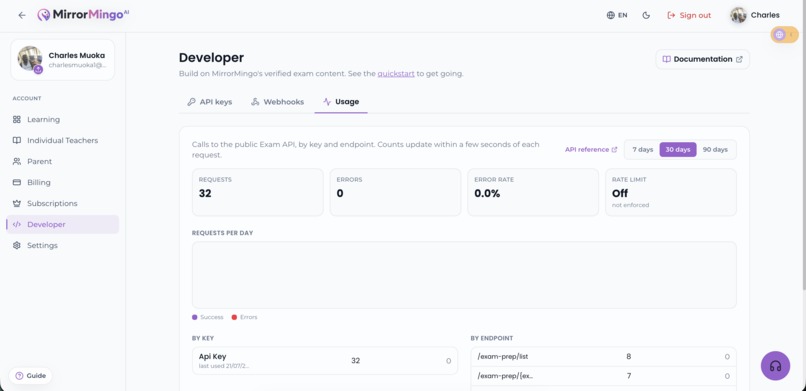
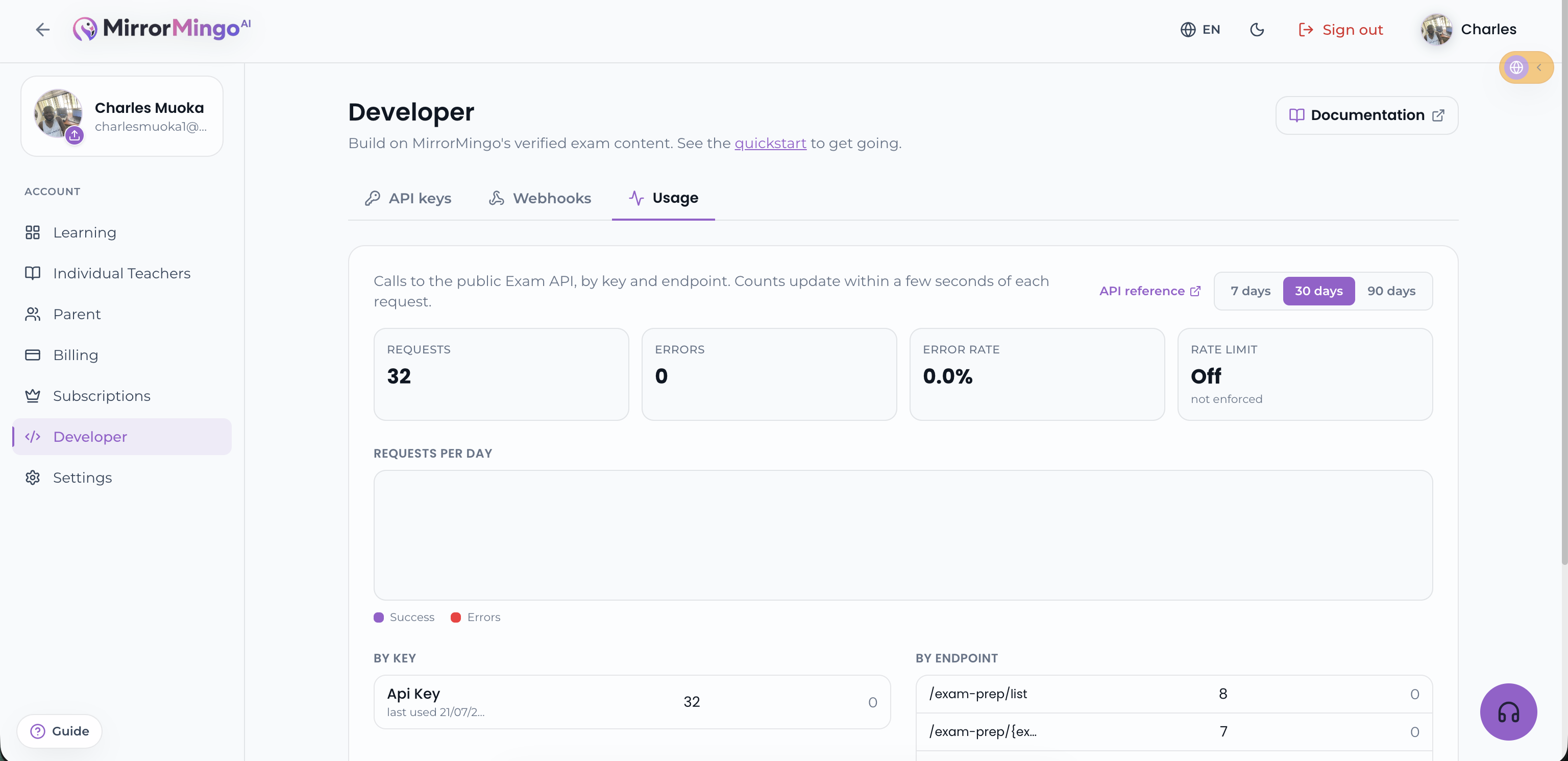
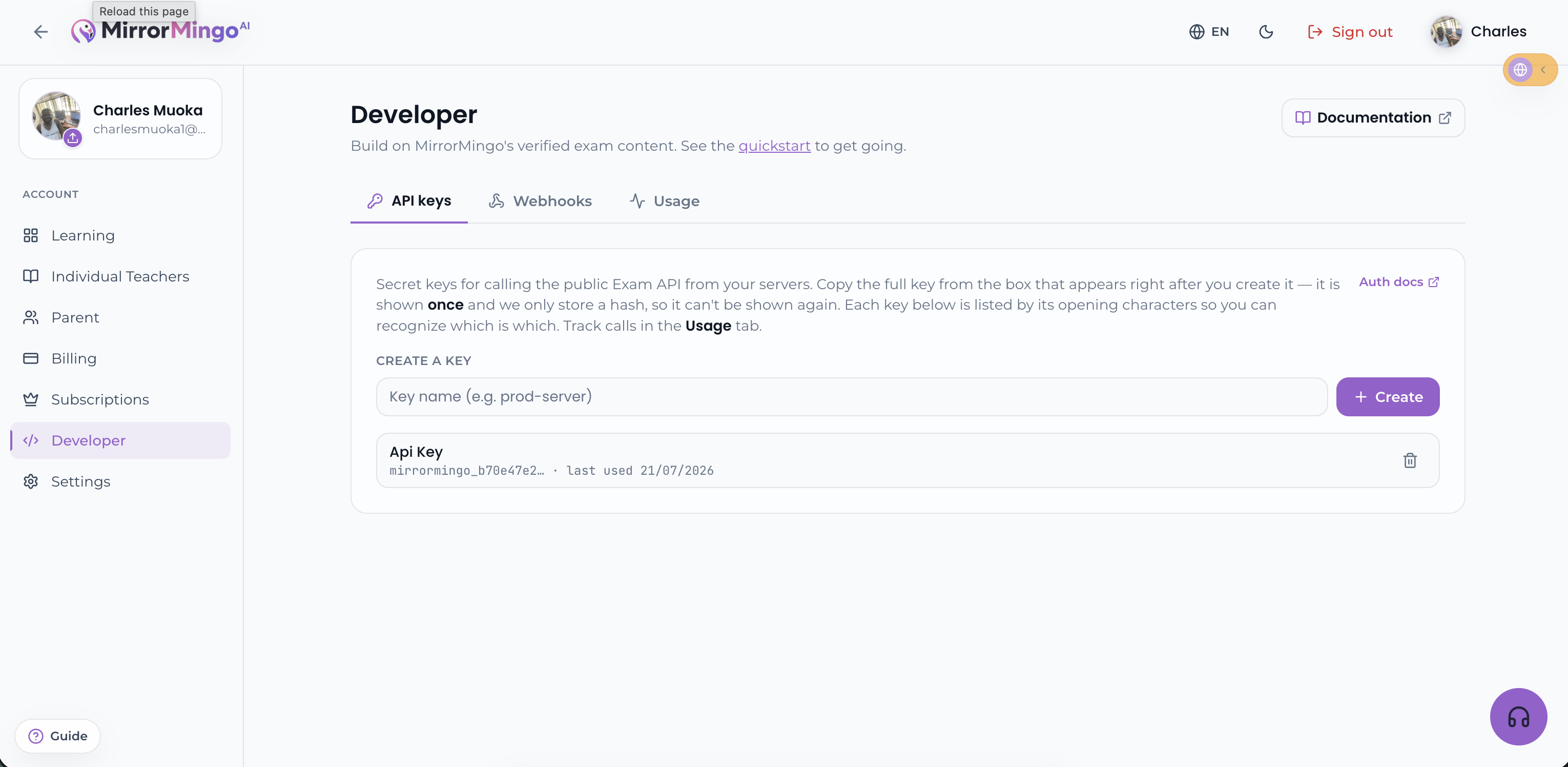
Developer usage tracking
-
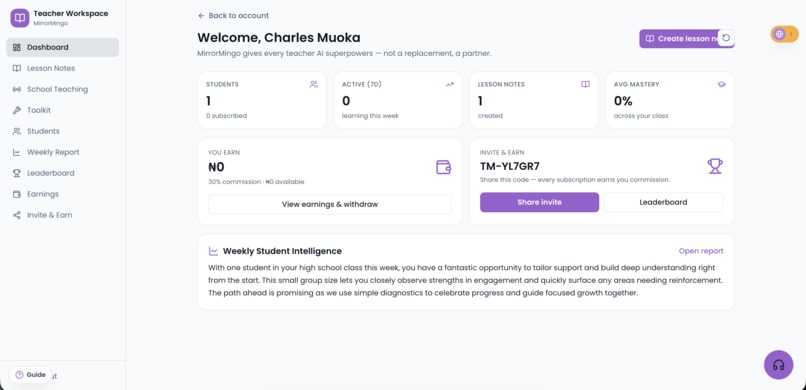
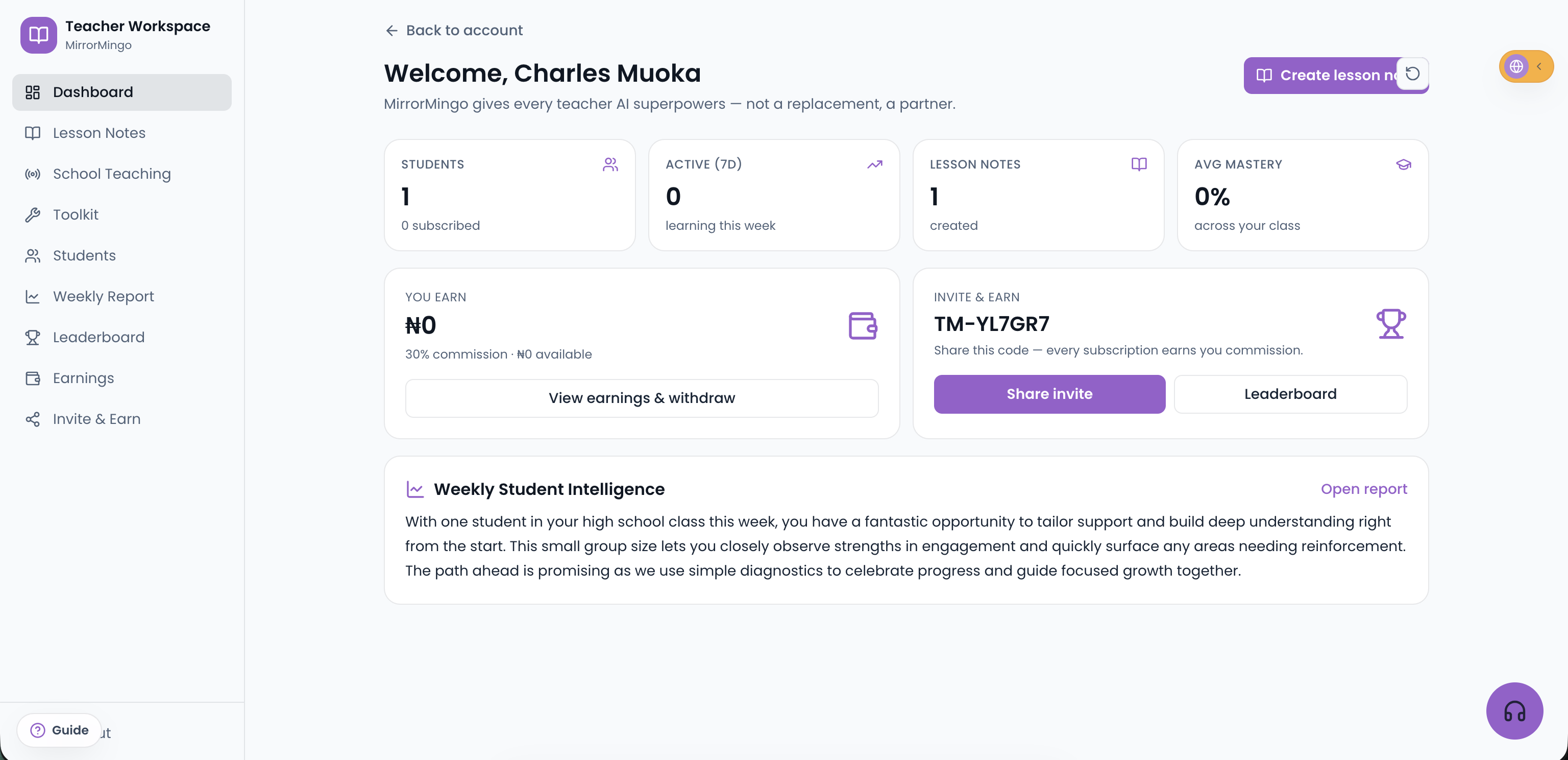
Teachers dashboard
-
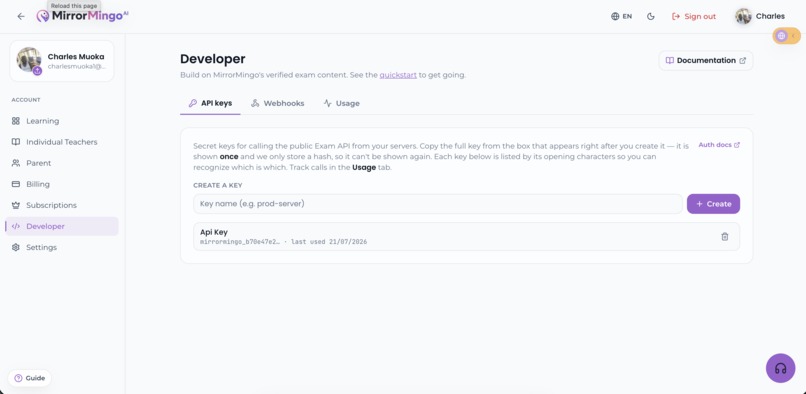
Developer settings
-
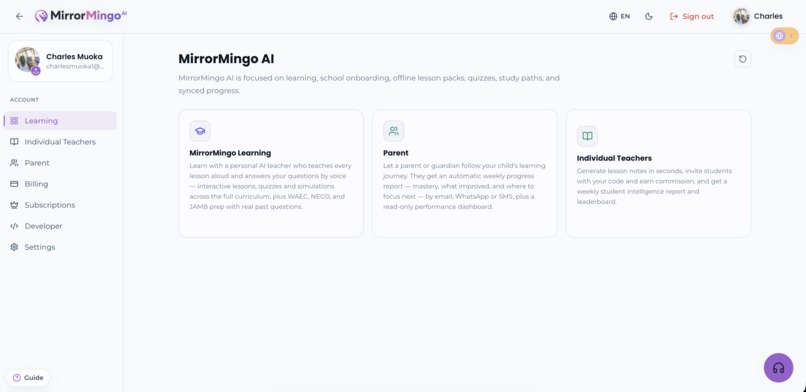
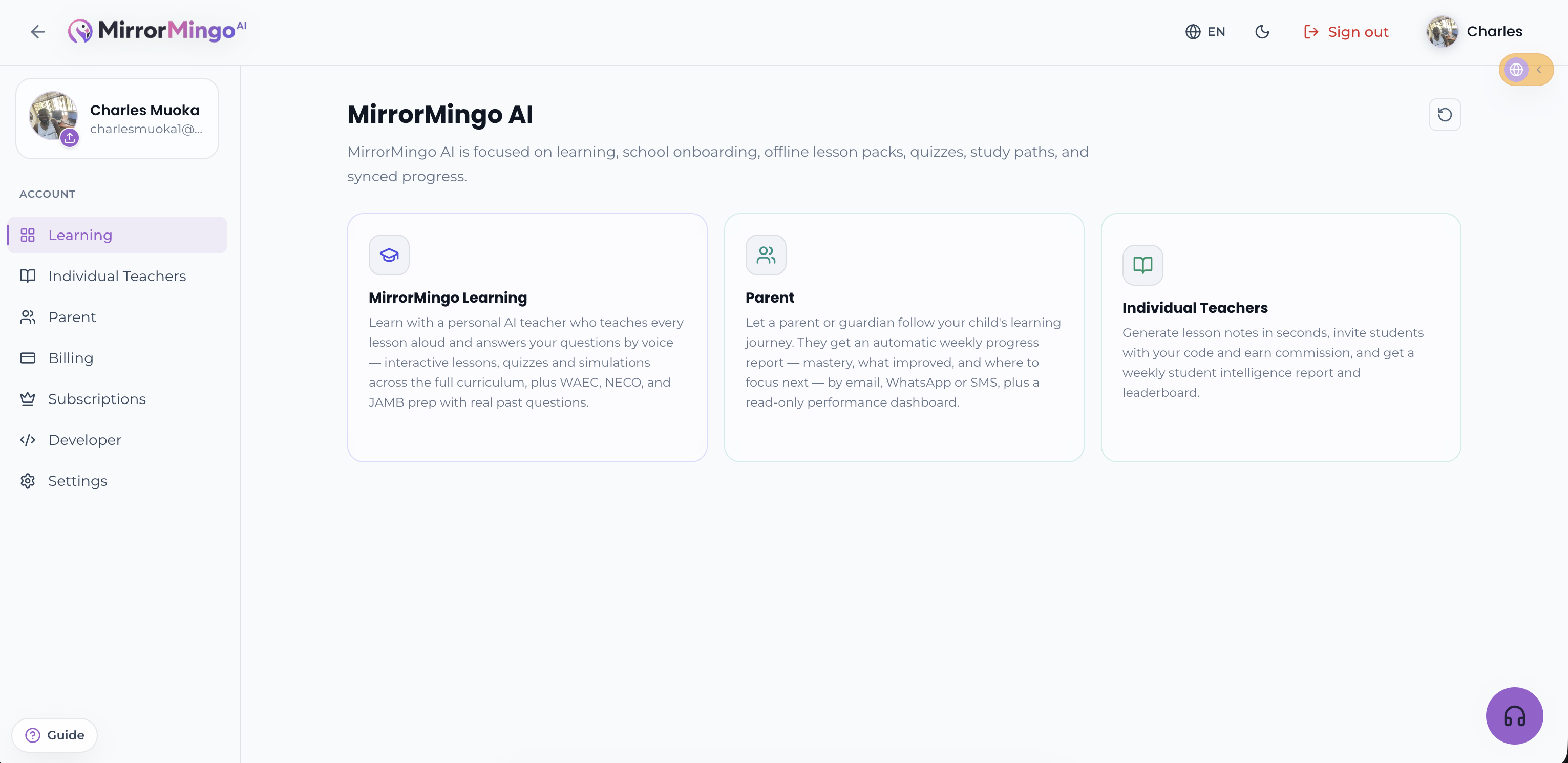
Dashboard
-
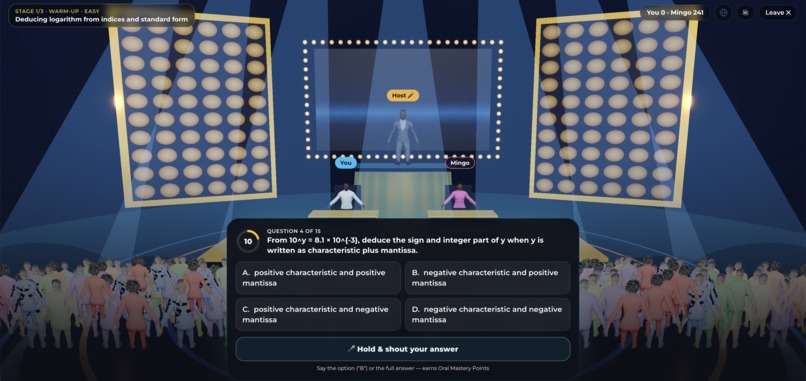
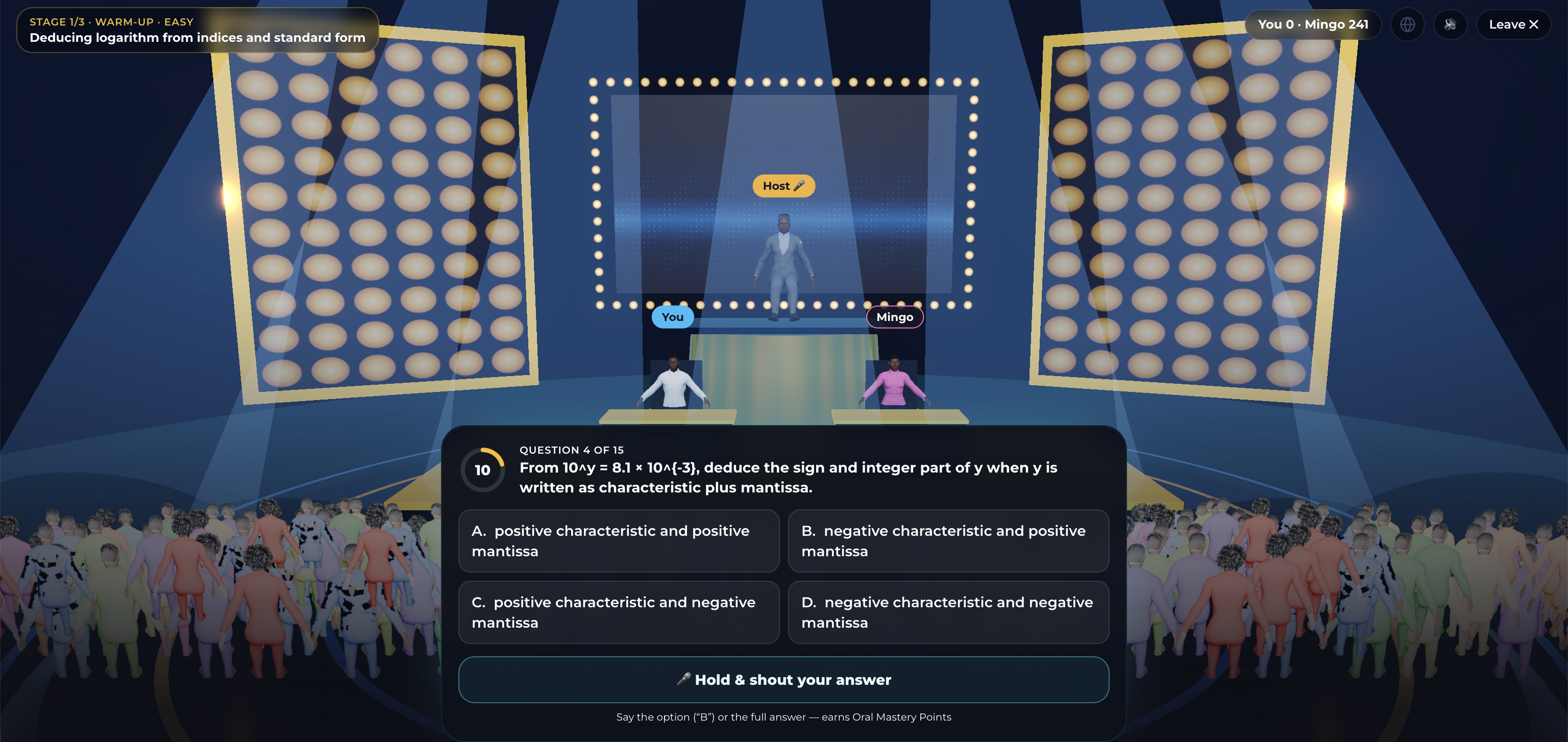
AI powered competition arena for learners to compete and test their lessons
-
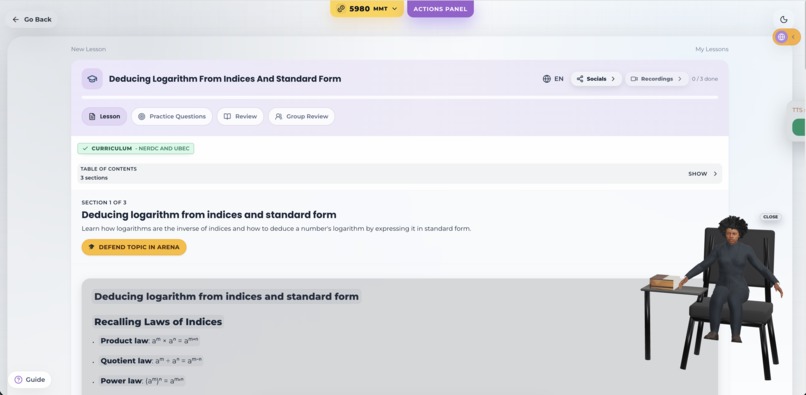
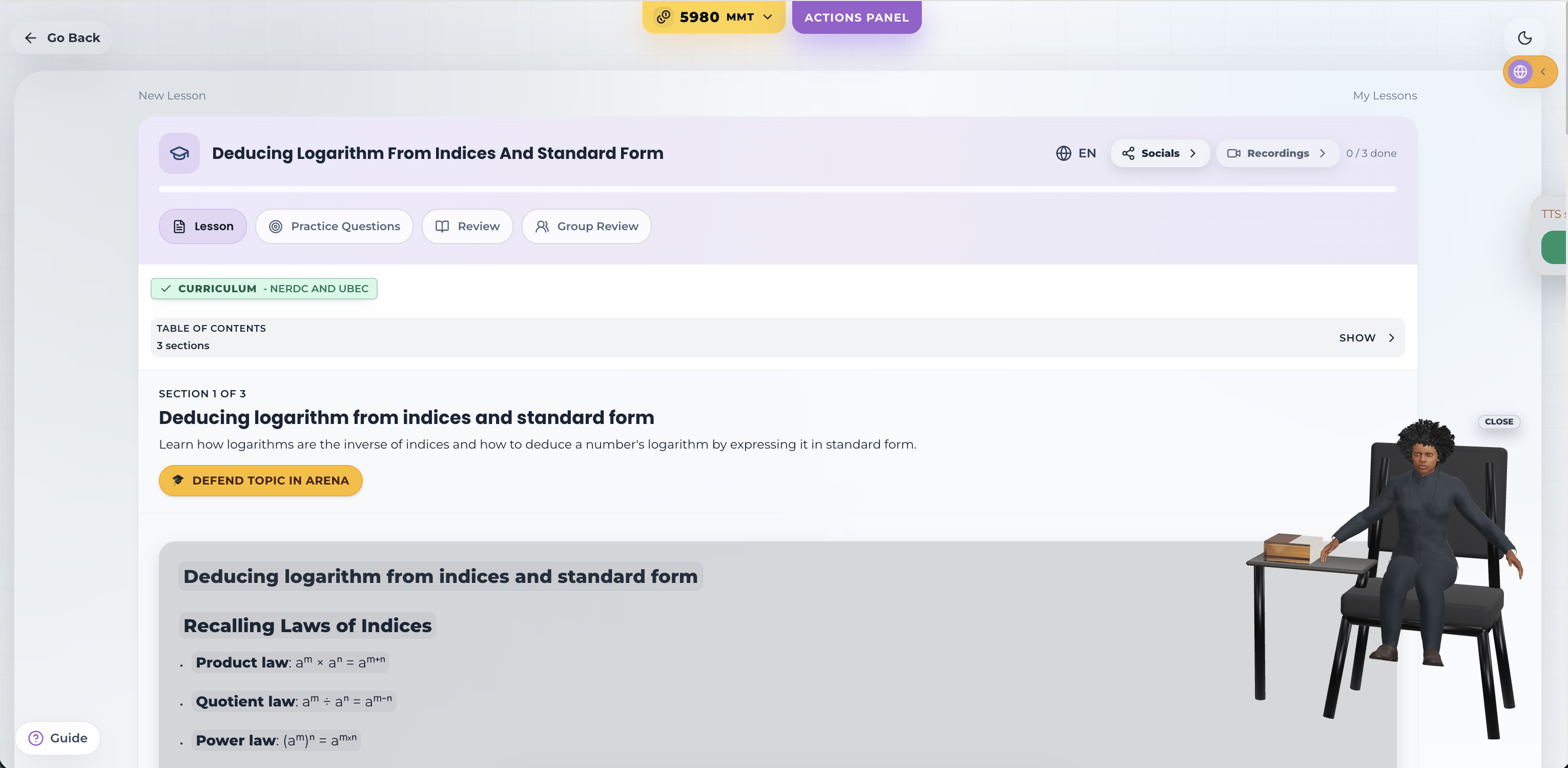
Lesson area with personalized 3d avatar tutuor in Nigeria local languages
-
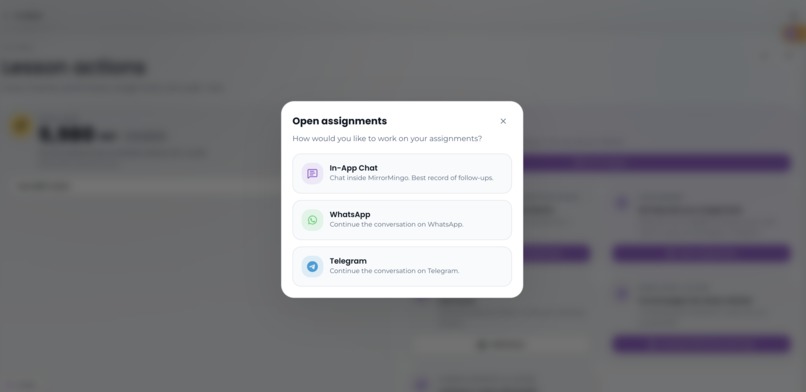
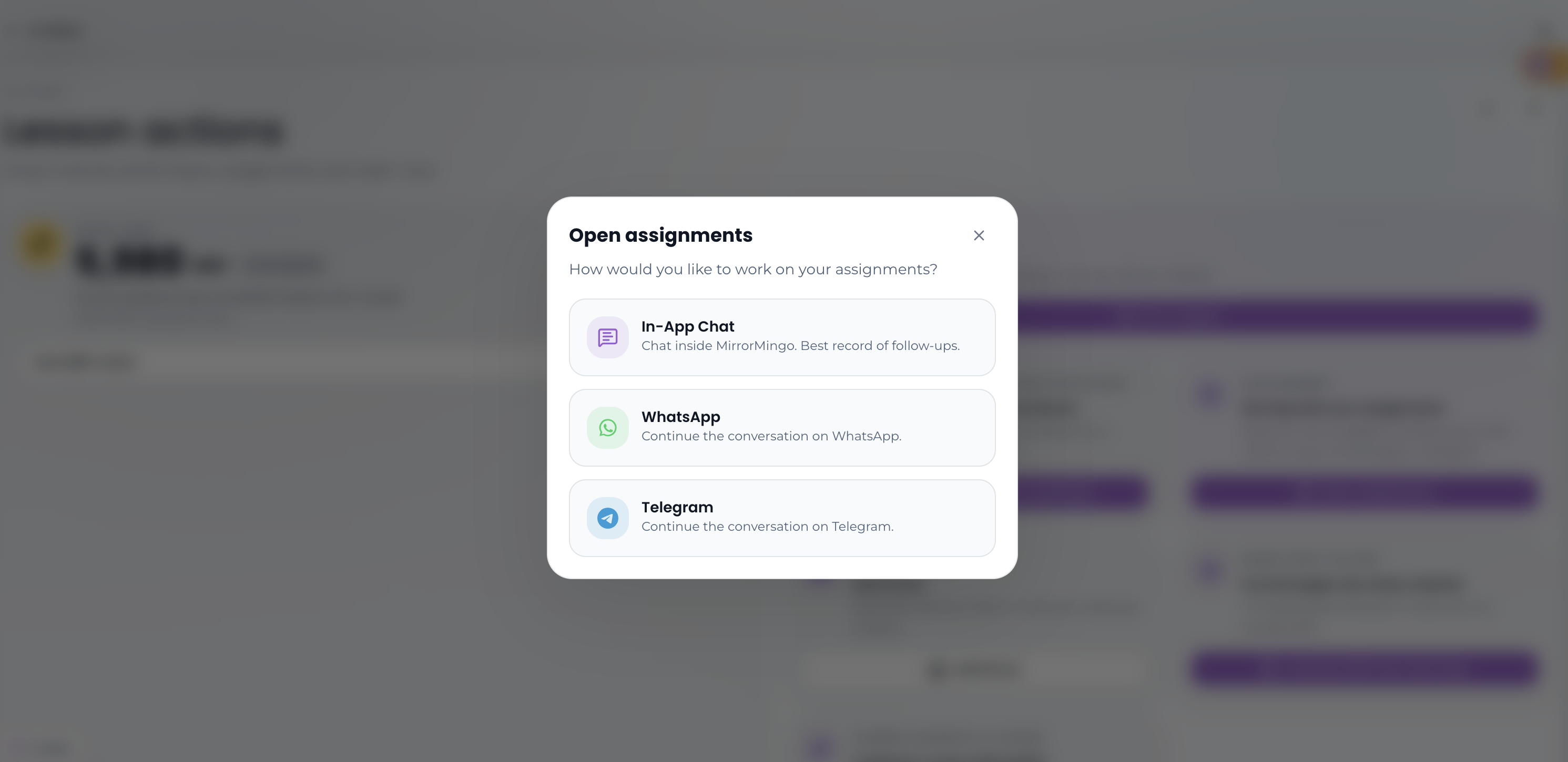
Whatsapp, Telegram and In-App channels of learning and communication
Inspiration
MirroMingo was inspired by the way many Nigerian students actually study: with past questions, class notes, WhatsApp homework photos, PDFs, borrowed textbooks, and inconsistent internet. A lot of AI tutoring tools assume every learner studies in polished English, on a strong connection, with perfect source material. That is not the reality we wanted to build for.
We wanted to create a tutor that feels local, patient, and available: one that can explain a WAEC or JAMB question, read a lesson aloud, accept a homework image, switch into Nigerian Pidgin, Yoruba, Igbo, or Hausa, and keep helping even when the learner is not in a traditional classroom.
What it does
MirroMingo is a multilingual AI tutor for lessons, homework, and verified exam preparation.
A student can enter a topic, upload a PDF, share a homework photo, paste a link, or choose an exam goal. MirroMingo turns that into a guided lesson with explanations, examples, quizzes, review prompts, and follow-up practice. A 3D tutor avatar teaches sections aloud, while learners can ask questions through chat, voice, screen-lens help, or WhatsApp.
The tutor supports English, Nigerian Pidgin, Yoruba, Igbo, and Hausa across the learning experience. That means the student can read, hear, ask, and review lessons in the language that feels natural to them.
For exam prep, MirroMingo grounds practice in verified past-question content for exams like JAMB, WAEC, NECO, IELTS, and SAT, so students are not practicing on AI-invented questions.
How we built it
We built MirroMingo as a full learning platform with a web app, API, AI tutor engine, 3D avatar lesson player, voice layer, offline-ready lesson packs, mock exams, school workflows, and WhatsApp tutoring.
OpenAI powers the reasoning and tutoring layer: generating explanations, adapting answers to the learner’s context, helping with uploaded materials, creating study paths, and giving step-by-step feedback.
For voice, we integrated VocaBusta, our African voice AI system from the Satryx/Nostra Tova stack. VocaBusta provides natural text-to-speech voices trained for African languages and accents, including Nigerian Pidgin, Yoruba, Igbo, Hausa, and Nigerian English. Its companion ASR layer, Vocabanga, handles speech-to-text for African-language voice input. This lets MirroMingo’s tutor speak and listen in languages Nigerian learners actually use.
The app also includes lesson translation, voice playback, speech input, avatar teaching, PDF/image analysis, mock exams, mastery tracking, and offline study support.
Challenges
The hardest part was making the tutor both intelligent and trustworthy. In education, a confident wrong answer can hurt a learner. For exam practice, we had to ground the tutor in verified past questions and answer keys instead of allowing it to invent practice content.
Another major challenge was multilingual voice. Nigerian Pidgin has its own rhythm, and Yoruba, Igbo, and Hausa require more care than a generic English TTS voice with an accent. We built around VocaBusta because the tutor needed to sound local, not foreign or robotic.
We also had to connect many learning surfaces into one experience: chat, voice, avatar lessons, uploaded files, screen explanations, WhatsApp, quizzes, mock exams, offline lessons, and school reporting. The challenge was making all of that feel like one tutor following the learner, not separate tools.
What we learned
We learned that educational AI needs more than good answers. It needs grounding, language access, voice, patience, repetition, and measurable progress.
We also learned that localization is not just translation. A Nigerian learner may understand a concept faster when it is explained in Pidgin, Yoruba, Igbo, Hausa, or Nigerian English, with a voice that sounds familiar. That changes the emotional experience of learning.
What’s next
Next, we want to deepen personalization, expand verified exam coverage, improve tutor memory, strengthen school dashboards, and make the avatar tutor more interactive in local languages.
Our long-term goal is simple: every learner should have access to a patient AI tutor that can teach, listen, explain, quiz, and guide them in the language they understand best.
Built With
- ai-tutor
- docker
- edtech
- fastapi
- hausa
- igbo
- nigerian-pidgin
- openai
- pdf.js
- postgresql
- pwa
- python
- react
- render
- speech-to-text
- sqlite
- text-to-speech
- three.js
- twilio
- typescript
- vocabanga
- vocabusta
- webrtc
- yoruba

Log in or sign up for Devpost to join the conversation.