Inspiration
We were inspired by the idea that the body often registers stress, avoidance, and emotional shifts before the mind can fully name them. We wanted to explore what it might look like if those hidden internal signals could become more perceptible and useful in everyday life. Our interest in interoception, neuroplasticity, and behavior change shaped the project, along with a desire to design a wellness tool that feels supportive, future-facing, and emotionally intelligent.
What it does
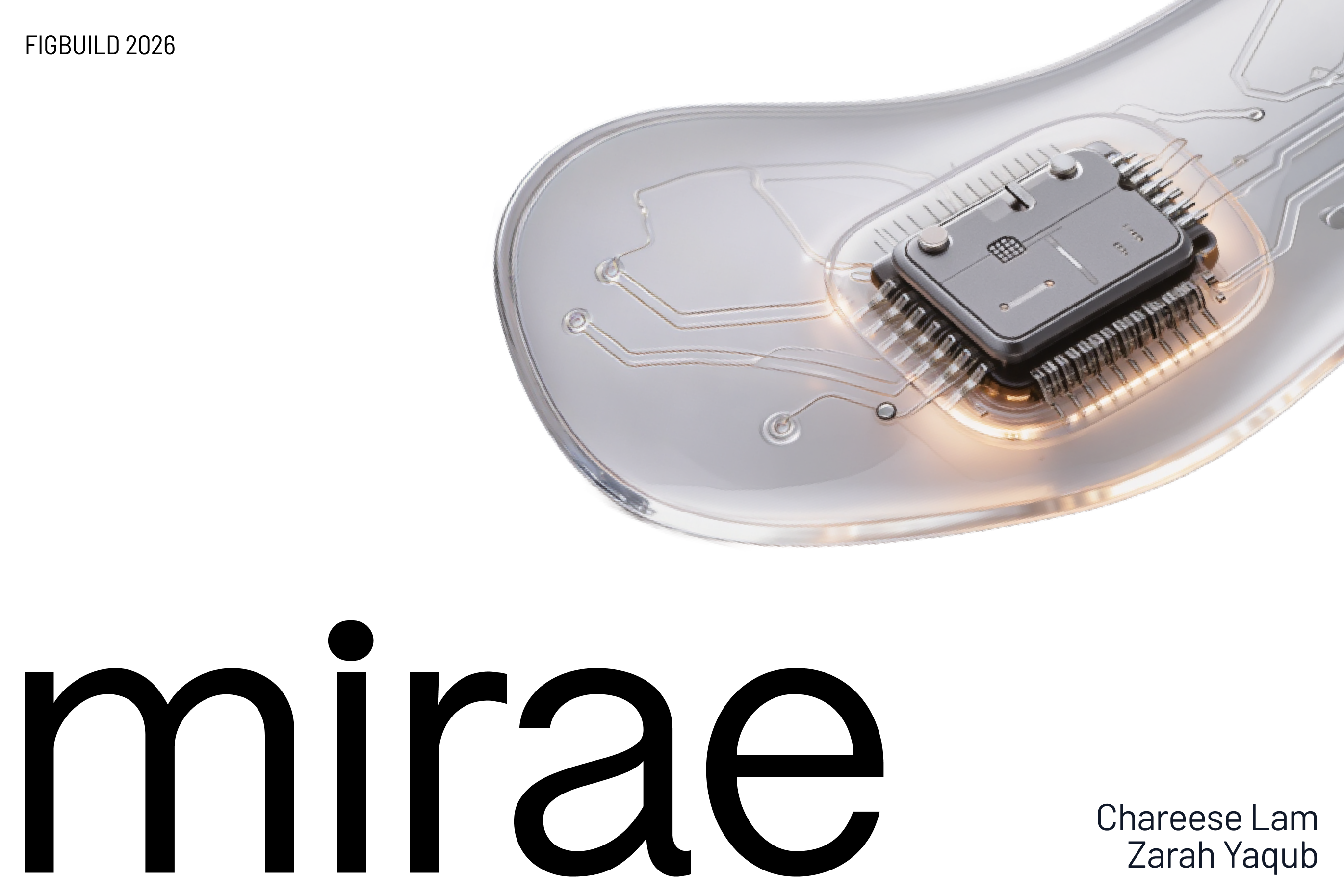
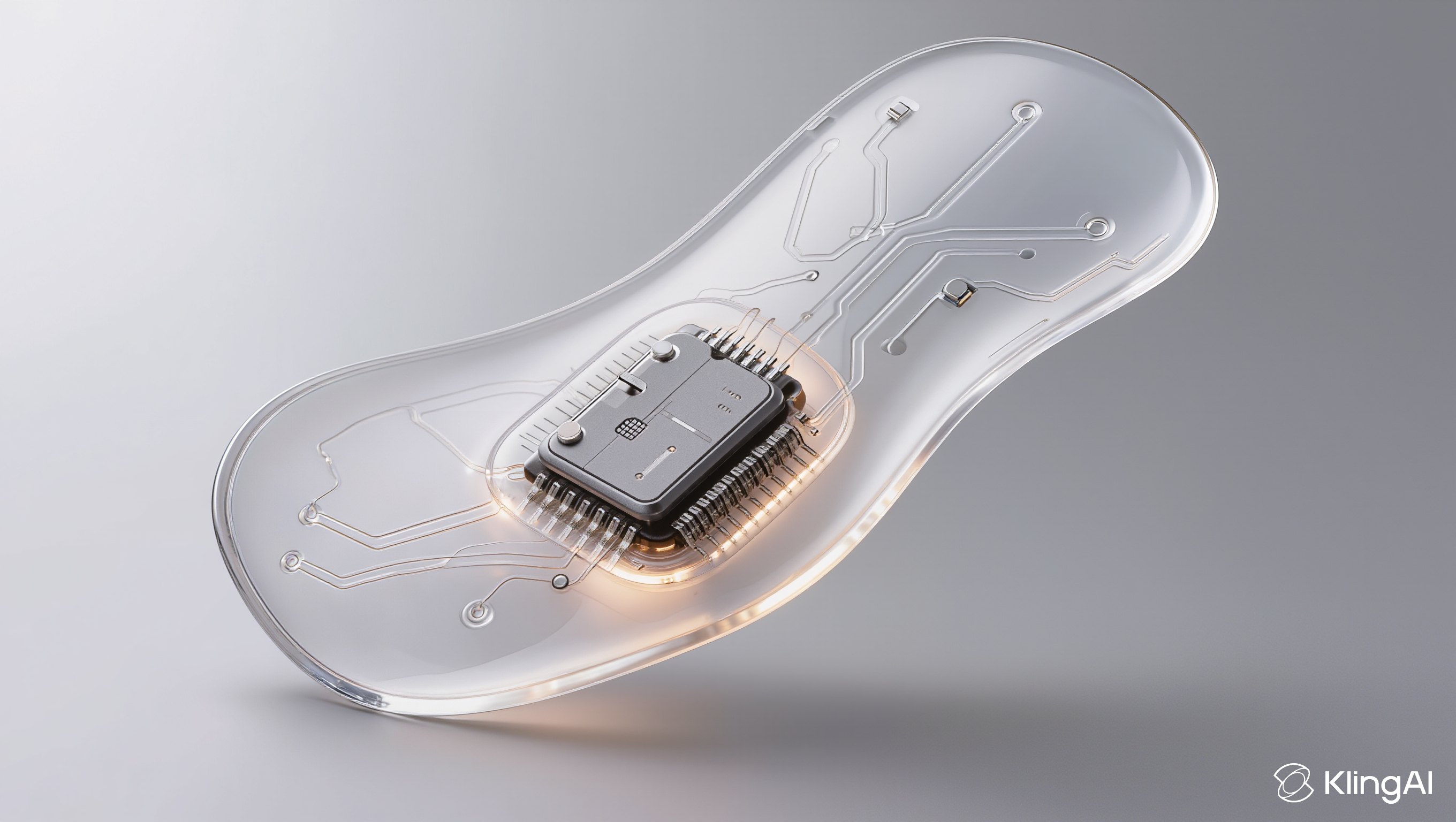
Mirae is a speculative bio-adaptive system that helps users sense internal states such as stress, avoidance, overload, and habit-readiness before those patterns become fully conscious. The concept combines a wearable sensing patch with an AI guide that translates invisible physiological and neuro-chemical signals into actionable feedback. Rather than only showing data, the system is designed to help users better understand themselves, regulate their emotions, and build healthier habits over time.
How we built it
We built Mirae as a speculative product concept through a combination of research, concept development, interface design, and storytelling. We began by exploring ideas around interoception, endocrine signaling, brain chemistry, and existing forms of measurement like blood, saliva, and urine testing. From there, we translated those ideas into a future-facing product ecosystem centered on a wearable patch and AI-supported interface. We designed key screens, user flows, and use cases to show how the system might work across onboarding, live feedback, insights, and long-term behavior change.
Challenges we ran into
One of the biggest challenges was designing around something that is still difficult to measure seamlessly in real life. Because Mirae is speculative, we had to find the right balance between scientific grounding and imaginative projection. Another challenge was translating complex internal processes like hormonal shifts and neuro-chemical changes into visuals and interactions that felt clear and intuitive rather than clinical or overwhelming. We also spent a lot of time refining the tone so the product felt trustworthy and informed, while still remaining calm, human, and supportive.
Accomplishments that we're proud of
We are proud of creating a concept that feels both ambitious and believable. We were able to take an invisible and highly complex internal experience and turn it into a product vision with a clear use case, interface language, and emotional point of view. We are also proud that Mirae goes beyond simple wellness tracking by proposing a more sensitive relationship between the body, behavior, and technology. The project allowed us to combine research, speculative thinking, and product design into a system that feels cohesive and distinct.
What we learned
Through this project, we learned how to design for something deeply personal and difficult to visualize. We learned that speculative design becomes stronger when it is grounded in real emotional needs, not just futuristic technology. We also learned how important it is to simplify scientific complexity into accessible language, interactions, and systems that people can meaningfully engage with. More broadly, the project taught us how design can create tools for self-awareness, not just optimization.
What's next for mirae
Next, we want to further develop Mirae by refining the sensing logic, expanding the AI guidance system, and exploring how the product could adapt to different emotional and behavioral contexts. We are also interested in deepening the research around interoception, hormone tracking, and brain chemistry, so the concept becomes even more grounded. In the future, we see Mirae growing into a more complete ecosystem that not only helps users recognize internal shifts but also supports long-term reflection, regulation, and habit change in a more personalized way.
Built With
- after-effects
- chat-gpt
- claude
- figma
- figma-make
- jitter
- jitter-ai
- kling-ai


Log in or sign up for Devpost to join the conversation.