-
-
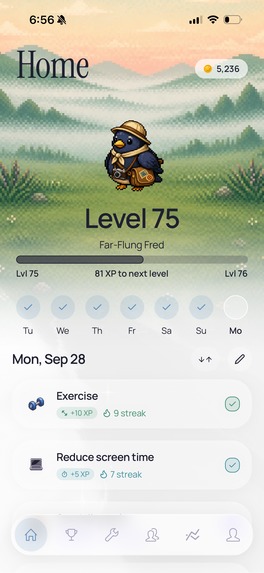
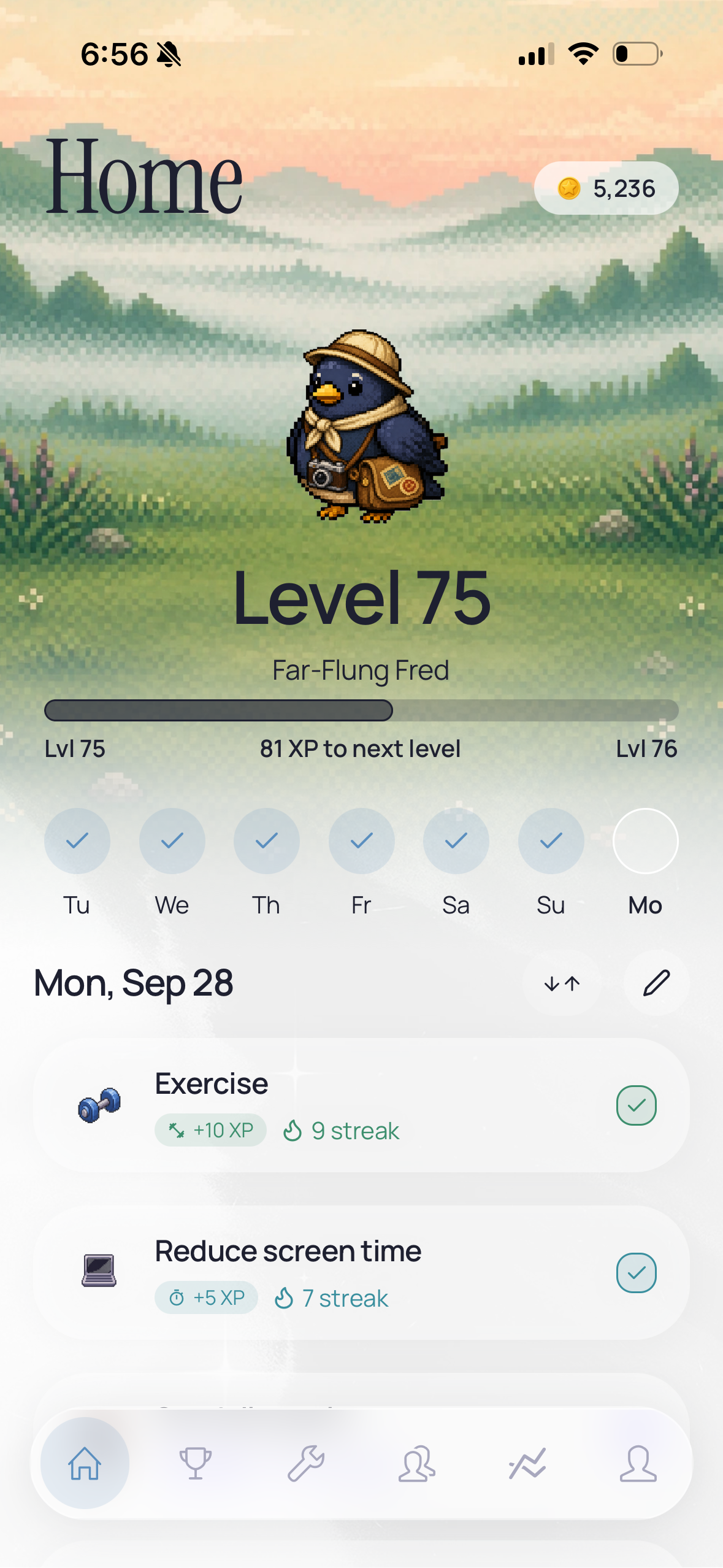
Home - view character level and tasks for the day
-
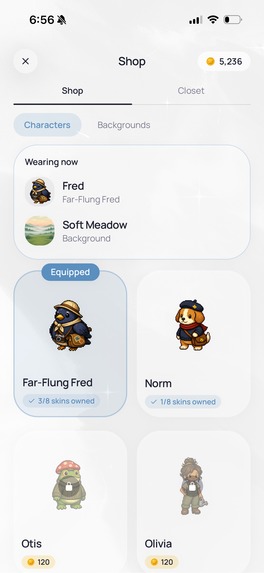
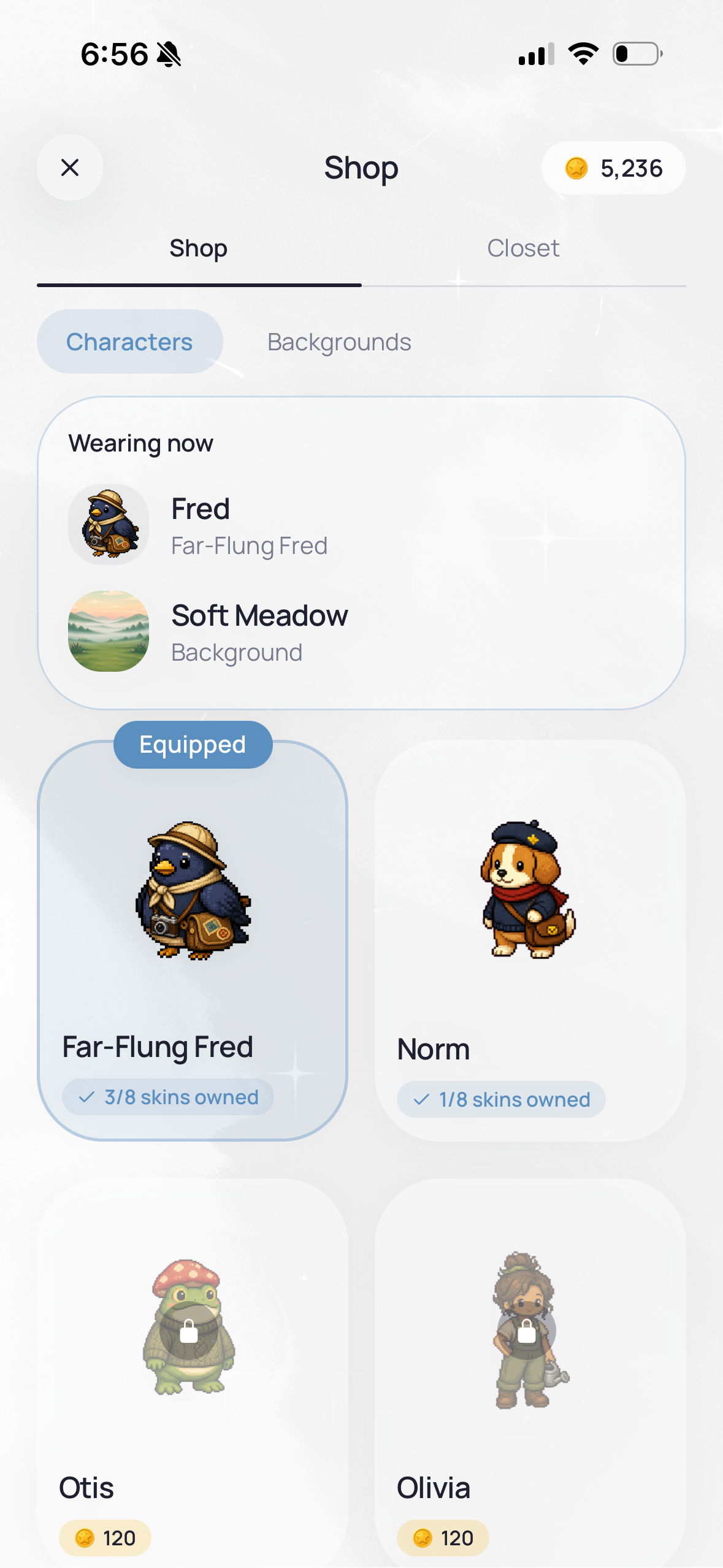
Shop - use earned coins to buy new characters, skins, and backgrounds
-
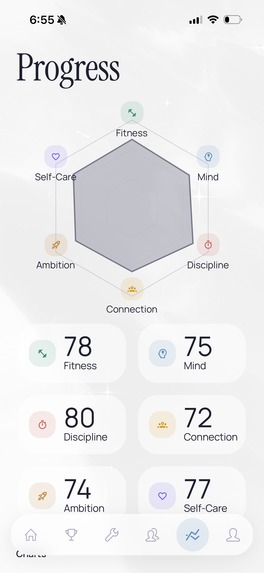
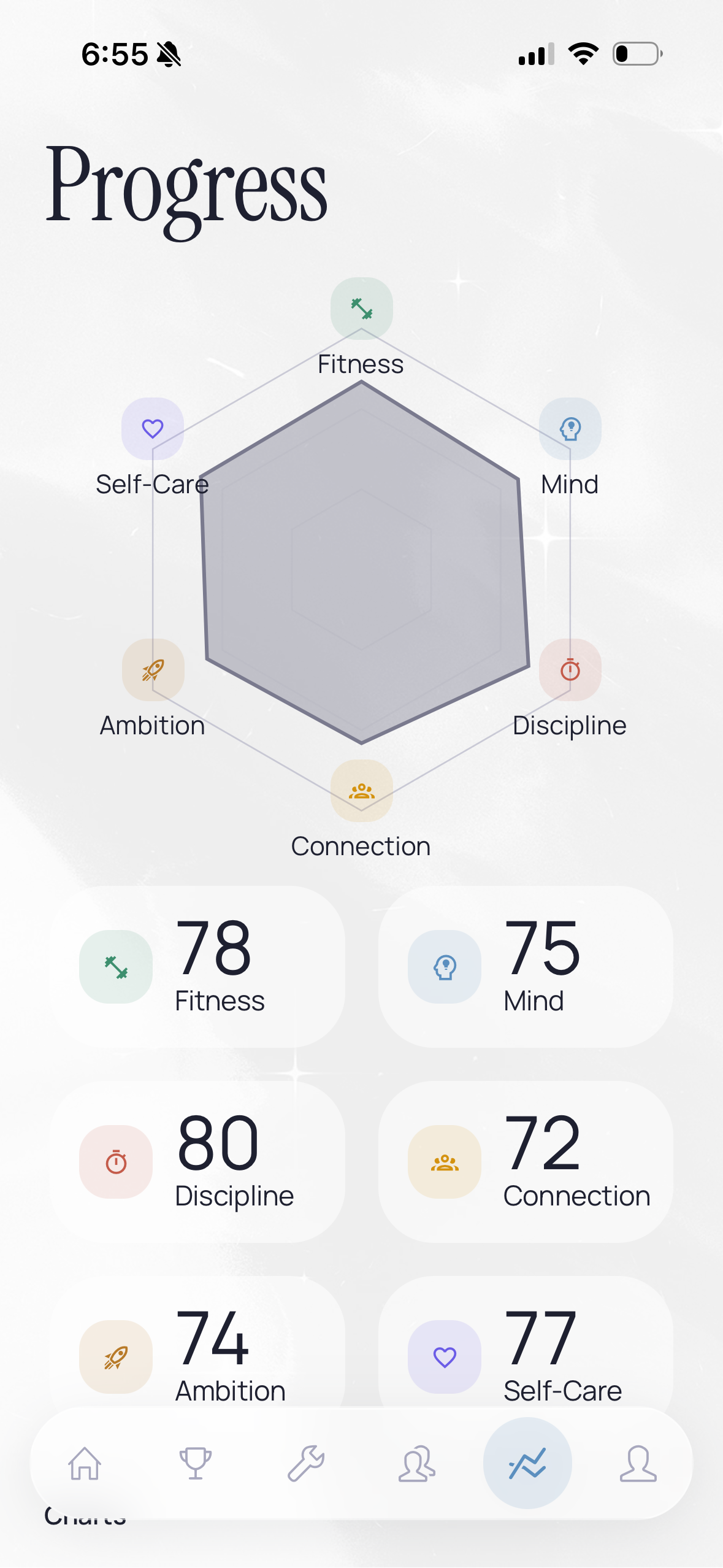
Progress (top half) - view your skill points in a skill tree visual
-
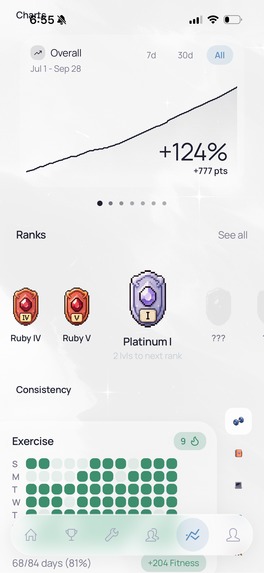
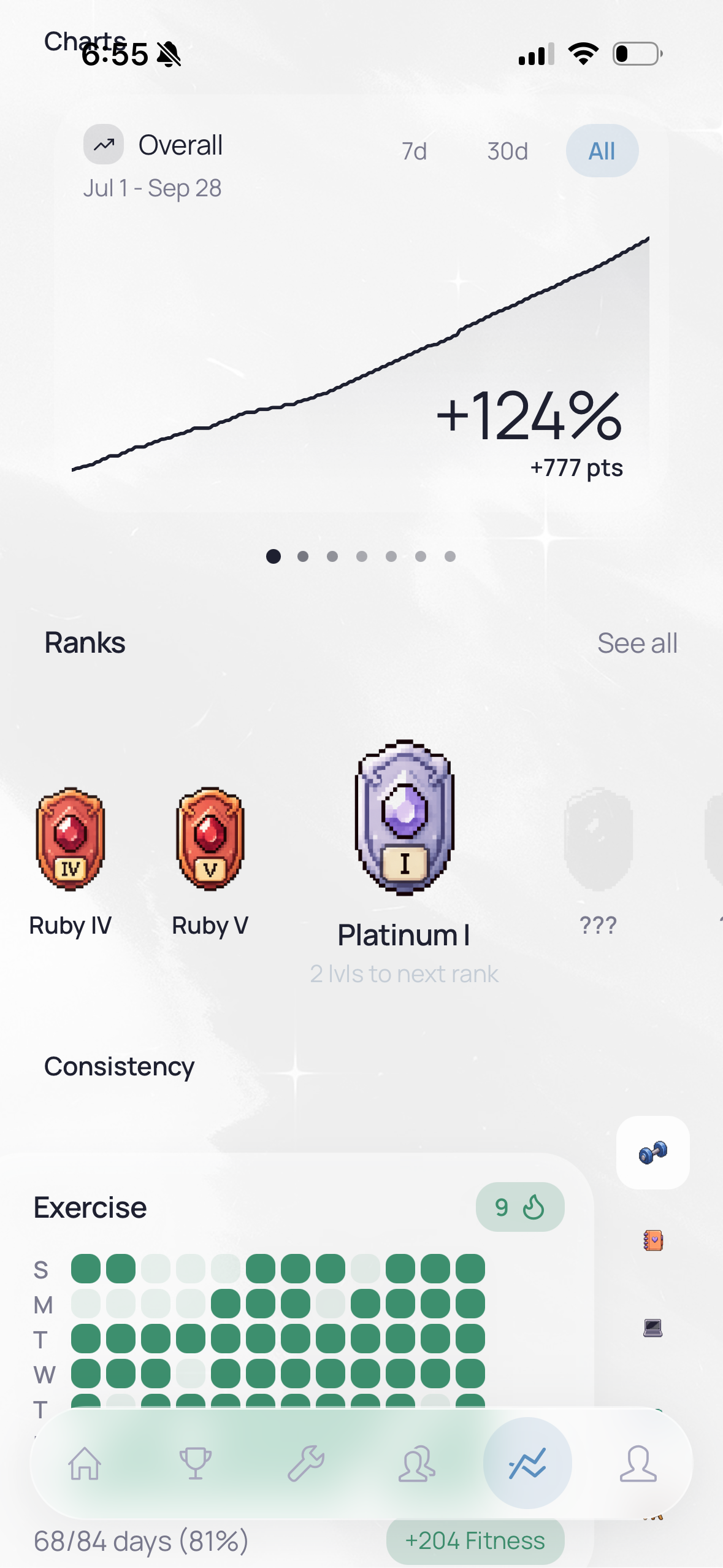
Progress (bottom half) - view your progress in charts, ranks, and heatmap
-
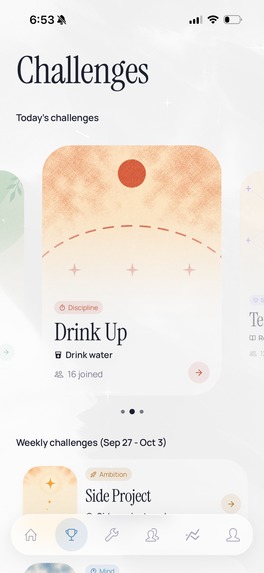
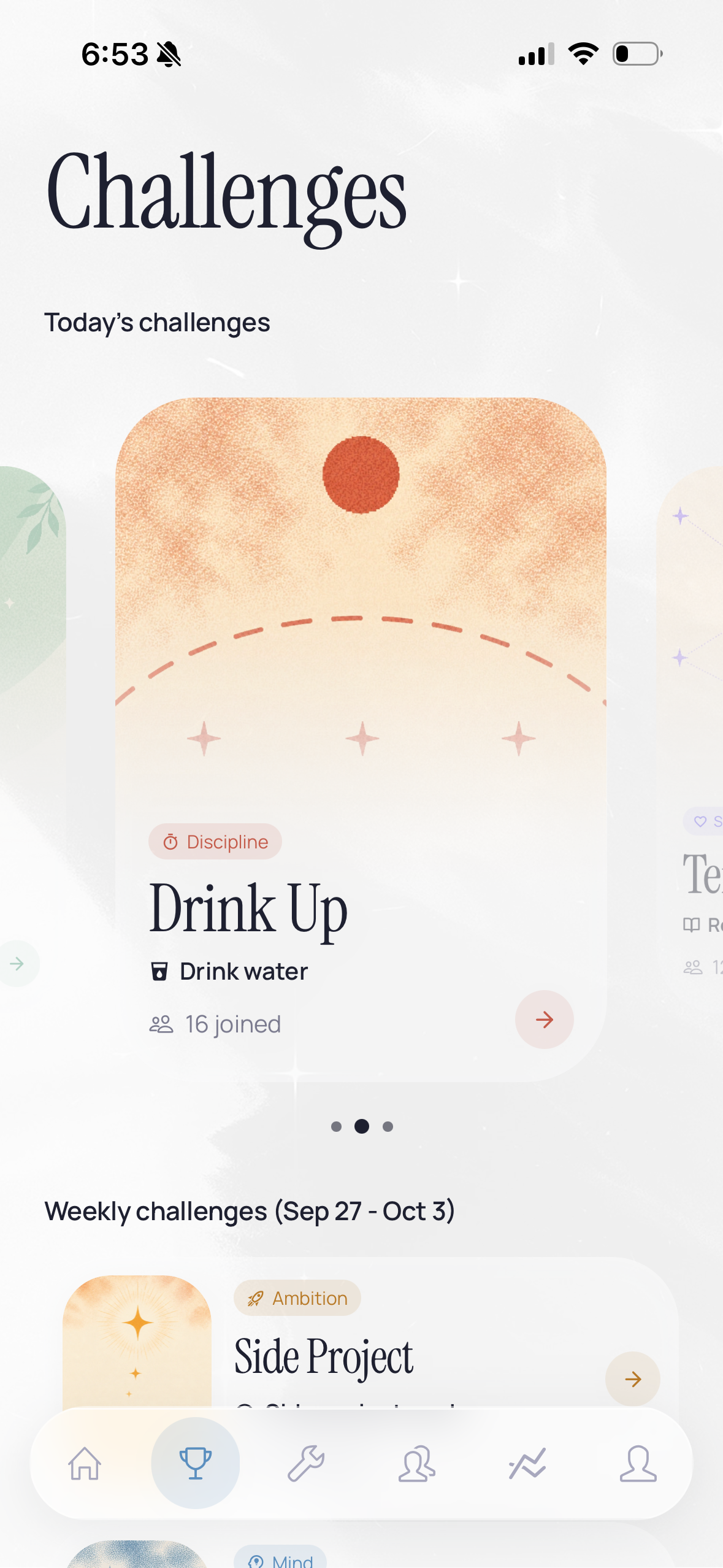
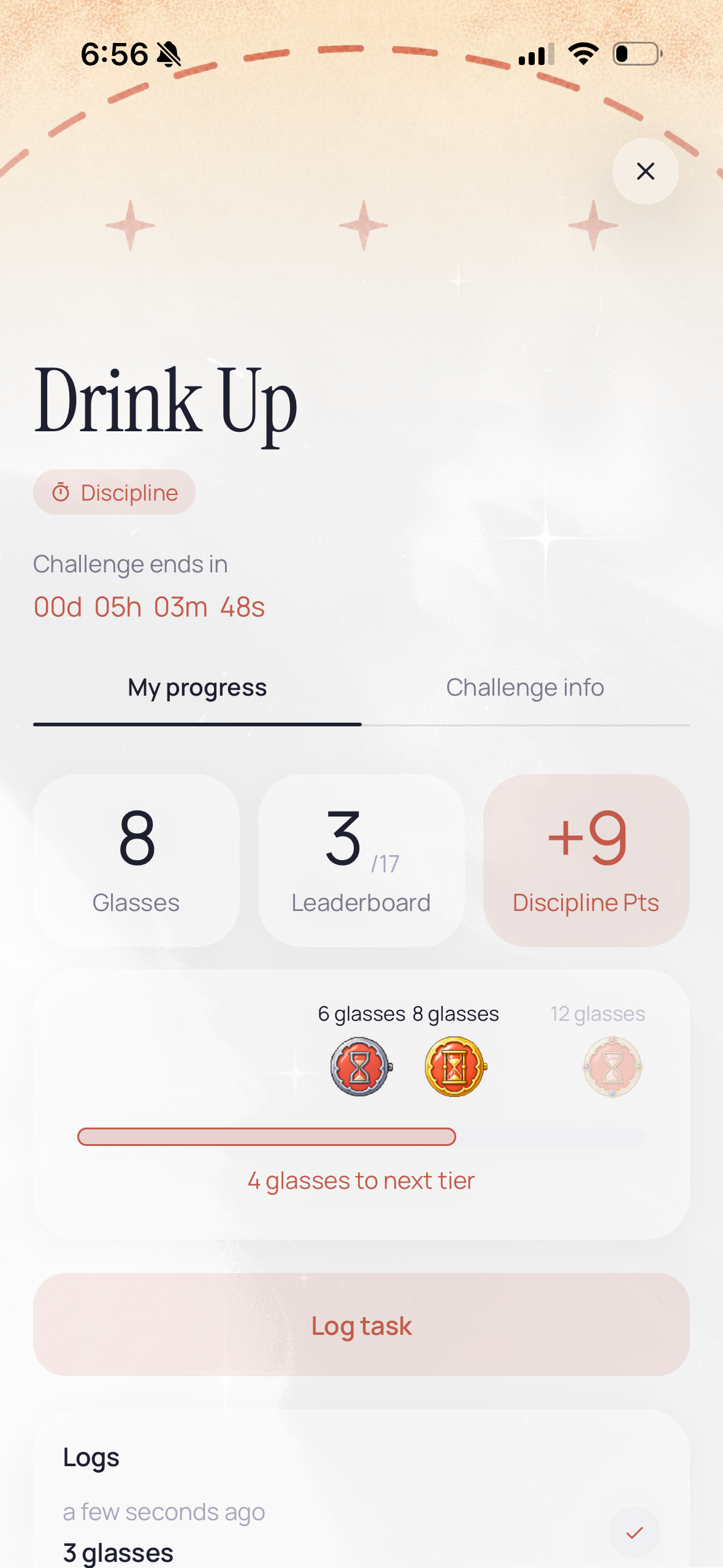
Challenges - browse and join daily/weekly challenges & compete with others
-
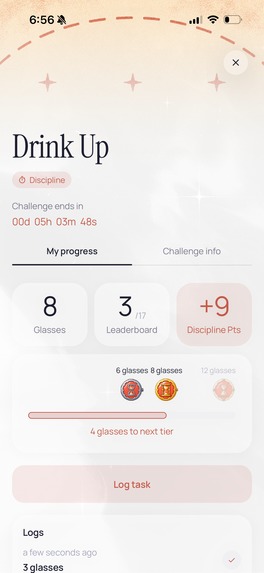
Challenge Detail - log progress, see milestones, view leaderboard
-
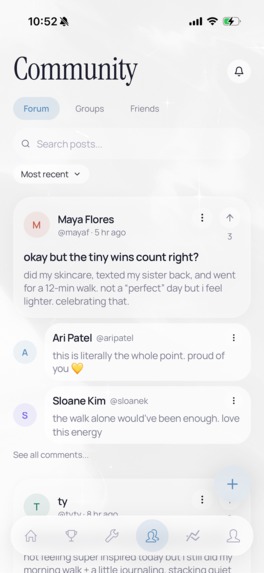
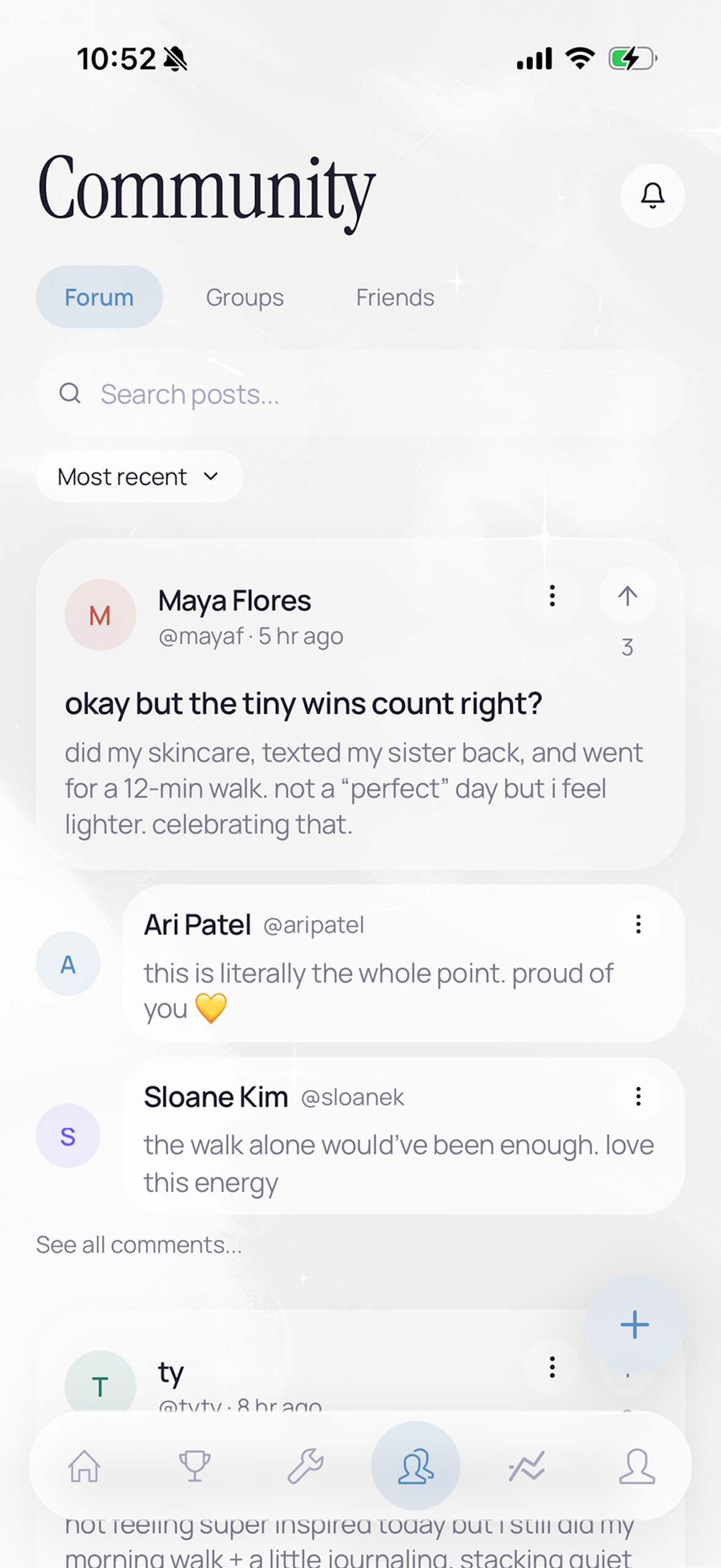
Community - share posts, motivate others, join groups, send friend requests
-
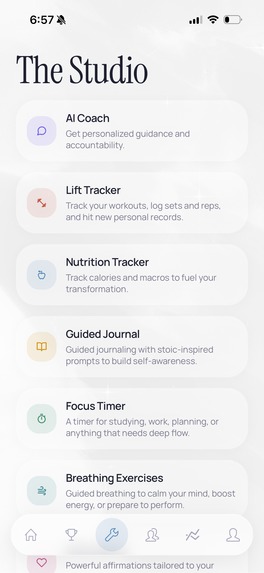
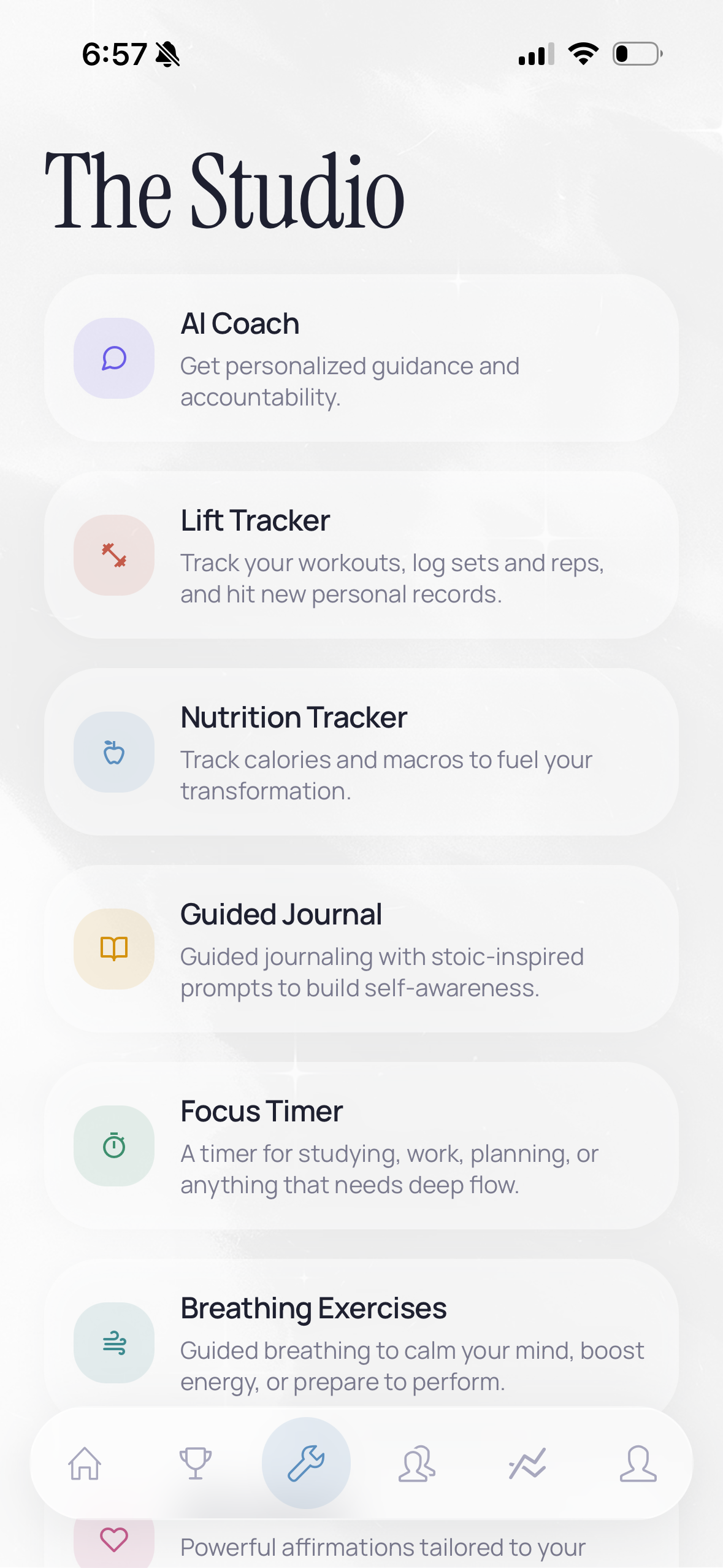
The Studio - health & fitness tools to help with fitness and mental health
-
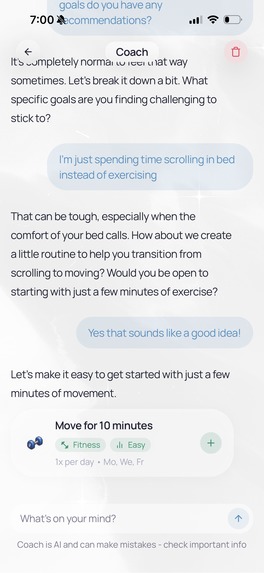
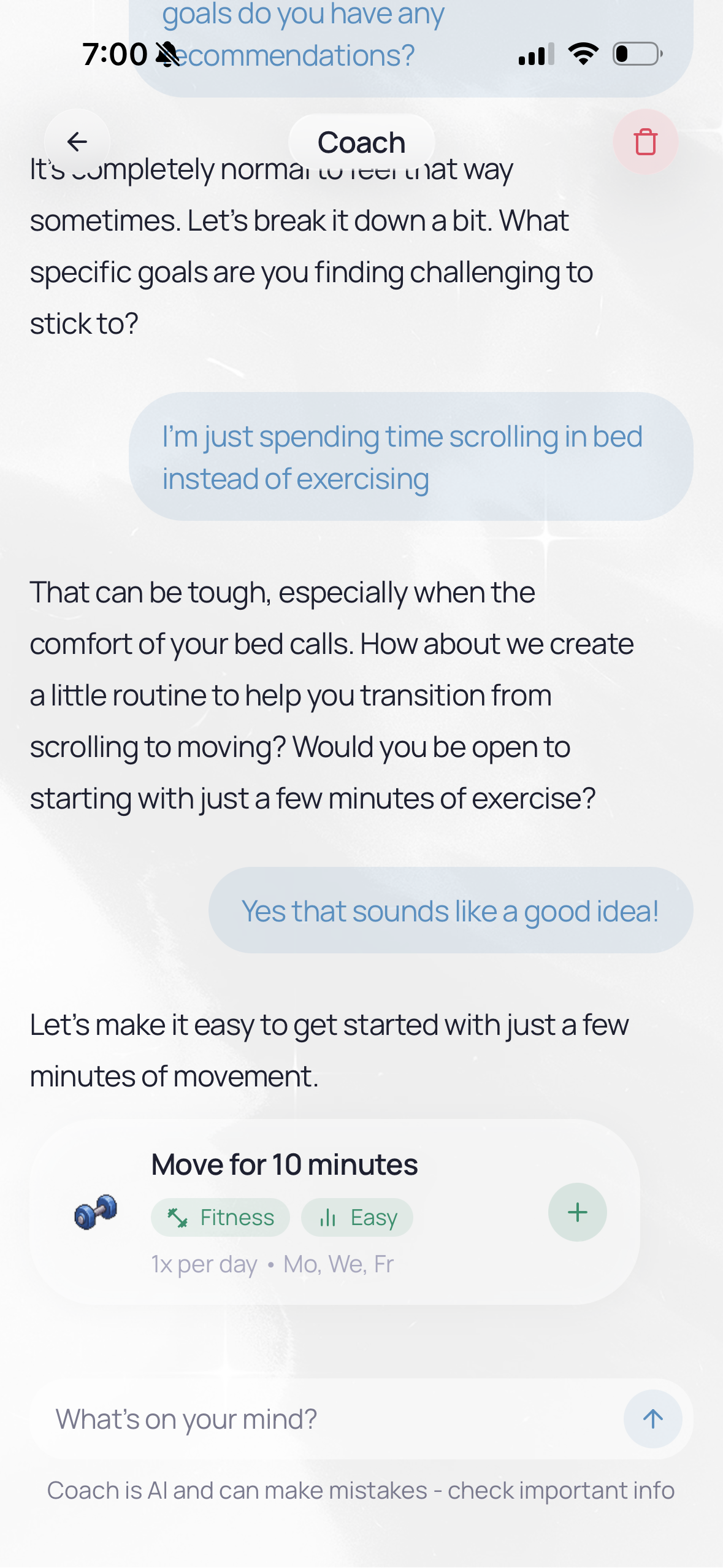
AI Coach Tool - chat with AI coach for advice, recommendations, ranting, etc.
-
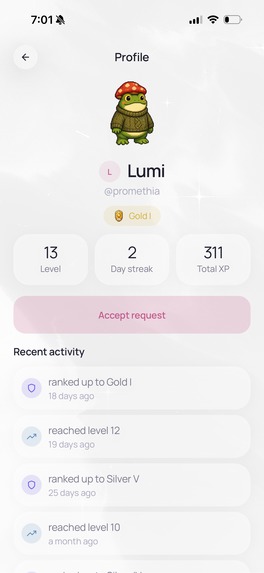
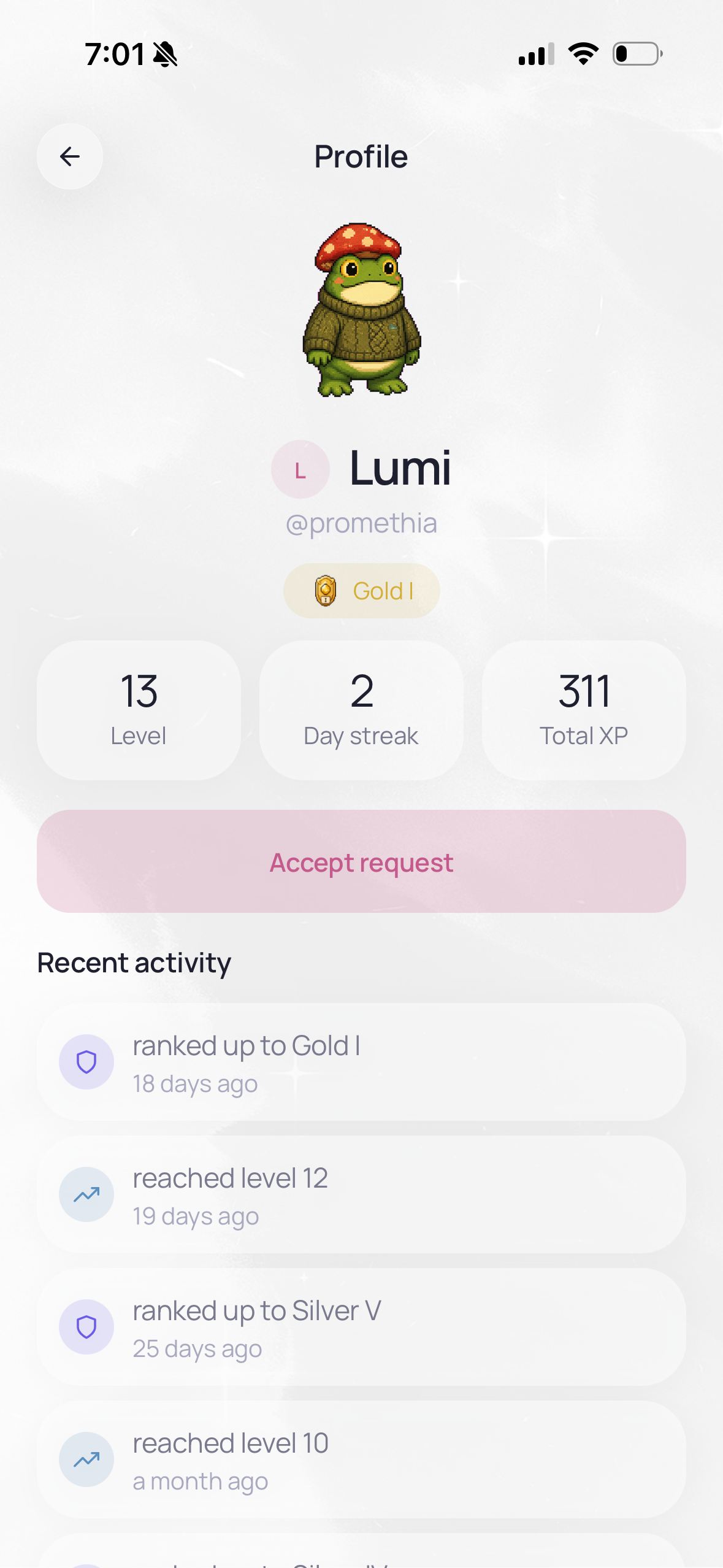
Friend Profile - view friends' progress + achievements
-
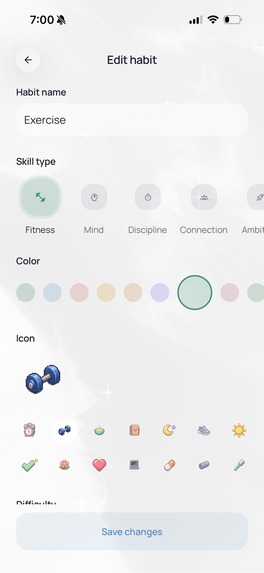
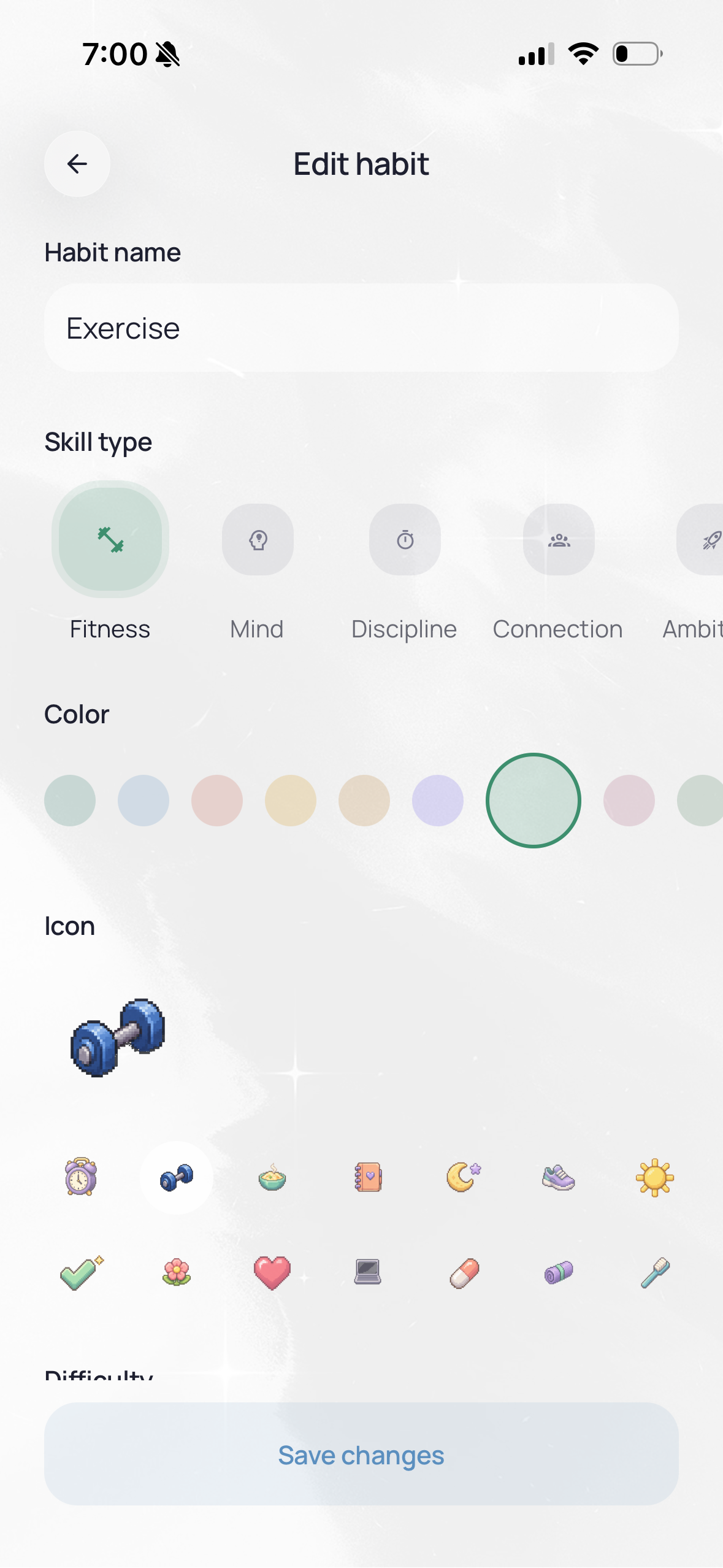
Add/Create Habit - customize every part of a habit to make it your own
-
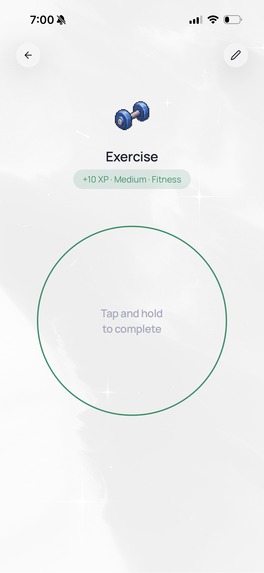
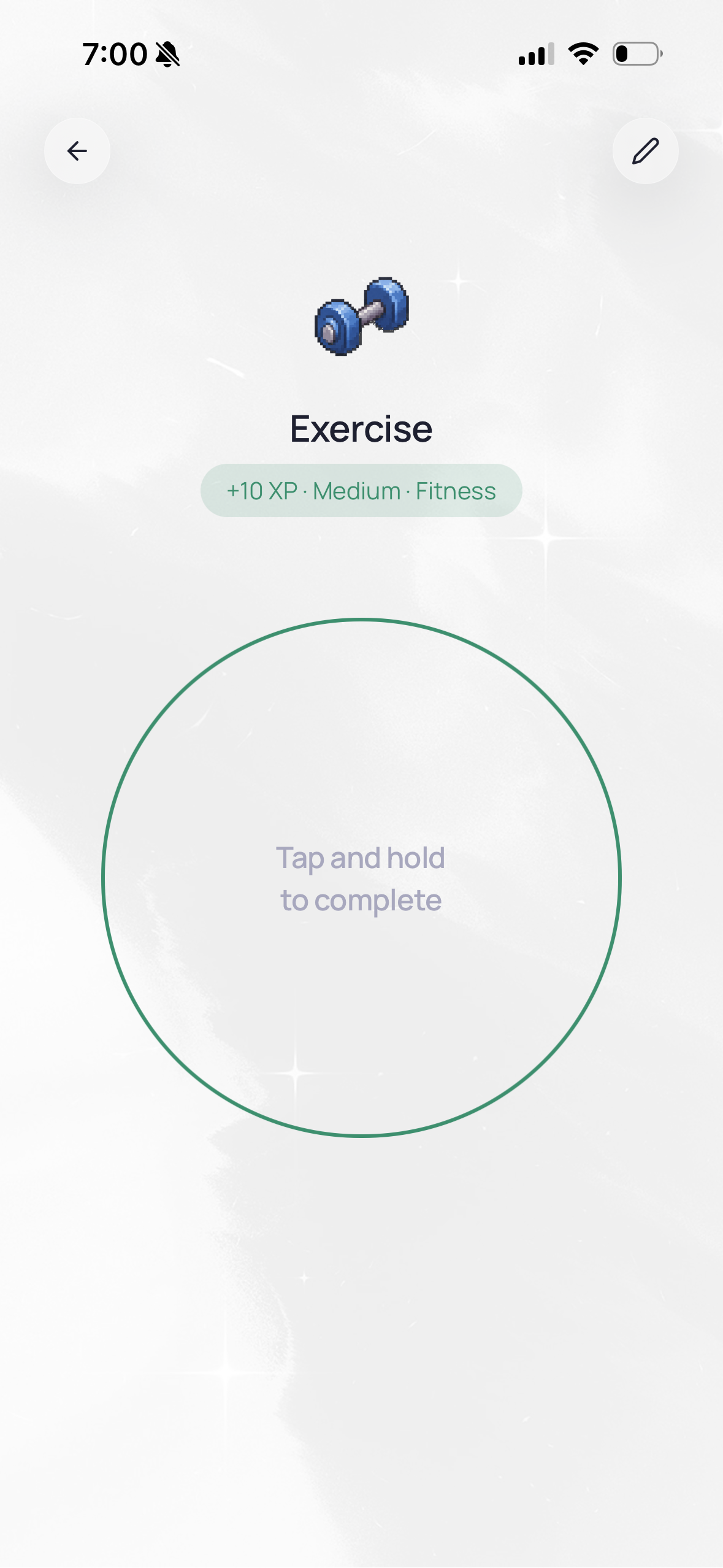
Complete Habit - haptic animation to complete habit
-
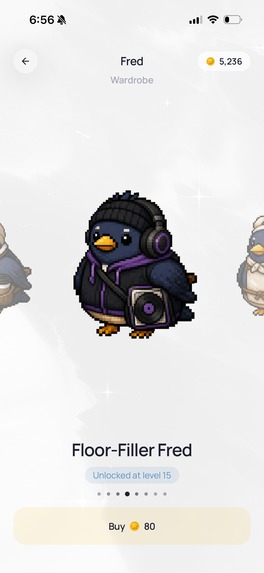
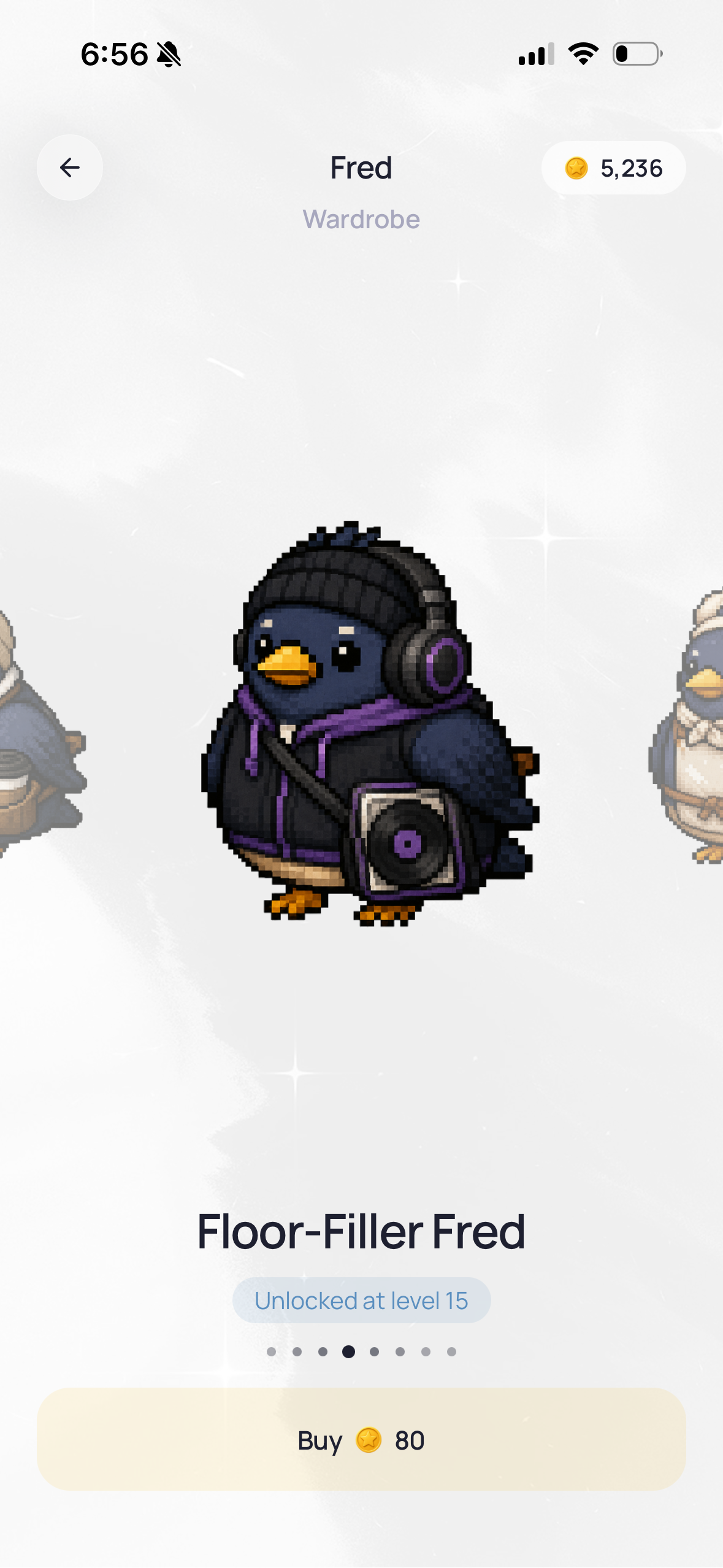
Browse Shop - browse skins inside of shop
-
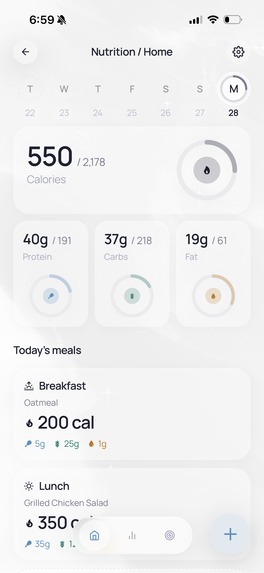
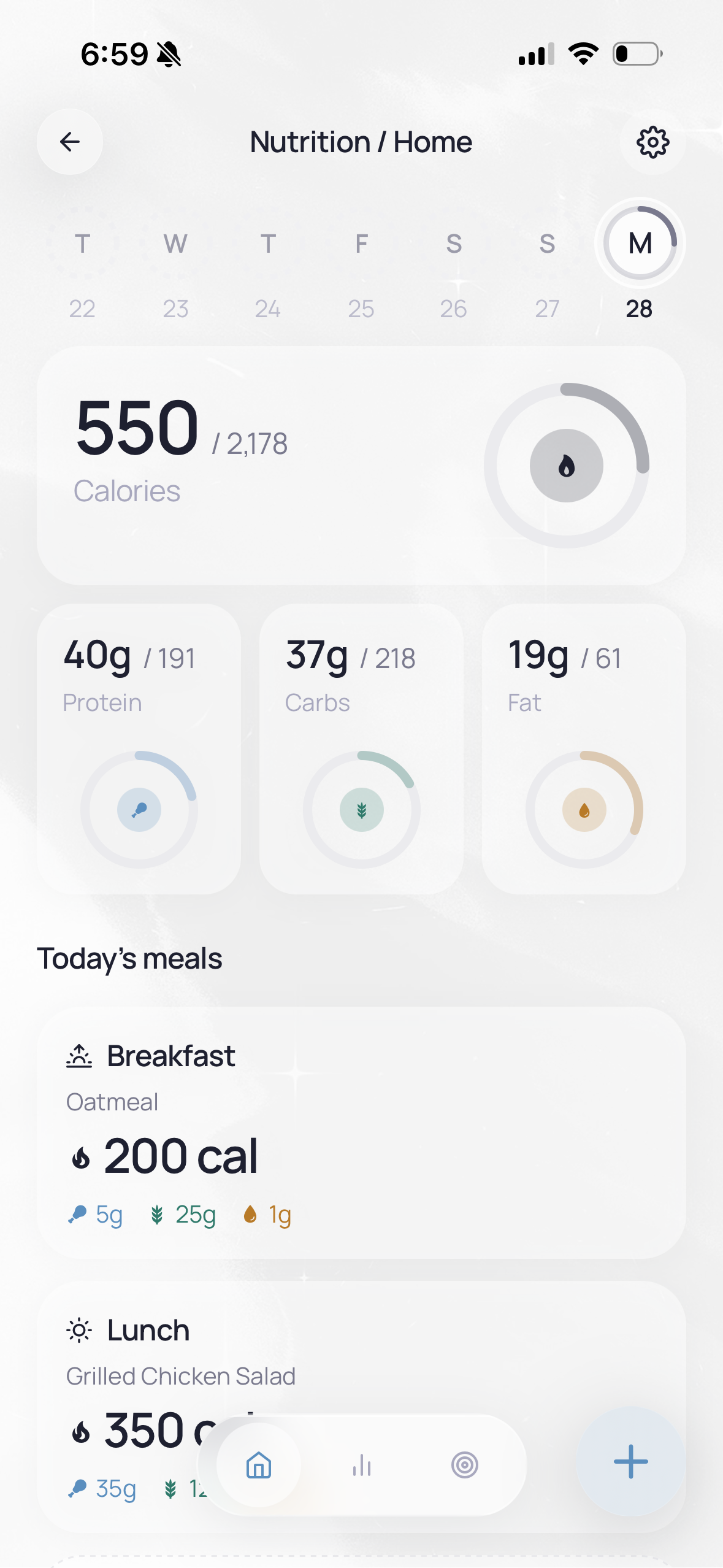
Calorie Tracker - nutrition tool inside The Studio
-
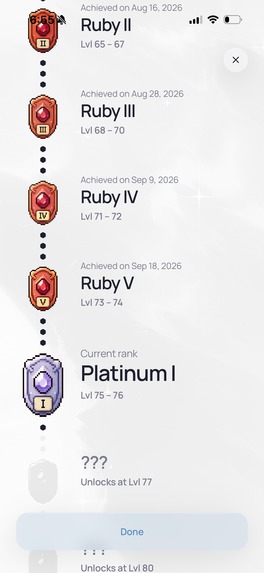
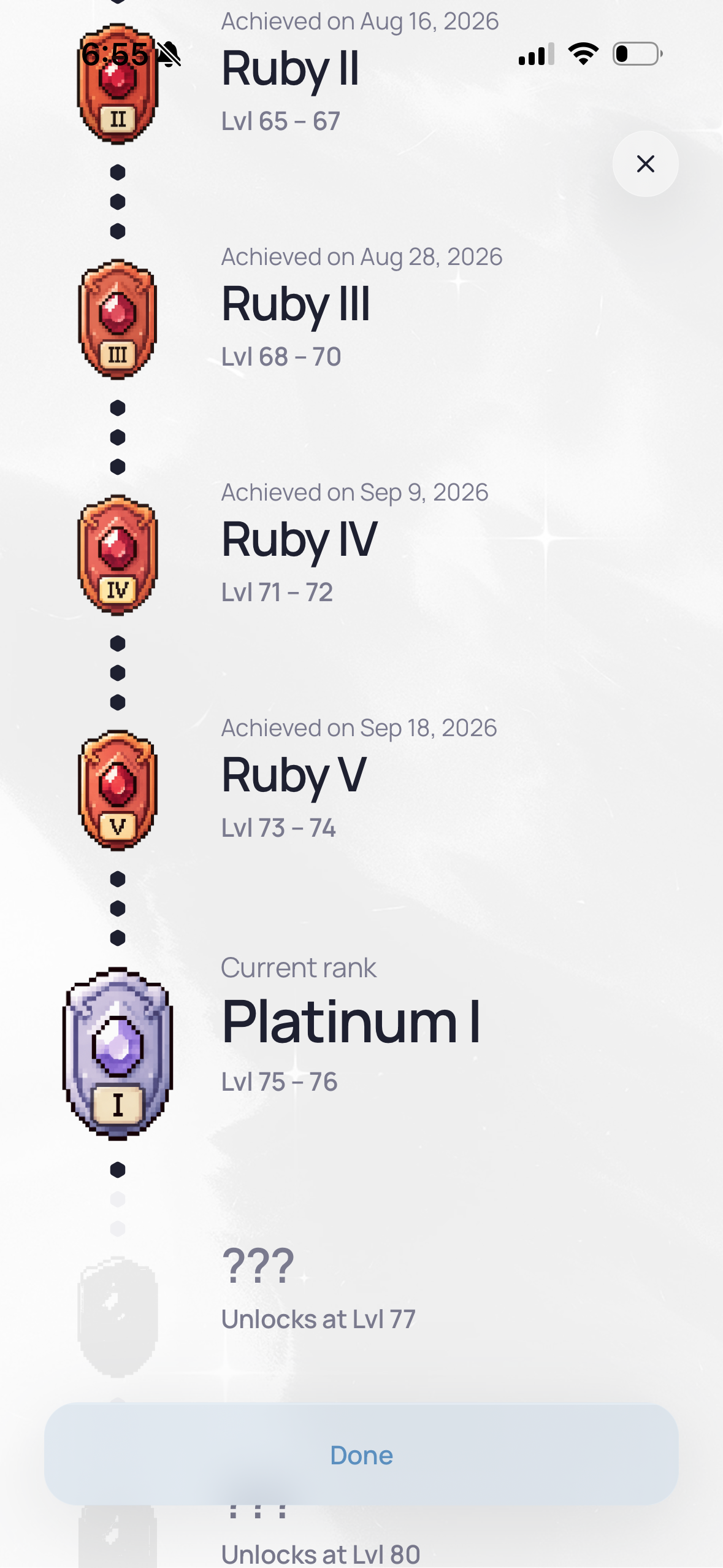
Rank Viewer - view current rank and upcoming ranks
Inspiration
Before Mio, we built another self-improvement app called DAWG, which was designed primarily for men.
The best part of building DAWG was honestly reading reviews and messages from people saying it helped them get out of a rough period, start chasing their goals again, or become more like the person they wanted to be.
At the same time, we kept hearing from female users who liked the idea behind DAWG but wanted something that felt more tailored to them, with different goals, a different tone, and a space to improve alongside other like-minded women.
That became the starting point for Mio.
What it does
Mio turns self-care into a game.
You build habits, complete challenges, earn coins, level up, unlock companions, and collect rewards as you make progress in real life.
The habits can be anything from working out and drinking water to journaling, skincare, reading, or getting outside. We didn’t want Mio to feel like another checklist with XP pasted on top, so everything feeds into a larger progression system and a cozy world that grows with you.
How we built it
Mio is built with React Native and Expo, which lets us move pretty quickly across iOS and Android.
We’ve been using RevenueCat since we first started building apps in high school and college, so using it again for Mio was pretty natural.
A lot of the work has gone into making the game systems feel like they actually belong together instead of feeling bolted onto a habit tracker. We also put a lot of time into the visual side because we wanted Mio to feel more like a cozy game rather than another hyper-productivity app.
Challenges we ran into
One of the harder parts was making the game layer deep enough to actually be fun without making the app feel complicated. We had to think through leveling curves, rewards, the shop, companions, and how progression should feel for someone on day one versus someone who uses Mio every day. We kept coming back to the idea that it should feel more like a cozy game such as Stardew Valley or Fields of Mistria than a habit tracker with points added on.
On the growth side, the interesting challenge has been figuring out the right way to introduce Mio. The same app can make sense through fitness, routines, skincare, discipline, self-care, or a bunch of other angles, and it wasn’t obvious which message would connect best with which users.
So we’ve been testing paid creative on Meta pretty aggressively, iterating on hooks, video concepts, and positioning based on performance. That’s helped us get a much clearer sense of not just what gets attention, but what actually brings in users who subscribe and stick around. We also integrated AppsFlyer as we expand into more channels and want a better view of where our strongest users are coming from.
Accomplishments that we're proud of
Since launch, Mio has reached 6,200 installs, 800 subscriptions, and $30,000 in revenue, with 12+% of users converting to paying subscribers.
What’s been really encouraging is seeing people latch onto the parts we hoped they would. Some users get surprisingly attached to their companions, care a lot about leveling up, and actually notice the small polish details we spent way too much time on.
That’s probably the best signal for us that Mio is starting to feel like more than a habit tracker. It has its own little world and personality, and people seem to respond to that.
What we learned
One of the biggest things we learned is that good gamification is really just game design.
You can’t assume someone will care about XP because the number went up. The systems have to reinforce each other, and the pacing has to feel good both on day one and after someone has been using the app for a while.
We also learned that the same product can resonate very differently depending on how you position it. Through Meta creative testing, messaging around discipline, routines, and getting your life together has consistently performed better than more fitness-specific angles. That’s helped us better understand not just how to market Mio, but what users seem to connect with most about the product.
And from both DAWG and Mio, we’ve seen that self-improvement feels a lot better when it doesn’t feel like you’re doing it alone.
What's next for Mio
Right now, our main focus is scaling distribution.
We want to keep pushing the creative angles that are working on Meta, expand into new channels, and use analytics to better understand where our best users are coming from.
At the same time, we want to keep listening really closely to users. Some of our best ideas on DAWG came directly from people using the app, and we expect Mio to evolve the same way.
On the product side, we still have a lot we want to build: deeper progression, more companions and collectibles, a better shop, more challenge types, and more ways for people to feel like they’re progressing together.
Long term, we want Mio to feel like a little world that grows with you, where taking care of yourself in real life actually changes what happens inside the app.

Log in or sign up for Devpost to join the conversation.