-
-
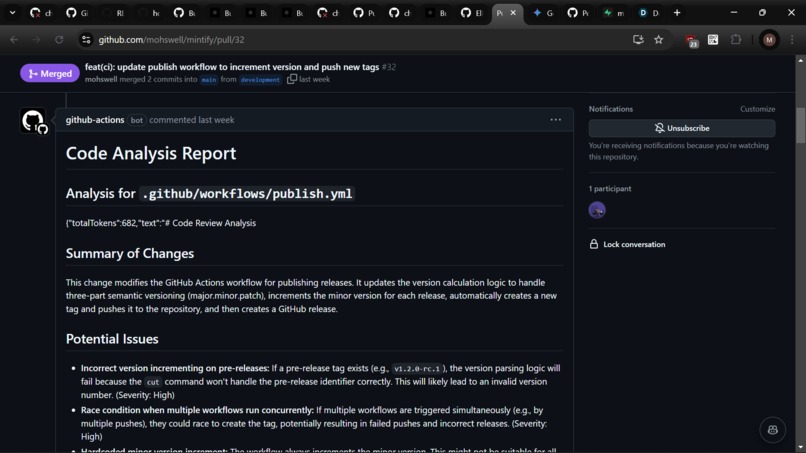
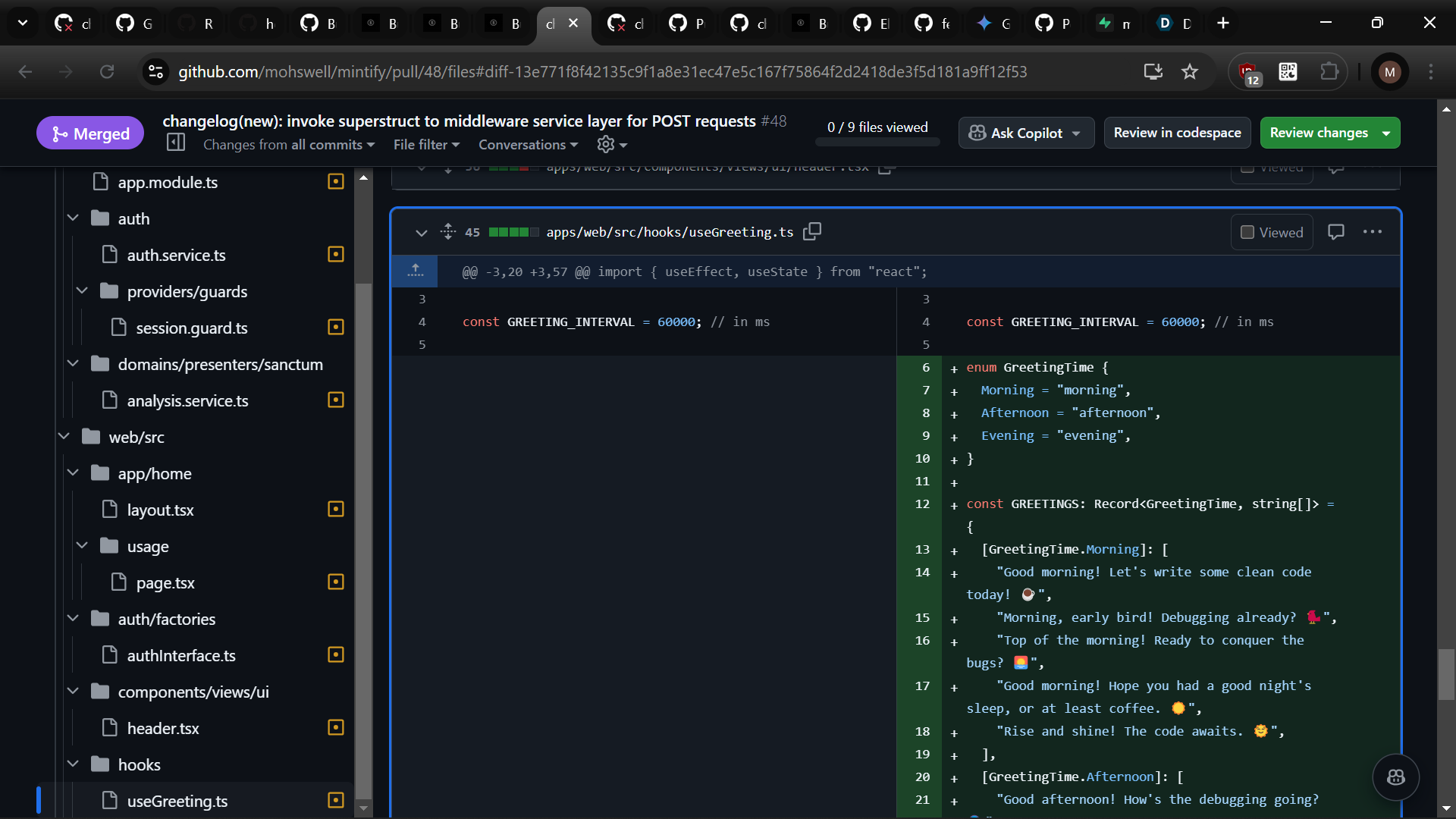
This is a sample PR comment from mintify
-
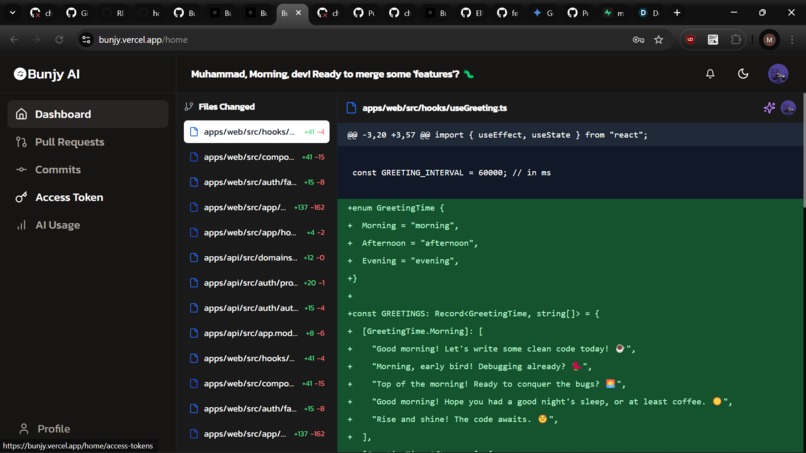
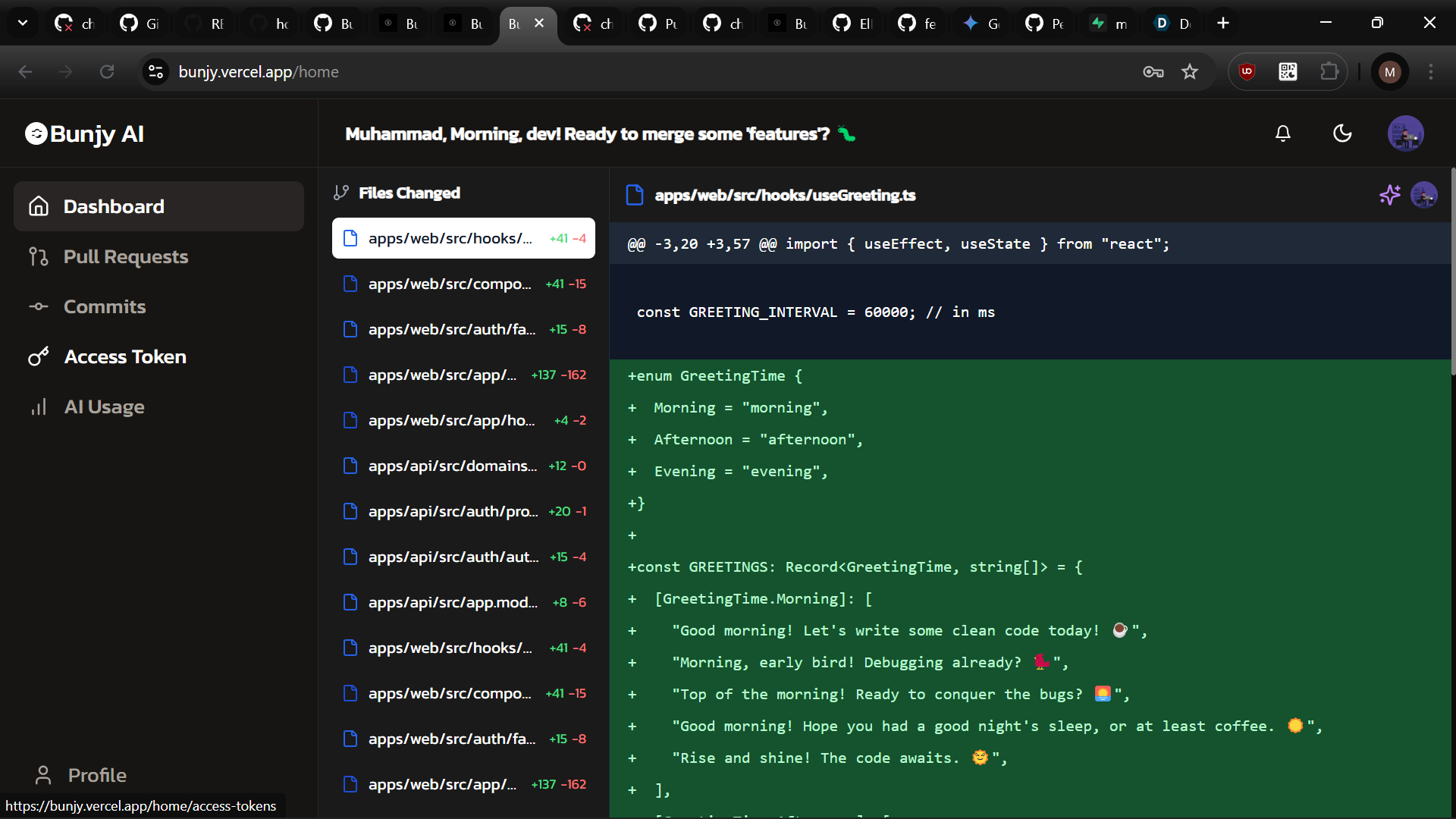
This is a sample commit change displayed in Bunjy AI
-
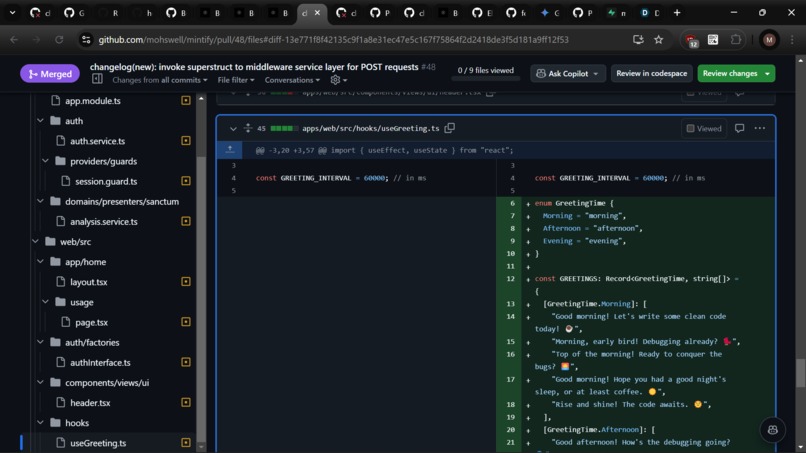
This was the same commit captured by the core AI service displayed.
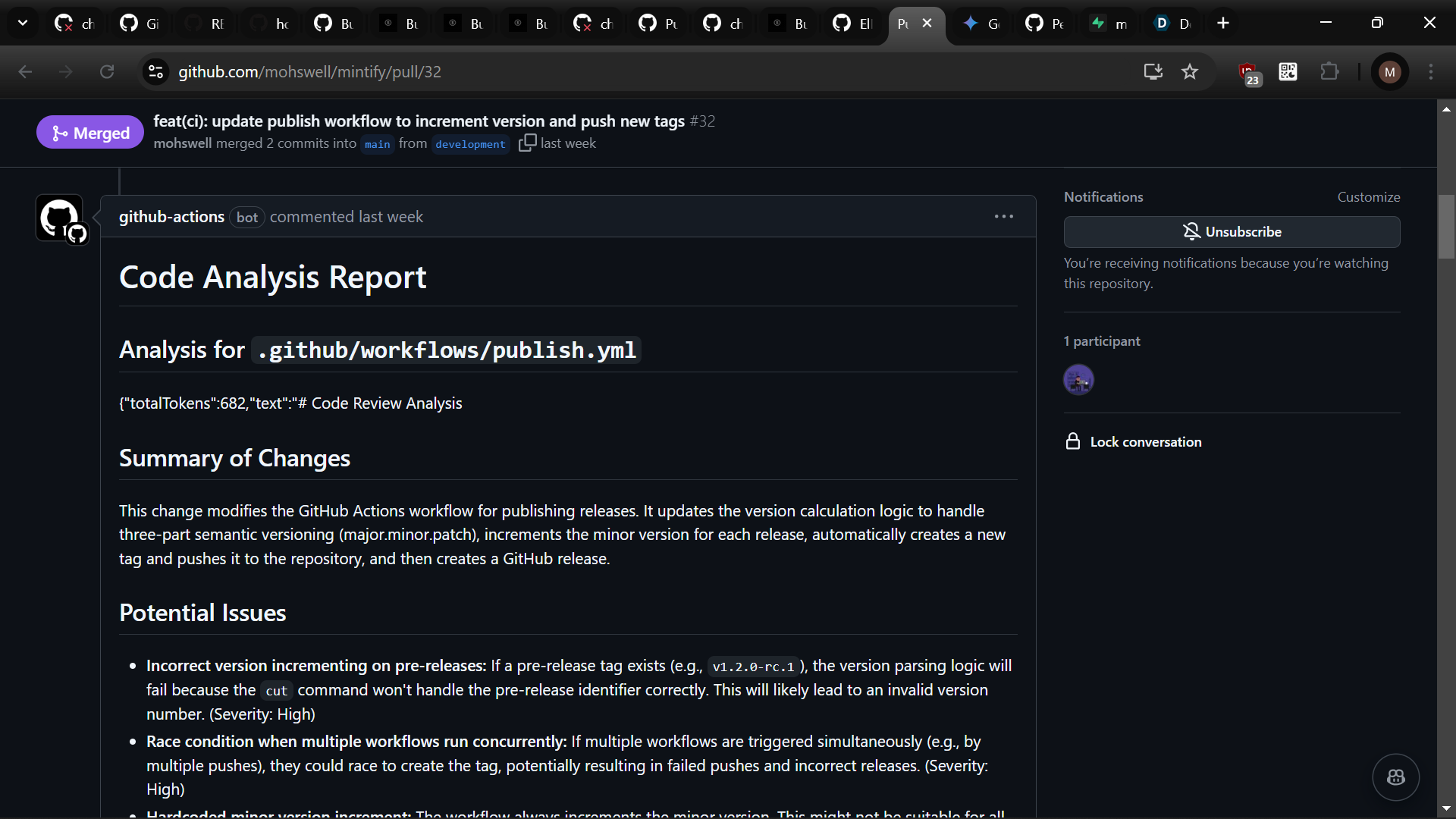
Project Story: Mintify
Inspiration
The inspiration for Mintify came from the realization that traditional CI/CD pipelines often lack intelligent automation for code reviews and optimizations. As a student passionate about both AI and development workflows, I wanted to create a solution that not only improves code quality but also streamlines the entire pipeline process. The idea of leveraging AI to provide real-time insights and actionable feedback felt like the perfect way to address this gap.
PS: I got the idea when I was watching a football game(Manchester UTD vs Chelsea) and I had to a pr review for my friend's code.
What it Does
Mintify is an AI-powered code analysis tool that integrates directly into GitHub Actions and broader CI/CD pipelines. It analyzes pull requests, detects bugs, suggests optimizations, and even generates improved code snippets. Developers can view this feedback directly in their PR comments or in a centralized dashboard at Bunjy the frontend extension for a user friendly page, where they can accept or reject changes. Mintify enhances code quality, accelerates reviews, and supports both free and premium usage tiers for flexibility.
How I Built It
I built Mintify as a monorepo using Next.js for the web dashboard and NestJS for the API backend. The AI analysis leverages Gemini Nano, integrated through secure endpoints to process code diffs and provide feedback.
- GitHub Actions: Used for triggering the AI on PR events.
- Bash: The scripting logic uses Bash and this is where the core service lies, the ability to analyze code changes, format it and encrypt it and sent to the endpoints for storage, and analysis is what builds the application.
- Auth Flow: Built with secure user login to generate API keys for pipeline integration.
- Frontend: Designed an intuitive interface for viewing feedback, managing API keys, and monitoring usage.
- Backend: Designed scalable endpoints to handle AI requests, manage tokens, and interact with the GitHub API for automated feedback.
- Infrastructure: Deployed using **Vercel for the frontend and Railway for the backend, ensuring scalability and reliability.
Challenges I Ran Into
- Code Diff Parsing: Parsing and sending meaningful diffs to the AI required robust formatting to ensure accurate feedback.
- Scalability: Ensuring that the AI API calls could scale while maintaining low latency and affordability on free tiers.
- Integration Complexity: Simplifying the integration process for developers using GitHub Actions while maintaining flexibility for CI/CD pipelines.
- Feedback Accuracy: Fine-tuning AI content to avoid generic or irrelevant suggestions.
Accomplishments That I'm Proud Of
- Successfully integrating AI-driven code analysis into GitHub Actions.
- Building a fully functional user dashboard for managing API keys and viewing feedback.
- Designing a scalable architecture that supports future features like bug fixes and test generation.
- Creating an intuitive user experience that encourages adoption by developers.
What I Learned
- AI Integration: Gained valuable insights into leveraging Gemini's API for practical use cases.
- DevOps Workflows: Deepened understanding of CI/CD pipelines and how to enhance them with automation.
- Scalability and Design: Learned how to balance user experience, performance, and cost-effectiveness in app design.
What's Next for Mintify
- Expanded Features: Add support for automated test case generation, bug fixes, and code refactoring.
- CI/CD Integration: Extend compatibility with Jenkins, GitLab, and CircleCI pipelines.
- Premium Tiers: Introduce advanced features like in-depth reports, analytics, and organizational dashboards.
- AI Model Improvements: Use better models for domain-specific analysis and deeper insights.
Mintify is just the beginning of transforming code reviews and CI/CD pipelines with the power of AI.
Built With
- bash
- nestjs
- nextjs
- yaml


Log in or sign up for Devpost to join the conversation.