-
-
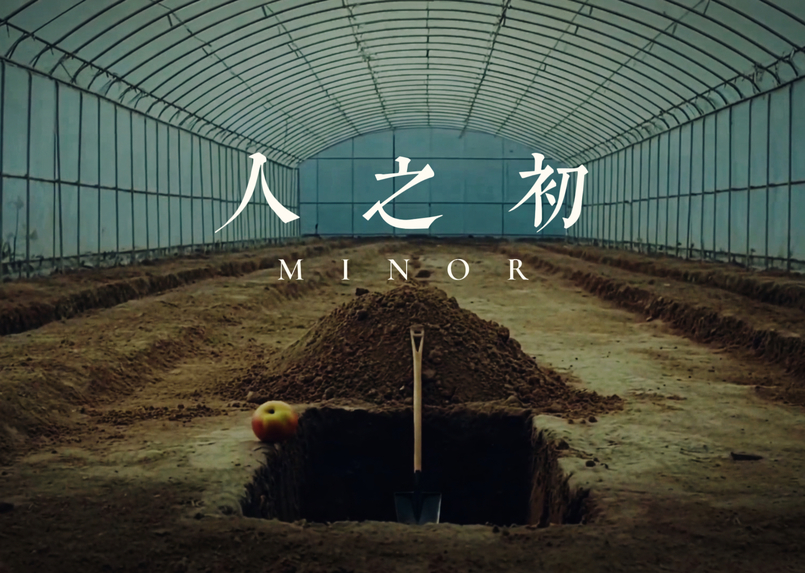
Titile
-
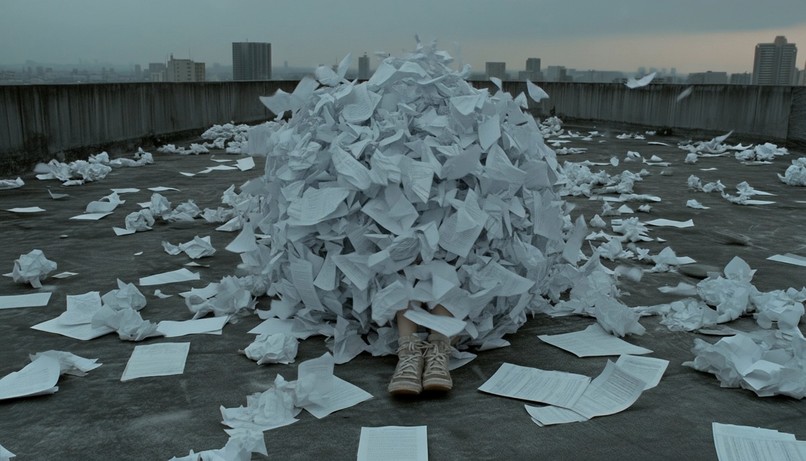
Storyboard01
-
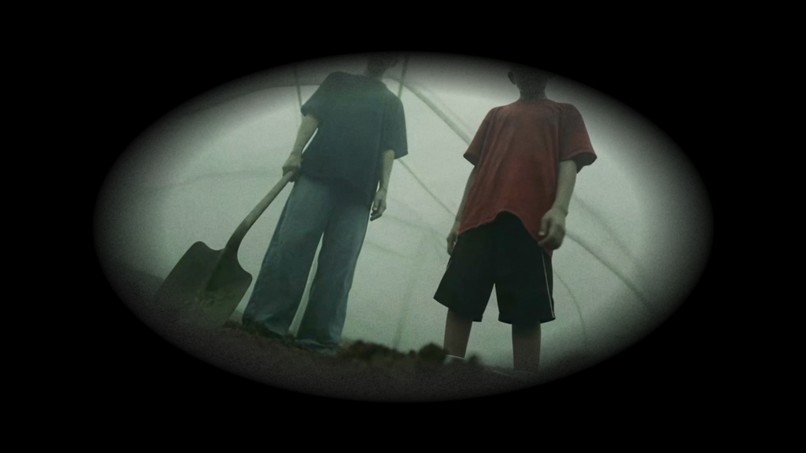
Storyboard02
-
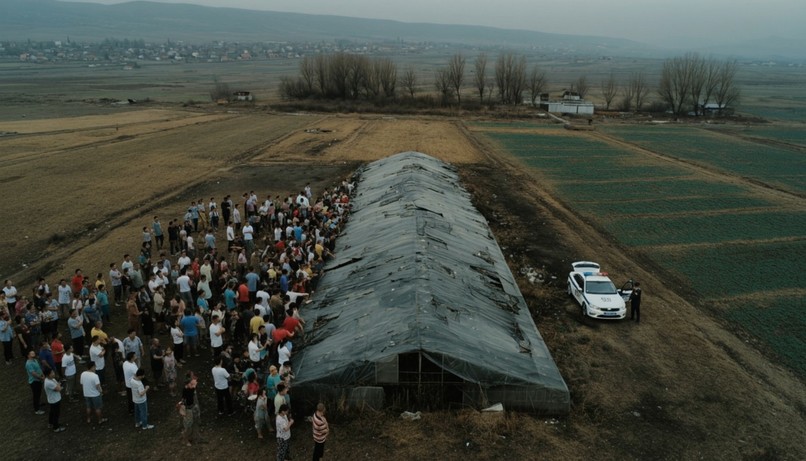
Storyboard03
Inspiration
For too long, AIGC has been stereotyped for sci-fi, fantasy, or dreamscapes. This underestimates the tool and narrows our creative expression.
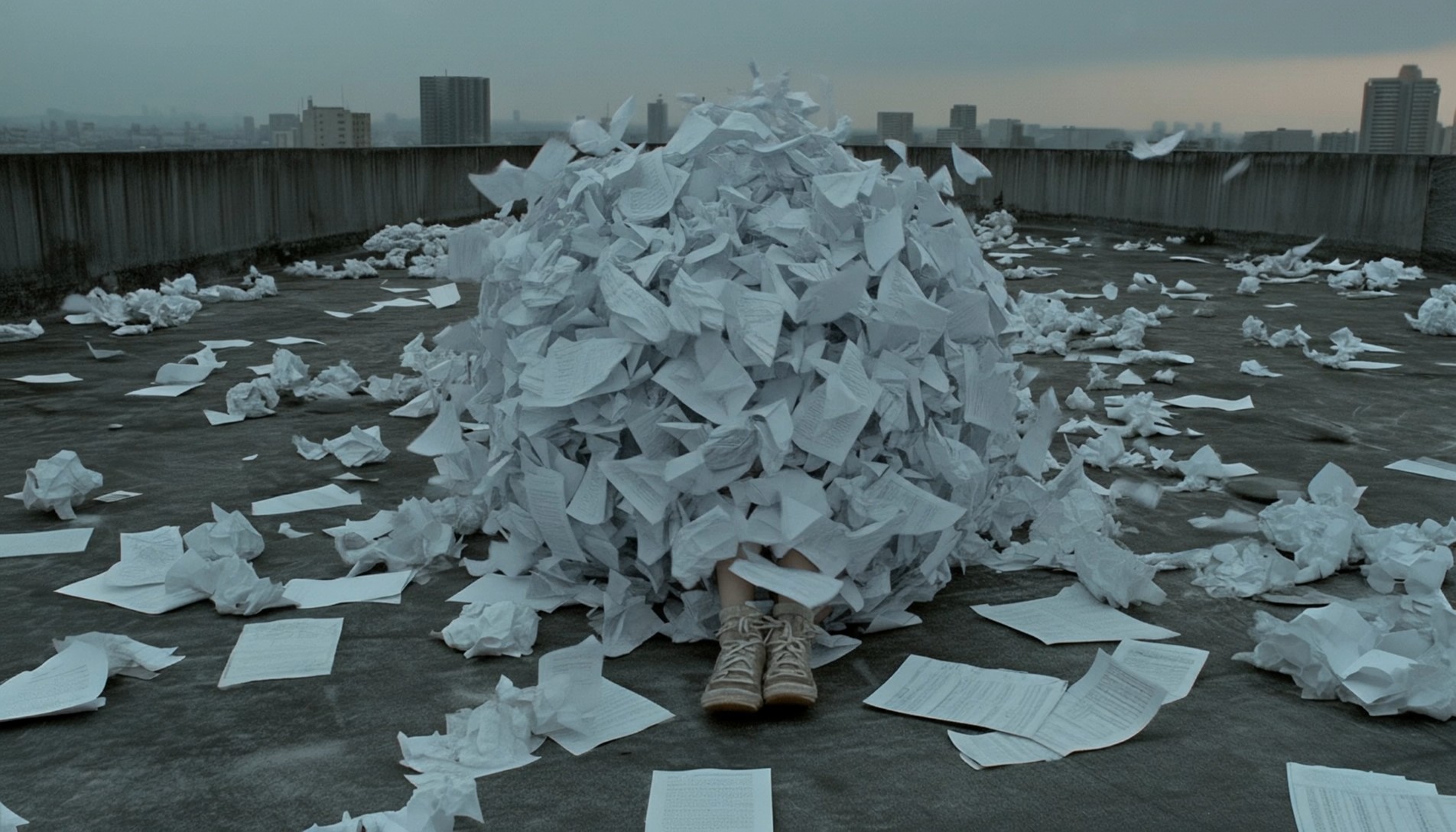
We chose AIGC not to imitate reality, but to create a psychological reality. The surreal images in the pilot, for instance, represent the victim's internal chaos and trauma.
My core philosophy is that AIGC enables "expressive freedom" and "technical equality," allowing any creator to tackle any genre. Human expression won't be replaced by AI; it will be enriched.
Therefore, I chose the most "non-AIGC" genre possible: a grim, serious, reality-based human drama.
What it does
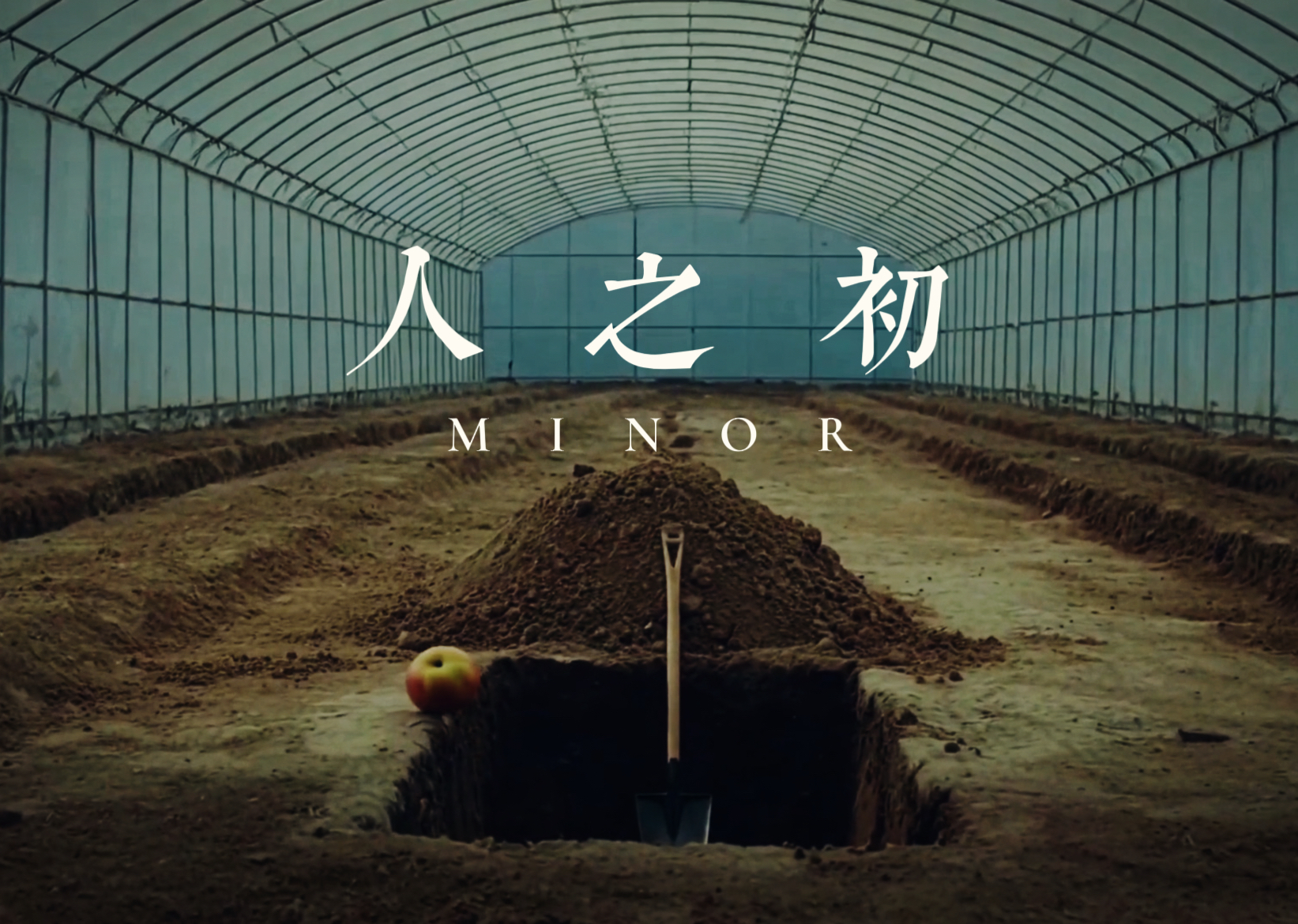
Title: MINOR
Logline: When a 13-year-old bullied boy is left for dead in a pre-dug pit by his classmate, the panicked attacker's cover-up is hijacked by his quiet, unassuming companion, who calmly masterminds the murder and drags them both past the point of no return.
Synopsis: Wang Yang, a 13-year-old "left-behind" boy, is persistently bullied by Zhang Qi. His classmate, Li Ya, "interestedly" records it all, a quiet bystander. After receiving a humiliating video and a summons from Zhang Qi, Wang Yang brings apples from his grandmother, naively hoping to make peace.
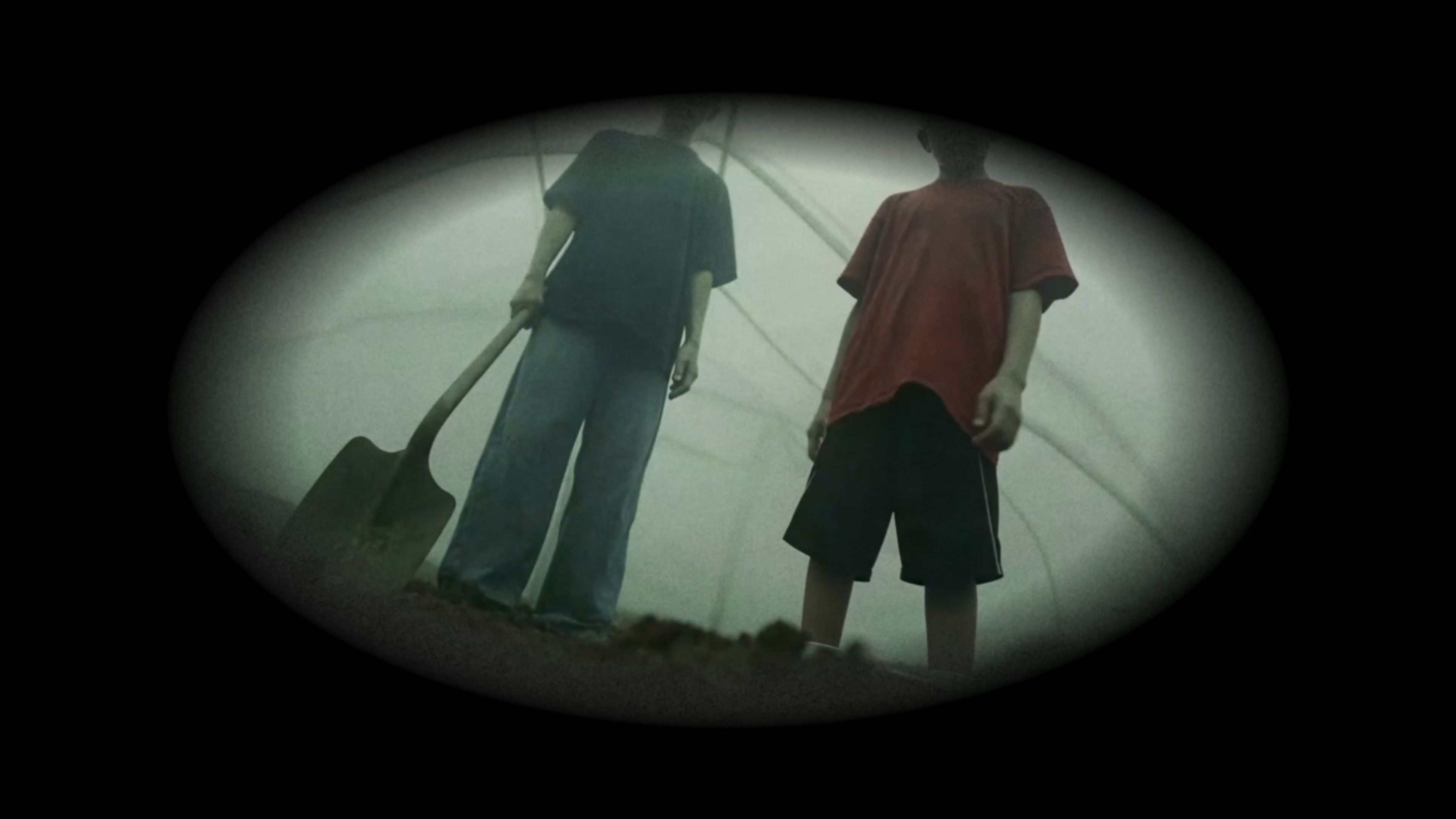
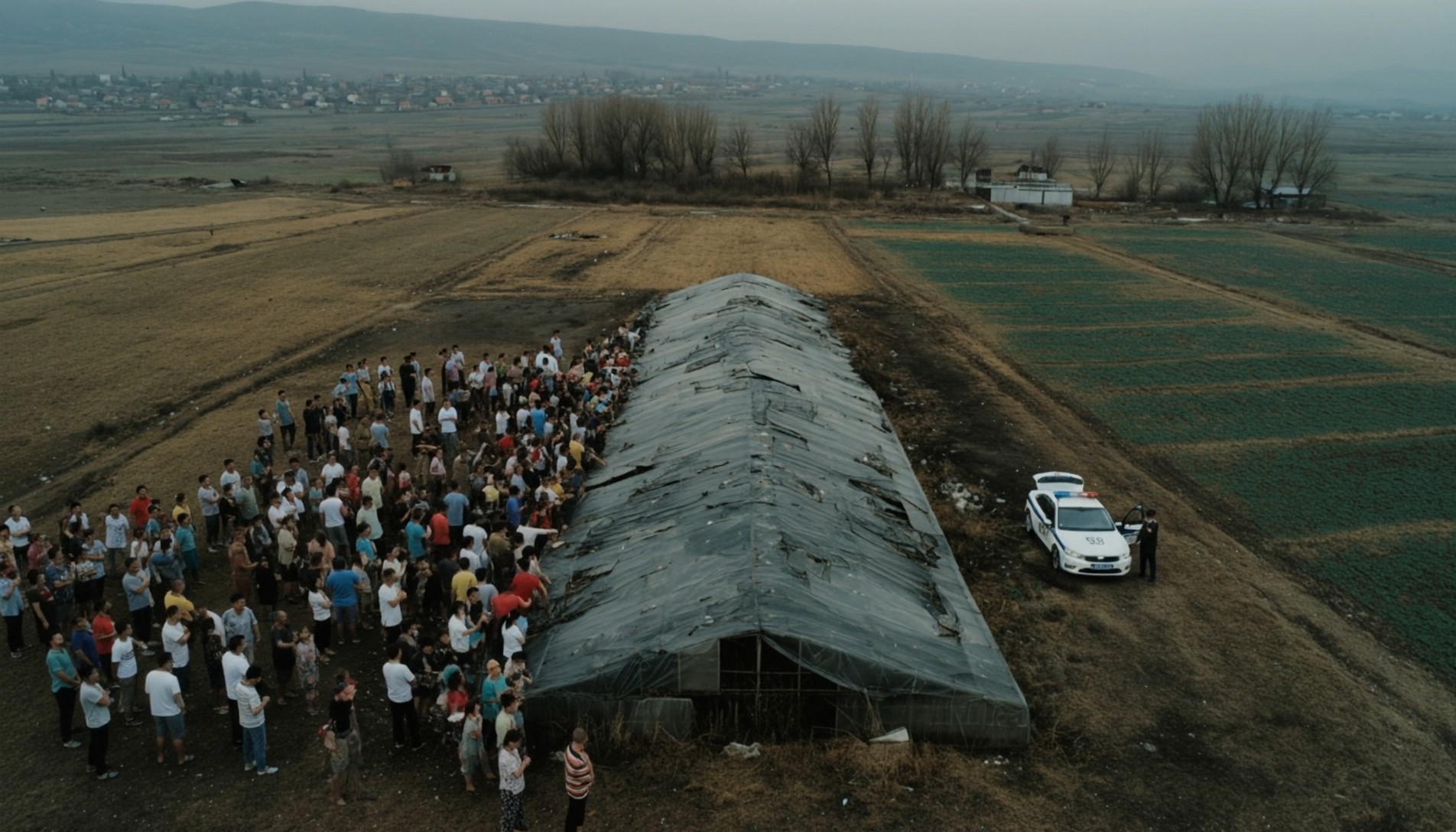
At a derelict vegetable greenhouse, Zhang Qi's extortion escalates. He strikes Wang Yang with a shovel, knocking him unconscious into the pit.
Panicked, Zhang Qi believes he killed him. But Wang Yang is still alive, his fading consciousness registering what happens next. Li Ya's demeanor shifts. No longer a bystander, he becomes a cold "manipulator." He orders Zhang Qi to delete phone records, then throws the phone (the evidence) into the pit. He uses Zhang Qi's panic to urge him to bury the body. As Zhang Qi raises the shovel, Li Ya makes the fatal suggestion—a gesture across his own face, implying they must destroy the victim's features to avoid identification. This act shatters Zhang Qi’s last shred of sanity, pushing him from manslaughter into deliberate murder.
How we built it
Methodology: AIGC as the "Universal Toolbox" To achieve this film's complex visual structure (surrealism, gritty realism, large-scale scenes, cold interrogation rooms) with traditional methods would be prohibitively expensive. AIGC provides "expressive freedom," giving independent creators a "universal toolbox" for the first time. It allows us to build a complex narrative maze, making this structural freedom possible.
Technical Workflow:
- Character Design & Consistency:
Profile: Defined character traits and appearance from the script.
Prompting (Character): Used Gemini to generate precise character prompts.
Base Image: Generated base images in Midjourney.
Multi-Angle/Expression: Used Nano Banana or Seedream 4.0 for varied character sheets.
- Style & Scene Generation:
Visual Style: Used Midjourney's Style References to lock the film's visual tone.
In-Scene Consistency: Used Midjourney (Omni Reference), Seedream 4.0, and Nano Banana.
Multi-Character Shots: Processed with Seedream 4.0 or composited in Photoshop, with lighting unified via ComfyUI.
- Video Generation:
Prompting (Motion): Used Gemini to translate storyboards into precise video prompts.
Synthesis: Generated final clips using Seedance 1.0, Kling, or Midjourney.
- Sound Design:
Dialogue: Used Sora2 for base intonation and IndexTS2 for voice cloning. Synced lips with InfiniteTalk.
Music: Used Gemini as a "music analyst" role to generate detailed prompts from mood descriptions (e.g., "Bach piano," "haunting choir").
Generation: Created the score using Suno.
Challenges we ran into
The current 5-minute pilot is a proof-of-concept with clear limitations:
Consistency: Character and scene consistency across different shots remains a significant hurdle.
Subtlety: Facial expressions lack the necessary nuance and emotional precision.
Pacing: Shot-to-shot transitions often have a "braking feel," lacking cinematic flow.
Sound: The current sound design is incomplete and needs significant polish.
Accomplishments that we're proud of Our goal was not to show off technology, but to make the technology disappear, focusing the audience entirely on the human core.
We successfully used AIGC to achieve a "controlled realism," capturing not only Zhang Qi's ignorant brutality but also (and more importantly) the subtle, terrifying shift of Li Ya from "passive observer" to "cold manipulator."
The film's title, MINOR (or "The Beginning of Man"), explores that chaotic state of adolescence where good and evil are not yet fully formed. Our proudest achievement is the film's climax: from the victim's "grave-side POV," we hear Li Ya's calm, fatal suggestion. This "gaze from the grave" is the film's moral center.
MINOR proves that AIGC can be used to dissect the oldest and most complex human themes.
What we learned
We learned that AIGC's true power isn't imitating reality, but creating "psychological reality." It truly enables "expressive freedom," allowing us to build a complex, multi-layered narrative on an indie budget.
We also learned that the current key bottlenecks—consistency, nuanced expressions, and cinematic pacing—are very real. This means a hybrid workflow is essential. We learned to embrace AIGC's "flaws" (like distortion) as stylistic choices for violence, but also that we must actively integrate new, specialized tools (like Gaga AI for faces) and human partners (especially for sound design) to achieve a professional, finished product.
What's next for Minor
For the full 15-minute film, we will focus on solving these challenges:
Solve Consistency: Actively integrate new models (like future Seedream 4.0 versions) to fundamentally fix character and scene unity.
Break the Expression Barrier: Test emerging tools like Gaga AI, which are specialized for facial expression, to achieve truly emotive performances.
Master Audio: Prioritize sound design by finding professional-grade AI audio tools or bringing in human sound designers to ensure a complete, polished, and immersive audio-visual experience.
Built With
- midjourney
- nanobanana
- seedance1.0
- seedream4.0
- suno
