-
-
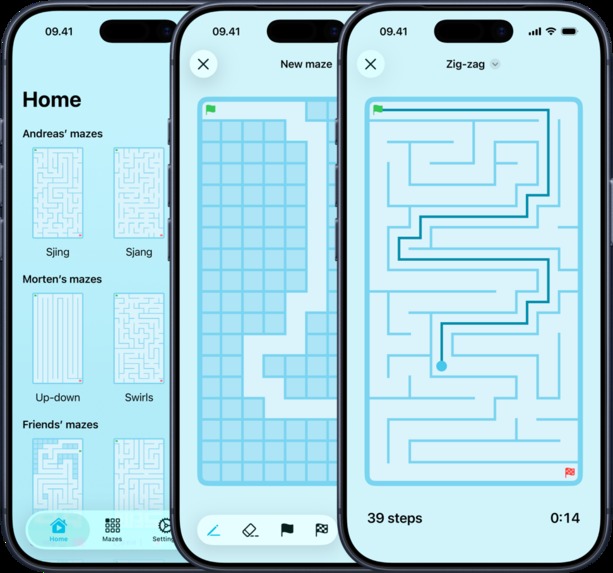
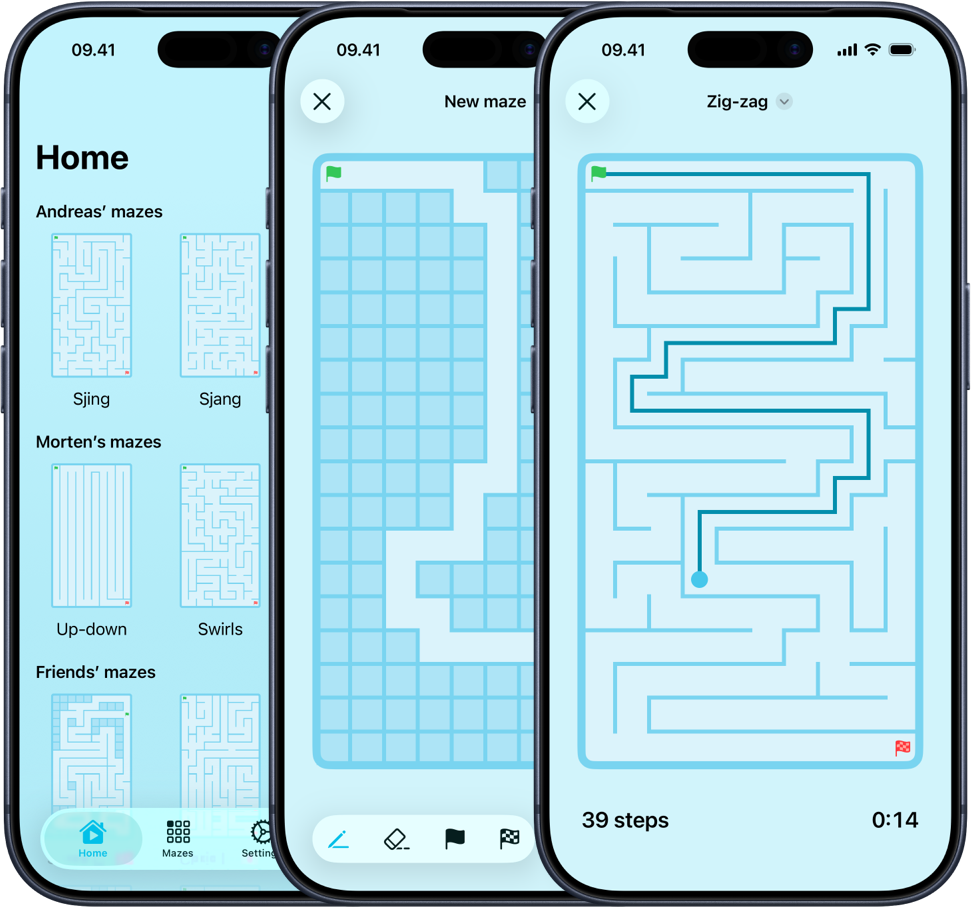
The app on iPhone (light mode)
-
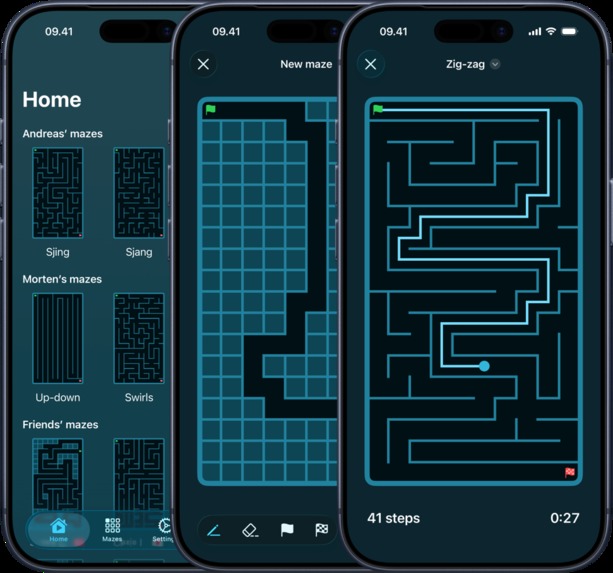
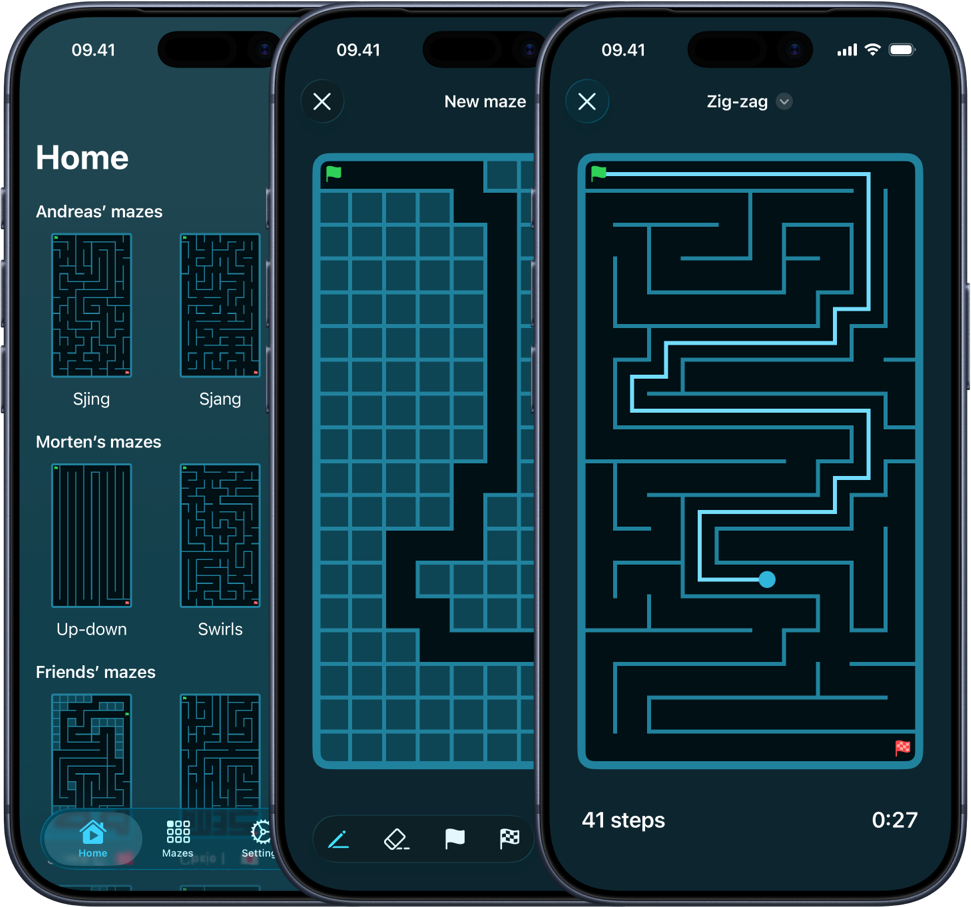
The app on iPhone (dark mode)
-
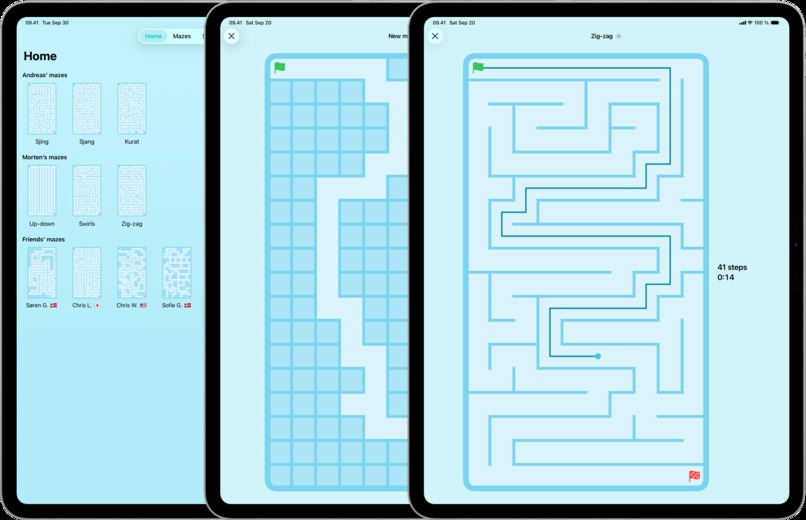
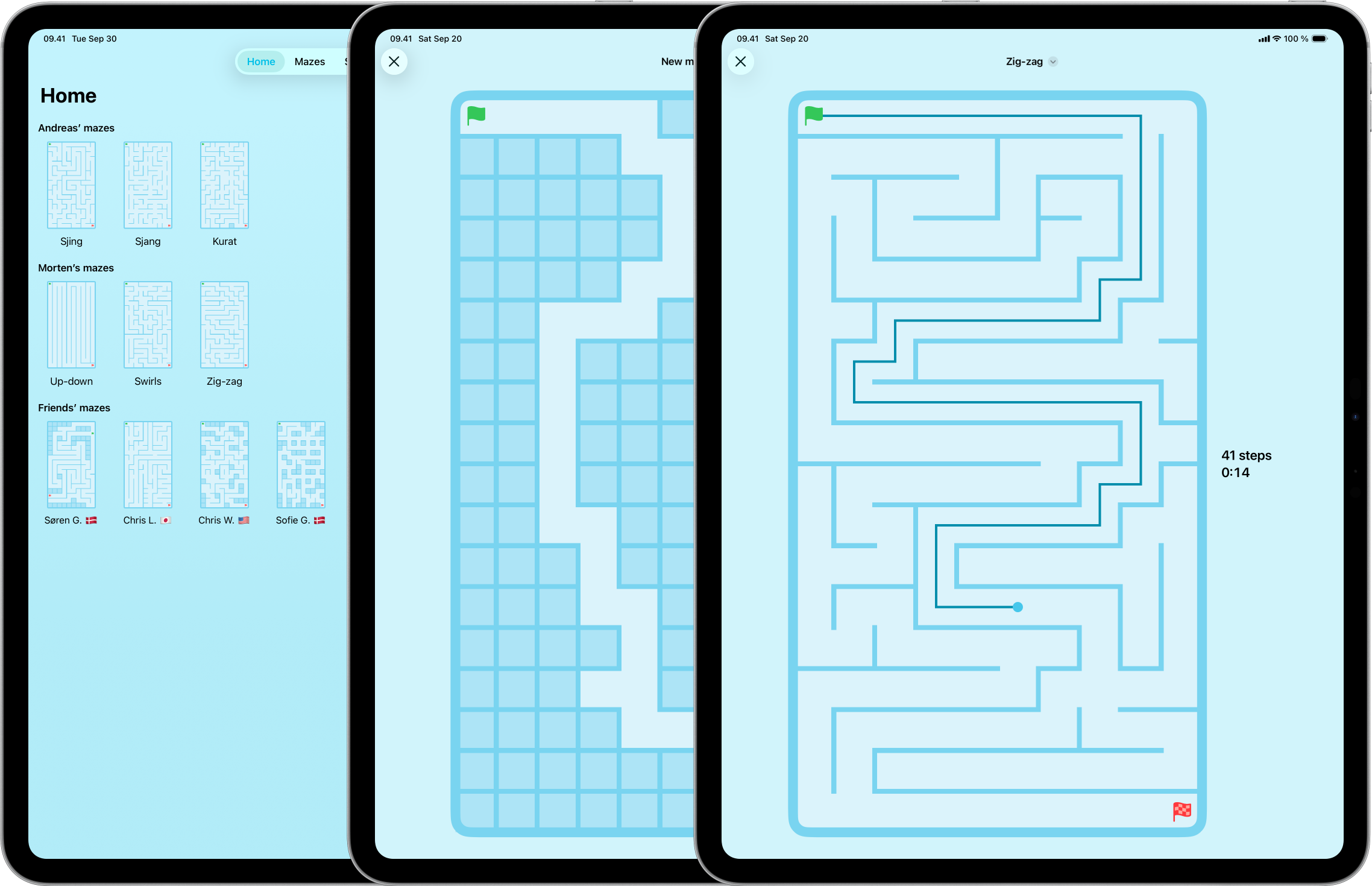
The app on iPad (light mode)
-
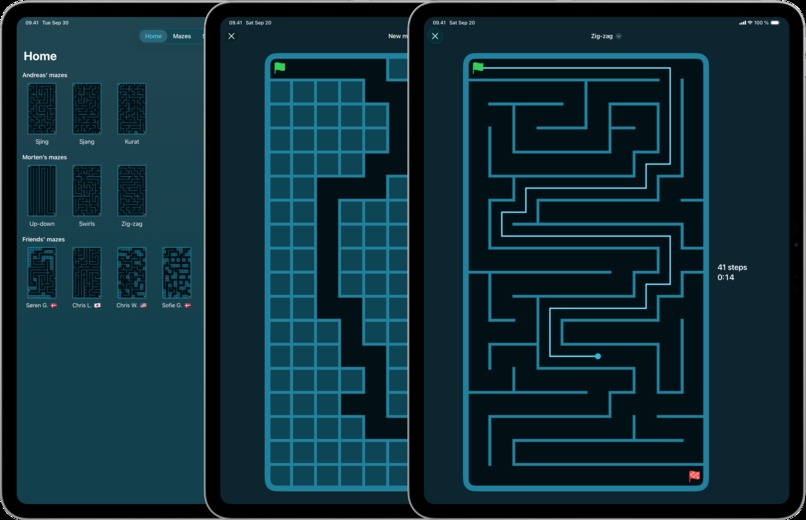
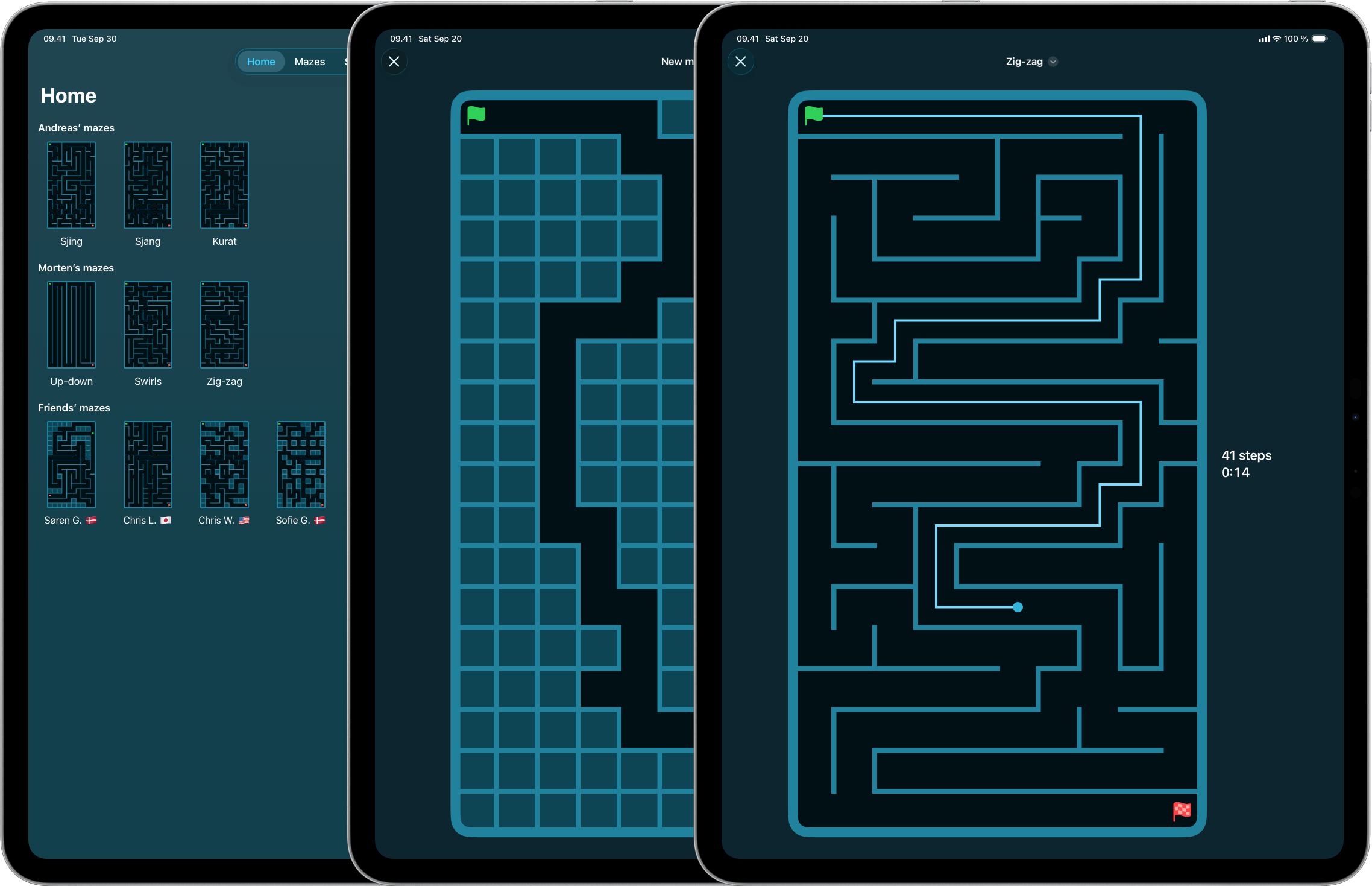
The app on iPad (dark mode)
-
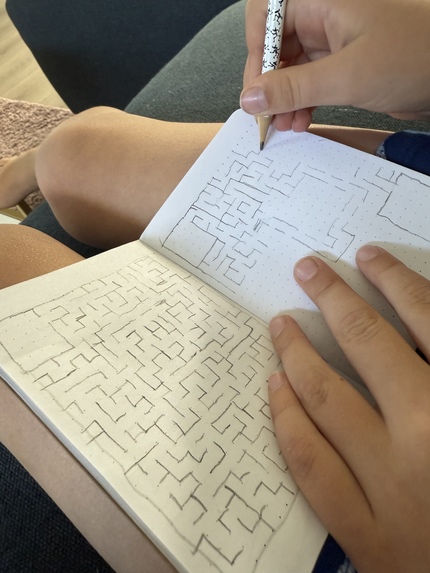
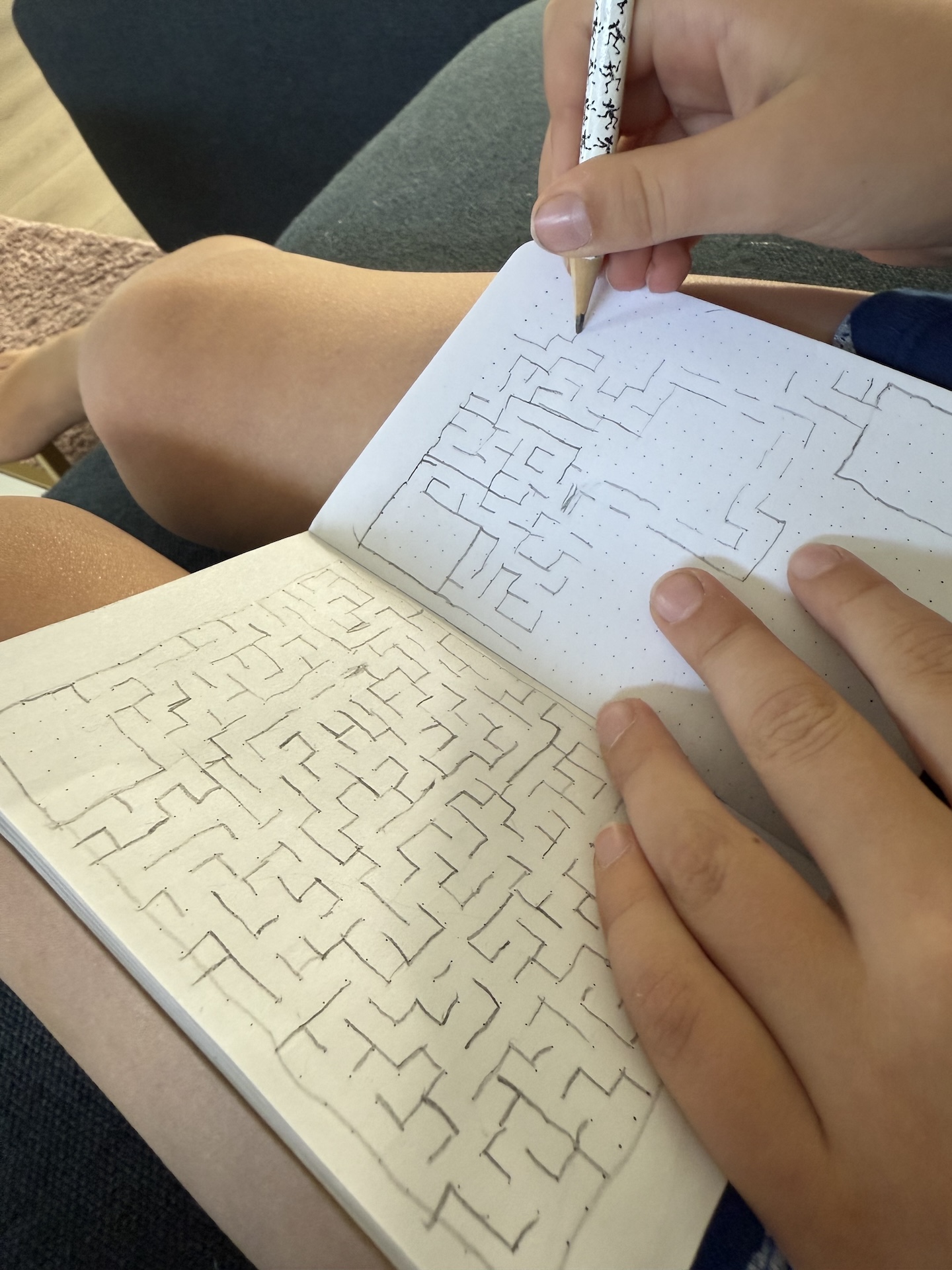
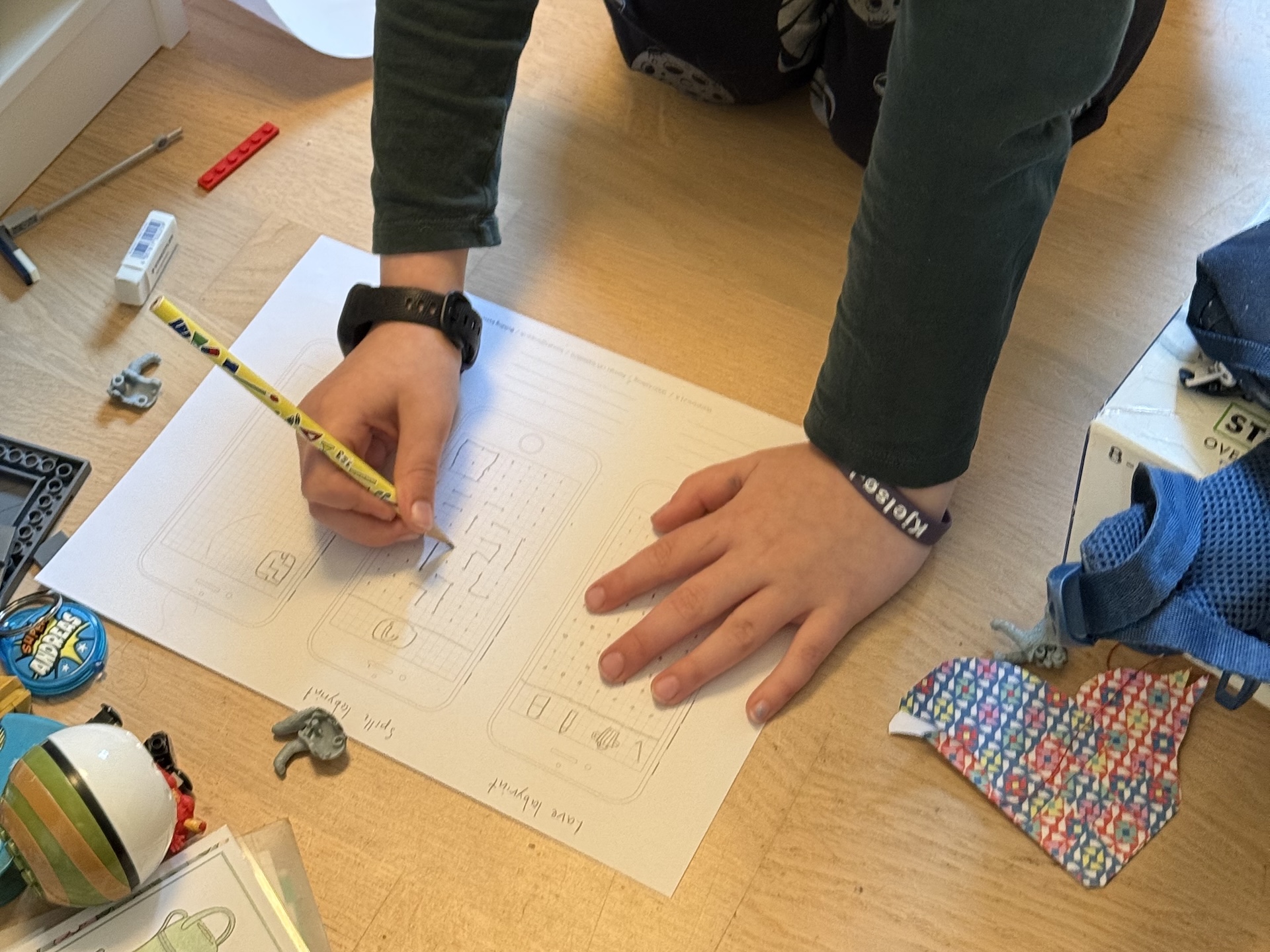
Andreas drawing mazes in the notebook
-
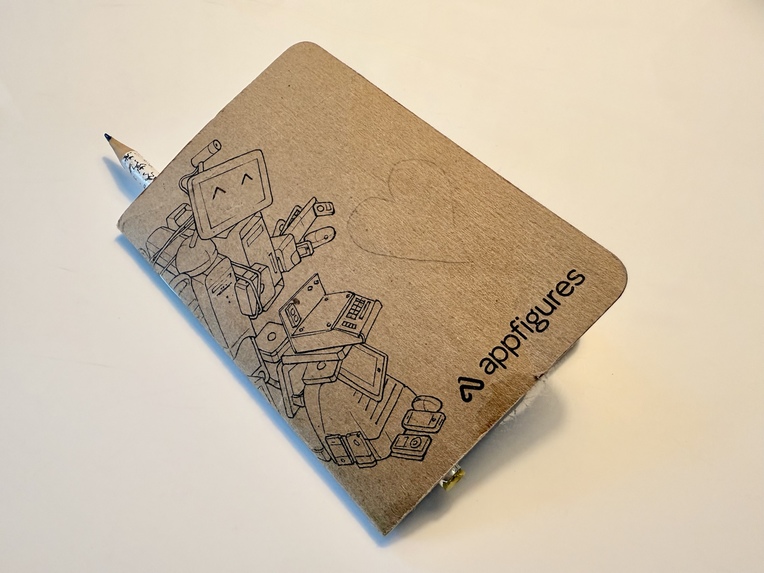
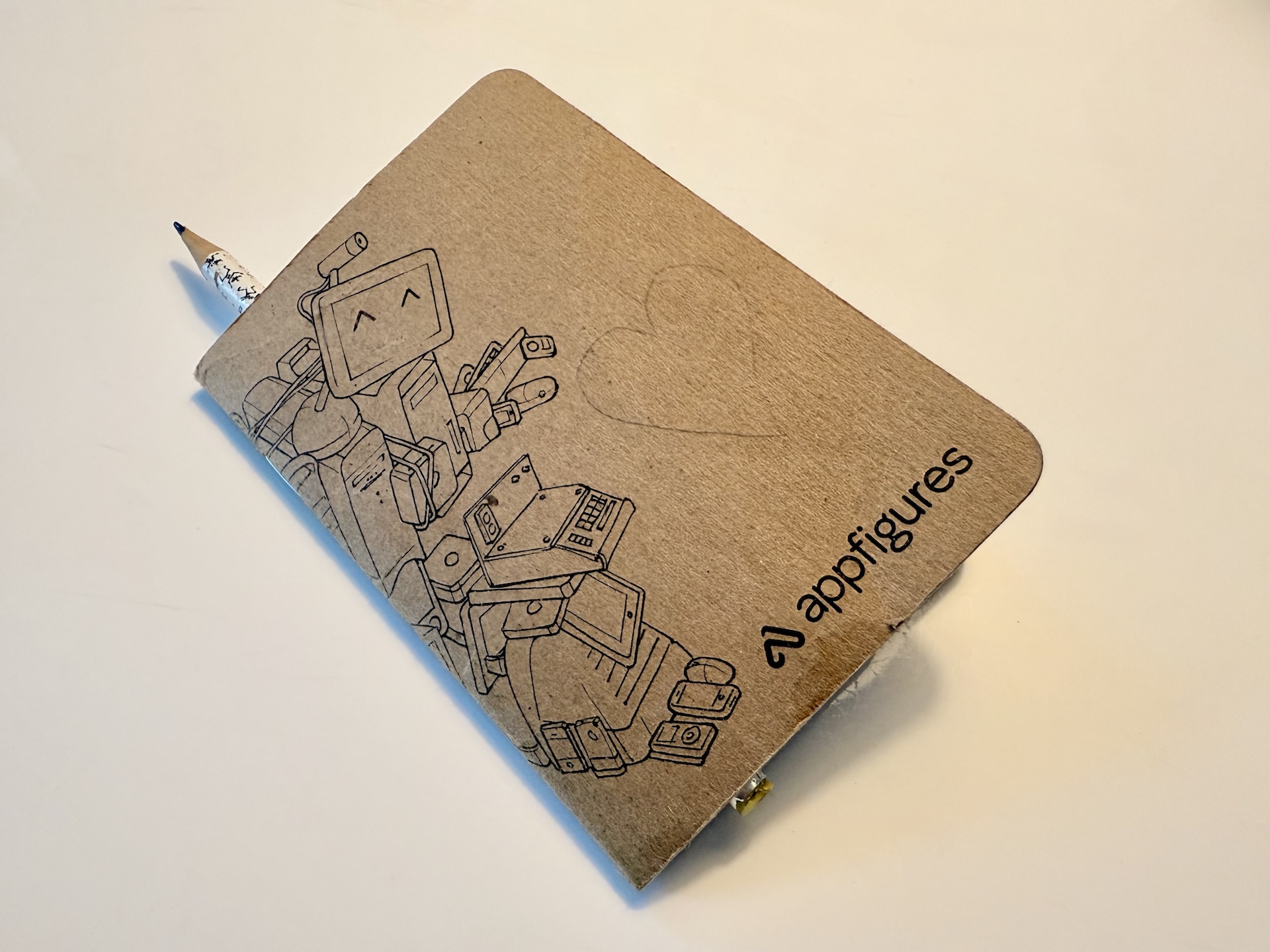
The notebook that started it all
-
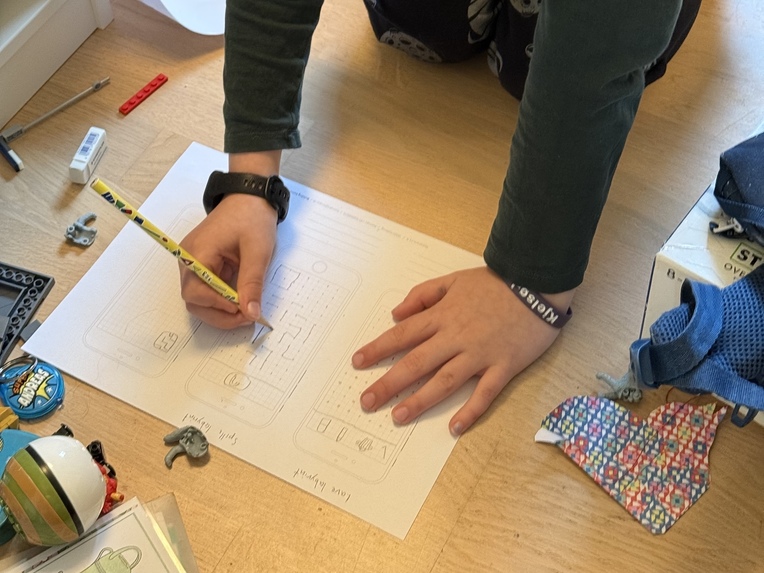
Andreas drawing UI mockups
-
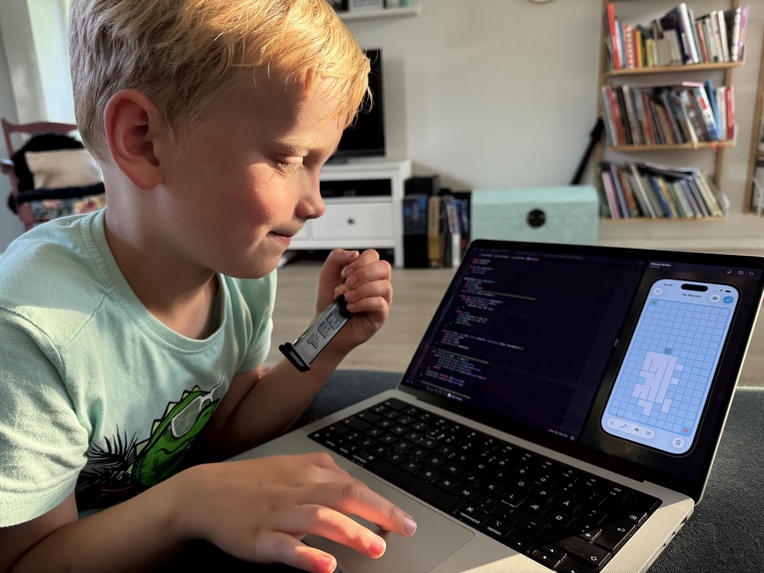
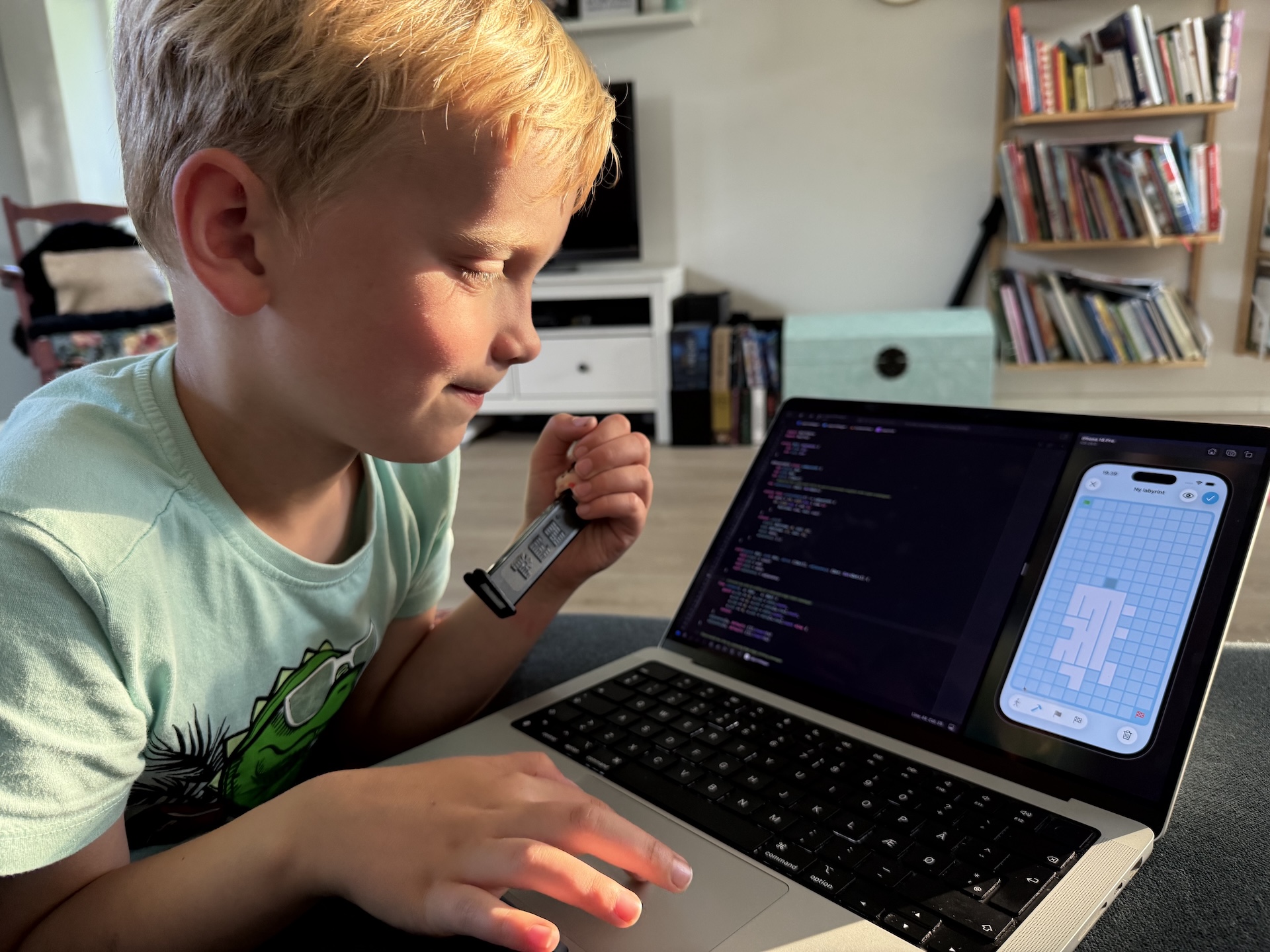
Andreas testing the app
-
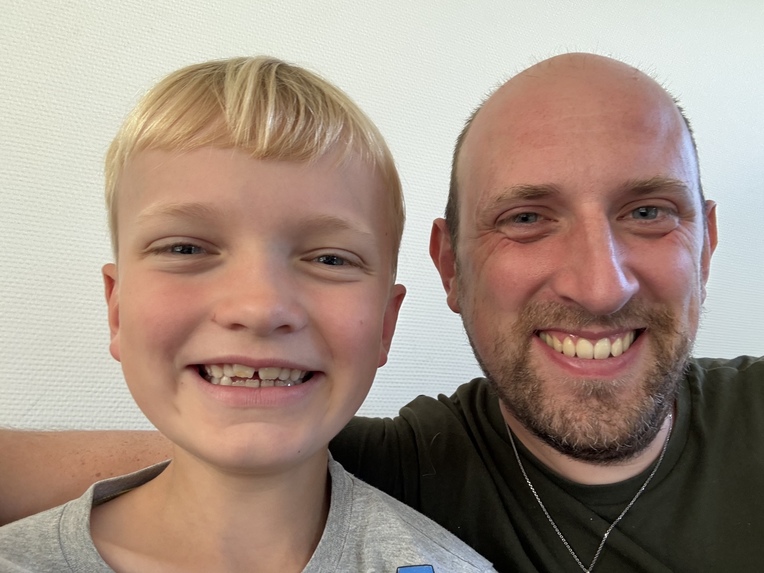
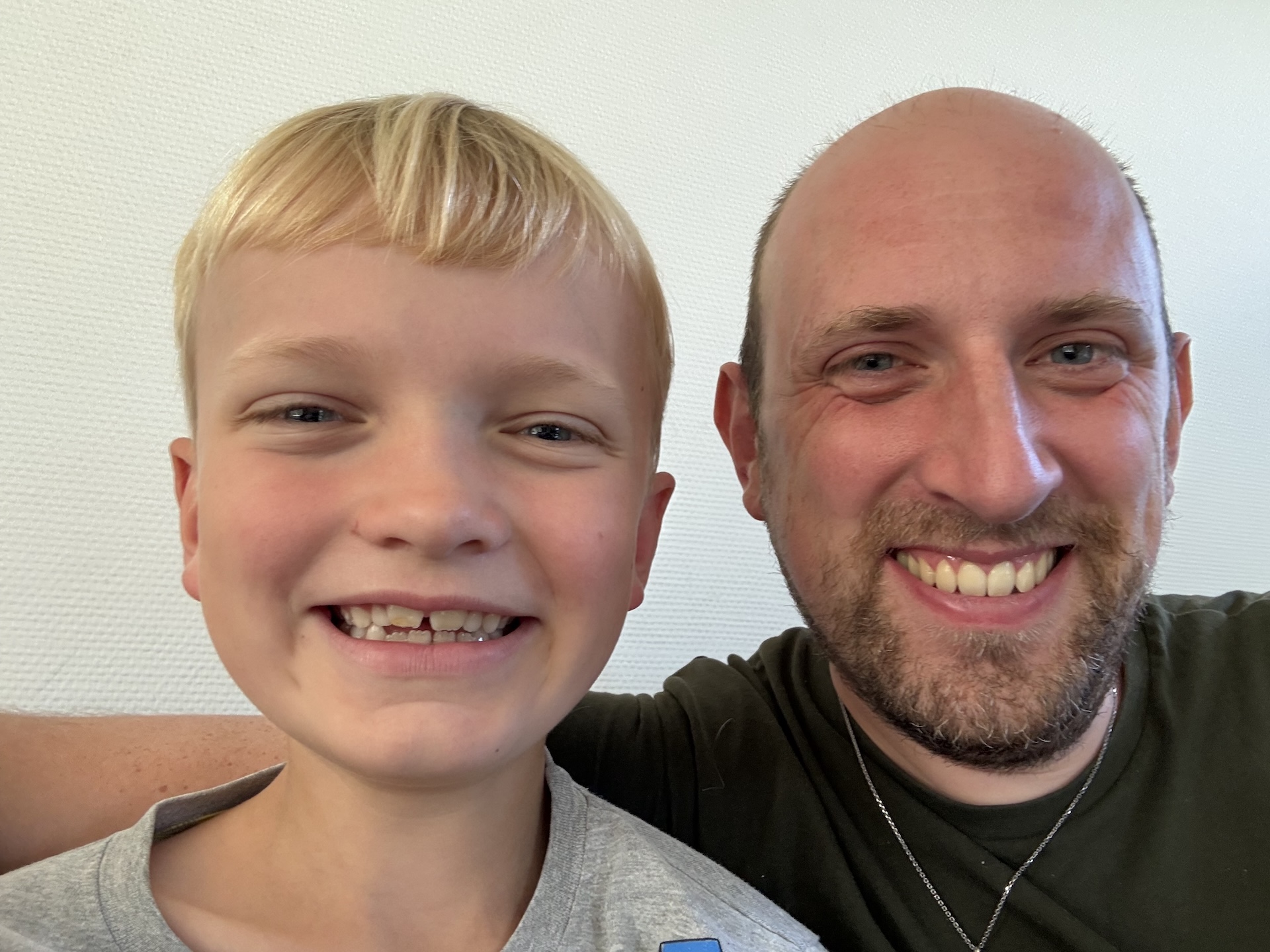
Andreas and Morten
-
App icon (light mode)
-

App icon (dark mode)
Inspiration
Miniotaur started in the most old-fashioned way: with pen and paper.
At Deep Dish Swift 2024, I got a small AppFigures dot-grid notebook as swag.
I gave it to my 7-year-old (then 6-year-old) son Andreas, and he immediately started filling it with mazes — on car rides, at home, everywhere.
That simple notebook sparked the idea of turning his drawings into a real app we could build together.
What it does
Miniotaur lets anyone create, share, and escape mazes.
- Use simple touch gestures to build your own labyrinth.
- Share it instantly with friends or family via iCloud or as an image.
- Every escape attempt records time and steps, so you can compare runs.
It’s simple enough for kids but engaging enough for adults — perfect for quick play sessions, family fun, or competitive challenges.
How we built it
The app is built in SwiftUI with CoreData handling persistence.
Mazes can be shared using CloudKit/iCloud, and data sync is automatic across devices.
We integrated RevenueCat for in-app purchases with a “choose your price” Pro tier.
I handled the coding while Andreas contributed ideas, UI mockups, homemade sound effects, and endless testing feedback.
Challenges we ran into
- Balancing simplicity and flexibility: building an editor that’s powerful enough to make interesting mazes, but still easy for a 7-year-old to use.
- Accessibility: Andreas has a color deficiency, so we designed a color-blind mode to ensure all players can clearly see paths and walls.
- Sync & sharing: making iCloud sharing seamless and reliable while keeping data lightweight.
- Hackathon timing: shipping something polished, accessible, and fun in the Shipaton timeframe.
Accomplishments that we're proud of
- Building an app that really feels like a father-and-son collaboration, with both of us leaving our mark.
- Turning Andreas’ notebook and UI mockup sketches into a working, shareable iOS app.
- Designing with accessibility in mind from day one.
- Creating something that early testers are already enjoying.
What we learned
- Kids are surprisingly great product designers — asking the right questions to keep it simple.
- Accessibility isn’t an afterthought: designing for clarity makes the whole product better.
- RevenueCat dramatically speeds up implementing flexible payment models.
- CloudKit sharing has edge cases (permissions, offline sync) that are worth tackling early.
- Hackathon constraints force you to focus on what matters most.
What's next for Miniotaur
- Expanding sharing features — e.g. customizable image sharing.
- Exploring community features like Game Center leaderboards, achivements, etc.
- Continuing to refine accessibility and polish the design.

Log in or sign up for Devpost to join the conversation.