-
-
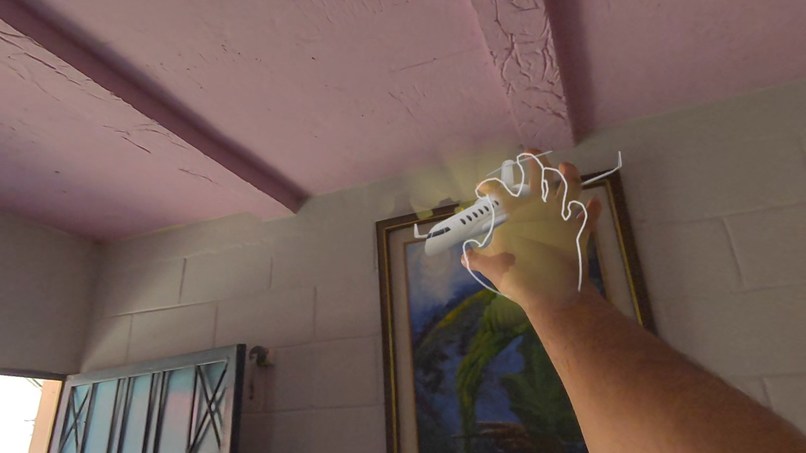
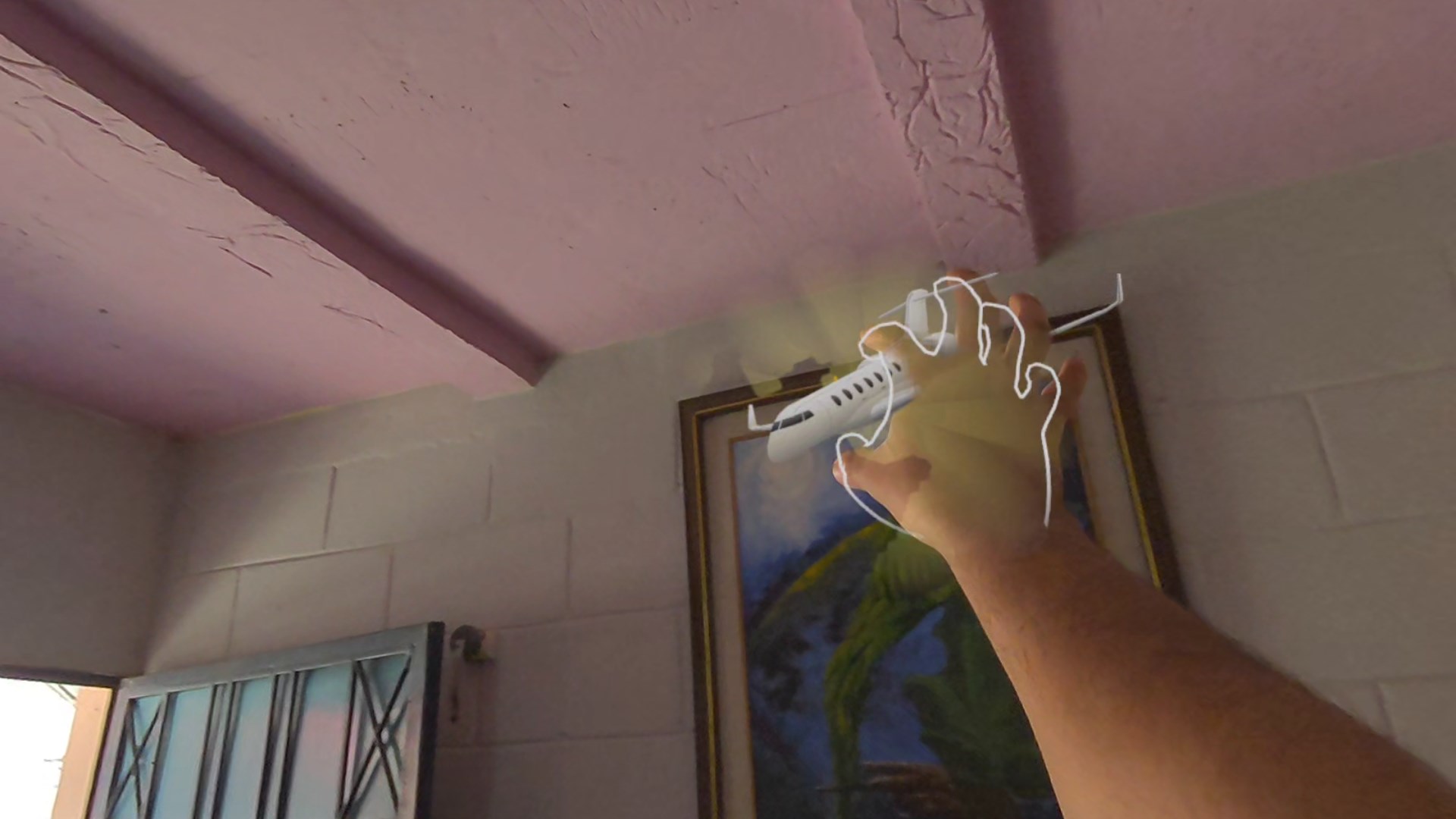
Grabbing a large jet
-
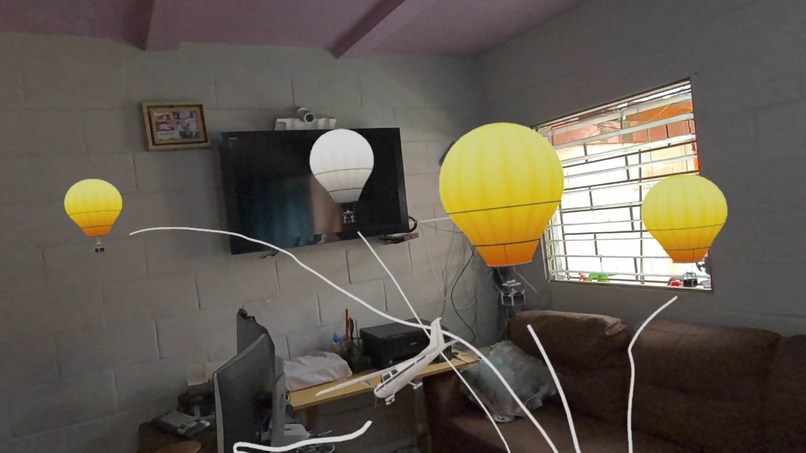
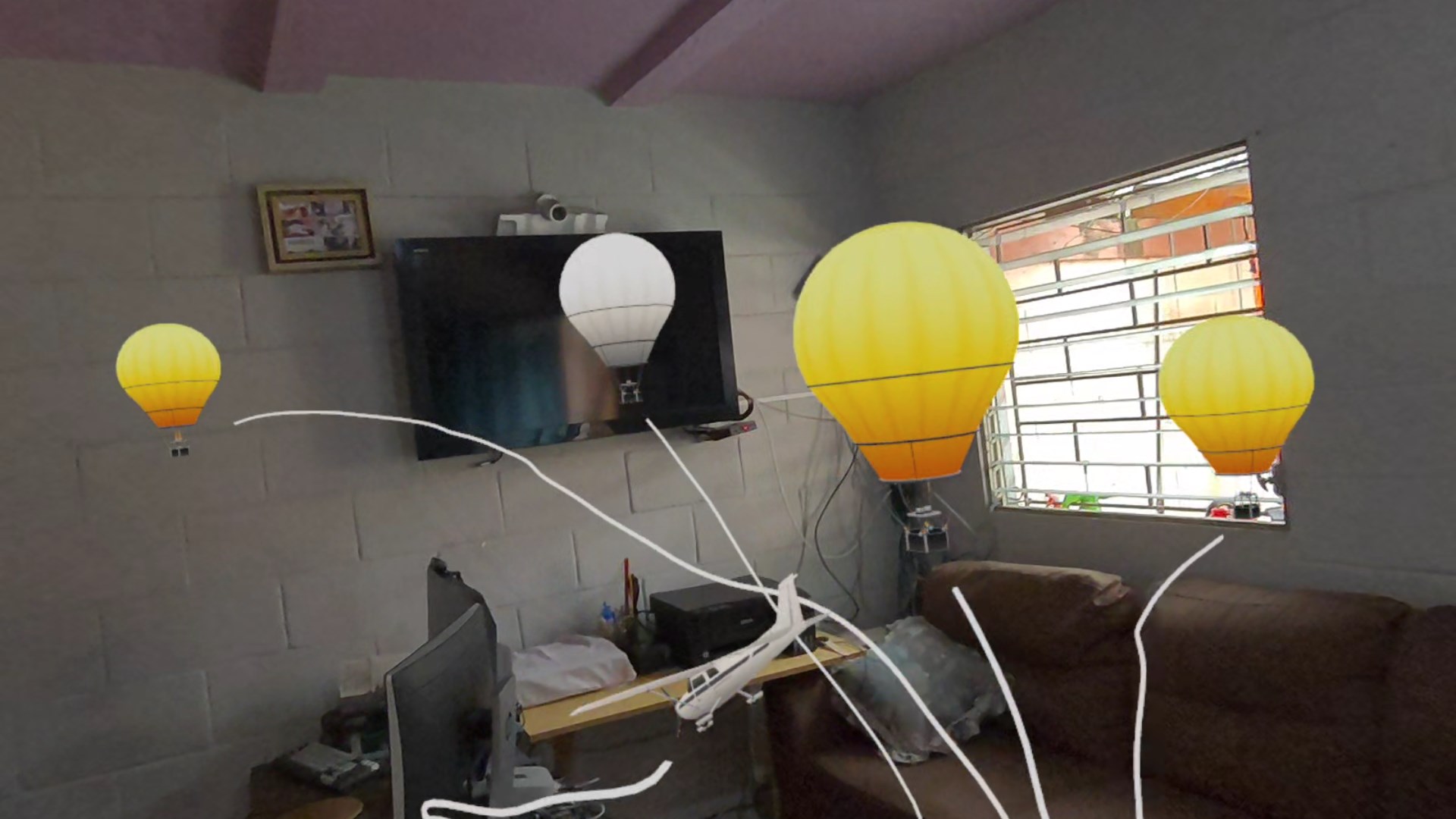
A very busy sky
-
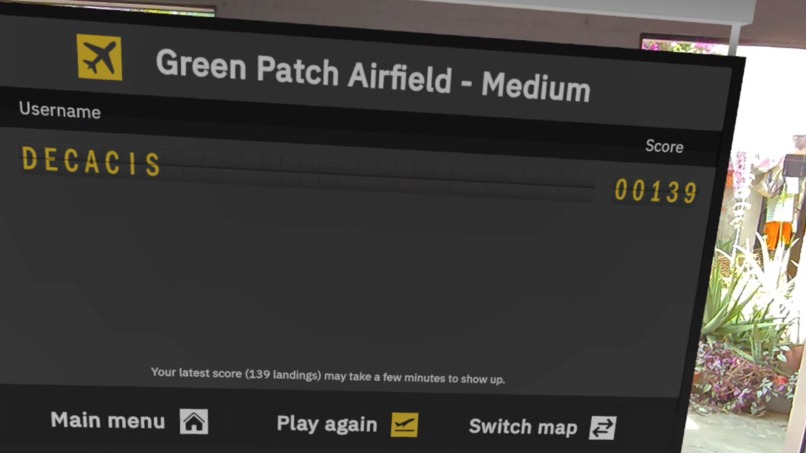
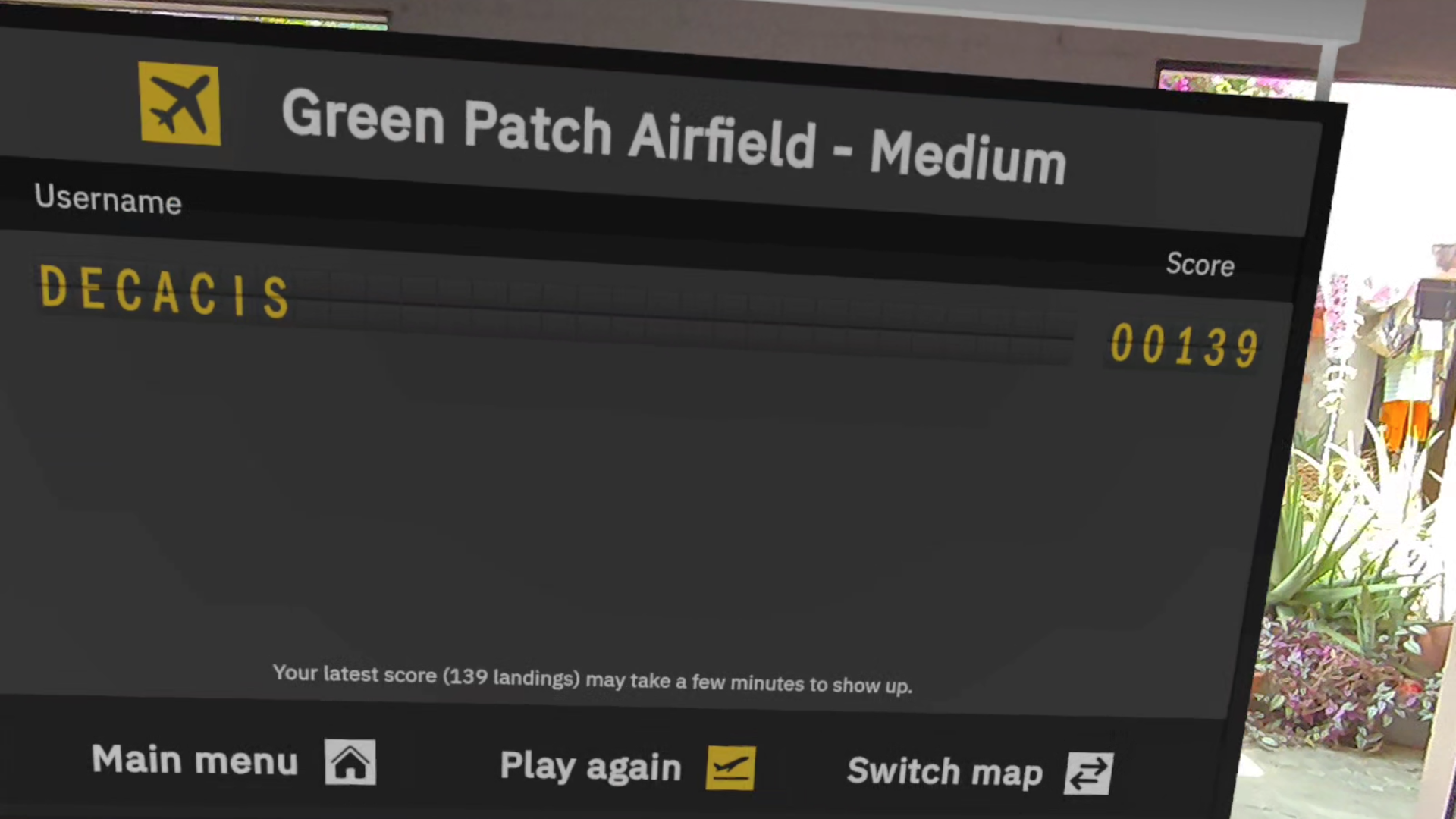
Leaderboard
-
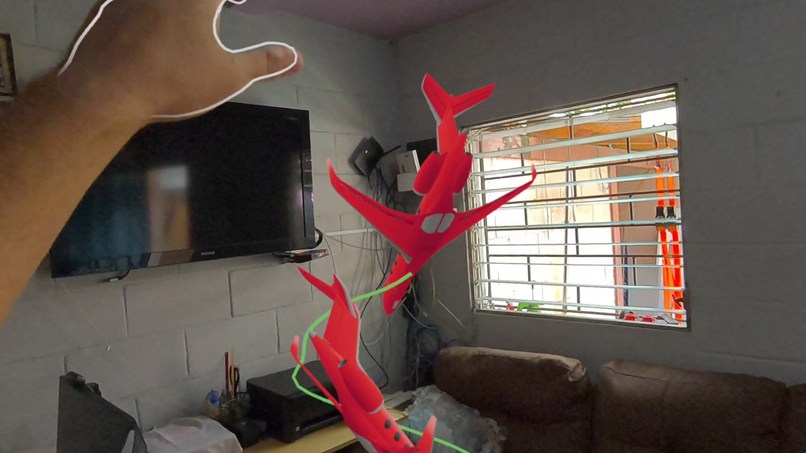
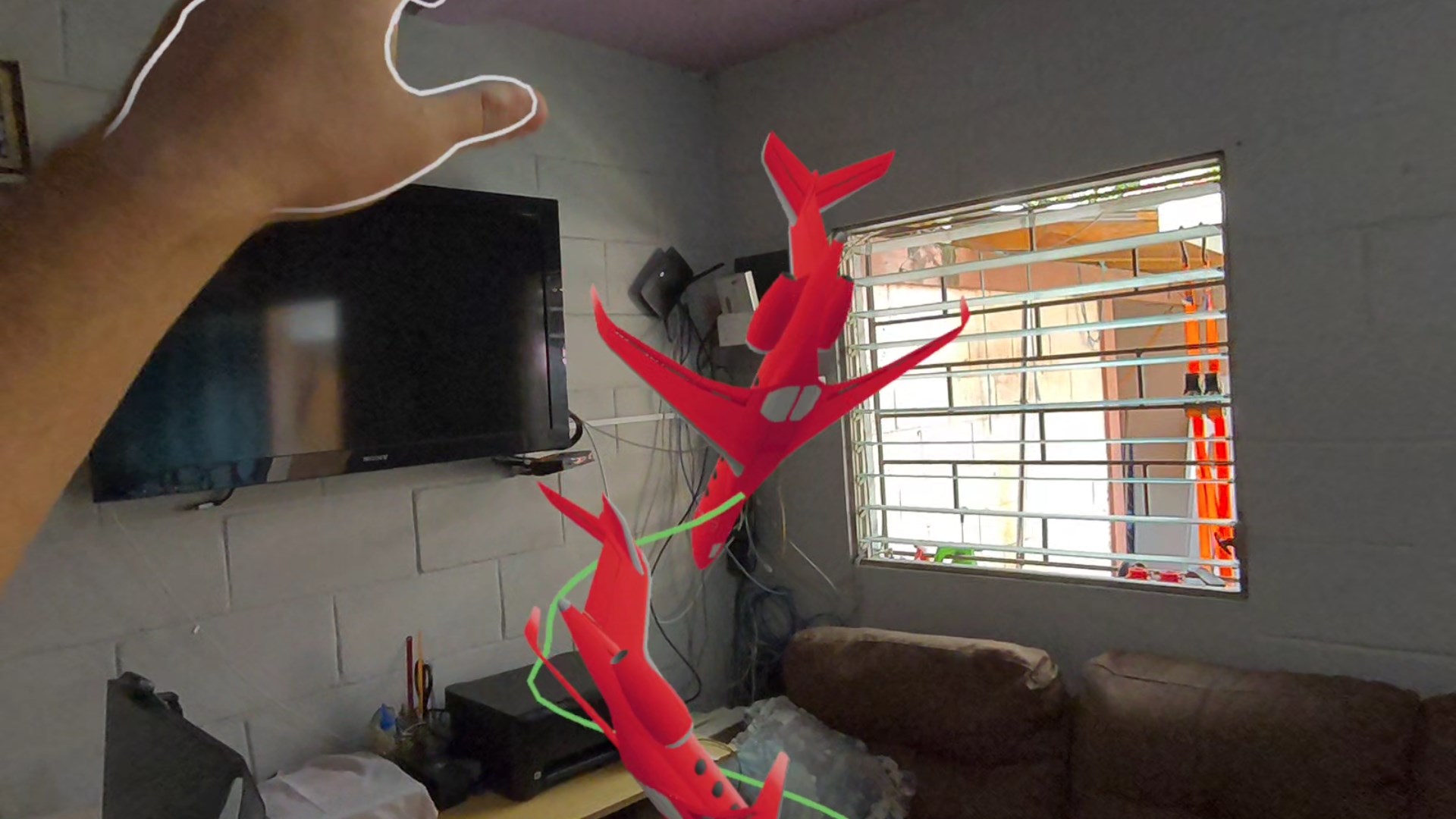
Close call
Important: Requires a Meta Quest 3 or 3S.
Inspiration
I used to play a similar game when I was younger, but it was 2D. When I was thinking of what would be the best game that would be quick, fun, and challenging if you want it to be, I landed (pun intended) on an air traffic controller type game. The concept is already proven to work, but adding that third dimension as well as the use of your hands and room makes it feel way more immersive.
The use of your room is not a gimmick. Every person knows their room, knows where windows are located, or paintings and so on. When you hear a "pop" behind you, you know exactly where the plane spawned, so you can move quickly in order to help it land.
What it does
The game uses your room to enhance the experience. Planes spawn from your windows, paintings, posters and so on, and they also collide with your walls which means that if you let an airplane loose, they could bounce around the room and hit another airplane at some point.
Hand tracking makes the game feel natural. You don't have to know what button to press; if you want to grab a plane, you just... grab it.
The use of your room makes the obstacles real. You migh have to walk around a table to get to a plane, or crouch if you have a low hanging light.
How we built it
I used Godot to build the game, using the following technologies:
- Passthrough
- Hand Tracking & Hand Mesh
- Spatial Anchors
- Depth API
- Platform SDK for leaderboards
Challenges we ran into
The greatest challenge was designing the game for as many rooms as possible. I don't know what the player will have in their room. They might not have windows, or paintings. They might want to place the virtual map higher or lower and so on, so the game has to be very flexible and adapt to the environment of the player.
Accomplishments that we're proud of
I'm proud of being able to leverage the powerful mixed reality APIs that the Meta Quest provides using Godot. The iteration time that Godot provides is great and made creating a prototype in just a few days.
Also, in terms of design, I must say the use of hand tracking really fits this game! I thought about using controllers for better precision at first, but after implementing hand tracking and seeing how well it works, dropping the controllers (and their weight) makes sense.
What we learned
I learned that designing a game for mixed reality comes with many challenges, but more importantly, many rewards. Being able to play in your room and having virtual objects react to real, physical objects is an amazing experience.
What's next for Mini Runways
I plan to keep developing the game into a full experience. More maps, more types of aircraft (like blimps!), different game modes, and many more things will make the game become a great option for having quick, casual fun, and depending on the map you play, a light workout!
Some other improvements I plan to implement are colorblind accessibility settings, as the game relies on color for some mechanics, so this is a must. Also, maybe a "mini mode" that you could play seated would be a good addition to the game and finally, replace the voice-over, since right now they are just placeholders.
Built With
- godot
- hand-tracking
- passthrough
- platform-sdk


Log in or sign up for Devpost to join the conversation.