-
-
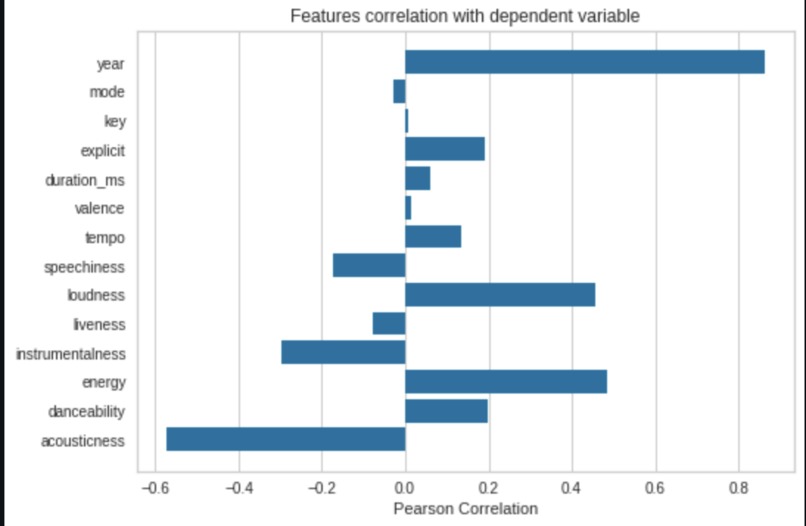
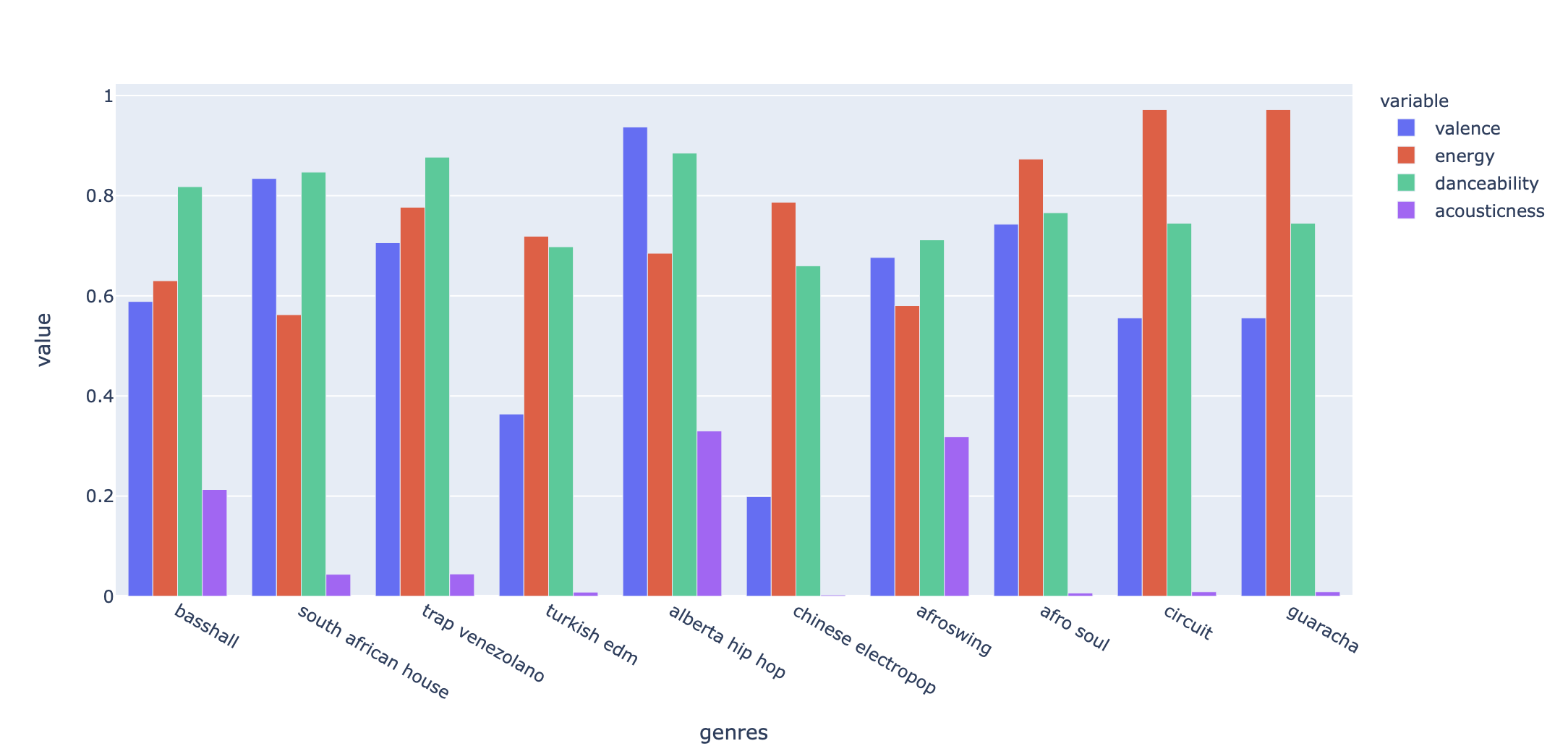
Song stats
-
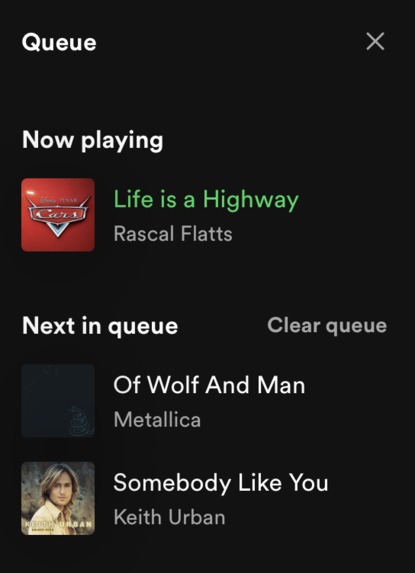
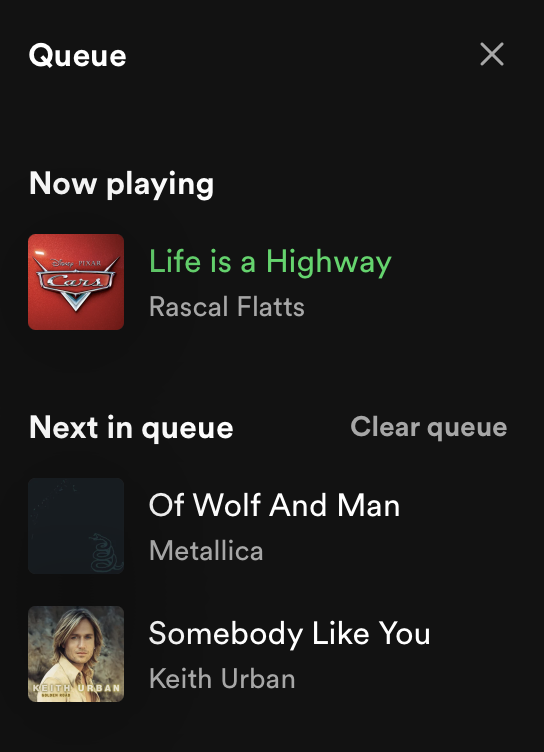
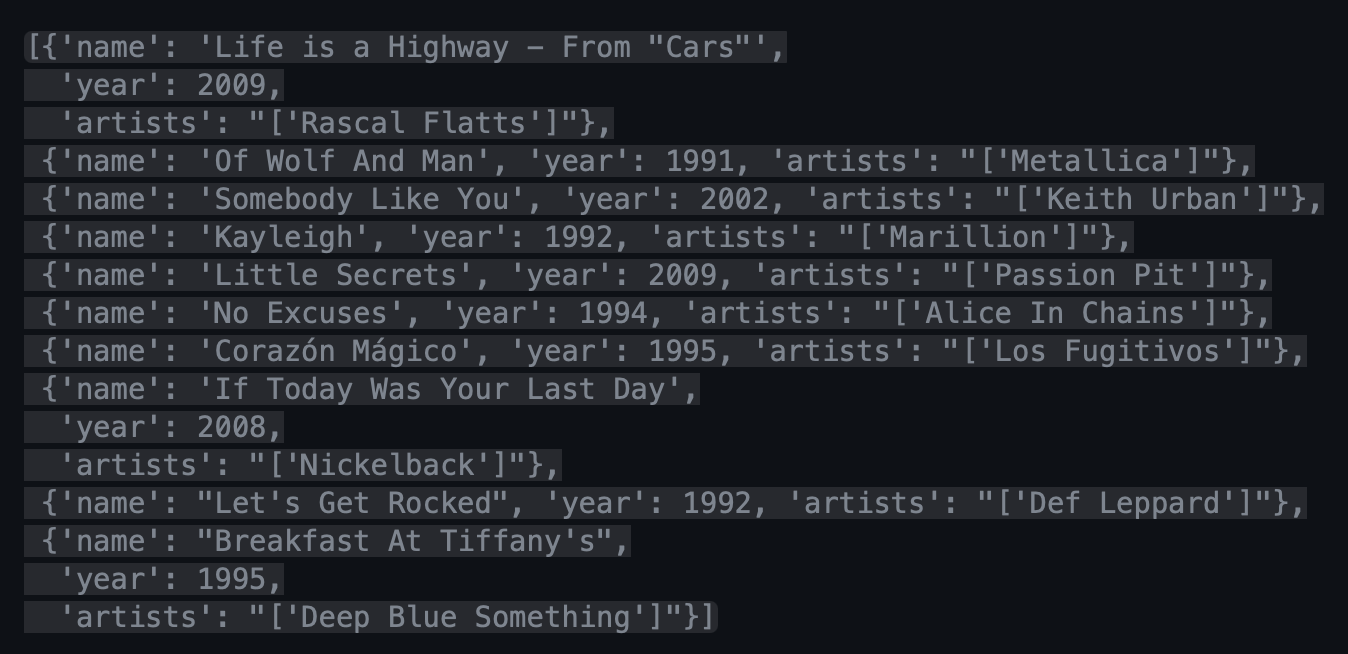
Recommended songs are queued into spotify through API calls
-
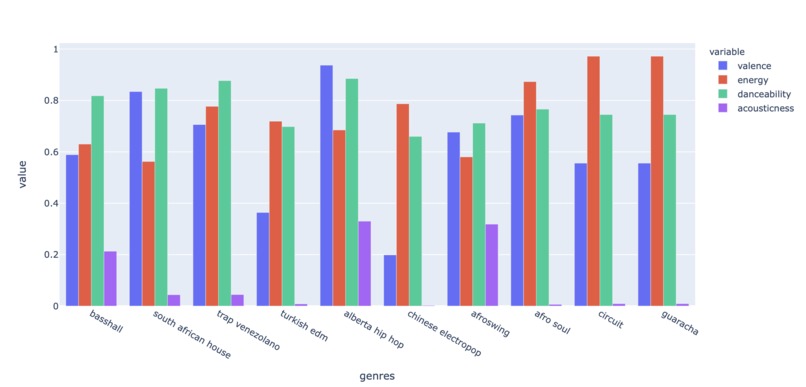
Song stats
-
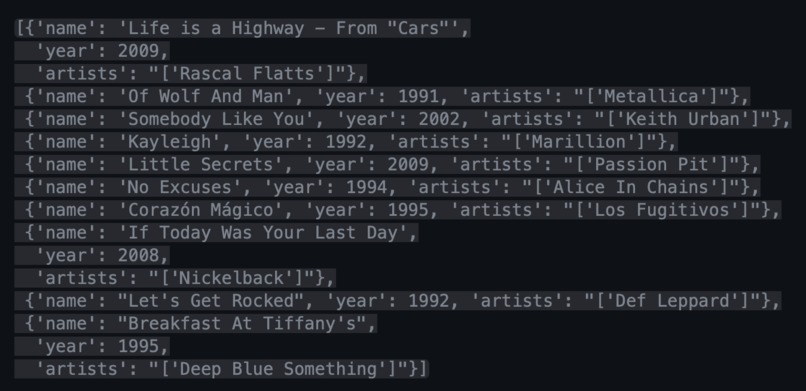
Recommendation Generation
-
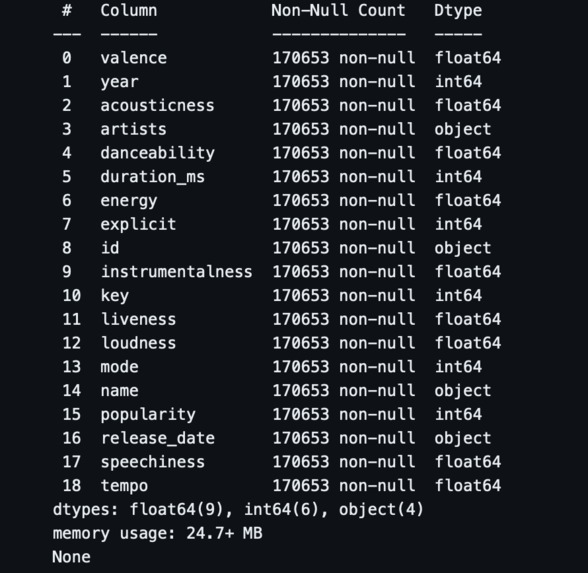
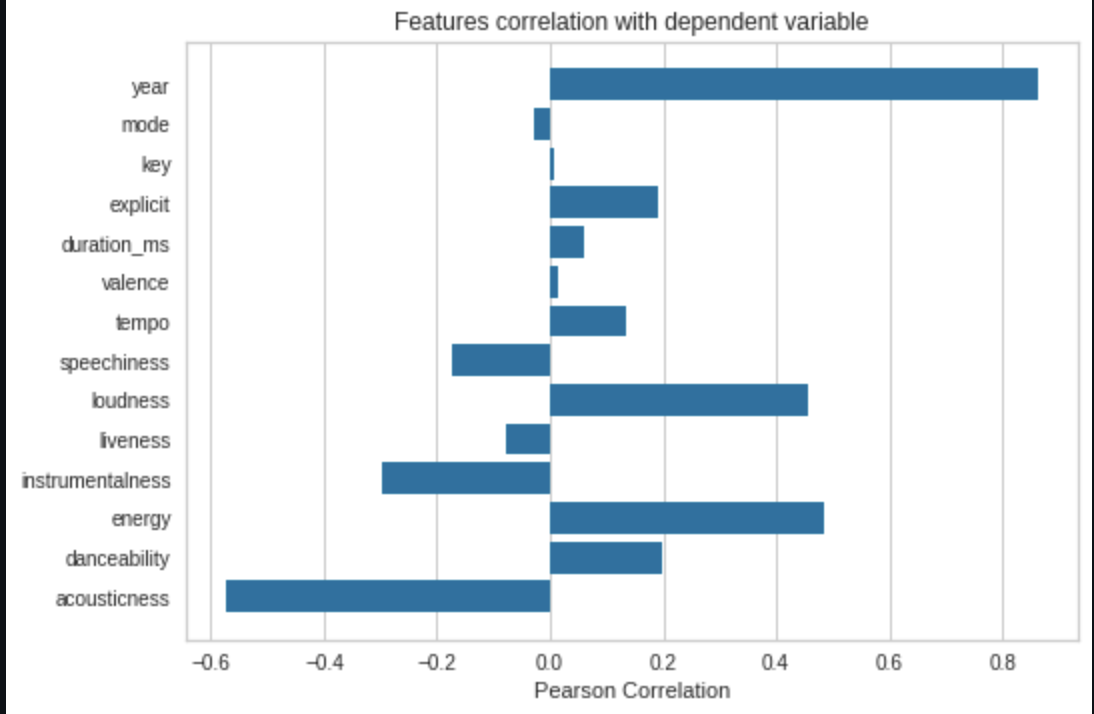
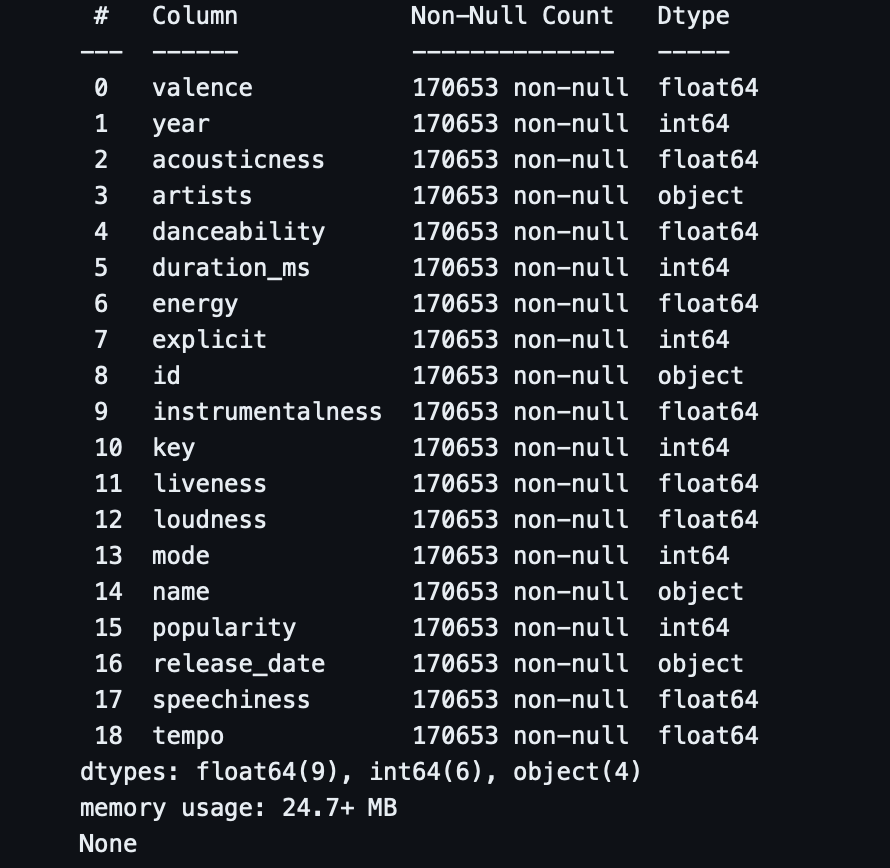
Mood of song analysis
-
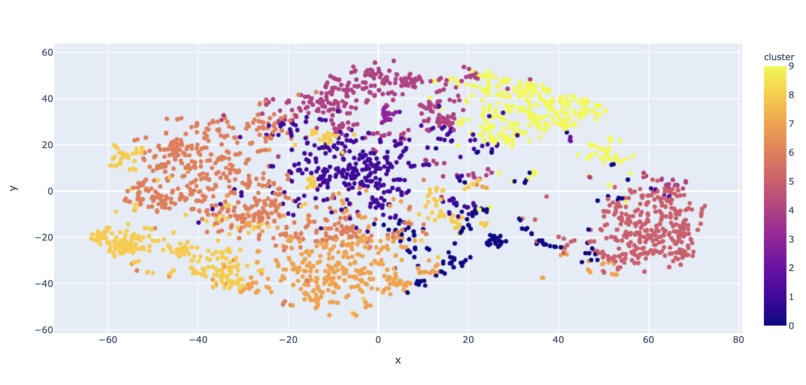
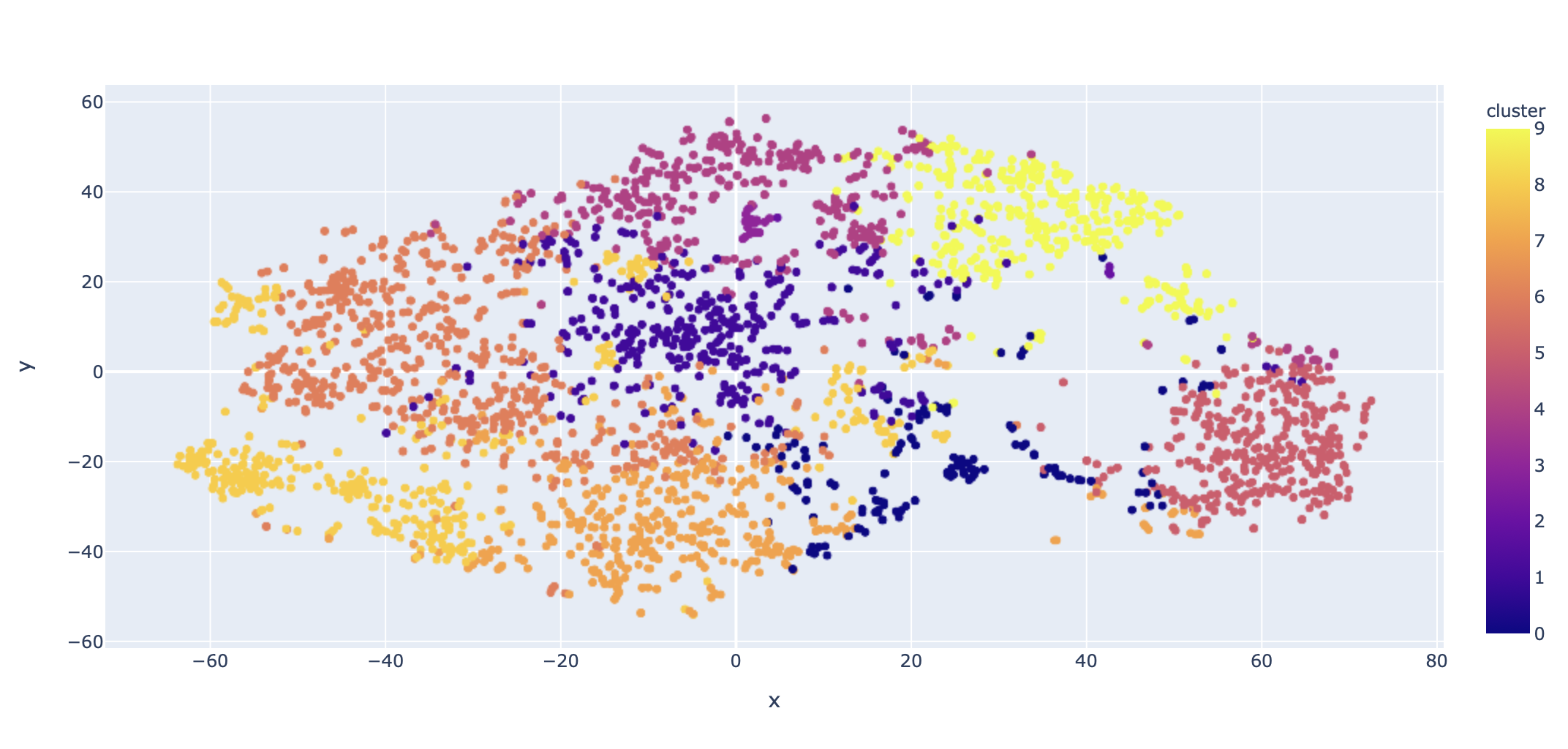
Cluster analysis based on the moods
Inspiration
In modern day as more and more teens indulge in the use of social media, they have become more susceptible to foreign influence. The negative effects of these on their mental health have shown clear signs. At the same time teens are not very open to criticism (rebellious phase) which is why instead of a direct approach we can use an indirect approach.
What it does
Here comes Minerva(i), named after the god Music and Health, it maps the mood of a user based on their instagram feed which is self regulating and recommends content only based on the user interactions (something you might experience when using social media apps i.e. "how did it know"). We use this analysis and apply it to another trend that has been shown in GenZ, that being the uptick in consumption of music. The effects of music have been known for generations, from judgement of ones personality based on their taste in music or the stimulating effect music has on the growth of plants. Based on the mood of the user we can either amplify of counter the sentiment Eg. If the the user seems to be in vigour maybe because they engage in high intensity sports the algorithm will recommend high tempo music which is known to help with performance in cardio, on the other hand if the user seems to be melancholic the algorithm will first recommend low tempo music and gradually move towards uplifting music.
How we built it
-The API works by analysing the sentiment of a users feed by gathering hashtag(#) as well as comments data followed by classifying their mood based on them. -Once the mood is determined, a dataset which has classified the sentiments of songs is used to make recommendations. -If the users mood is determined to be low, then the algorithm automatically gradually recommends more uplifting music. -These recommendations are sent over to music apps like spotify and automatically queued into the users app.
Challenges we ran into
While there have been thorough studies on the classical music, theres not enough data available on new music which is more likely to be consumed by GenZ. This makes us resort to genre based clustering instead of individual songs.
Accomplishments that we're proud of
Considering the uptick in mental health issues , as well as misdiagnosis in teens, we are proud of coming up with active solutions to minimise or altogether mitigate them.
What we learned
Going through all the documents regarding the effects of social media on individuals, it's become clear that while social media can uplift ones mood based on the interest they show it may also exacerbate their problems by amplifying their interest in melancholy. We can counter this by using the same principle with music.
What's next for Minerva(i)
The application of minerva(i) is a voluntary one, this requires one to actively opt into and give it access to the individuals account, which may not be acceptable to all. Instead if we could accommodate into the current recommendation algorithms of music apps we can expect wider adoption and better results.
Built With
- api
- gcp
- python
- vertex?ai
- vertex?ai?python?sdk


Log in or sign up for Devpost to join the conversation.