-
-
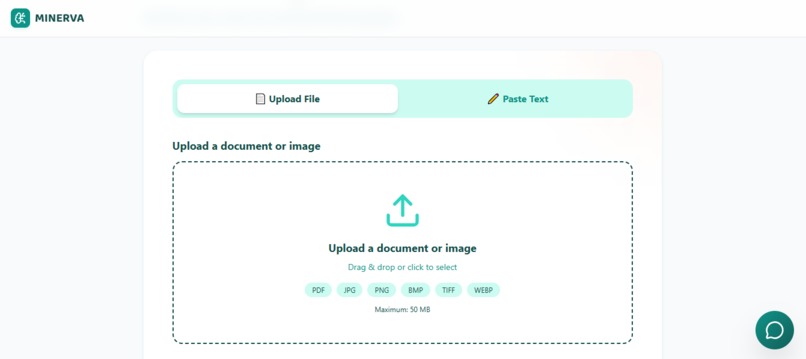
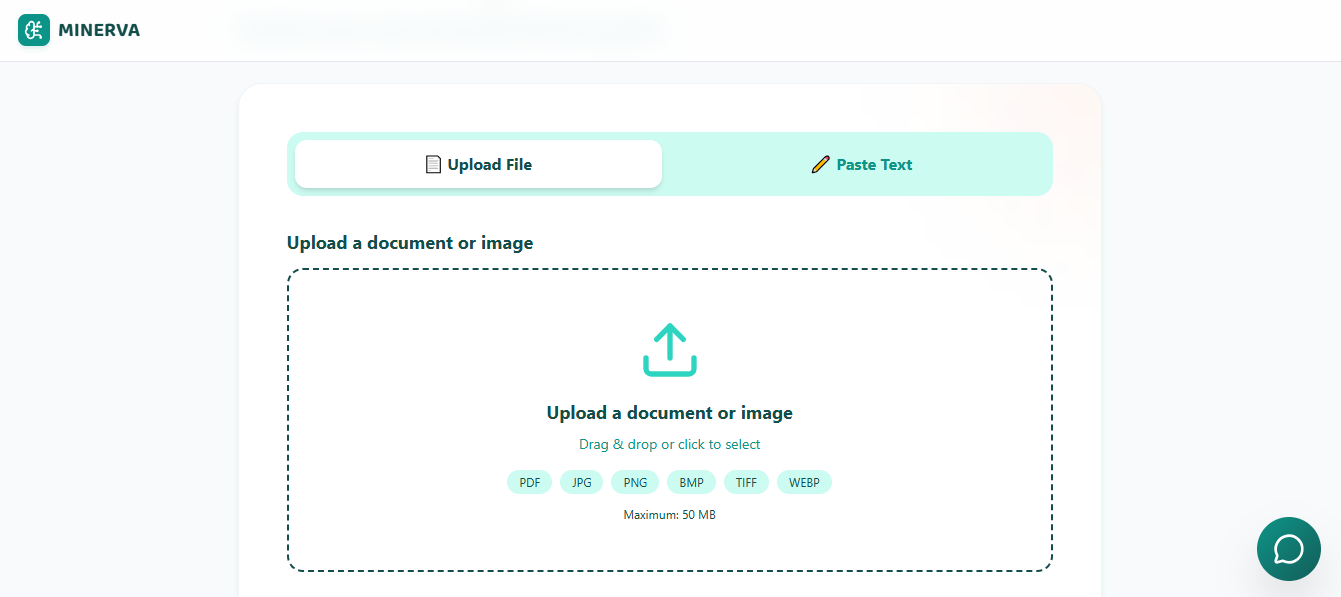
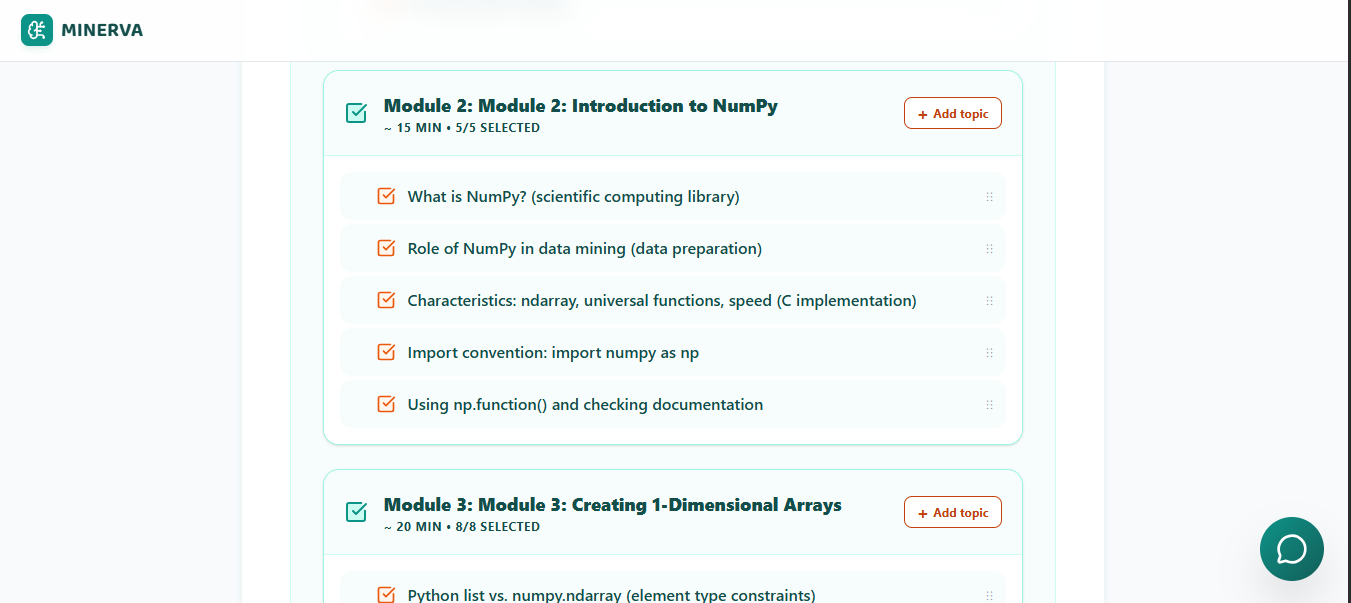
Upload Course Files
-
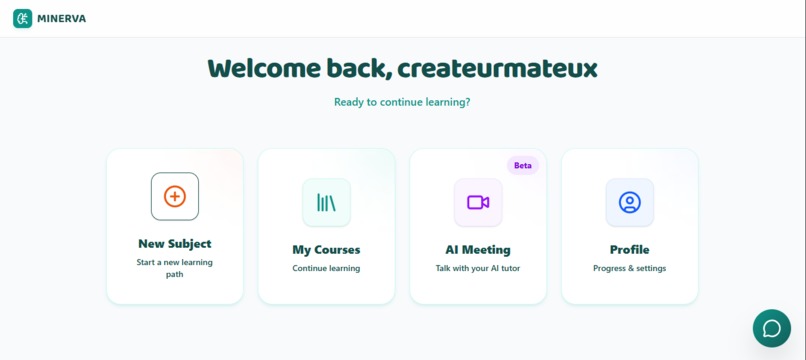
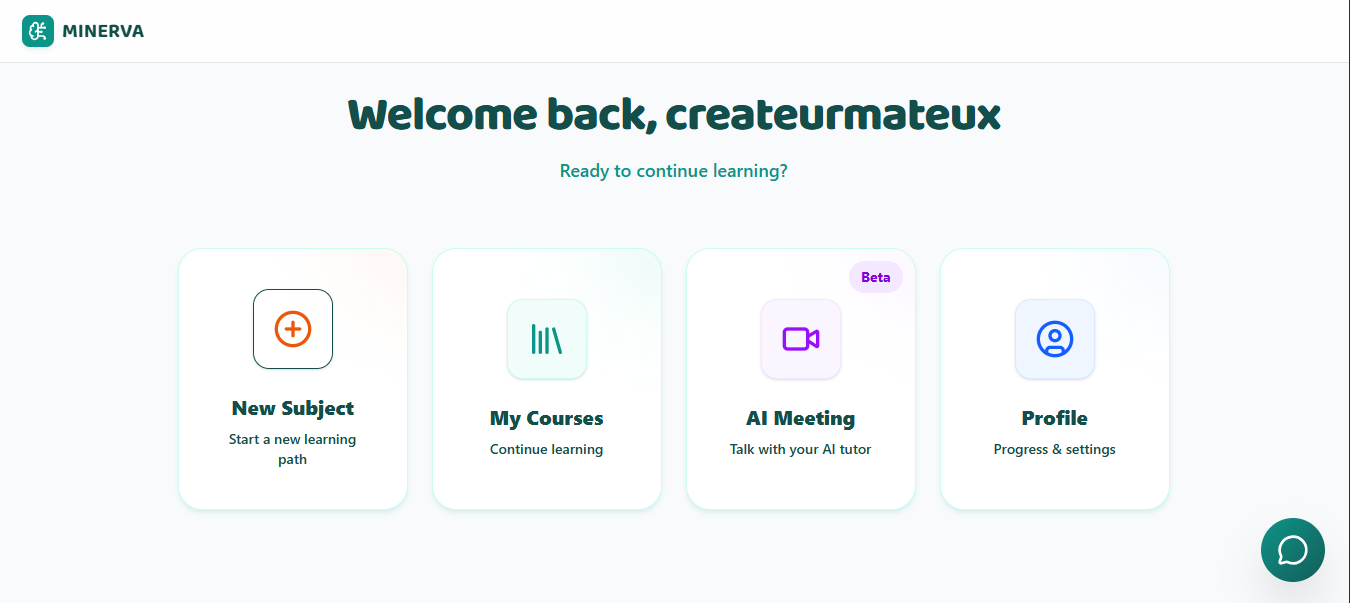
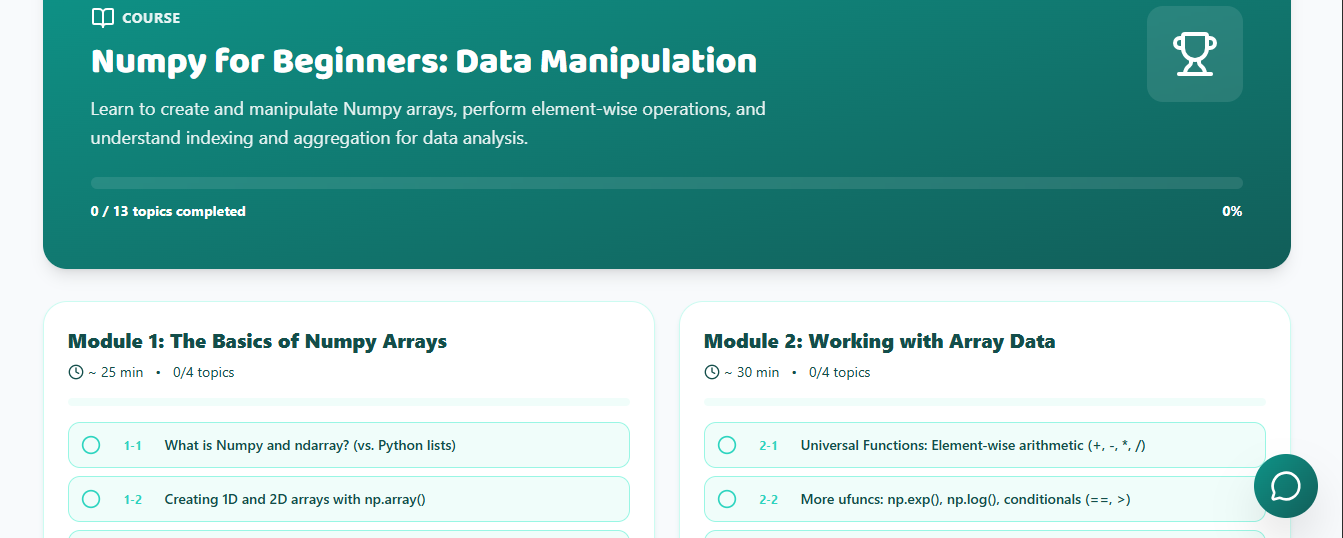
Dashboard
-
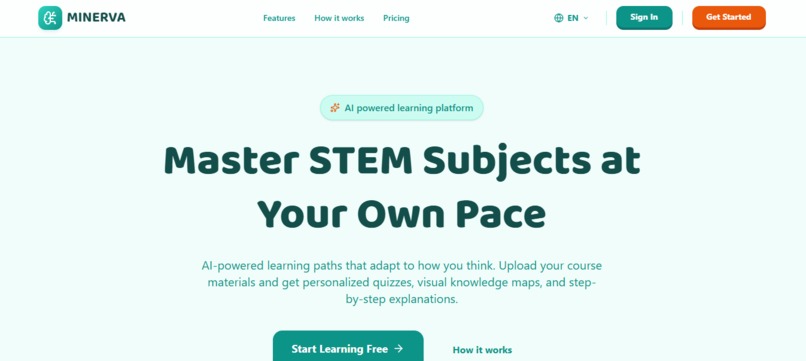
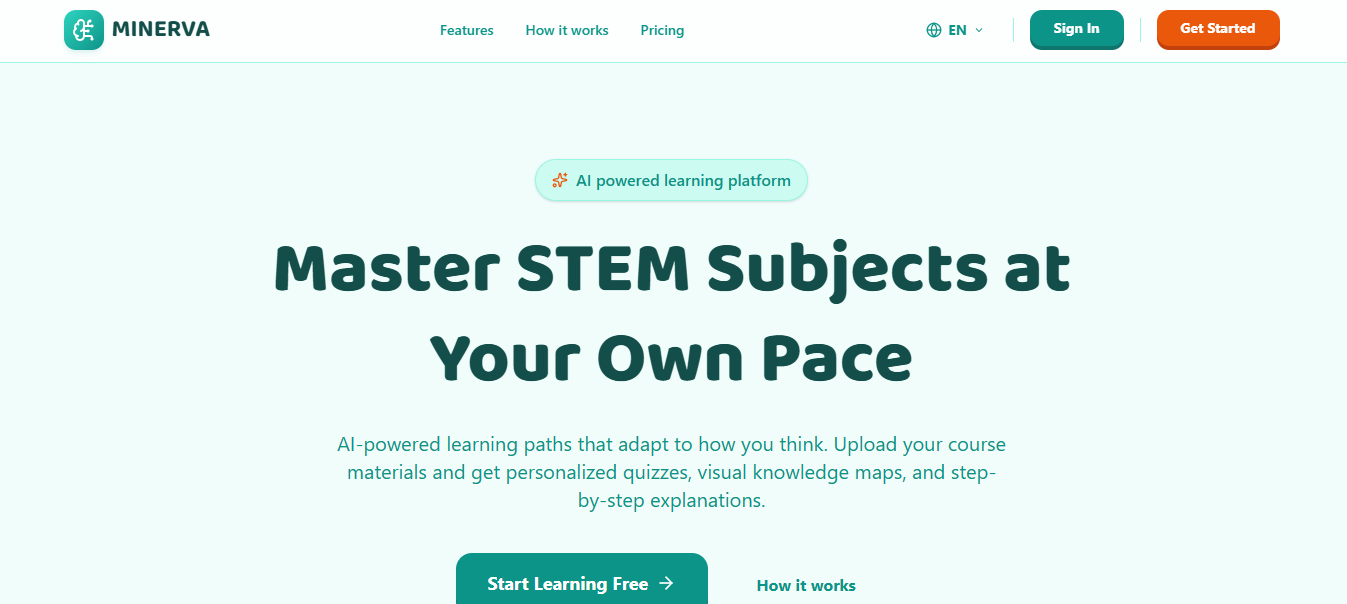
Landing page
-
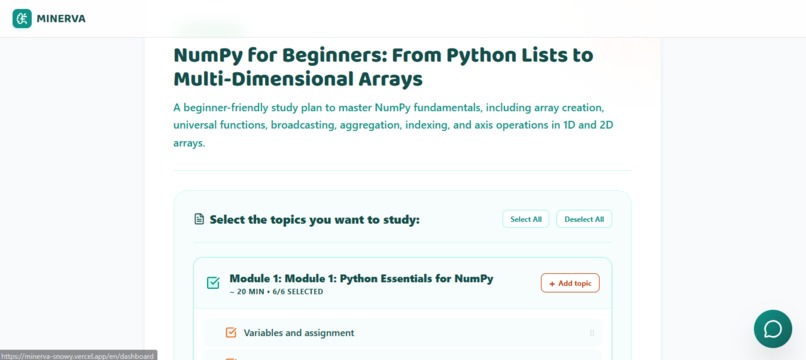
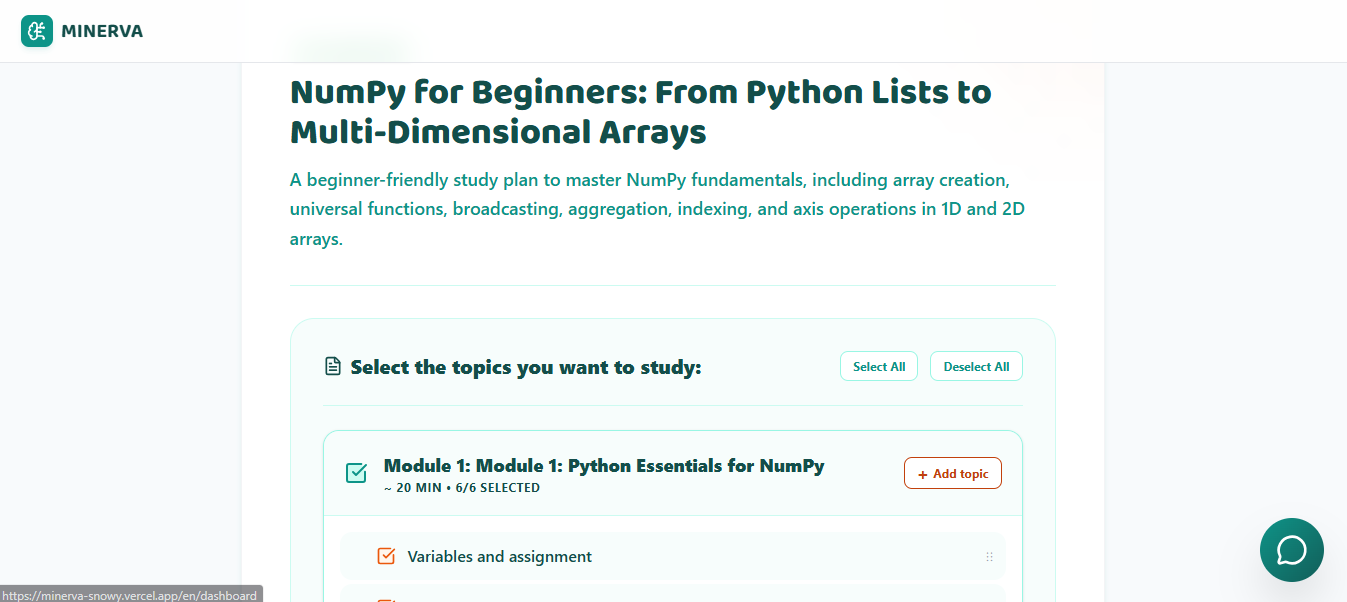
Courses explanation
-
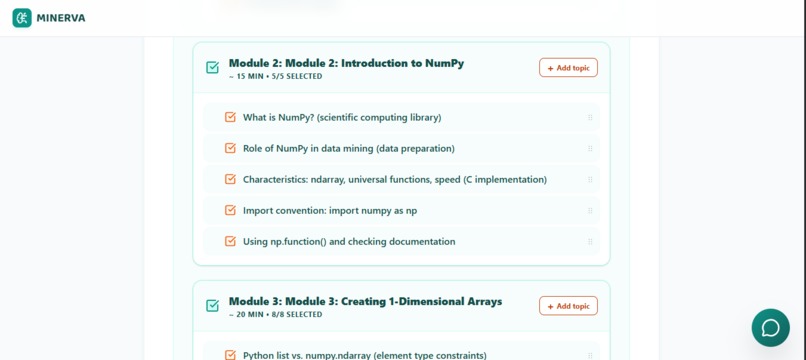
Courses explanation
-
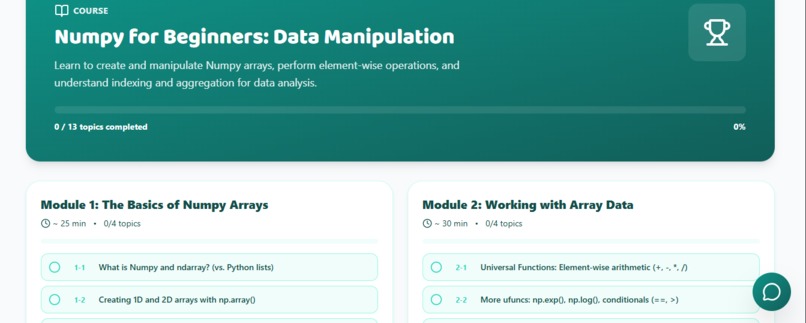
Courses explanation Dashboard
-
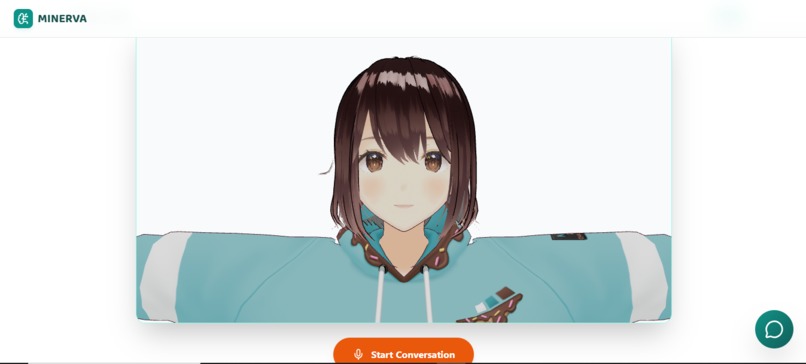
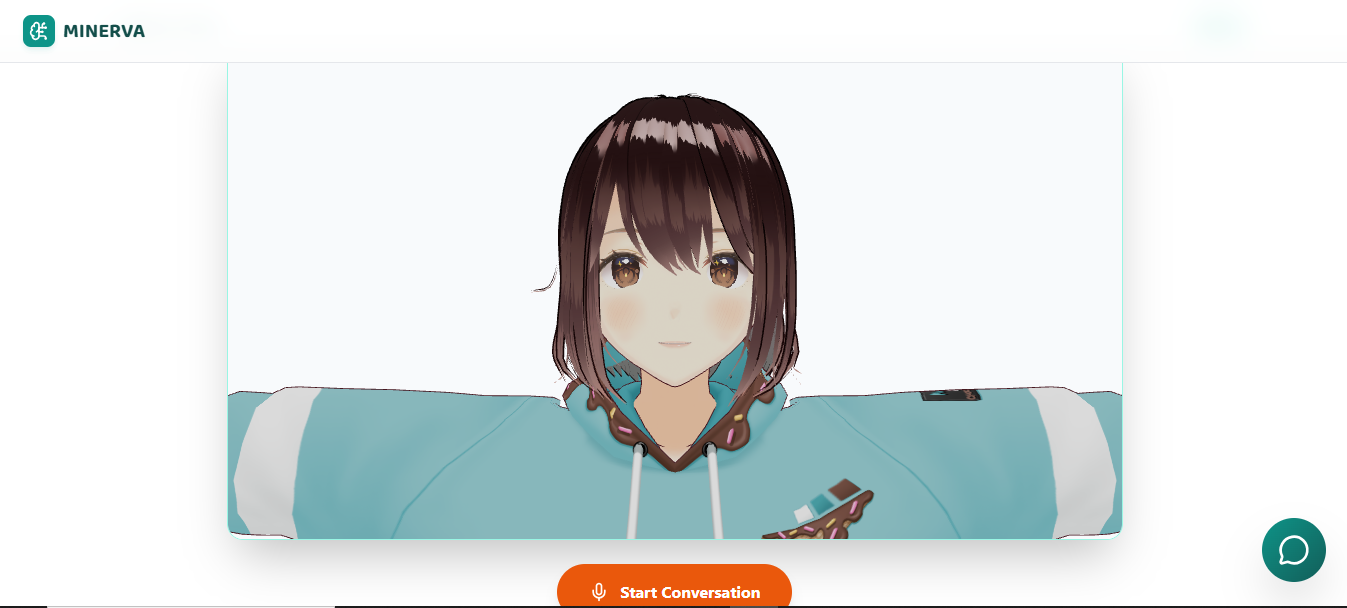
Meet With AI
-
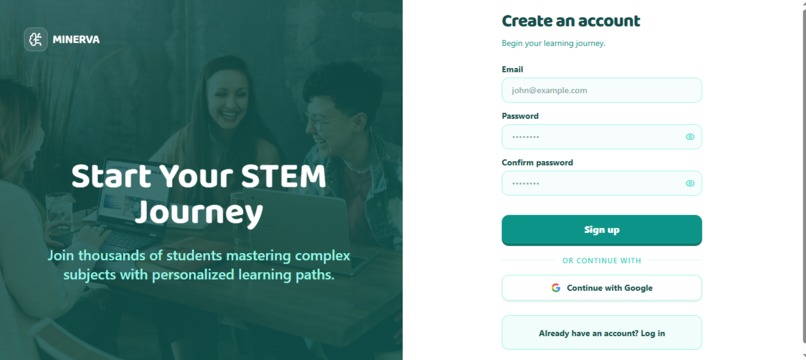
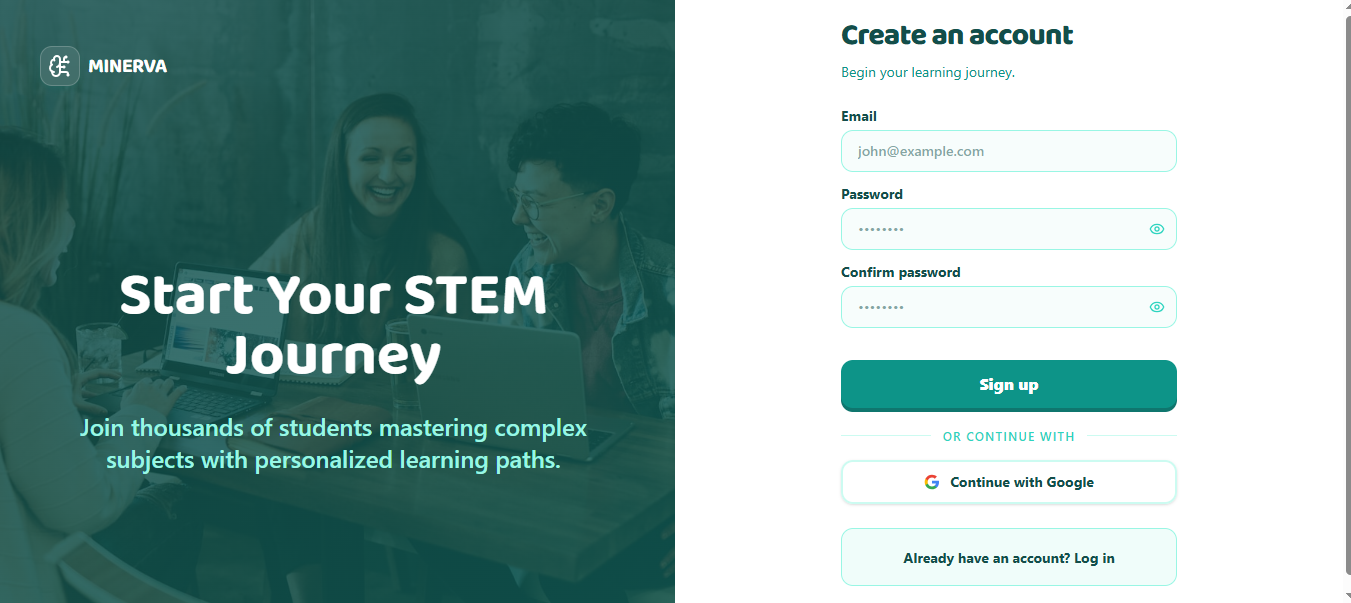
Sign in / Sign Up
Inspiration
Education inequality is a global crisis. Students in remote areas or with limited resources struggle to access quality STEM education. Traditional learning materials are static, one-size-fits-all, and fail to adapt to individual learning styles. We envisioned MINERVA as a solution that democratizes STEM education by transforming any document into a personalized, interactive learning experience powered by AI.
The name MINERVA comes from the Roman goddess of wisdom and strategic warfare—symbolizing our mission to empower students with knowledge and strategic thinking skills.
What it does
MINERVA is an AI-powered learning platform that revolutionizes STEM education through:
Intelligent Course Generation
- OCR Technology: Upload PDFs, images, or documents in any format
- AI Course Builder: Automatically generates structured learning paths with modules, topics, and summaries
- Adaptive Content: Choose between simple summaries or detailed explanations based on your level
Interactive Learning Experience
- AI-Generated Quizzes: Automatic quiz generation for each topic and module
- Progress Tracking: Real-time monitoring of completed topics and quiz scores
- Visual Knowledge Maps: See how concepts connect and build upon each other
3D Avatar Tutor (MINERVA)
- Immersive Learning: Interactive 3D avatar with realistic animations
- Lip-Sync Technology: Natural speech synchronized with facial expressions
- Emotional Intelligence: Avatar responds with appropriate expressions (happy, surprised, focused)
AI Voice Conversations
- Real-Time Voice Chat: Talk directly with MINERVA using OpenAI Realtime API
- Natural Dialogue: Ask questions, get explanations, discuss concepts naturally
- Multilingual Support: Available in English and French
Contextual Chatbot
- Course-Aware Assistant: Chatbot understands your current course context
- Instant Help: Get answers without leaving your learning flow
- Persistent History: Conversations saved across sessions
Challenges we ran into
1. Real-Time Voice Streaming
Implementing bidirectional audio streaming with OpenAI's Realtime API was complex. We had to:
- Handle WebSocket connections with proper error recovery
- Manage audio buffer synchronization between capture and playback
- Implement interrupt handling when users speak over the AI
- Optimize for mobile network conditions
Solution: Built a robust state machine with automatic reconnection and buffer management.
2. 3D Avatar Performance
Rendering a VRM avatar with real-time animations while maintaining 60fps was challenging:
- VRM model loading and parsing overhead
- Lip-sync calculations from audio amplitude
- Smooth animation blending between states
- Mobile GPU limitations
Solution: Implemented efficient animation caching, reduced polygon count, and optimized shader usage.
3. OCR Accuracy & Speed
Processing large PDFs (50MB+) with multiple languages required:
- Handling various document formats and encodings
- Balancing accuracy vs. processing time
- Managing memory for large files
- Supporting both text and image-heavy documents
Solution: Deployed PaddleOCR on Hugging Face Spaces with 5-minute timeout and progress feedback.
4. Course Generation Quality
Ensuring AI-generated courses were pedagogically sound:
- Maintaining logical topic progression
- Generating relevant, challenging quizzes
- Adapting to different education levels
- Avoiding hallucinations in technical content
Solution: Crafted detailed system prompts with educational frameworks and implemented multi-step validation.
5. Internationalization at Scale
Supporting multiple languages across 80+ UI strings:
- Managing translation keys across 14+ components
- Ensuring consistent terminology
- Handling dynamic content (user names, dates, counts)
- Mobile vs. desktop text constraints
Solution: Centralized translation system with next-intl and structured key organization.
What we learned
- WebRTC & Audio Processing: Deep dive into real-time audio streaming and Web Audio API
- 3D Graphics Programming: Mastered Three.js, VRM format, and animation systems
- AI Prompt Engineering: Learned to craft effective prompts for educational content generation
- Supabase Advanced Features: Implemented complex RLS policies and real-time subscriptions
- Next.js 16 Best Practices: Leveraged Server Components, Server Actions, and Turbopack
- User-Centered Design: Importance of testing on real devices and gathering user feedback
MINERVA isn't just a hackathon project—it's the future of accessible, personalized STEM education.
Built With
- deepseek
- next.js
- openaid
- paddleocr
- postgresql
- supabase
- tailwind
- three.js
- typescript
- vercel

Log in or sign up for Devpost to join the conversation.