-
-
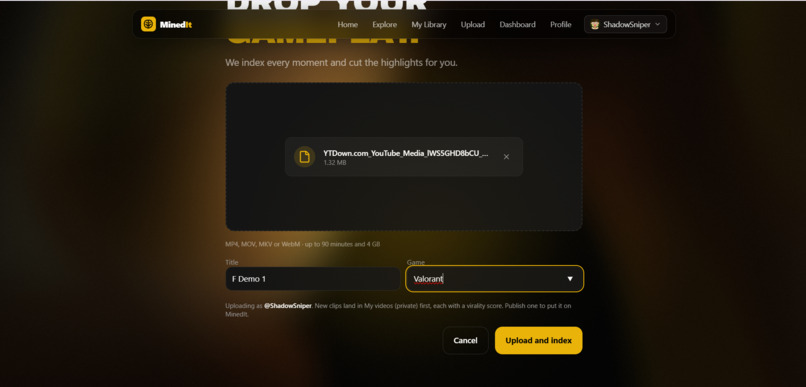
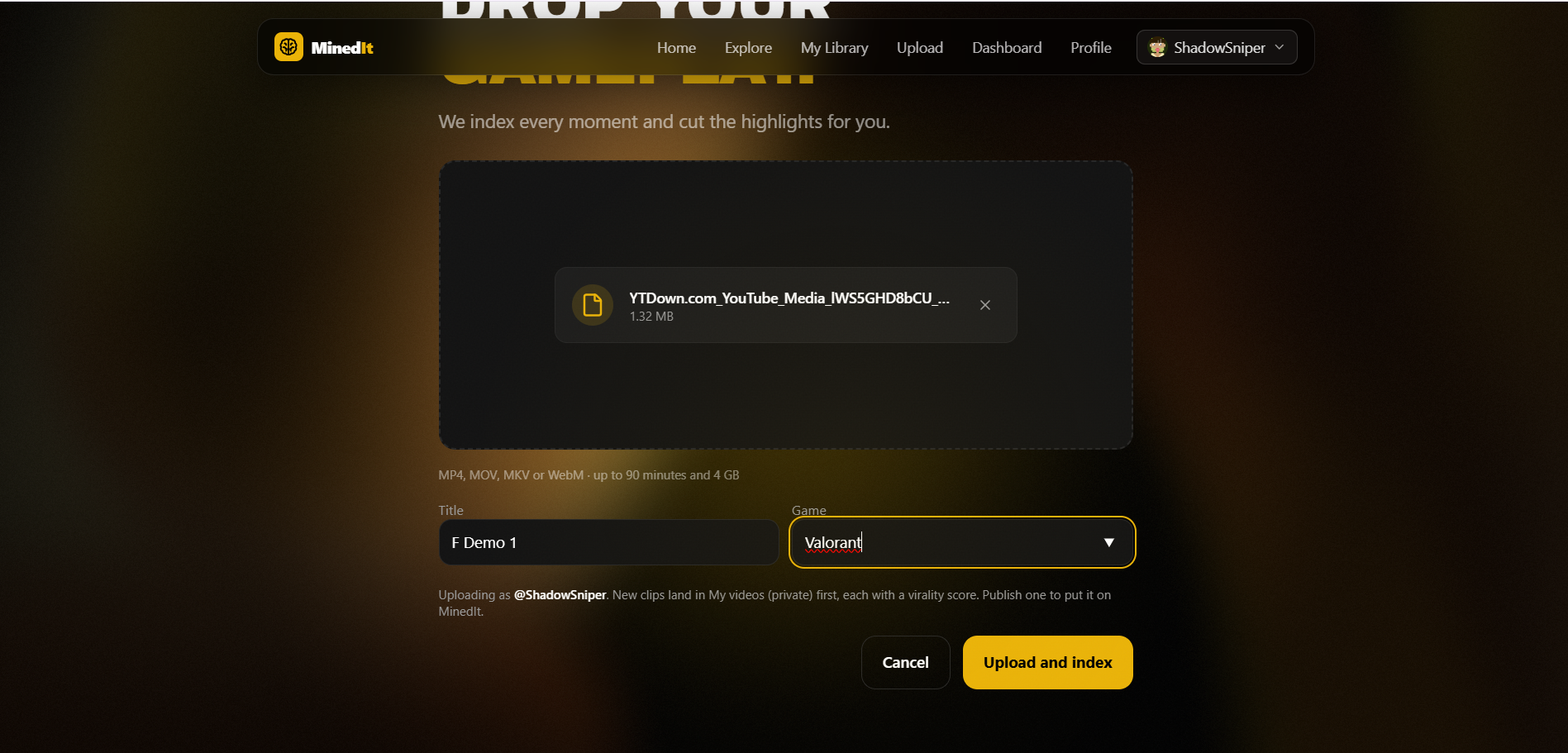
Web: Uploading a video violating code of conduct
-
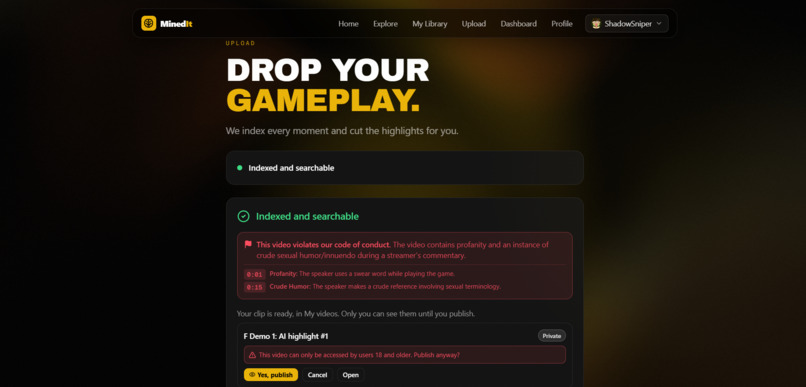
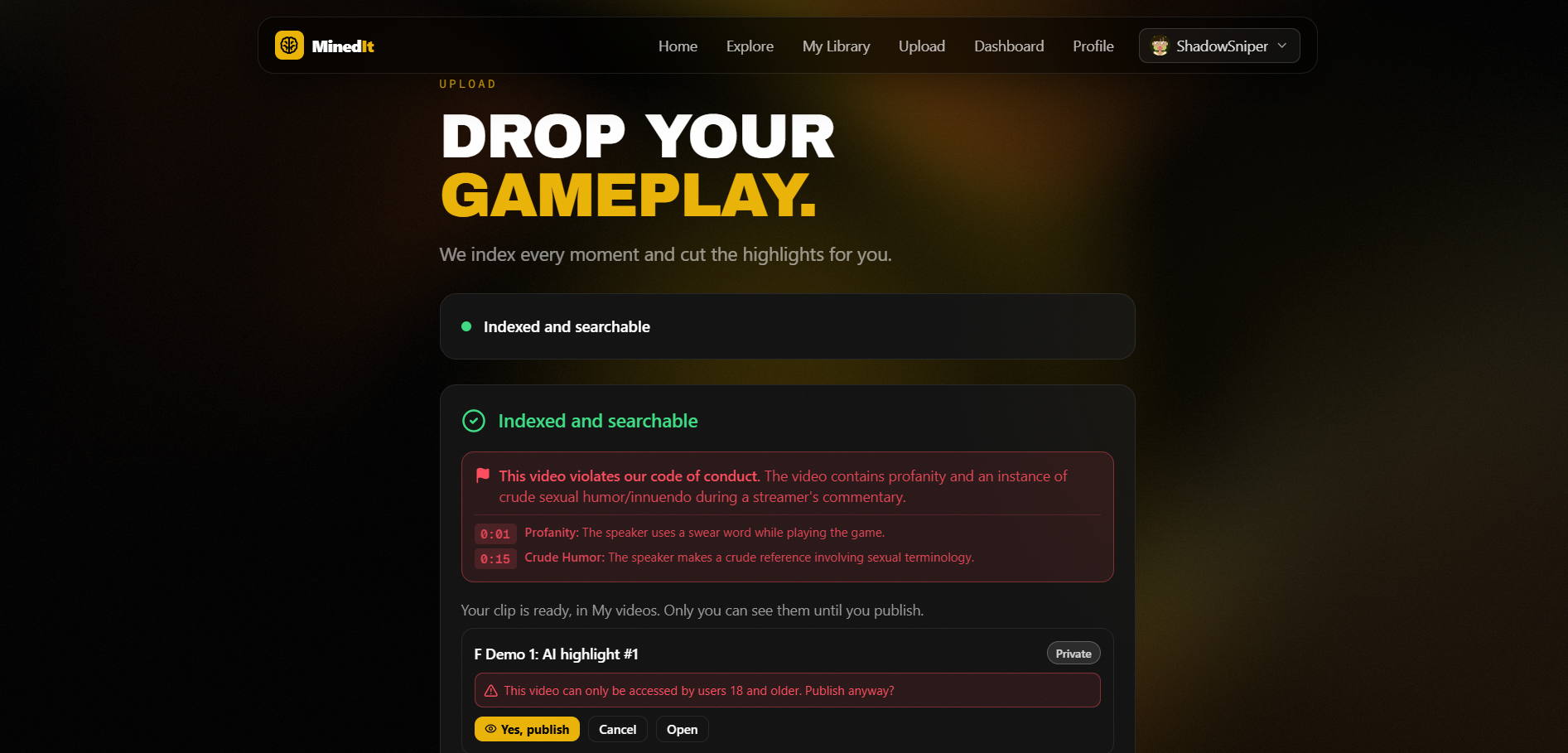
Web: Code of conduct breach warning
-
MinedIt: search every clip, find every moment. Web app at minedtv.vercel.app plus a native Android app.
-
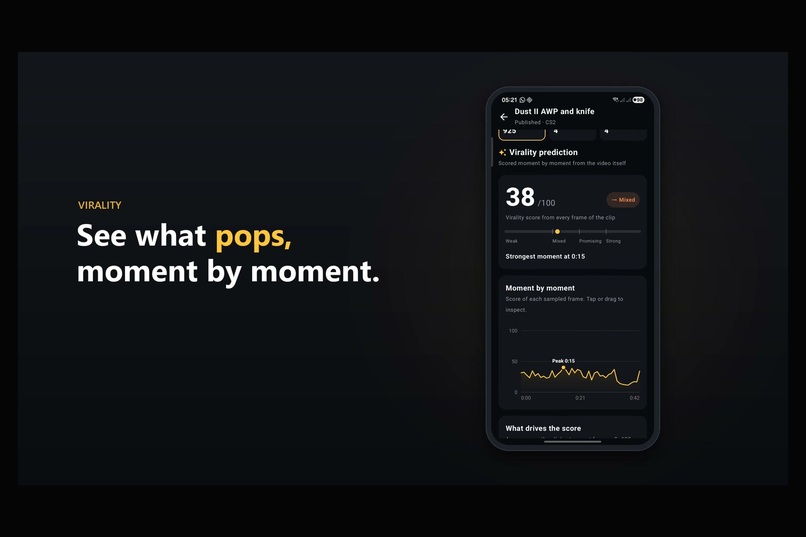
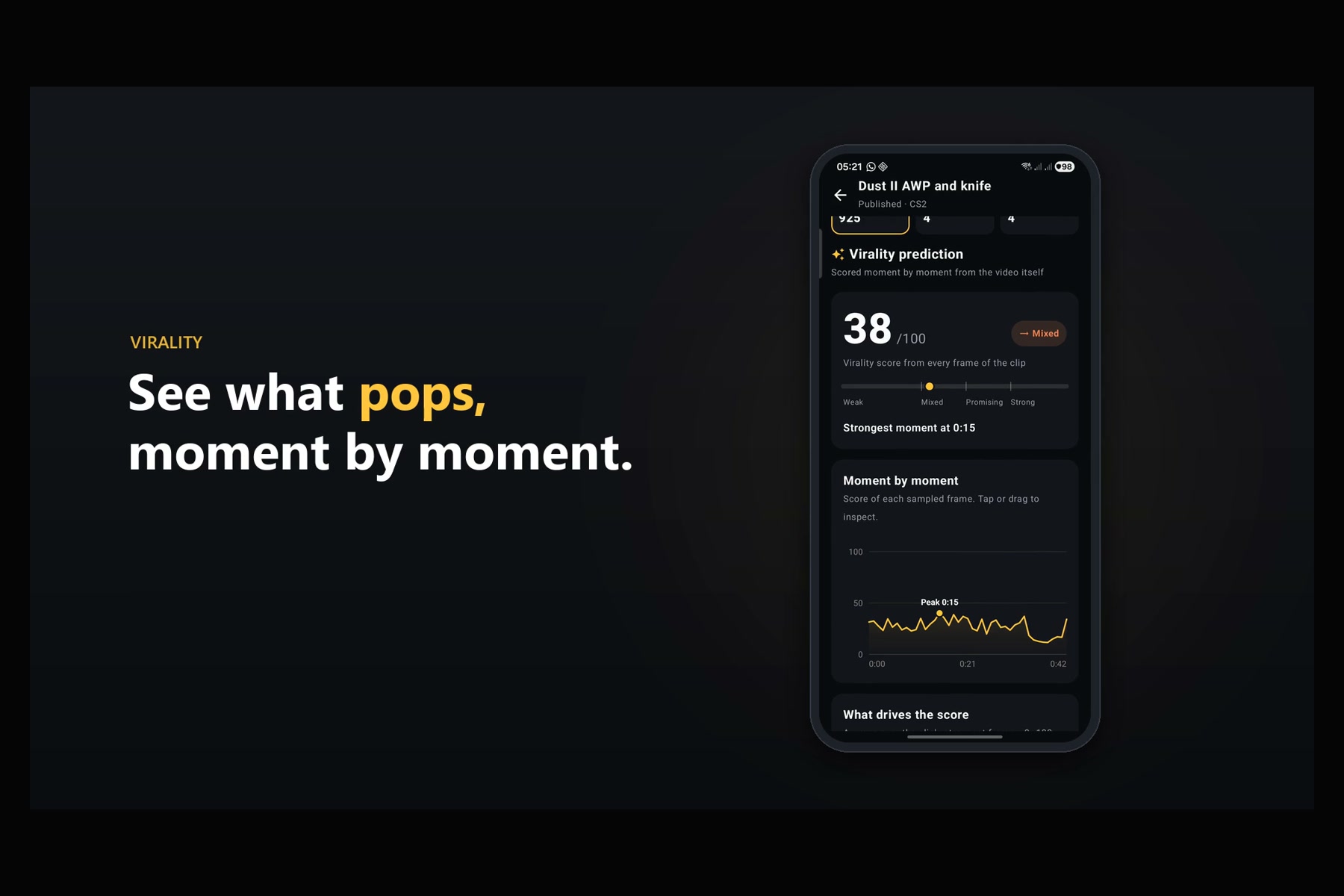
Android: see what pops, moment by moment, with the virality score and curve.
-
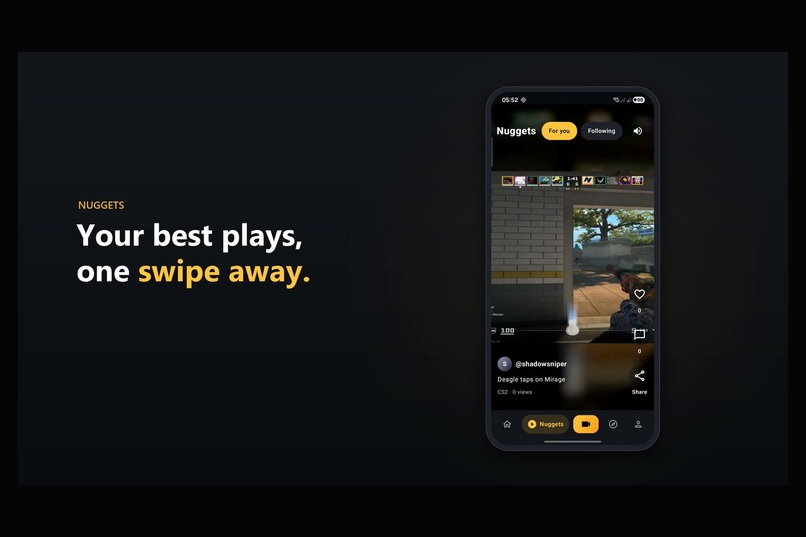
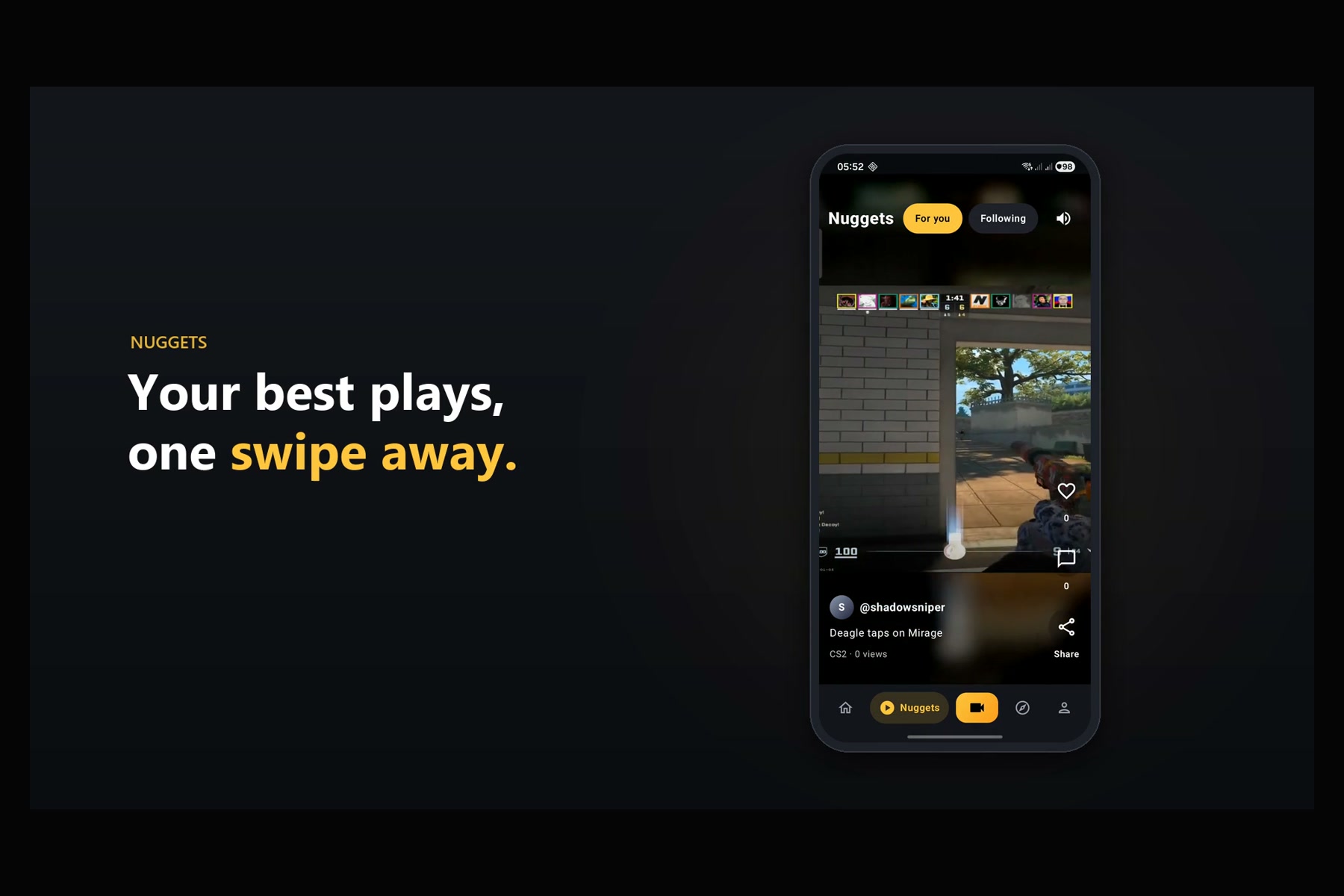
Android: Nuggets, a swipeable feed of your best plays.
-
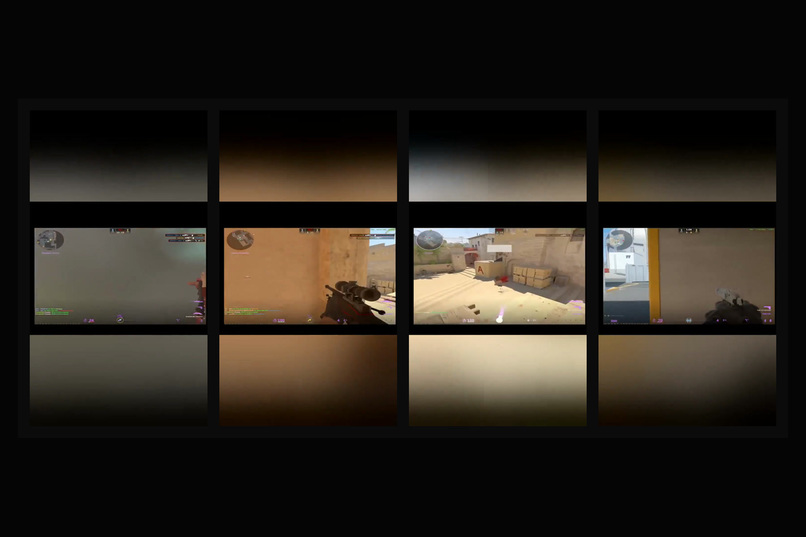
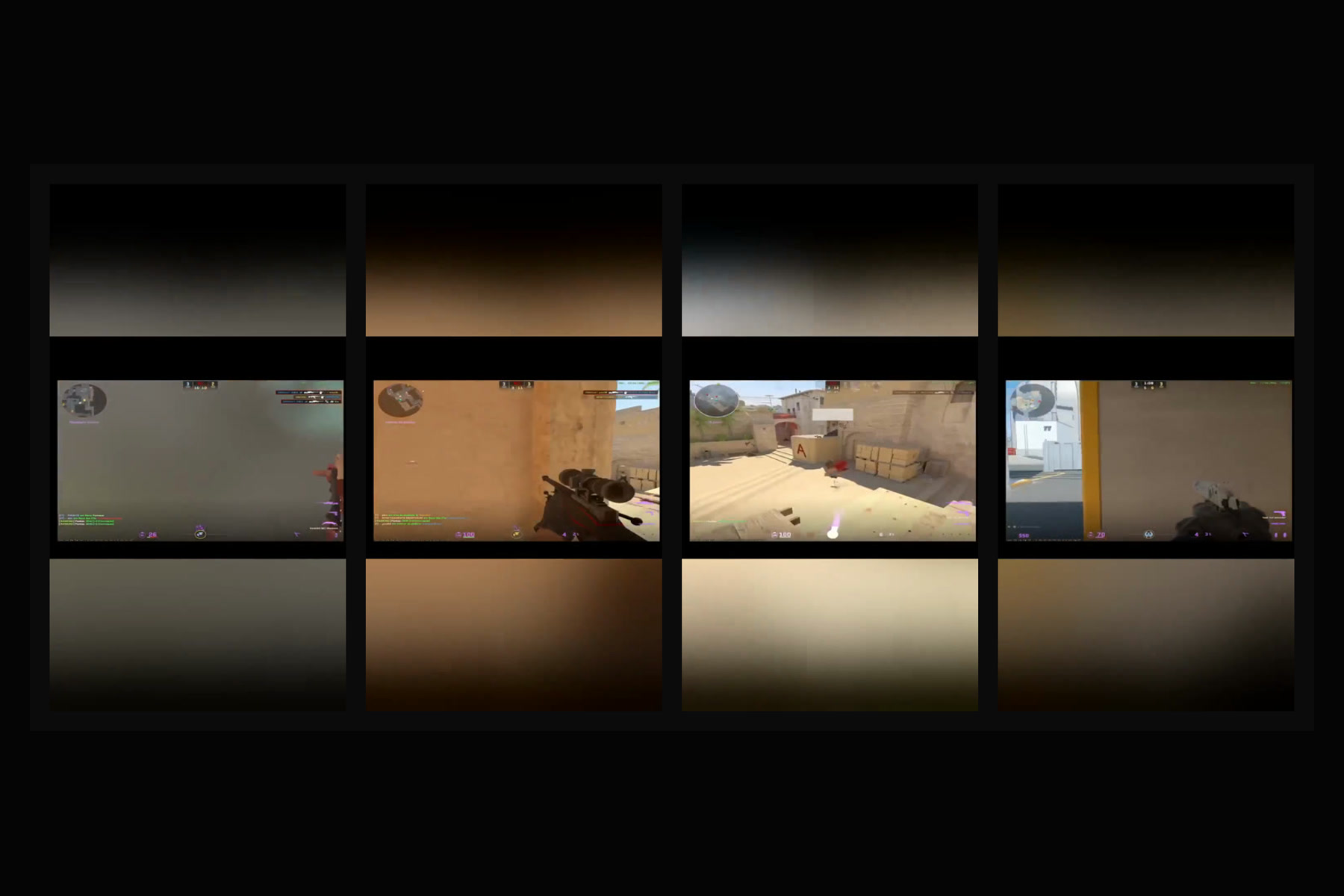
Web: frames from a real montage. A 42-second CS2 clip cut to its best moments and reframed to 9:16.
-
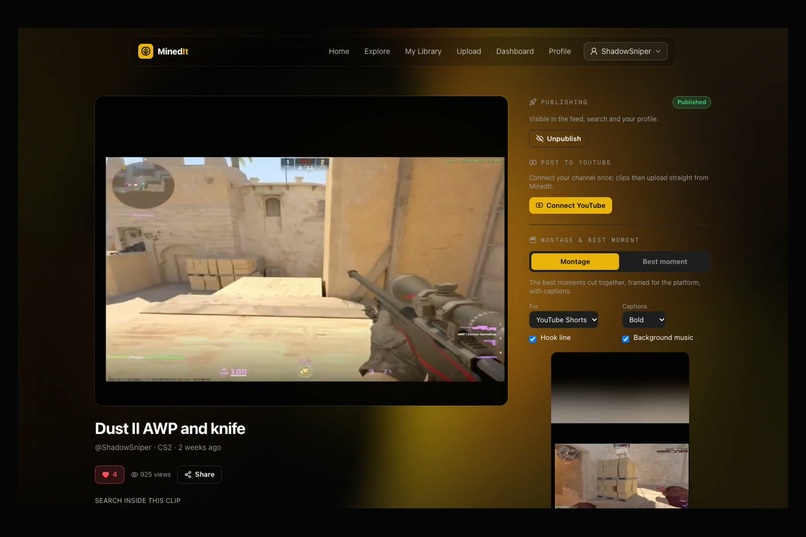
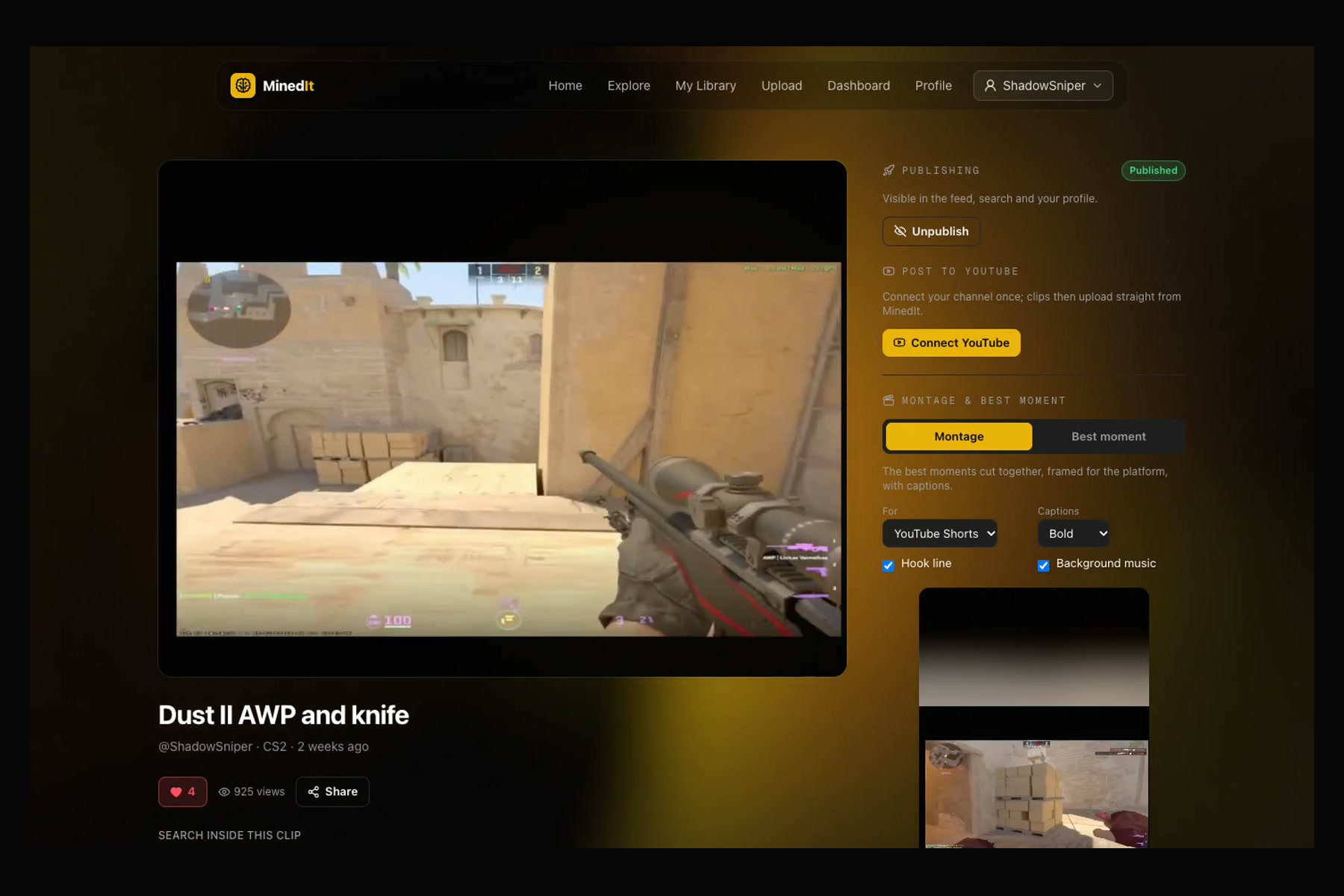
Web: the clip page. HLS playback, likes, comments, sharing, and the owner's tools: publish, post to YouTube, montage, virality.
-
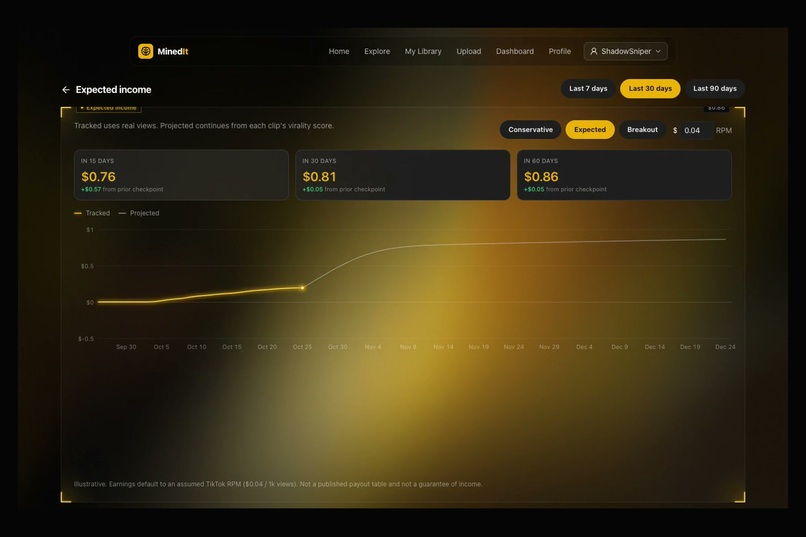
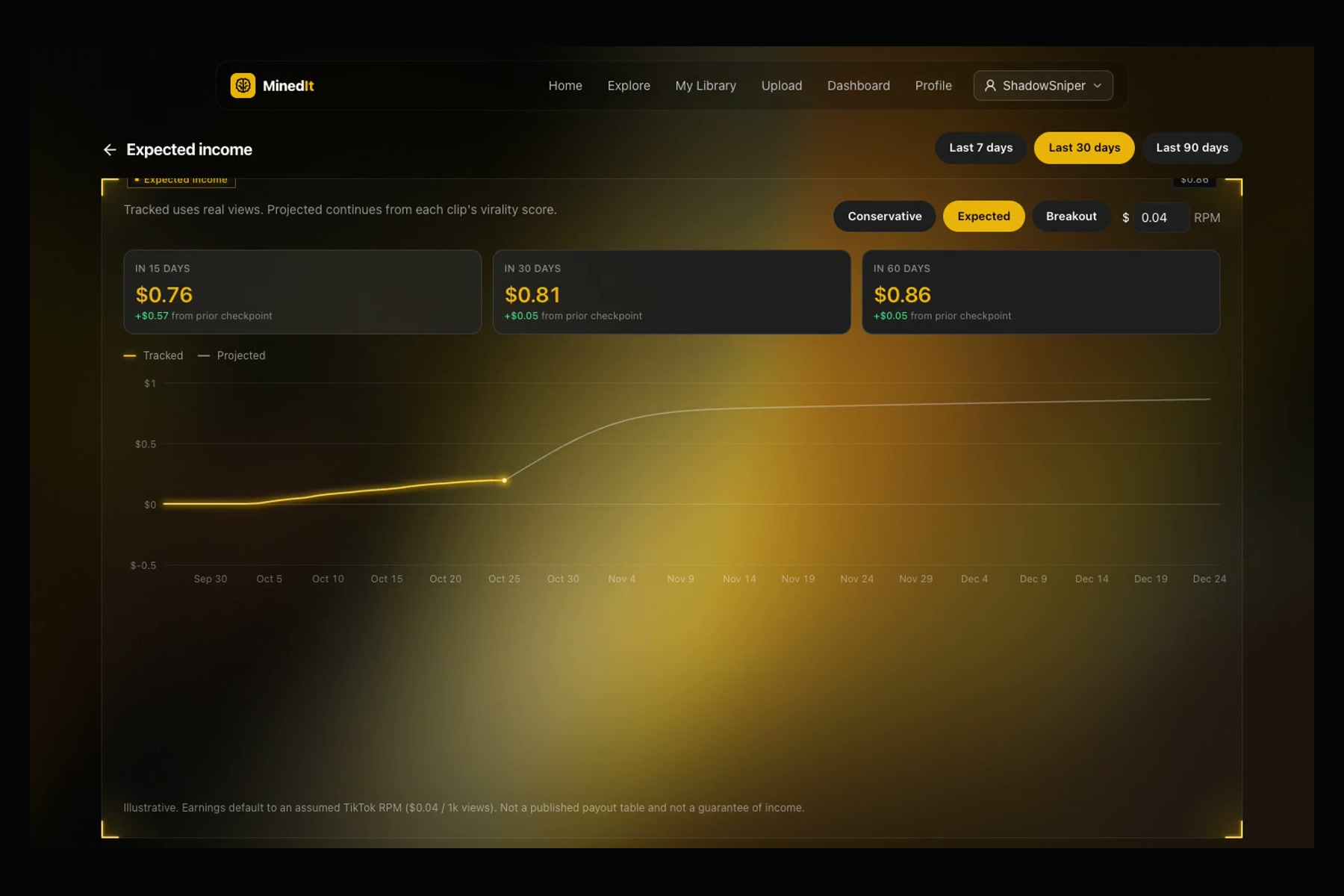
Web: creator dashboard. Real tracked views, likes and comments, plus an illustrative income projection and audience flow.
-
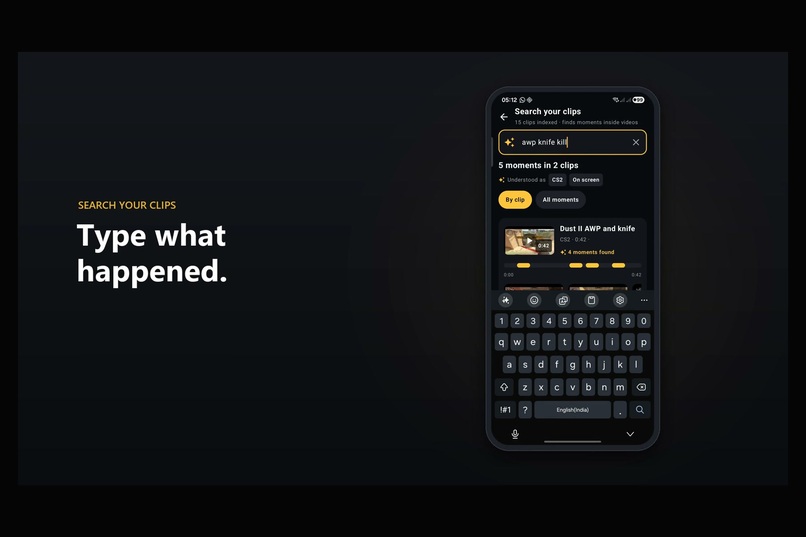
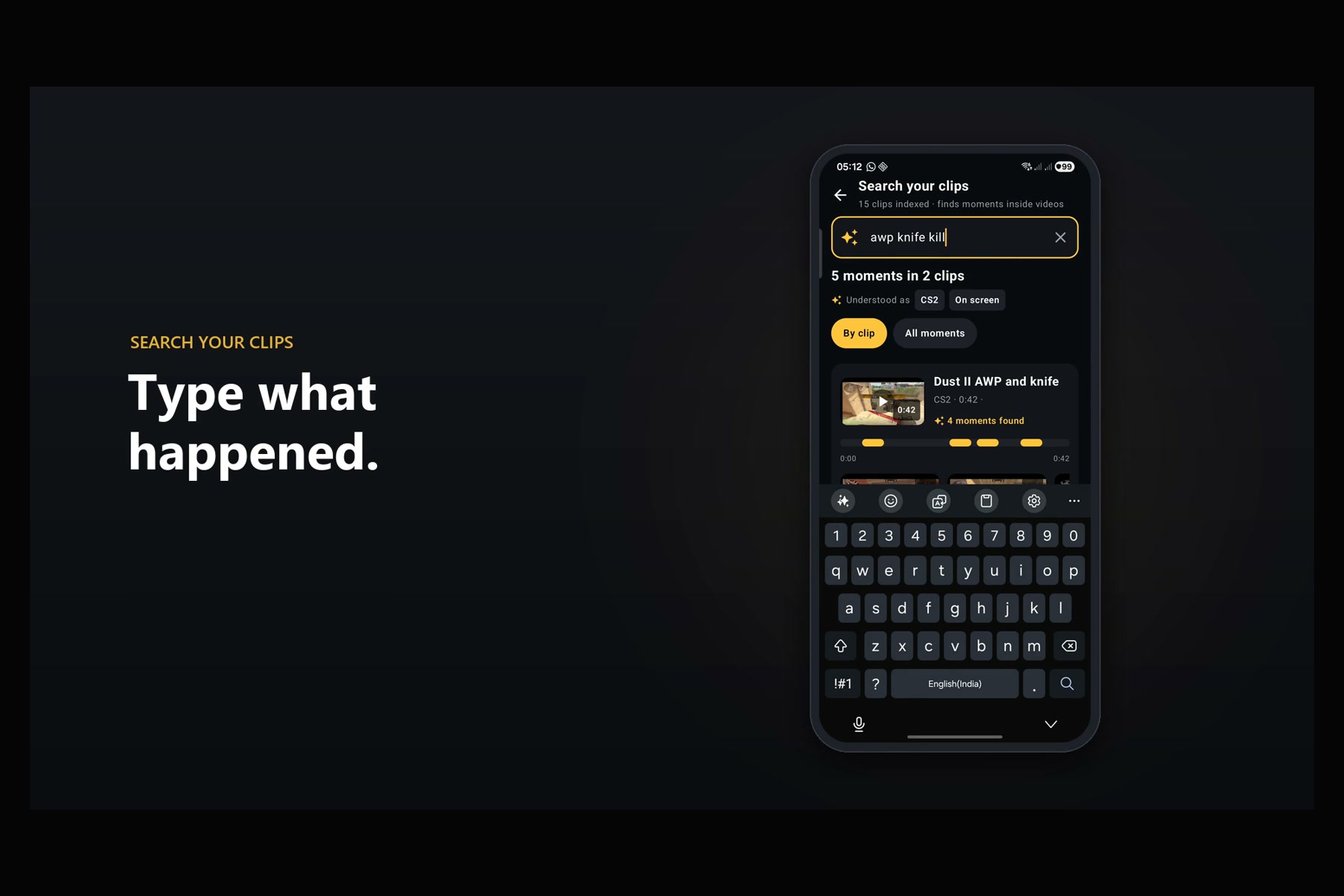
Android: search your clips by describing what happened, then jump to the exact second.
-
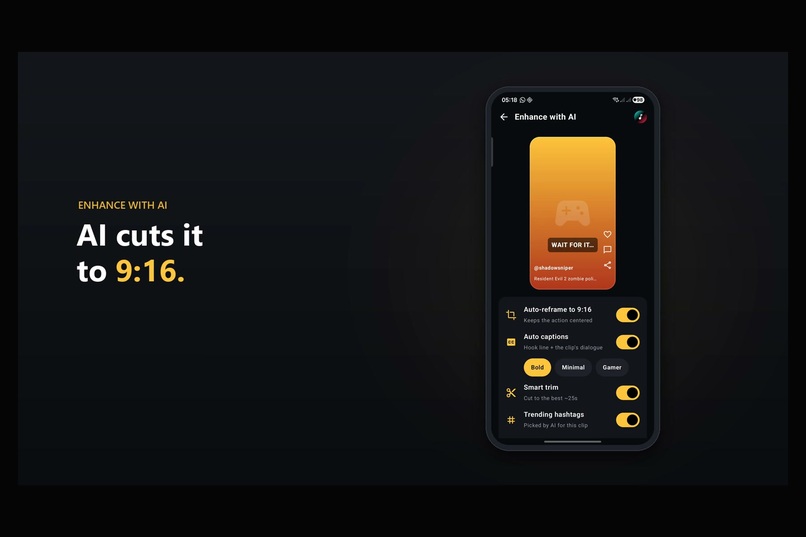
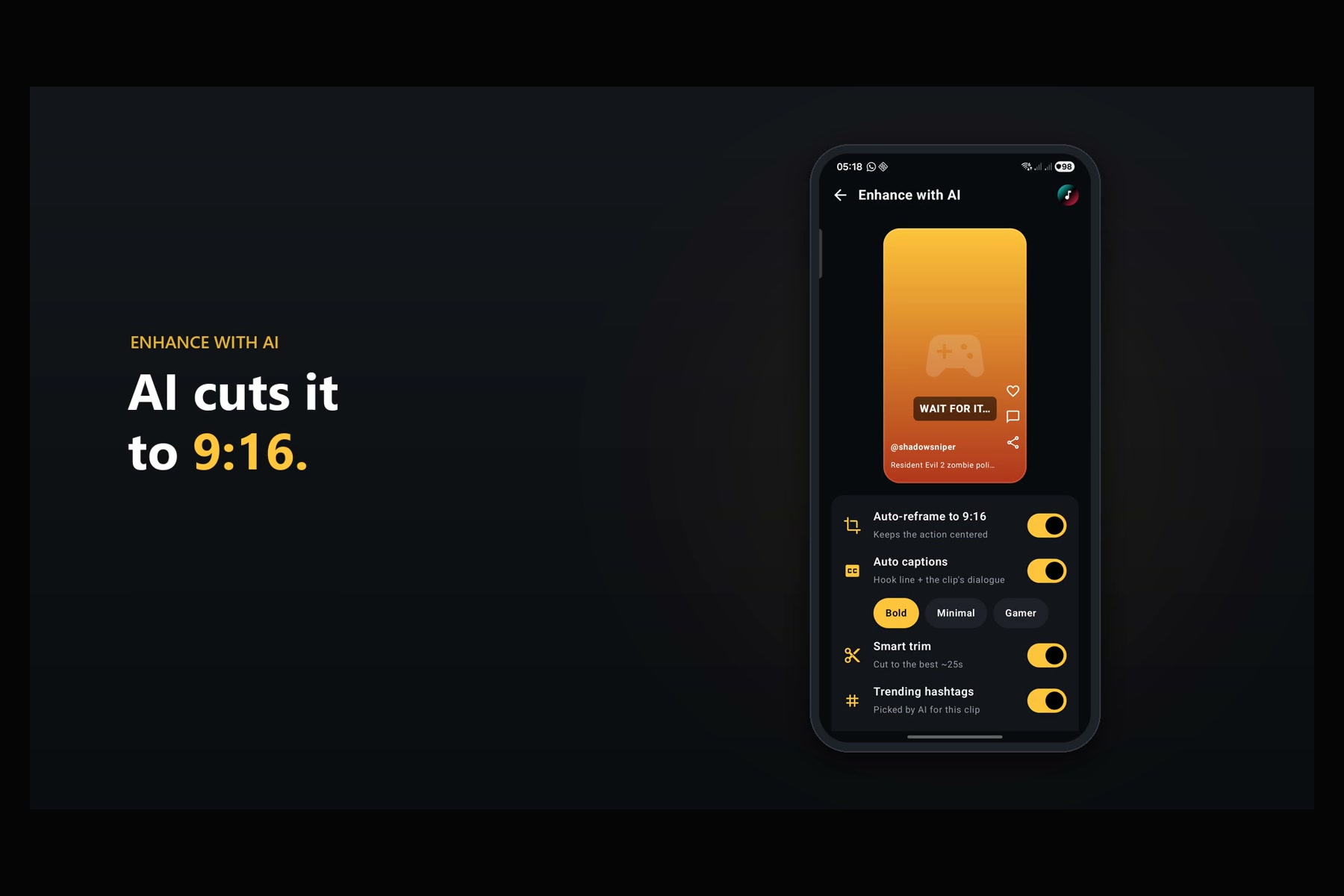
Android: AI enhance cuts the best moment to 9:16 with captions.
-
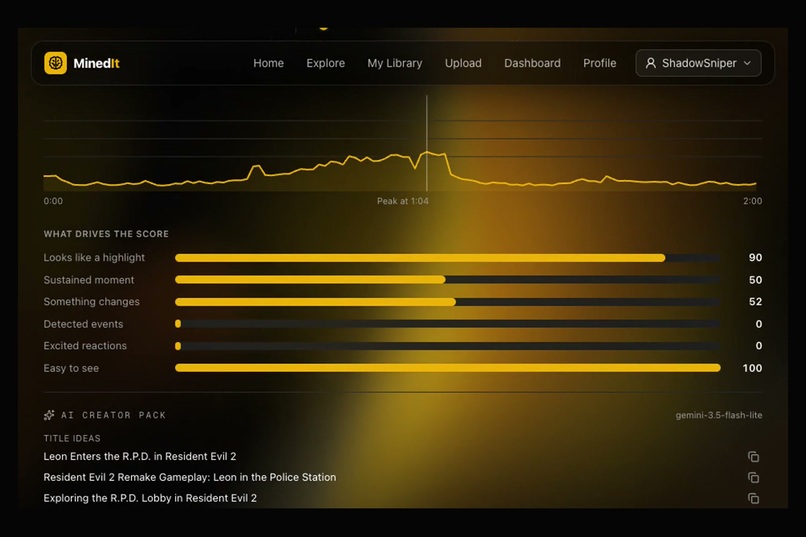
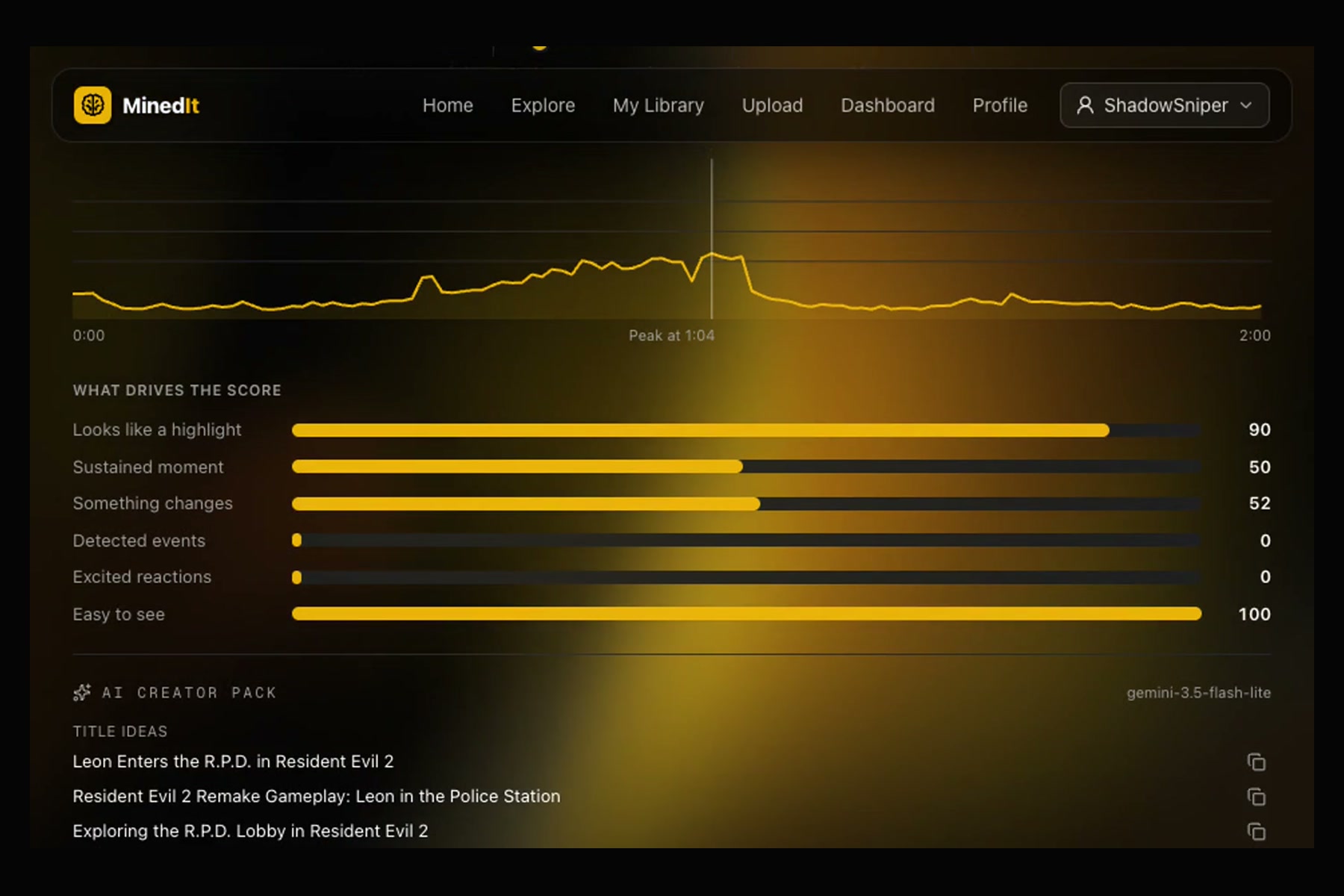
Web: virality. Every moment scored 0 to 100, with the curve, the peak and what drives the score, plus an AI creator pack.
-
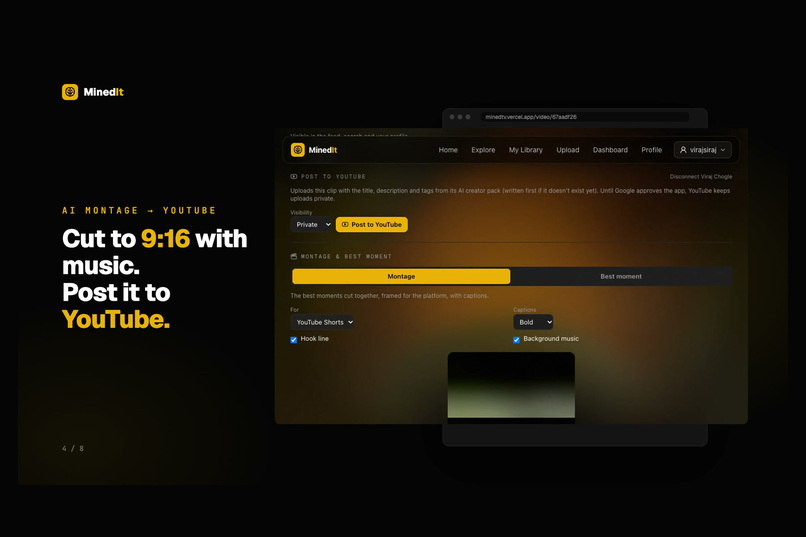
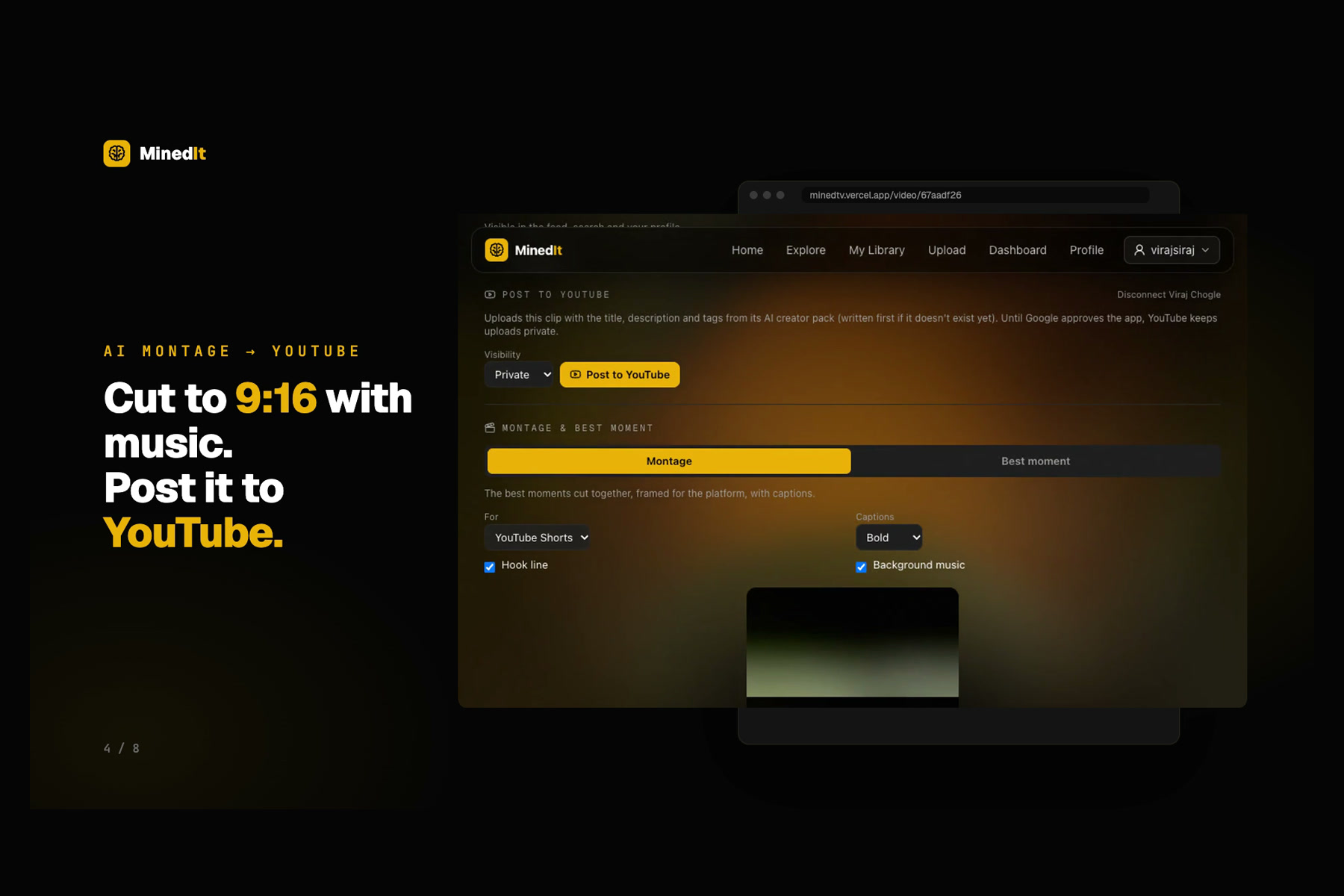
Web: one click makes a 9:16 montage of the best moments, with captions, a hook line and mood-matched music, then posts it to YouTube.
-
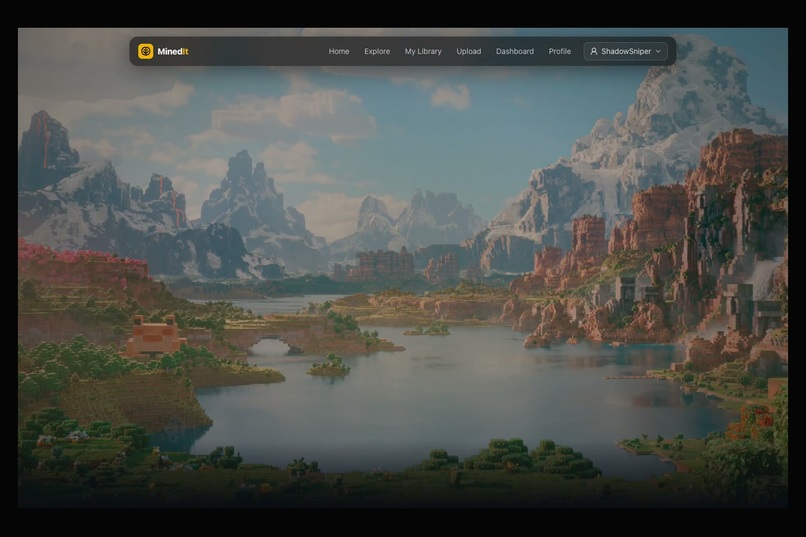
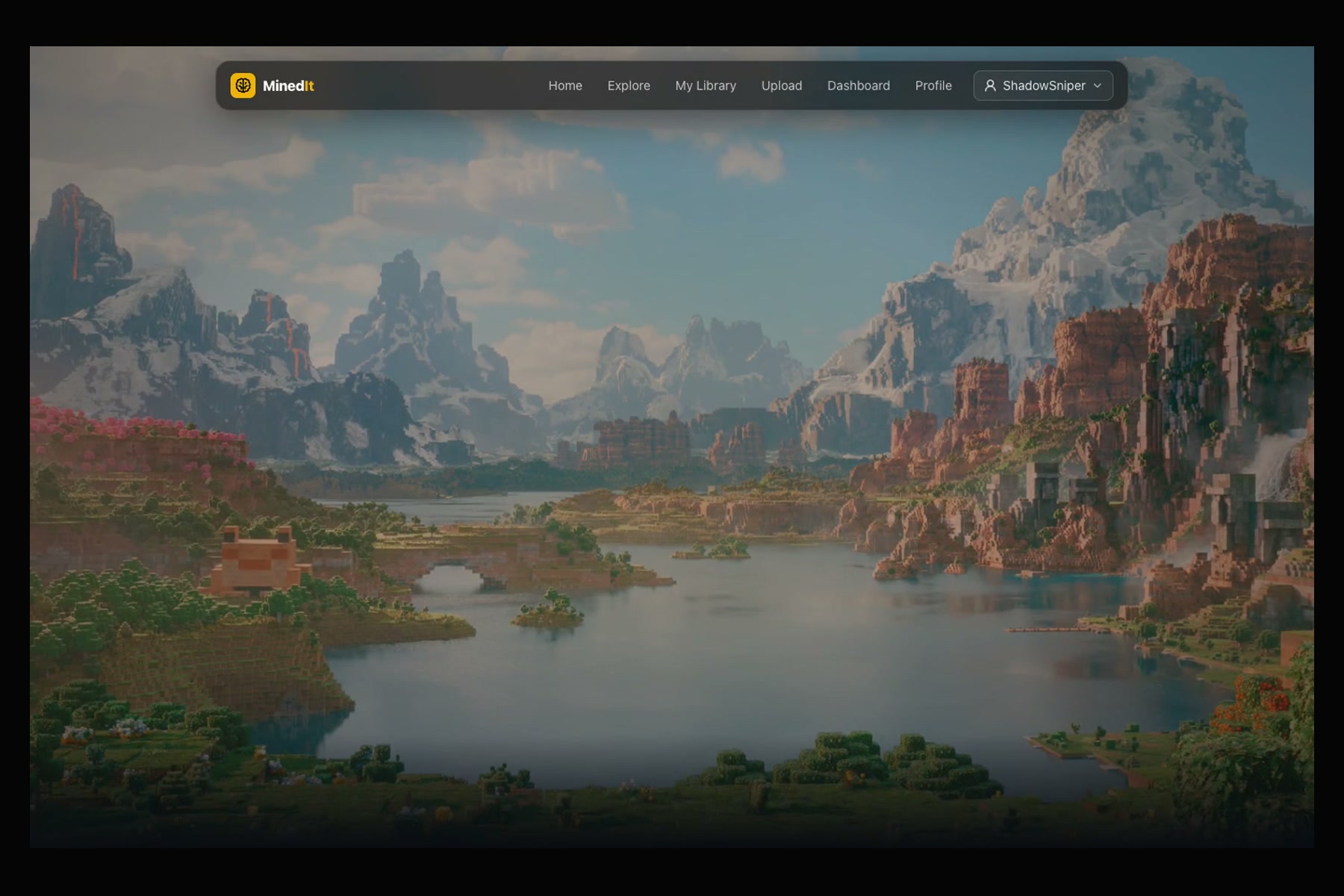
Web: the home page's scroll-driven Minecraft sunrise.
-
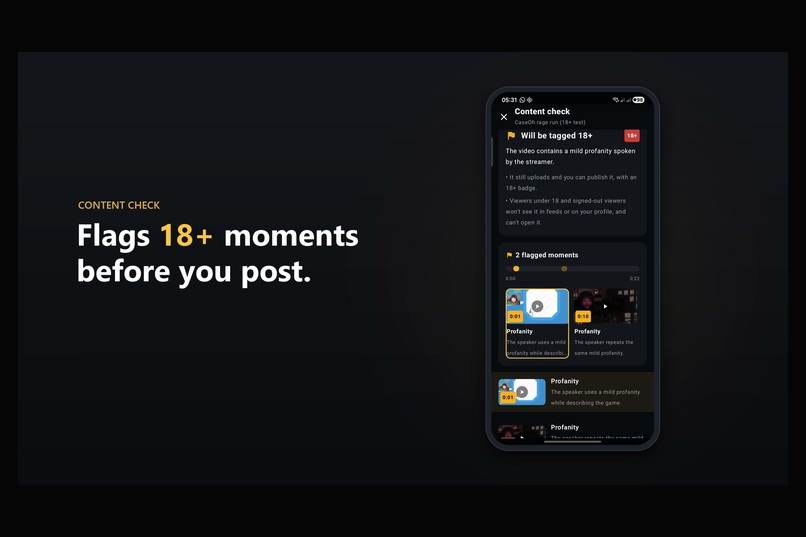
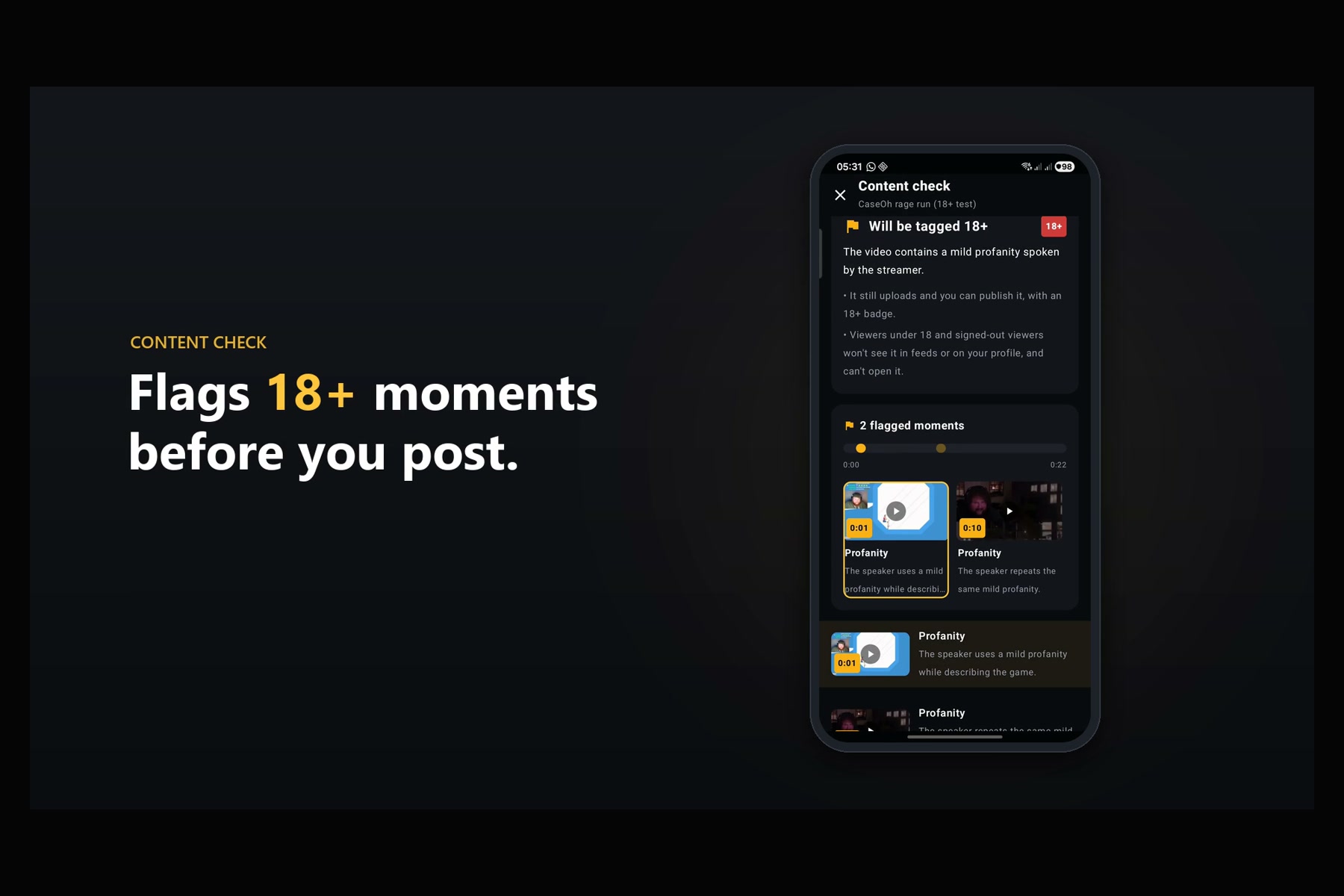
Android: content check flags 18+ moments with timestamps before you post.
-
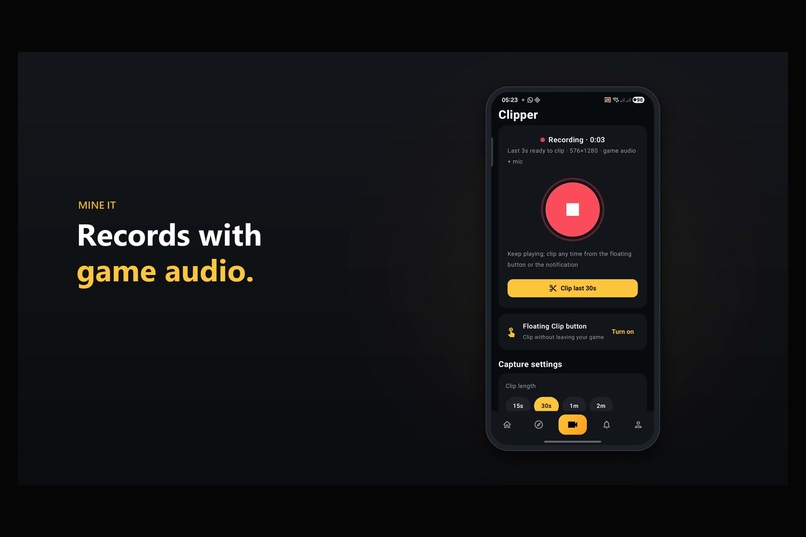
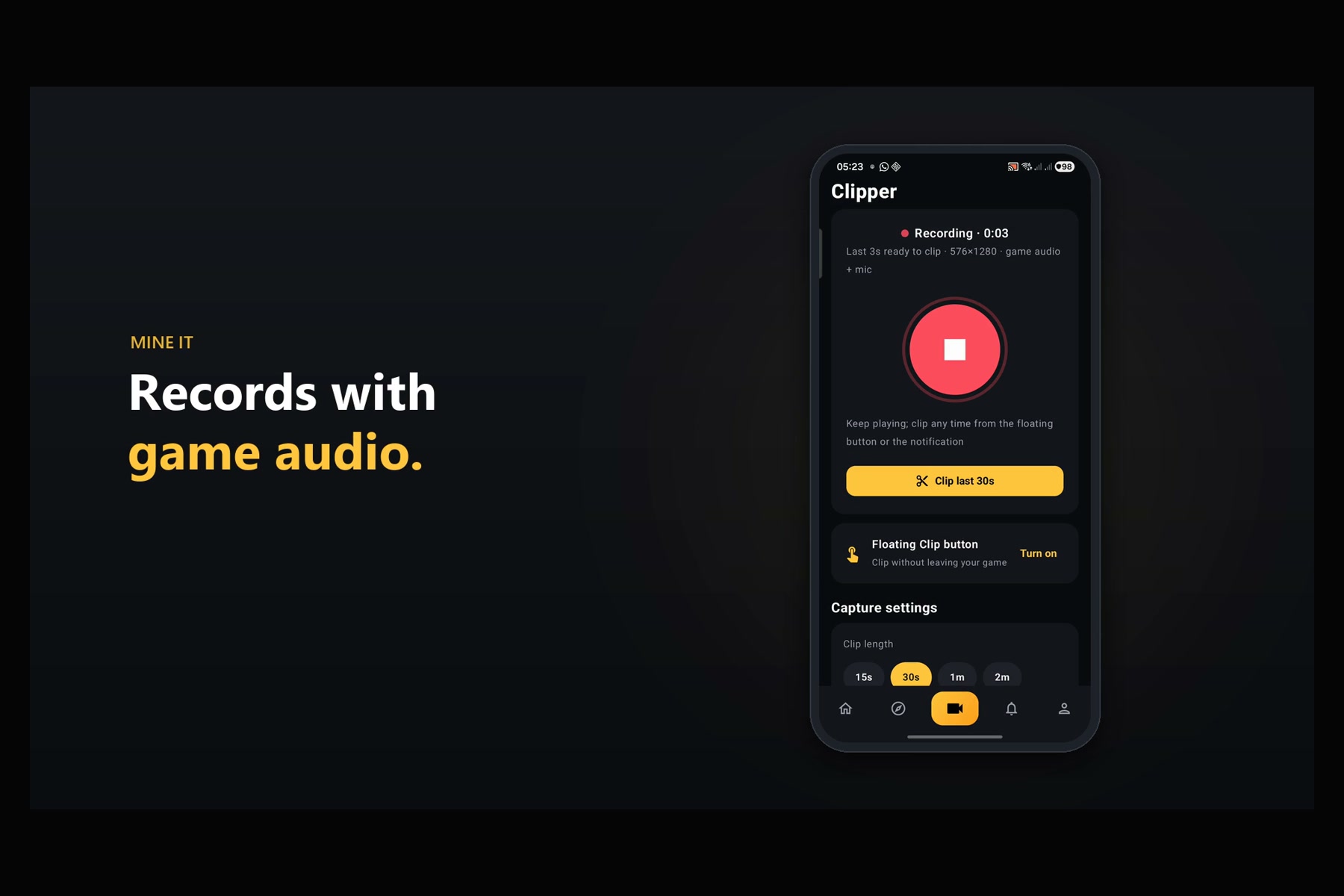
Android: the Clipper records with game audio and saves the last 30 seconds.
-
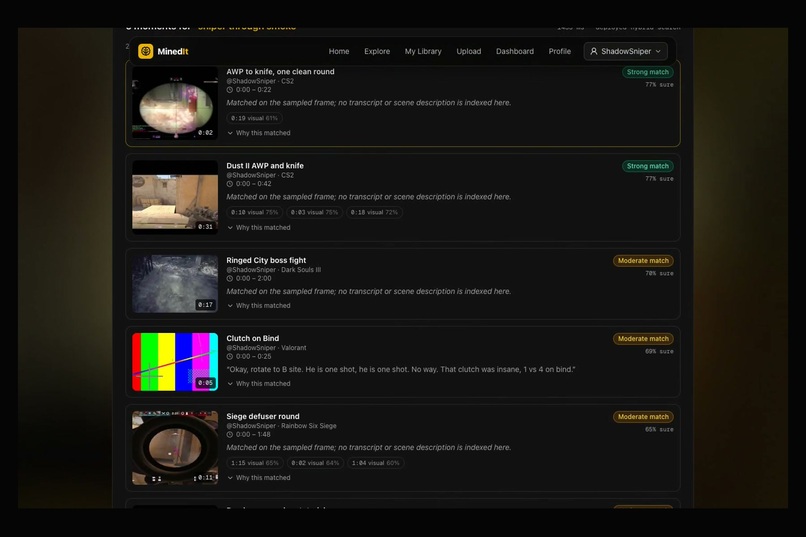
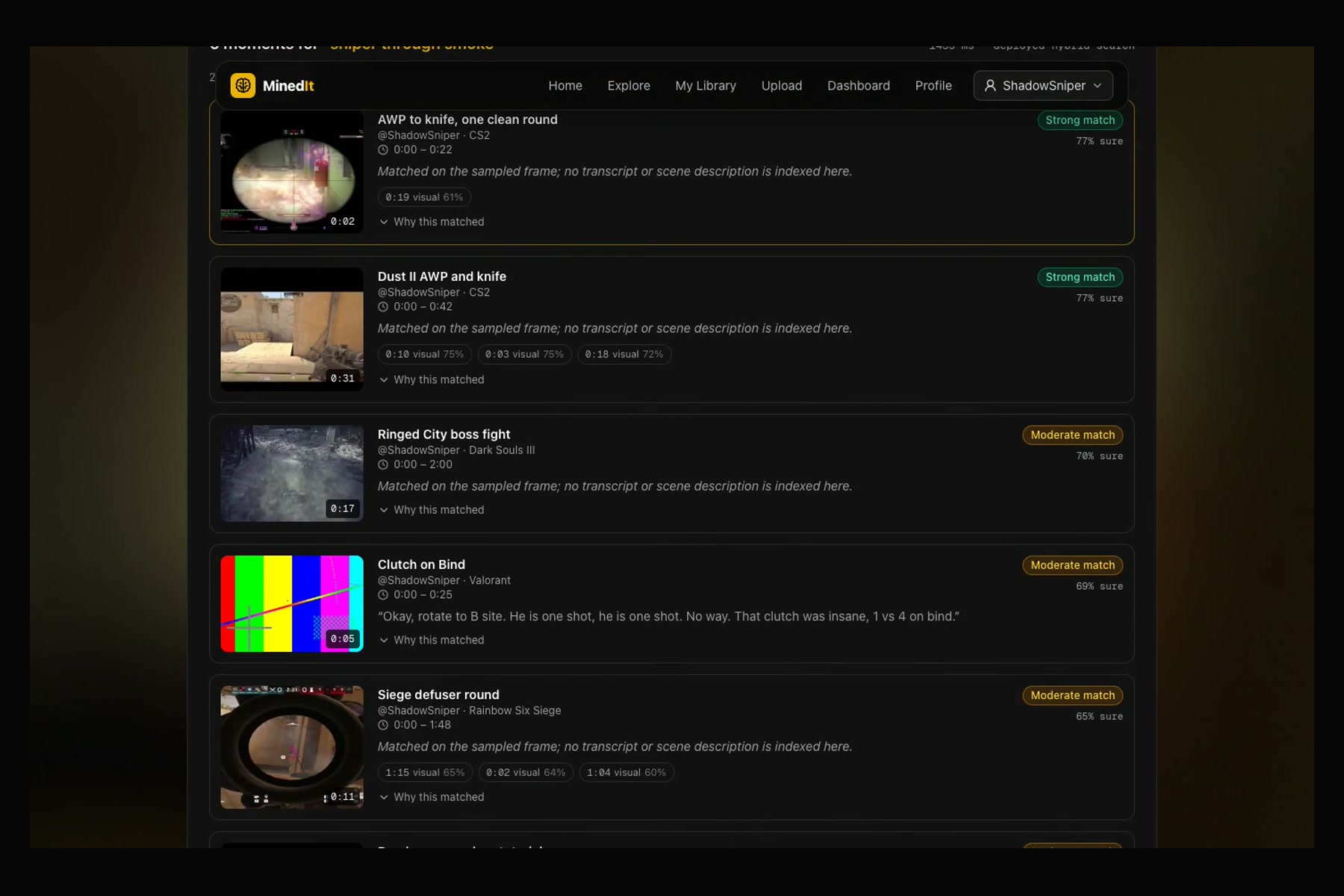
Web: semantic search. "sniper through smoke" finds the exact moment, with a confidence score and the signals that matched.
Inspiration
It started with exam prep. I was stuck scrubbing through an hour of recorded lectures trying to find the ten minutes where a concept was actually explained. I knew what was said, just not when. That gap between "I remember this" and "I can't find it" is the problem mined.it solves.
We moved to gaming clips as our main use case because the pain is bigger there. Streamers and competitive players record hours of footage a day and most of it never gets touched, because finding a clippable moment means rewatching everything. People get paid just to do that scrubbing by hand. Same search problem, bigger audience, more urgency. The core idea, find the moment not the file, was never gaming-specific though.
What it does
Upload a video, search it in plain language ("the clutch 1v4 near the end," "where he explains recursion"), and get taken straight to the timestamp. For creators we built further on top: automatic highlight detection, a virality score per clip, a forecast of how a clip is likely to perform and earn before you post it, and one-click export to YouTube with an auto-generated title, caption, and summary.
How we built it
Every video runs through ffmpeg twice: once for scene-change keyframes so hard cuts aren't missed, once for a uniform one-frame-per-second sample so nothing static gets skipped. Frames get embedded with CLIP, Whisper handles transcription, and both get indexed together so a query can match on what's said, what's shown, or plain keywords.
Search results carry a breakdown of which signal fired (visual, transcript, keyword), blended and reranked with Gemini for final relevance. The forecasting model looks at a clip's score and the creator's recent view velocity and projects views and earnings out 15, 30, and 60 days. The YouTube export reuses the same transcript and vision data from indexing to write the title, description, and caption automatically.
Challenges
Confidence tuning nearly broke the whole approach. We set match thresholds strict at first to avoid garbage results, strict enough that we were returning nothing for a lot of real queries. We fixed this by replacing one hard cutoff with proper match tiers (strong, moderate, weak, no reliable match) and calibrating each signal before blending, so the system reports both a result and how sure it is. Past that, the real work was speed (indexing long VODs fast enough to be usable) and consistency (keeping search reliable while clips were still processing).
What we learned
Video search is harder than it looks from the outside. Text search is solved; video search means fusing signals that don't naturally agree, what's said, what's shown, what someone typed, and that fusion took more iteration than the embeddings themselves. The real ask from a tool like this isn't more AI. It's confidence that when it says "here's your moment," that's actually the moment.
Built With
- clip
- cloud
- cloudflare
- css
- docker
- echarts
- fastapi
- ffmpeg
- framer
- gemini
- github
- modal
- pgvector
- postgresql
- python
- r2
- react
- redis
- supabase
- tailwind
- typescript
- upstash
- vercel
- whisper

Log in or sign up for Devpost to join the conversation.