-
-

ML
-
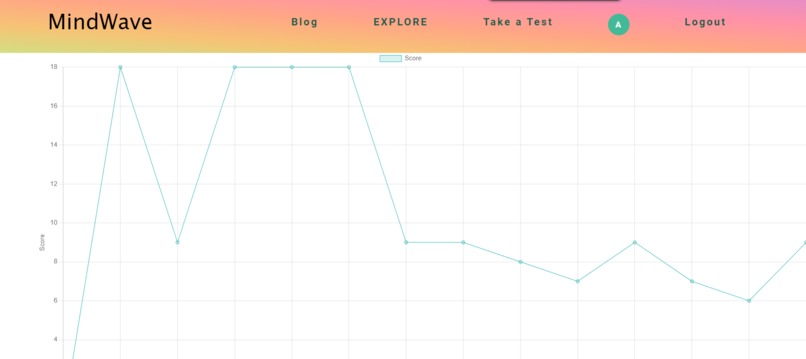
Dashboard
-
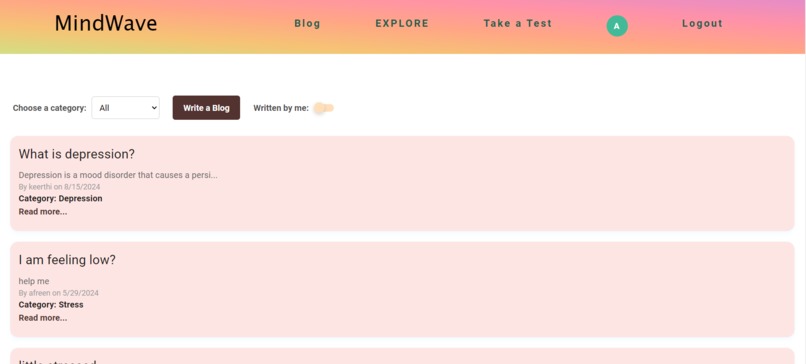
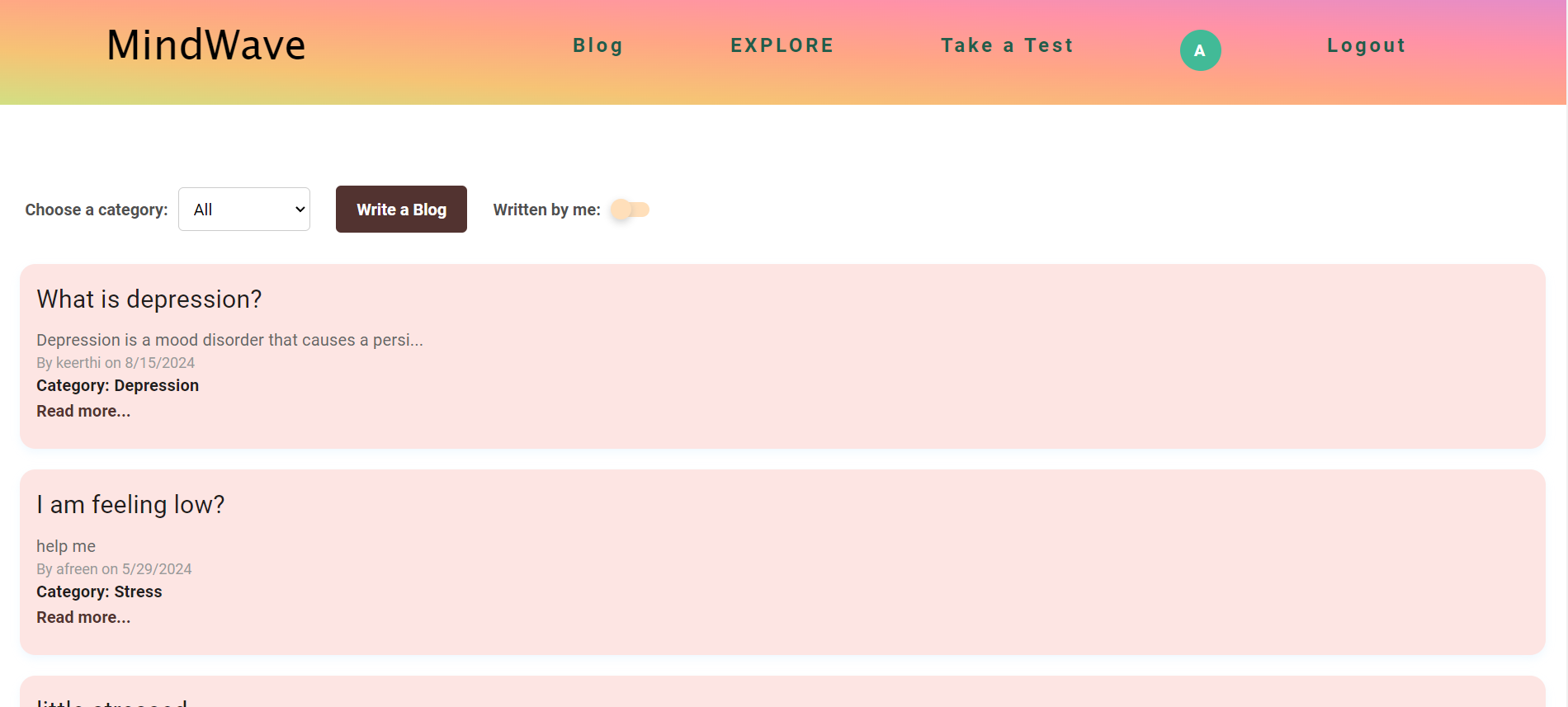
Blogs
-
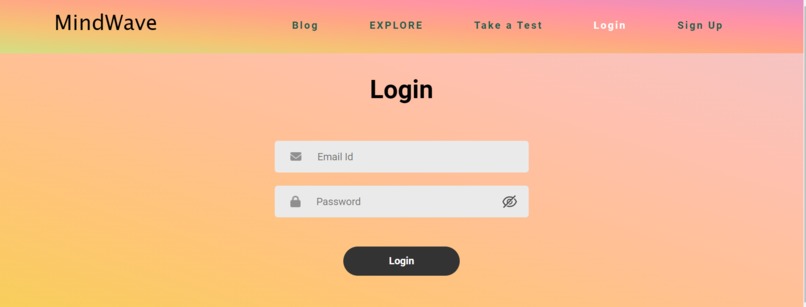
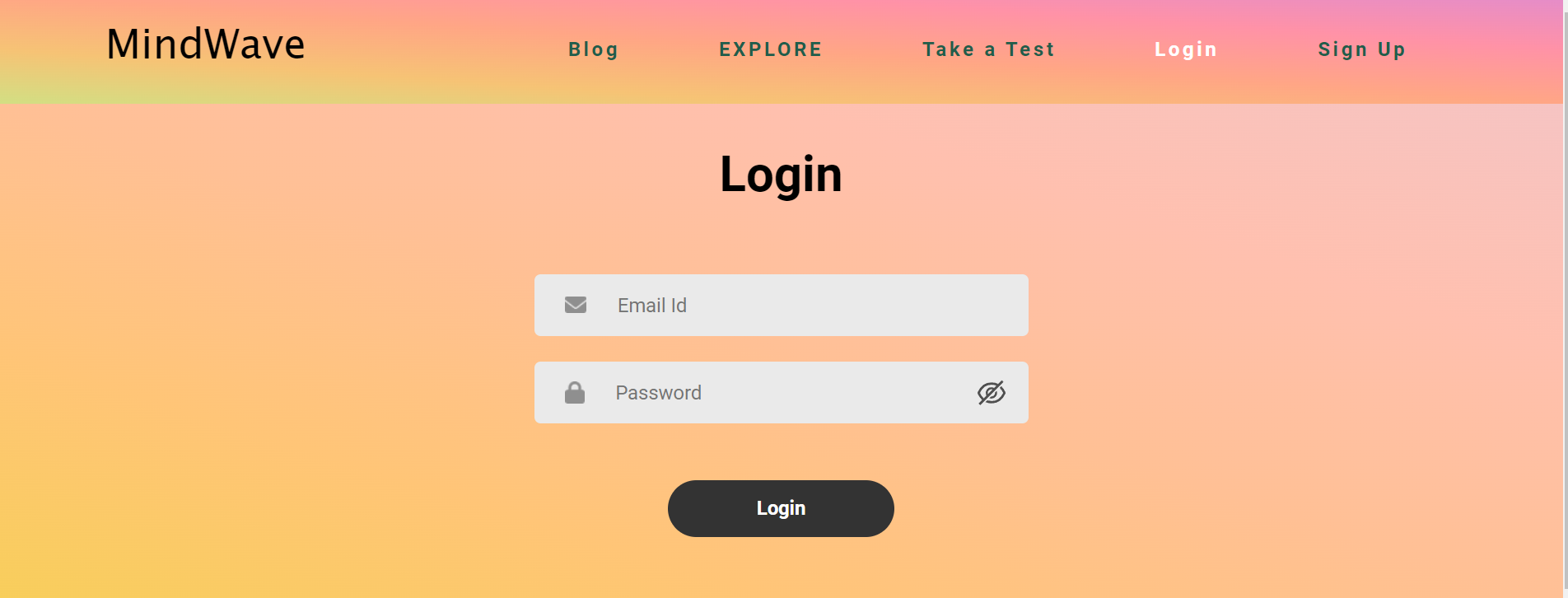
Login
-
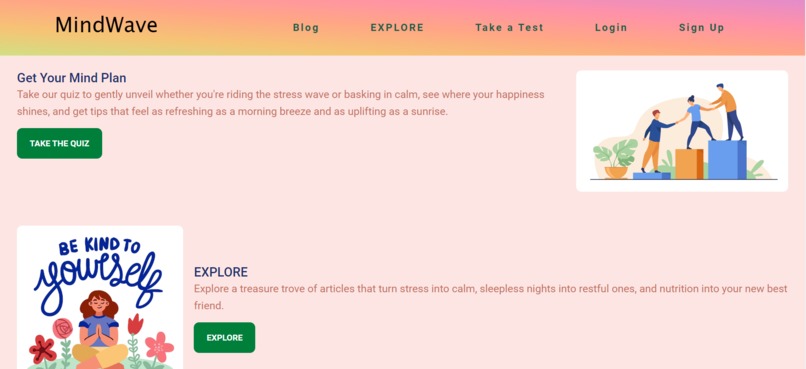
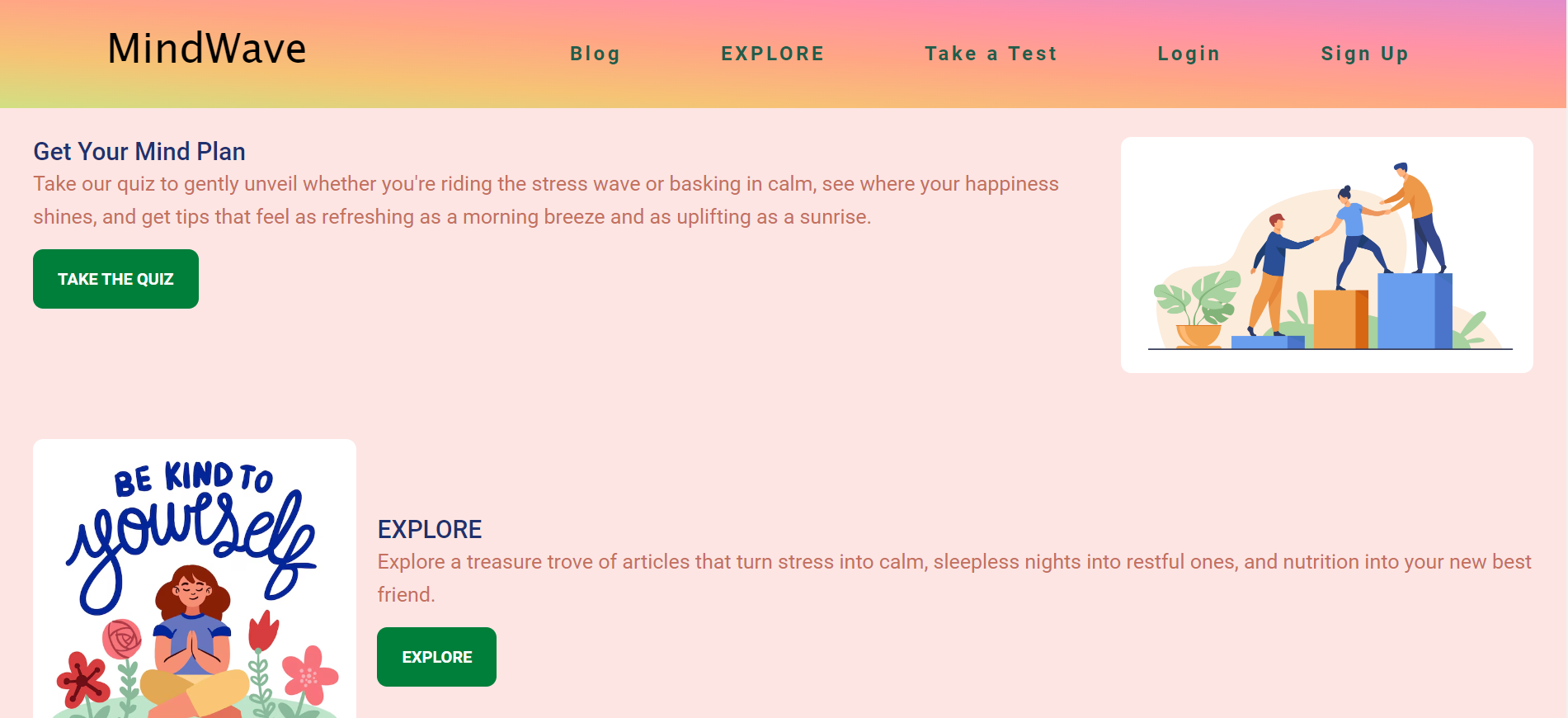
Home page
-
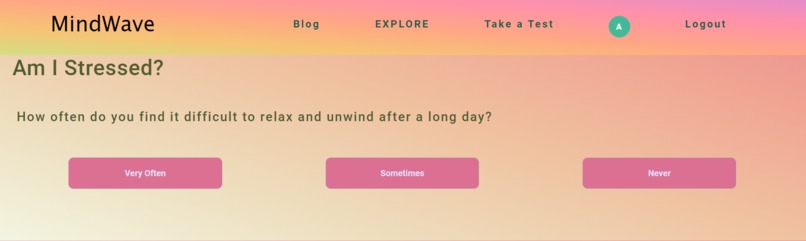
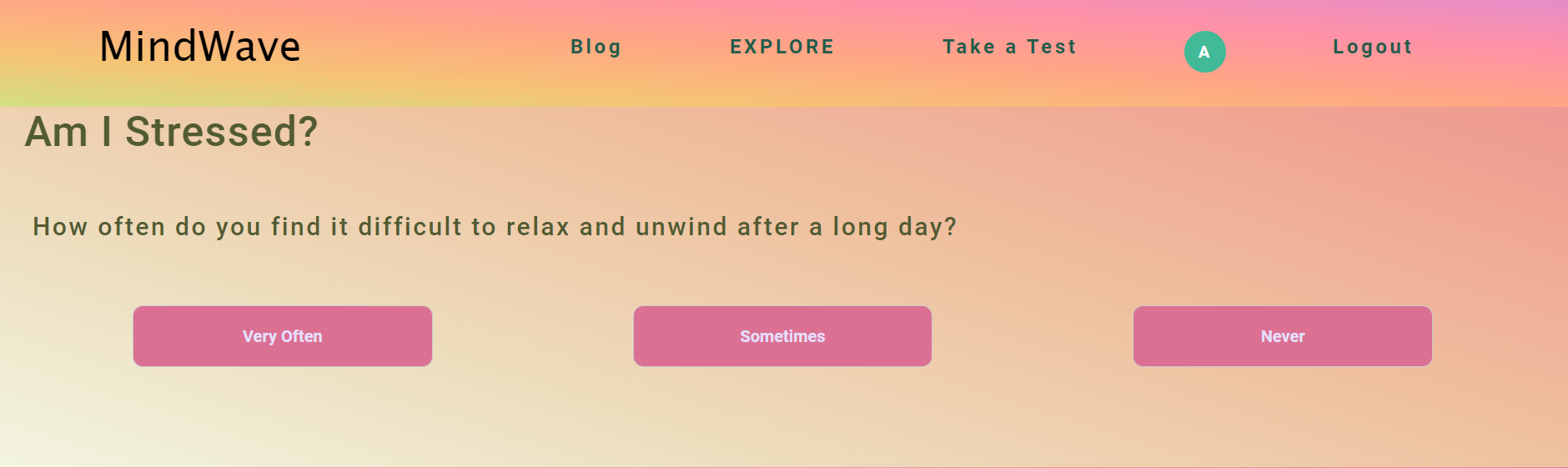
Questions
-
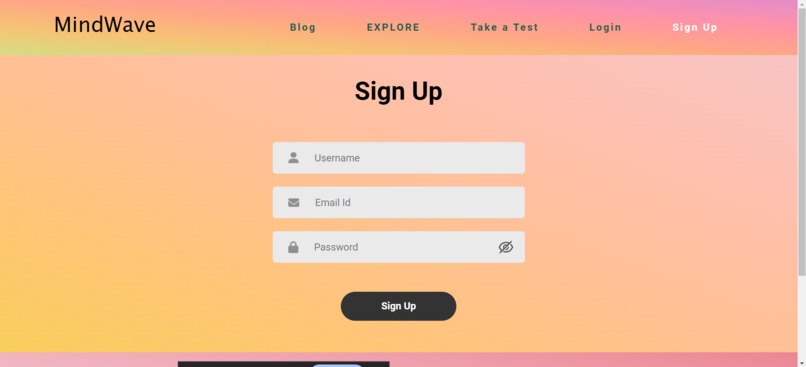
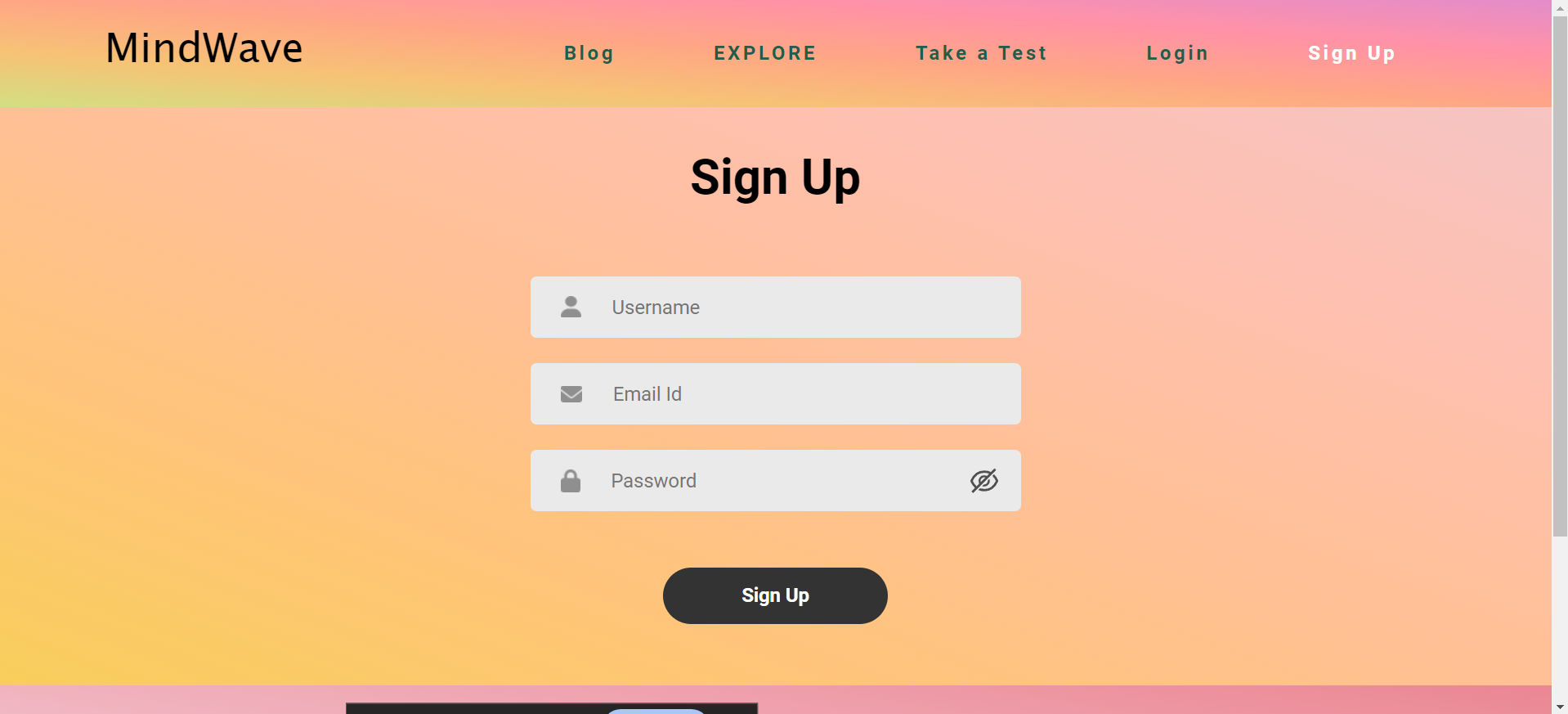
Sign Up
-
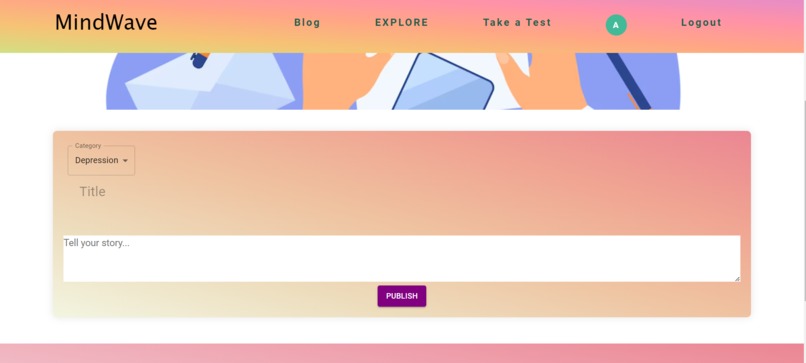
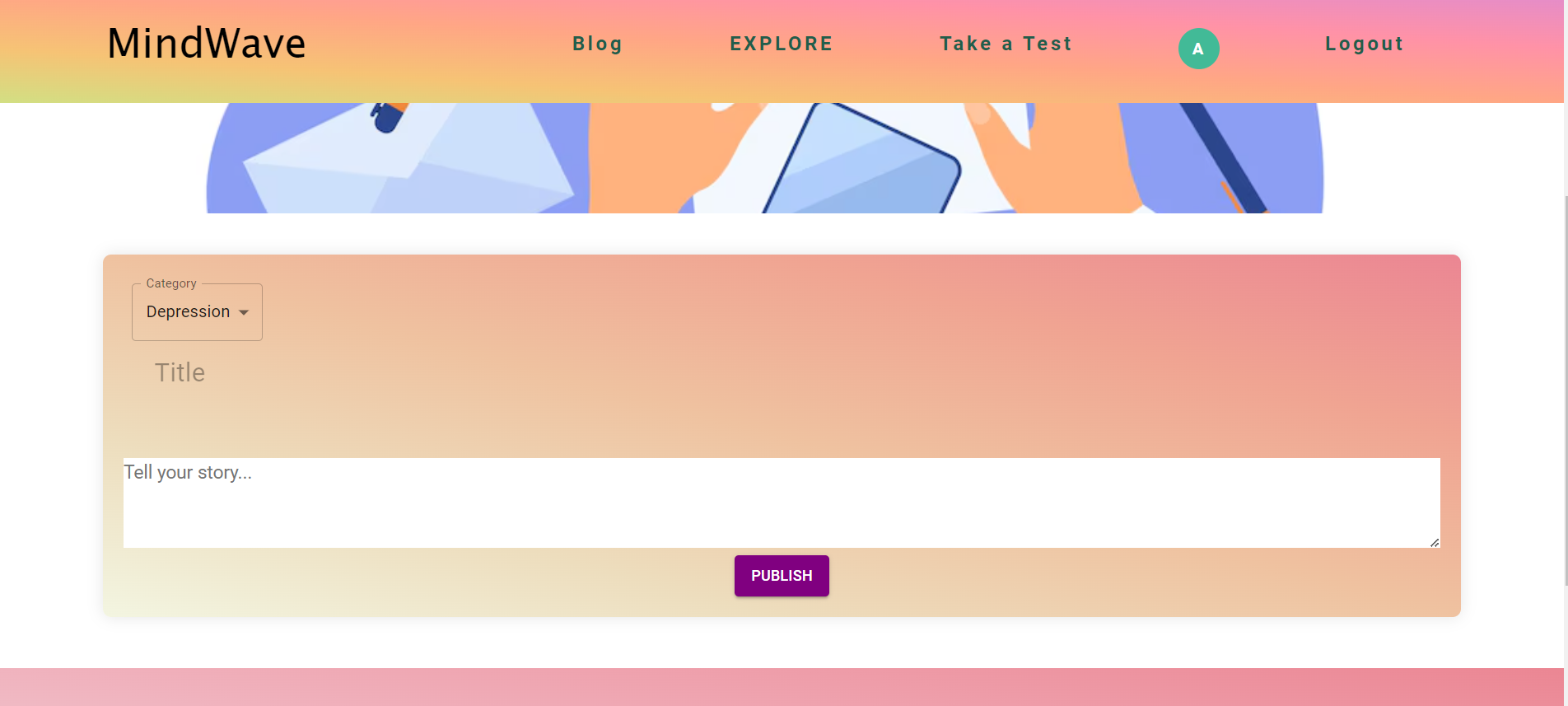
Write a blog
-
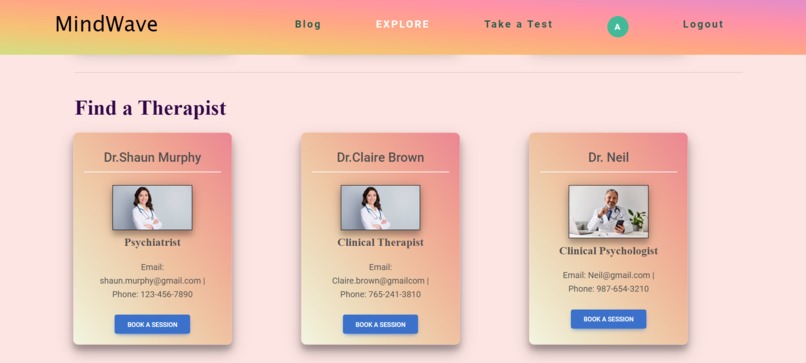
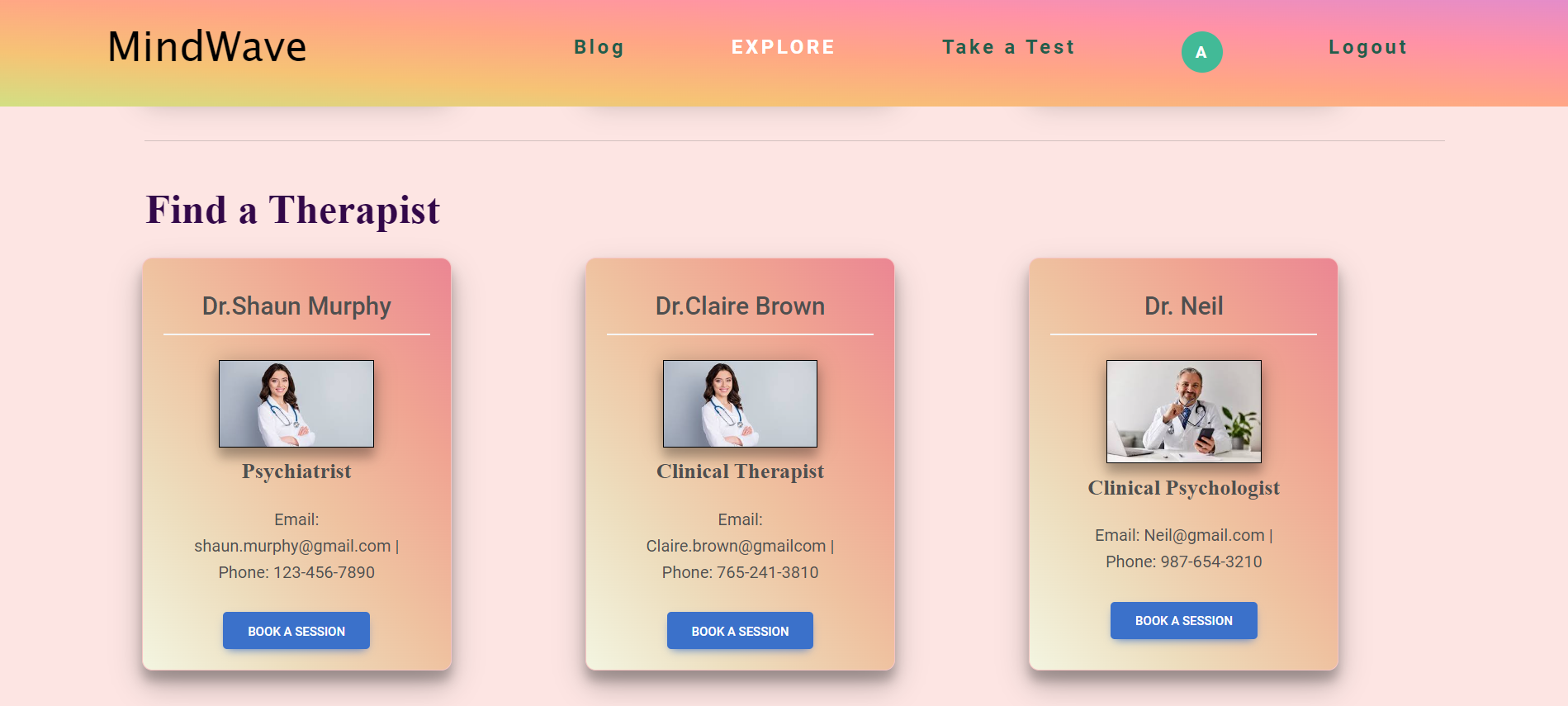
Doctors
-
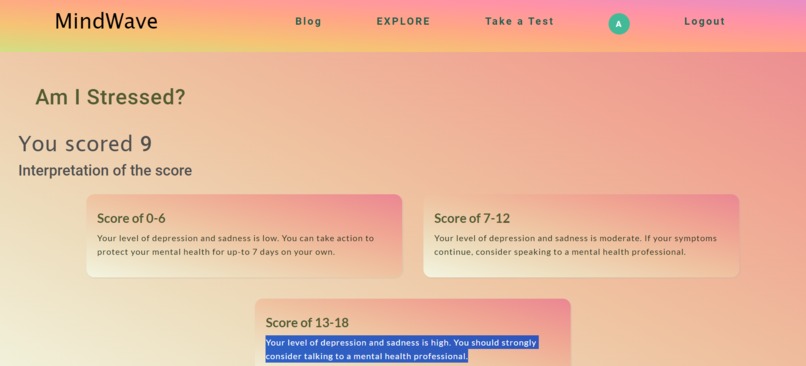
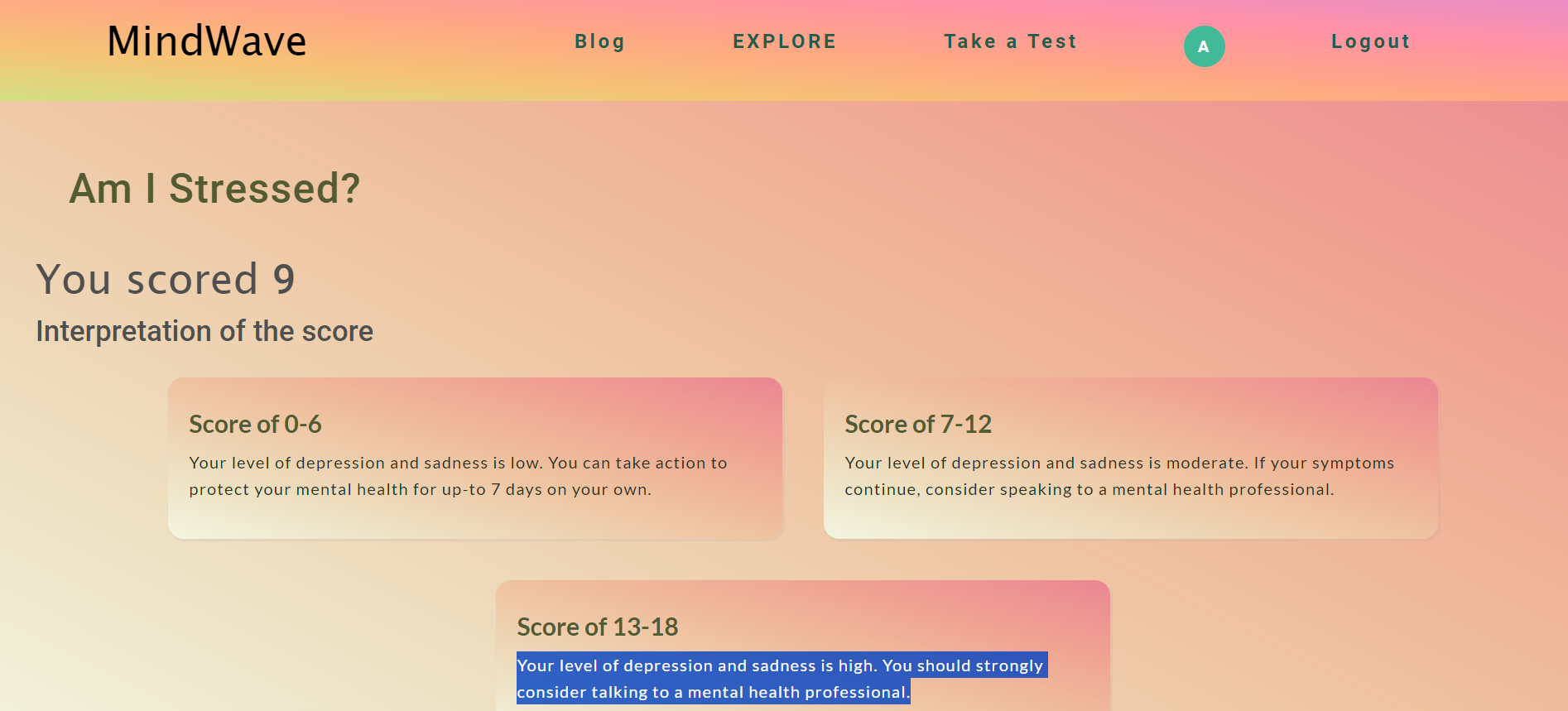
Result
-
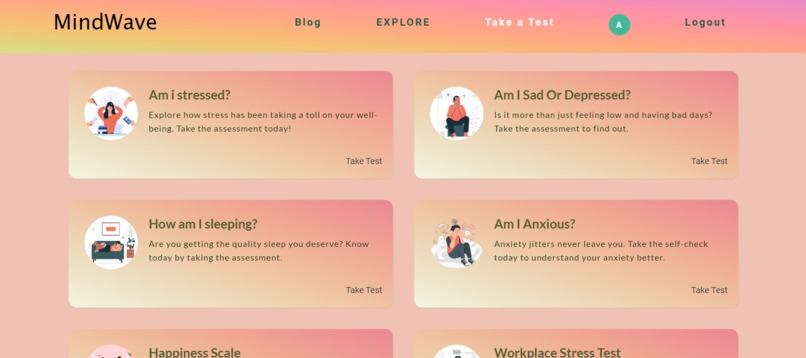
Category
-
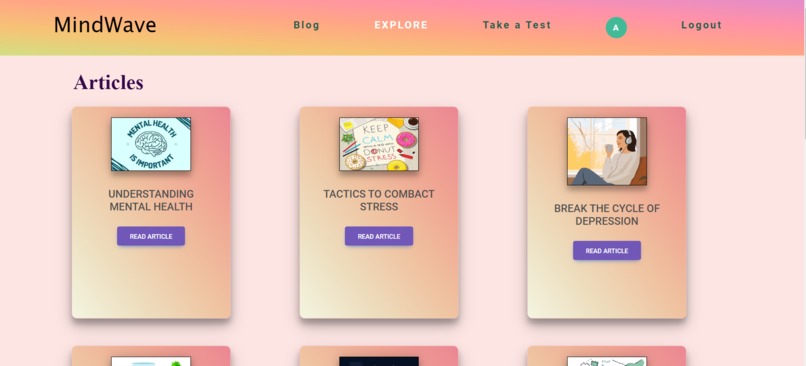
Articles
-
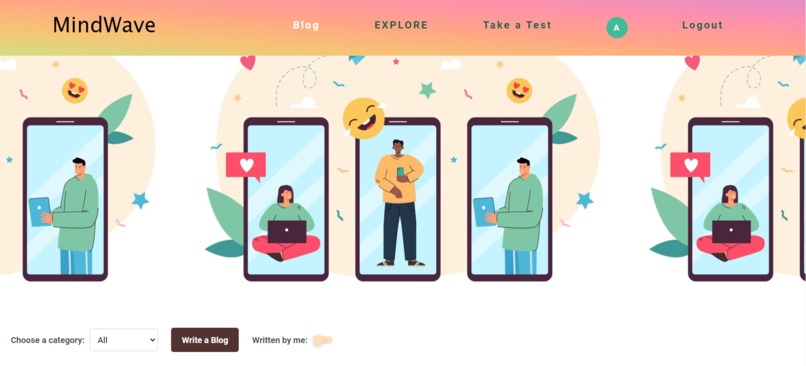
Blog
-
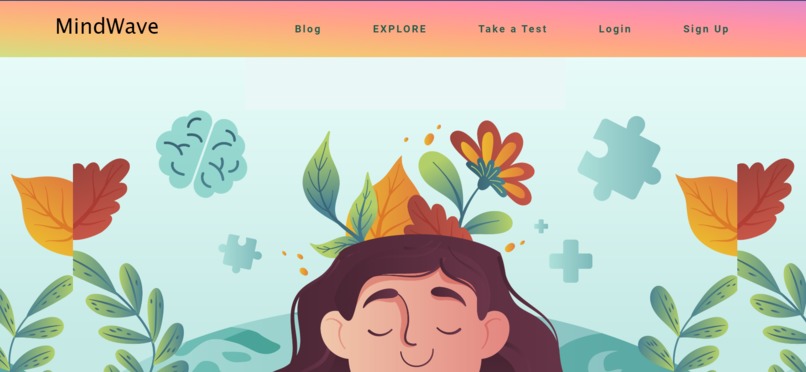
Home page
-
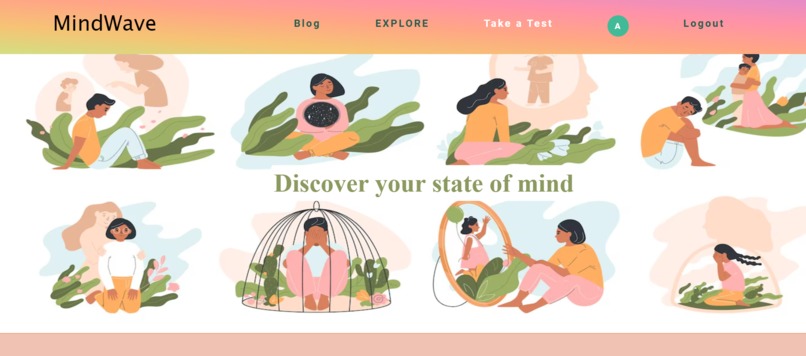
Tests
-
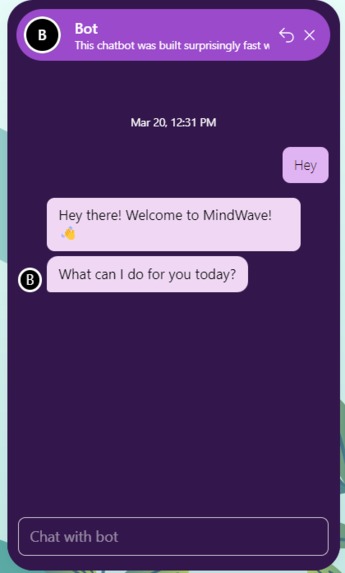
Chatbot

Inspiration :
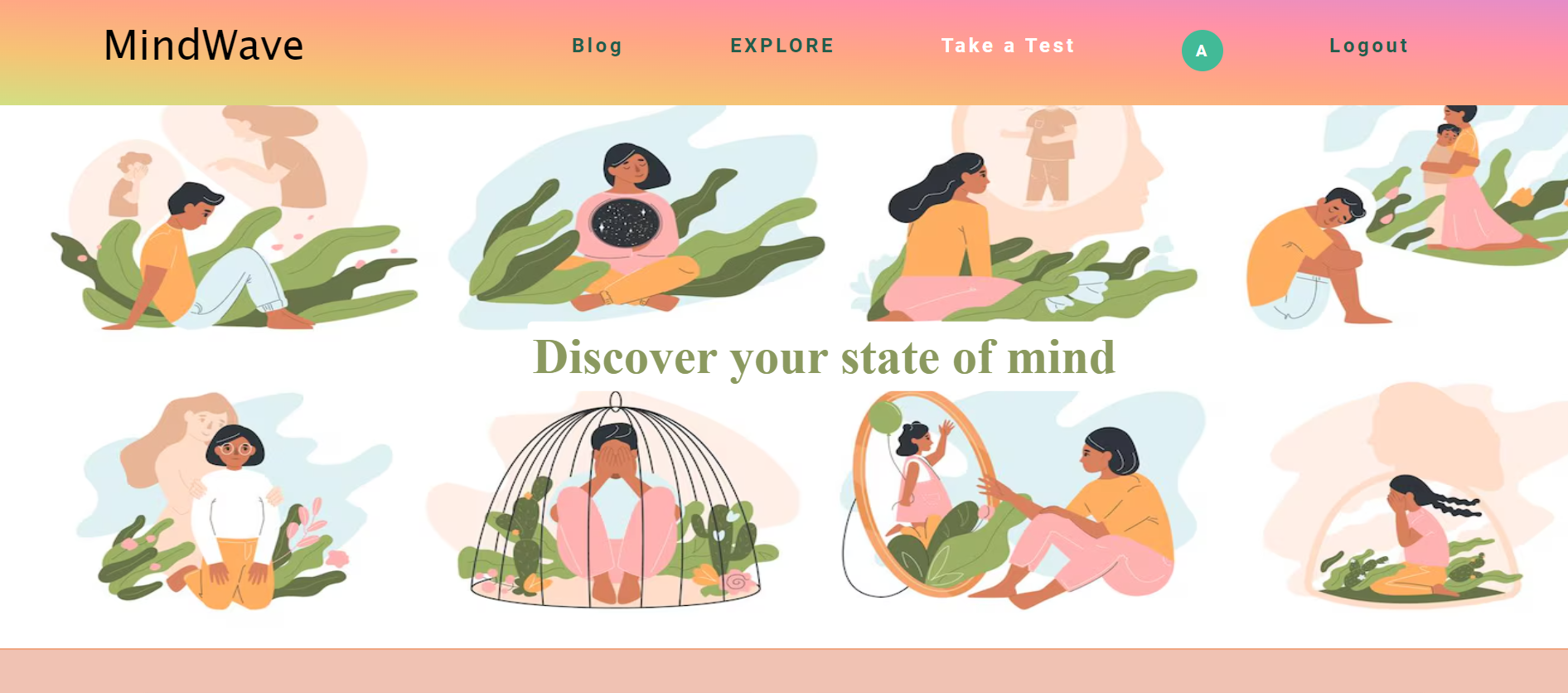
Our team comes from a place where "Mental health" is considered either a mental illness or not considered at all. Where the minds are just filled with the cliches of the society that makes finding a place to cope, difficult. "970 million people worldwide" is what made us think about working on "MindWave", where we could make a difference by overcoming this stigma and helping people and thus creating more awareness .
What it does :
1. Impact of Technology on Mental Health
2. Need for Comprehensive Support
3. Personalization is Key
4. Importance of User-Centric Design
5. Potential of AI and Machine Learning
How we built it : The creation of our project began with a vision to create a platform that supports mental well-being. Our journey began with Figma, where we transformed raw ideas into polished wireframes, meticulously sculpting every detail to perfection. On the frontend, we combined React, CSS, and Bootstrap to build a dynamic and responsive interface, accessible across various devices.
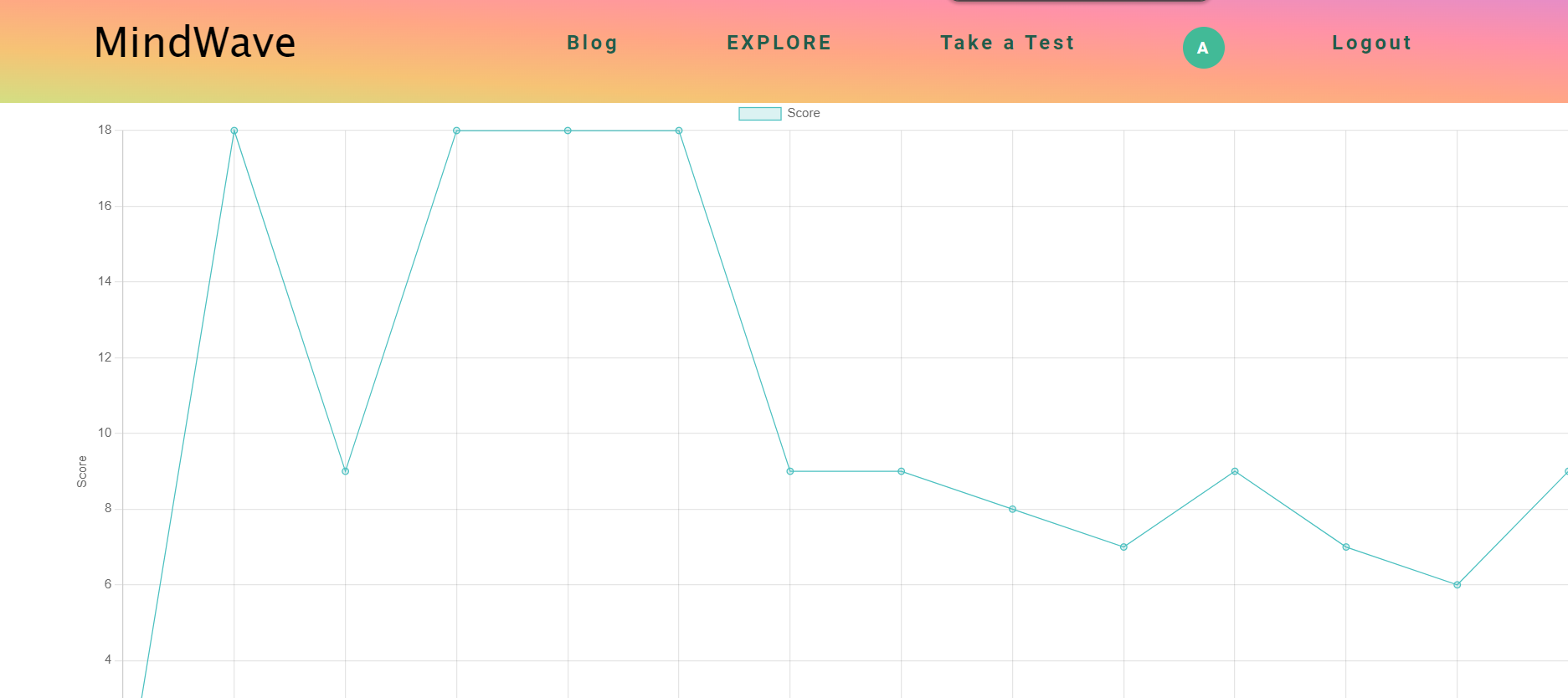
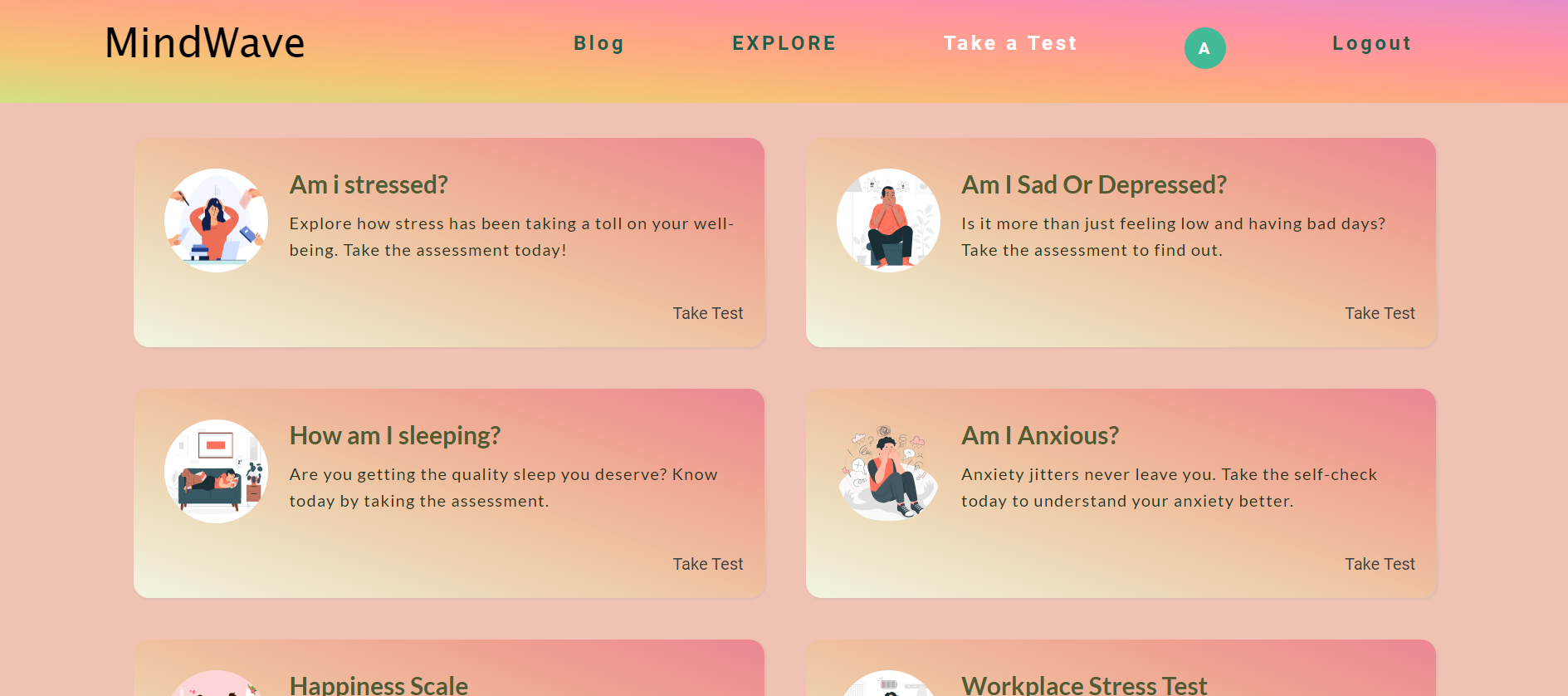
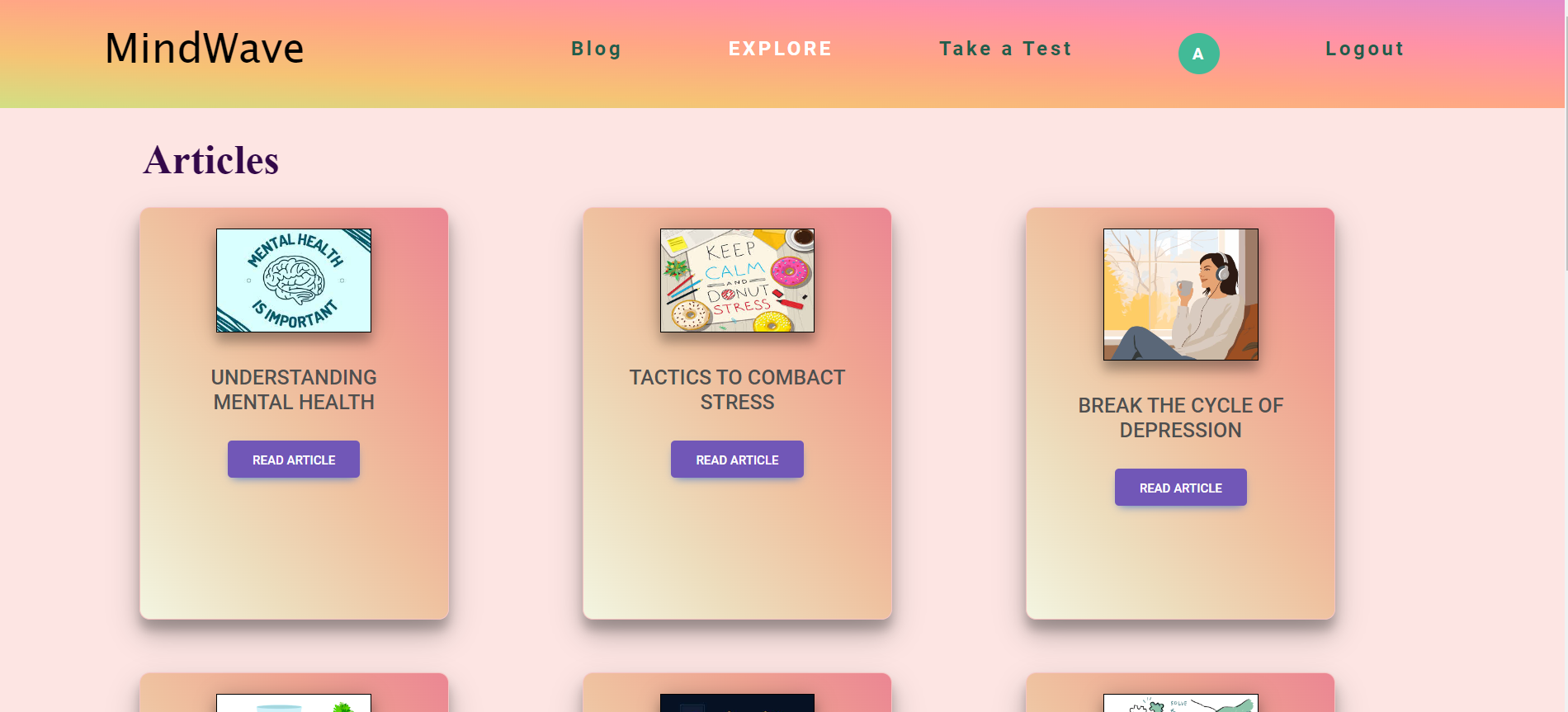
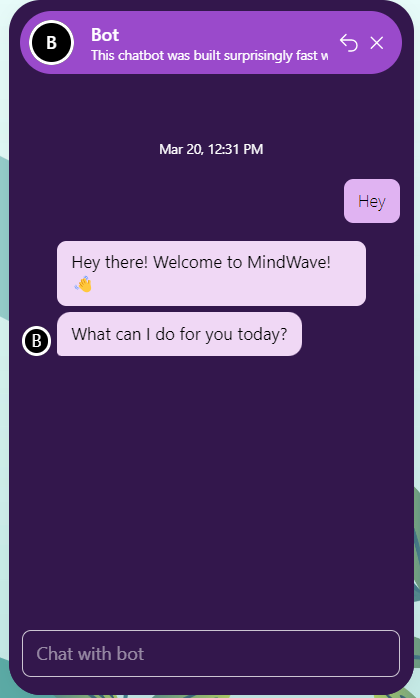
The core features include mood and emotion tracking, utilizing machine learning to offer personalized insights, and an interactive chatbot powered by Botpress, providing engaging support. We also curated a comprehensive Content Hub with educational resources, offering valuable guidance for users.
For the backend, we utilized Node.js and Express.js, with MongoDB as our database, ensuring secure and efficient data handling. We deployed the application on Netlify and Render, ensuring smooth and reliable performance.
Throughout development, we prioritized user feedback and rigorous testing, refining the platform to meet diverse needs. Our journey was fueled by a commitment to creating a reliable and supportive space for those seeking mental health improvement.
Challenges We Faced : One of the primary challenges was ensuring the security and privacy of user data, especially given the sensitive nature of mental health information. We implemented stringent security protocols to safeguard user information. Another challenge was integrating the machine learning algorithms seamlessly with the user interface to provide real-time feedback and recommendations. Ensuring the chatbot's responses were empathetic and supportive also required significant refinement and testing. And integrating the dashboard for user to display the required data.Accomplishments that we are proud of :Our use of comprehensive user research and iterative design processes ensured that the platform is easy to navigate and engaging for a diverse audience. This focus on user experience has been validated by positive feedback and high user satisfaction. We successfully curated a rich collection of educational content, including articles, coping strategies, and inspirational stories. This extensive resource hub has been instrumental in providing valuable support and information to users, helping them on their mental health journey. Through our platform, we fostered a strong sense of community, providing a safe space for users to share their experiences and connect with others. This accomplishment is particularly meaningful as it has helped reduce feelings of isolation and provided a supportive environment for those struggling with mental health issues.
What's next : AI - powered personalization's Multi-lingual Gamification Customizable Self-Care


Log in or sign up for Devpost to join the conversation.