-
-
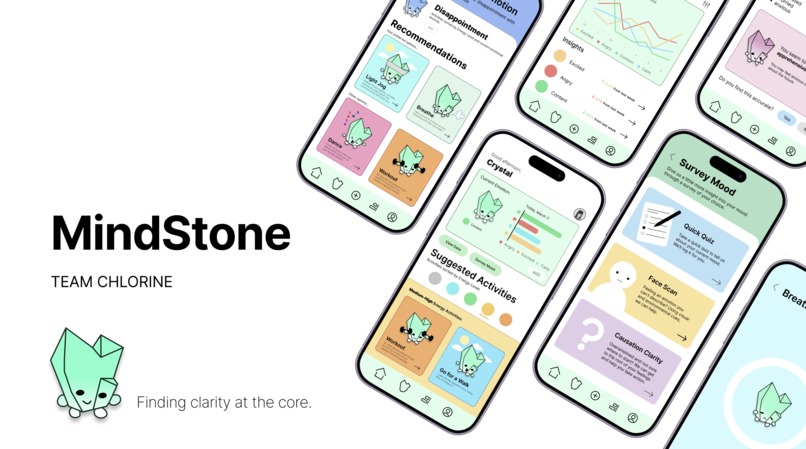
Introducing: MindStone
-
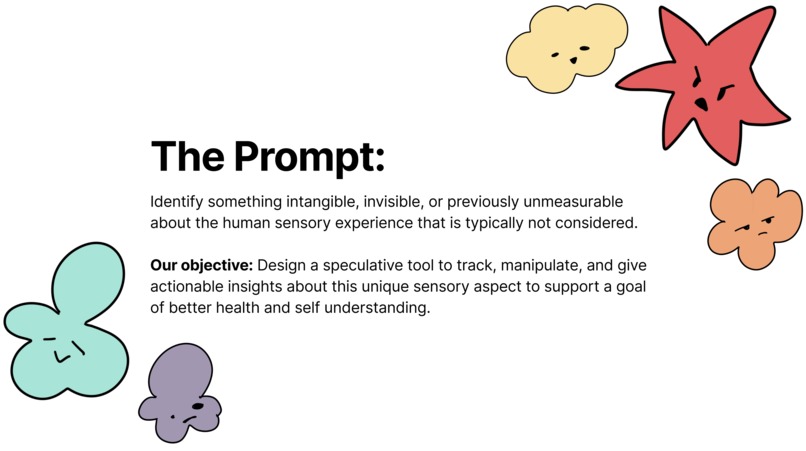
Prompt: FigBuild 2026
-
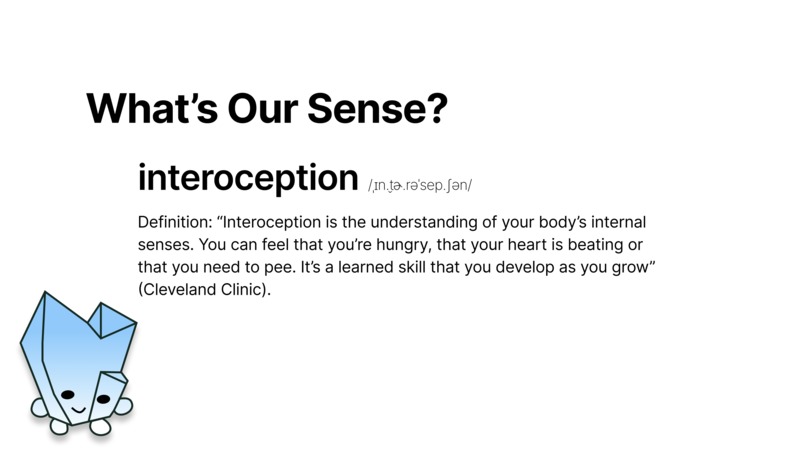
Our Sense: Interoception
-
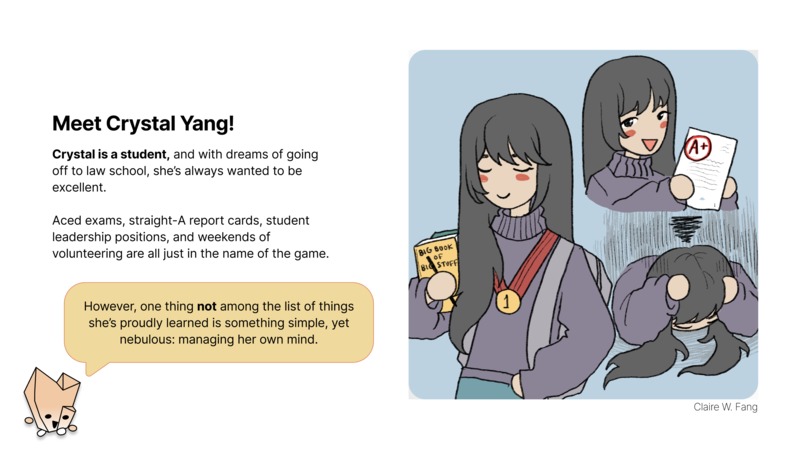
MindStone User Persona: Crystal Yang
-
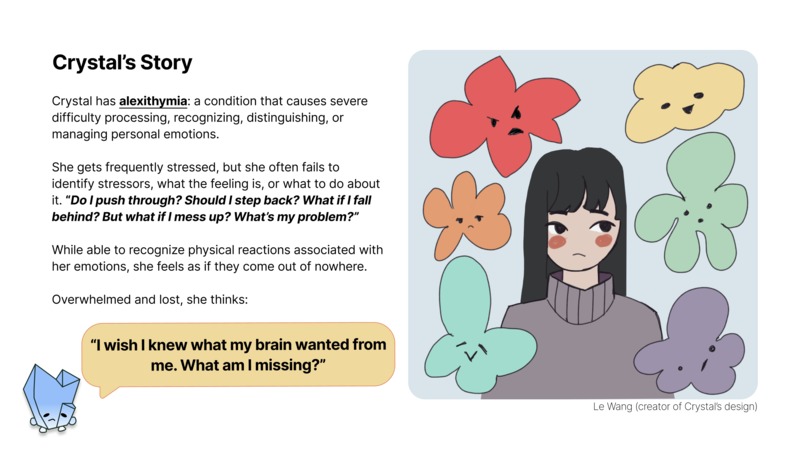
Crystal's Story
-
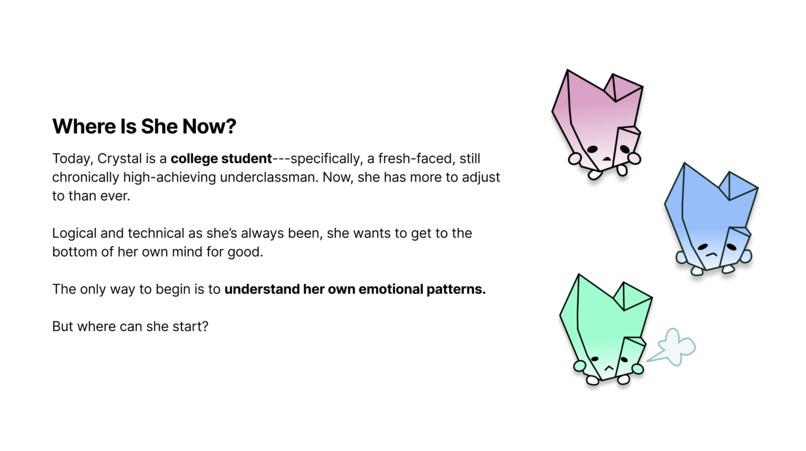
Crystal's Story (cont'd)
-
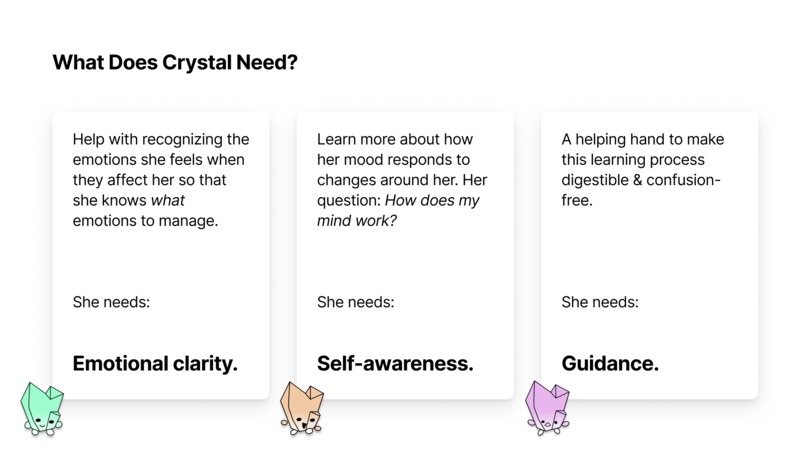
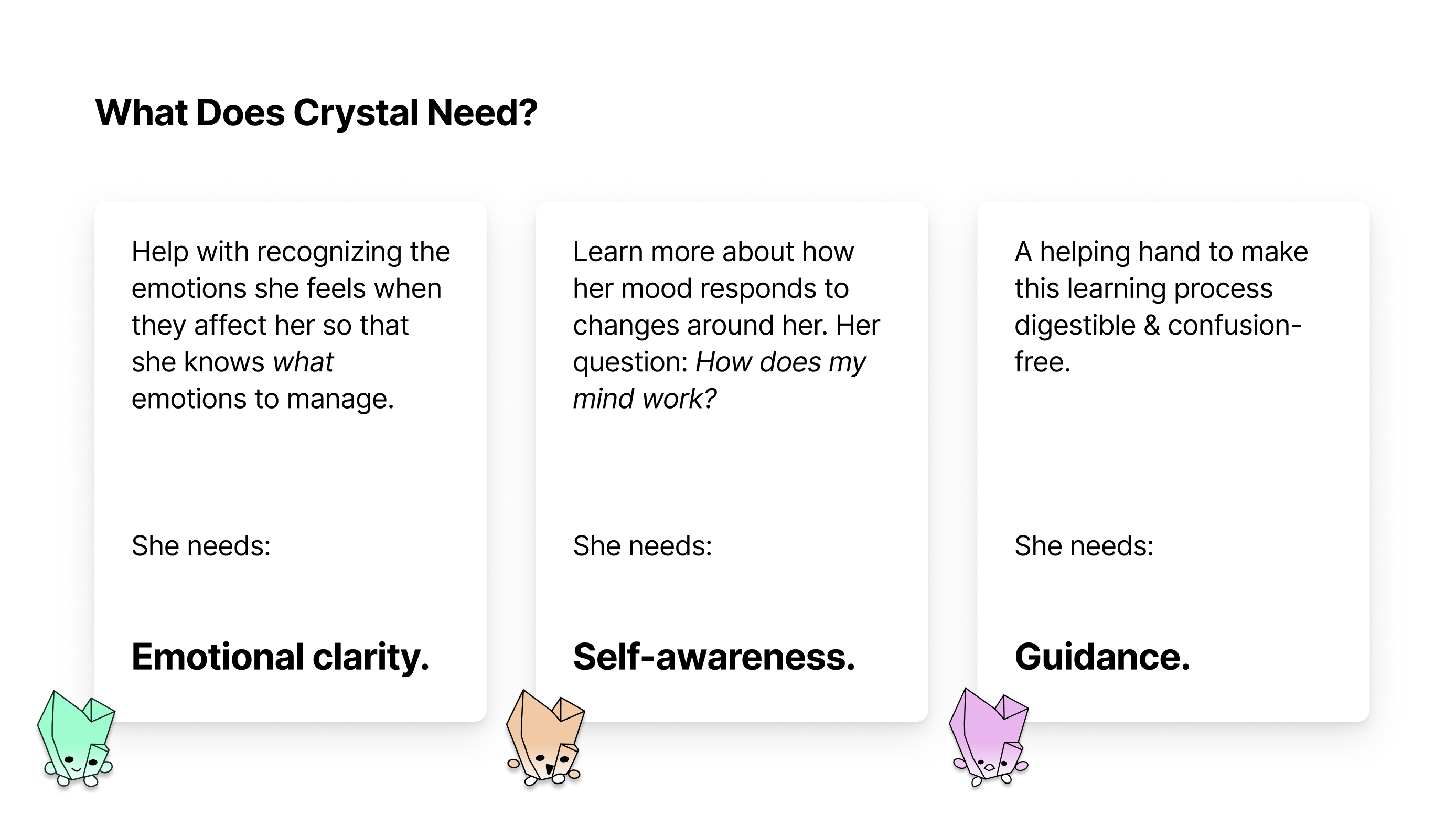
What Does Crystal Need?
-
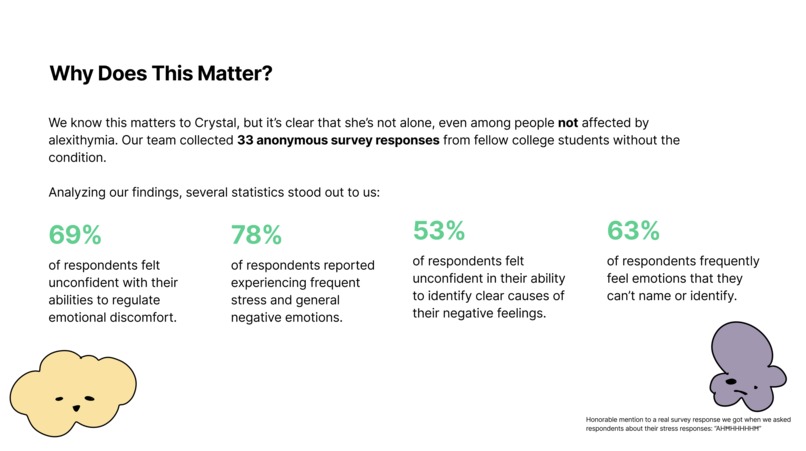
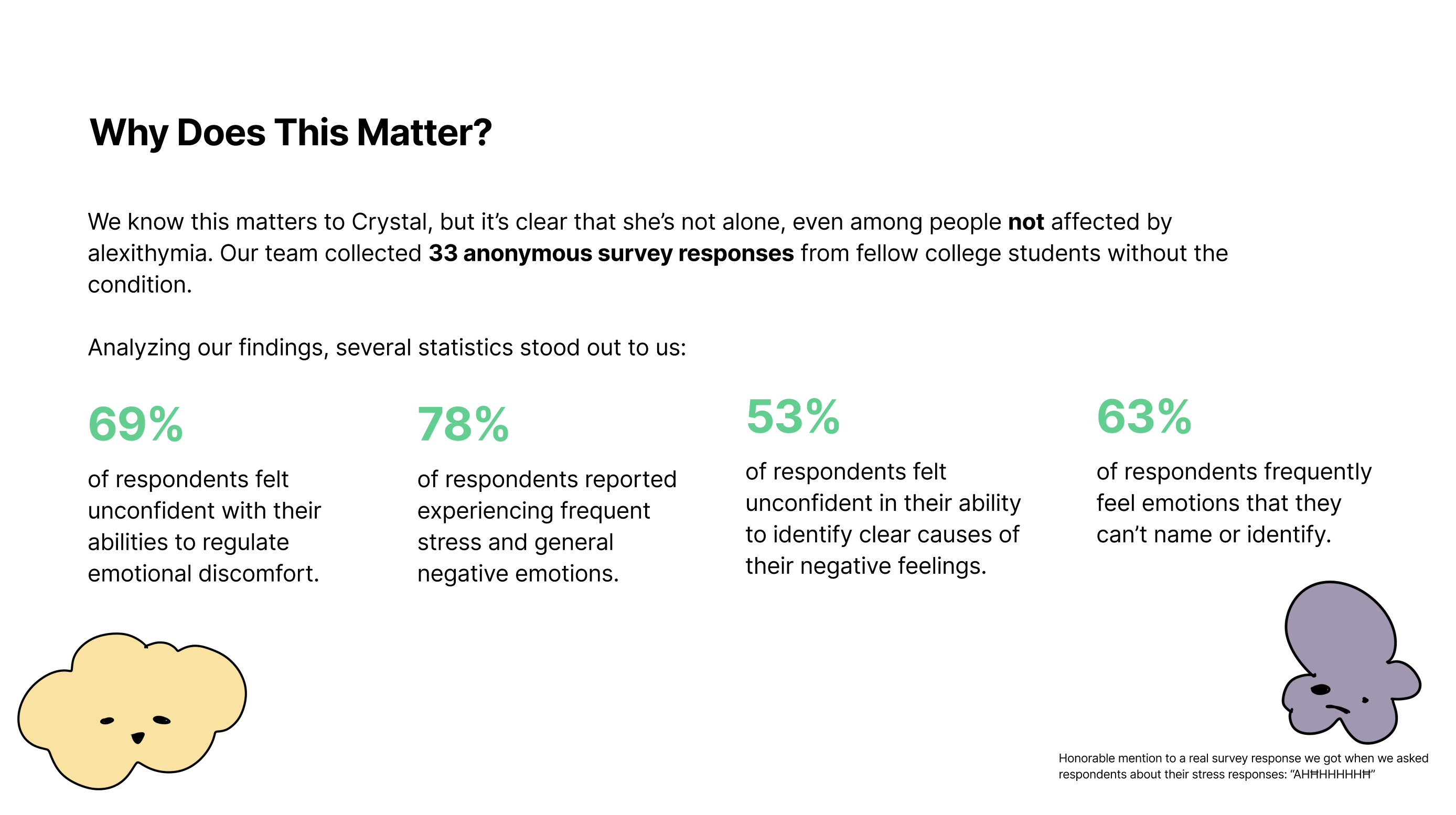
User Research Insights: Why This Matters
-
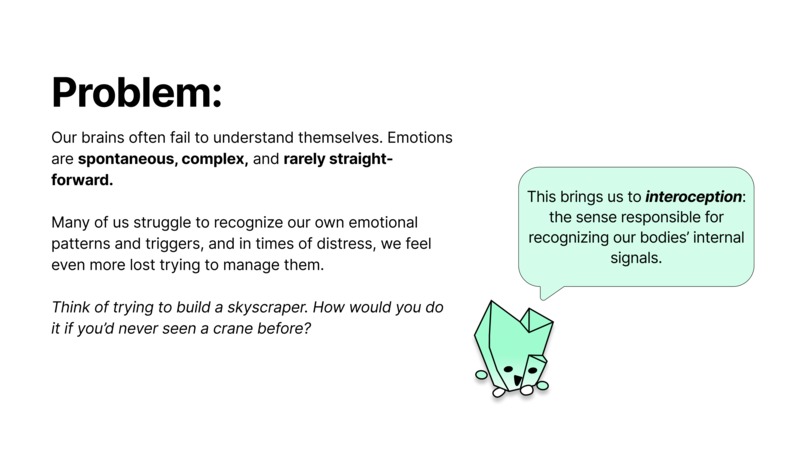
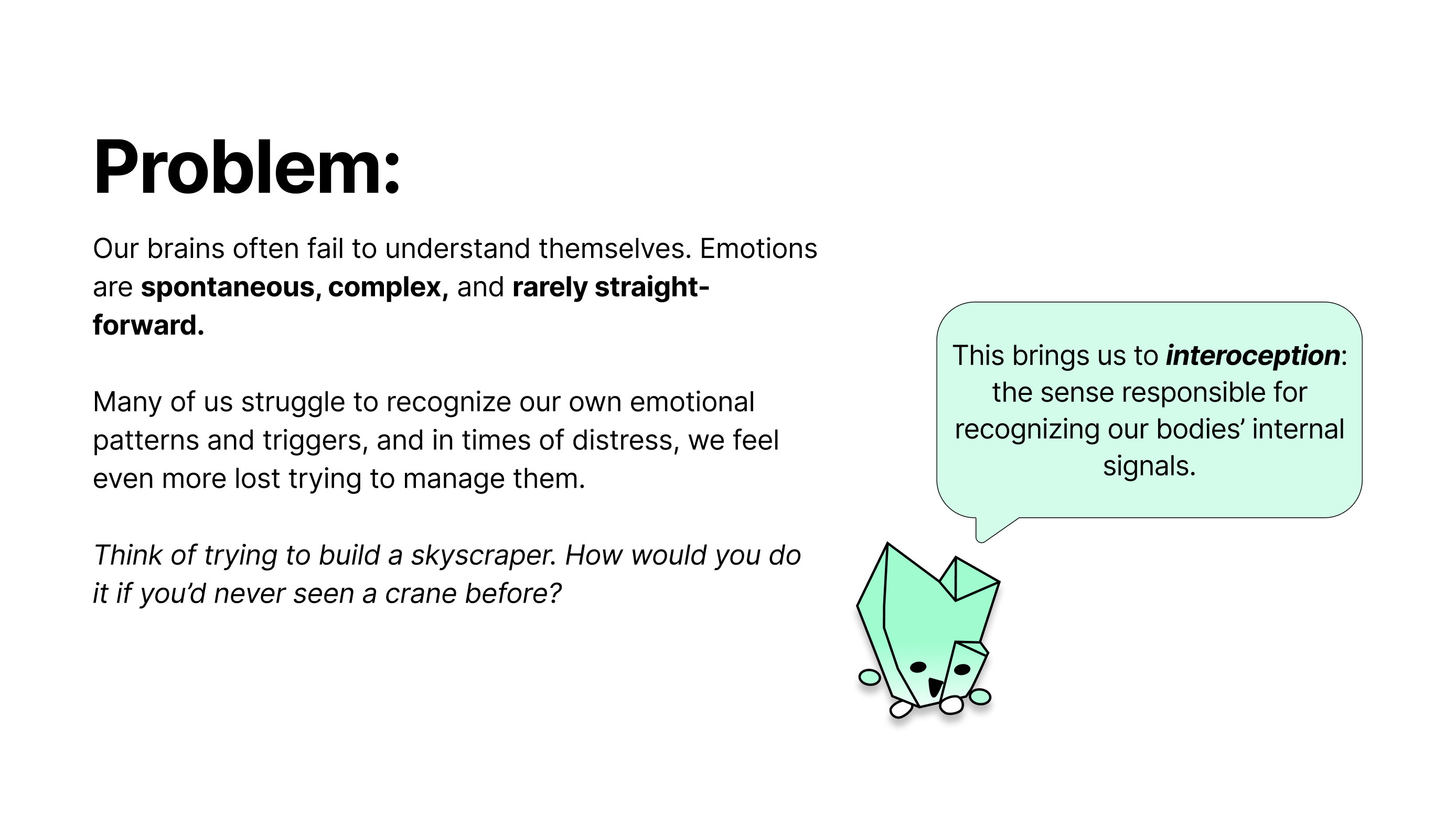
The Problem To Solve
-
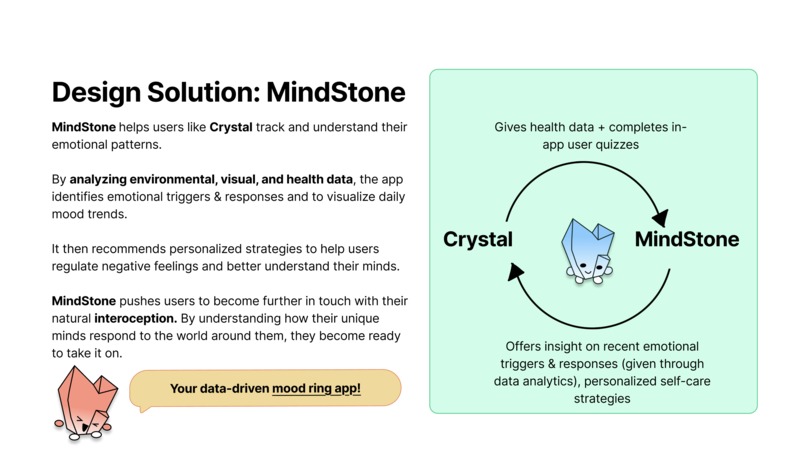
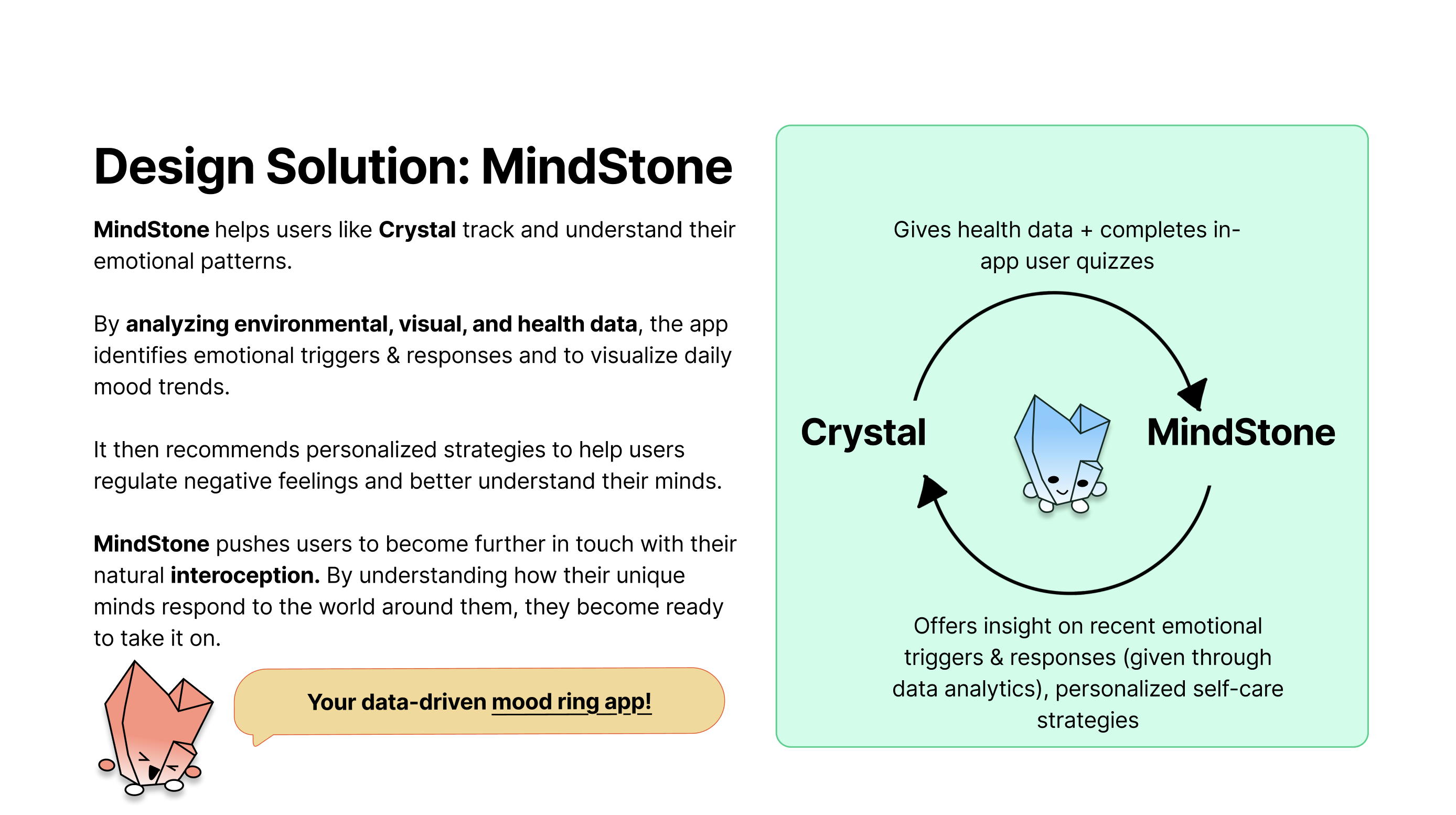
Our Design Solution: MindStone
-
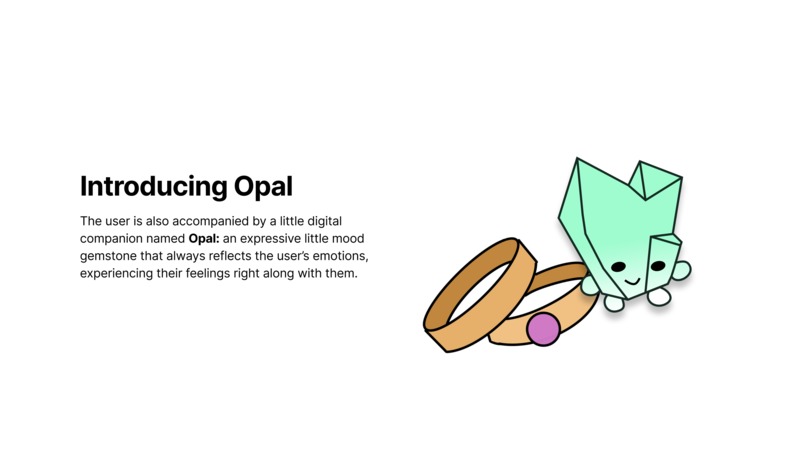
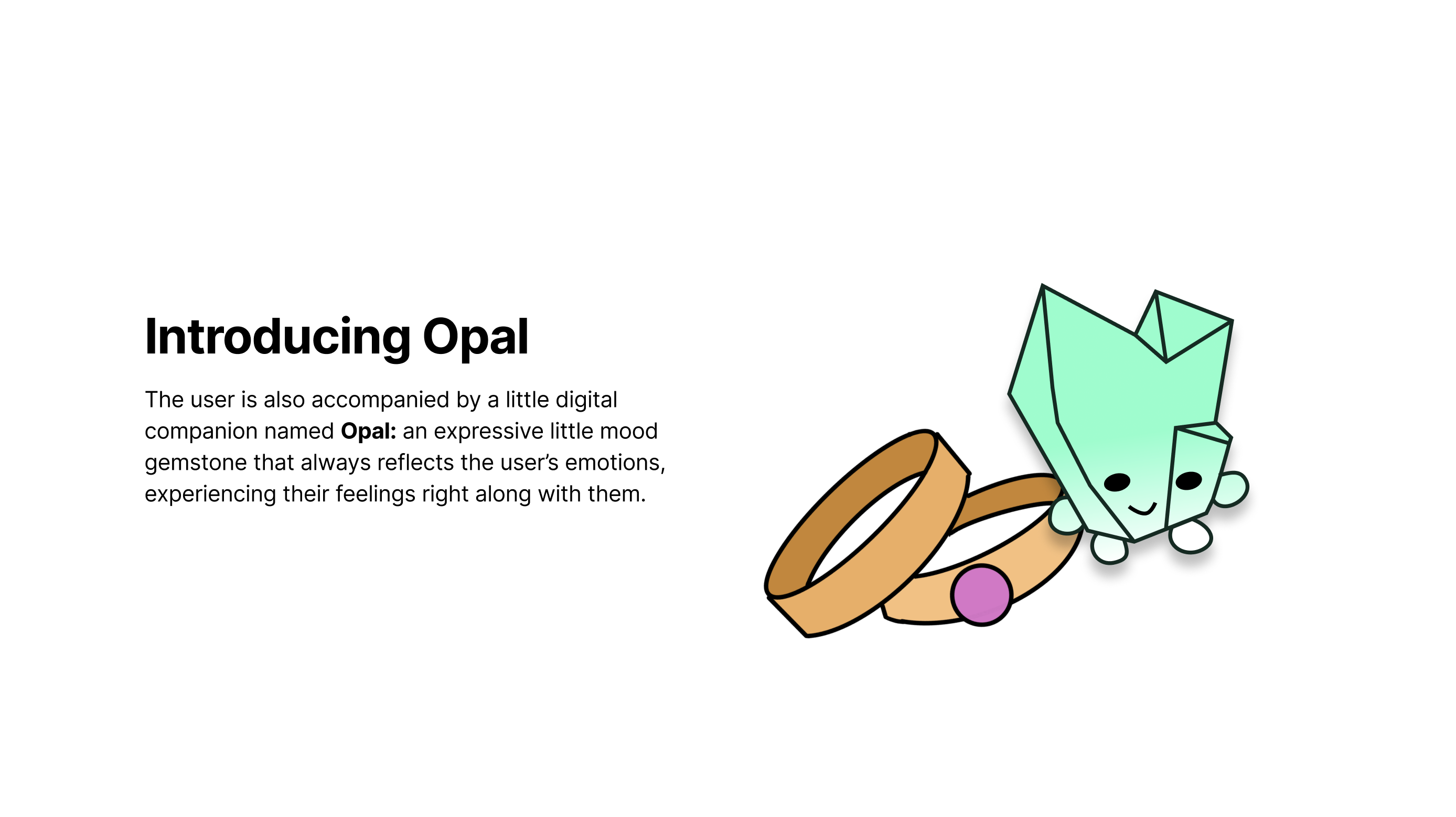
Meet Opal!
-
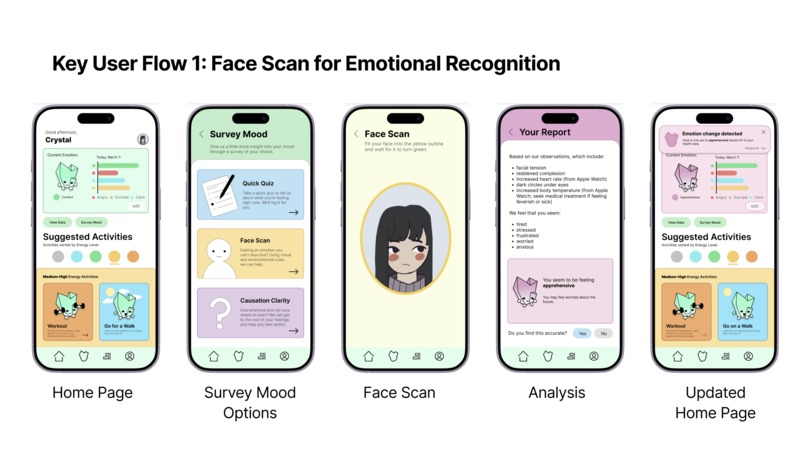
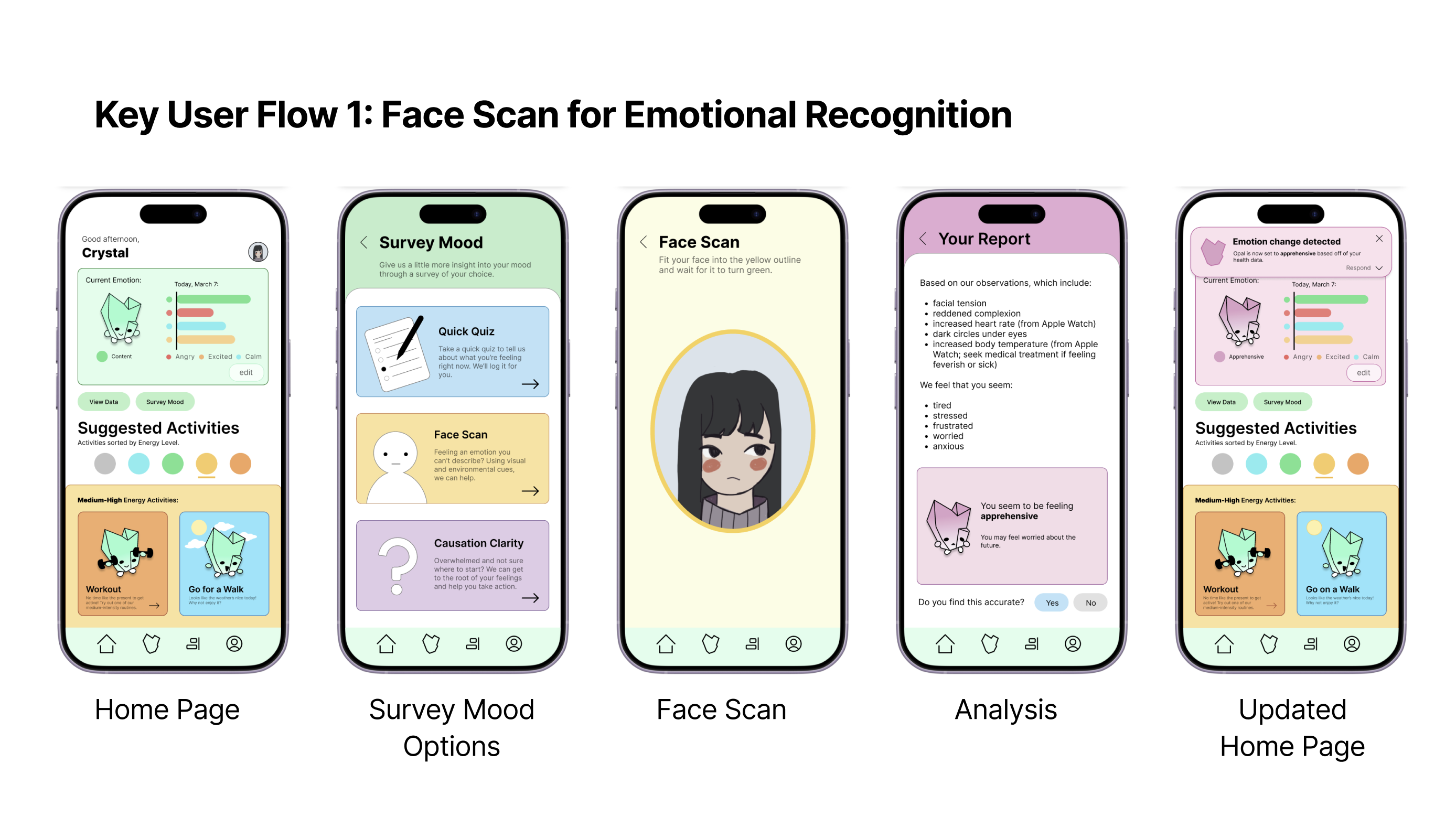
Key Flow: Face Scan Analysis
-
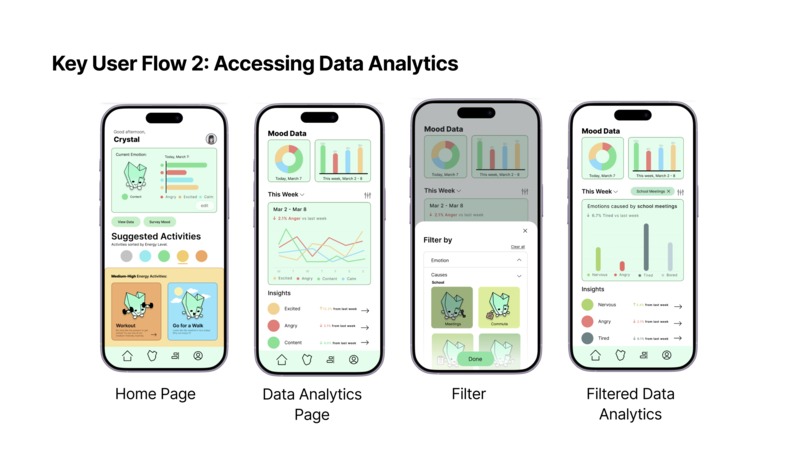
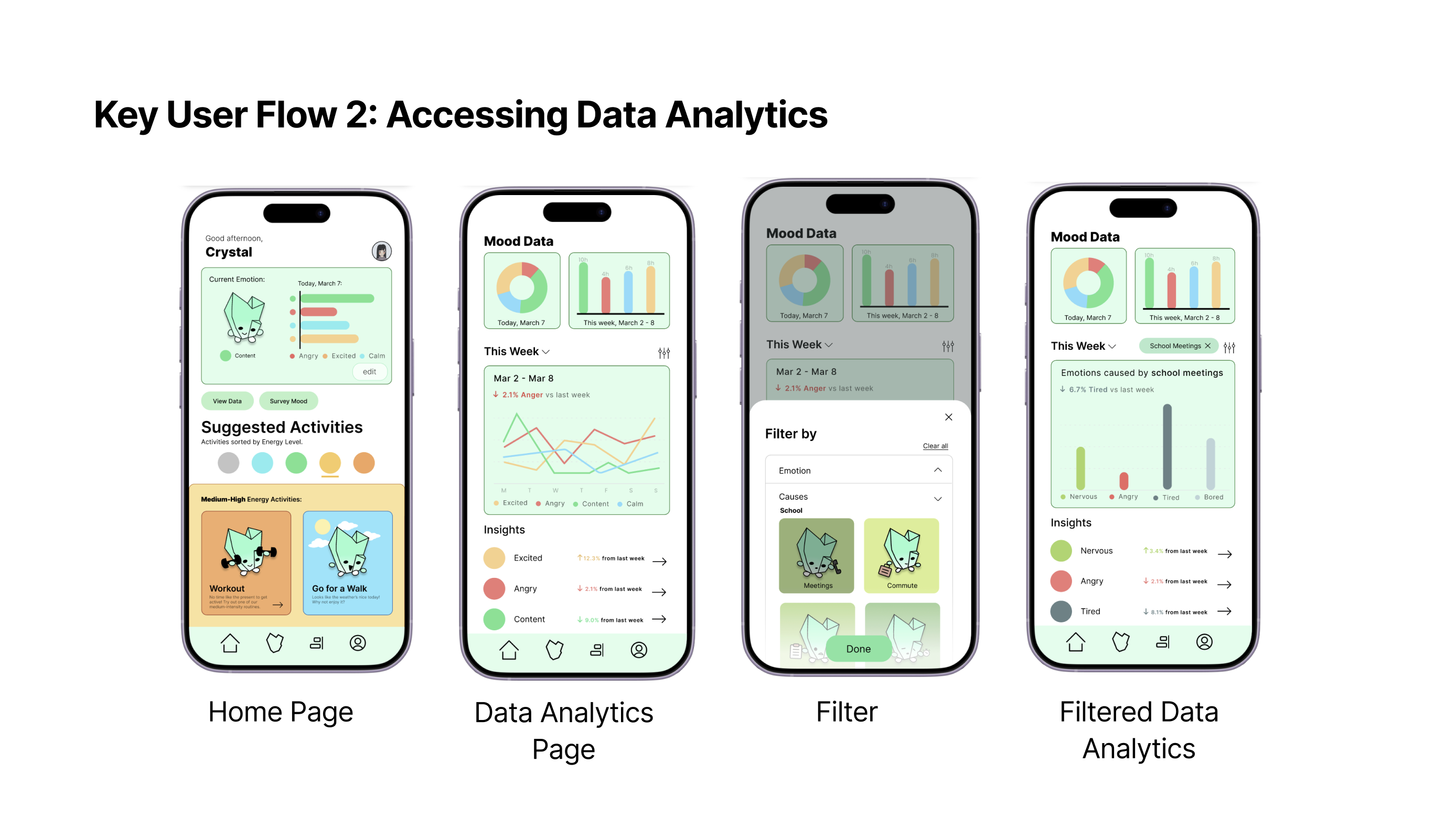
Key Flow: Accessing Data Analytics
-
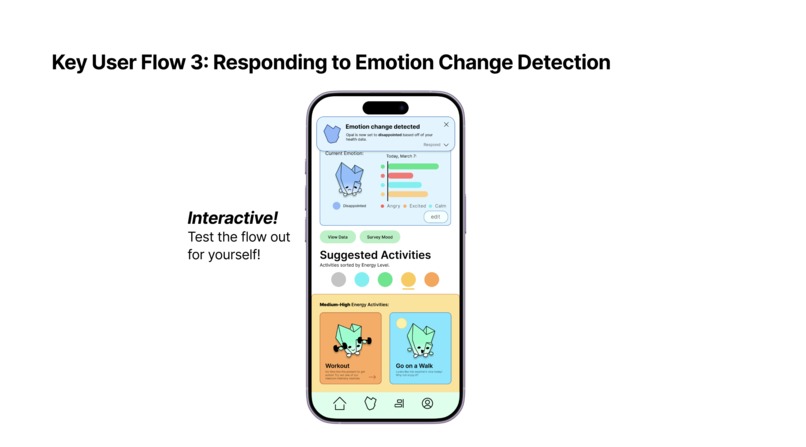
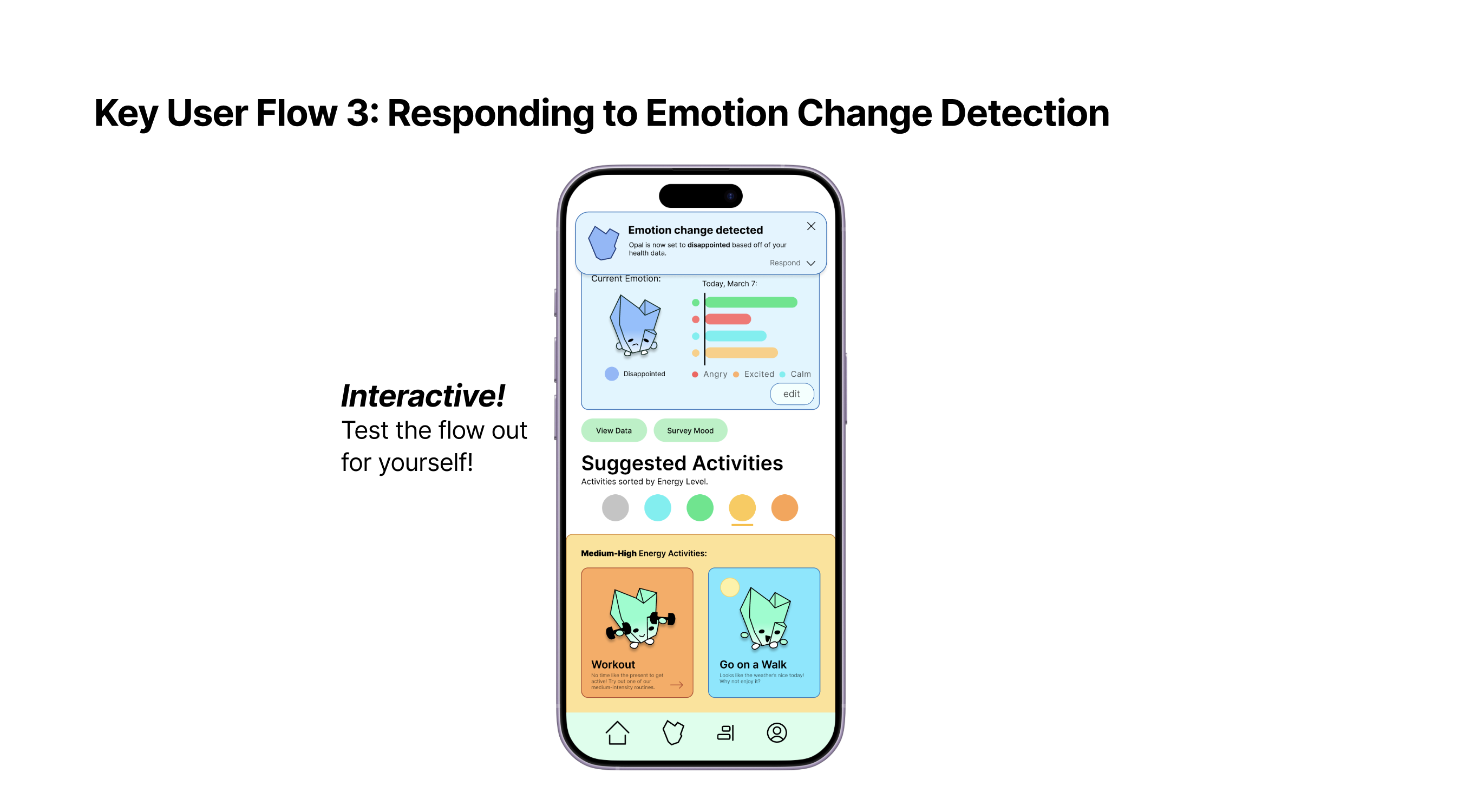
Key Flow: Responding to Emotion Change Detection (Try this out in our Figma Slides deck!)
-
Front Page App Name and Icon

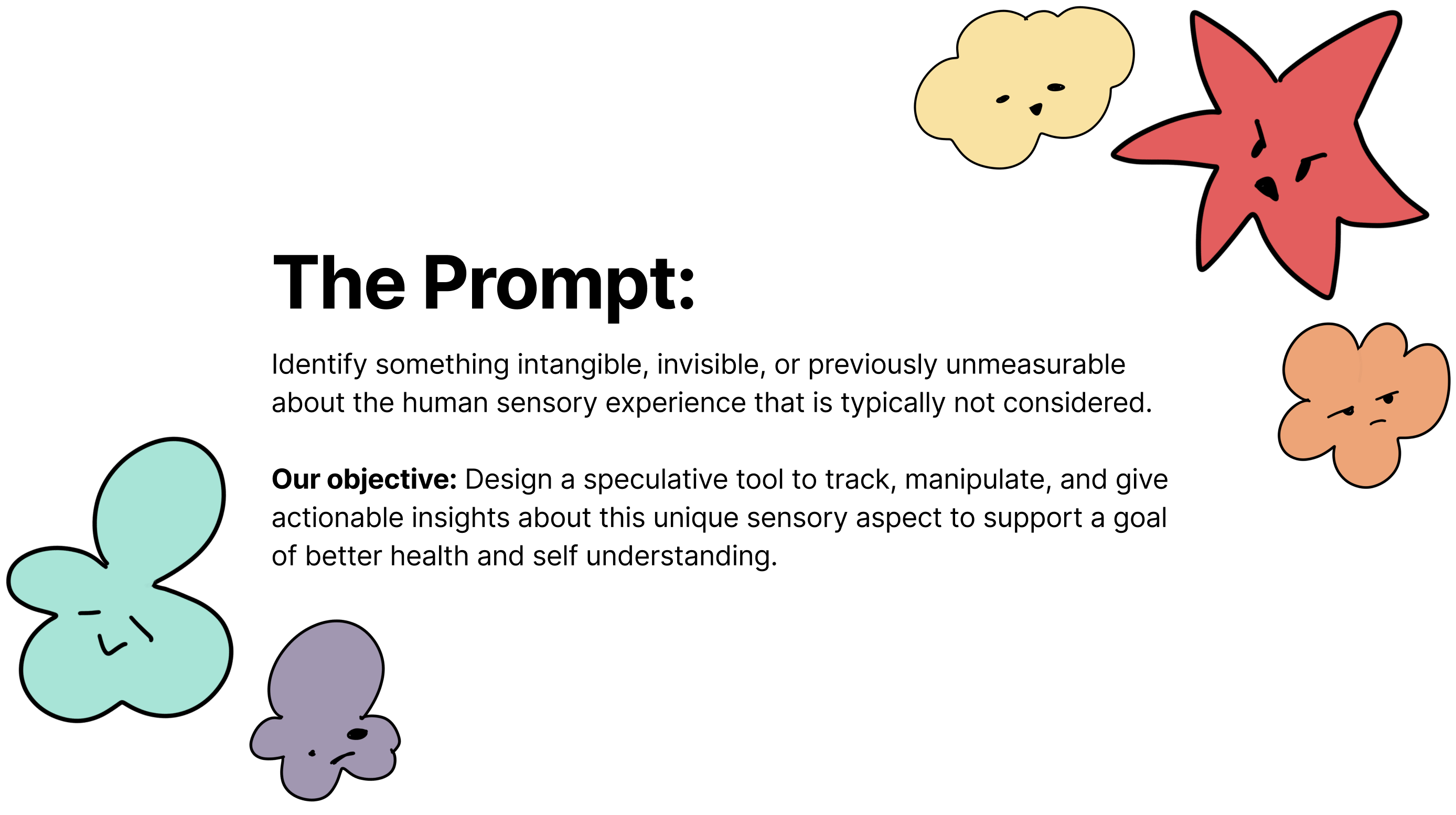
Inspiration
When we envisioned creating a project for this year's prompt, among the first sensory experiences we thought of in our brainstorming was a simple, yet mysterious one: the abstract feeling of simply experiencing our own emotions.
More specifically: the intrinsic unpredictability that can come with that feeling.
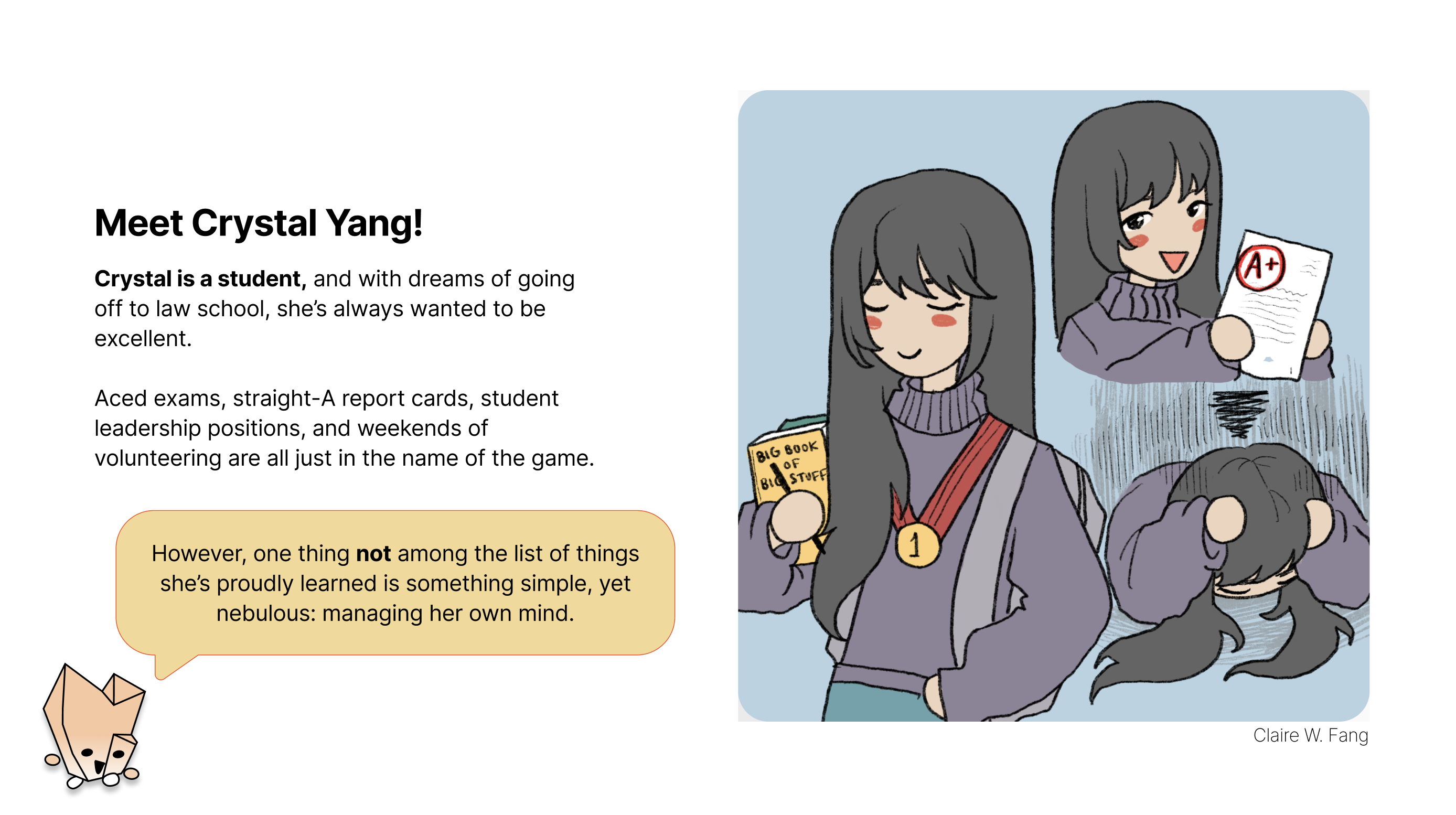
We were reminded of several instances in our own lives in which our own emotions felt like mysteries: where our negative emotions consumed our judgment and limited us.
Moments of stress that would quickly morph into hours of accidental procrastination before we could even process it. Feelings towards things that we couldn't explain or place. Emotions that would go stifled and left to boil under pressure, all because we didn't notice they were there until they came to a head.
Understanding experiences like these, we wanted to make a comprehensive solution for users facing these same dilemmas.
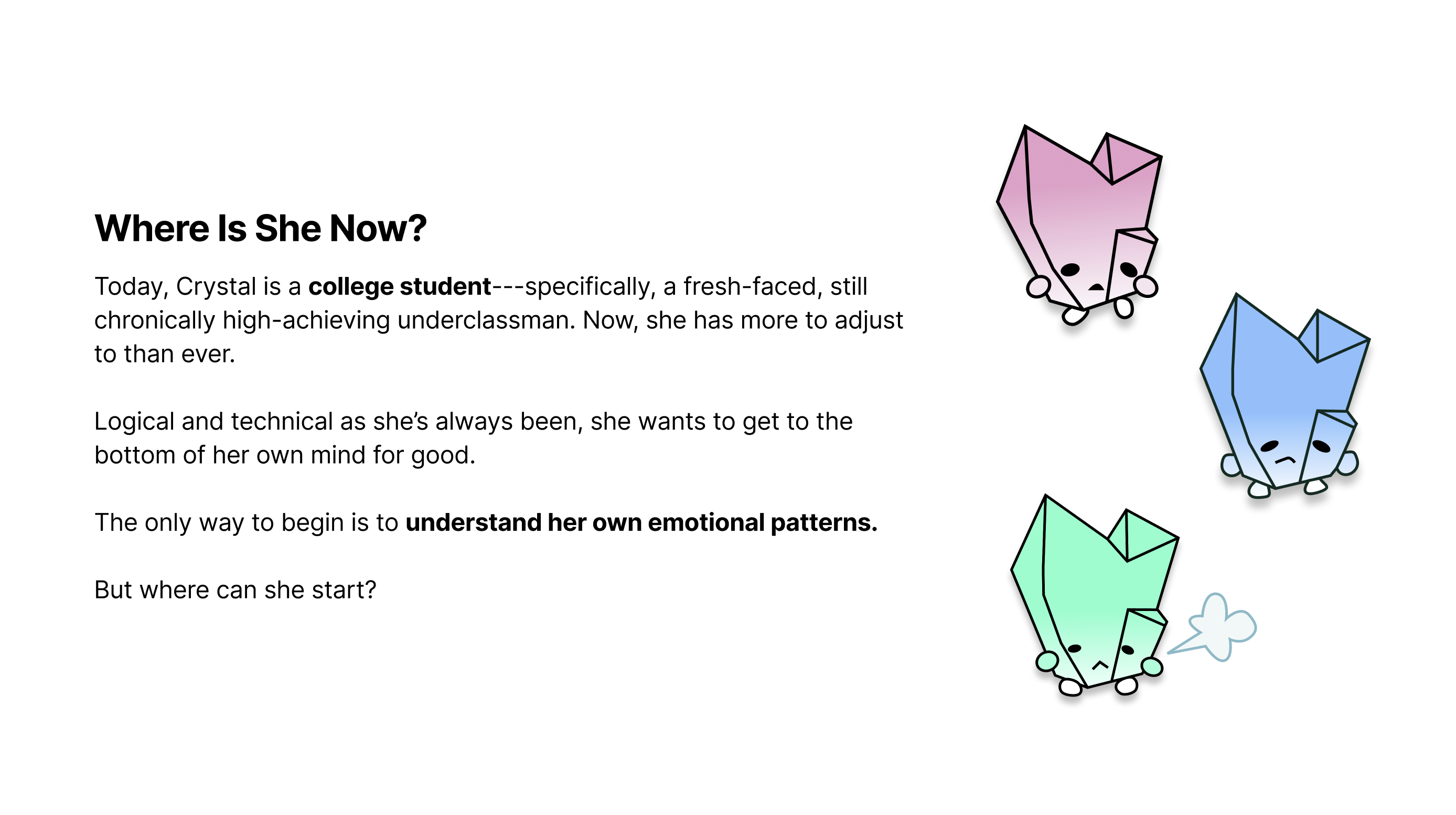
A solution that not only demystified the process of identifying their exact feelings in the moment, but also traced their reactions back to realistic causes—helping them become self-aware of how to best process and manage their own emotional patterns in order to make them more ready to take on the world every day.
When we were developing MindStone, we wanted it to be capable of thoroughly comprehending—and digestibly visualizing—users’ feelings. Users would be given an engaging and encouraging safe space to learn more about themselves and grow into their emotional intelligence and recognition—their interoception.
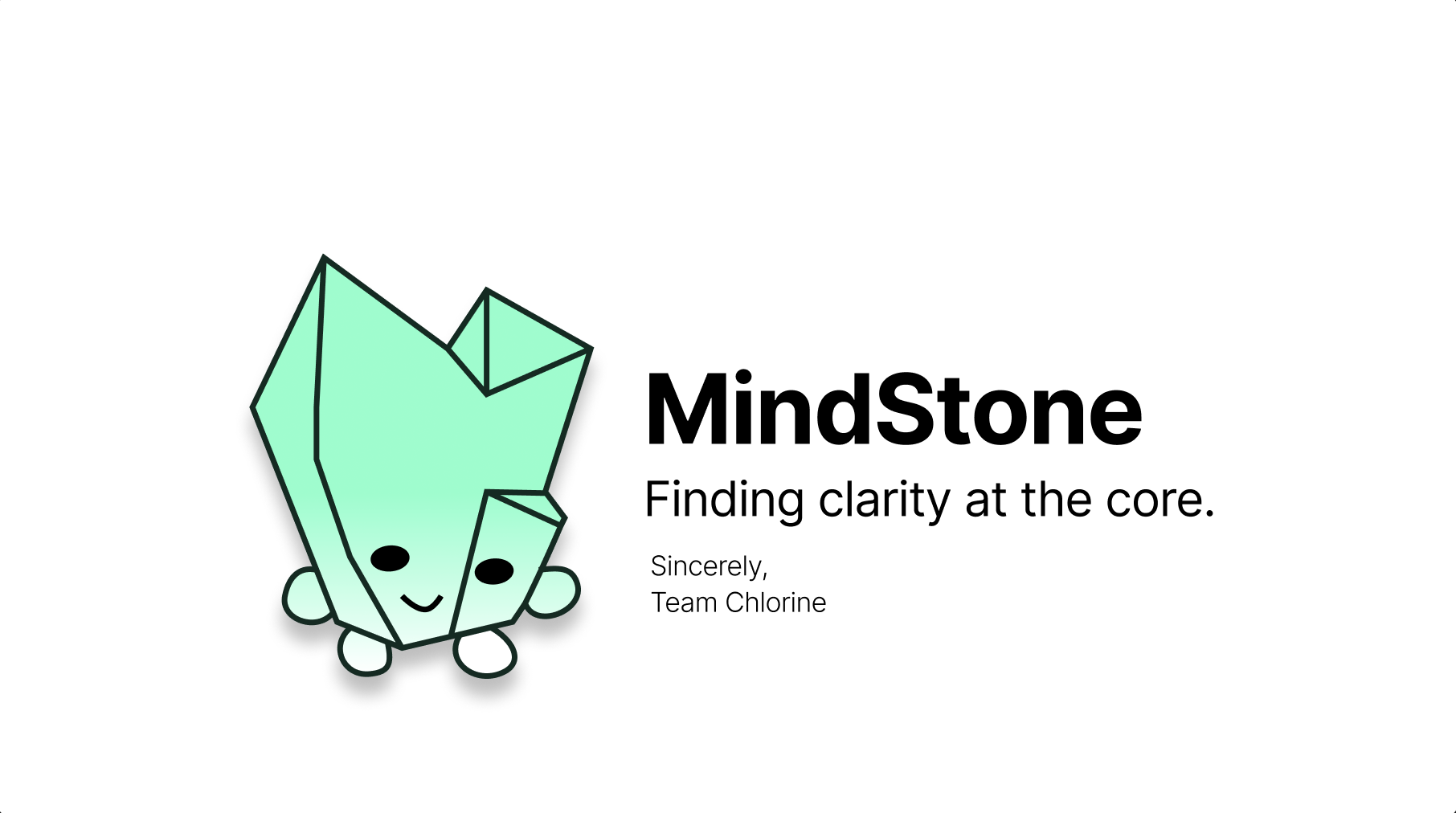
For our mascot, we were inspired by Tamagotchi pets. For our app, instead of having our mascot as a pet, it would mirror the user’s emotions to help the user understand themselves through its expressiveness.
What it does
MindStone is an app that analyzes and recognizes the user’s emotions, while providing activity recommendations to regulate negative feelings. The app pulls from the user's other health trackers, calendars, weather, and local news to facilitate clearer understanding of the user’s moods and the potential underlying causes behind them.
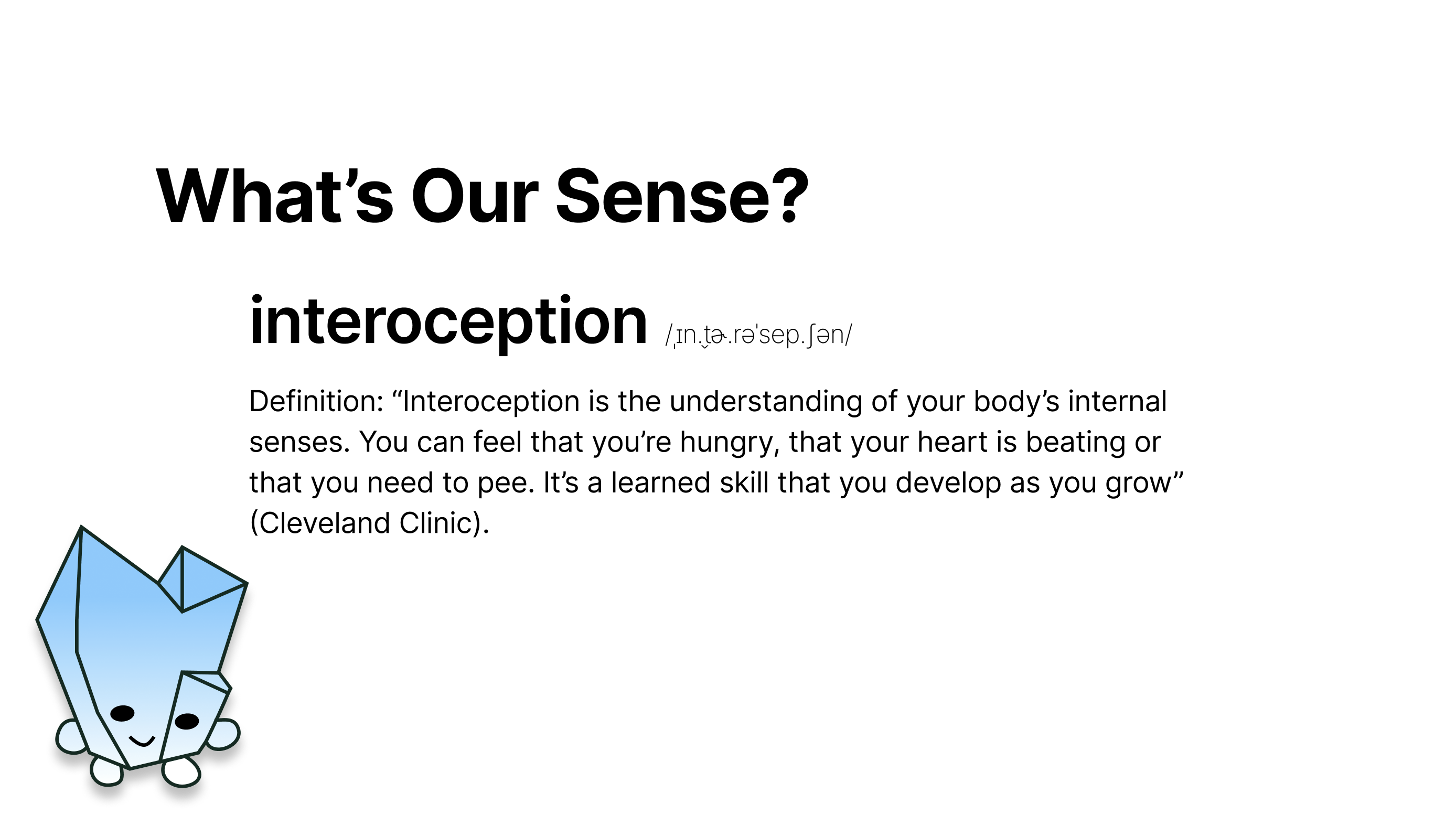
The sensory experience we’re working to get the user in touch with is the unique sense of interoception: the sense responsible for helping our brains recognize our bodies’ internal signals.
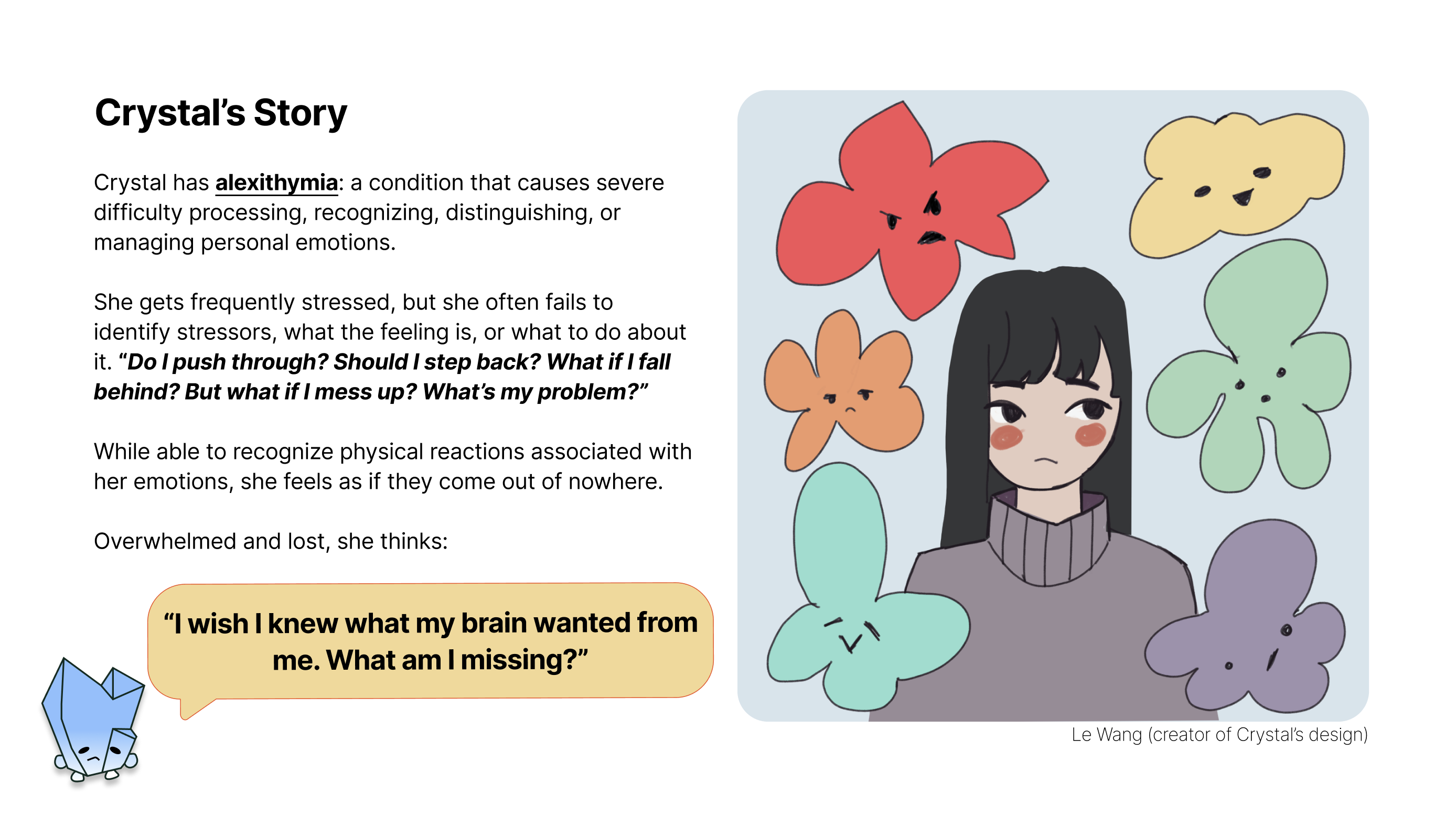
We’ve found that emotions are often difficult to understand and identify—much less regulate. When we conducted research, we found that many of our peers often struggled to characterize, trace, or regulate their own negative feelings. Trying to manage feelings that you can’t identify is like trying to build a house with duct tape; it’s nearly impossible to accomplish, and you have no clue what to do with what you have.
But with MindStone, it doesn’t have to be that way.
How we built it
This project was completed using Figma and Procreate, and then refined with Figma Make. Procreate was used by the two of us to design low-fidelity sketches and concept art, while Figma Design and Figma Make were used for mid- and high-fidelity product prototyping.
Challenges we ran into
We struggled a lot with narrowing down ideation, as we began with a large number of ideas with a highly expansive scope. After taking a long time to work through the pros and cons of each, we were able to narrow our options down to the ones we deemed would be most important to our user base.
Another challenge was the learning curve with Figma Make. We learned through trial and error that Figma Make requires significant amounts of detail and specification for it to achieve the intended effect. After numerous trials (and tribulations), we were able to make it work in our favor.
Accomplishments that we're proud of
We're very proud to have developed such an ambitious pitch within such a short timeframe. We are especially proud of our teamwork, as we were able to communicate our differences, combine our strengths, and play off of each other’s ideas until we came out with a product we are both proud of. This endeavor took a lot of communication, passion, shared creativity, and effort, and we hope it shows through each feature of the app.
What we learned
We’ve learned that foresight is everything in design. Each time we’ve said, “I’m sure we can come back to it down the line,” it has always returned to haunt us. Though we were able to work through all our issues successfully, we know that for the future, we’ll resolve issues as they come up, instead of pushing them off.
What's next for MindStone:
Ultimately, with this project, we are hoping to help everyone find clarity at their core.
Considering the short timeframe, we had to cut out a lot of exciting ideas to focus on the foundation of the app. Just a few examples of features we initially entertained included a social forum and an accompanying handheld device facilitating users’ stress relief (through grip training) that also had capabilities to monitor physical activity through motion tracking.
Though we were unable to include a lot of these features, we don’t see the journey of MindStone ending here.
Built With
- figma
- figmadesign
- figmamake
- procreate


Log in or sign up for Devpost to join the conversation.