-
-
MindStep Logo
-
Therapist's Interface
-
Therapist's Logging Interface
-
Therapist's Logging Interface
-
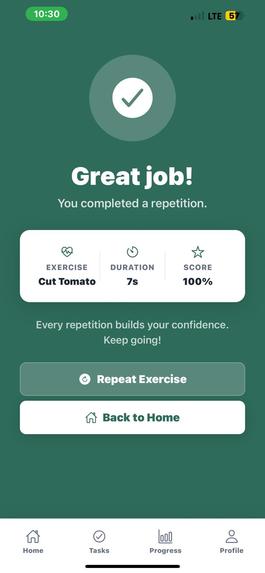
Therapist's Logging Interface
-
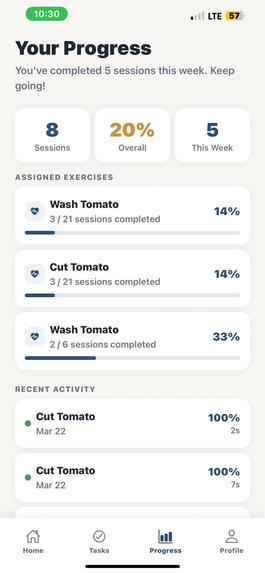
Therapist's Logging Interface
-
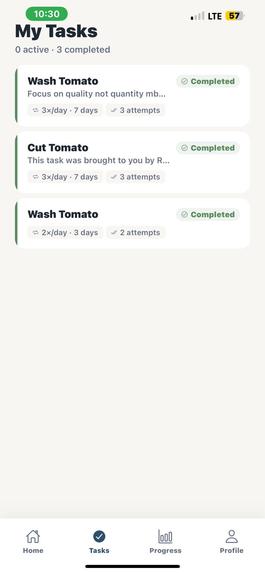
Therapist's Logging Interface
-
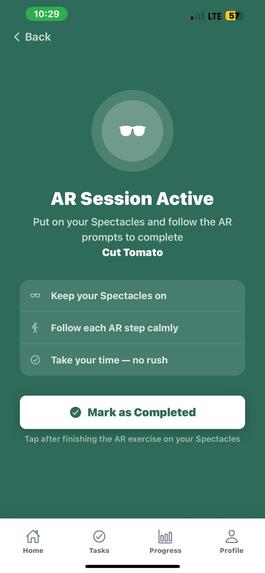
Therapist's Logging Interface
-
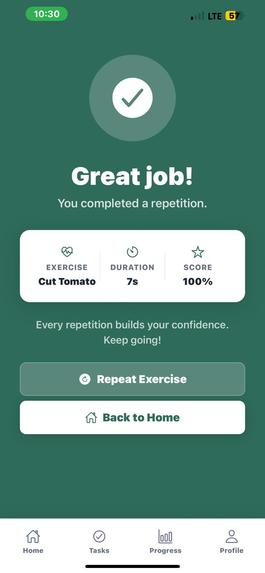
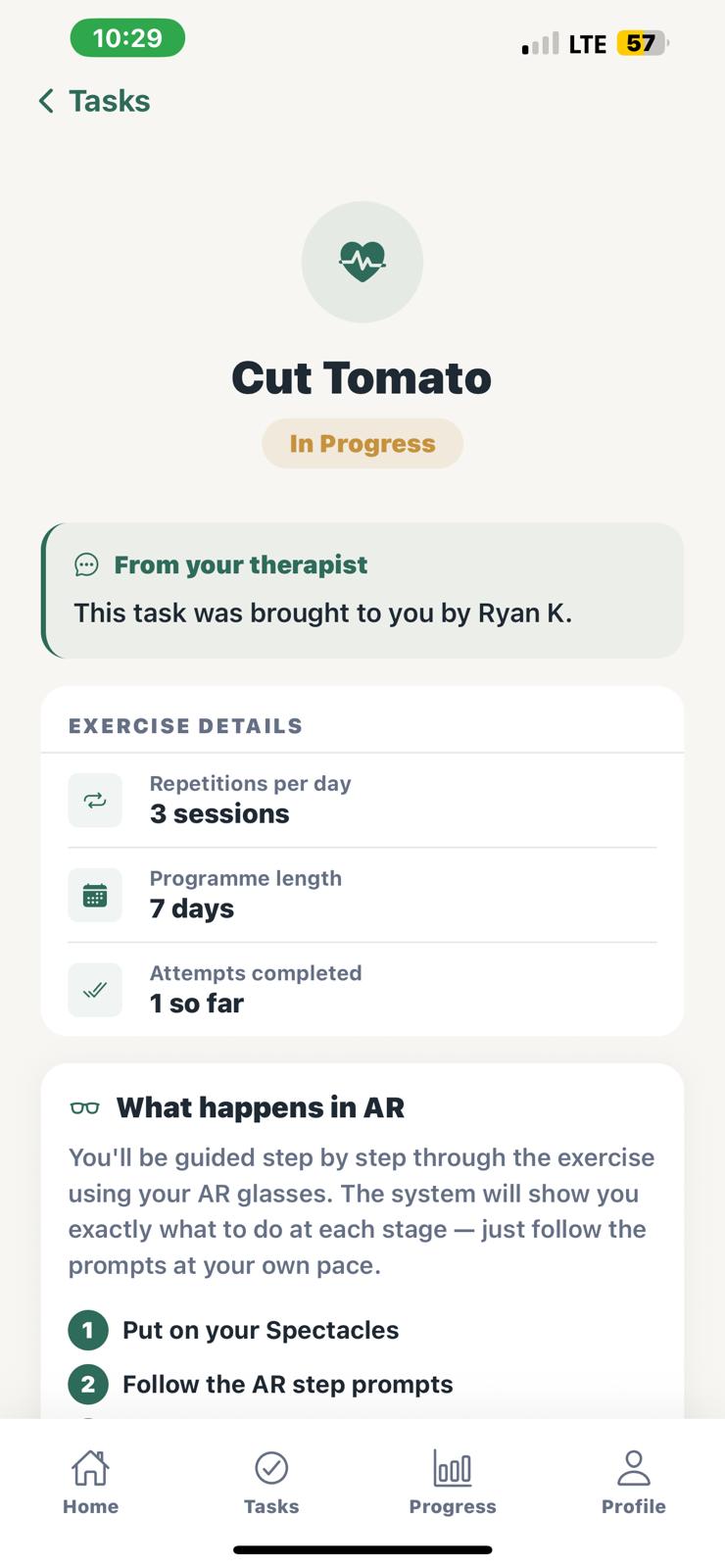
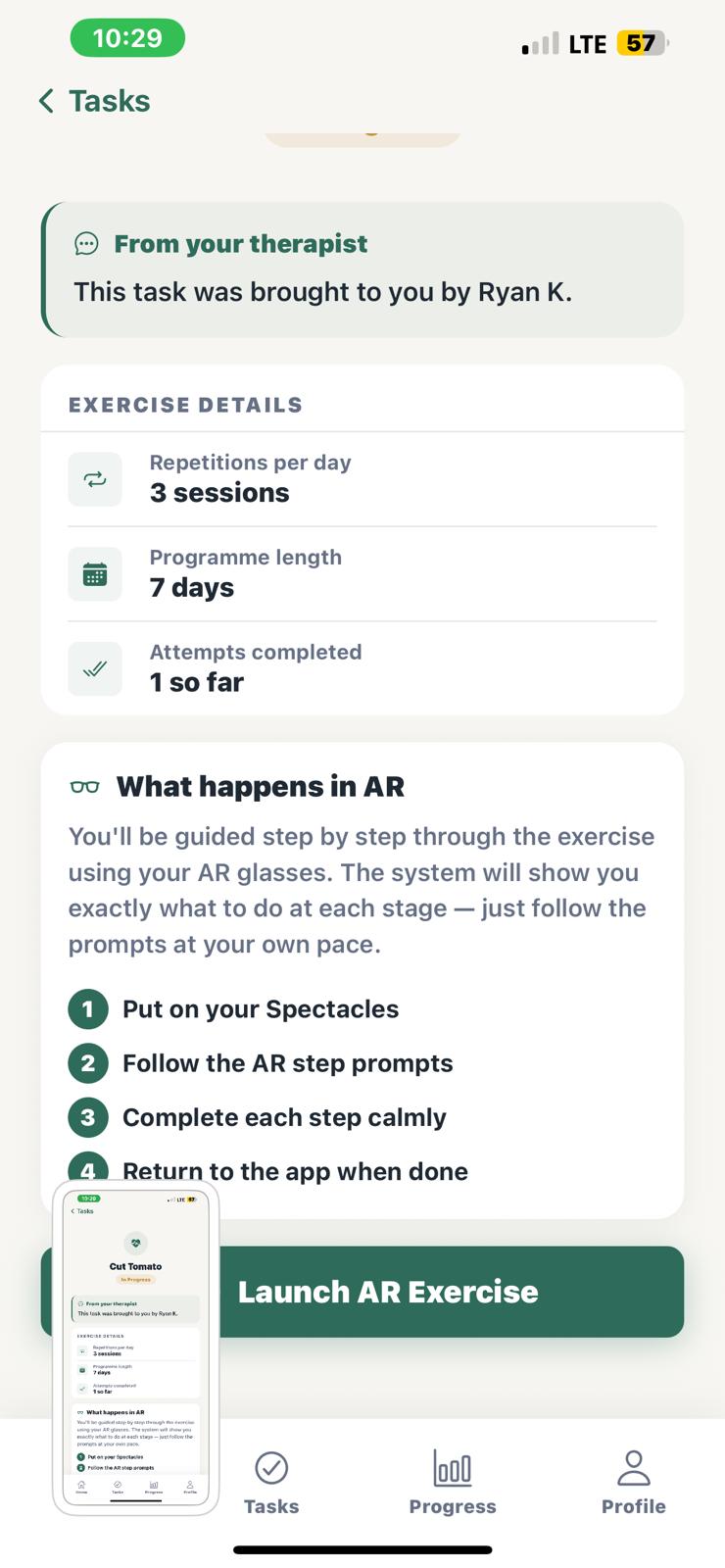
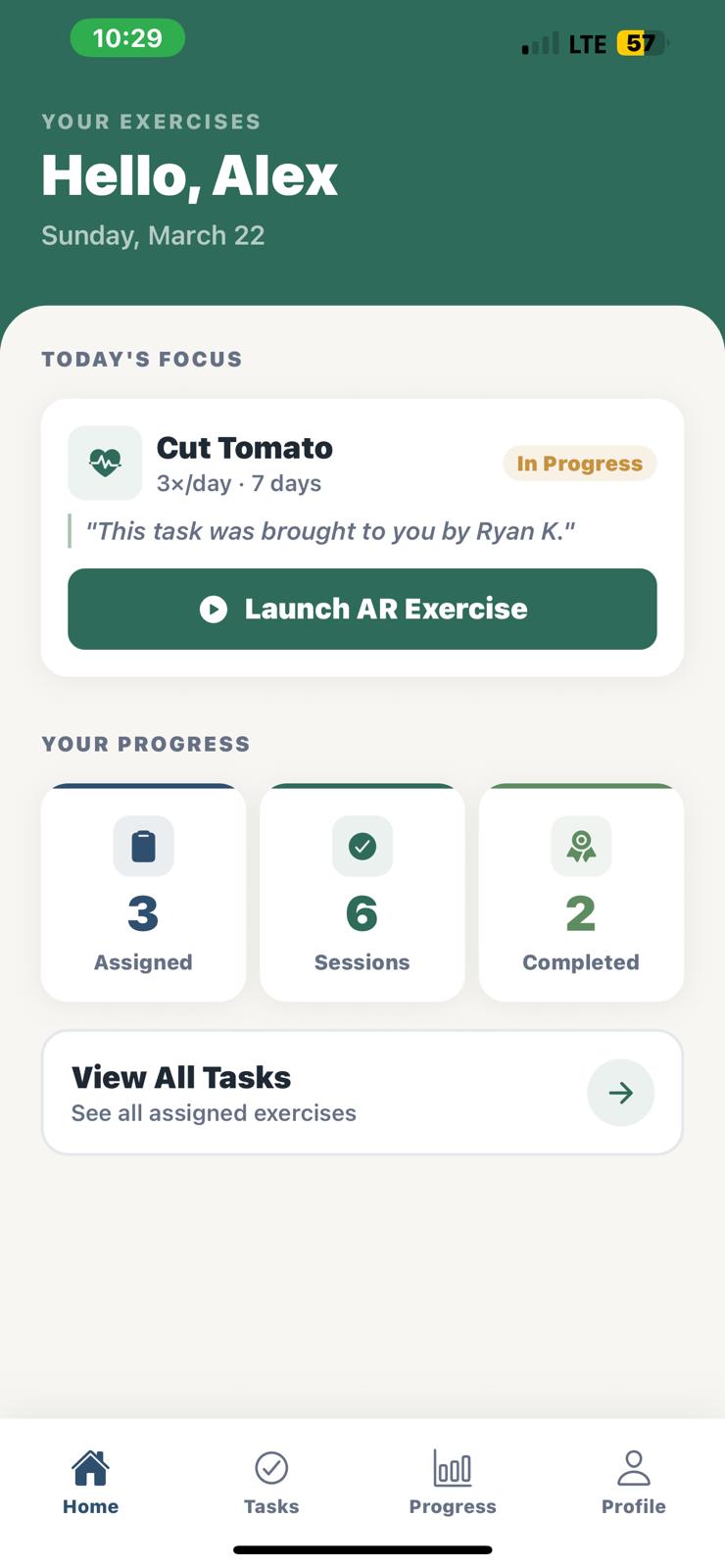
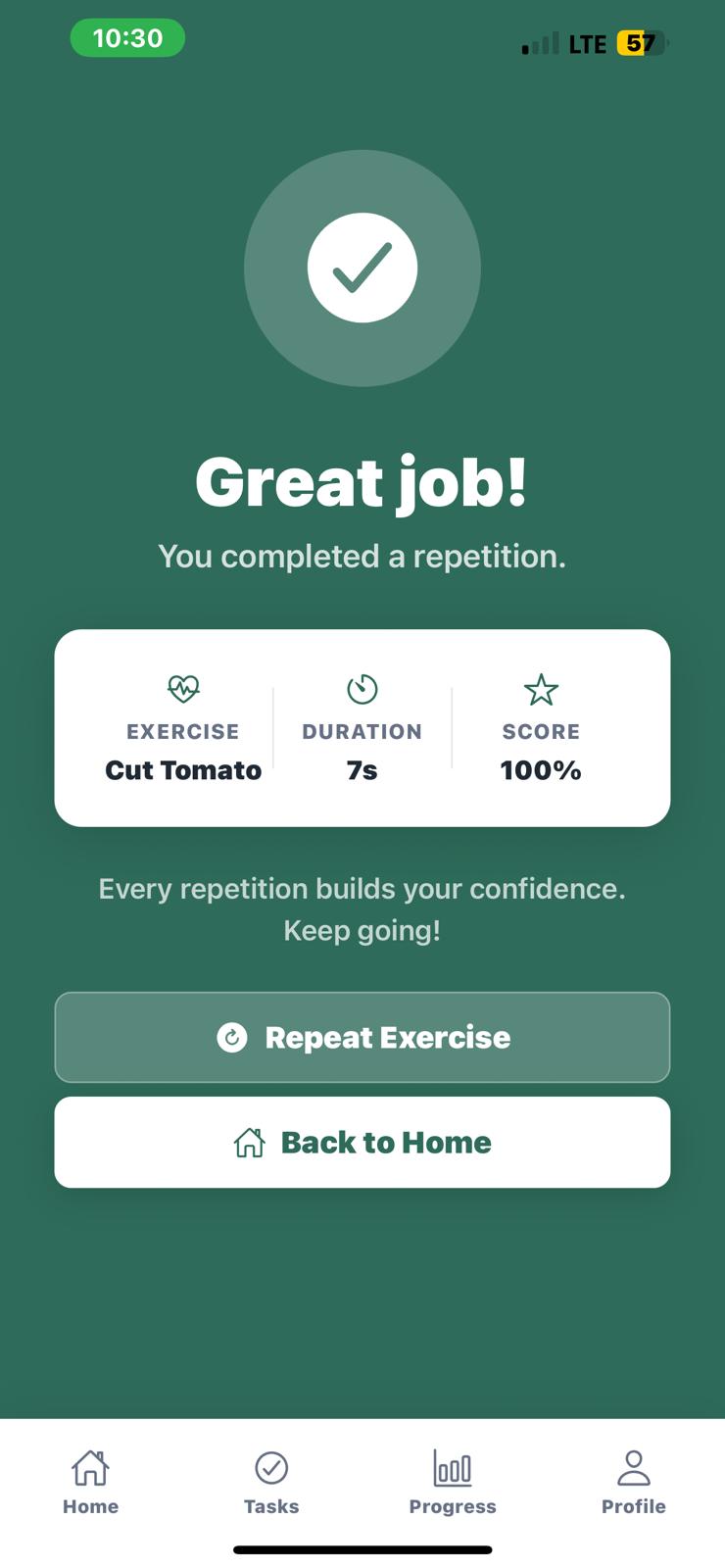
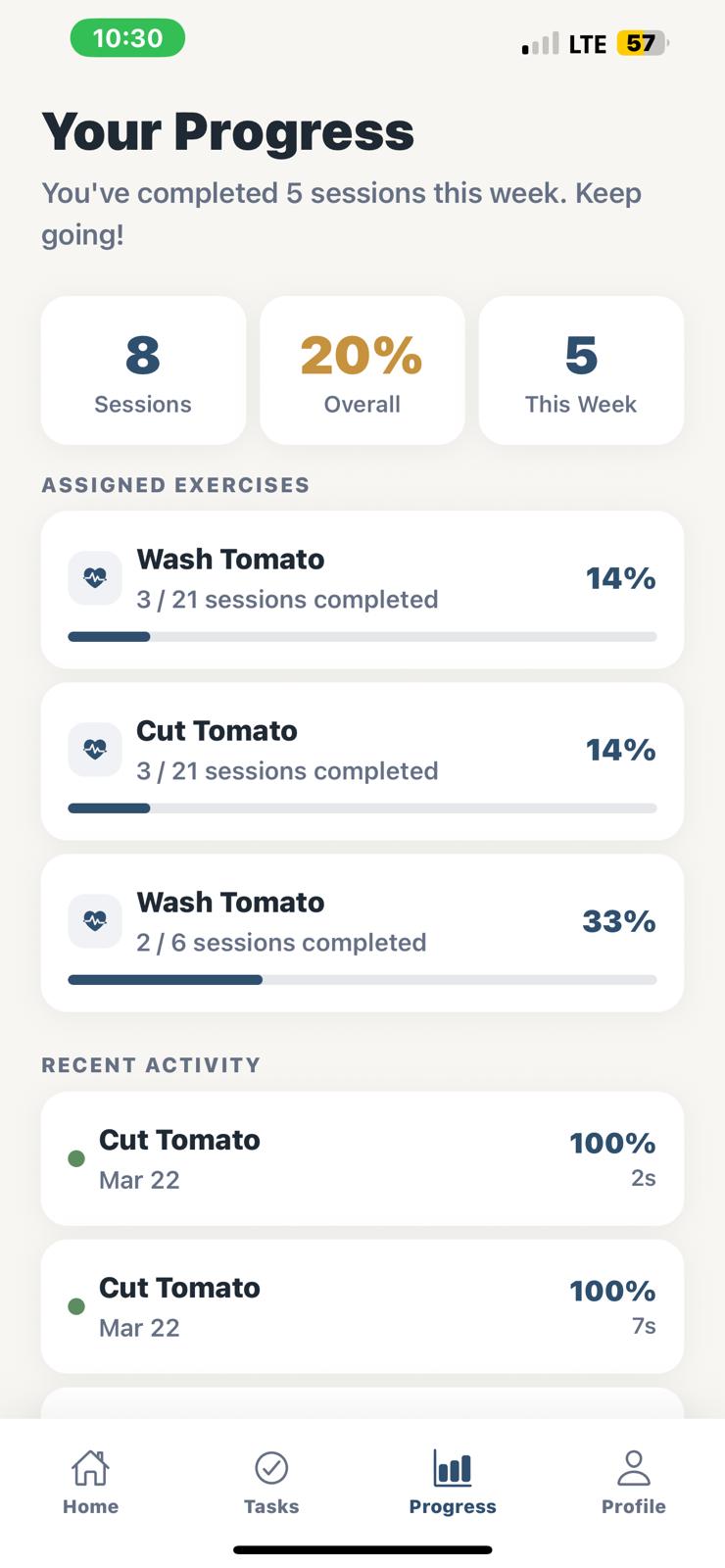
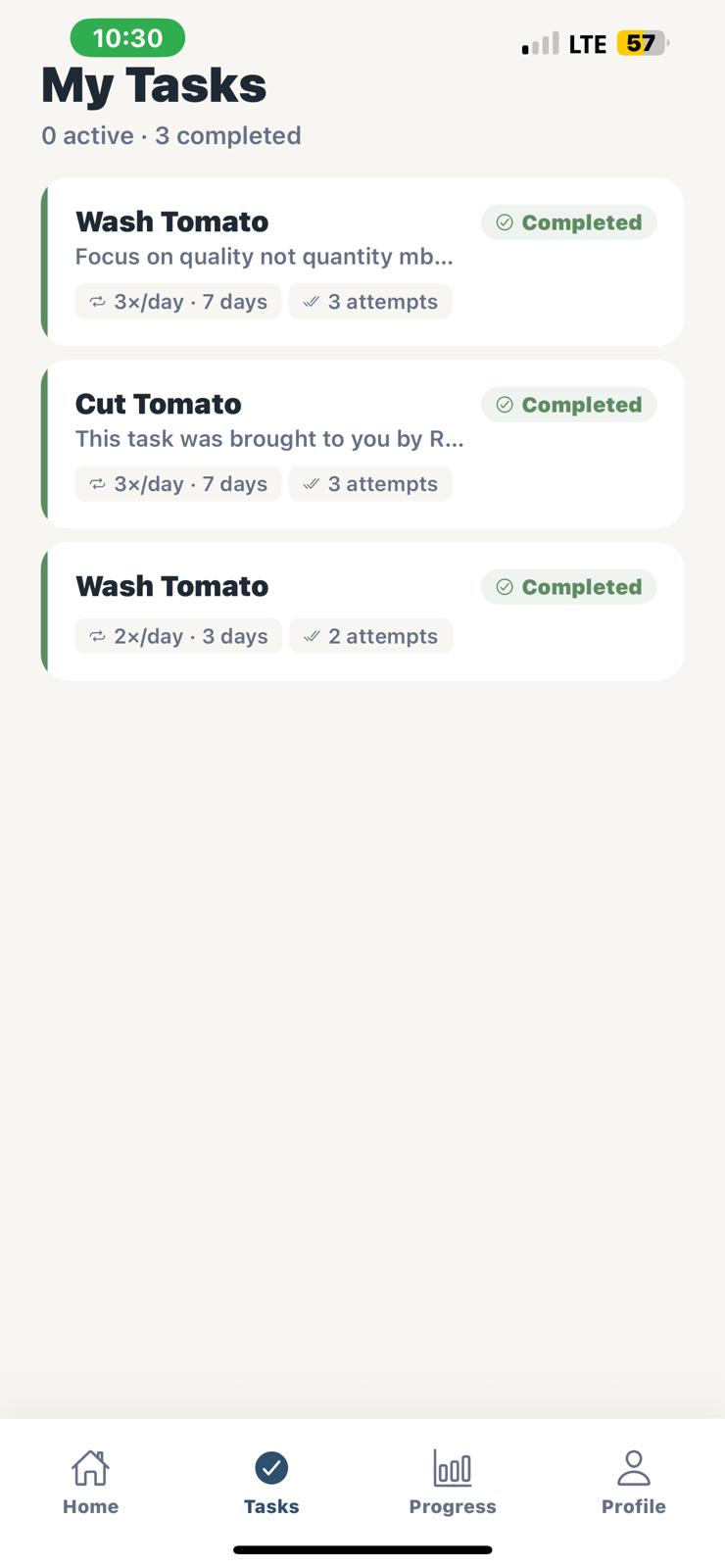
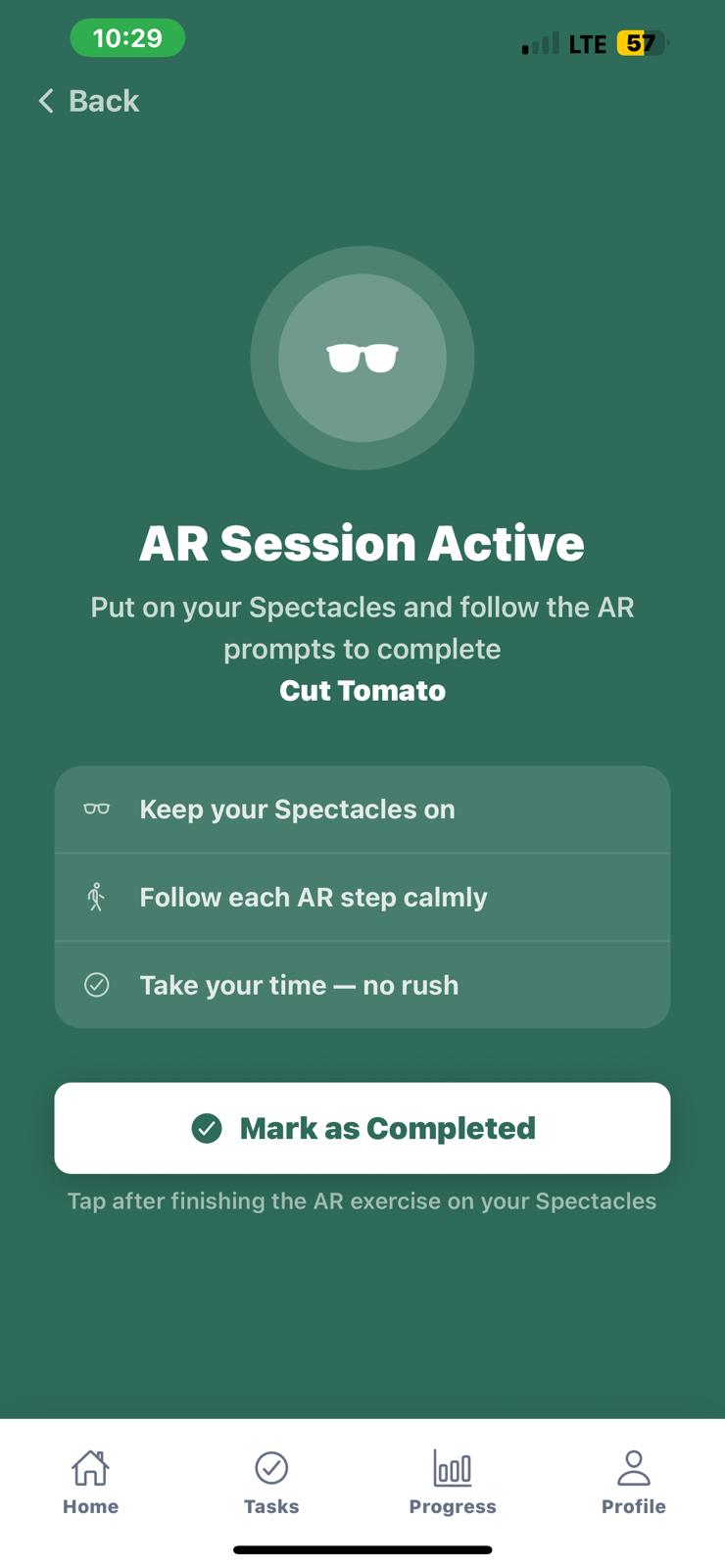
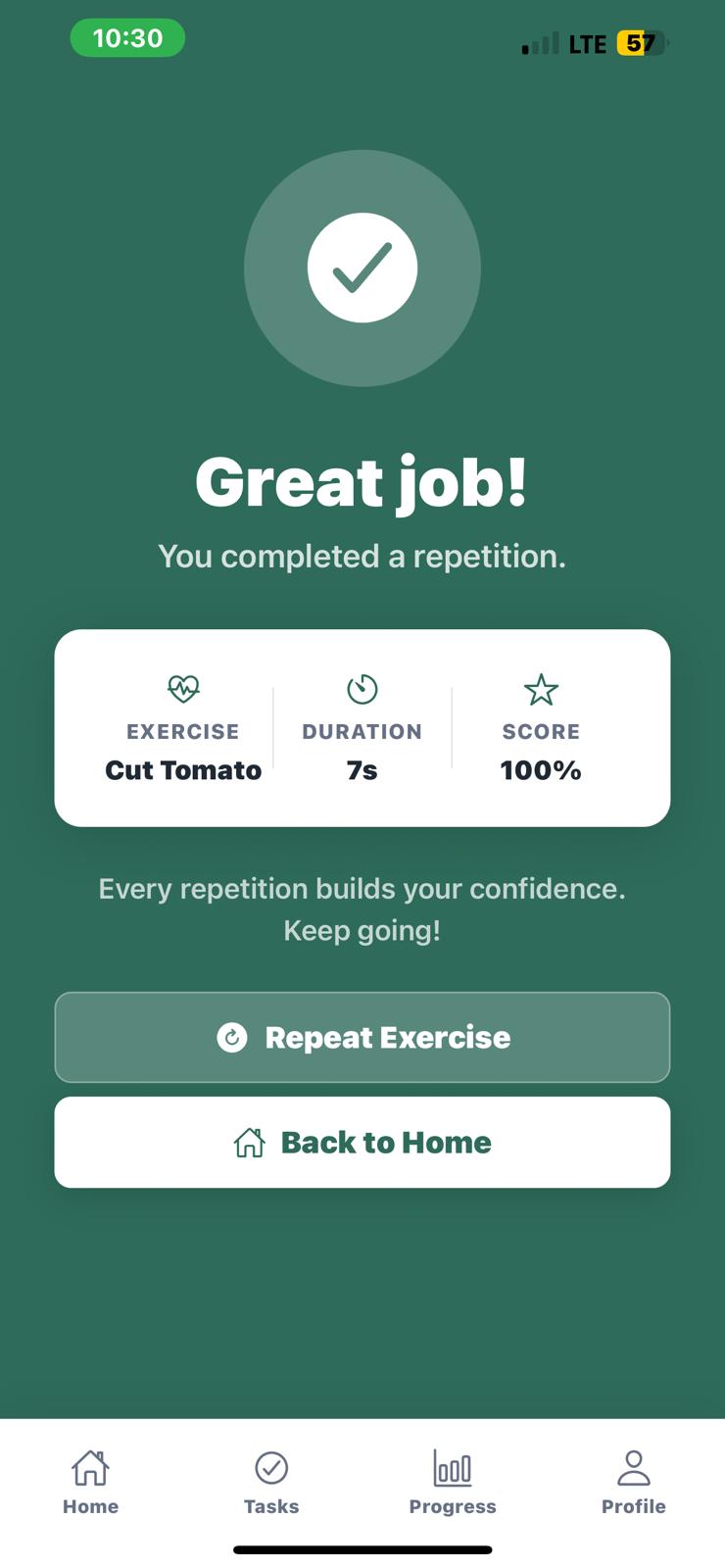
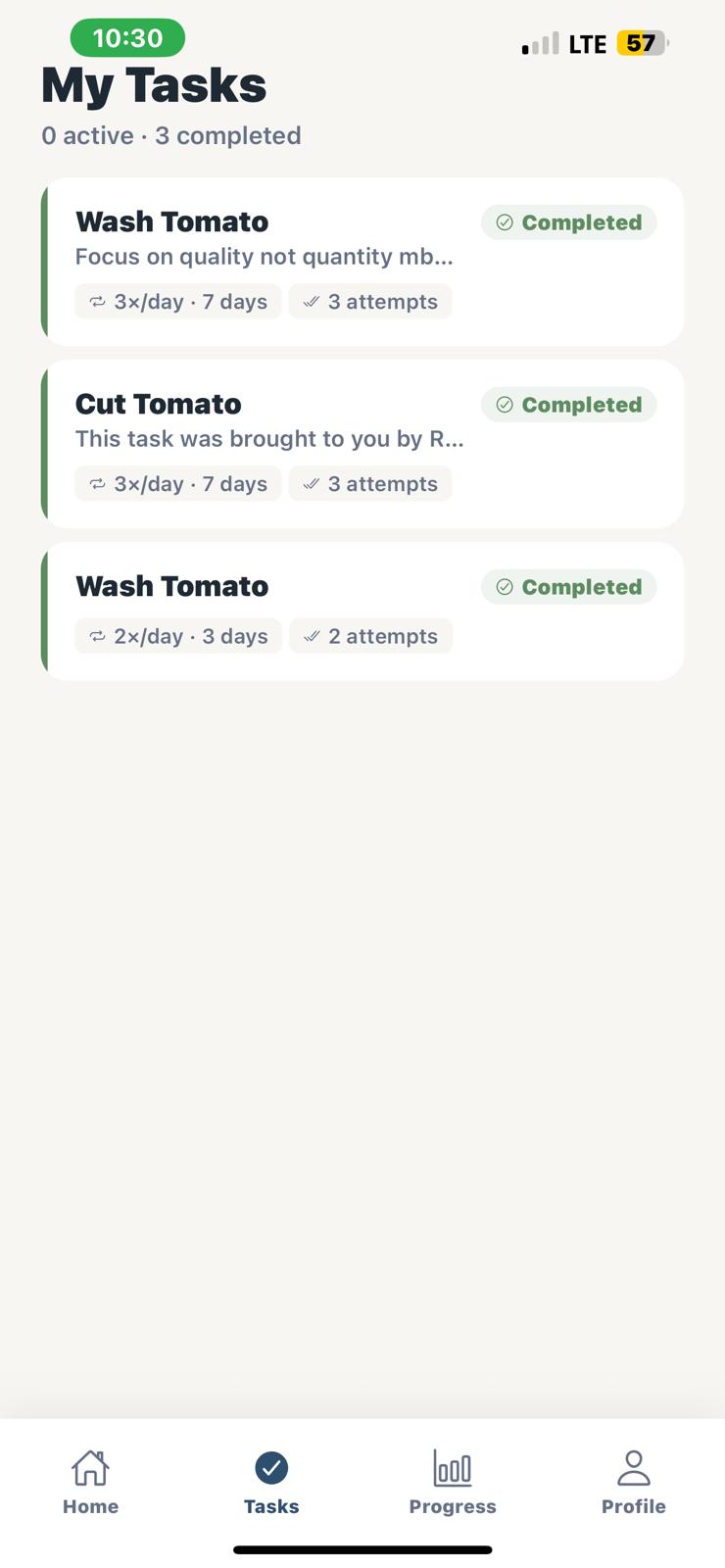
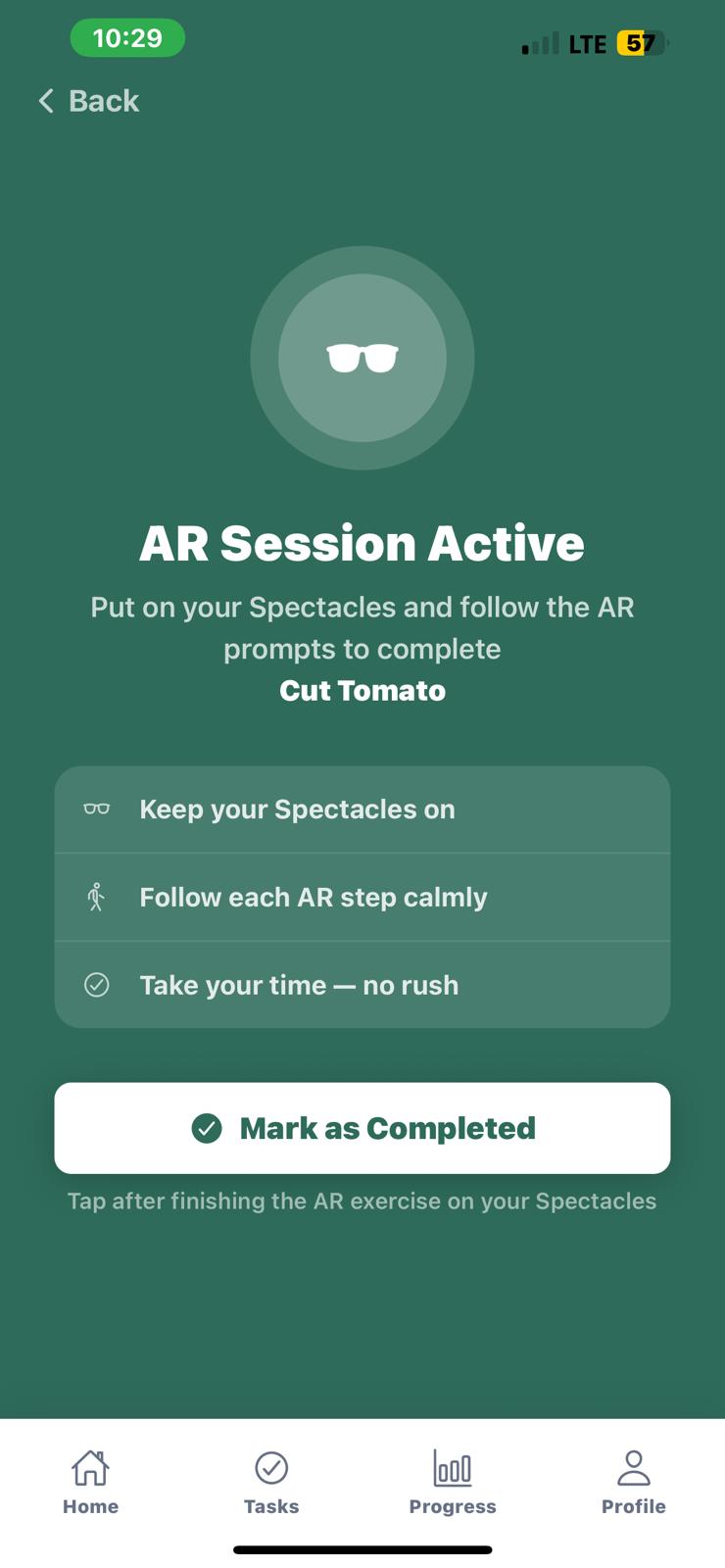
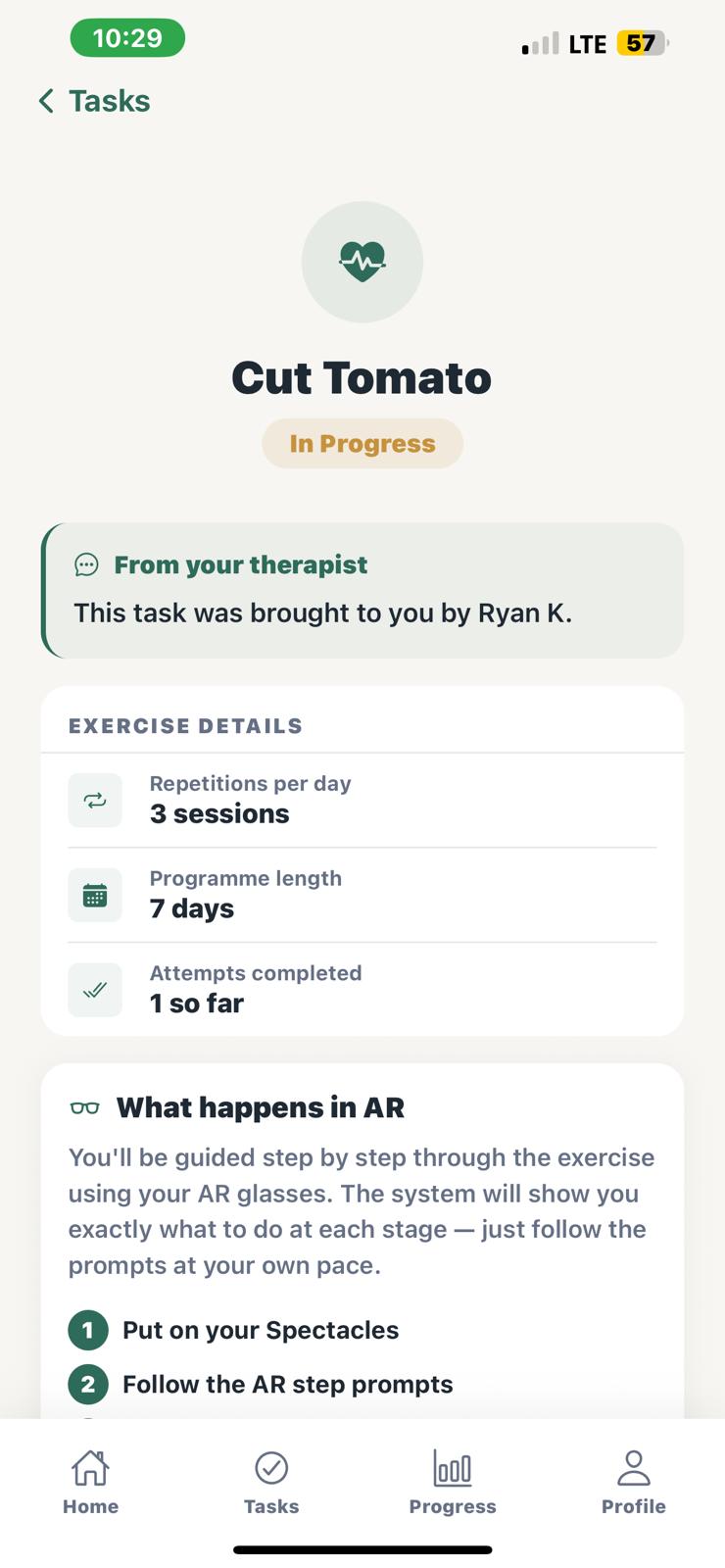
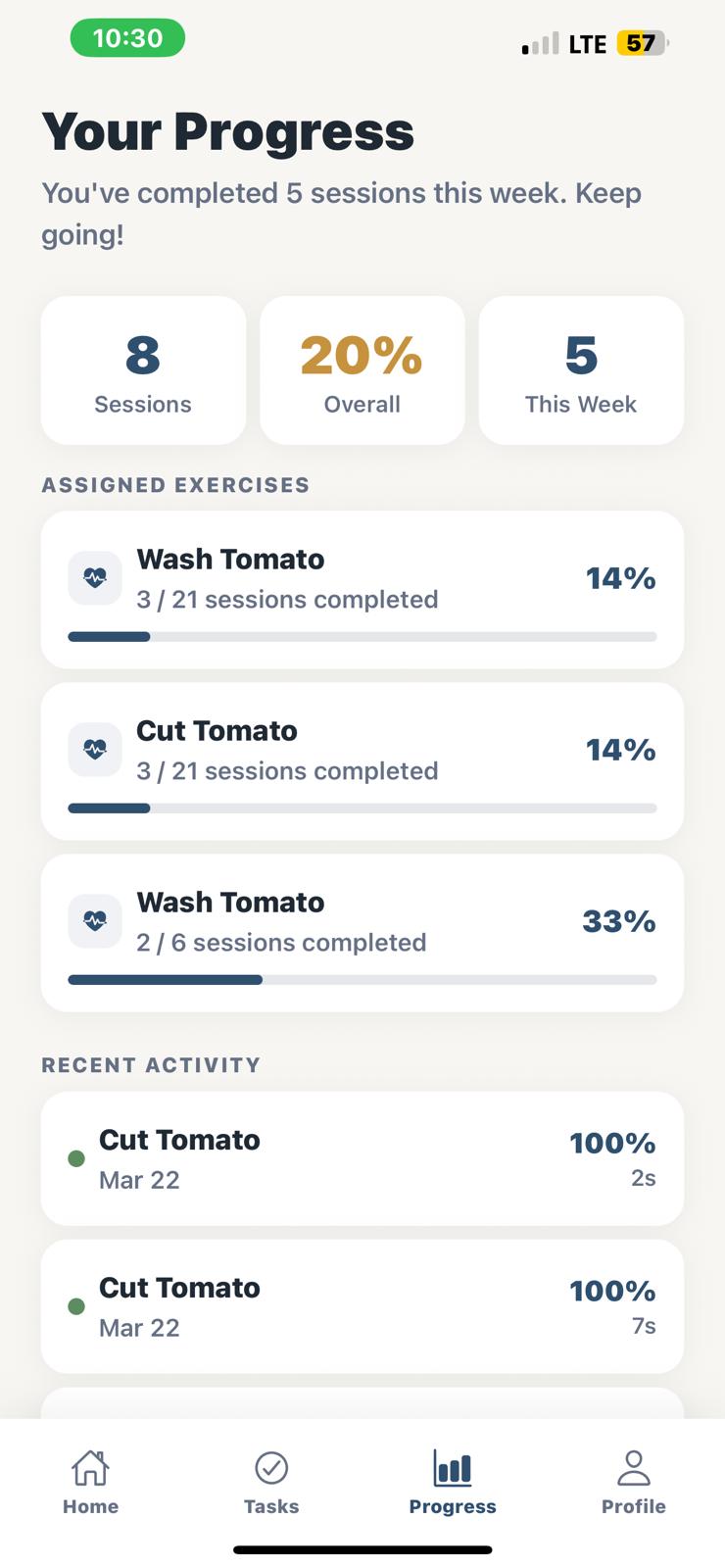
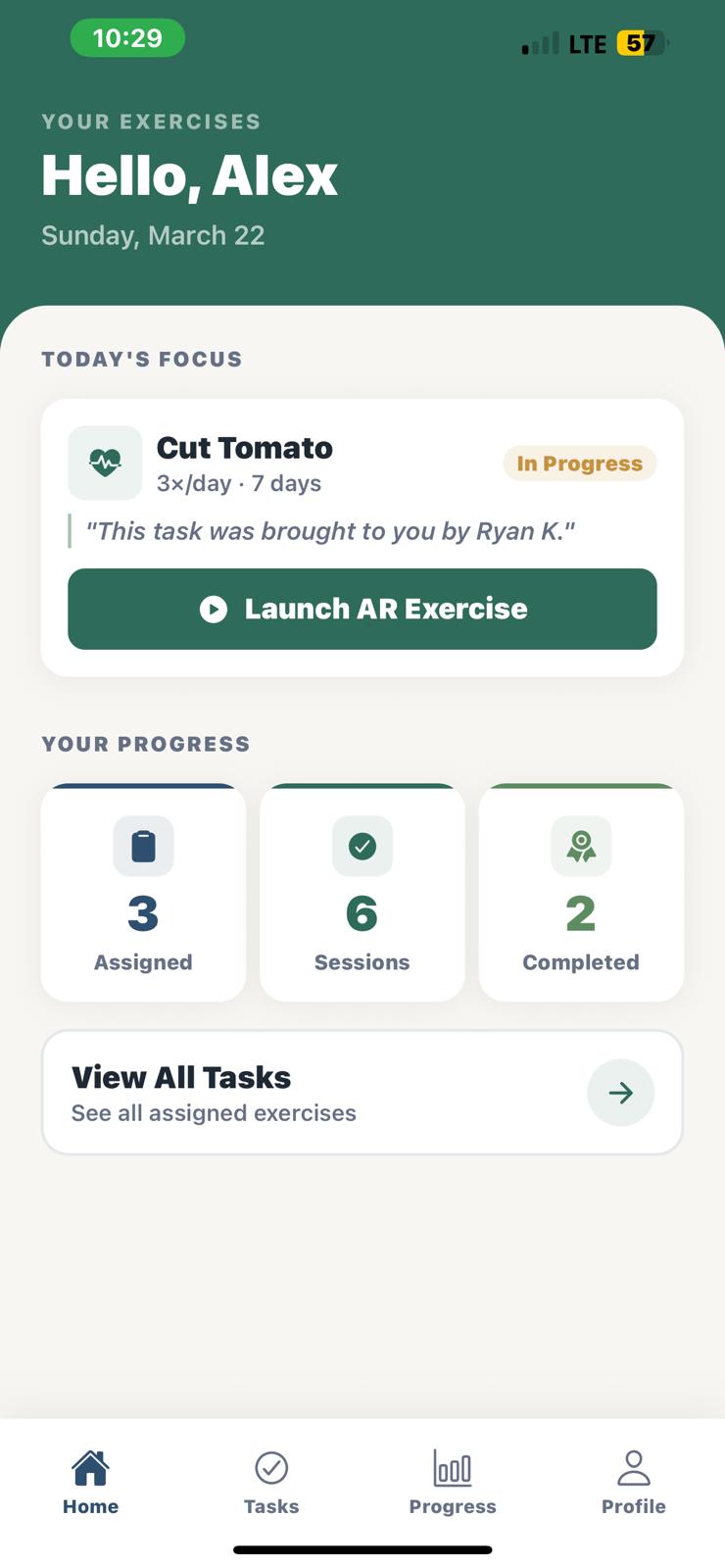
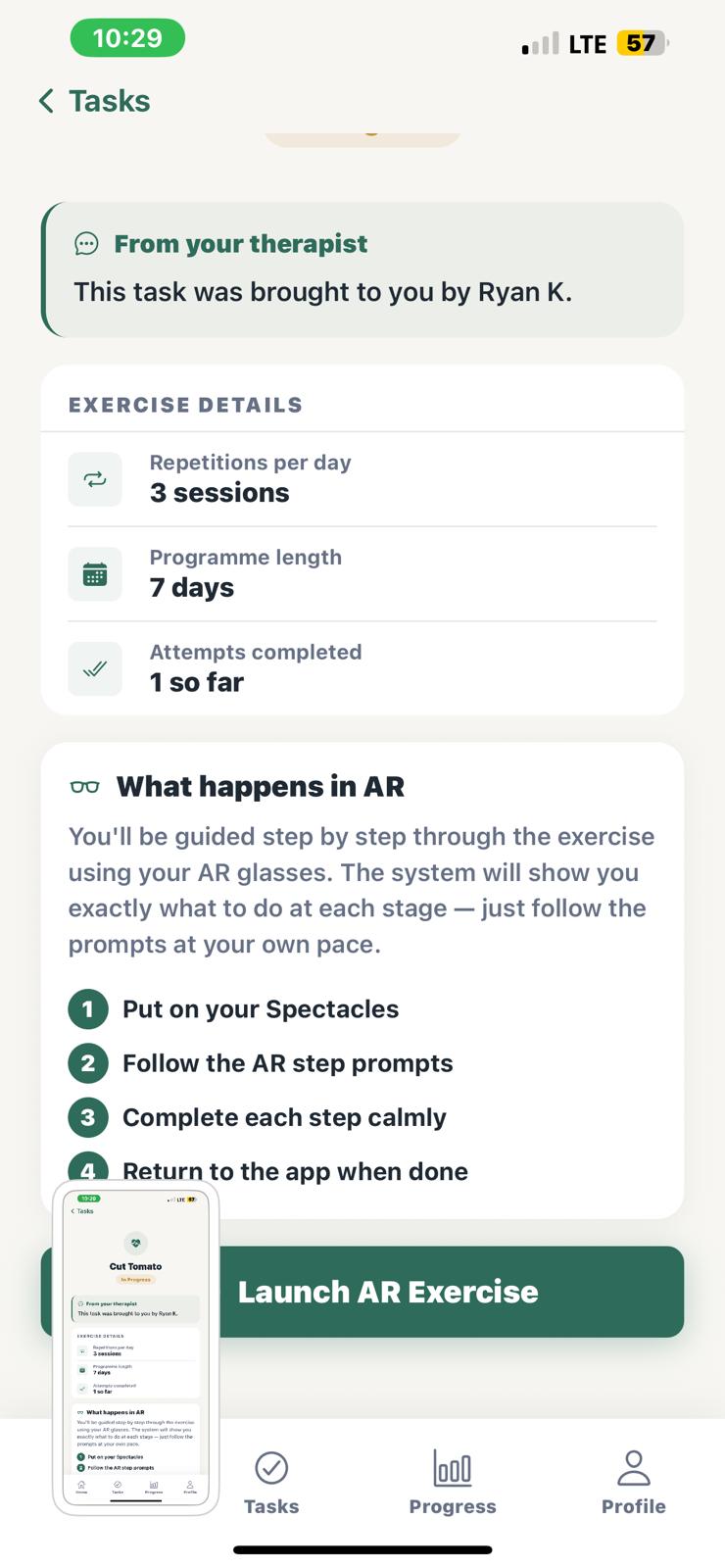
Patient's Phone Dashboard Interface
-
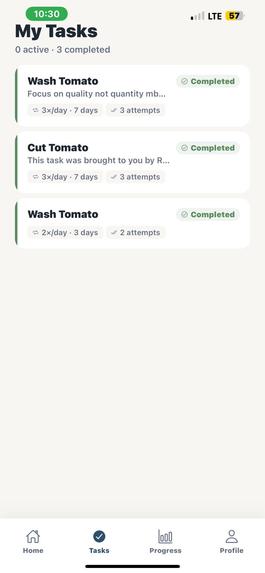
Patient's Phone Dashboard Interface
-
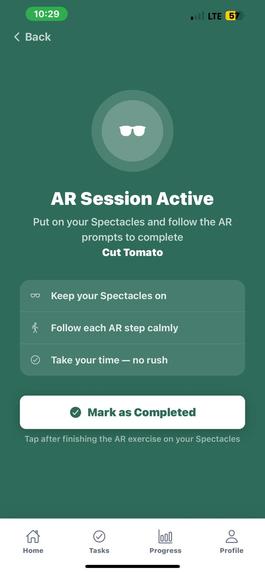
Patient's Phone Dashboard Interface
-
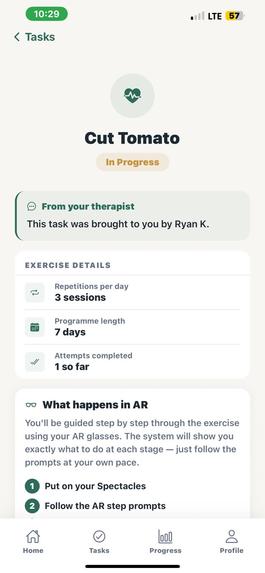
Patient's Phone Dashboard Interface
-
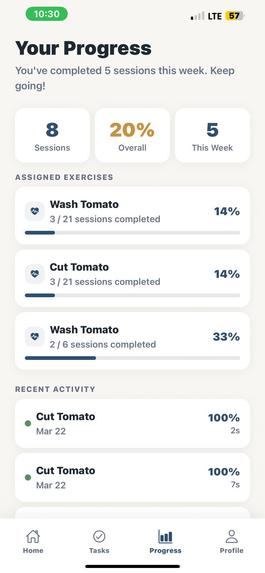
Patient's Phone Dashboard Interface
-
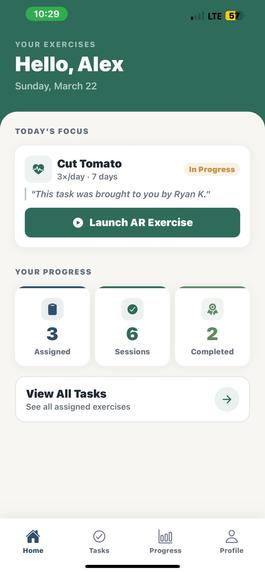
Patient's Phone Dashboard Interface
-
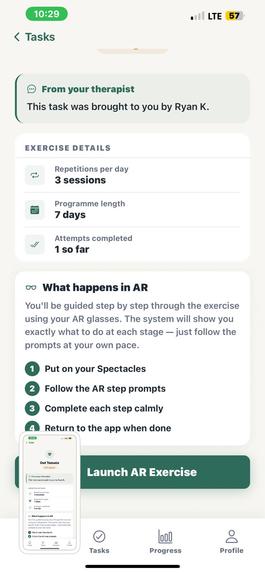
Patient's Phone Dashboard Interface
Inspiration
Executive dysfunction is more than just "forgetfulness." It is a breakdown in the brain’s ability to organize, plan, and initiate tasks. People often assume it’s laziness or lack of discipline, but it is actually a neurological barrier.
The Problem by the Numbers:
Widespread Impact: Recent studies show that nearly 20% of children and adolescents worldwide suffer from mental or neurodevelopmental disorders that include executive function deficits.
The "Hidden" Majority: In adult populations, ADHD (a primary driver of executive dysfunction) affects approximately 6.76% of people globally—that’s over 366 million adults struggling to manage their "mental manager."
High Prevalence in ASD: Between 41% and 78% of individuals on the autism spectrum exhibit significant executive dysfunctions, specifically in task initiation and planning.
The Cost of Inaction: In the U.S. alone, the societal cost of untreated executive dysfunction (linked to ADHD) is estimated at $122.8 billion annually, largely due to lost workplace productivity and "stuck" tasks.
We were struck by how a routine task, such as preparing a meal, can become an insurmountable wall for those with executive dysfunction. When the brain’s “mental manager” fails, the gap between knowing a goal and executing the steps feels impossible to bridge.
We asked ourselves: What if we could externalize that manager and facilitate the rehabilitation process?
This question led to MindStep. By leveraging AR glasses, we provide a real-time, efficient cognitive scaffold that guides patients through daily activities, while giving occupational therapists a secure, data-driven window into their progress.
What it does
Mindstep is a dual-platform system designed for occupational therapists and their patients.
Therapists can:
- View their patients
- Assign structured exercises
- Track completion and engagement
Patients can:
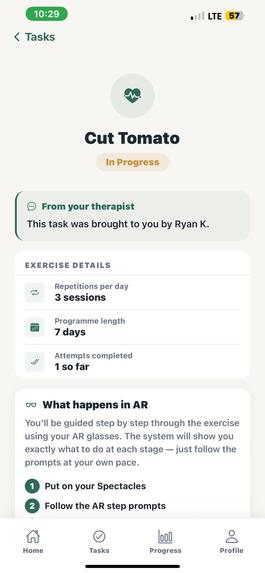
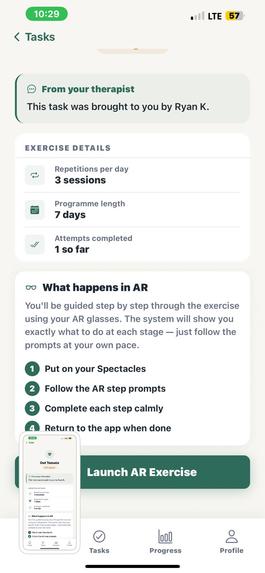
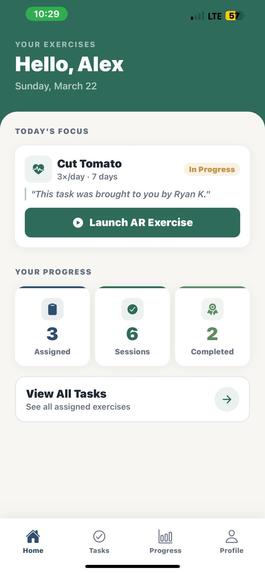
- Receive assigned tasks directly on their device
- Follow guided instructions through AR glasses
- Build consistency through repeated, simple actions
For our MVP, we focused on a single domain: tomato-based exercises (washing and cutting), designed to simulate structured task execution in a controlled, repeatable way.
The AR component acts as a step-by-step guide, helping users overcome:
- task initiation barriers
- sequencing confusion
- working memory limitations
In essence, Mindstep turns abstract tasks into clear, actionable steps.
What it brings new
MindStep isn't just a digital checklist; it’s a paradigm shift in how we treat executive dysfunction. We are moving occupational therapy (OT) out of the clinic and into the user's natural environment.
- Virtual Safety for Real-World Stakes Traditional OT requires patients to practice high-risk tasks like cutting with knives or using a stove under constant supervision.
The MindStep Edge: By using AR, users can practice the sequencing and motor planning of these tasks virtually first. This provides a "fail-safe" environment where cognitive errors don't lead to physical injuries.
- Data-Driven Progress Tracking Historically, OT progress has been measured through qualitative observations and manual notes.
The MindStep Edge: Every action is trackable. We turn exercises into hard statistics—measuring initiation time, accuracy of steps, and completion rates. Therapists can view these analytics in real-time via the mobile dashboard, allowing for precision adjustments to the patient's care plan.
- "On-the-Go" Cognitive Scaffolding Most therapy is confined to a physical kitchen or clinic, which doesn't always translate to home life.
The MindStep Edge: Studies show that 6.76% of adults worldwide (over 366 million people) live with ADHD-related executive dysfunction, yet many lack access to consistent in-person therapy. MindStep allows patients to exercise anywhere, bridging the gap between clinical sessions and daily life.
- Live, Adaptive Feedback Static instructions can’t help a patient who gets "stuck" mid-task.
The MindStep Edge: Our platform has the potential for AI-powered live feedback. If a patient pauses for too long during an exercise, the AR can provide a visual or auditory nudge to help them overcome "task paralysis," a struggle faced by nearly 80% of individuals on the autism spectrum.
- The Unified Care Ecosystem Managing paper instructions and separate apps for different exercises adds to the "cognitive load" patients are already fighting.
The MindStep Edge: MindStep is an all-in-one hub. A single integrated app contains all materials, practice modules, and therapist communication, reducing friction and making it easier for the patient to simply start.
How we built it
We built Mindstep using a combination of modern mobile and cloud technologies:
- React Native (Expo) for the mobile application
- Firebase Authentication for secure login and role-based access
- Firestore for real-time database synchronization between therapists and patients
- Snap Spectacles (Lens Studio) for the AR experience
The system is structured around a shared database:
- Occupational therapists assign exercises --> stored in Firestore
- Patients receive them instantly --> reflected in their app
- Completion/progress --> sent back to the therapist
We designed the app to be:
- simple and minimal (low cognitive load)
- role-based (therapist vs patient experience)
- scalable for future exercise types beyond the MVP
Challenges we ran into
One of the biggest challenges was translating a clinical concept like executive dysfunction into an actual product experience.
- How do you design for someone who struggles to even start a task?
- How do you avoid overwhelming the user while still guiding them?
Other challenges included:
- Designing a clean, professional UI that feels appropriate for healthcare
- Structuring a real-time database that supports two-way interaction
- Coordinating between mobile development and AR integration
- Keeping the MVP focused while still demonstrating real impact
- Making efficient use of AI and the MCP while having 0 background knowledge of lens studio. Since AI results were poor and gave really bad UI, the AR UI had to be manually fixed each time.
We also had to constantly balance simplicity for the user and flexibility for the therapist.
Accomplishments that we're proud of
- Building a fully functional therapist–patient system in a hackathon timeframe
- Successfully integrating real-time task assignment and tracking
- Creating a meaningful use case for AR, not just a visual gimmick
- Designing an experience specifically tailored for people with cognitive challenges
- Delivering a clear and impactful MVP with a strong demo story
Most importantly, we’re proud that Mindstep is not just a technical project and that it can genuinely help people.
What we learned
This project taught us that building for healthcare requires a completely different mindset.
We learned:
- how to design for cognitive accessibility, not just usability
- how to break down tasks into atomic, achievable steps
- how important clarity and simplicity are for real-world impact
- how to structure a scalable Firebase backend for real-time applications
- how to bridge AR experiences with traditional mobile apps
What's next for Mindstep?
Next steps include:
- Making the UI/UX of the patients even simpler than what it is right now. We're not medical profesional so we do not know how simple we have to make it without losing any core functionalities. It's something to be considered.
- Expanding beyond tomato-based exercises to real-life daily activities and data-driven activities that are known to improve patient performance
- Adding adaptive difficulty based on patient progress
- Integrating analytics for therapists (patterns, consistency, improvement)
- Improving AR guidance with more interactive and contextual feedback
- Exploring AI-assisted task personalization
Long-term, we envision Mindstep as a platform that:
- supports people with severe ADHD, brain injuries, and other cognitive conditions
- reduces caregiver and therapist burden and facilitates their work
- brings structured and data-driven rehabilitation workflows into everyday life
Built With
- claude-code
- cloud-firestore
- expo.io
- figma
- firebase
- firebase-authentication
- firebase-sdk
- github
- lens-studio
- react-native
- snap-spectacles
- typescript


Log in or sign up for Devpost to join the conversation.