-
-
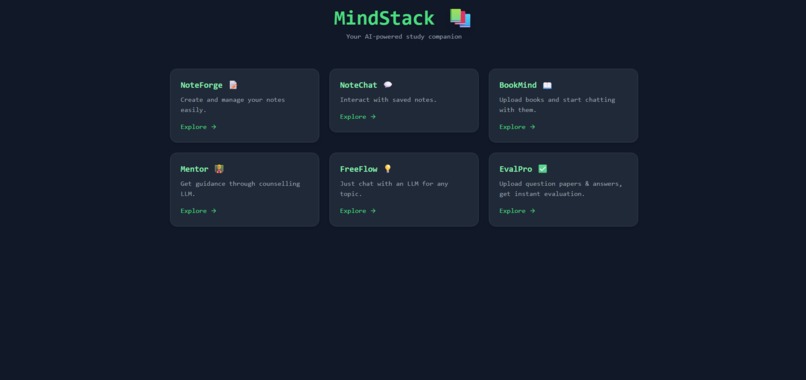
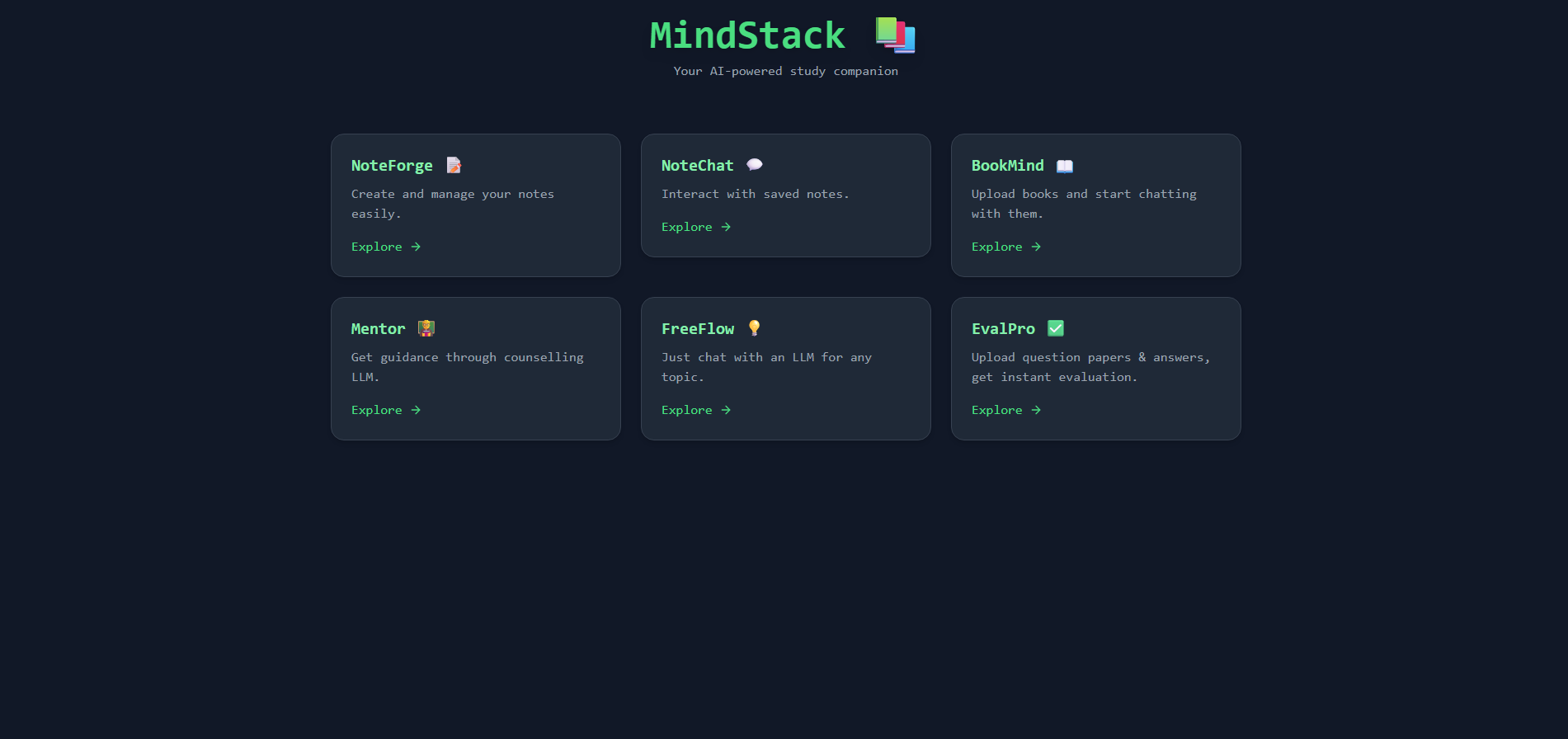
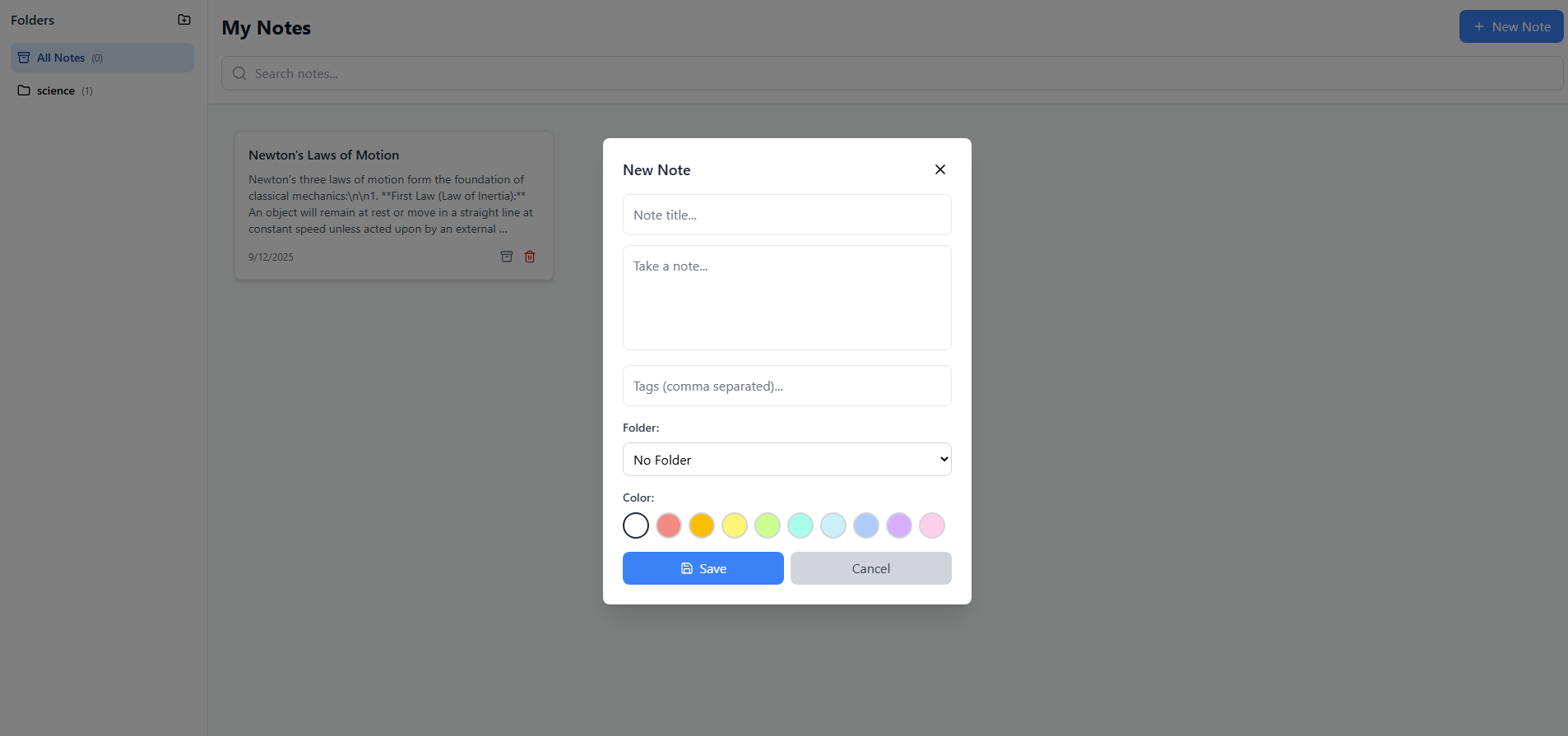
MindStack: AI-powered study companion
-
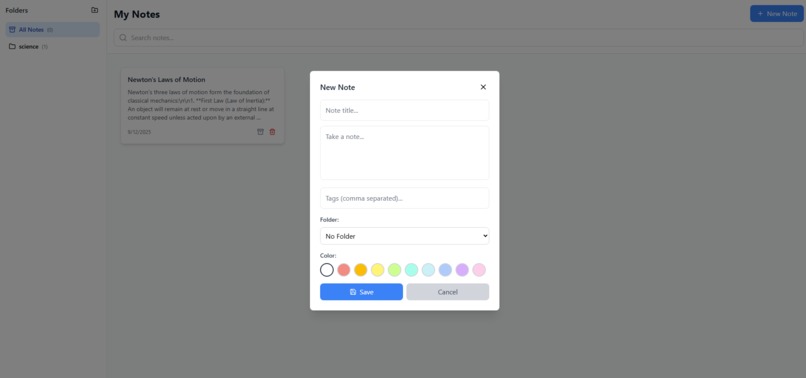
NoteForge: Smart notes taking system
-
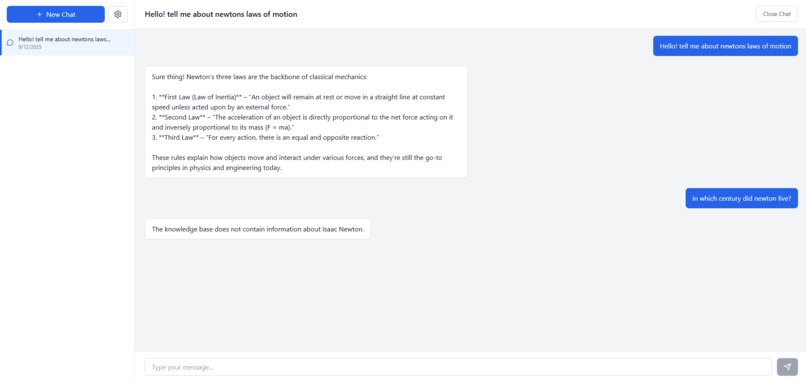
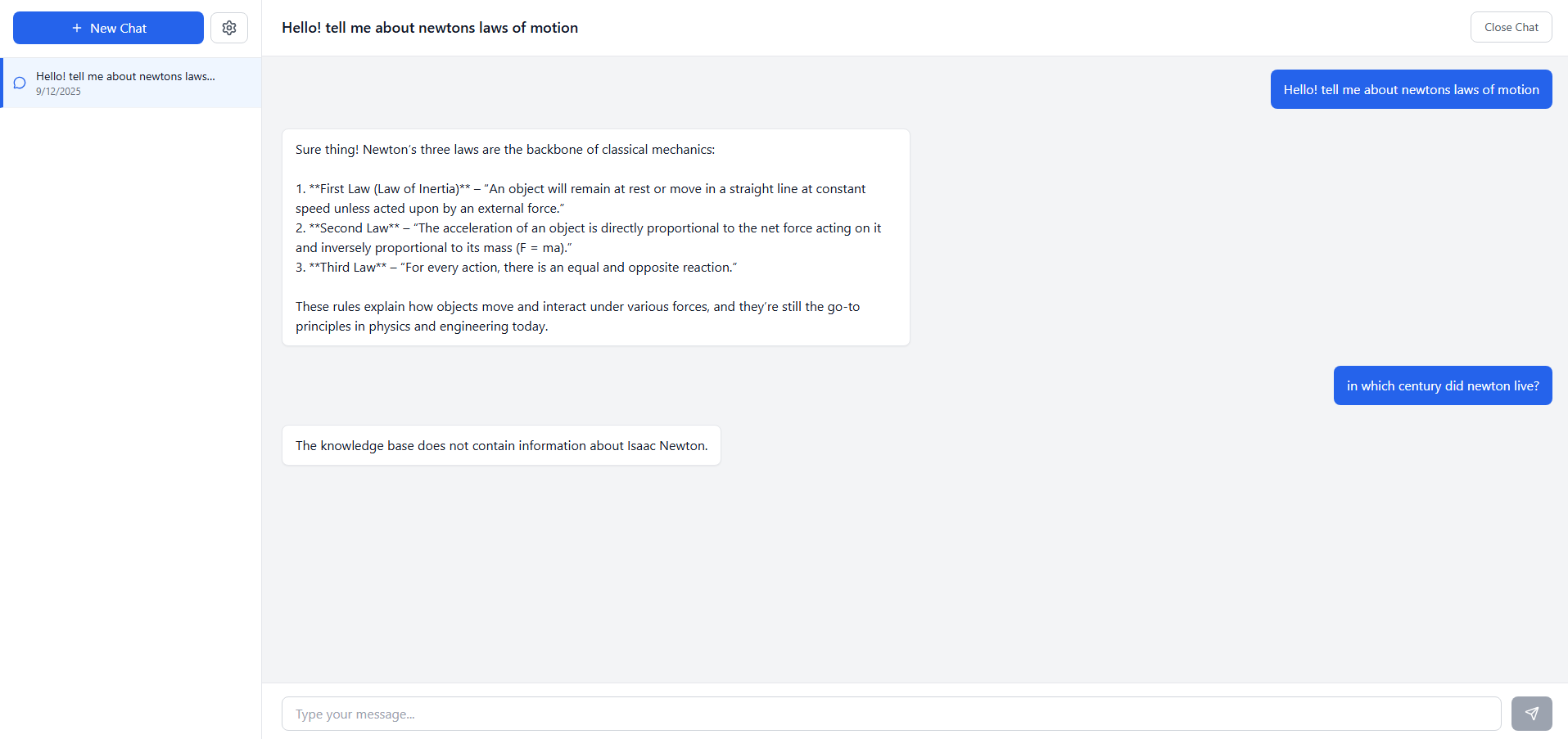
NoteChat: Interactive RAG chat agent with your notes
-
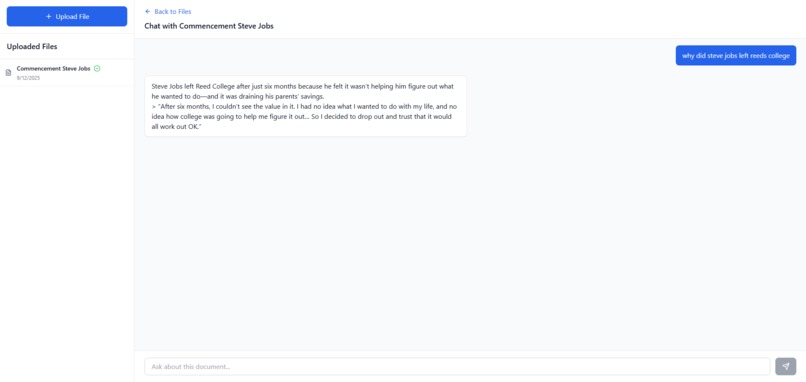
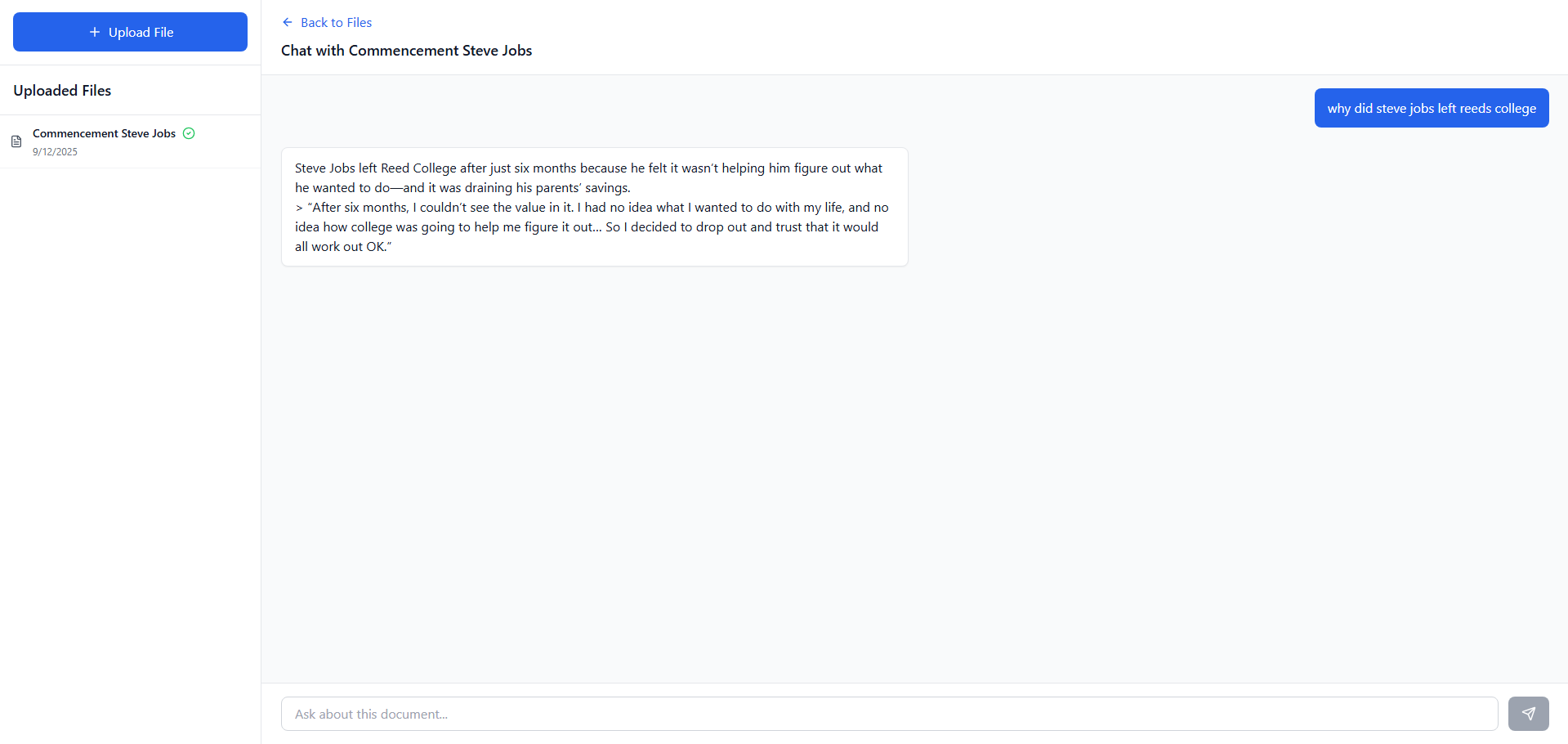
Bookmind: Talk to your books
-
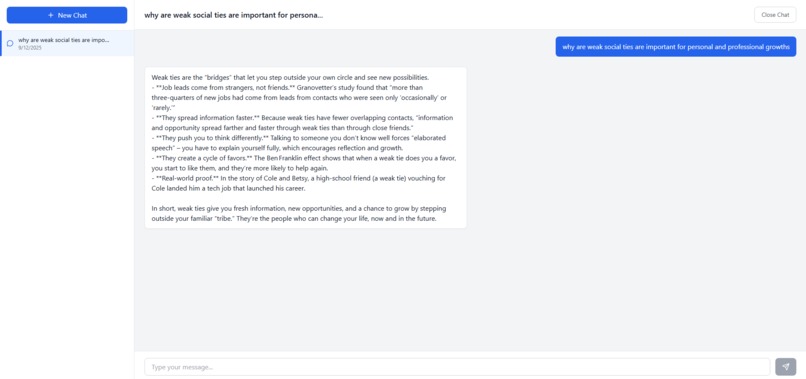
Mentor: Finetuned on counselling books
-
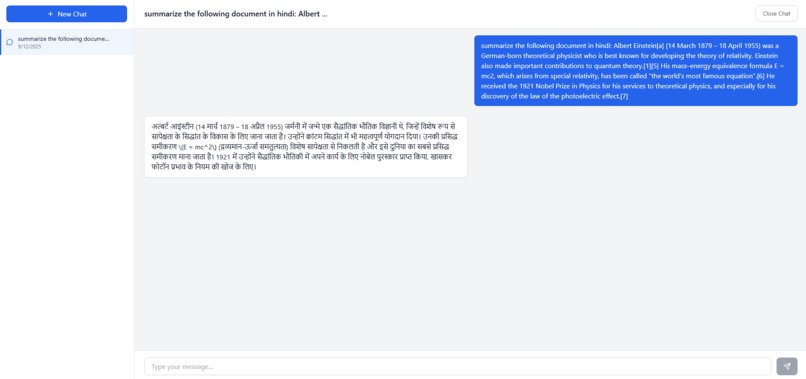
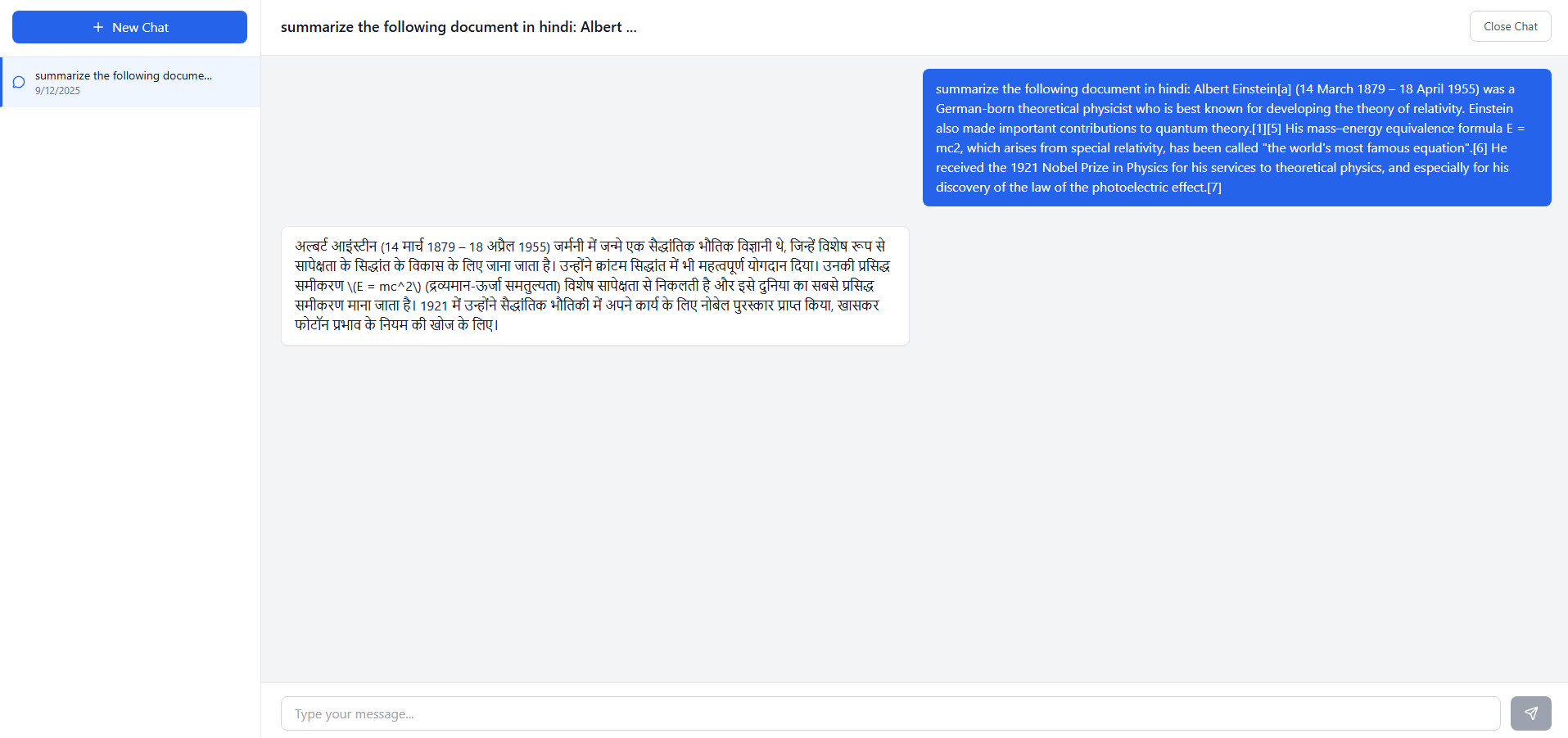
FreeFlow: Chat with gpt-oss on any topic
-
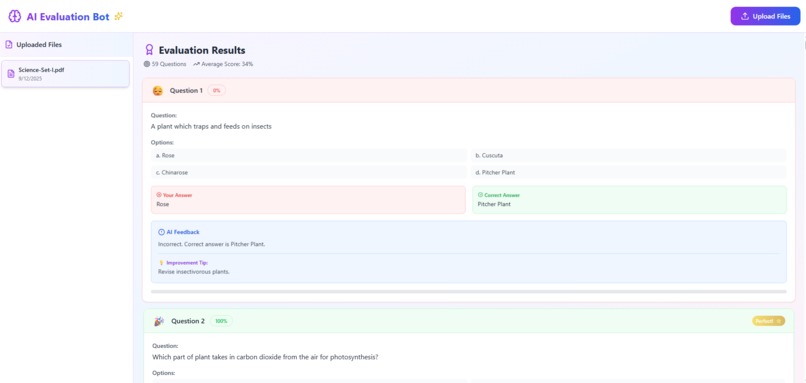
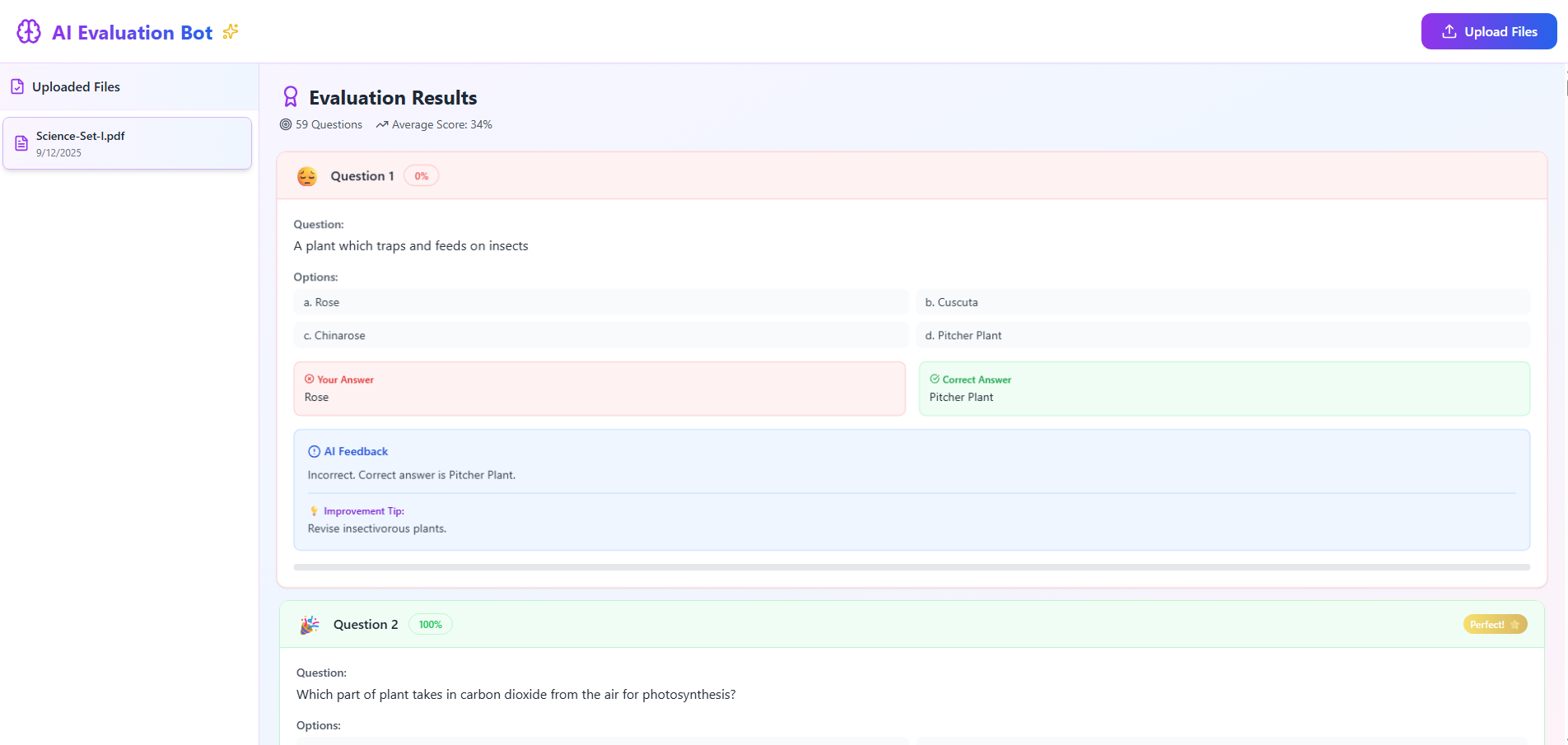
Evalpro: Answer Evaluation and Feedback agentic system

Inspiration
The inspiration for MindStack came from a frustration with scattered learning resources. Notes lived in one app, textbooks were in another, and conversations about the material happened elsewhere. I wanted a unified platform where knowledge was not only stored but could also respond and interact. The rise of open-source AI models and advances in retrieval-augmented generation made me realize that this was finally possible.
What it does
MindStack helps users:
- Create and organize notes
- Upload textbooks and index them for fast semantic search
- Chat with notes and textbook PDFs using AI models
- Interact with a virtual mentor trained on predefined books and user-uploaded PDFs
- Engage in free-flowing conversations with AI
- Upload questions and answers and receive AI-powered evaluation based on previous materials
How we built it
The system uses OpenAI's gpt-oss models as the core conversational engine. OpenSearch is integrated to handle indexing and retrieval of large textbook datasets, making RAG possible at scale. Notes and documents are connected into the same pipeline, enabling gpt-oss to reference them seamlessly. The mentor functionality combines retrieval from curated sources with user uploads, while the evaluation module leverages similarity scoring and reasoning to provide feedback on submitted answers.
Challenges we ran into
One of the biggest challenges was designing a retrieval pipeline that could handle both small notes and large textbooks without losing accuracy. Another challenge was balancing performance with speed when working with open-source models. Ensuring that responses felt natural while still being grounded in the uploaded materials also required fine-tuning and experimentation.
Accomplishments that we're proud of
" Even best tools won't make much of a difference if they are used in isolation " -- Sönke Ahrens (How to take smart notes)
We are proud that MindStack integrates multiple modes of learning into a single coherent system. The ability to chat with a textbook as naturally as chatting with a mentor felt like a breakthrough moment. Building a framework where uploaded Q&A pairs can be evaluated against personalized materials also makes MindStack unique.
What we learned
I learned how powerful retrieval-augmented generation can be when applied to real-world educational use cases. I also gained experience in building indexing pipelines with OpenSearch and designing evaluation workflows that combine semantic search with reasoning. Also this was the first time I ran OpenAI gpt-oss models using Ollama on my local system. Most importantly, I learned how to bridge the gap between static information and interactive learning.
What's next for MindStack
The next steps for MindStack include adding richer collaboration features so multiple learners can build and share stacks together. I plan to improve the evaluation system with rubric-based grading and support for more diverse content formats such as videos and podcasts. Long-term, MindStack could evolve into a personal AI tutor that not only answers questions but also proactively guides the learning journey.
Built With
- fastapi
- huggingface
- labse
- ollama
- openai
- opensearch
- react

Log in or sign up for Devpost to join the conversation.