-
-
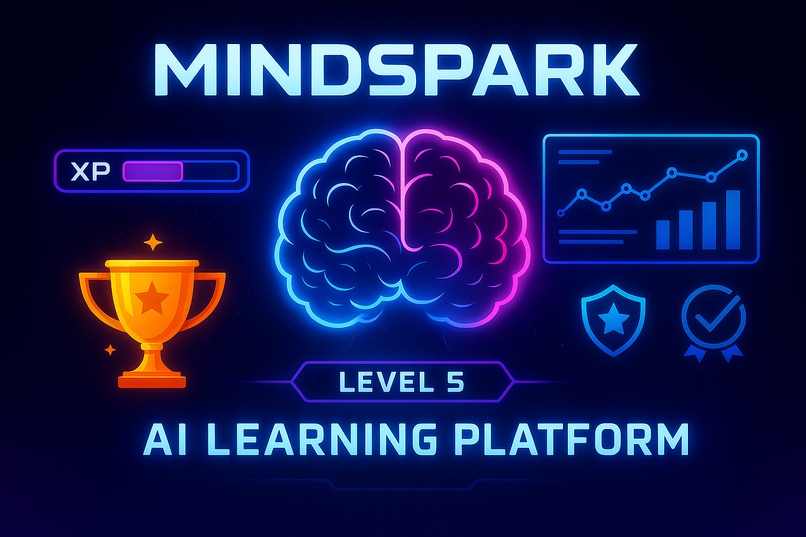
MindSpark: Igniting Curiosity, Powering Learning
-
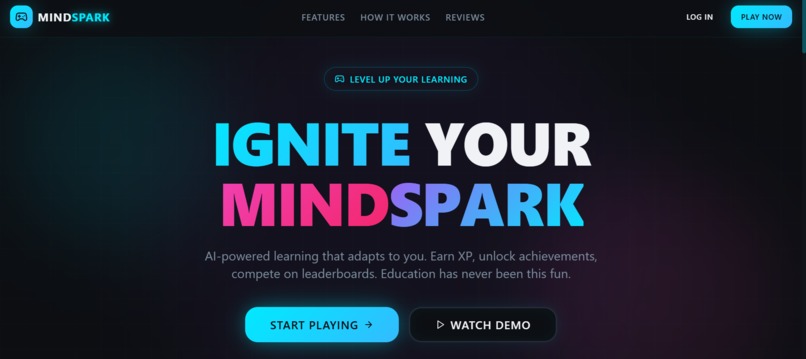
Home Page
-
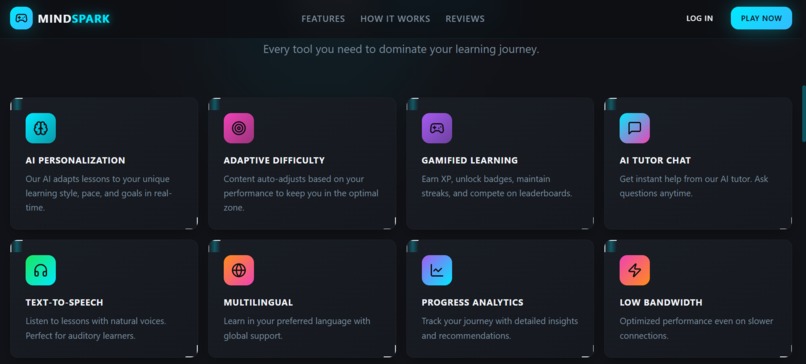
Features
-
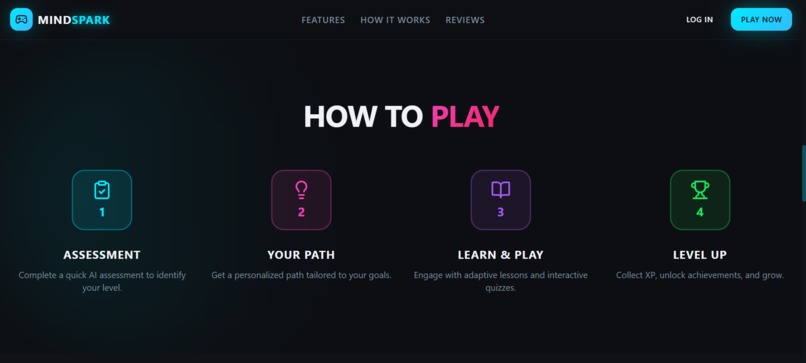
How its Works
-
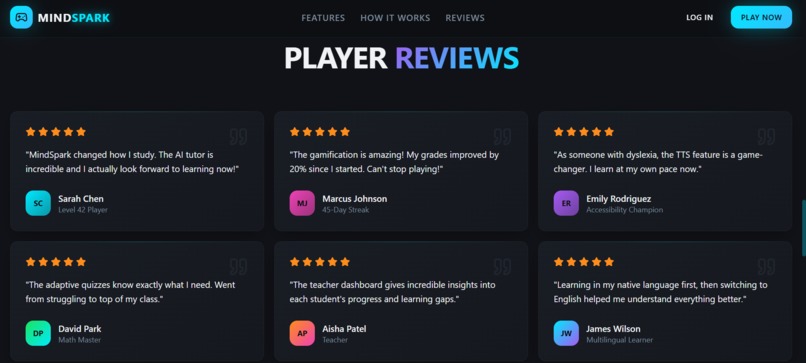
Reviews
-
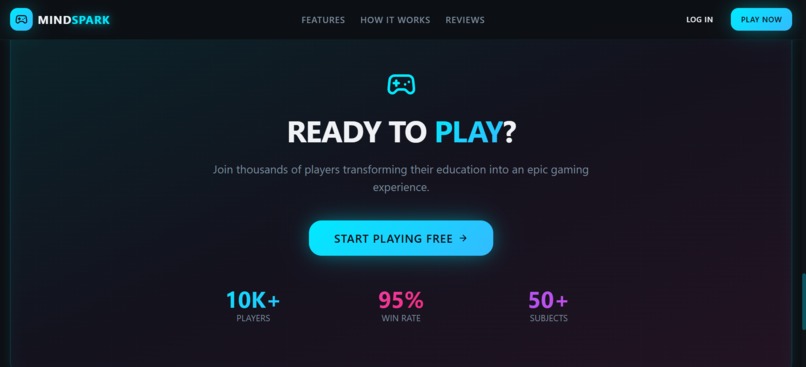
-
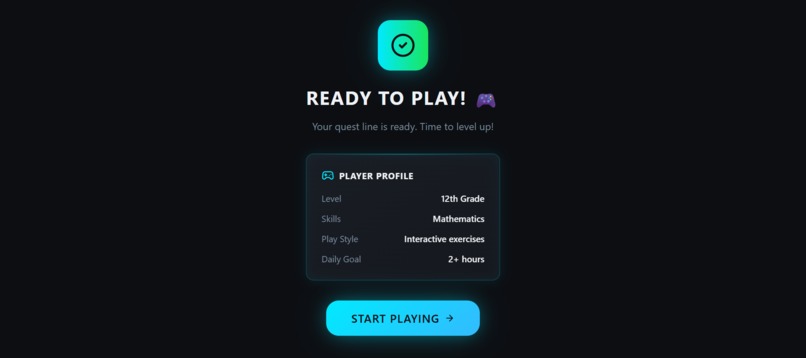
-
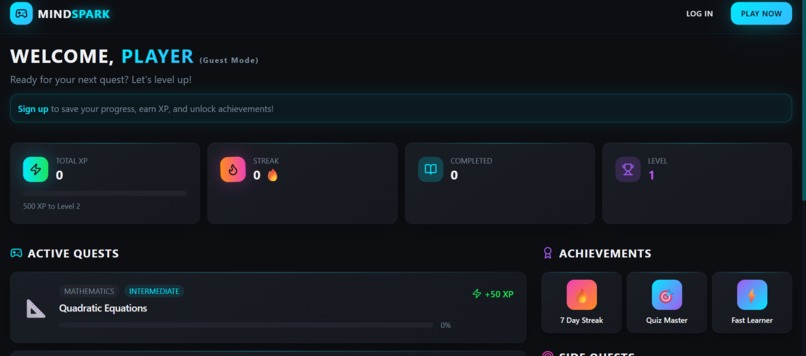
Dashboard
-
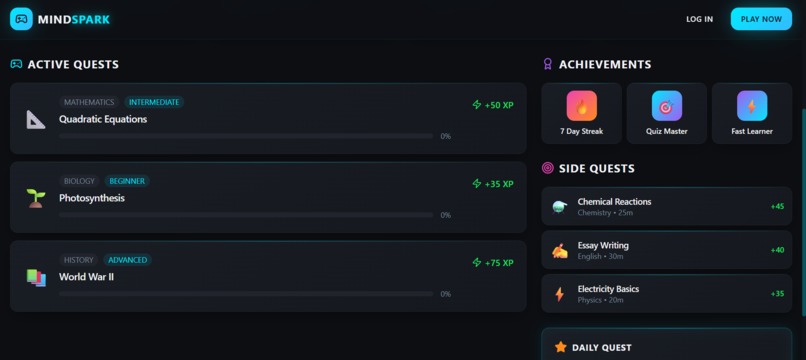
Dashboard
-
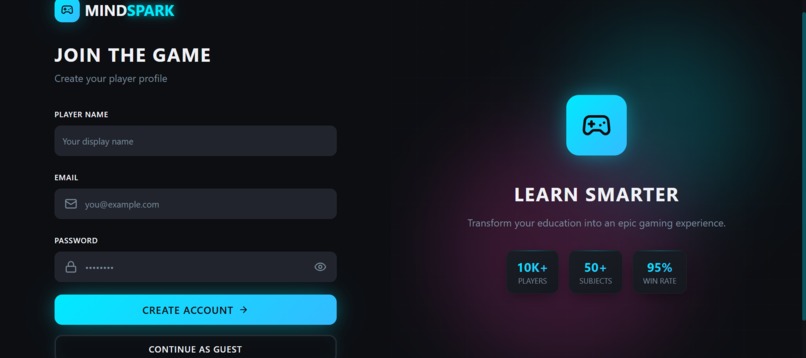
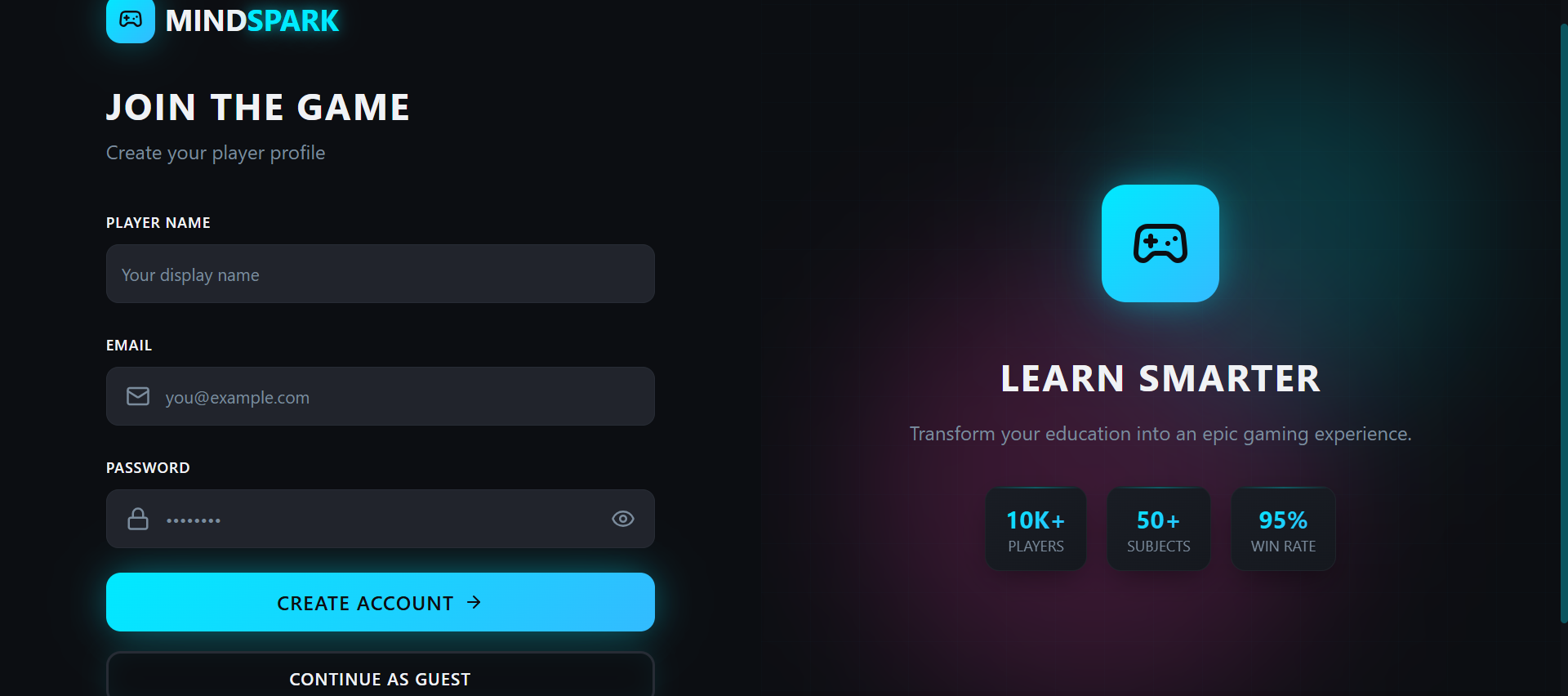
Sign Up Page
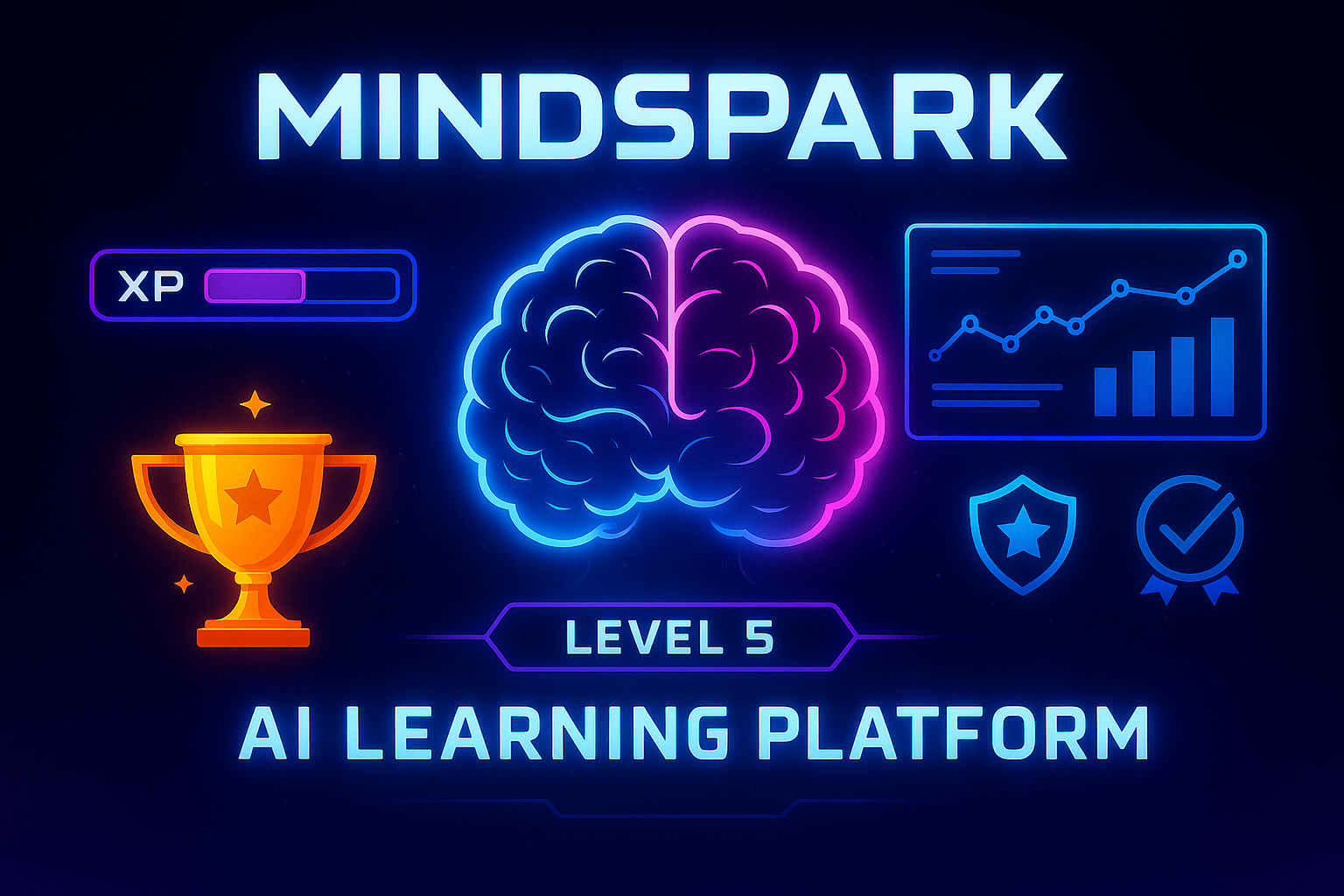
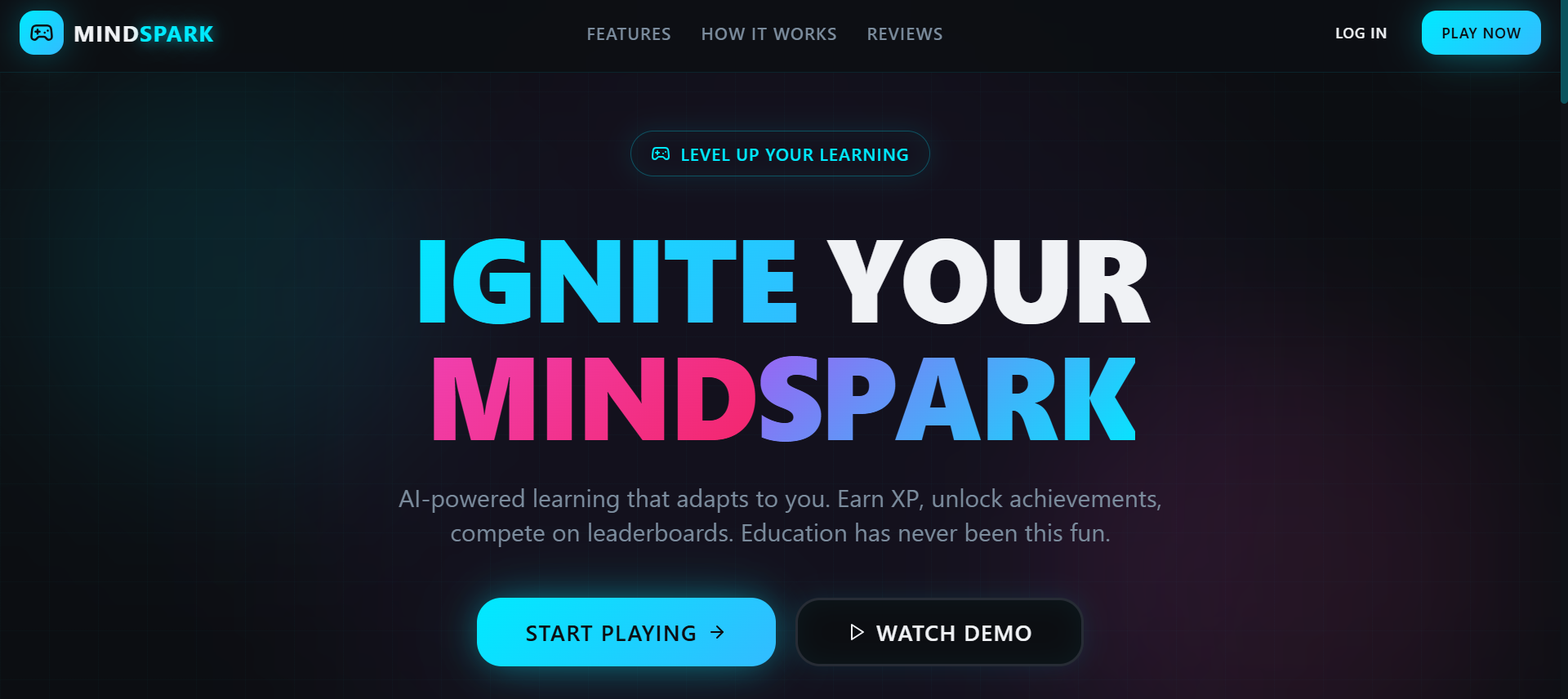
MindSpark: Igniting Curiosity, Powering Learning
Inspiration
Education today faces numerous challenges. Students often struggle to keep up in classrooms where lessons are delivered in a one-size-fits-all manner. Many learners experience low engagement, difficulty in accessing quality resources, or a lack of personalized guidance. We wanted to create a solution that empowers students to learn at their own pace, engages them in an interactive and fun way, and ensures accessibility for learners of all abilities. Inspired by the idea that learning should be adaptive, exciting, and inclusive, we envisioned MindSpark: an AI-driven learning companion that brings education to life and helps students reach their full potential.
What it does
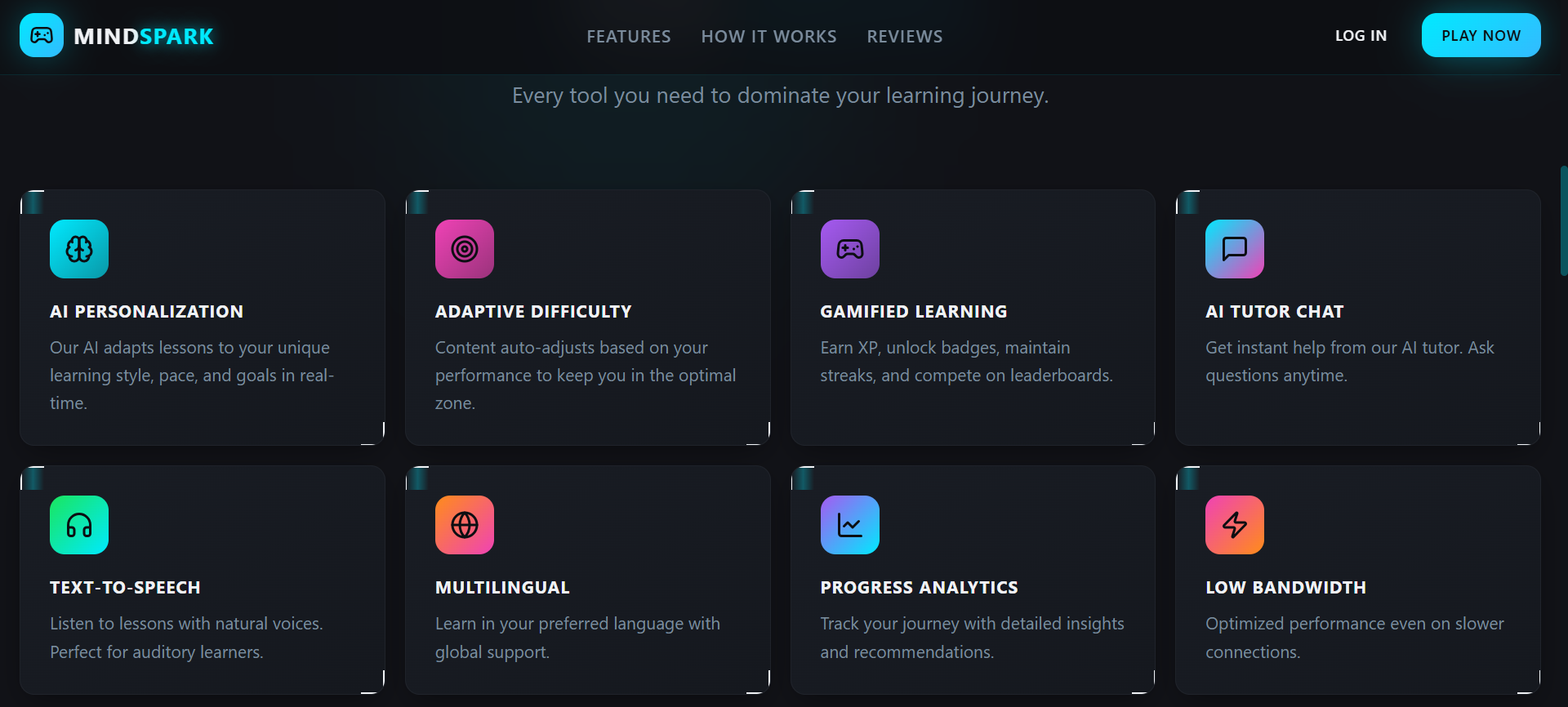
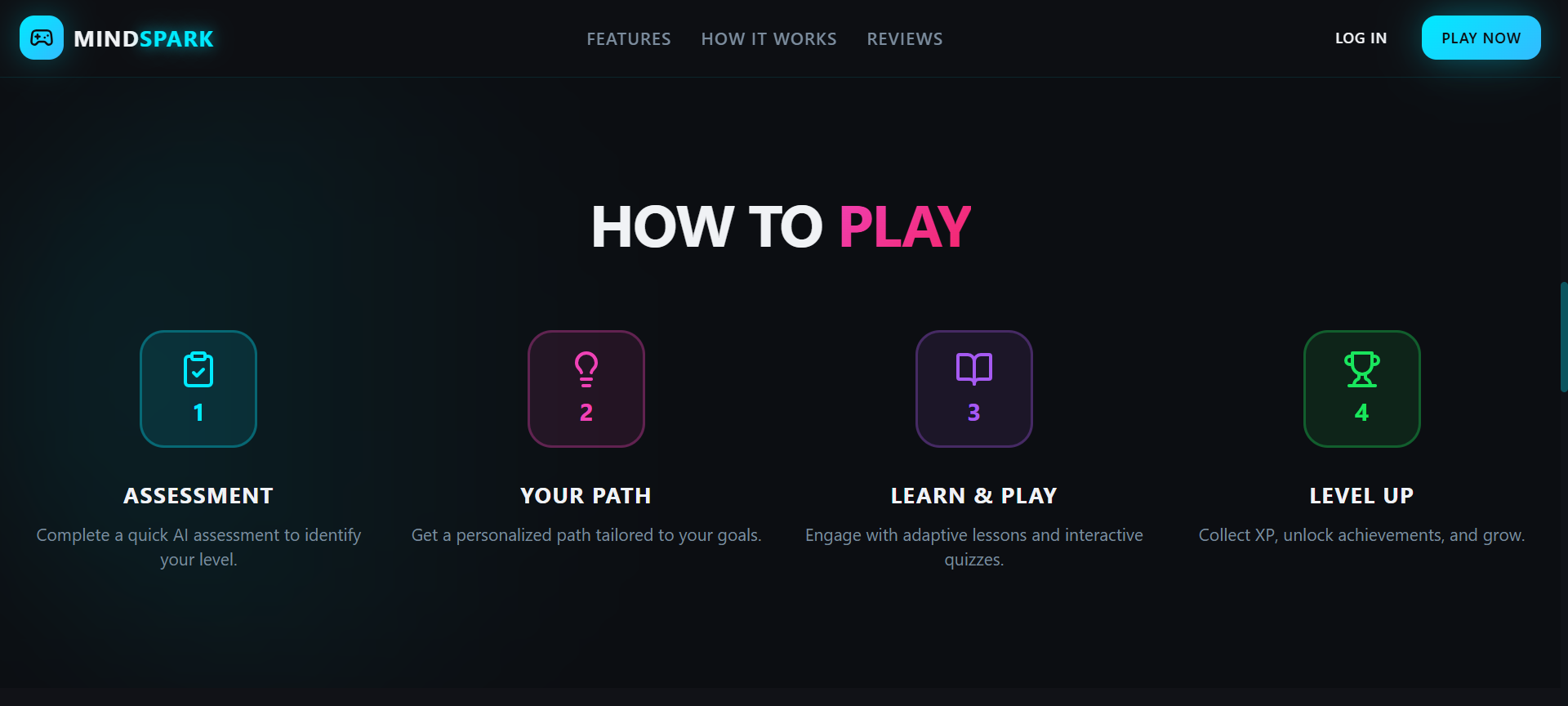
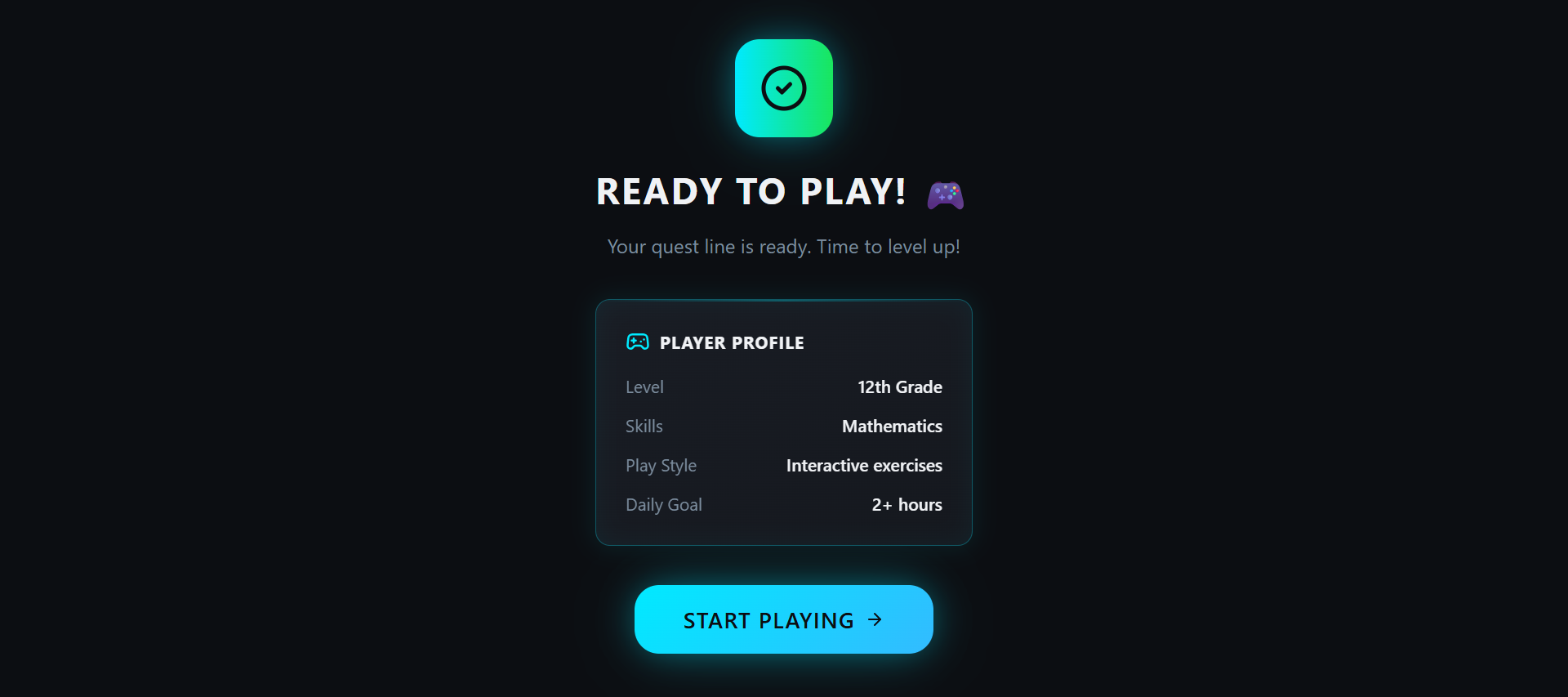
MindSpark is an AI-powered personalized learning platform designed to transform education for students everywhere. It adapts in real time to each student’s knowledge, learning style, and pace, ensuring that lessons are never too easy or too difficult. Key features include:
- Adaptive Learning AI: Analyzes student responses and adjusts difficulty and content accordingly.
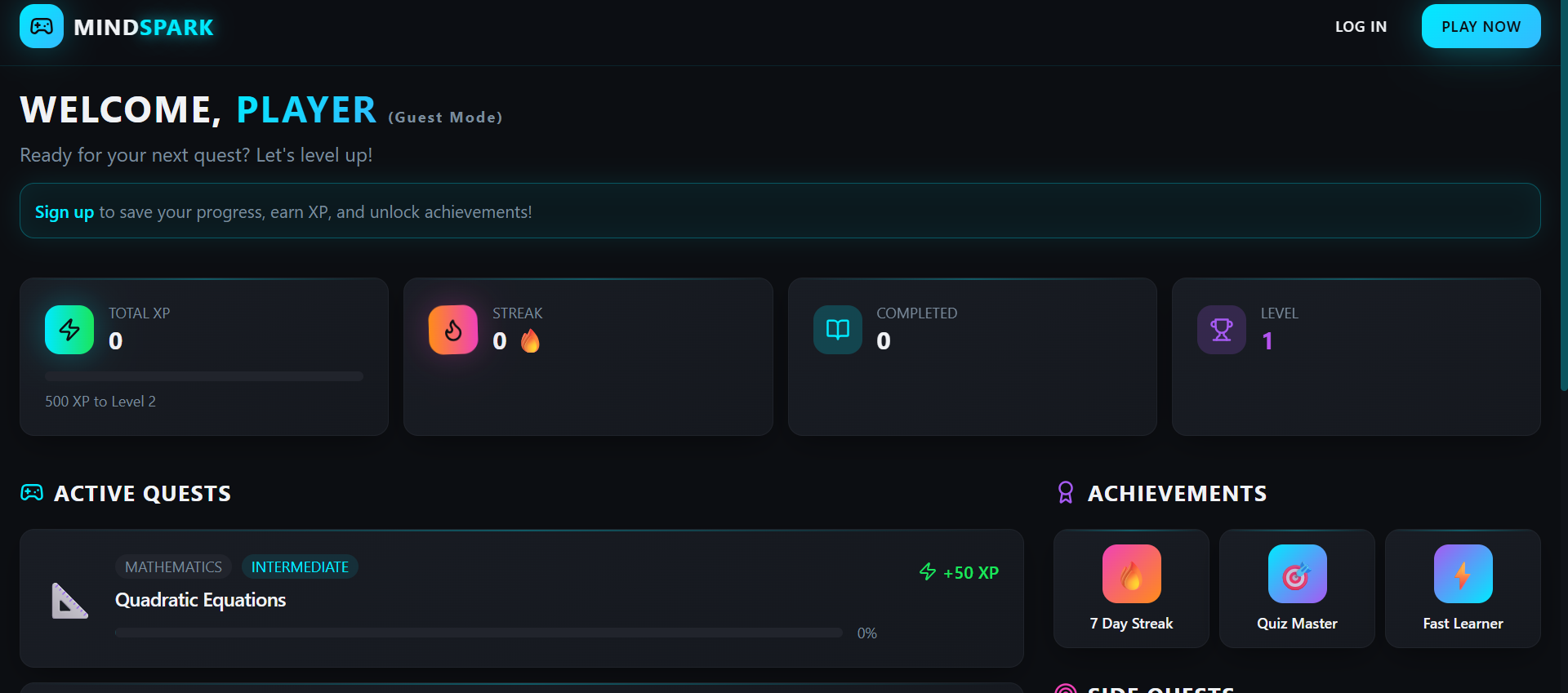
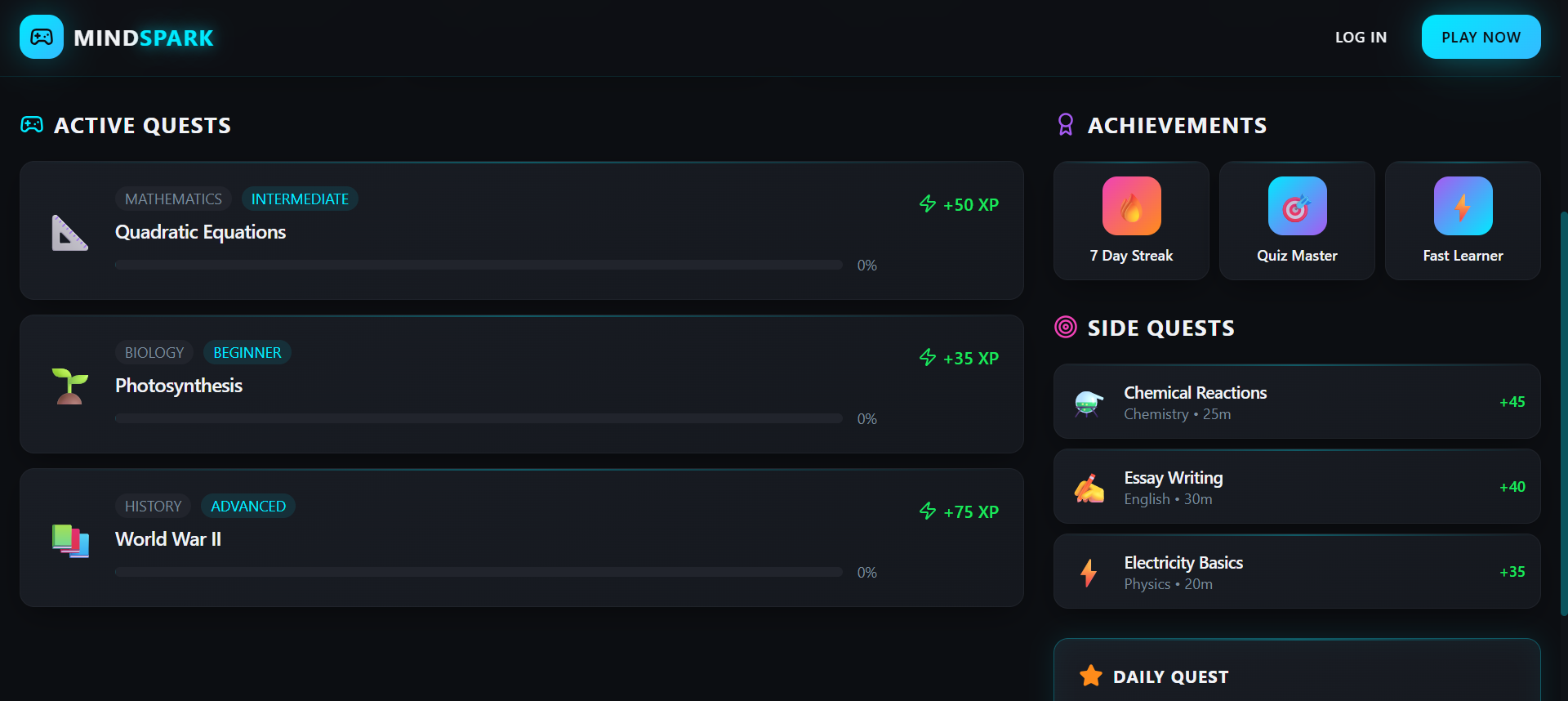
- Gamification: Keeps students engaged with points, badges, and progress levels.
- Accessibility Tools: Text-to-speech, dyslexia-friendly fonts, and sign language avatars make learning accessible to all students.
- Multilingual Support: Automatically translates lessons into multiple languages to reach a global audience.
- Analytics Dashboard: Allows teachers and parents to track progress, identify learning gaps, and intervene effectively.
- Homework & Practice Suggestions: AI recommends exercises based on weak areas to strengthen knowledge and improve outcomes.
By combining these features, MindSpark provides a holistic, engaging, and personalized learning experience that encourages students to stay motivated and succeed.
How we built it
We designed MindSpark using a combination of modern frontend and backend technologies and cutting-edge AI tools:
- Frontend: ReactJS (for web) / Flutter (for mobile)
- Backend: Python + FastAPI
- Database: SQLite / Firebase for lightweight and scalable storage
- AI/ML: TensorFlow Lite or OpenAI API for adaptive learning and content personalization
- Accessibility Integration: Text-to-speech API, sign language avatar libraries, and adjustable fonts/colors for inclusivity
Our development approach focused on creating a minimum viable prototype that demonstrates the core adaptive learning features and gamification elements. We prioritized a clean, intuitive user interface and ensured that even a small prototype would clearly showcase MindSpark’s potential.
Challenges we ran into
Building MindSpark was exciting but came with several challenges:
- Balancing complexity and usability: Creating AI that is powerful yet easy for students of all ages to use required careful design.
- Accessibility integration: Ensuring the platform is usable for learners with disabilities, including text-to-speech and visual adjustments, demanded additional research and testing.
- Real-time adaptation: Implementing AI that responds instantly to student answers, while keeping the system lightweight for fast performance, was technically challenging.
- Global inclusivity: Providing multilingual support and culturally-neutral content required careful planning and design.
- Time constraints: Building a functional prototype for the hackathon while implementing core AI features pushed us to focus on the most impactful elements first.
Despite these challenges, we were able to build a working prototype that demonstrates the vision of MindSpark and highlights its potential to revolutionize learning.
Accomplishments that we're proud of
- Successfully created a personalized AI learning experience that adapts to each student’s skill level.
- Implemented gamification elements to increase engagement and motivation.
- Integrated accessibility features including text-to-speech, dyslexia-friendly fonts, and sign language avatars.
- Developed a prototype dashboard for teachers and parents to track student progress.
- Crafted a clean, intuitive user interface that can easily scale to multiple devices.
- Maintained a focus on global inclusivity, ensuring that MindSpark can serve students from various backgrounds and languages.
We are proud that even as a prototype, MindSpark clearly demonstrates both innovation and real-world educational impact.
What we learned
Through building MindSpark, we gained invaluable experience in:
- Designing AI-driven educational tools and adaptive learning algorithms.
- Integrating accessibility and inclusivity into a digital product.
- Creating engaging user experiences for students of different ages and abilities.
- Overcoming technical challenges of real-time adaptation and scalable backend architecture.
- Working as a team to balance creativity, functionality, and presentation within tight deadlines.
This project taught us the power of technology to transform education and the importance of designing tools that serve all learners, not just a subset.
What's next for MindSpark: Igniting Curiosity, Powering Learning
Our vision for MindSpark extends far beyond the hackathon prototype. Future plans include:
- Expanding AI capabilities to cover more subjects and advanced learning strategies.
- Adding richer gamification elements such as collaborative challenges and competitions.
- Integrating offline capabilities to support students in low-connectivity areas.
- Enhancing accessibility features with AI-driven sign language and audio guidance.
- Deploying globally with full multilingual support and culturally adaptive content.
- Partnering with schools and educators to bring MindSpark directly into classrooms.
We believe MindSpark has the potential to redefine the way students learn, making education more engaging, personalized, and inclusive for everyone, everywhere.


Log in or sign up for Devpost to join the conversation.