-
-
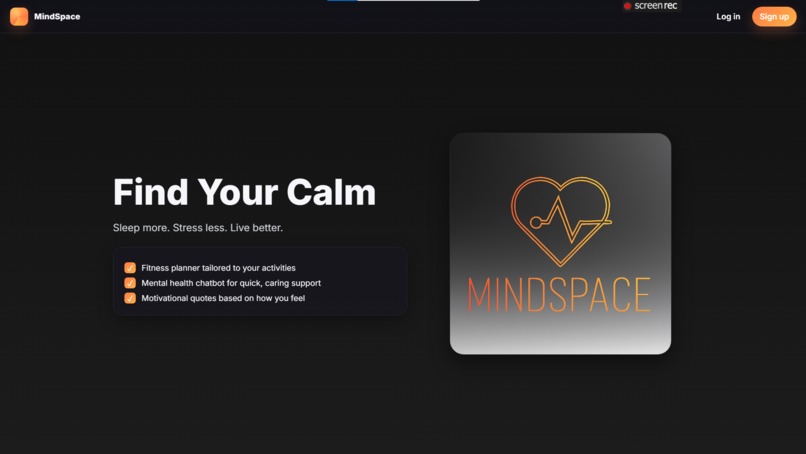
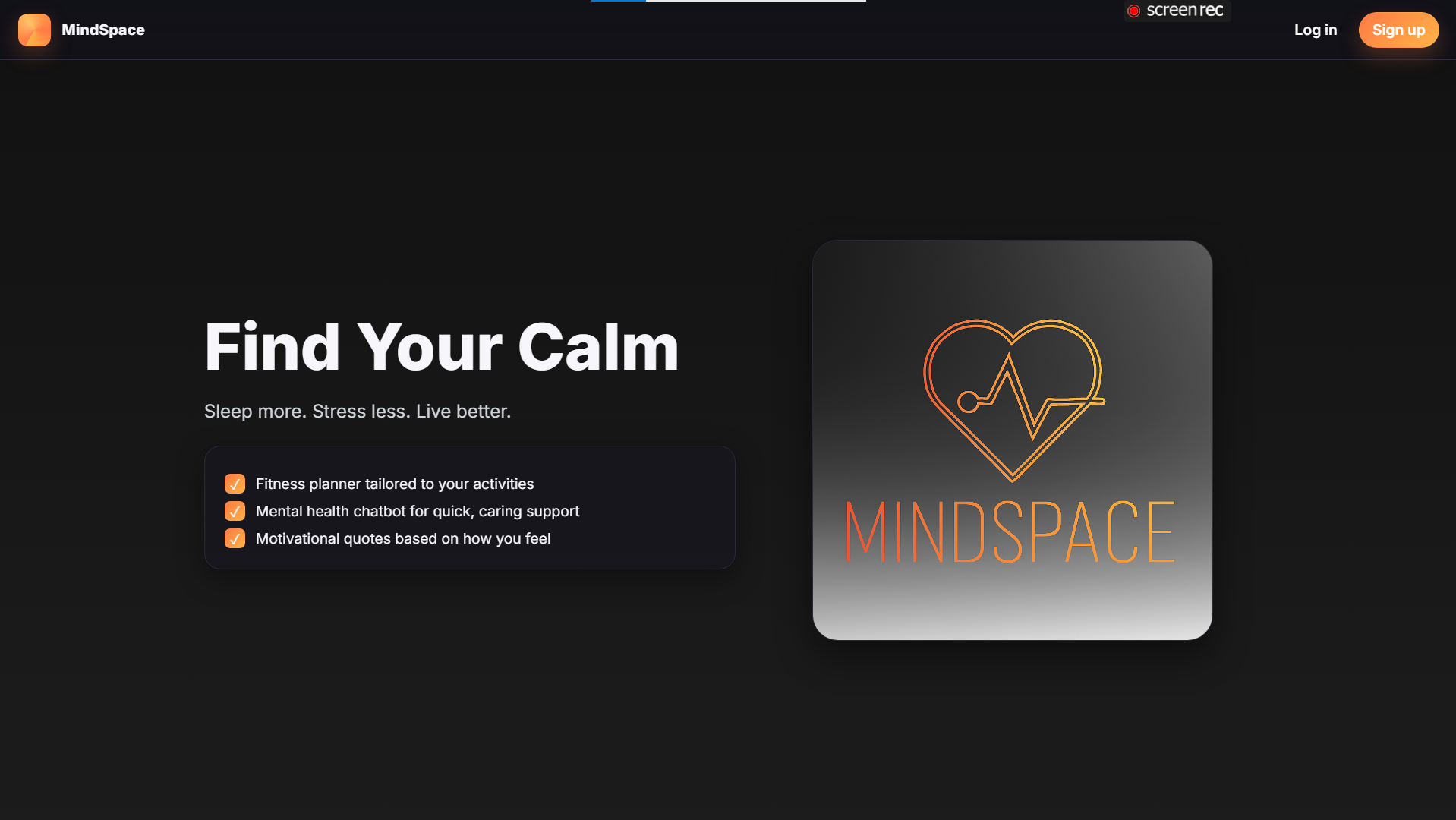
Home page
-
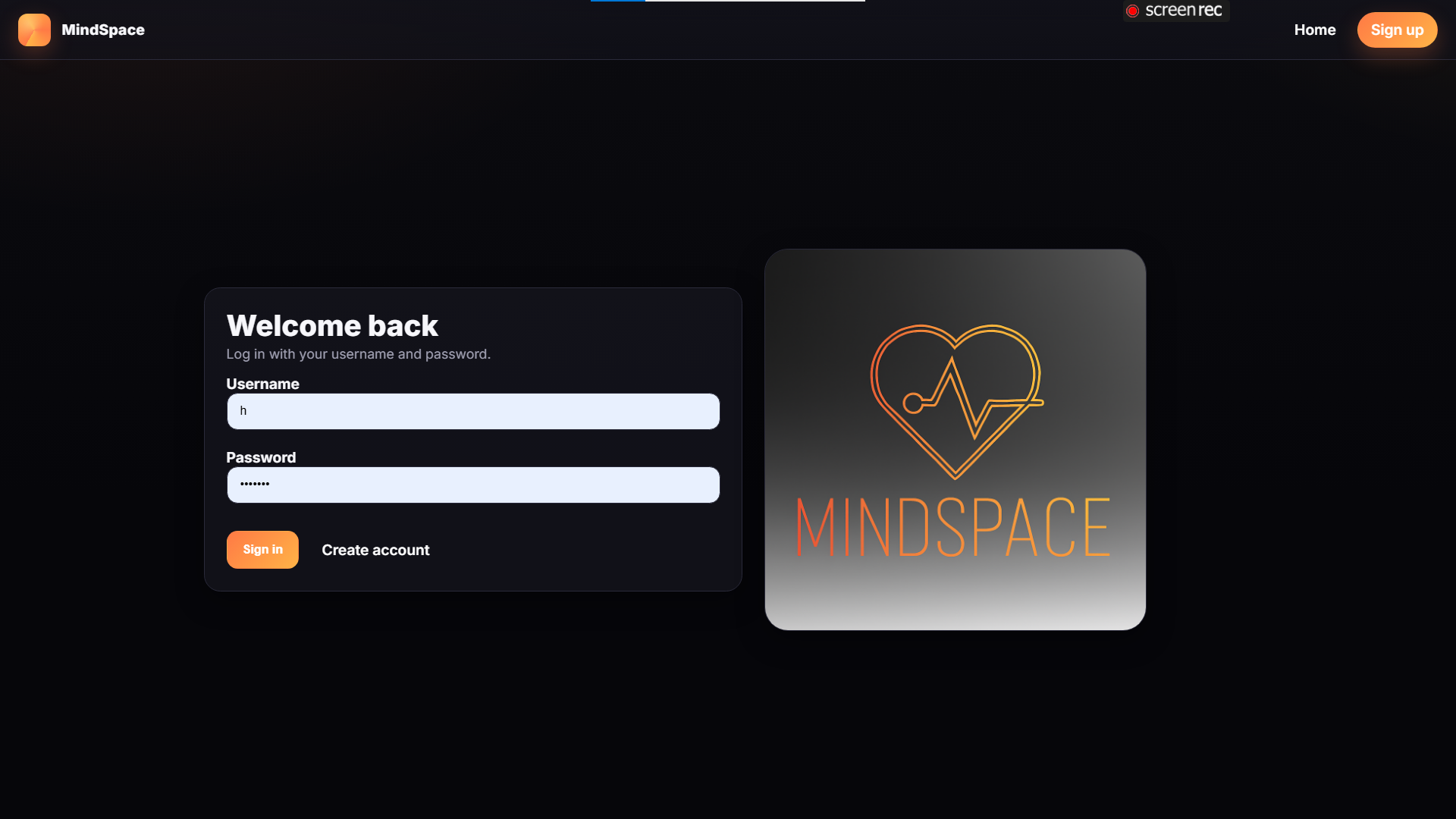
Login page
-
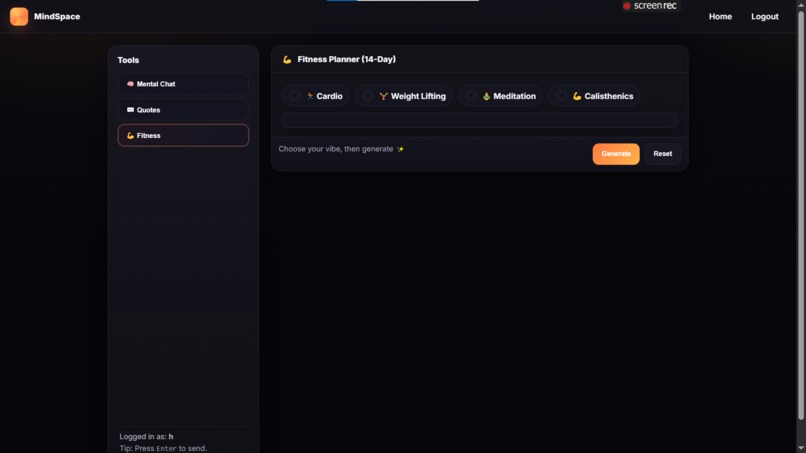
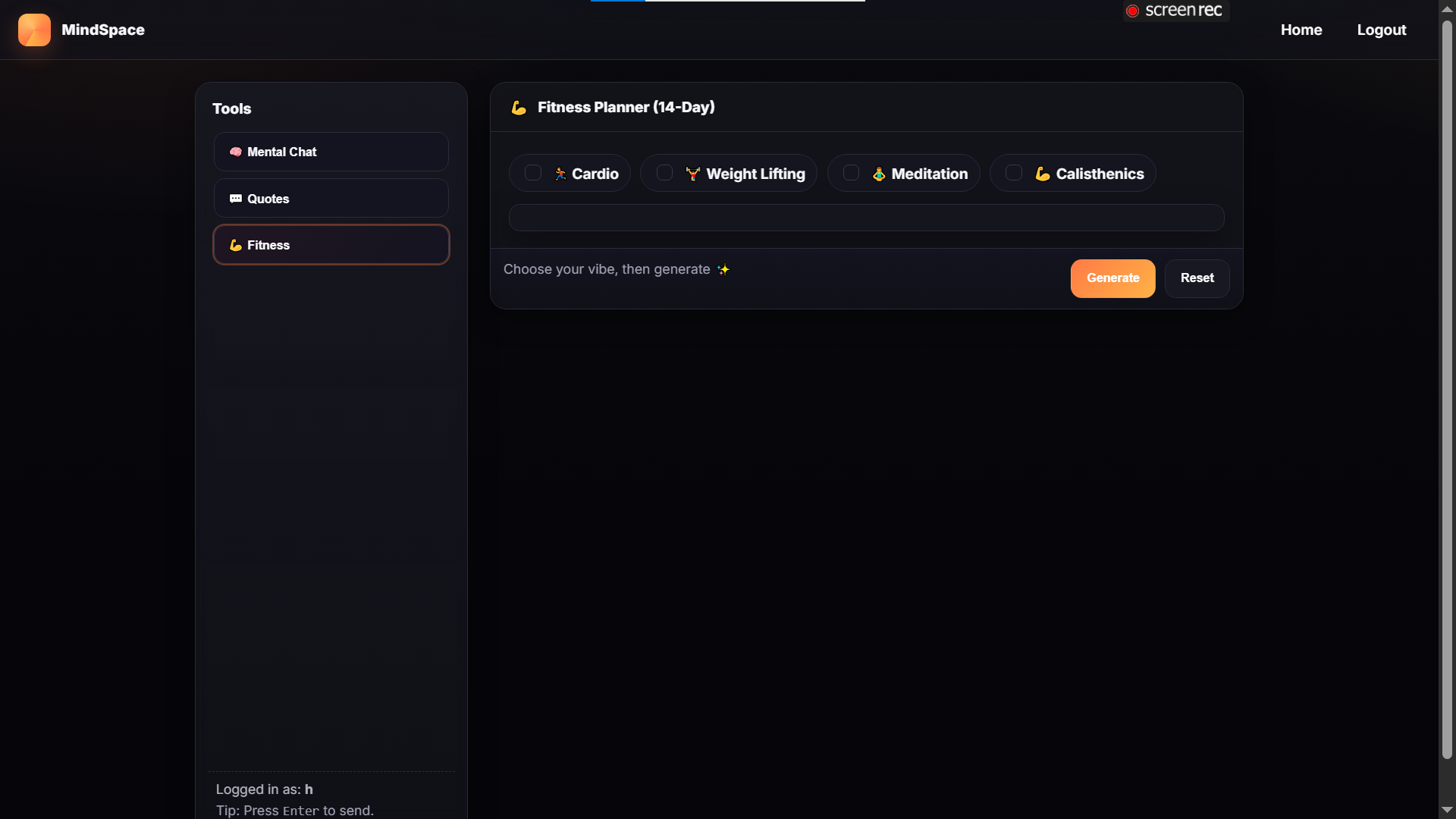
Fitness page
-
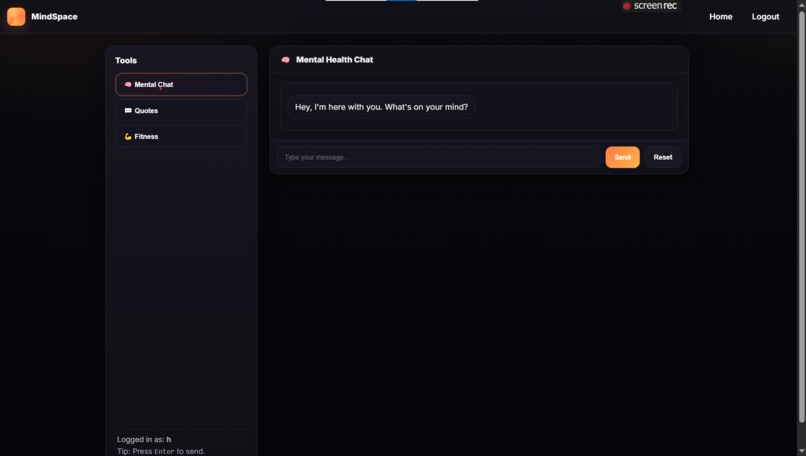
Inspiration I kept hearing the same thing from students: “I’m stressed, I can’t sleep, and I don’t know where to start.” Most wellness apps felt heavy. I wanted to create a zero-friction space that gives one caring message, one quote, one tiny plan — instantly.
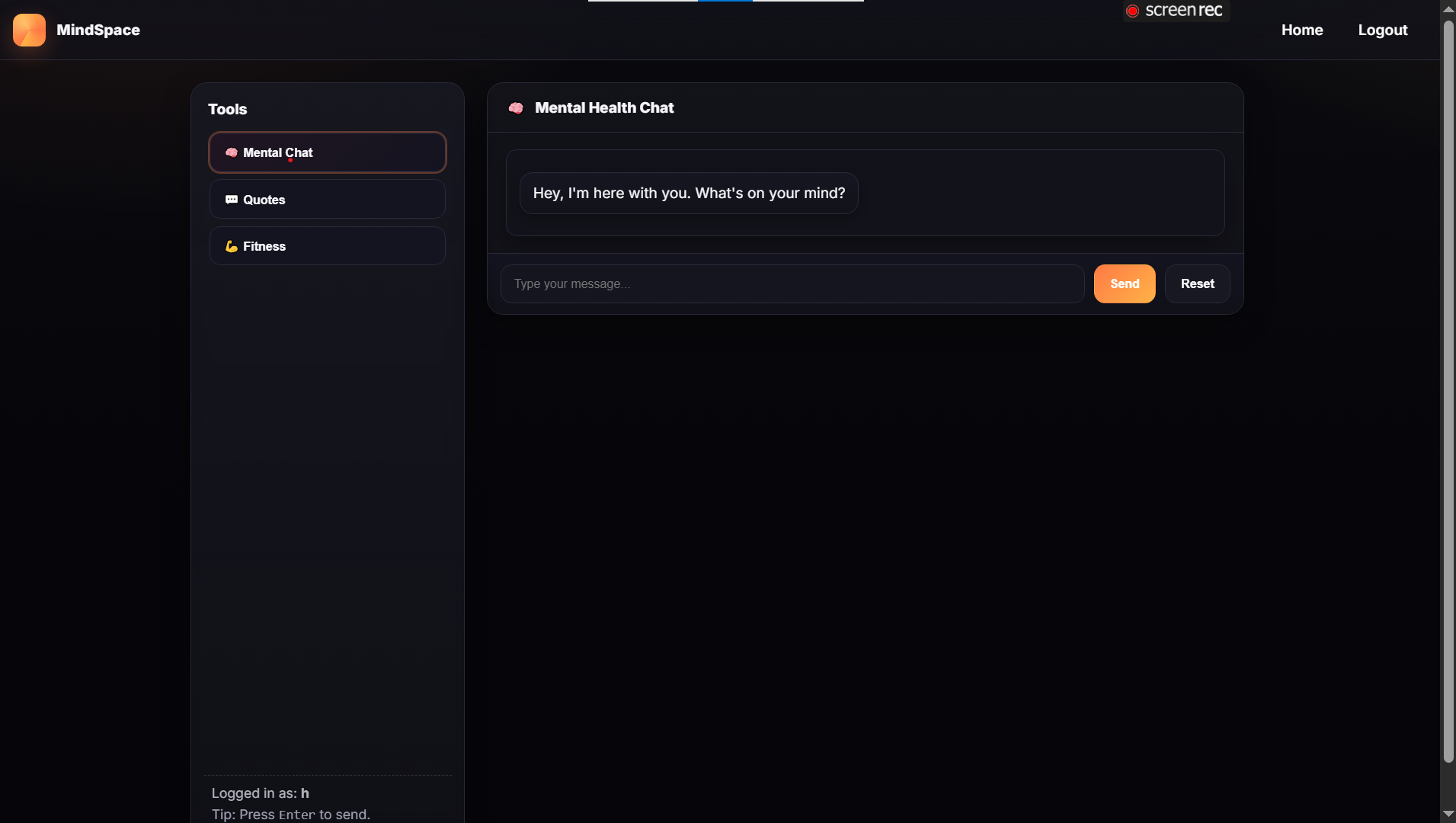
What it does 🧠 Mental Chat: empathetic replies (<120 words) with 3–4 bullet actions. Example: “deadline panic” → 4-7-8 breath, one next step, text a friend, quick check-in.
💬 Motivation: one quote that matches how you feel. Example: “anxious about exams” → "You are braver..." — A.A. Milne
💪 Fitness Planner (14-day): only uses the activities you pick. Example: Cardio + Calisthenics → progressive schedule + warm-up/cool-down + rest days.
How I built it Frontend: Vanilla HTML/CSS/JS (glassy dark UI, sticky sidebar). Backend: Flask routes — /chat, /quote, /fitness, plus /login & /signup. AI: agno Agents on Groq (llama-3.1-70b-versatile); Quotes agent can search via DuckDuckGo. Safety: strict output formats + fallback text so the UI never feels broken.
Challenges I ran into Keeping tone warm but concise (fixed with strict bullet rules). Getting reliable quote attribution (so I added curated fallbacks). Making sure fitness plans only use chosen activities with rest days. Handling env/API errors gracefully without breaking the app.
Accomplishments that I’m proud of A fully working, instant-load web app with a polished UI. A chat that feels supportive without being preachy. A useful 14-day planner with progressive overload and safety tips. Clean, lightweight code — simple Flask, no heavy frameworks.
What I learned Short, rule-based prompts work better than long ones. Guardrails (formats, fallbacks) make AI feel trustworthy. Small wins (like one next step) motivate users more than long advice. Fewer, higher-quality features beat many half-done ones.
What’s next for MindSpace Daily journaling + streaks. Compatible for mobile apps
Built With
- agno-agents
- css
- duckduckgo-search-api
- flask
- groq-(llama-3.1-70b-versatile)
- html
- javascript
- python


Log in or sign up for Devpost to join the conversation.